November 16,2023
Enterprise Name
The sealant has very strong adhesion and performs well even on glass and aluminum. After curing, it remains flexible and shows no cracking. Perfect for our facade projects.
Jul 27, 2026
PU Automotive Glass Adhesive Sealant has become the backbone of modern vehicle assembly, serving as both a bonding agent and a structural component in windshield and side glass installation. This specialized polyurethane-based material creates permanent, flexible seals that contribute significantly to vehicle safety, rigidity, and comfort. Unlike traditional mechanical fastening methods, these adhesives distribute stress evenly across the glass perimeter, absorb impact energy during collisions, and provide critical support for airbag deployment systems in passenger compartments.
PU Automotive Glass Adhesive Sealants are a big step forward in the technology used to bond things in cars. When these one-part moisture-curing systems combine with humidity in the air, they change from a thixotropic paste to a high-strength rubbery polymer.
The science behind these glues is based on silane-modified polyether resins that harden without giving off any harmful isocyanates or volatile organic compounds. At Jiaobao, our formula has a tensile strength of 2.2 MPa and an amazing 400% extension at break. This means that the bond can bend with the movement of the car body without breaking. Because it is 99% solid, it doesn't shrink much when it cures, which is important for keeping the bead's shape, which is needed for watertight seals.
The glue smooths out tiny surface flaws on both metal and glass substrates when it is put on properly prepared surfaces. When there is moisture, a crosslinking process starts and moves along at a rate of about 3.5 mm per day in normal circumstances. The skin-over time changes from 15 minutes in the winter to 40 minutes in the summer. This gives techs enough time to work and makes sure that the power is built quickly. This curing profile helps both OEM assembly lines and aftermarket glass repair operations stick to tight plans.
Traditional silicone seals are very good at withstanding the weather, but they aren't strong enough to meet crash safety standards. Epoxy adhesives make bonds stronger, but they are also brittle and don't absorb impacts well. Polyurethane formulations are the perfect balance between strong adhesion and flexibility across a wide range of temperatures, from -40°C to +90°C. Our product has a Shore A hardness of 45, which is stiff enough to help the vehicle's torsional stability without sending too much shaking to the passenger.
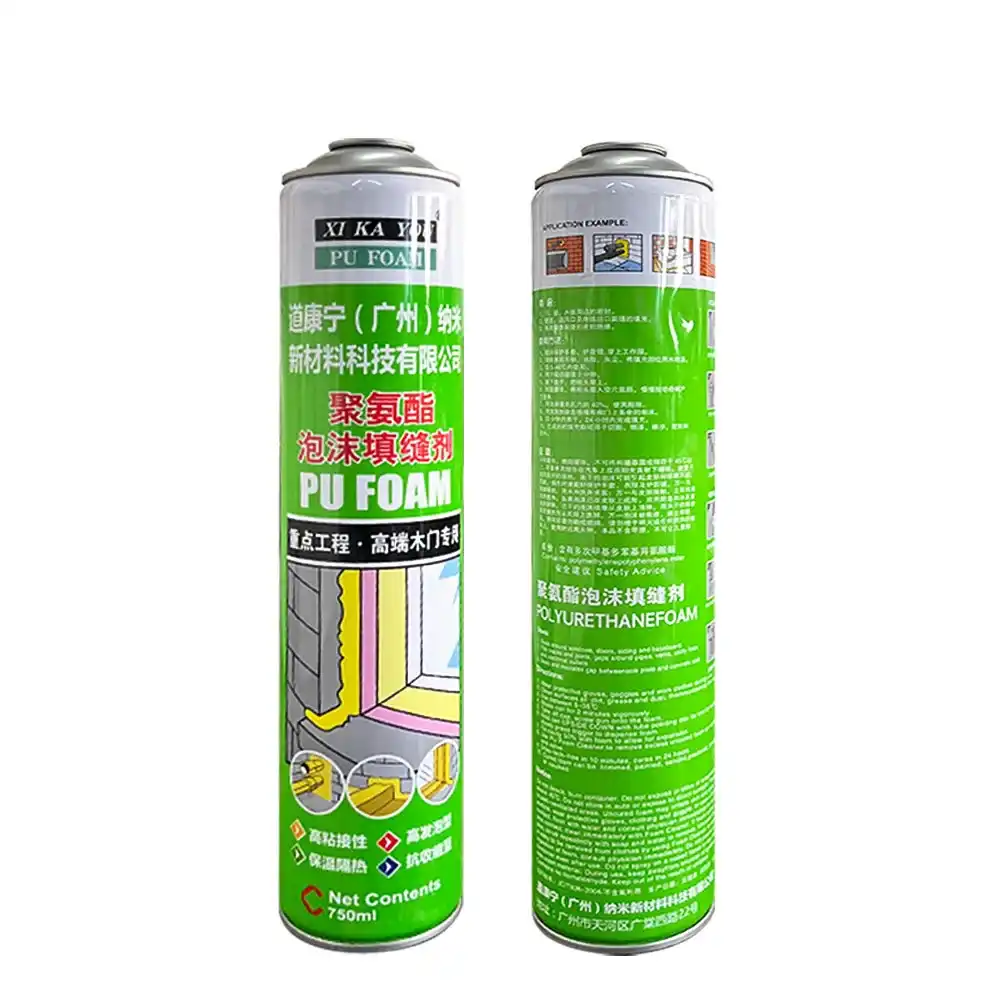
Manufacturers of cars have to meet strict standards for glass bonding systems that must work reliably for decades in tough circumstances. PU Automotive Glass Adhesive Sealants are able to handle these problems because they have both mechanical and chemical protection.
Because finished Polyurethane is elastomeric, it can continuously handle the different rates of temperature expansion between the metal body panels and the glass panels. When it's hot in the summer, metal frames grow faster than glass, which puts stress on the bond line. Because our glue has a high stretch capacity, it can handle these changes without leaking or breaking the bond. During its working life, the material doesn't break down easily when it comes into touch with road salt, auto fluids, and industrial pollutants.
UV stabilisers in the formula keep the adhesive from breaking down when exposed to light. This is especially important for panoramic sunroofs and rear windows that get some sun. The hydrophobic dried polymer keeps water out, which stops rust at the point where glass meets metal. Temperature cycling tests show that performance stays the same after 1,000 cycles between temperature extremes, which is the same as decades of seasonal changes. Resistance to humidity makes sure that ties stay strong in humid places and when they are being pressure washed.
Vehicles can go through water testing within hours of installing glass instead of having to wait overnight because of rapid strength development. The zero-sagging feature lets you apply it vertically or overhead without the beads deforming. This cuts down on redo and makes sure the finish looks the same every time. There is no need for various adhesive stocks because it works with ceramic frits, e-coated metals, and painted surfaces. Because of these traits, cycle times are shorter and the total cost of ownership for production centers is cheaper.
Modern PU Automotive Glass Adhesive Sealants don't lose their performance even though they have to follow strict VOC rules. Environmental and health concerns in manufacturing settings are eased by the lack of tin catalysts and phthalate plasticisers. Our mixture doesn't give off any smell when it's being applied or curing, which makes the job easier for installation workers. The product meets the requirements of FMVSS 212 for windscreen retention, which means it helps protect people inside during rollover accidents.
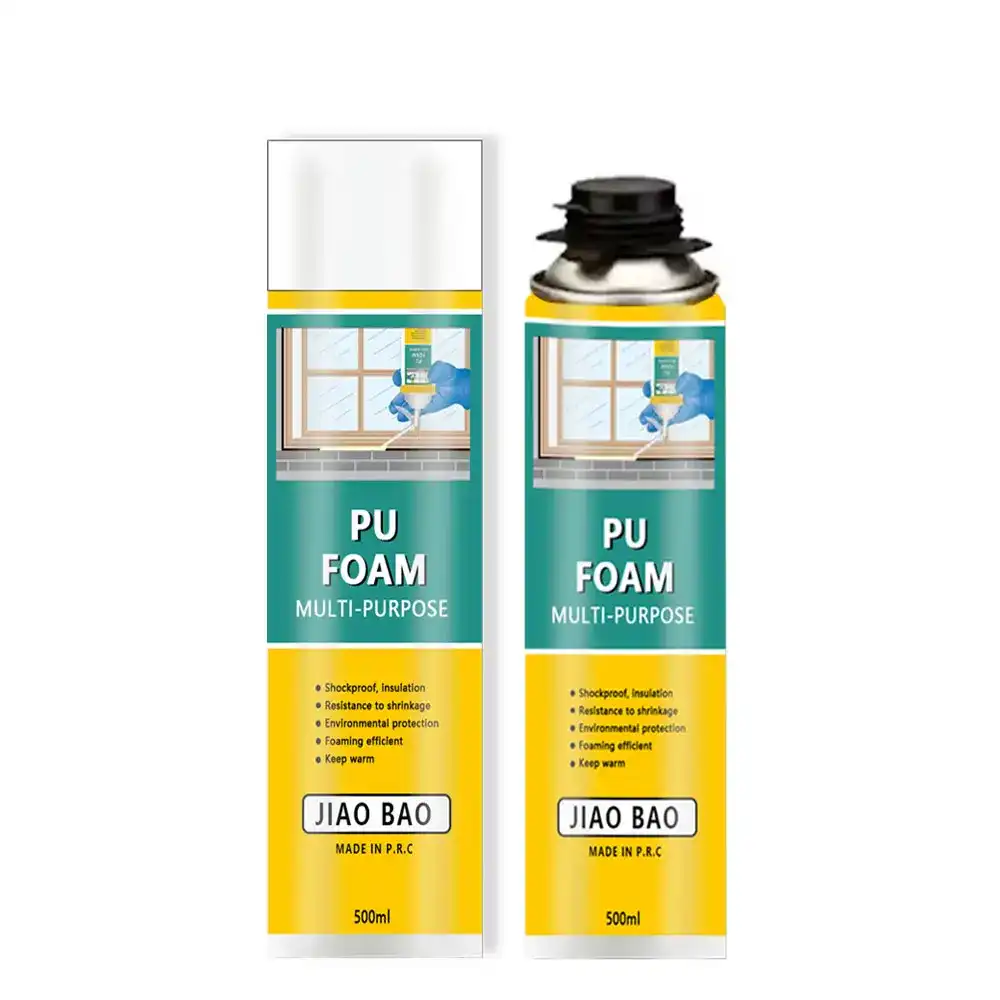
Using the right application method determines whether an adhesive bond works as expected or fails too soon. We made our product so that it can handle small differences in the way it's done while still giving great results when it's done correctly.
Release agents and other contaminants need to be removed from glass surfaces using special cleaners that evaporate completely leaving no residue. To improve mechanical interlocking, the ceramic frit band needs to be lightly scratched with fine brushes. The frit band protects the glue from UV light. Metal pinch-welds work better when primers are used to stop rust and help the metal stick together, especially when paint loss shows bare steel. When you prepare something properly, you get rid of the main reason why bonding fails in service.
When they have the right nozzle geometries, pneumatic dispensing guns make bead profiles that are always the same. A triangular bead cross-section gives the best contact area between the glass and the body panel while still letting air escape while the glass is being placed. Different car models have different standards for bead height and width based on gap sizes and structural load needs. Technicians must keep the gun speed steady and the standoff distance constant to avoid thin spots or using too much material, which raises costs without improving performance.
The temperature and humidity of the air directly affect how fast PU Automotive Glass Adhesive Sealant cures and what its final qualities are. Our technical data sheets for PU Automotive Glass Adhesive Sealant have Safe Drive-Away Time charts that take seasonal changes into account. This makes sure that cars aren't let go before the bond of PU Automotive Glass Adhesive Sealant reaches its minimum strength. During the winter, heated facilities speed up curing of PU Automotive Glass Adhesive Sealant, which keeps production going. Avoid putting too much stress on ties that haven't fully set yet to avoid cohesive failure, which weakens the bonds over time. As part of quality control, witness samples of PU Automotive Glass Adhesive Sealant are tested for lap shear on a regular basis to make sure that the whole batch is working properly.
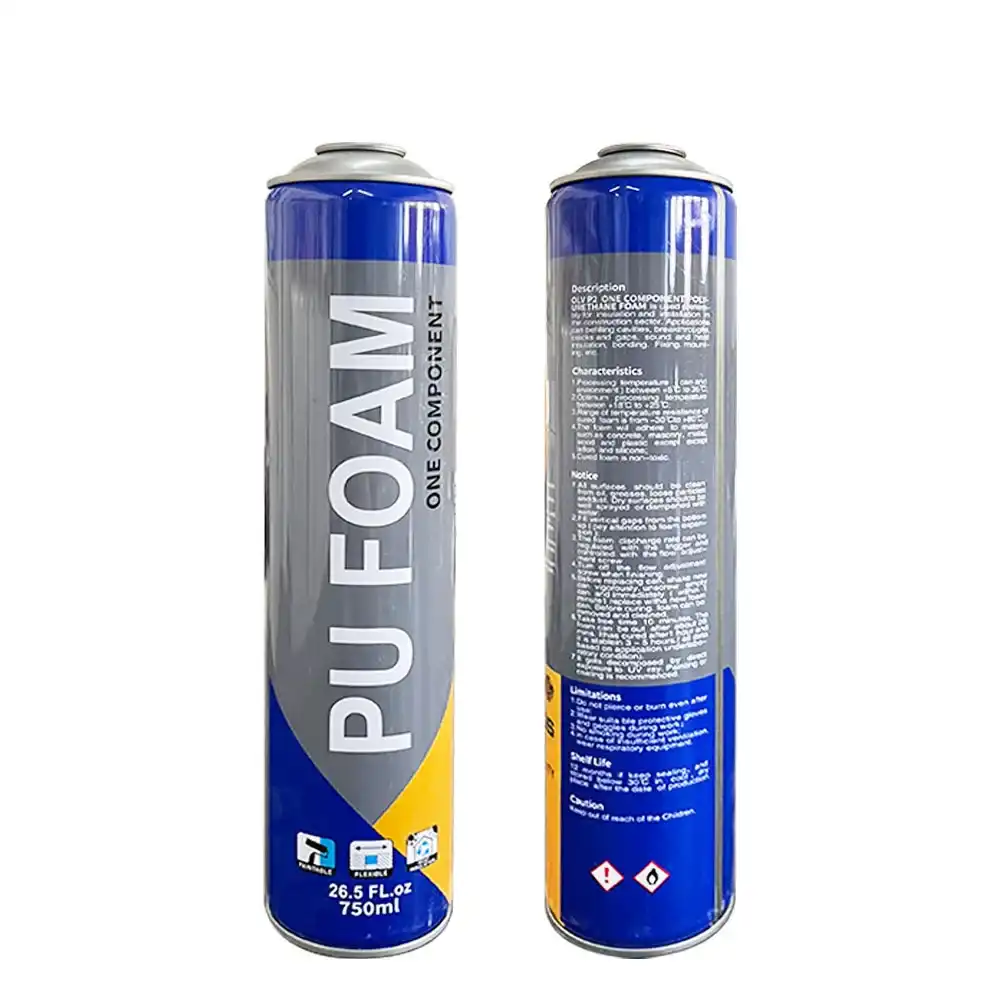
When buying glass adhesives, you have to weigh the short-term cost against the long-term performance, warranty exposure, and supply chain reliability. Our product is set up to meet all of the criteria that professional buyers look at when making a choice.
The bond strength numbers must meet or go beyond what the OEM says is required for the car platform. To keep rigid links from being overstressed or understressed, the flexibility traits should match the body stiffness and glass area. Curing speed changes how production schedules work and how much room is used in the building. The shelf life affects how you handle your inventory and your attempts to cut down on waste. Our sealed packaging has a shelf life of 12 months, so you can buy in bulk without worrying about the material going bad, which supports just-in-time manufacturing strategies.
Getting ISO 9001 certification shows that you can control the production process, which is important for maintaining quality. Following car industry standards like IATF 16949 shows that you know what the needs of that area are. Material safety data sheets must show that there are no banned substances and low VOC emissions. Objective performance validation comes from testing by a third party to ASTM and SAE standards. Jiaobao keeps up-to-date on all the necessary certifications to meet the import standards of both North American and foreign markets. This makes it easier to keep track of compliance paperwork for global operations.
The unit price is only one part of the total cost of acquisition for PU Automotive Glass Adhesive Sealant. Lead times affect how much it costs to keep supplies and how flexible output can be for PU Automotive Glass Adhesive Sealant. Cash flow and storing needs are affected by minimum order amounts. Our production ability for PU Automotive Glass Adhesive Sealant allows shipping times of one to two weeks, and we can adjust the volume to fit your needs. Different types of dispensing tools can use the 300ml and 600ml cartridges or sausages that are available for packing PU Automotive Glass Adhesive Sealant. Competitive prices and on-time delivery of PU Automotive Glass Adhesive Sealant lower the risk of purchasing things and support the concepts of lean production.
As the auto industry moves toward electric cars, lighter vehicles, and more environmentally friendly products, glue technology also moves forward. We're working hard to come up with new formulations for the next generation that meet new needs.
Chemicals that cure faster cut down on the Safe Drive-Away Time without lowering the ultimate strength, which allows for higher production volumes. Better primerless adhesion systems get rid of steps in the process and lower the cost of materials. Better thixotropy lets robots work at faster speeds while keeping their accuracy. There are conductive and non-conductive versions that deal with radio integration and stop galvanic corrosion in car designs that use a lot of aluminium. These new developments keep the basic benefits of Polyurethane while making it more useful in more situations.
Bio-based polyols made from natural resources cut down on the need for oil without affecting efficiency. Getting rid of dirty boxes and old goods through recycling programs cuts down on waste. When formulas are concentrated, they lower transportation emissions per useful unit. We want to leave less of an impact on the environment while still meeting the functionality needs of automakers. Because we've been making things for 13 years, we can use sustainable methods without affecting the security of the supply chain.
Long-term risk is lower when you build ties with highly skilled suppliers instead of just buying things based on price. Companies that offer customisation services can make their goods fit certain vehicle platforms or the needs of people in certain regions. OEM and ODM capabilities allow aftermarket brands that want to stand out to use private labelling. When production problems happen, quick expert help speeds up the fixing process. Jiaobao's engineering team works with customers to improve application processes and fix problems with field performance. This creates partnerships that go beyond just being a vendor.
PU Automotive Glass Adhesive Sealants have changed the way cars are made by making them lighter, safer, and more refined. Traditional mechanical fastening can't compare to this technology when it comes to structure performance, environmental stability, and production efficiency. When looking for an adhesive provider, you need to think about their professional skills, quality systems, service commitment, and prices. As vehicle designs change, so will adhesive formulas, which will continue to play a key role in putting cars together. Companies that work with skilled sources are in a good situation to quickly adopt new technologies while keeping production stable.
PU Automotive Glass Adhesive Sealants are necessary for crash safety compliance because they make structures stronger and help keep vehicles from twisting. Silicone sealants are very good at withstanding the weather, but they don't have the bond power needed to keep the windscreen in place during crash accidents. Polyurethane's higher modulus effectively transfers load while still being flexible enough to allow for normal body movement.
Polyurethanes that cure with moisture react more quickly in warm, humid places and more slowly in cold, dry places. In the summer, driving strength may be reached in two to three hours. In the winter, it may take six to eight hours before the car can move. Technical data sheets have Safe Drive-Away Time charts that are adjusted for the environment. This makes sure that bonds get strong enough before they are put under stress.
For the best structural performance, windscreens usually use standard or high-modulus formulations. For side and back windows, where structural support isn't as important, lower-modulus materials may be used. Non-conductive versions keep antenna systems built into glass surfaces from interfering. Choosing the right mixture guarantees the best results without using too many expensive materials that aren't needed.
Most bond breakdowns are caused by surfaces that are dirty. Chemical bonding and sticky soaking can't happen when there are oils, release agents, or moisture present. Not using enough primer on bare metal leads to rust, which makes it harder for the paint to stick. Cohesive failure can happen if the car is used before it has fully cured. Most possible failure modes can be avoided by following the right protocols for surface preparation and cure time.
Shandong Jiaobao New Materials Co., Ltd. has been specialising in sealing uses for 13 years, and they work with both cars and factories. Our silane-modified polyether resin-based adhesive has the 2.2 MPa tensile strength and 400% elongation that is needed for installing auto glass. Our RTV silicone sealants are used in more than just cars. They are also used in building and production. They come in one-component, neutral or acidic formulas and can be made in any colour you want for sealing doors and windows.
As a company that only makes PU Automotive Glass Adhesive Sealant, we have ISO approval and strict quality control methods that make sure that every batch is the same. Our responsive buying is supported by production wait times of just one to two weeks, and our flexible operations allow for both sea and land transport across North America. With OEM and ODM possibilities, you can change the recipe to fit your needs.
If you're not happy with the quality of our products within 12 months, we'll either repay or replace them, which lowers your risk of buying them. Email our technical team at dorashen@cnjiaobao.com to talk about your specific bonding problems and ask for samples.
1. Motor Vehicle Safety Standard 212: Windshield Mounting. National Highway Traffic Safety Administration, Federal Motor Vehicle Safety Standards, 2018.
2. Cognard, Philippe. Adhesives and Sealants: General Knowledge, Application Techniques, New Curing Techniques. Technical Publishing, 2019.
3. Petrie, Edward M. Handbook of Adhesives and Sealants in Construction. McGraw-Hill Professional, 2020.
4. Society of Automotive Engineers. SAE J1529: Adhesives for Automotive Glass Encapsulation. SAE International Standards, 2017.
5. Habenicht, Gerd. Applied Adhesive Bonding in Science and Technology. Wiley-VCH, 2021.
6. Packham, D.E. Handbook of Adhesion Technology, Second Edition. Springer International Publishing, 2021.
November 16,2023
Enterprise Name
The sealant has very strong adhesion and performs well even on glass and aluminum. After curing, it remains flexible and shows no cracking. Perfect for our facade projects.
November 16,2023
Enterprise Name
Stable quality across batches. Our customers especially like the smooth application and consistent extrusion. It helps reduce installation time on site.
November 16,2023
Enterprise Name
I used it for bathroom sealing. Excellent waterproof performance and no mold issues so far. It's been holding up very well in humid conditions.
November 16,2023
Enterprise Name
The neutral silicone works well on sensitive materials without corrosion. Very suitable for industrial applications requiring stable performance.
_1779347426672.webp)