November 16,2023
Enterprise Name
The sealant has very strong adhesion and performs well even on glass and aluminum. After curing, it remains flexible and shows no cracking. Perfect for our facade projects.
Sep 11, 2026
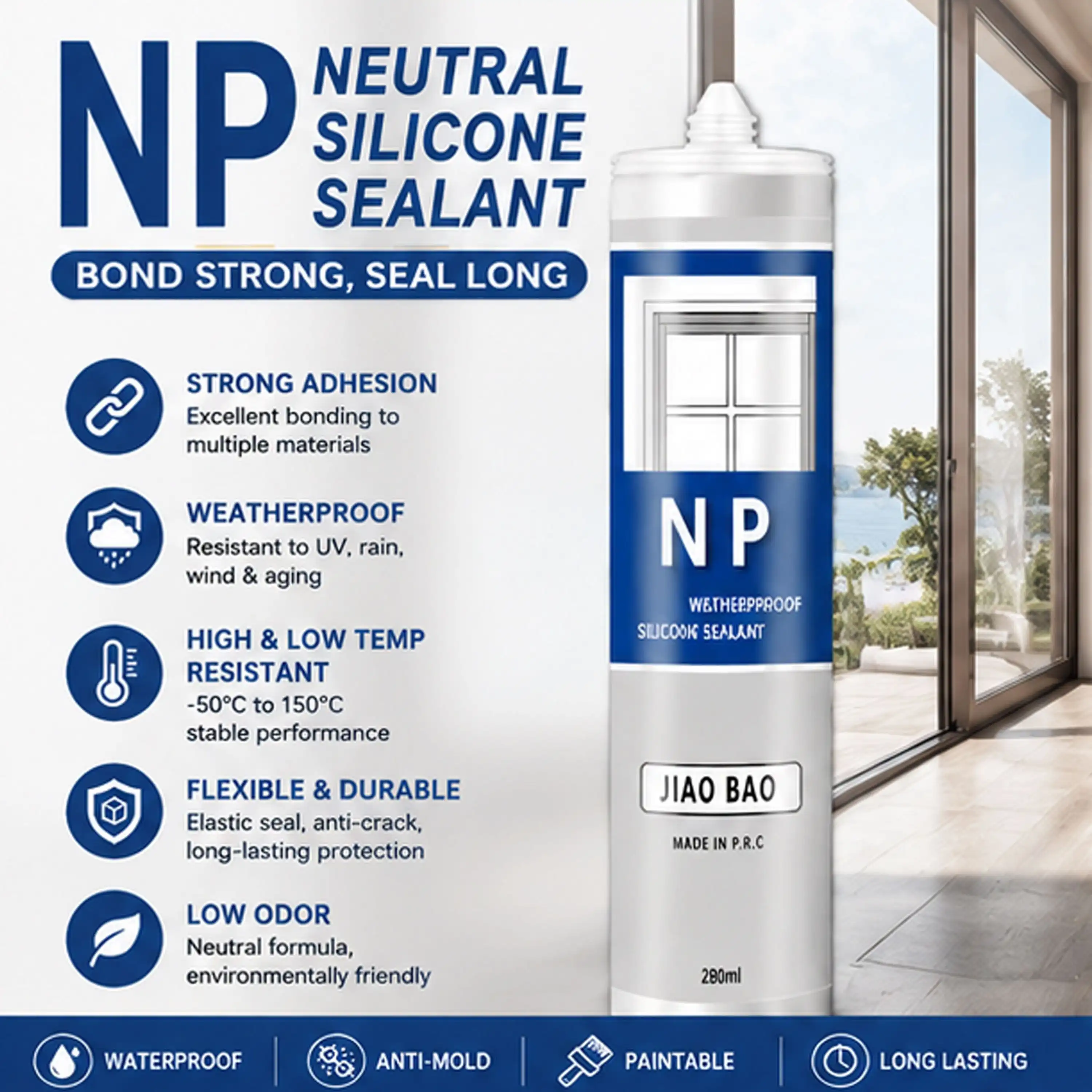
Weatherproof sealing is absolutely critical when building facades need to withstand years of environmental stress while maintaining structural integrity and protecting interiors from moisture intrusion. Modern facade construction and restoration increasingly depend on silicone sealants because they deliver superior flexibility, exceptional durability, and robust resistance to UV radiation and chemical exposure. The NP Weatherproof Silicone Sealant for Facade represents a trusted solution engineered specifically for professional facade applications, combining performance excellence with manufacturing reliability. This makes it an ideal choice for B2B procurement professionals seeking long-lasting facade protection backed by proven results.
Driving rain, temperature changes, UV rays, and pollutants are just some of the things that the environment is always trying to damage building facades. The NP Weatherproof Silicone Sealant for Facade acts as a flexible, long-lasting shield, keeping water, weather, and dirt out of these weak spots.
It's easy to see the difference in performance between silicone and more common options like acrylic or polyurethane. Silicone stays flexible at very high and very low temperatures, but acrylics and polyurethanes break down after being exposed to UV light for a long time. Professional-grade products have a neutral-cure formula that stops metal substrates from rusting and gets rid of the staining problems that happen with stone and masonry applications.
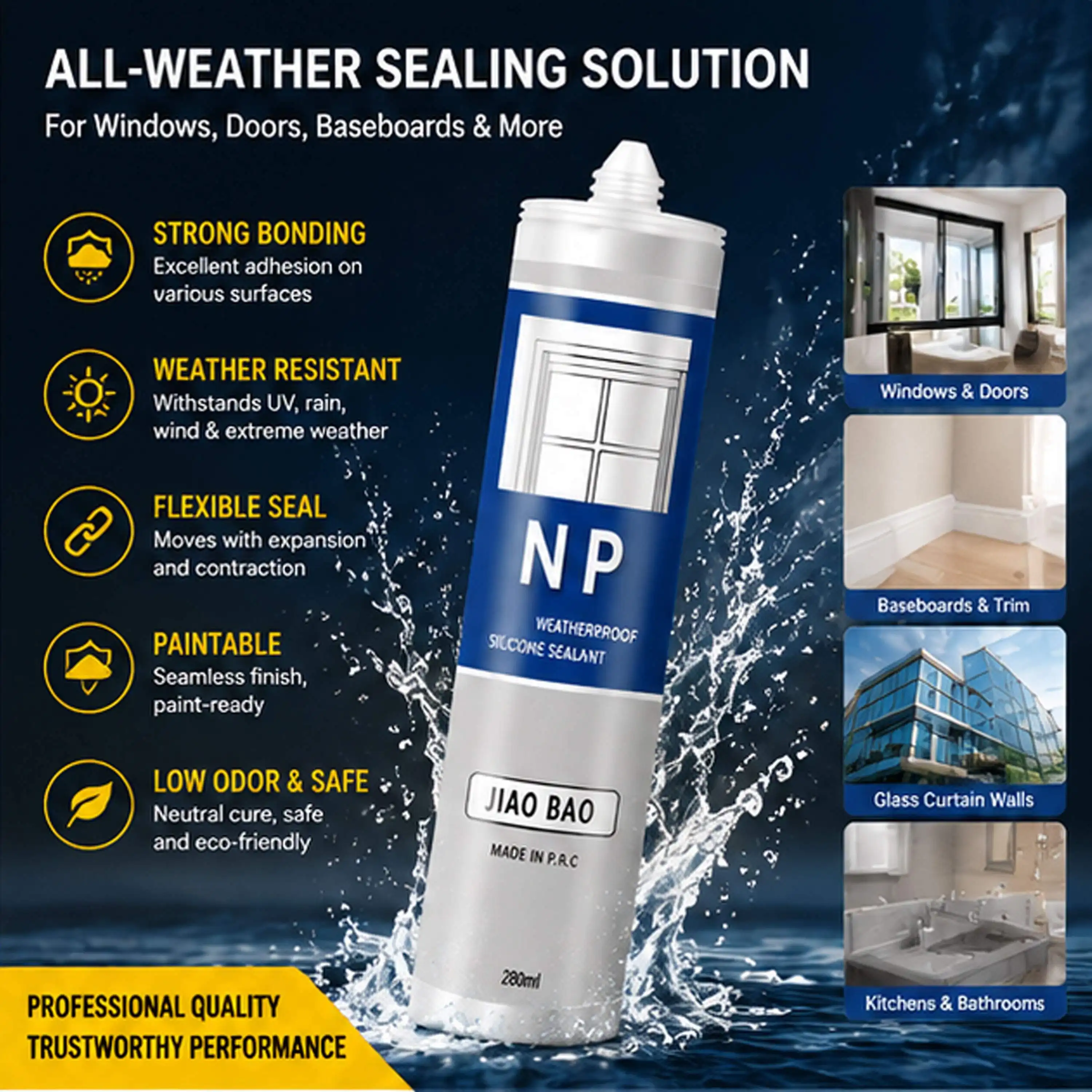
Thermal expansion, structural shifting, and wind loads all cause the joints in the facade to move all the time. During their lifetime, buildings naturally move and breathe. This movement must be able to be handled by a good outer sealant without losing its stickiness or breaking. The NP Weatherproof Silicone Sealant for Facade formula allows for 25% movement, which means it can stretch and contract with the building while still keeping a waterproof seal. This adaptability is very useful in curtain wall systems because the glass panels and aluminium frames grow at different rates when the temperature changes.
The better performance comes from the way silicone molecules are structured. Organic polymer sealants oxidise and break down over time, but silicone polymers stay chemically stable for decades. This means that the costs of your projects will go down over their whole life. Investing in high-quality silicone sealing up front pays off because it lasts longer and needs less upkeep. When purchasing professionals look at the total cost of ownership instead of just the purchase price, silicone is always the best choice for harsh wall settings.
Whether your lubricant lasts three years or thirty years depends on how well you use it. Even the best product won't work if the way it's installed makes it less likely to stick or brings in dirt.
Substrates that are clean and dry must be used. Solvent cleaning with isopropyl alcohol or special products for facades is the usual way to get rid of dust, oils, and residues. Surfaces that are porous, like natural stone or concrete, must be completely dry. Moisture that gets stuck stops bonding from working right and makes cure times longer. To get rid of mill scale or protective films that get in the way of bonding, metal substrates need extra care.
The NP Weatherproof Silicone Sealant for Facade comes in 300ml and 600ml packs or sausages that are easy to use with regular sealing guns. To make sure the sealant cures properly, put it on when the temperature is between 5°C and 40°C and the relative humidity is above 30%. After the sealant is put on, you should work on the joint within 10 minutes. In normal conditions, it takes about 30 minutes for the sealer to harden. The curved shape that best distributes stress across the joint is made with the right tools.
For this neutral-cure formula to fully vulcanise, it needs moisture from the air. At 25°C and 50% relative humidity, the repair takes 7–14 days and moves from the surface inward at a rate of about 2–3 mm per day. Knowing this cure profile helps project managers plan the next steps in the building process. During the curing process, keep joints away from water and don't touch the sealer bead.
Surface pollution is the main reason why bonding fails. Bonding can be harmed by oil residues from formwork release agents, silicone overspray from work next to it, or not cleaning well enough. Joint design mistakes also hurt performance. Joints that are too wide or too narrow for the movement that is expected, joints that don't have enough depth-to-width ratios, or three-sided binding all cause stress clusters that cause the joint to fail early. These problems can be avoided by following the ASTM C920 standards for joint design.
When choosing a facade sealer, you have to weigh the performance needs against the limitations of the job. Knowing how various sealant chemicals work in real-life situations helps you make smart buying choices.
In facade applications, silicone sealants usually last 20 to 30 years, which is a lot longer than other options. Polyurethane seals stick well and can be painted over, but they break down when exposed to UV light and usually need to be replaced every 10 to 15 years. Acrylic seals are cheap and work well for inside jobs, but they don't last long enough against weathering for outside walls, and they usually fail after 5–7 years.
Silicone's ability to stay flexible at high temperatures is a clear benefit. From -50°C to +150°C, the NP Weatherproof Silicone Sealant for Facade substance doesn't harden or soften. It stays flexible. This range of temperatures includes places with very harsh weather, like Arctic sites and deserts. Polyurethane hardens when it gets cold, but acrylic seals break down when they get above 80°C.
Cleaning the facade, acid rain, and other pollutants in the air are always putting sealants to the test. Silicone is very resistant to chemicals and keeps working even when it's exposed to cleaning solutions, industrial environments, and environmental pollutants. The neutral cure system makes sure that it works with mirrors, coated glass, and copper flashings, which are all sensitive substrates that break down when exposed to acetoxy silicones.
Silicone costs 30–50% more than other options, but lifecycle analysis always shows that silicone is better for use on facades. When you add up the costs of replacement, scaffolding, building downtime, and labour for resealing, silicone's longer service life means lower total ownership costs. This economic fact affects the choices that are made about what materials to use in business buildings, hospitals, and other places where long-term performance supports using high-quality materials.
Buying choices are based on performance data that can be checked, the dependability of the supply chain, and the ability of the seller to provide support. Shandong Jiaobao New Material Co., Ltd. delivers in all three ways by making products that are of the highest quality.
The NP Weatherproof Silicone Sealant for Facade is ISO certified and meets foreign testing standards such as GB 13477 and ASTM C920. These certifications back up claims of performance with tests done by a third party. Quality control checks each batch for tensile strength, stretch, stickiness, and resistance to weathering. The sealant is hard (Shore A 30) and has a tensile strength of 0.7 MPa, which are the right material qualities for curtain wall and covering uses. The VOC level stays below 80 g/L, which is in line with environmental rules in both the European and American markets.
White, black, and grey are standard colours, but special colour matching can be done to meet the needs of particular building projects. When consistency in style is important, curtain wall contractors and stone fabricators really like this feature. RAL colour matching makes sure that sealant joints blend in perfectly with the materials around them, so joints that don't match don't stand out. Once colour specifications are set, batch-to-batch consistency stays high even during projects with more than one phase.
The ability to make things helps with both big tasks and regular source relationships. Production lead times are between one and two weeks, which lets delivery schedules be flexible. Shipping choices that are easy to change include sea freight for container loads and quick plans for needs that need to be met right away. The 12-month shelf life gives you enough stocking freedom while keeping the food fresh. Bulk purchasing programs offer discounts for buying in bulk, which makes projects more cost-effective without lowering the quality of the goods.
Technical datasheets with all the information you need about performance are needed to submit a project. Engineering support helps with joint design calculations, questions about substrate compatibility, and fixing problems with applications. This method to technical partnerships helps workers avoid mistakes that cost a lot of money and makes sure that the best installation practices are used. The quality guarantee protects against material flaws that are found during the shelf life and allows for a refund or replacement. This lowers the risk of purchasing.
Setting up the show is not the end of the story; it is the beginning. Regular inspections and upkeep can make sealant last longer and keep small problems from getting worse and costing a lot to fix.
Over 13 years of commercial curtain wall projects show how long-lasting silicone systems can be when they are properly installed. If construction standards are followed, sealants work very well in buildings near the coast where they are exposed to salt spray, in cities where there is pollution and vibration, and in cold areas where there is freeze-thaw cycling. The UV stability, chemical resistance, and mechanical flexibility work together to handle these tough conditions without breaking down too soon.
Visual inspections done once a year find problems as they start to happen before they damage the building envelope. Look for signs of adhesion loss at substrate surfaces, too much dirt buildup that means the joint isn't moving properly, or tears that mean the joint isn't the right size. Cleaning the facade joints as part of normal building care gets rid of dirt that builds up over time and can make it hard for sealants to stick. Do not use harsh cleaners or solvents that are rough on the sealant surface.
Cost savings are big when you use high-quality silicone seals because they last longer. By not resealing projects, the cost of scaffolding, swing stages or building enclosures that are needed for facade access can be cut down. Often, these access costs are ten times higher than the costs of materials. Major wall repairs cause the building to be closed for a while, which has secondary costs like bothering tenants and stopping business operations. By choosing long-lasting materials up front, you can avoid these costs in the future.
Durability directly supports environmental goals by reducing the amount of trash and materials used over the life of the building. The low VOC content protects the quality of the air inside during installation and the curing process. These environmental qualities are in line with standards for green building certification and business sustainability promises that are becoming more and more important in material choice decisions.
Building surfaces are big expenses that need to be protected with tried-and-true materials that last. The weatherproof silicone sealant has the performance qualities needed for long-term facade integrity. It is very flexible, stable at high and low temperatures, resistant to UV light, and chemically durable. The NP Weatherproof Silicone Sealant for Facade has these performance qualities as well as being well-made and reliable in the supply chain. If you choose the right materials, install them correctly, and keep up with the upkeep, your wall will last for decades while still being waterproof and protecting the structure. When lifetime costs are used instead of the original purchase price to judge the economic case for premium silicone sealants, it gets stronger. When it comes to difficult facade uses, procurement workers who care about long-term building performance always choose silicone.
The NP Weatherproof Silicone Sealant for Facade hardens in about 30 minutes and can be exposed to light rain within hours. Under normal conditions (25°C, 50% humidity), the full cure depth moves forward at a rate of 2–3 mm per 24 hours. Depending on the joint depth and the environment, the full cure takes 7–14 days. Curing times are longer when it's cold or there isn't much humidity, but they're faster when it's warm and humid.
Cracks in the facade that happen when the building moves can be fixed with silicone sealant, but structural cracks need a different method. The flexibility of silicone works best in parts that are properly made with stable substrates and the right depth-to-width ratios. However, active structural movement or base deterioration needs to be looked at by engineers before a sealant is applied. The ability to move 25% of the way around allows for normal thermal growth and structure movement without failure.
Neutral cure silicones, like the NP Weatherproof Silicone Sealant for Facade, give off alcohol or oxime byproducts that don't damage metals, natural stone, or other delicate materials. When acetoxy silicones cure, they give off acetic acid, which smells like vinegar and eats away at metals and stains porous materials. The neutral cure system is more expensive, but it is necessary for professional facade applications that use coated glass, aluminium, copper, and natural stone.
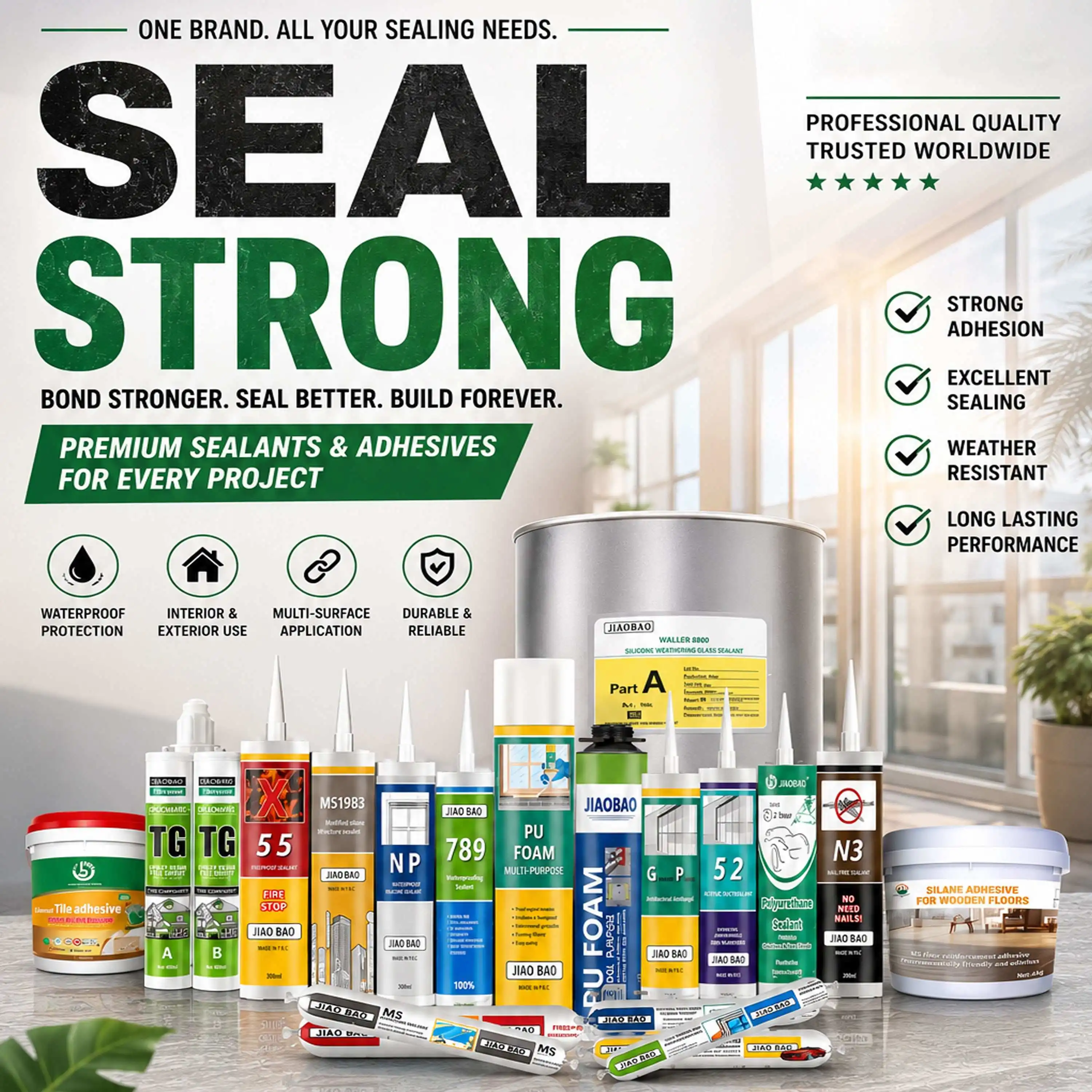
When it comes to making weatherproof sealants, Shandong Jiaobao New Material Co., Ltd. has more than 13 years of experience. As a company that only makes NP Weatherproof Silicone Sealant for Facade, we know exactly what curtain wall builders, general contractors, and facade experts need. Our factory keeps its ISO and CE certifications up to date, which means that every cartridge meets the highest quality standards around the world. Jiaobao is a great provider for demanding facade jobs in North America and Europe because they have low prices, quick lead times (one to two weeks), and flexible operations.
Technical support teams help with choosing the right product, answering questions about joint design, and giving application advice to make sure installs go smoothly. Distributors and contractors can meet their specific branding needs with custom colour matching, OEM capabilities, and private labelling. Quality control doesn't end with production; our replacement guarantee covers any problems that happen during the 12-month shelf life. Email our team at dorashen@cnjiaobao.com to talk about the details of your project, get detailed information, or set up product samples. Manufacturers who know your business and consistently deliver results are the first step in building a reliable supply partnership.
1. American Society for Testing and Materials. "ASTM C920: Standard Specification for Elastomeric Joint Sealants." ASTM International Standards, 2018.
2. Building Envelope Council. "Silicone Sealants in Modern Curtain Wall Systems: Performance and Durability Analysis." Journal of Building Envelope Design, Vol. 15, 2020.
3. International Code Council. "Weather-Resistant Barriers and Sealants in Commercial Construction." ICC Building Code Standards, 2021.
4. National Glass Association. "Glazing Manual: Proper Sealant Selection and Application for Architectural Glass." NGA Technical Publications, 2019.
5. Society of Facade Engineering. "Long-Term Performance of Silicone Sealants in High-Rise Buildings." Facade Engineering Research Papers, 2022.
6. Whole Building Design Guide. "Joint Sealants for Building Envelopes: Selection Criteria and Performance Standards." National Institute of Building Sciences, 2020.
November 16,2023
Enterprise Name
The sealant has very strong adhesion and performs well even on glass and aluminum. After curing, it remains flexible and shows no cracking. Perfect for our facade projects.
November 16,2023
Enterprise Name
Stable quality across batches. Our customers especially like the smooth application and consistent extrusion. It helps reduce installation time on site.
November 16,2023
Enterprise Name
I used it for bathroom sealing. Excellent waterproof performance and no mold issues so far. It's been holding up very well in humid conditions.
November 16,2023
Enterprise Name
The neutral silicone works well on sensitive materials without corrosion. Very suitable for industrial applications requiring stable performance.
_1779347426672.webp)