November 16,2023
Enterprise Name
The sealant has very strong adhesion and performs well even on glass and aluminum. After curing, it remains flexible and shows no cracking. Perfect for our facade projects.
Sep 1, 2026
When it comes to sealing outdoor construction joints, choosing the right material makes all the difference between a durable installation and costly failures. GP Acetic Silicone Sealant for Construction absolutely handles outdoor joints effectively, delivering waterproof protection and flexible adhesion that withstands harsh weather conditions. This one-component, moisture-curing sealant bonds strongly to glass, metal, and ceramics while curing rapidly—achieving a tack-free surface in just 15 minutes. Its exceptional elasticity and weatherability ensure long-lasting seals in doors, windows, and curtain wall applications exposed to rain, UV radiation, and temperature swings.
Selecting the appropriate sealant requires understanding performance characteristics, application techniques, and how different formulations compare under real-world conditions. This guide walks B2B procurement professionals and construction engineers through the critical factors for specifying acetic cure silicone sealants in outdoor environments. We cover technical performance data, proper installation methods, comparative analysis with alternative products, and practical procurement insights to support informed decision-making on your next construction project.
When acetic silicone seals dry, they do so in a special way. The acetoxy-cure process releases acetic acid, which smells like vinegar, when it comes in contact with moisture in the air. This acid changes the paste into a forever flexible silicone rubber. When it comes to glazing, this fixing chemistry sticks very well to non-porous surfaces. This makes it the best choice for situations where glass meets aluminum frames or ceramic tiles meet metal surfaces.
The molecular makeup of the material is better than neutral cure or blend formulas in a number of ways. Acetic variants have a stronger initial bond and cure faster than neutral variants. This cuts down on project timelines and lets building teams stick to tight plans. The resulting silicone rubber is very good at keeping water out, making a barrier that water can't get through. This keeps building envelopes from getting damaged by water. Its flexibility lets it handle changes in temperature and structure movement without affecting the integrity of the seal.
When used outside, weather resistance is one of the most important qualities. Good acetic silicone sealants work well in temperatures from -40°C to +150°C, and they don't crack or lose their stickiness when they freeze and thaw. Many organic seals break down when they are exposed to UV light from the sun all the time, but silicone's inorganic polymer backbone doesn't break down in photochemical reactions, so it keeps its shape and look for years.
These sealants are often used by construction teams in places where buildings move with the seasons, like curtain wall systems that need weathertight seals between panels and window perimeter glazing that stops water and air from leaking in. A regional building materials distributor in the Midwest recently said that when they switched from selling lower-grade acetic silicone to higher-grade ones, the number of calls about window leaks dropped by 40%.
It is important to be careful when choosing a base for acetic silicone because it works best with glass, anodized metal, fiberglass, and glazed ceramics. The byproduct acetic acid reacts badly with alkaline materials like masonry, natural stone, and concrete, which could lead to corrosion or bond failure. Specifications for construction should only list acetic formulations for surfaces that don't have pores and neutral cure silicones for cement-based or porous substrates. Knowing these standards for compatibility stops problems in the field and makes sure that the guarantee is followed.
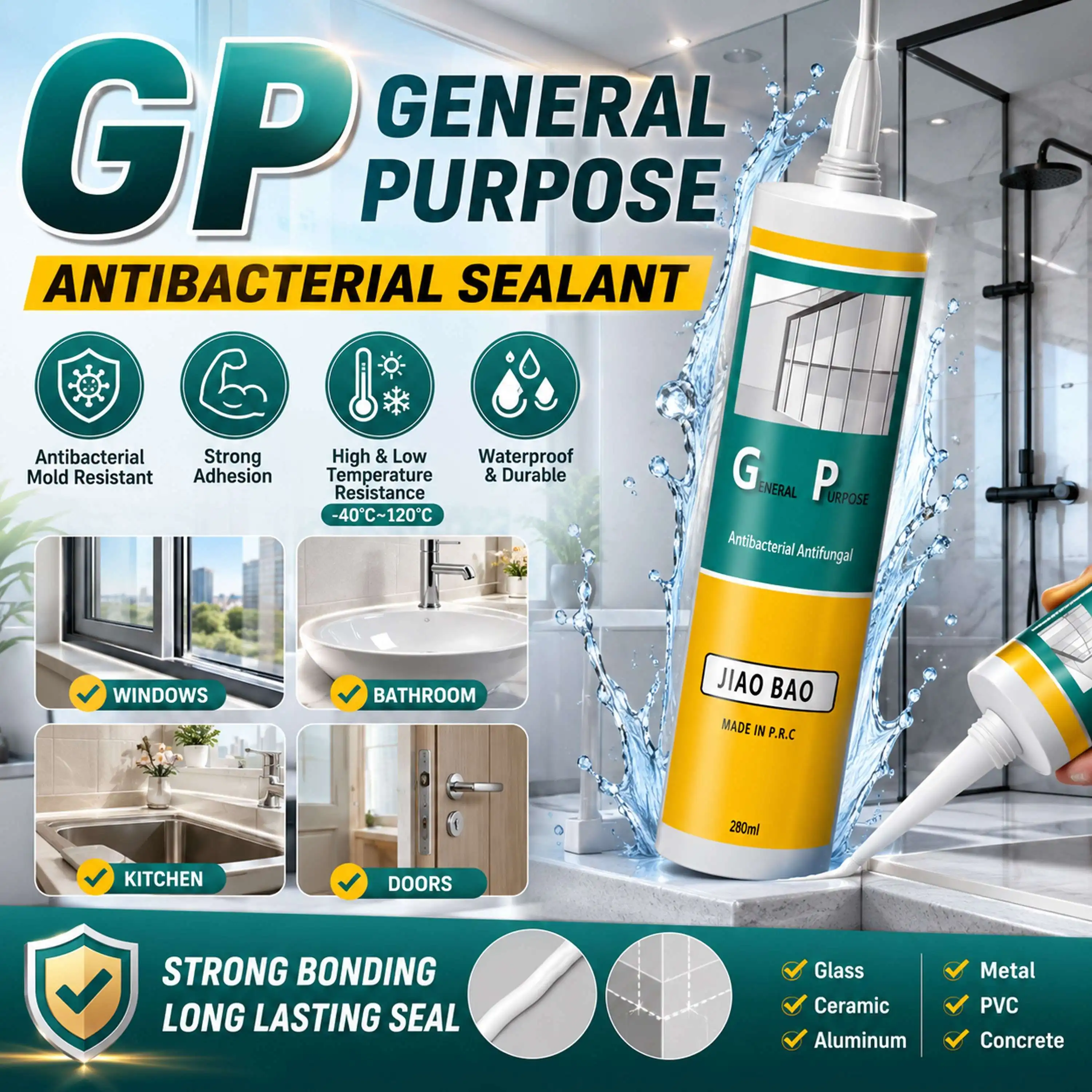
Sealants are constantly put under stress when they are outside. Water getting into structures weakens them, UV light breaks down plastics, and high temperatures make test materials less flexible. Acetic silicone seals are a good solution because they last a long time and have been tested to meet industry standards like ASTM C920 and ISO 11600.
Curved silicone rubber is hydrophobic, which means it repels water well. This means that the seal will stay intact even in heavy rain or still water. Lab tests show that acetic silicone that is applied correctly keeps its watertight properties even when there is continued water pressure. This keeps the inside of buildings safe from moisture damage that causes mold to grow and structures to break down.
Photodegradation breaks down many construction sealants over time, causing the surface to chalk, harden, and eventually crack. The silicon-oxygen backbone of silicone is much better at blocking UV rays than organic options. Studies that followed the installation of windows over ten years found that the features of silicone sealants didn't change much, but acrylic sealants often need to be replaced after five years of the same exposure.
Changing the temperature is another big problem. As the temperature changes every day, building materials expand and contract, which causes joints to move. Jiaobao's GP Acetic Silicone Sealant for Construction has over 300% tensile elongation, which means it can be stretched and compressed many times without tearing or losing its stickiness. This ability to stretch back to its original shape stops the cohesive failures that happen a lot with rigid sealants.
One thing that makes acetic silicone better than other chemicals is that it cures quickly. Getting a surface free of tacks in 15 minutes keeps dust from getting on it and speeds up the project. Under normal conditions (23°C, 50% relative humidity), the full cure depth usually hits 2-3 mm within 24 hours. This means that building work can continue without having to wait for long periods of time.
When you compare results to other options, you can see trade-offs. Polyurethane seals are better at resisting wear and can be painted over, but they take longer to cure and may turn yellow when exposed to UV light. Neutral-cure silicones work well with delicate surfaces, but they have a weaker initial bond strength and need to be handled for longer periods of time. Acrylic latex sealants are less expensive, but they don't last as long or keep water out, which are important for exterior joints. Knowing these differences helps buying teams match the features of a product to the needs of a particular project.
The right way to apply a sealer affects whether it works as expected or fails too soon. Success starts a long time before the cartridge is even opened. Preparing the surface is the most important step because it has a direct effect on adhesion and durability.
Surfaces that are clean and dry are the building blocks of strong ties. There should be no dust, oil, wetness, old sealant material, or release agents on any joint surface. Using isopropyl alcohol or other recommended cleaners for solvent cleaning gets rid of contaminants well. With the two-cloth wiping method, one cloth is used to apply the solvent, and the second is used to remove any contaminants that have been dissolved before they evaporate.
Before applying on a large scale, substrate suitability tests should be done to make sure the adhesion, especially on coated or treated surfaces. Applying simple test joints 24 hours ahead of time and then pulling them until they break shows that the bond is strong enough. Masking shields areas where acetic acid could change the color of porous objects that are being worked on next to non-porous ones.
The shape of the joint has a big effect on how well the glue works. For the best stress distribution, the width-to-depth ratio should stay at 2:1. Backing materials, such as closed-cell polyethylene foam rod, control the depth and stop three-sided adhesion, which makes it hard to move. The right sealant shape for maximum elongation capacity is made by applying the support rod at the right depth.
Cutting the cartridge nozzle at a 45-degree angle so that it fits the joint width makes application go more smoothly. When you keep the gun pressure steady, the beads are all the same size and there are no holes or air pockets. When you tool the bead right after applying it, you press the sealant against the base surfaces. This creates a concave profile that keeps water away from the joint and increases the contact area for bonding.
Environmental conditions during treatment affect how well it cures and how well it works. The temperature of the base should stay in the same range as the ambient temperature, which should be between 5°C and 40°C. High humidity speeds up the curing process, but too much moisture on the surface stops it from sticking properly. Do not use if it is raining or if rain is expected in the next four hours. When it freezes, the curing process stops until the temperature rises above the minimum level.
If the finished sealant bubbles, it means that air or moisture is trapped. This can happen when the sealant is applied over wet surfaces or when there is a lot of humidity and not enough air flow. Poor bonding is usually caused by not properly preparing the surface, using materials that don't work well together, or contamination. GP Acetic Silicone Sealant for Construction is designed to minimize such issues, but even with this product, improper application can still lead to defects. Too much shrinkage is a sign of a low-quality product that contains a lot of filler instead of pure silicone polymer. High-quality formulas, like Jiaobao's acetic silicone, keep joint volume by having a lot of solids, which keeps shrinkage below 5%.
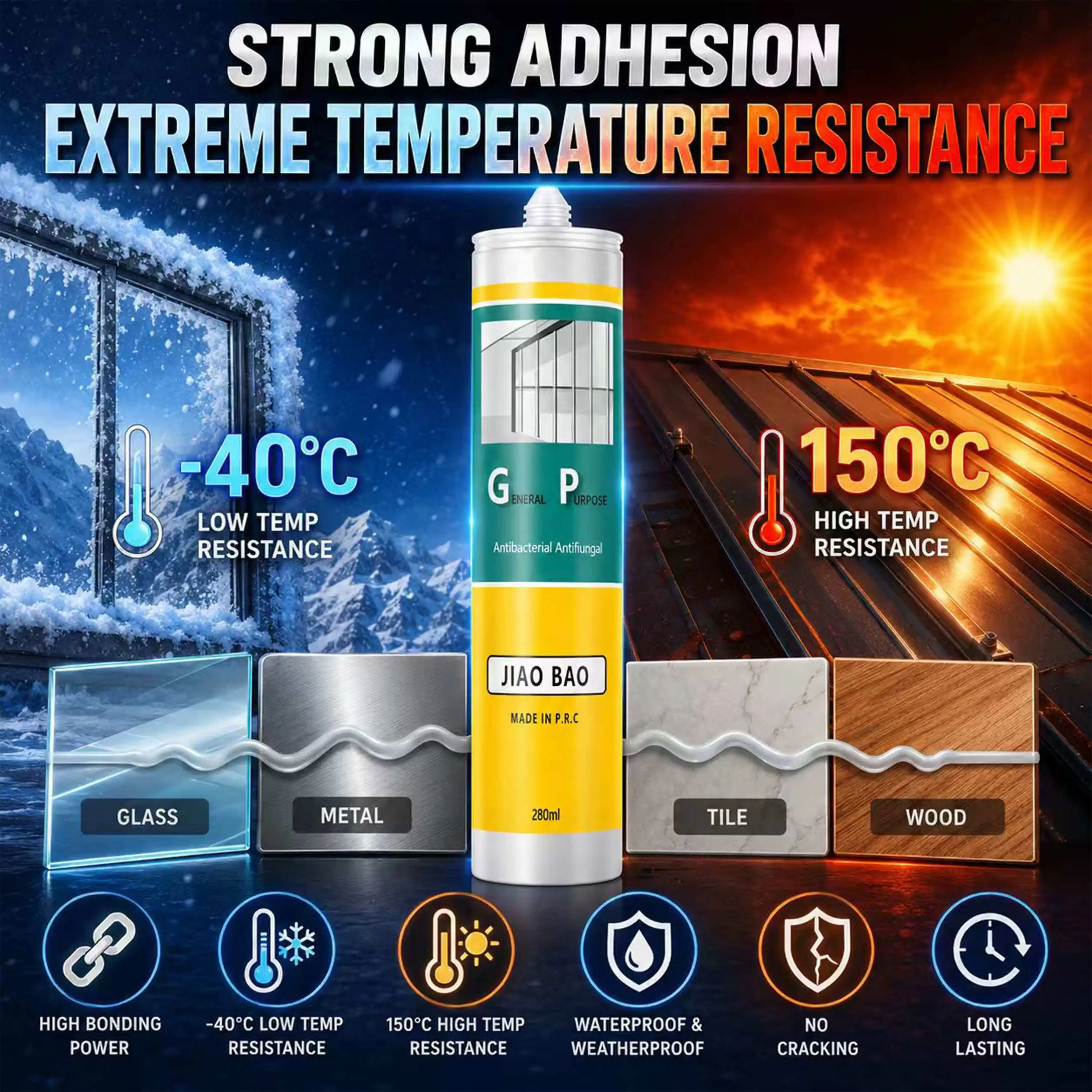
Performance requirements must be balanced with project constraints such as budget, schedule, and substrate types in construction specifications. Different types of sealant chemicals have different pros and cons that make them better or worse for different uses.
Acetic silicone cures the fastest of all the silicone types, and it sticks to glass and metal better at first than neutral fix silicones. This makes it perfect for glazing workers who need to meet tight deadlines or window makers who need to make a lot of windows quickly. The main problem is that the vinegar smells bad while it's curing, which could make it hard to use in crowded areas or places that need to be kept clean. The cost of the material is usually somewhere between cheap acrylics and expensive rigid silicones.
Neutral fix silicones make more substrates compatible, like natural stone, concrete, and metals that don't like acid damage. They don't leave any smell when they dry, which makes them better for projects inside or near occupied areas. They do, however, need longer tack-free times and build adhesion more slowly, which makes project plans longer. Costs to buy are 10–20% higher than for acetic variants of the same quality.
Polyurethane seals are very flexible and can move more than 50% of the way across a joint. They can also be painted if they are labeled as paintable types. Their high resistance to wear makes them perfect for horizontal joints that get a lot of foot traffic. Some problems with this material are that it can yellow when exposed to UV light, it costs more, and it needs to be dry during the curing process.
The least expensive way to protect low-movement joints from bad weather is with acrylic latex sealants. They're easy to clean up with water, paint well, and don't have strong smells when they dry. Because they aren't very flexible, they can only be used inside or in external parts that don't move much. Because they let water through, they are not good for waterproofing important areas. Most people who work in building see acrylics as cheap options for simple jobs rather than high-end outdoor sealants.
Understanding these performance patterns can help procurement professionals choose the right sealant formula for each type of joint in a project. Acetic or neutral silicone is needed for high-performance glazing, but cheaper acrylic can be used in static interior trim joints. Performance and project economics are both improved by matching the properties of a material to its needs.
When looking for construction sealants, you need to think about how reliable the supply chain is, how real the products are, how much they cost, and how well they can handle logistics. B2B buyers can get better deals by working with makers or approved dealers who offer consistent quality and quick customer service.
Verification of authentic products keeps you safe from fake materials that don't work well in the field. Suppliers you can trust will give you proof of compliance, technical data sheets, and test results that are special to each batch and show the physical qualities. GP Acetic Silicone Sealant for Construction is one such product that reputable suppliers stand behind, offering full traceability and documented performance data. Jiaobao New Materials has been making things for more than 13 years and has ISO and CE certifications to make sure their products meet international quality standards. Their factory in Shandong Province uses strict process controls to make sure that the quality of each batch is the same.
The price of acetic silicone sealant depends on how much you order, how you want it packaged, and how you want it to be customized. For bulk orders, the best prices are usually found on cartridge packaging in standard colors like white, black, and gray. Most of the time, the minimum order quantity is around 1,000 cartridges. However, some manufacturers are flexible enough to accept smaller initial orders for testing or projects with limited scope.
Volume pricing gives discounts for bigger orders; prices usually go down at 5,000, 10,000, and container load levels. These economies of scale help regional distributors and building materials sellers keep their prices low at the store level while still making good profits. Custom color matching and private labels cost a little extra, but they make labeled goods stand out in markets where there are a lot of them.
Lead times affect how projects are planned and how inventory is managed. Well-known manufacturers stick to production schedules and deliver orders within one to two weeks of confirmation. International large orders can be sent by sea freight at a low cost, while local or regional deliveries can be made by land transport. Reliable suppliers offer logistics help, such as freight forwarding, customs paperwork, and the ability to see where your goods are at all times.
Premium suppliers are different from commodity suppliers in terms of warranty terms and expert help. Quality promises that cover how long a product will last protect buyers from products going bad too quickly. Technical teams that are quick to respond help with application problems, writing specifications, and fixing problems in the field. These services lower the risk of failure and help projects succeed, which is why working with well-known manufacturers is better than going with unknown low-cost options.
Outdoor construction joints need sealants that can reliably keep water out, stand up to the weather, and be flexible in harsh conditions. Acetic silicone sealants meet these needs because they harden quickly, stick well to non-porous surfaces, and have been shown to last against UV light and changes in temperature. GP Acetic Silicone Sealant for Construction is a prime example of this type, formulated to deliver consistent field performance in demanding outdoor applications. It's important to be careful about substrate compatibility and stay away from alkaline materials like concrete, but acetic formulations are the best choice for glazing, window edges, and metal-to-glass joints because they work better.
Using the right method and good materials will make seals that last for a long time, protect building walls, and lower upkeep costs. Partnering with experienced makers who offer consistent quality, reasonable pricing, and quick help throughout the lifecycle of a project is a good idea for procurement choices.
Concrete, cement, mortar, and natural stone should not be sealed with acetic acid. The acetic acid that is released during fixing reacts with these alkaline substrates, making it hard for the adhesive to stick and possibly even corroding the substrate. Instead, neutral fix silicone formulas should be asked for because they are made to work with these materials.
Because the acetoxy curing system makes acetic acid, the smell of vinegar comes from it. Once the sealant cures, which usually takes 24 to 48 hours based on the depth of the joint and the weather, this smell goes away totally. As long as there is enough air flow during the treatment, the smell will not be too strong.
Standard silicone rubber surfaces don't take paint well because the coats can't stick to the smooth surface. Painting should happen before sealing, or if paint adhesion is needed, modified polymer sealants should be used. Some companies make silicone that can be painted, but these are still not as common as standard grades.
A lot of shrinking means that the recipe isn't very good and has a lot of solvents or plasticizers in it instead of pure silicone polymer. Premium products keep more than 95% of their silicone content and shrink less than 5%. This problem doesn't happen when you buy certified goods from well-known makers.
For good building jobs, sealants that work every year should be used. Jiaobao is an expert at making professional-grade silicone sealants that are trusted by construction workers, building materials suppliers, and foreign sellers in a wide range of demanding markets. Our GP Acetic Silicone Sealant for Construction delivers 1.5 MPa bond strength, 15 minutes of tack-free performance, and over 300% elongation in 300ml and 600ml sizes to fit a range of project sizes.
We are a well-known company that has been making GP Acetic Silicone Sealant for Construction for a long time and has ISO and CE certifications. During production, we follow strict quality standards. Our lead times of 1-2 weeks keep projects on track, and our flexible OEM/ODM capabilities let you use custom colors and private labeling to set your brand apart. When sellers manage a wide range of inventory needs, volume prices and loading containers with different colors of goods make it more cost-effective for them to buy things.
Technical support teams help create specifications, fix problems with applications, and create legal paperwork for global markets. Our quality warranties and 12-month shelf life protect your investment. If any materials don't meet performance standards, you can get your money back or a new one. Our dedication to a steady supply, low prices, and quick service is based on building long-lasting relationships with buying experts. Email our team at dorashen@cnjiaobao.com to discuss your project needs and find out how Jiaobao solutions can help your whole supply chain. You can see all of our products at shandongjiaobao.com.

1. Construction Sealants and Adhesives Institute. "Standards and Guidelines for Silicone Sealant Applications in Building Construction." Technical Manual Series, 2021.
2. Building Research Establishment. "Long-Term Performance of Silicone Sealants in Glazing Applications: A Ten-Year Field Study." Construction Materials Research, 2020.
3. American Society for Testing and Materials. "ASTM C920: Standard Specification for Elastomeric Joint Sealants." Annual Book of Standards, 2022.
4. International Organization for Standardization. "ISO 11600: Building Construction - Jointing Products - Classification and Requirements for Sealants." International Standards, 2021.
5. National Glazing Association. "Sealant Selection and Application Best Practices for Commercial Window Systems." Technical Guidelines for Contractors, 2019.
6. Journal of Construction Materials Science. "Comparative Analysis of Curing Mechanisms in Construction Sealants: Acetic versus Neutral Cure Silicones." Vol. 15, Issue 3, 2023.
November 16,2023
Enterprise Name
The sealant has very strong adhesion and performs well even on glass and aluminum. After curing, it remains flexible and shows no cracking. Perfect for our facade projects.
November 16,2023
Enterprise Name
Stable quality across batches. Our customers especially like the smooth application and consistent extrusion. It helps reduce installation time on site.
November 16,2023
Enterprise Name
I used it for bathroom sealing. Excellent waterproof performance and no mold issues so far. It's been holding up very well in humid conditions.
November 16,2023
Enterprise Name
The neutral silicone works well on sensitive materials without corrosion. Very suitable for industrial applications requiring stable performance.
_1779347426672.webp)