November 16,2023
Enterprise Name
The sealant has very strong adhesion and performs well even on glass and aluminum. After curing, it remains flexible and shows no cracking. Perfect for our facade projects.
Sep 8, 2026
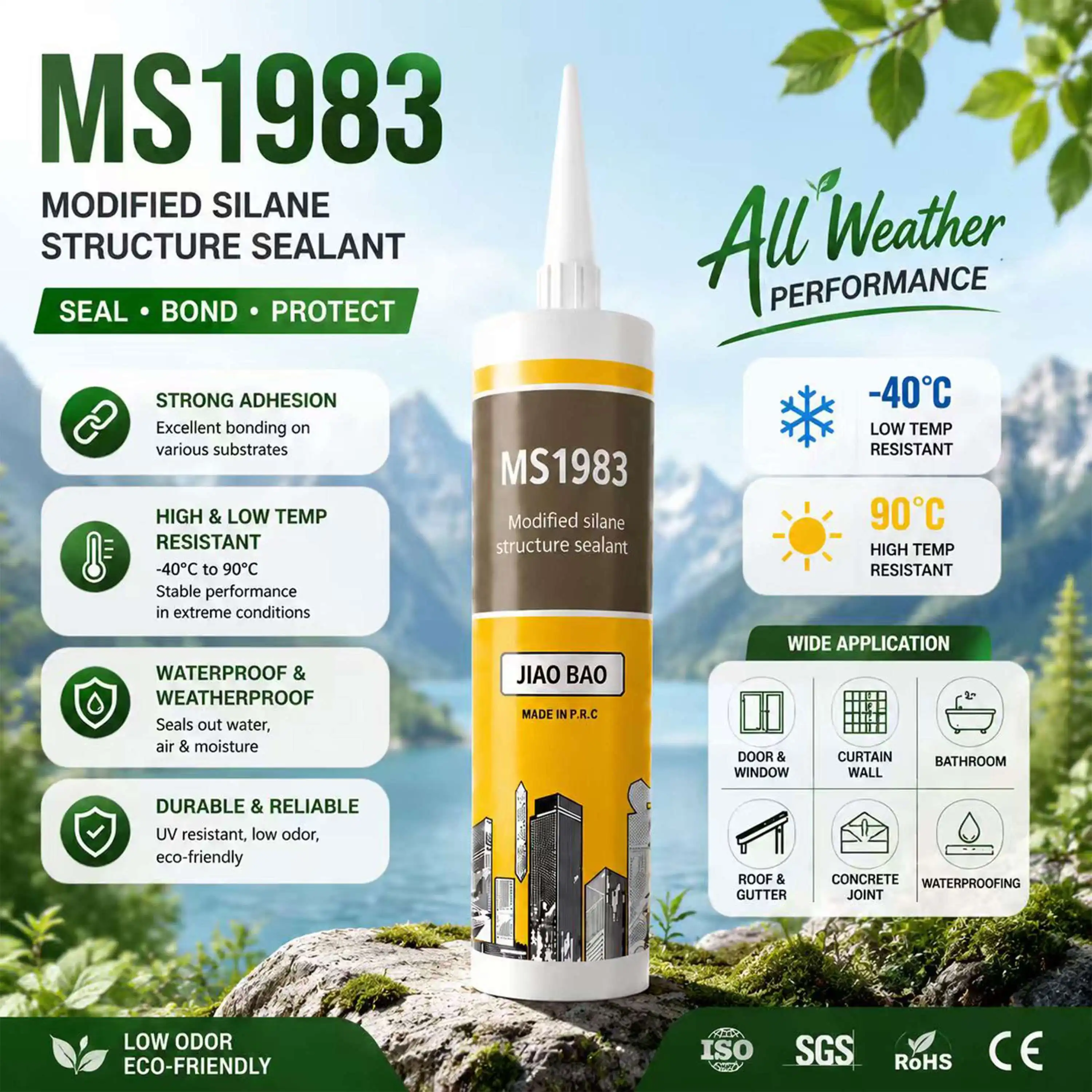
When metal panel projects demand reliable adhesion and lasting performance under harsh conditions, modified silane polymer sealants deliver unmatched results. MS Sealant High Bonding Strength offers superior tensile strength reaching 2.2 MPa, exceptional elasticity with 400% elongation at break, and resistance to temperature extremes from -40°C to 120°C. Unlike traditional silicone sealants that can stain metal surfaces or polyurethane adhesives that contain hazardous isocyanates, this advanced polymer technology provides structural bonding without compromising worker safety or material integrity.
Modified silane polymer seals are a big step forward in glue technology, especially for using on metal panels. These high-tech polymers blend elastomeric qualities with silane-modified polyether resin chemistry to make bonds that can withstand both dynamic stress and exposure to the environment. The chemical structure lets cross-linking happen through moisture drying in the air, so parts don't need to be mixed or heated up during installation.
The silane-modified polyether base is better in many scientific ways than regular glue. Through hydrogen bonding and mechanical interlocking at the molecular level, this polymer backbone makes chemical links with metal surfaces that are strong but flexible. Our one-component paste formula has a solid content of about 99%, which means that the joints won't shrink much when they cure and will stay the same size. The Shore A hardness of 45 is just the right amount of flexible and structural support. This means that the sealant can absorb vibrations while still staying strong.
During their service life, metal panels are constantly exposed to changing temperatures, UV light, and water. When the temperature goes up and down, other types of adhesives lose their mechanical qualities, but modified silane seals keep them. The polymer chains don't break down in UV light and don't chalk or crack, which is a common way for polyurethane formulations to fail. Also, since there are no solvents, there are no volatile organic compound emissions during application. This means that it meets strict environmental standards in industry and business buildings.
From the surface inward, the moisture-cure process moves at a rate of about 3.5 mm per day, creating a skin that doesn't stick within 15 to 40 minutes, based on the temperature and humidity. This steady rate of curing lets project managers confidently plan the next steps in the assembly process. Instead of the acidic acetic acid that is released during the curing process, methanol is used.
This keeps metal finishes and electrical parts close to the joint safe. The cross-linked polymer network that forms has a cohesive strength that is often higher than the adhesive bond to surfaces, MS Sealant High Bonding Strength ensures that this internal cohesion remains superior, so breakdowns usually happen within the sealant mass instead of at the interface.
When choosing bonding systems for metal assemblies, industrial procurement managers have to make very important choices. Making the wrong choice can cause something to fail early, cost a lot to fix, and raise safety issues. Older adhesive technologies still have a lot of problems that modified silane sealants fix.
Sealants made of traditional silicone have been used in construction for decades, but they aren't very good for use with metal panels. When silicone oils move to nearby surfaces, they can stain porous materials and make it harder for paint to stick. This happens all the time and is called silicone bleeding. It makes the outsides of expensive buildings look bad and makes upkeep more difficult. Because of their unique polymer chemistry, modified silane formulations completely get rid of this problem. This makes them perfect for uses where surface cleanliness is important.
Polyurethane adhesives have a lot of problems, even though they are very strong at first. When the isocyanate components are used, they can be harmful to your lungs, so you need to wear a lot of safety gear and have air systems in place. Moisture sensitivity during storage and use can lead to foaming, which creates holes in the bond that weaken it. Also, these goods don't hold up well against UV light, so they need protection coatings when used outside. These problems can't happen with modified silane technology, which gives the same or better mechanical performance.
Epoxy systems are very strong, but they aren't flexible enough for metal assemblies that may expand or contract due to temperature changes, vibrations, or structural movement. Because finished epoxy resins are brittle, cracks can spread when they are loaded and unloaded repeatedly, which happens a lot in HVAC systems, building surfaces, and transportation equipment. Our rubbery modified silane formulation lets the joint move up to 25% of the thickness of the original bond line without the glue or cohesive breaking down.
One thing that makes modified silane sealants stand out is that they can be used with paint systems. While silicone products don't let coatings stick to them, our formula lets water-based and solvent-based paints stick to skin after it forms. This feature speeds up the production process in fields like making transportation equipment, where it's important that painted and glued surfaces all look the same. Because you can paint over sealed joints, you don't have to match the colors exactly when you apply them. This makes inventory easier for sellers who serve a variety of markets.
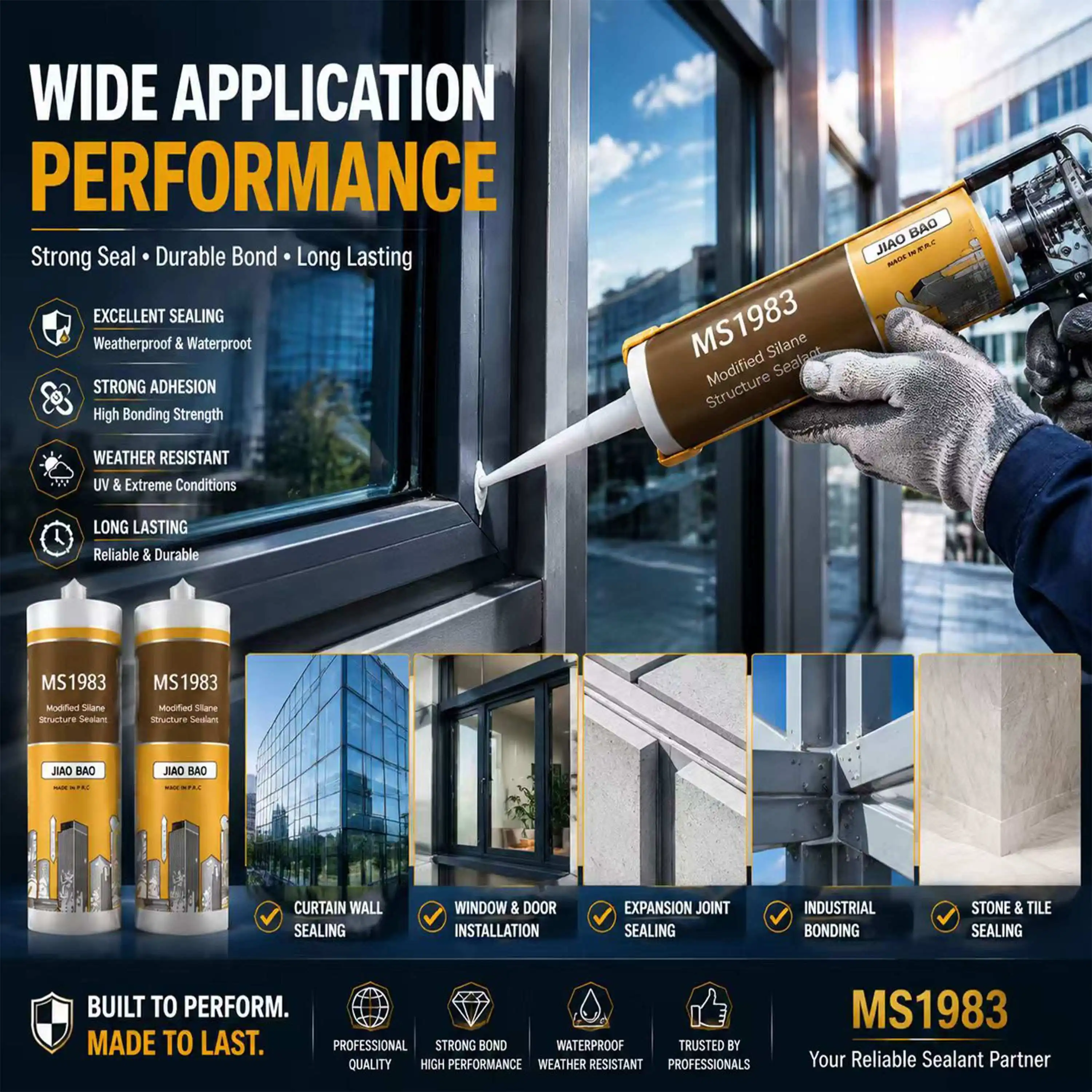
Long-term bond performance is directly affected by how well the surface is prepared and how the adhesive is applied. To get the most out of the adhesive's strength and service life, we suggest following systematic protocols.
The metal surface needs to be dry, clean, and free of dust, oils, and corrosion products that are loose. For light contamination, solvent wiping with isopropyl alcohol works well, but for heavily oxidized surfaces, mechanical abrasion may be needed. When properly cleaned, aluminum alloys and stainless steel usually don't need a primer.
However, weak metals or powder-coated surfaces do need a primer to improve their initial grab strength. After cleaning, let the surface dry completely before applying the sealant; MS Sealant High Bonding Strength further demands that any residual wetness be eliminated, because any wetness that is still there can stop the early cure from happening.
For production settings, pneumatic cartridge guns make bead extrusion consistent, while manual guns work well for low-volume needs. At a 45-degree angle, cut the cartridge nozzle to the diameter of the bead you want, which is usually the same width as the joint. Put on continuous beads with no breaks, and keep the pressure steady to keep air from getting trapped.
The zero-sag formula lets it be used vertically or overhead without any machine support, which boosts efficiency in tough positions. Apply the sealant in a continuous ribbon pattern and press the panels together during the working time for structural bonds that need the most contact area.
The end qualities and rate of curing are affected by the temperature and humidity in the air. The best temperatures are between 10°C and 35°C, and the relative humidity should be above 30%. Lower temperatures increase the time that the surface isn't tacky and slow down the development of the cure depth. On the other hand, too much heat can cause premature skinning, which traps uncured material below.
After putting the parts together, don't move the joints for at least 48 hours to give them enough time to fix and become strong enough to handle. Normal conditions allow full mechanical qualities to form in seven days, but the cure process continues slowly for several weeks.
When looking at suppliers of modified silane sealant, business-to-business buyers should think about more than just the unit price. Total cost of ownership is affected by how reliable supply chains are, how consistent product quality is, and how quickly technical support can help.
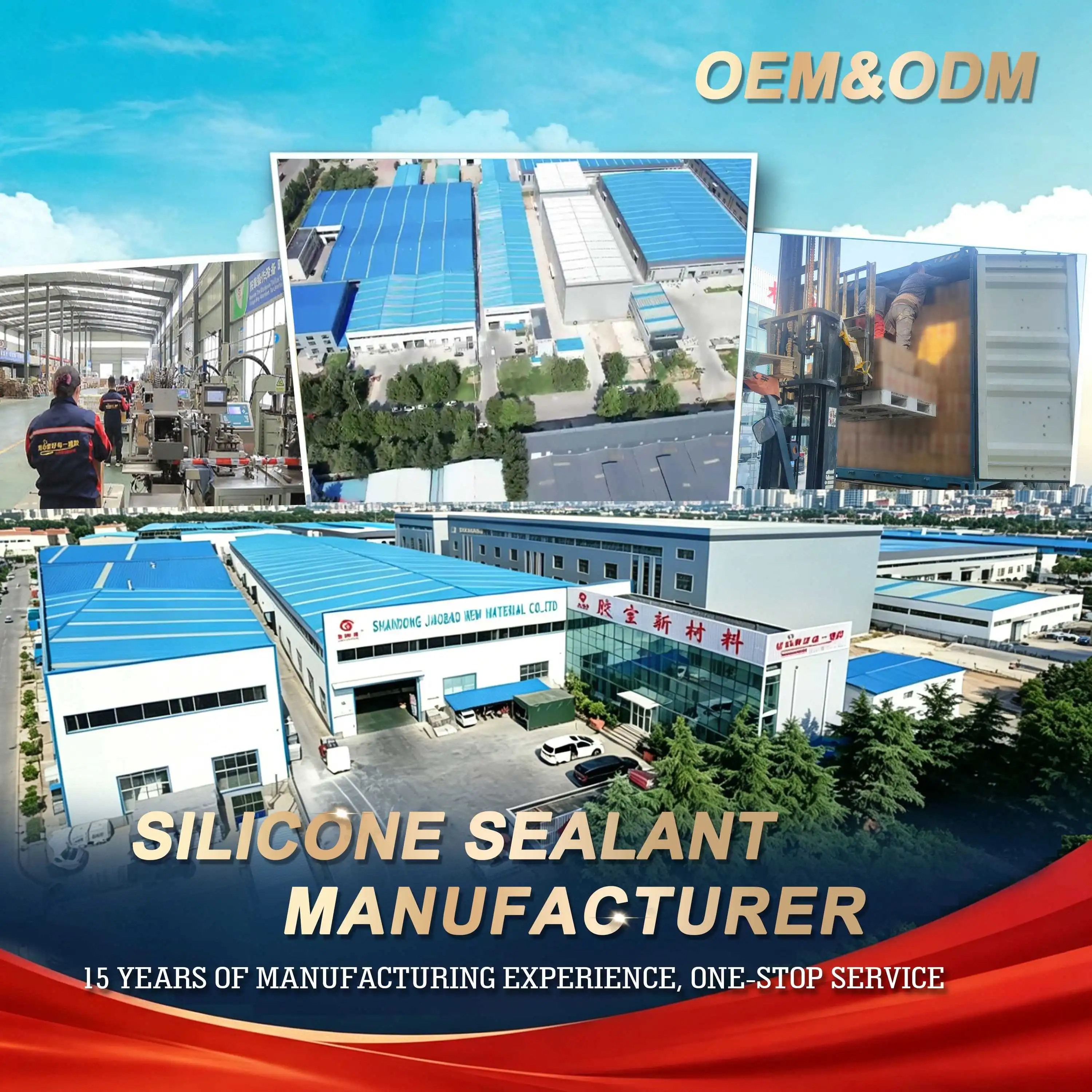
Experience in manufacturing shows that a process is mature and that a quality system is developing. For more than 13 years, Shandong Jiaobao New Material Co., Ltd. has been making customized silane and silicone sealing formulations. This operating history shows stable formulation practices and established relationships with raw material providers. This lowers the risk of changes to specifications or interruptions in supply. Certifications like ISO and CE show that a product meets foreign standards for quality management and safety. These are necessary badges for overseas markets and businesses that are regulated.
Lead times and production capacity affect how much inventory to plan and when to start a project. Typical production cycles of one to two weeks from order confirmation allow for quick restocking without the need for too much safety stock. MS Sealant High Bonding Strength is available in different types of flexible packaging, including 300ml and 600ml sizes, as well as sausage and cartridge formats, to fit a wide range of application equipment and usage patterns in the industrial and building industries.
Custom color matching helps OEM partners differentiate their brands and makes sure that architectural specifications and esthetics match. In addition to standard colors like white, black, and gray, we can also make custom colors to fit specific design needs. Usually, this is done within two to three weeks of sample approval. This feature is especially useful for contractors who work on facades and equipment makers who have to follow strict brand guidelines. Private labeling services help distributors make their own product lines without having to spend a lot of money on compounding equipment or technical research.
As time goes on, the adhesive business keeps moving toward smarter application methods and more environmentally friendly formulas. The chemistry of modified silane fits well with these trends, which makes it a good choice for wider use in both established and new markets.
Low-VOC and solvent-free adhesives are in high demand because people are becoming more concerned about the quality of indoor air and being environmentally friendly. Because they are made of reacting polymers, modified silane sealants naturally meet these needs. When they cure, they release very small amounts of methanol. This pollution profile meets the requirements for LEED recognition and the European Union's emissions standards without changing the way the product is made. As rules around the world get stricter, goods that meet strict environmental standards get an edge in markets that are driven by specifications.
Robotic sealant dispensing is becoming more common in manufacturing automation to make sure that beads are placed consistently and that materials are used efficiently. One-component modified silane systems work well with automatic equipment because their rheology and hardening properties are easy to predict. This is in contrast to two-component products that need precise ratio control and pot life management. Robotic application also makes the workplace safer by lowering the risks that workers face when they are working in small spaces or places with poor ventilation.
When choosing the right bonding systems for metal panel assemblies, you need to think about how well they work mechanically, how well they work in practice, and how long they will last. Modified silane polymer seals get around some of the major problems with older glue technologies. They offer structural strength similar to hard systems and flexibility similar to elastomeric goods.
MS Sealant High Bonding Strength makes these products especially great for tough jobs in construction, making transportation parts, and putting things together in factories because they have a high tensile strength, good elasticity, can be painted, and are resistant to the environment. Professionals in charge of buying things can be sure that the modified silane technology they choose will meet both current performance needs and growing green standards.
Most of the time, modified silane sealants stick to aluminum better than regular architectural silicones, even without primers. They also have higher lap shear strength values. Lack of silicone oil movement stops plasticizer bleeding, which is a usual way for old silicone joints to fail, which leads to long-term adhesion loss.
Powder-coated or painted surfaces that have been properly finished usually only need to be cleaned with rubbing alcohol. Light grinding may help surfaces with shiny finishes by adding more surface area for mechanical bonding. Paint that doesn't stick well or has worn down should be taken off to reveal a sound substrate.
These formulas are very good at withstanding short-term exposure to water and high humidity, keeping their adhesion and mechanical properties in outdoor uses. For continuous immersion applications, you need to choose the right formulation and test it to make sure it will stay hydrolytically stable over time under the conditions you want it to work in.
If you need modified silane solutions that have been tried and tested, Jiaobao has you covered with full expert help and dependable supply lines. Our factory uses strict quality control throughout the whole production process to make sure that each batch is the same, which is important for important uses. Our ISO and CE certifications show that we follow international quality standards. Our 12-month shelf life and variety of packaging choices make it easier for both distributors and end users to keep track of their goods.
We know that switching to new bonding systems needs trust in both the performance of the products and the dependability of the suppliers. Our expert team helps with compatibility tests, gives advice on how to use the product, and makes formulas specifically for each project. You can email dorashen@cnjiaobao.com to get samples of our MS Sealant High Bonding Strength for sale, talk about your unique metal panel bonding problems, or look into OEM business possibilities. You can find out more about our full line of high-performance sealant solutions for construction and industrial uses by going to shandongjiaobao.com.
1. Chen, J., & Wang, L. (2021). Advances in Modified Silane Polymer Technology for Structural Bonding Applications. Journal of Adhesion Science and Technology, 35(8), 892-910.
2. European Sealant Association. (2020). Technical Guidelines for MS Polymer Sealants in Metal Facade Construction. Brussels: ESA Publications.
3. International Organization for Standardization. (2019). ISO 11600:2019 Building Construction—Jointing Products—Classification and Requirements for Sealants. Geneva: ISO.
4. Müller, H., & Schmidt, R. (2022). Comparative Analysis of Adhesive Systems for Metal Panel Assembly in Transportation Industries. Industrial Adhesives Quarterly, 14(3), 45-63.
5. Sato, K., & Tanaka, M. (2020). Environmental Performance and Durability of Silane-Modified Polymers in Architectural Applications. Construction Materials Research, 28(2), 178-195.
6. United States Green Building Council. (2021). LEED v4.1 Building Design and Construction—Low-Emitting Materials Requirements. Washington, DC: USGBC.
November 16,2023
Enterprise Name
The sealant has very strong adhesion and performs well even on glass and aluminum. After curing, it remains flexible and shows no cracking. Perfect for our facade projects.
November 16,2023
Enterprise Name
Stable quality across batches. Our customers especially like the smooth application and consistent extrusion. It helps reduce installation time on site.
November 16,2023
Enterprise Name
I used it for bathroom sealing. Excellent waterproof performance and no mold issues so far. It's been holding up very well in humid conditions.
November 16,2023
Enterprise Name
The neutral silicone works well on sensitive materials without corrosion. Very suitable for industrial applications requiring stable performance.
_1779347426672.webp)