November 16,2023
Enterprise Name
The sealant has very strong adhesion and performs well even on glass and aluminum. After curing, it remains flexible and shows no cracking. Perfect for our facade projects.
Aug 13, 2026
When you're looking for a reliable sealing solution for your building and electronics projects, NP Silicone Sealant Non-Corrosive Type delivers enterprise-grade performance without the risk of material damage. This one-component neutral cure sealant offers zero corrosion to metal, coated glass, and stone surfaces. With a durometer hardness of Shore A 30 and movement capability of 25%, it adapts to structural movement while maintaining waterproof integrity.
The formula achieves surface drying in just 30 minutes and works reliably across temperatures from -50℃ to +150℃. Backed by over 13 years of manufacturing experience, this sealant combines remarkable weather resistance with flexible application options in 300ml and 600ml packaging formats.
There is a big difference between corrosive and non-corrosive silicones in how they cure. When traditional acid-cure silicones harden, they give off acetic acid, which gives them a strong vinegar smell. Copper will rust, windows will turn a different color, and electrical parts will stop working because of this acidic by-product. Instead, neutral cure formulas like NP Silicone Sealant Non-Corrosive Type use a curing system that is based on alcohol. When the sealer comes in contact with water, it gives off methanol or ethanol fumes instead of acids that can damage sensitive materials. This means that it can be used on PCB boards, metal contacts, and precision instruments.
Industrial-grade neutral fix silicones have certain physical properties that tell you what they can be used for. Shore A hardness is usually between 20 and 40, which is a good balance between flexibility and strength. The material can handle thermal expansion and structure vibrations without breaking because its elongation at break is more than 400%.
Tensile strengths above 0.7 MPa make sure that the seal stays together even when it's under stress. Because of these qualities, the sealer can work as both an adhesive and a shield to keep things safe. The thixotropic uniformity keeps the material from sagging on vertical surfaces, which is very important for installing curtain walls and closing electronic enclosures where gravity could change the shape of the seal.
For the right application, you need to pay attention to the surface preparation and environmental conditions. How quickly something cures depends on how humid it is, and the best conditions are 23°C and 50% RH. Less humidity slows the cure, while too much moisture can speed up surface skinning before the right tools are used. NP Silicone Sealant Non-Corrosive Type is specifically formulated to be compatible with a wide range of substrates, but even so, the surface needs to be dry, clean, and free of oils or release agents that make it hard for the glue to stick.
Using compressed air or solvent wiping to get rid of dust on porous surfaces like concrete makes the bond stronger. Isopropyl alcohol is a good way to clean non-porous surfaces like glass and metal to get rid of fingerprints and other dirt. Even though neutral fix silicones are safer than acidic ones, it's still important to have enough air flow while they're being used to get rid of alcohol vapors.
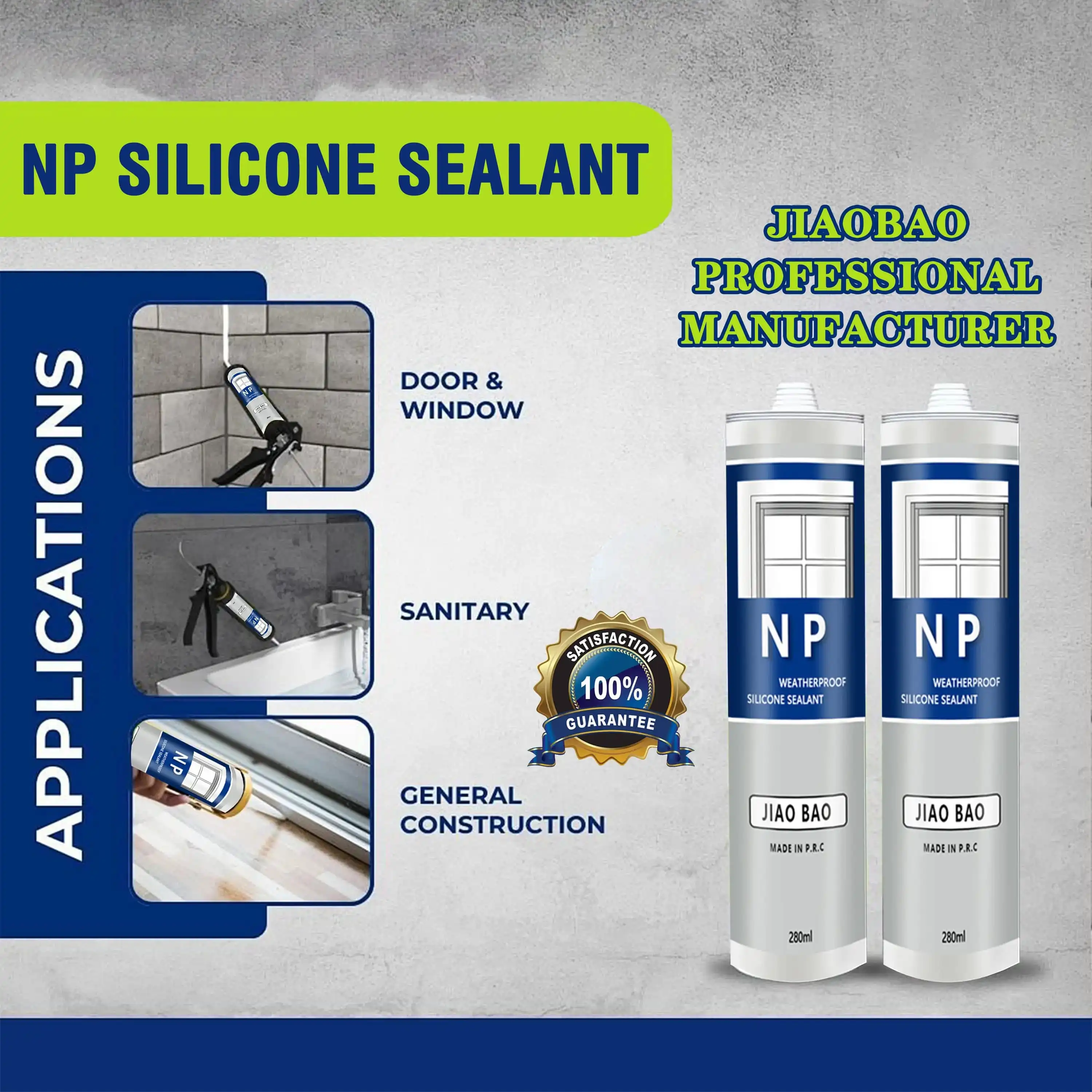
Industrial sealants are different from consumer-grade goods because they can handle high temperatures. From -50℃ to +150℃, NP Silicone Sealant Non-Corrosive Type keeps its flexibility and stickiness, which is a temperature range that most building surfaces and electrical systems can work in. If the temperature goes below -30℃, organic sealants like polyurethane become rigid. If the temperature goes above 80℃, acrylic formulas become soft. The siloxane polymer backbone doesn't break down when exposed to UV light, so joints that are left out in the sun for years don't chalk and crack. VOC levels below 80 g/L meet strict environmental rules in North America and Europe, meeting both safety and sustainability needs in the workplace.
Neutral cure silicones are used by electronics companies to seal junction boxes, LED drivers, and sensor housings. Copper traces on printed circuit boards are protected from oxidation by the non-corrosive chemistry, which also keeps moisture and dust out. Automotive makers use these sealants to make light parts and battery casings that can withstand changes in temperature and fluid exposure. HVAC workers choose neutral cure products for weatherproofing equipment and sealing pipes because they stick well to galvanized steel and painted metal without the need for a primer. Curtain wall perimeter seals are one use for building envelopes. They need to be able to move to support the thermal growth of glass and metal frame systems.
Methodical application technique is needed to get the best performance. To match the joint width, cut the cartridge nozzle at a 45-degree angle. This makes a slightly concave bead profile that increases the contact area. Keep the caulking gun under steady pressure and make sure the bead thickness stays the same all the way around the joint. Before surface skinning starts, tooling should happen within 5 to 10 minutes of application.
Smooth the bead out with a wet spatula or finger to make sure it makes full contact with the substrate. Under normal conditions, the glue forms a smooth, tack-free surface in 30 minutes. This means that it can be handled again without getting dirty. A full cure happens at a rate of about 3 mm per day, which means that it takes 3–4 days for a 10 mm-thick bead to harden before the joint can move. Installing quickly and putting stress on the sealant before it has fully cured can cause it to fail cohesively.
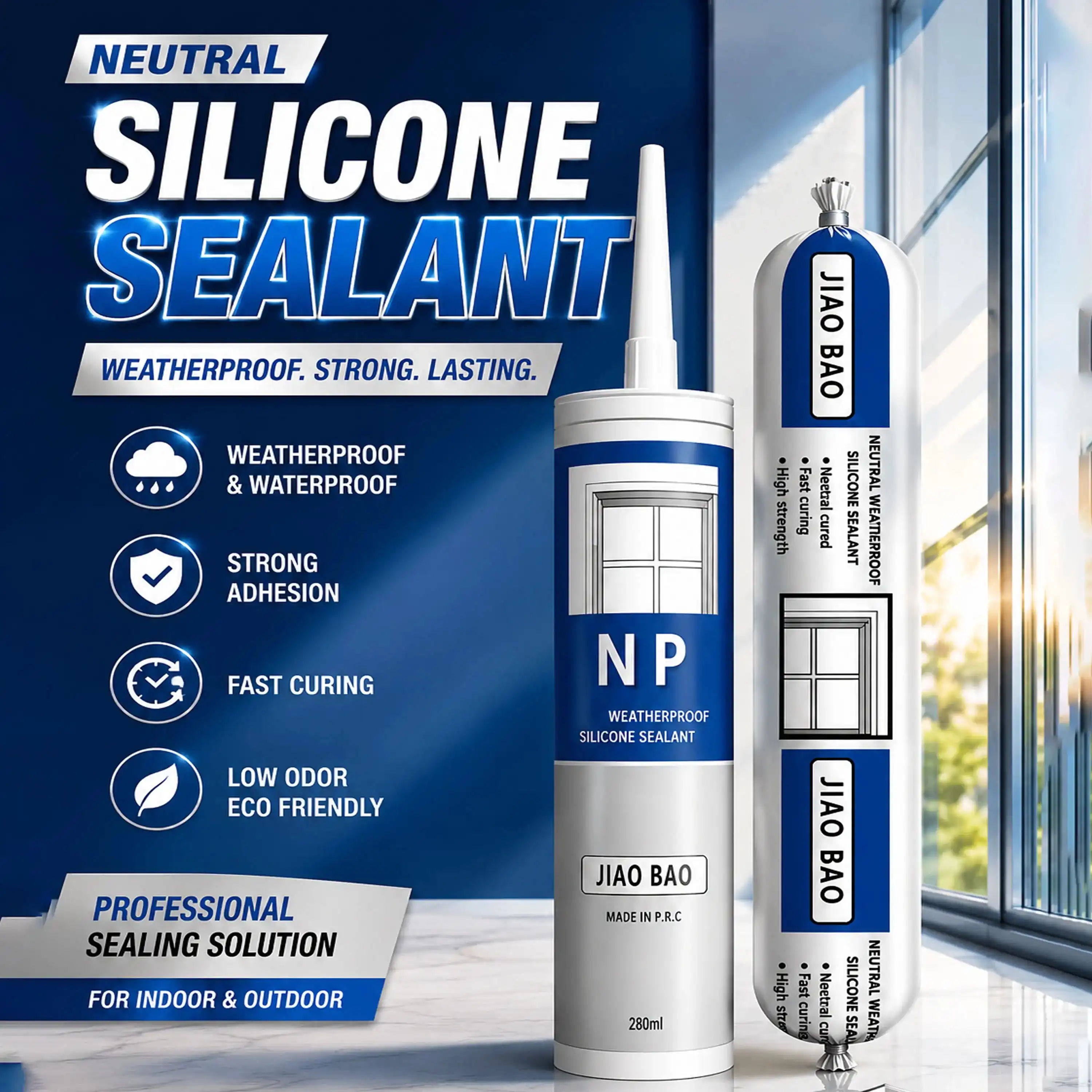
The choice between neutral and acid cure formulas is based only on how well they work with the material. Acid-cure silicones fix faster and cost less, so they are a good choice for basic weatherproofing of painted wood or clay tiles that don't need to be sensitive to temperature changes. But because they are corrosive, they can't be used in electronics, mirror backing, natural stone, or any other situation where sensitive metals are involved.
If acid-cure goods get into assembly processes by accident, they can cause catastrophic field failures for procurement managers in the electronics manufacturing industry. This risk is completely eliminated by neutral cure chemistry, but it comes at a small price premium of 15–25% over regular acetoxy silicones. NP Silicone Sealant Non-Corrosive Type offers that same neutral-cure reliability, and when you add up the costs of rework and guarantee claims for breakdowns caused by corrosion, the difference in prices is almost nothing.
Polyurethane sealants can be painted and have a higher tensile strength, which makes them a good choice for structural applications that need a paint finish. However, polyurethanes don't fight UV light as well as silicones do, and they break down faster when they are constantly exposed to water. Acrylic latex sealants are easy to clean up and work with, but they don't last as long as needed for joints outside or in hot places.
MS polymer seals (modified silane) fill in some gaps because they have a neutral fix chemistry and can be painted, but they are more expensive than silicone and polyurethane. Neutral cure silicone is still the standard for sensitive electronics and precision equipment because it is the only science that works with so many materials, stays stable over time, and can handle a wide range of temperatures.
There are both multinational brands and specialized regional manufacturers in the industrial sealant market. Global suppliers offer a lot of technical information and ship their products all over the world, but they often have large minimum order quantities that mid-sized businesses can't meet. Local companies like Jiaobao offer a range of customization options, such as the ability to match colors, change viscosity, and choose from different packaging types that are designed to work with different assembly processes.
Following the rules set by ISO, ASTM C920, GB 13477, and RoHS guarantees that each batch of products is the same. Buyers should judge suppliers by how quickly they respond to technical help requests, how many samples they offer, and how well their quality control processes are written down. When a maker is ready to give substrate-specific adhesion data and cure profile tests, it shows that they care about the success of the application and aren't just selling generic materials.
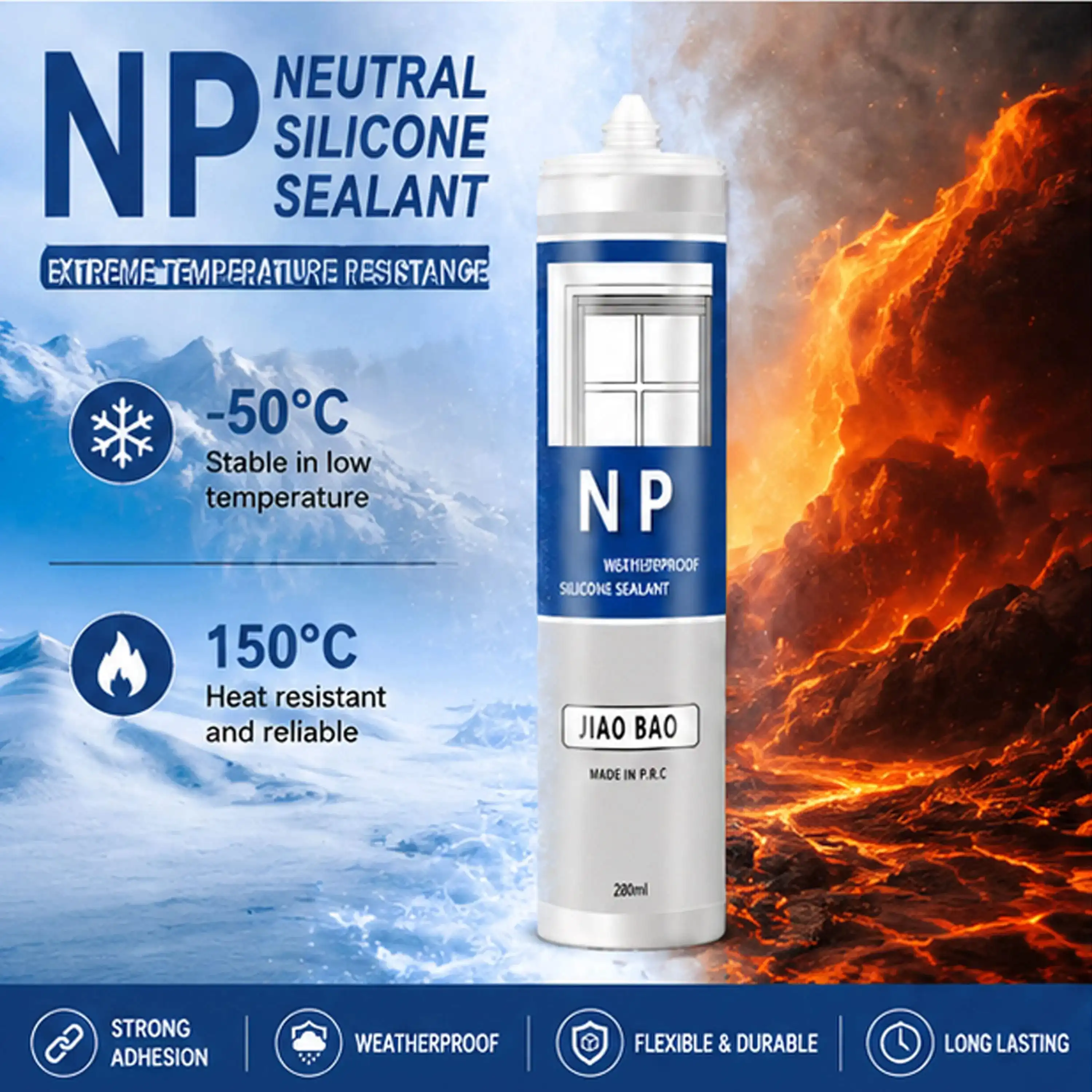
Strategic buyers get better deals by settling on fewer SKUs and combining the sealant needs of multiple production sites. When you make a volume promise, you can set tiered prices so that the cost of each unit goes down as you buy more. A company that makes 300ml and 600ml containers in both cartridge and sausage shapes lets customers use the same line of products with a variety of application tools. When you buy 1,000 to 5,000 refills at once, you can usually save 10 to 18% compared to buying them one at a time. Long-term supply deals with deliveries every three or six months keep prices stable when the cost of raw materials changes, and they also make sure that materials are always available when output grows.
For responsible buying to happen on a big scale, it needs to be physically tested first. By asking for samples, you can test them in-house on real production substrates in real-world conditions. Electronics companies should do rapid aging tests on healed samples by heating and cooling them 500 times between -40°C and +85°C. Then, they should look for loss of adhesion or material degradation.
Salt spray testing according to ASTM B117 is a good way to make sure that metal and glass assemblies won't rust in coastal or industrial settings. Before specifying the product for a whole project, building contractors can test it for weathering by putting test joints on job sites and leaving them there for three to six months. Manufacturers who are sure of their formulas are happy to support these kinds of tests because they show that their products work better and boost customer trust.
Compliance paperwork lowers the risk of buying and speeds up the approval of vendors. Having ISO 9001 certification means that quality control is used throughout the whole production process. Environmental certifications, such as RoHS compliance and VOC test reports, meet the rules in various markets. For third-party verification, technical data sheets should list the test methods and standards that were used for each performance claim.
Safety data sheets (SDS) are needed for job safety programs because they have information on how to handle things safely and what to do in an emergency. Manufacturers who offer multilingual documentation and legal compliance for each area show that they are ready to work with international avenues of marketing. Buyers should check the shelf life claims and storage standards because bad storing can hurt the performance of materials before they get to the production lines.
Sixty percent of bonding fails in industrial sealant applications are caused by dirty surfaces. Mold release agents on plastics, oil leftovers from machining, and dust buildup on building materials are all things that get in the way of proper washing and bonding. Using a two-step cleaning method—first mechanical removal and then solvent wiping—gets rid of contaminants before applying sealant. Performance is also affected by joint design.
Too many gaps compared to depth cause stress to build up at the bond lines, and joints that are too narrow don't have enough sealant volume to allow for movement. For joints with low movement, the best width-to-depth ratio is 2:1. For joints with high movement, the best ratio is 4:1. NP Silicone Sealant Non-Corrosive Type performs best when these ratios are strictly followed, as its non-corrosive chemistry relies on proper joint geometry to achieve durable adhesion. Backing rods or bond breakers stop three-sided adhesion, which makes it hard for the sealant to move and causes it to tear cohesively.
A company that makes LED lights had problems with relay contacts that were caused by siloxane getting into the contacts from low-quality sealant in junction box parts. The problem went away when the formulation was changed to a low-volatility neutral cure. No field breakdowns were reported during 18 months of production tracking. A curtain wall worker had to fix cracks in the side of a high-rise building where the temperature changed more than 40℃ every day.
The analysis showed that the originally specified sealant did not allow enough movement. The cracking was fixed during the warranty time by replacing it with a material that could move 25%, which was the same amount of movement that was predicted for the joint's thermal expansion. These examples show how important it is to match the sealant's specs to the stresses of the job, instead of just choosing based on price at first.
Formulation study that is still going on works on speeding up the curing process without sacrificing its flexibility at low temperatures. Reactive silanes added to hybrid systems could cut the full fix time from 7–14 days to 3–5 days while keeping the neutral chemistry. Better low-volatility formulations are meant to stop siloxane migration even more in sealed electrical systems, which is important for designs that need to be more sensitive.
Bio-based silicone precursors and recyclable packaging systems are being made because of efforts to be more environmentally friendly. As electronics get smaller and building performance standards get stricter, the need for advanced neutral cure sealants with tighter specification tolerances will continue to grow. This will be good for companies that invest in quality control and new technology.
When choosing a non-corrosive silicone sealant for fragile materials, you need to think about how well it works technically, how well it works with the materials, and how reliable the supply chain is. The neutral cure chemistry gets rid of the risk of corrosion while also providing the heat stability, weather protection, and flexibility needed for tough industrial uses. NP Silicone Sealant Non-Corrosive Type exemplifies this neutral cure advantage, offering consistent performance across a broad range of substrates.
The best performance is guaranteed by properly preparing the surface, designing the joints, and applying the material. People who work in procurement benefit from working with manufacturers that offer flexible customization, full technical support, and quality systems that are written down. Neutral cure silicone technology keeps getting better to meet the changing needs of businesses that want sealed systems to be more reliable and last longer.
In most cases, no. Silicone has release agents in it that keep paint from sticking to it. If you need to paint, you should use a hybrid MS polymer or polyurethane sealant, or you should paint the substrate first.
NP Silicone Sealant Non-Corrosive Type is good at keeping out the weather, but it's not the same as high-modulus structural window silicones. Check that it is certified by ASTM C1184 before using it to hold heavy glass units without mechanical fasteners.
Yes, neutral cure is better for plastics because it doesn't cause stress cracking (crazing), which happens a lot when acid-cure silicones touch acrylics or polycarbonates.
Most things can be kept for 12 months. If you store something above 27°C or in a place with a lot of humidity, the material inside the cartridge may start to cure too quickly, making it hard to extrude.
When purchasing managers need a trustworthy neutral cure silicone sealant supplier, they can get in touch with Jiaobao. They can provide custom sealing solutions that protect delicate materials without sacrificing quality. Jiaobao has been making products for more than 13 years and offers ISO-certified goods that meet ASTM and GB standards. These products come in 300ml and 600ml containers to meet your production needs. Just-in-time inventory strategies work well with our 1-2 week wait times, and our flexible OEM/ODM capabilities let you match colors and adjust thickness to fit your specific assembly processes.
If there are quality problems within the shelf life, you can get your money back or a new one, which lowers the risk of buying something. You can email our technical team at dorashen@cnjiaobao.com to get samples or talk about bulk prices for this company that makes electronic-grade silicone sealant. You can also visit shandongjiaobao.com for full product specs.
1. Smith, R.J. (2021). Industrial Sealants: Chemistry and Applications. Cambridge: Technical Publishing House.
2. Electronics Packaging Materials Consortium (2020). Guidelines for Non-Corrosive Sealant Selection in Electronics Assembly. Chicago: EPMC Standards Division.
3. Zhang, L. & Peterson, M. (2019). "Performance Comparison of Neutral Cure and Acid Cure Silicone Sealants in Building Applications." Journal of Construction Materials, 34(2), 145-162.
4. American Society for Testing and Materials (2022). ASTM C920 Standard Specification for Elastomeric Joint Sealants. West Conshohocken: ASTM International.
5. Thompson, H. (2020). Adhesion Science and Technology for Electronic Materials. New York: Engineering Press.
6. Building Envelope Council (2021). Best Practices Guide for Curtain Wall Sealant Application. Washington: BEC Technical Committee.
November 16,2023
Enterprise Name
The sealant has very strong adhesion and performs well even on glass and aluminum. After curing, it remains flexible and shows no cracking. Perfect for our facade projects.
November 16,2023
Enterprise Name
Stable quality across batches. Our customers especially like the smooth application and consistent extrusion. It helps reduce installation time on site.
November 16,2023
Enterprise Name
I used it for bathroom sealing. Excellent waterproof performance and no mold issues so far. It's been holding up very well in humid conditions.
November 16,2023
Enterprise Name
The neutral silicone works well on sensitive materials without corrosion. Very suitable for industrial applications requiring stable performance.
_1779347426672.webp)