November 16,2023
Enterprise Name
The sealant has very strong adhesion and performs well even on glass and aluminum. After curing, it remains flexible and shows no cracking. Perfect for our facade projects.
Jul 8, 2026
When plastic leaks water during building, manufacturing, or remodeling jobs, the answer is clear: Acrylic Sealant Waterproof Grade is the best thing to use. This high-tech water-based glue sticks very well to plastic surfaces and doesn't let water in easily. This makes it perfect for filling gaps around doors, windows, and plastic features where water could get in. In contrast to regular fillers that wash out or break down when it gets wet, waterproof-grade acrylic formulations stay strong even when they are occasionally wet, providing reliable safety for both inside and outside uses.
In industrial sites, business buildings, and residential properties, plastic water leaks are a big problem. When water gets into plastic parts that aren't properly sealed, it damages expensive equipment, weakens structures, and stops operations. It is always hard for procurement managers and engineering teams to choose seals that will create long-lasting, waterproof shields in tough situations.
People know that acrylic seals work well as waterproofing materials because they are flexible and stick well to plastic. When it comes to stopping leaks around plastic lines, fixtures, door frames, and window systems, these qualities are very important. By knowing how waterproof-grade acrylic seals work, decision-makers can choose goods that will reliably stop leaks and last longer in a wide range of situations.
When it comes to acrylic seals, "waterproof grade" means that the material is designed to not let water in or mix with other substances. When acrylic fills are exposed to rain or humidity, they tend to soak up water and wash out. Formulations for waterproofing use hydrophobic stabilizers and modern polymer technology to stop this breakdown.
Classification systems in industry standards like ASTM C834 and ISO 9047 help B2B buyers figure out if a product is right for a certain risk situation. These standards test how well something sticks after being submerged in water, how well it can move when wet, and how well it doesn't wash out while it's drying. The chemical makeup and physical bonding of acrylic sealants stop leaks by creating a strong, waterproof layer on plastic surfaces. There are different waterproof grades, and each one has a different amount of protection. This makes it possible to perfectly match sealants to the needs of commercial waterproofing uses.
The one-component, water-based recipe of Jiaobao Acrylic Sealant Waterproof Grade shows this way of thinking about engineering. This type of caulk is a paste, and its tensile strength is 0.64 MPa at 23°C, which is higher than the normal 0.4 MPa. Even after being exposed to water, the mixture keeps its adhesion qualities without breaking down the base. It works well for closing problems that come up in real life, as the skin dries in just half an hour and doesn't sag on vertical surfaces.
Waterproof-grade acrylic sealants have to meet strict performance standards that set them apart from other types of sealants. Most materials can handle temperature expansion and contraction without cohesive failure because their elongation at break is more than 200%. A high solid percentage, between 75% and 85%, keeps the shape and reduces shrinking during curing.
Immersion methods are used for water resistance tests to see if cured samples keep their bond strength after being exposed to water for a long time. The material must also be stable against UV light and weathering, meaning it won't turn yellow or chalk over time when used outside. Because these sealants can move ±12.5% to ±15%, they can be used for connection parts in building projects.
Standard acrylic caulks, which are usually sold for painting inside walls, don't have the waterproofing qualities needed to stop plastic from leaking. When these basic formulations get wet, they re-emulsify, which makes them not stick and wash out. Products that are waterproof have silane coupling agents or improved acrylic resins that stop water from getting in permanently after they cure.
This difference is very important for door and window edges on the outside, HVAC penetrations, and cleaning installs. Waterproof-grade seals last for years, while regular caulks fail after a few months of being exposed to weather or humidity. The extra money spent on better materials pays off in lower upkeep costs and no water damage.
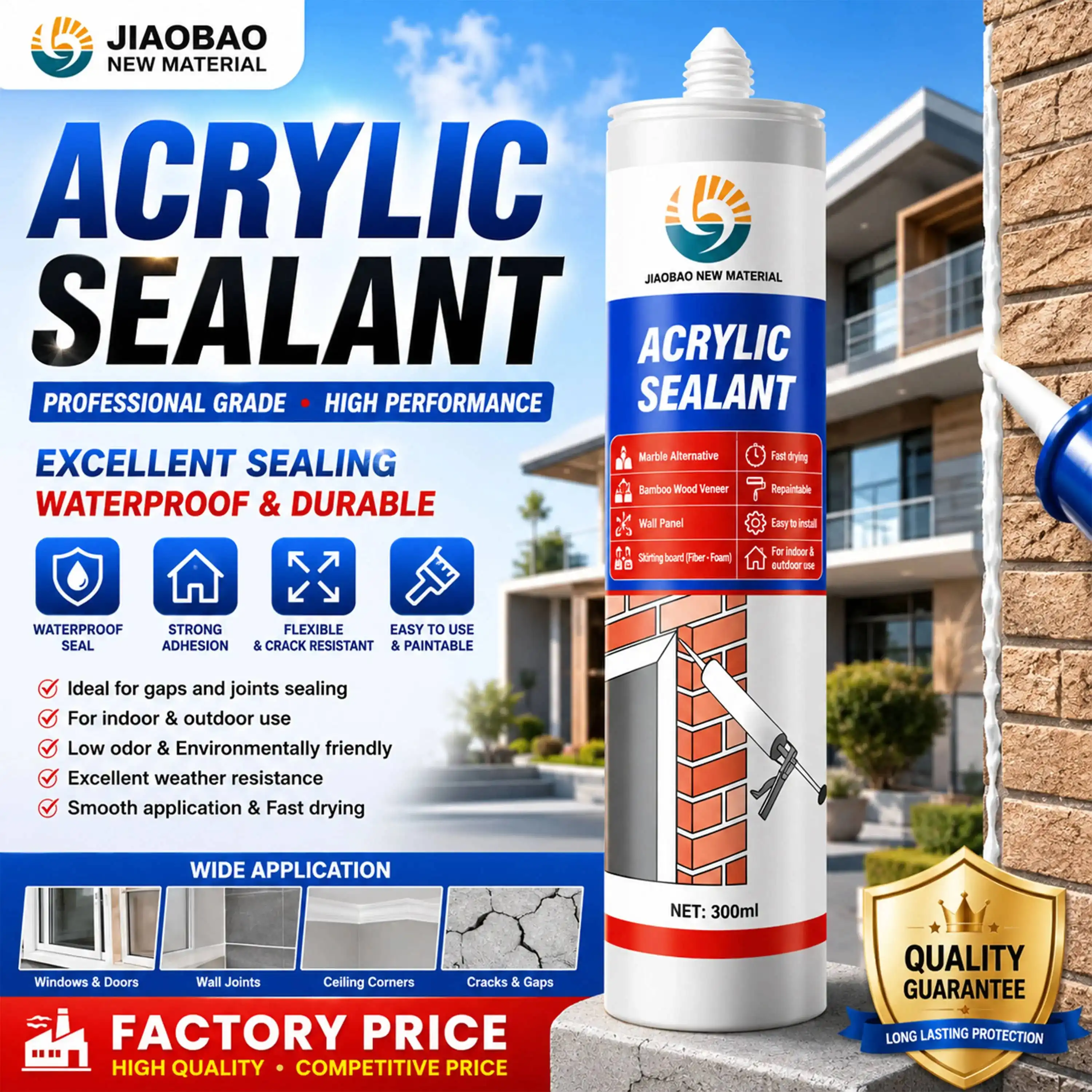
For waterproofing to work, there must be strict testing procedures that check the sealant's performance before it is used in the field. Putting finished samples in water for seven days in the lab simulates real-life conditions, and then peel tests are used to see how well the bonding stays. More than 90% of waterproof sealants fail at the adhesive level, which means that the sealer breaks before the bond does.
Hydrostatic pressure testing checks how well something works under direct water pressure. This can show weaknesses that might not be obvious when the thing is just submerged. In addition to lab tests, on-site tests look at how the curing process works in real-life situations like temperature, humidity, and material. This combined method gives buying teams faith in what products say they can do.
During testing, quality reviews are guided by key performance factors. The water absorption rate tells you how much water the hardened sealant soaks up over time. Lower absorption rates are linked to better binding and stability over time. Testing the material's elasticity makes sure it can bend and stretch without breaking or coming away from the surfaces.
Project plans and rain barriers are affected by the curing time. The Jiaobao mixture can smooth the surface in 30 minutes, which speeds up the project's progress. True waterproofing, on the other hand, needs 12 to 24 hours of contact to heavy rain or constant wetness. Knowing these dates keeps you from exposing the seal too soon, which could damage it.
The extrusion rate affects how well a product works. Professional sealants run easily through normal caulking guns at 163 ml/min, so you don't have to use too much force. This regularity keeps the user from getting tired and makes sure that the beads form evenly. Protocols for testing check this number to make sure that accuracy from batch to batch and stability over time are met.
To choose the best sealant, you need to know how different types of acrylic waterproof grades compare to each other. Silicone seals are very flexible and resistant to chemicals, which makes them perfect for parts that move a lot or are always wet. But silicone can't be painted, which limits its use in uses that people can see. Acrylic waterproof-grade goods can be painted, which makes them easy to match with building finishes.
Polyurethane seals last a long time and don't wear down easily, especially in places that get a lot of use. They stick very strongly to metal, plastic, and concrete. The trade-off is more expensive materials and harder application requirements, such as fixing that is sensitive to moisture. Acrylic waterproof grades offer better value for money and good performance at many connection parts in doors, windows, and building surfaces.
Epoxy seals are very strong and don't react with chemicals, but once they set, they're not very flexible. Because of this, they are not good for joints that move with temperature changes. Acrylic waterproof-grade seals keep their plasto-elastic properties, which allow for some movement while still being water-resistant. Because of this balance, they work great for closing plastic window frames, door edges, and HVAC holes.
When making a procurement choice, it's important to look at more than just the original price of the material. Acrylic seals that are waterproof have been shown to cut down on guarantee claims and callbacks. Because they can be painted, you don't need any other finishing tools. As drying times get shorter, project plans get sped up, and labor costs go down. All of these things work together to give a good return on investment in manufacturing, building, and repair.
High-quality acrylic seals are waterproof because they last a long time, don't react with the environment, and are easy to use. Leading makers have created formulas that are especially made for plastic substrates and uses that are likely to get wet. These items have approvals that show they meet industry standards and building code requirements.
The Jiaobao Acrylic Sealant Waterproof Grade is a great example of this type of product because it has so many useful features. It can be made in colors like white, black, gray, or custom ones, and it looks good for both hidden and obvious joints. Different types of application tools and project sizes can use the 300ml and 600ml packaging choices, which come in sausage or cartridge shapes. It meets international quality standards and legal needs in all global areas because it has ISO and CE certifications.
No matter what type you choose, the best sealer works best when it is applied correctly. Preparing the surface is still the most important thing for making ties that last. The surfaces must all be dry, clean, and free of oil, dust, and other loose stuff. Light scratching with fine sandpaper makes mechanical bonding better on plastic surfaces without hurting the base.
Joint design has a big effect on how well something works in the long run. For best load spread, the ratio of depth to width should be close to 1:2. Backing bars or bond breaker tape stop three-sided bonding, which can lead to cohesive failure when the joint moves. Tooling the sealant right away after applying it makes sure that it sticks to the base properly and makes a concave shape that lets water escape.
Conditions of curing affect the final qualities. Even though skin forms quickly, it can take several days for the joint to fully heal, based on how deep it is and the weather. Keeping newly applied sealer out of the rain for at least 24 hours stops it from washing off and makes sure the film forms properly. For best results, the temperature should stay above 40°F (5°C) while the product is being used. However, some improved versions can work in lower temperatures.
For uses that people can see, like business buildings, high-end home projects, and architectural facades, color consistency is very important. Being able to match RAL color charts or unique standards gets rid of ugly sealant lines that ruin the overall look. Acrylic Sealant Waterproof Grade plays a critical role here, as Jiaobao's customization options meet this need by allowing color stability from batch to batch, which keeps the design intact across big projects.
This customization goes beyond just changing the color and also includes changing how it works. Formula changes can help projects that need to move in a certain way, work with a certain material, or be exposed to certain environments. When buying teams work with makers that offer OEM and ODM services, they can choose sealants that are perfectly matched to the needs of the application.
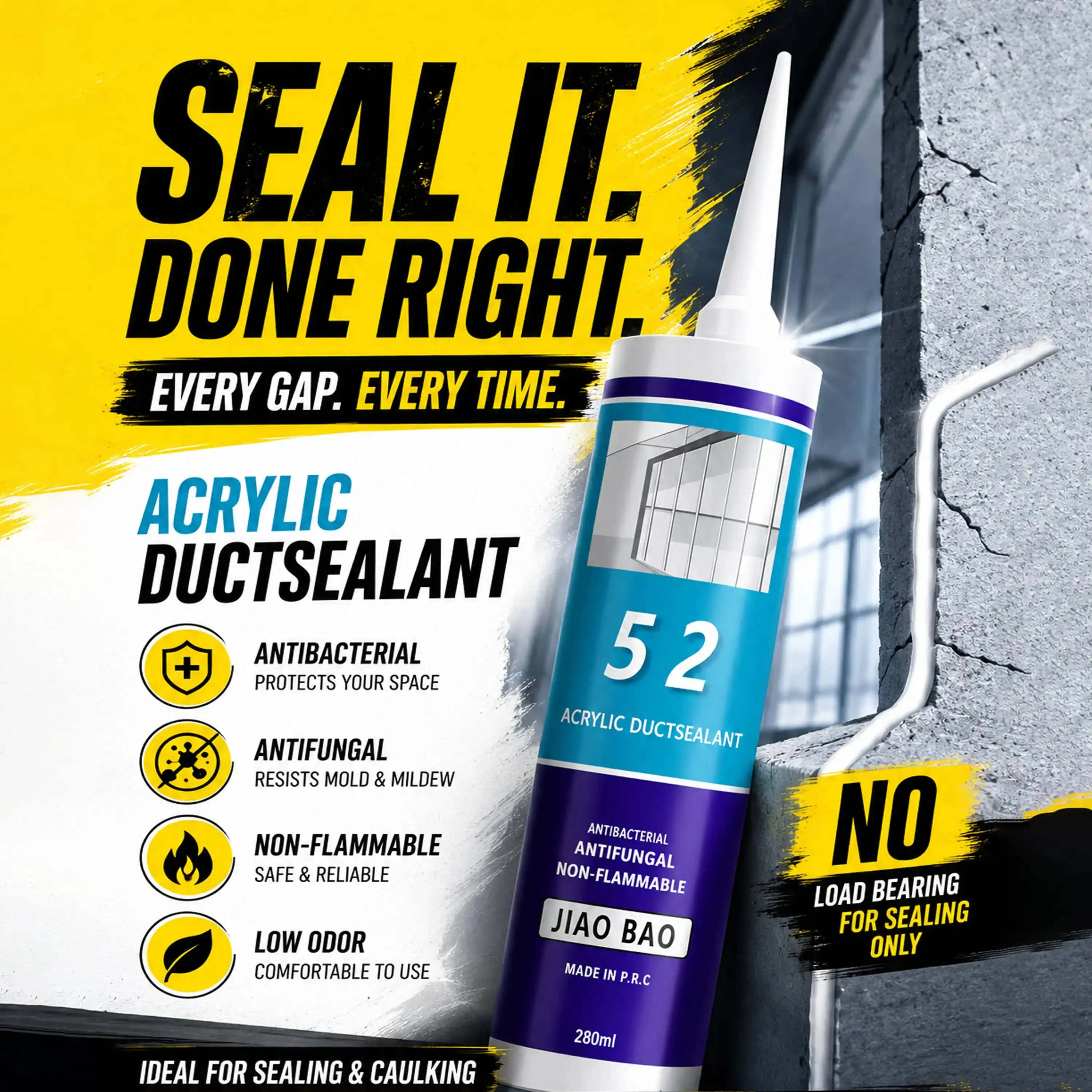
For buying to work well, it's important to get high-quality acrylic seals from reliable providers who have shown they can make them. Wholesale and bulk buying choices are good for OEMs, wholesalers, and big corporate buyers who want to save money by buying in bulk and make sure they always have a supply. Price ranges depend on things like the level of waterproofing, the type of packing, the color choices, and the size of the order.
Building long-term ties with suppliers has benefits beyond lowering unit costs. Reliable providers offer expert support when choosing products, which helps match the qualities of the sealant to the needs of the application. They make sure the quality is always the same by writing down their manufacturing methods and testing routines for each batch. When buying things for a project, and materials run out, delays that cost a lot of money, delivery dependability becomes very important.
When making questions, it's best to be clear about what you need, how much you expect, and when you need it. Requesting copies of product data sheets, safety paperwork, and certifications proves that project requirements are being met. Early in the buying process, samples should be tested so that there is time for on-site review before big orders are made.
Support after the sale is what sets top sellers apart from commodity vendors. Policies that deal with quality problems, like promises of a return or replacement within a certain amount of time, give buyers peace of mind. Technical advice during the application process helps solve problems in the field and improve installation methods. These services add a lot of value, which is a good reason to build relationships with chosen suppliers.
Shandong Jiaobao New Material Co., Ltd. is a good example of this type of seller because they have been making professional-grade lubricants for over 13 years. The company keeps its ISO and CE certifications up to date, which makes sure that its goods meet quality and safety standards around the world. With production wait times of one to two weeks, orders can be filled quickly, and shipping by sea or land is a choice to meet a variety of logistics needs. Strong OEM and ODM capabilities let Jiaobao tailor its products to meet the needs of each customer and regional standards. This makes it a valuable partner for wholesalers and big buyers looking for a reliable source of Acrylic Sealant Waterproof Grade.
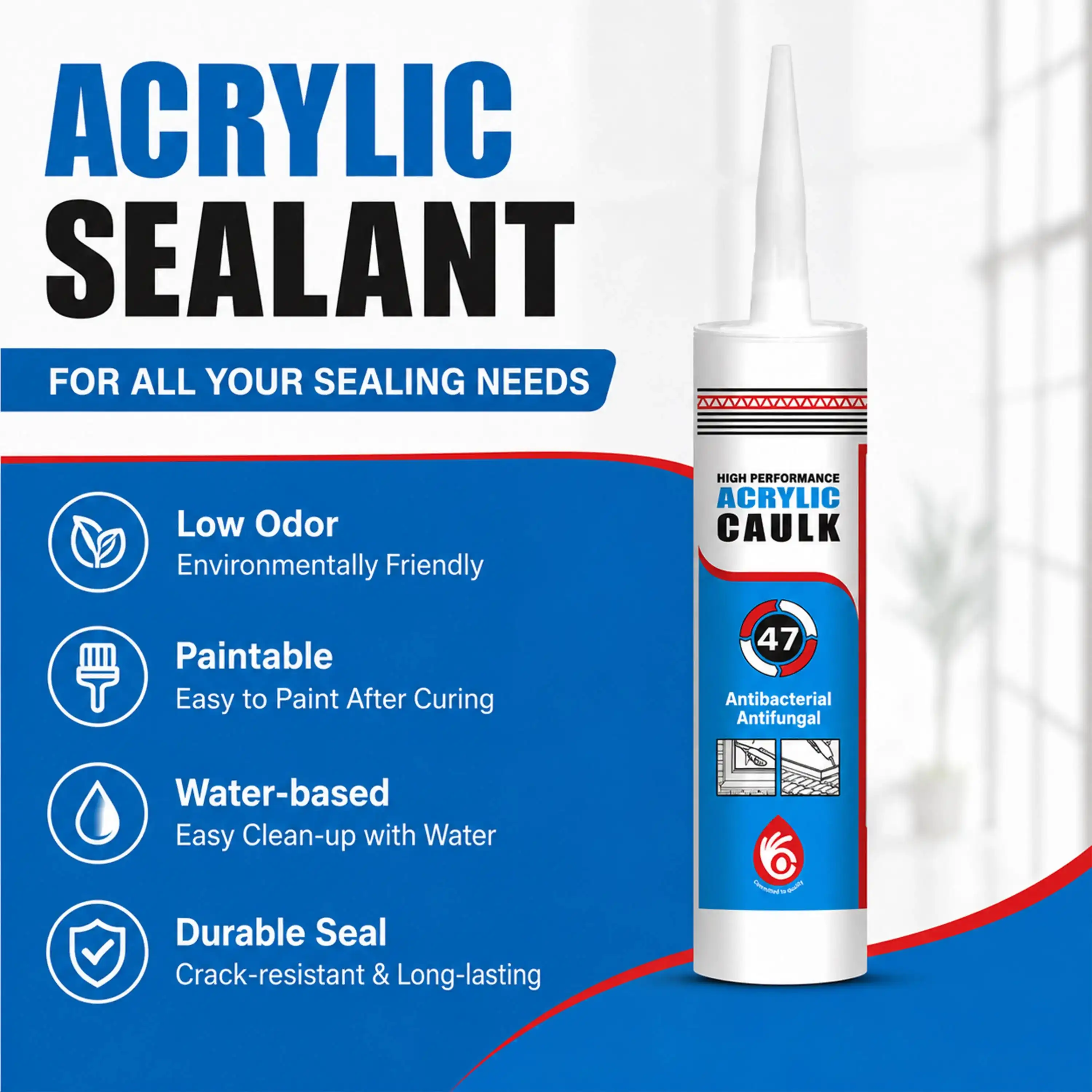
To choose the best sealant for plastic water leaks, you need to think carefully about the waterproof grade, the fit of the base, and the conditions of the application. Acrylic Sealant Waterproof Grades work well because they are made with advanced formulas that keep water out while still being flexible and paintable. Leak prevention works best on building, manufacturing, and repair projects that follow best practices, understand testing methods, and compare different options. Strategic buying from well-known companies that have a wide range of services available guarantees high-quality materials, reliable supplies, and expert support that keep projects on schedule and within budget while providing long-lasting waterproofing.
Acrylic Sealant Waterproof Grade seals are made better by adding hydrophobic stabilizers that stop the mixture from re-emulsifying after it has dried. Water-resistant items may originally keep water away, but over time they may become softer or wash out. Even after being submerged in water for a long time, waterproof grades keep their stickiness and structure, so they can be used outside or in places that tend to get wet. This rating is based on how well the material performs in the ASTM C794 adhesion-in-peel test after being submerged in water. It shows that true waterproof grades keep more than 90% of their adhesive failure instead of coming off of surfaces.
When it comes to making plastics, acrylic sealants stick very well to PVC, ABS, polycarbonate, and acrylic materials. But because they have low surface energy, polyethylene, polypropylene, and PTFE need special surface processes in order to stick. Adhesion problems can be avoided by testing compatibility on real project material before applying it on a large scale. When surfaces are cleaned and ready, the Jiaobao formula sticks well to standard plastic door frames, window panels, and fixings without primers.
When used correctly, waterproof-grade acrylic seals can last anywhere from five to ten years outside, based on how much they are exposed and how much the joints move. Formulations that are resistant to UV light stay flexible and don't chalk or turn yellow for longer than regular goods. Regular inspections and maintenance find areas that need to be reapplied before they break down completely, which extends the service life. Unused materials have a 12-month shelf life and will work at their best if they are kept in sealed cases away from high temperatures.
Picking the right Acrylic Sealant Waterproof Grade provider can affect how well a job turns out and how much it costs in the long run. With over 13 years of experience in specialized production and the ability to make any changes you need, Jiaobao can provide seals that are perfectly matched to your needs. Our factories have strict quality control systems that are backed by ISO and CE licenses. These systems make sure that every batch meets international standards for bonding to substrates and waterproof performance.
Our flexible packing and OEM services can be used to meet your needs, whether you need standard colors or custom RAL matching, 300ml cartridges or 600ml sausages in bulk. We get rid of supply uncertainties that throw off project plans by having production lead times of one to two weeks and quick transportation support. Quality guarantee goes beyond delivery through our full after-sales support, which includes policies for refunds or replacements for any problems that happen within the product's shelf life.
Get in touch with our technical team at dorashen@cnjiaobao.com to talk about your specific plastic water leak problems, ask for product samples, or get bulk purchasing prices from a reliable Acrylic Sealant Waterproof Grade maker that will protect your projects with proven results.
1. American Society for Testing and Materials. (2022). ASTM C834-20: Standard Specification for Latex Sealing Compounds. West Conshohocken, PA: ASTM International.
2. International Organization for Standardization. (2021). ISO 9047:2021 Building Construction - Jointing Products - Determination of Adhesion/Cohesion Properties of Sealants After Exposure to Heat, Water and Light Through Glass. Geneva: ISO.
3. Building Research Establishment. (2020). Sealants in Construction: Selection and Performance. Watford, UK: BRE Press.
4. Construction Specifications Institute. (2019). MasterFormat Division 07 92 00 - Joint Sealants: Technical Guidelines for Specification Writers. Alexandria, VA: CSI.
5. Panek, J.R. & Cook, J.P. (2018). Construction Sealants and Adhesives: Fourth Edition. New York: John Wiley & Sons.
6. Wolf, A.T. (2017). Durability of Building Sealants: State of the Art Report. Paris: International Council for Research and Innovation in Building and Construction.
November 16,2023
Enterprise Name
The sealant has very strong adhesion and performs well even on glass and aluminum. After curing, it remains flexible and shows no cracking. Perfect for our facade projects.
November 16,2023
Enterprise Name
Stable quality across batches. Our customers especially like the smooth application and consistent extrusion. It helps reduce installation time on site.
November 16,2023
Enterprise Name
I used it for bathroom sealing. Excellent waterproof performance and no mold issues so far. It's been holding up very well in humid conditions.
November 16,2023
Enterprise Name
The neutral silicone works well on sensitive materials without corrosion. Very suitable for industrial applications requiring stable performance.
_1779347426672.webp)