November 16,2023
Enterprise Name
The sealant has very strong adhesion and performs well even on glass and aluminum. After curing, it remains flexible and shows no cracking. Perfect for our facade projects.
Aug 17, 2026
When managing a chain of auto glass service centers, one question consistently surfaces: Is PU Windshield Auto Glass Sealant compatible with every vehicle? The straightforward answer is that while polyurethane-based windshield sealants offer exceptional versatility across most passenger cars, commercial vehicles, and trucks, true universal compatibility depends on vehicle-specific factors like glass thickness, frame materials, and installed sensor systems. Modern PU formulations demonstrate remarkable adaptability, yet procurement teams and installation technicians must carefully evaluate each application to ensure optimal bonding, safety compliance, and long-term durability across diverse fleet portfolios.
PU Windshield Auto Glass Sealants represent the industry standard for car glass bonding because of their unique chemical makeup and performance qualities. Unlike traditional silicone products, these adhesives cure through moisture reaction, creating bonds that integrate the windshield into the vehicle's structural framework.
PU Windshield Auto Glass Sealants consist of isocyanate-terminated prepolymers that react with atmospheric moisture to form strong urethane linkages. This moisture-cure method creates a strong adhesive matrix without using heat or extra catalysts. This makes these goods perfect for setups in the field where it is hard to control the environment. Under normal conditions, the curing moves from the outside to the inside at a rate of about 3.5 mm per day.
Good PU Windshield Auto Glass Sealants have better mechanical features than regular seals. Tensile strength values reaching 2.2 MPa ensure windshields remain securely bonded even during collision events. The 400% elongation capacity of the seal means that it can handle vibration stresses, chassis bending, and differences in thermal expansion between metal and glass. Shore A hardness measurements around 45 provide the optimal balance between structural rigidity and flexibility.
Vehicles endure extreme environmental exposure throughout their service life. When the temperature goes from -40°C to +90°C, premium PU Windshield Auto Glass Sealant formulations keep their bonding strength. They also don't break down when exposed to UV light, water, or chemicals from automotive fluids. This resistance to weather makes sure that vehicles work the same way whether they are in a desert, an area with salt spray, or a place with harsh winters.
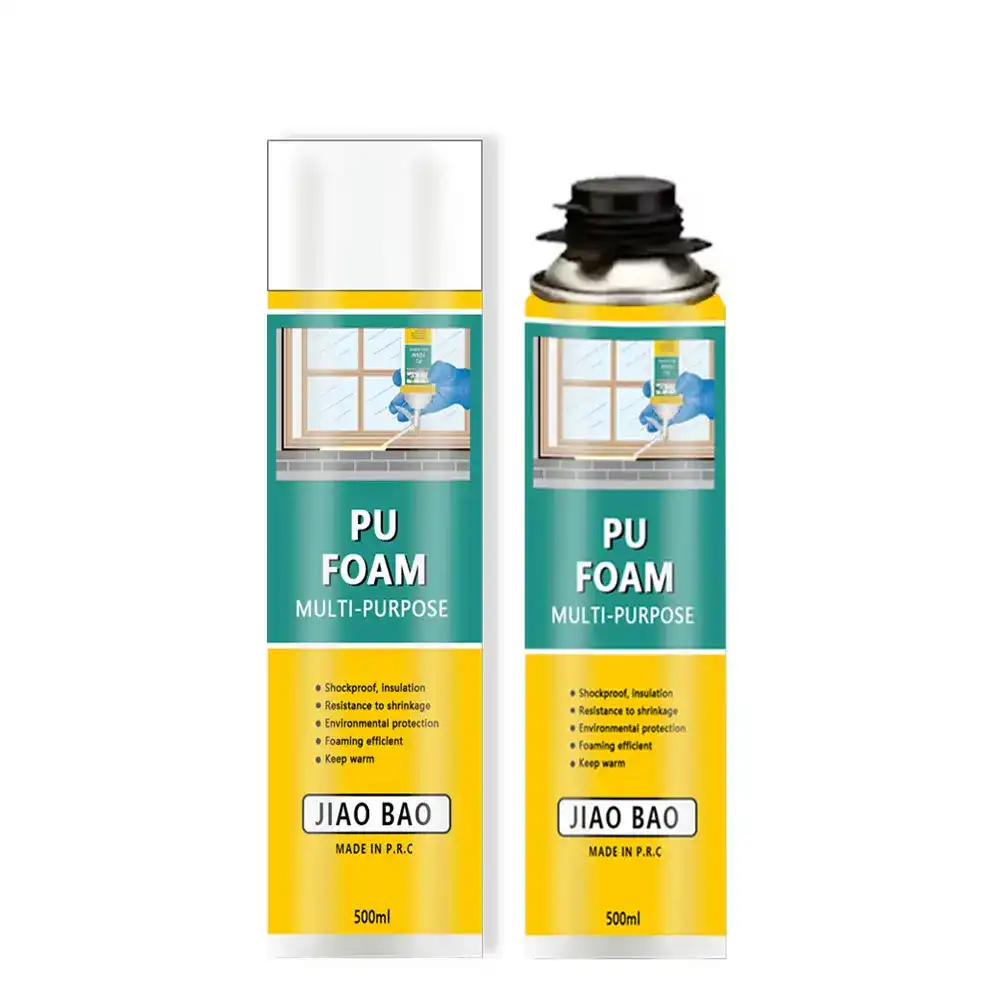
PU Windshield Auto Glass Sealants can be used in a lot of different situations, but suitability and performance are affected by things that are unique to each car.
Laminated windshields, consisting of two glass layers bonded with a polyvinyl butyral interlayer, represent the standard in passenger vehicles. When the right priming steps are taken, PU Windshield Auto Glass Sealant bonds very effectively to the primed surface, and these sealants stick very well to laminated glass surfaces. Tempered glass, occasionally used in rear windows and quarter panels, presents similar bonding characteristics. The glass composition itself—whether standard soda-lime glass or newer lightweight alternatives—affects primer selection more than adhesive compatibility.
Modern vehicles incorporate diverse frame materials including traditional steel, aluminum alloys, high-strength steel composites, and carbon fiber in performance applications. PU Windshield Auto Glass Sealants show strong adhesion to all these materials when surfaces receive suitable preparation. Aluminum frames require specific primer systems to prevent galvanic corrosion and ensure optimal bonding. Carbon fiber uses may need specific primers to promote chemical bonding to the resin base.
Advanced driver-assistance systems increasingly incorporate cameras, radar sensors, and infrared components mounted to or near windshields. Certain PU Windshield Auto Glass Sealant formulations contain conductive carbon black fillers that can interfere with sensor calibration and antenna performance. These problems can be fixed with non-conductive or low-conductivity adhesives, which keep the signals clear for electrical systems that are built in. Procurement requirements for modern car fleets should favor these specialty formulations.
Vehicles working in extreme temperatures benefit from tailored adhesive choices. High-modulus formulations provide enhanced structural rigidity for luxury and electric vehicles where body stiffness affects handling characteristics. Lower-modulus products offer better flexibility for industrial cars having significant chassis torsion. Temperature differences during application affect healing rates—summer installations may achieve tack-free surfaces in 25 minutes, while winter applications take 15-30 minutes under controlled conditions.
Standardized processes and strict quality control rules are needed to make sure that the quality of installations is the same in all service sites.
Carefully preparing the area is the first step to successful sealing. Get rid of any leftover glue from the pinchweld area, leaving a clean base that is about 2 to 3 mm thick. Use the right solvents to clean the edges of the glass and the frame's surfaces to get rid of oils, dust, and other contaminants. A lot of new windshields have ceramic frit bands that need to be glued on with a certain primer.
Follow the manufacturer's instructions for applying primer to both the glass edge and the metal frame. Most glass primers need to be flash-off for 10 to 15 minutes before the adhesive can be applied. Metal primers might need less time, but they still need to be properly activated. Primerless systems make work easier, but they still need an activator or cleaner to make the bonding more reliable.
When you load cartridges into manual or pneumatic dispensing guns, make sure that the adhesive doesn't have any air pockets in it. Place a continuous triangular bead around the edge of the windshield, making sure to keep the bead's dimensions the same to ensure the glass is spaced correctly from the frame. PU Windshield Auto Glass Sealant is ideal for this step, as professional formulations have zero-sag properties that keep beads from deforming on vertical surfaces. Carefully place the windshield and apply even pressure to get full adhesive contact without squeezing out too much.
The safe drive-away time is the most important time before a car can be used again. This measure is affected by the type of glue used, the temperature, and the humidity in the air. Safe drive-away times for premium goods range from 30 minutes to 4 hours, and faster-curing formulations offer big flow benefits for service centers that handle a lot of calls. Usually, it takes 24 to 48 hours for the resin to fully cure and reach its full mechanical strength.
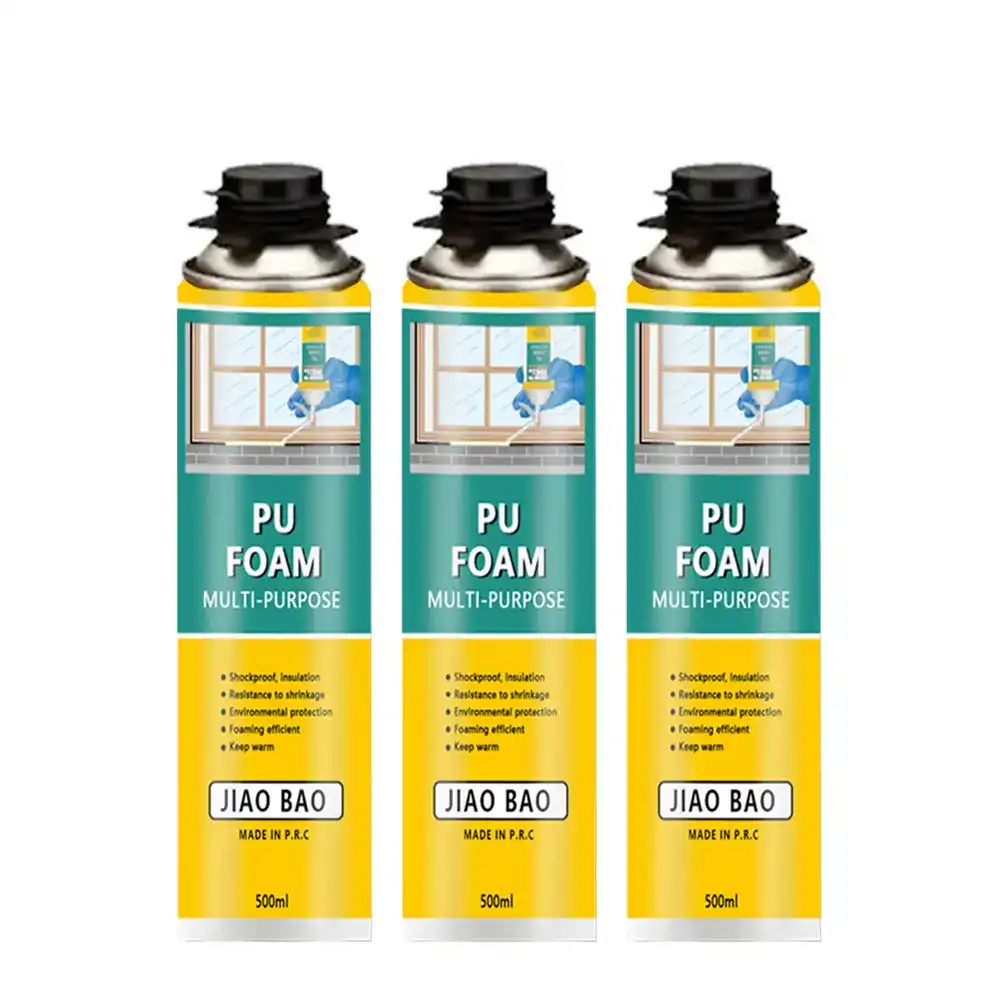
To make a solid supply chain for car adhesives, you need to know how the market works, what your suppliers can do, and how quality control works.
Evaluate potential suppliers based on manufacturing experience, quality certifications, and technical support capabilities. Suppliers with ISO 9001 certification show dedication to consistent output standards. Companies that offer complete technical paperwork, such as test data and application guides, help buyers make better choices. Manufacturing sites with specialized R&D teams can create formulations to meet specific operating requirements.
Centralized procurement methods are very helpful for chain processes. When you buy in bulk, you save money on each unit while making sure that the product specs are the same at all service sites. Talk to suppliers about making sure that each batch is the same, and set up systems that can connect different lots of products to different production runs. If there are problems with the quality, this tracking is very important because it lets you quickly find the damaged merchandise.
Private labeling and custom packages help businesses with multiple locations stay true to their brand character. Suppliers that offer OEM services can print your brand name on cartridges and packaging materials and make adhesives with that name on them. Custom formulas that are made to fit your unique mix of vehicles and the weather in your area give you a competitive edge. Customization usually has a minimum order quantity of 1,000 to 5,000 units, which means that this method can work for established chains.
To support just-in-time inventory systems, dependable providers keep up area distribution networks or offer a range of shipping choices. Products that are shipped by sea freight have longer wait times, but they are cheaper to stock up on at first. Transporting goods by land makes restocking operations go more quickly. Keeping track of the shelf life of products is very important. PU Windshield Auto Glass Sealants usually keep working at full strength for a year if they are kept correctly, so it's important to keep rotating the stock.
Knowing how different glue technologies work differently lets you choose a product that fits your needs and your business's goals.
Silicone sealants are very flexible and don't react badly to weather, but they don't have the structural bonding strength needed for installing modern windshields. In most markets, structural adhesives for windshields that make the car safer in a crash are required by law. PU Windshield Auto Glass Sealants provide the necessary structural performance for primary bonding, whereas silicone products can be used for non-structural glazing, gap filling, and weatherproofing, but they can't be used instead of PU Windshield Auto Glass Sealants for primary windshield bonding.
High-modulus PU Windshield Auto Glass Sealant formulations make body rigidity better in passenger cars while still allowing for thermal cycles. Commercial trucks and buses need lower-modulus products that can stay open for longer so they can fit big, heavy glass panels and get them in the right place before the initial tack sets in. Primerless systems are often used on high-performance and luxury vehicles because they are easier to install and keep the cars' high-end looks.
Even though premium PU Windshield Auto Glass Sealants cost more per unit than basic ones, the overall cost of ownership is lower because they work better. Service shops can work on more cars per bay per day when safe drive-away times are shortened. Fewer guarantee claims for installation problems mean less expensive repairs and more protection for the brand's image. Installing windshields correctly with good sealants makes them last longer, which means customers don't have to come back for the same problem as often.
PU Windshield Auto Glass Sealants are very flexible and can be used in a wide range of automobile situations. However, they are not completely universally compatible and must be carefully tested on each vehicle. The best product choice is affected by the type of glass, the frame material, any built-in electronics, and the environment. Standardized application methods, thorough surface preparation, and the right amount of curing time make sure that the quality of the installation is always the same.
Strategic buying from authorized sellers gives you access to high-quality goods, expert support, and ways to make your business unique, all of which make operations in multiple locations stronger. Investing in high-quality adhesive solutions pays off by making things safer, lowering the risk of guarantee claims, and increasing operating efficiency.
When stored in sealed containers at temperatures between 15°C and 25°C, quality formulations keep their full performance characteristics for 12 months. Extreme temperatures or high humidity can shorten the shelf life of food, so keeping the building in good shape is important for managing supplies.
Curing times and working times are directly affected by temperature and humidity. The best conditions for the job are between 15°C and 30°C, with a moderate amount of humidity. Extreme cold makes curing take longer and may require warm workspaces. On the other hand, too much heat speeds up skinning and limits the time that can be used to place the glass.
Even though the basic chemistry is the same, OEM uses usually use high-speed formulations with quick initial grab to keep the glass from moving on automatic production lines. When it comes to different field situations and manual installation methods, aftermarket goods that are made to last longer and don't need primers are the most popular choices.
Building a trusted supply chain for windshield bonding adhesives demands a provider combining production knowledge, quality assurance, and quick customer support. Shandong Jiaobao New Material Co., Ltd. has been making high-performance PU Windshield Auto Glass Sealants and silicone seals for car uses around the world for more than 13 years. Our ISO-certified production methods make sure that the quality of each batch is the same, and our expert team offers full application support and custom formulation development.
Whether you're in charge of a growing regional chain or a well-established national network, our OEM services can help you get private-label products that help your brand stand out. You can get our adhesives in handy 300ml and 600ml packs or sausages. They have the performance features that chain operations need, like quick tack-free times, zero-sag consistency, and proven weather resistance. With production lead times of just 1-2 weeks and flexible logistics options, we support your inventory strategies without excessive warehousing requirements.
Connect with our technical sales team at dorashen@cnjiaobao.com to discuss your specific requirements as a PU Windshield Auto Glass Sealant supplier. We'll provide product samples, detailed technical data sheets, and pricing proposals tailored to your procurement volume and customization needs. Visit shandongjiaobao.com to explore our complete product catalog and discover how Jiaobao supports automotive service excellence across global markets.
1. Automotive Adhesives and Sealants: Materials, Applications and Technology. Society of Automotive Engineers International, 2019.
2. Beardmore, R. "Polyurethane Adhesive Systems for Automotive Glazing Applications." Journal of Adhesion Science and Technology, vol. 28, no. 12, 2021, pp. 1156-1174.
3. Federal Motor Vehicle Safety Standards (FMVSS) 212: Windshield Mounting. National Highway Traffic Safety Administration, U.S. Department of Transportation, 2020.
4. Structural Bonding in Automotive Manufacturing: Engineering Principles and Performance Requirements. International Automotive Engineering Congress, 2022.
5. Chen, W. and Martinez, L. "Moisture-Cure Polyurethane Adhesives: Chemistry, Properties and Automotive Applications." Polymer Engineering Review, vol. 34, no. 3, 2023, pp. 287-305.
6. Advanced Driver Assistance Systems Integration Considerations for Automotive Glass Bonding. Automotive Glass Replacement Safety Standards Council, 2023.
November 16,2023
Enterprise Name
The sealant has very strong adhesion and performs well even on glass and aluminum. After curing, it remains flexible and shows no cracking. Perfect for our facade projects.
November 16,2023
Enterprise Name
Stable quality across batches. Our customers especially like the smooth application and consistent extrusion. It helps reduce installation time on site.
November 16,2023
Enterprise Name
I used it for bathroom sealing. Excellent waterproof performance and no mold issues so far. It's been holding up very well in humid conditions.
November 16,2023
Enterprise Name
The neutral silicone works well on sensitive materials without corrosion. Very suitable for industrial applications requiring stable performance.
_1779347426672.webp)