November 16,2023
Enterprise Name
The sealant has very strong adhesion and performs well even on glass and aluminum. After curing, it remains flexible and shows no cracking. Perfect for our facade projects.
Jul 11, 2026
Knowing the difference between types of caulk can help you avoid making mistakes that cost a lot of money when you're in charge of a curtain wall job or buying materials for installing doors and windows. NP Neutral Cure Silicone Sealant is a special kind of vulcanising glue that can be used at room temperature and cures without giving off harmful acidic waste. Neutral cure silicones don't give off acetic acid, which smells like vinegar. Instead, they use oxime or alkoxy chemistry, which makes them safe for sensitive surfaces like metals, polished glass, mirrors, and natural stone. What this chemistry difference means has a direct effect on how well the materials work together, how long they last, and how well the project turns out.
The polymerisation process that is set off by wetness is what makes neutral cure technology unique. When these one-part RTV seals are introduced to air humidity, they harden from the outside in, making a strong elastomeric seal.
As soon as you put the sealant on and airborne moisture touches the surface, the sealing process starts. Surface cooling can happen in 30 minutes or less, depending on the conditions. This means you can keep working without having to wait for long periods of time. It usually takes 7–14 days for full depth drying to finish. This process moves faster when it's warmer and more humid, and slower when it's cooler and dry. The paste-like texture stays in shape while it's being applied, so it doesn't sag on vertical surfaces, which is very important for sealing glass windows or aluminium panels.
Acid-cure solutions can rust metal, but neutral cure seals don't have that problem. Galvanised steel, aluminium, and covered glass are all protected from chemical damage by the non-corrosive recipe. In curtain wall uses, where the structural integrity rests on keeping metal parts strong for decades, this is especially important. NP Neutral Cure Silicone Sealant choices are also better for busy areas and enclosed settings because they have low smells and don't produce any harmful byproducts when they heal.
These sealants can work in temperatures ranging from -50°F to +150°F and keep their flexibility and stickiness even when the weather gets rough. The cloth doesn't get hard during tough winters; it stays flexible. It stays stable in its shape during hot summers and doesn't soften or flow out of joints. This thermal resistance is very important for building walls that are exposed to UV light and constantly changing temperatures.
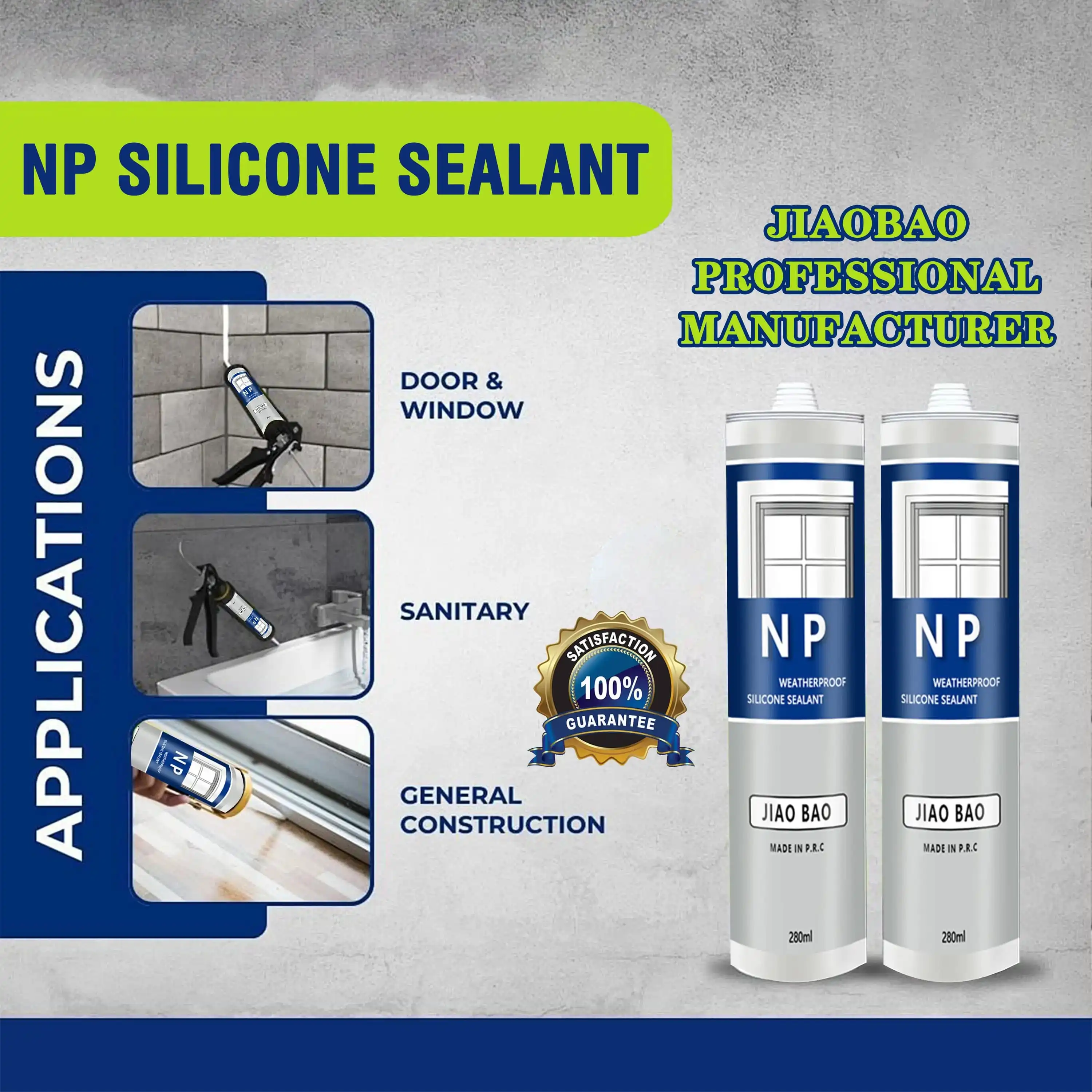
Knowing how neutral cure technology compares to other options can help you make smart purchasing choices based on the needs of your project.
Acid cure silicones give off acetic acid as they cure, which gives them their signature vinegar smell. While they cure quickly and are cheaper, they eat away at metals and damage mirror backings in a process called desilvering. Neutral cure formulas get rid of these risks, but they usually need a little longer to cure. Even though there is a small price difference, neutral cure technology is better for projects that use sensitive materials or are in buildings that are already occupied.
Polyurethane seals are great for painting and resisting wear and tear, but they aren't as stable in UV light or as flexible in temperature ranges as silicone formulas. Polyurethanes can chalk and break down over time when exposed to direct sunlight, but NP Neutral Cure Silicone Sealant stays strong for 20 years or more when used outside. Most silicone products can move more than most polyurethane products—usually by 25% or more. This makes silicone better for high-movement joints in curtain walls and growth areas.
The tensile strength, elongation, and hardness values of seals make it easy to compare them in a fair way. Good neutral cure silicones have tensile strengths of about 0.7 MPa, a Shore A hardness of 30, and can handle 25% joint movement without losing their stickiness. These requirements are in line with ASTM C920 and ISO 11600 standards, which means they will work with foreign building rules and project requirements.
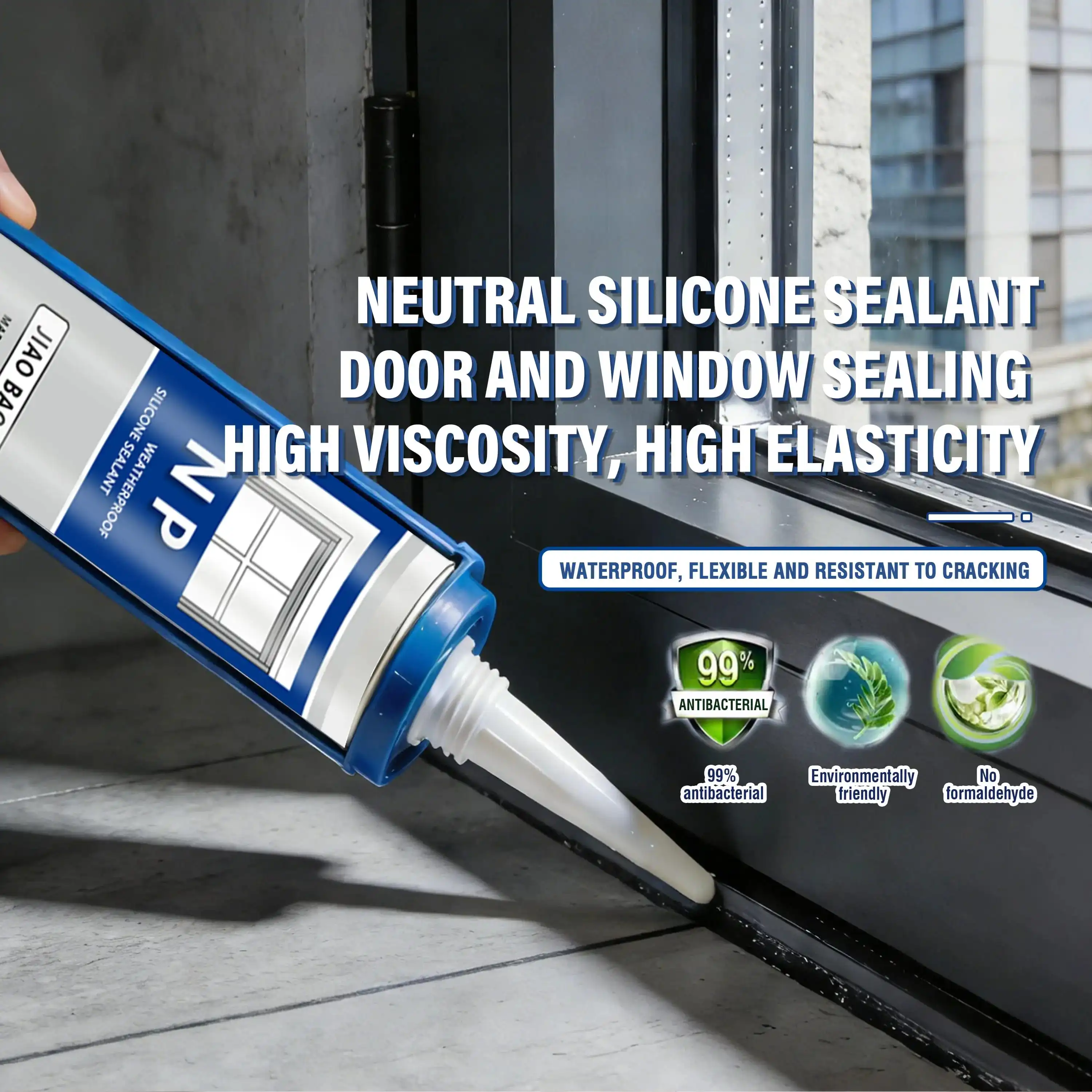
Because neutral cure technology is so flexible, it is needed in many fields where dependability and material suitability can't be compromised.
Installations of glass curtain walls are the most common use for NP Neutral Cure Silicone Sealant. These items cover the edges where glass panels and aluminium framing systems meet, making weathertight shields that stop water and air from leaking in. The non-corrosive chemistry keeps metal frames' structural integrity while keeping clear seal lines that don't take away from the look of the building. These sealants are also used by companies that make doors and windows for weatherstripping and glazing, where long-term success under heat cycles is needed.
Neutral cure sealants are used in custom furniture companies and stone processing plants where exact colour matching and stain-free performance are important. The neutral formula stops oil from moving through porous natural stone when treating granite slabs or marble installations. This is a failure mode that destroys expensive materials and hurts relationships with clients. Not only do these seals come in white, black, grey, or unique colours, but they also blend in perfectly with any design. They keep mildew out of bathrooms and kitchens.
Electronics companies count on neutral cure silicones to keep circuit parts dry and reduce vibrations. The fact that it doesn't corrode protects delicate parts and acts as dielectric protection. These sealants are used to bond gaskets and seal ducts in companies that make HVAC equipment because they don't change with temperature and don't break down over time. Suppliers of auto parts use them in headlight systems and weather seals where it's important that the material works with plastics and finishes.
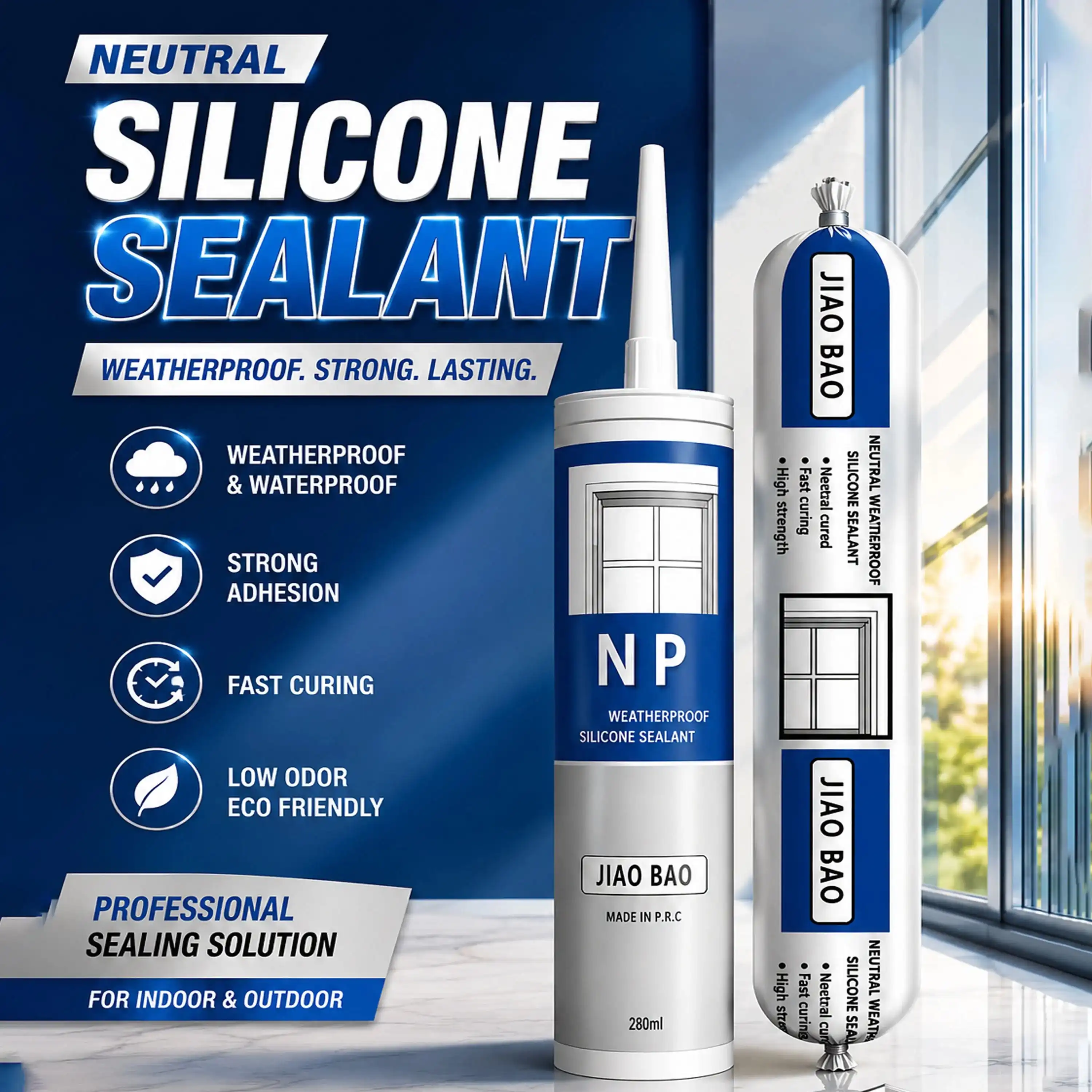
To get the lowest total cost of ownership, strategic buying of NP Neutral Cure Silicone Sealant means finding a balance between quality certifications, pricing structures, and source dependability.
Standard packaging comes in 300ml and 600ml sizes, in both cartridge and sausage shapes. For smaller projects and routine upkeep, cartridges work best. For large-scale uses, sausage packaging cuts down on trash and lowers the cost per unit. When figuring out how much to buy, you should take into account the coverage rate, which is usually 12 to 15 linear meters per 300ml cylinder with a 6mm bead width.
Products from reputable sources meet the requirements of ASTM C920, GB 13477, and ISO 11600. Before agreeing to big orders, ask for samples to be tested on the media you will be using in the project. Check for peel adhesion, resistance to slumping on vertical surfaces, and colour stability between runs of production. Verification of VOC content (usually less than 80 g/L) and weatherability through rapid ageing studies should be part of the testing process.
Check the supplier's manufacturing experience and shipping skills in addition to the product specs. Companies that have been making products for 10 years or more usually have better quality control and stability in their formulations. Quick project scheduling is possible with lead times of one to two weeks, and shipping choices are open enough to handle both urgent and large orders. With OEM/ODM options, colours, packaging, and performance characteristics can be changed to meet regional standards or individual customer needs.
To choose the best product, you need to make sure that the technical specs match your application setting and performance needs.
Different NP Neutral Cure Silicone Sealant recipes work best with certain mixtures of materials to get the best adhesion. Primers that improve glue strength are useful for glass and metal projects, especially on anodised aluminium or powder-coated surfaces. To get the most movement out of concrete and brick substrates, consolidating primers may be needed on older, weak surfaces. By testing adhesive on real project materials, you can avoid guessing and problems in the field.
For exterior uses, the seal must be highly resistant to UV light and weathering so that it stays intact over years of sun, rain, and changing temperatures. When used inside, low-odor drying and resistance to mildew in damp places like bathrooms are important. Formulation choice should be based on the unique environmental stresses your project is subject to, such as sea salt spray, exposure to industrial chemicals, or big changes in temperature.
For high-end building projects, it's common for seals and materials next to them to need to match colours exactly. RAL or Pantone colour references are used by custom colour matching services to make sure that sealing joints fit in with glass, aluminium, or stone surfaces without being seen. When buying materials for different stages of a project, it's important that the colours are the same from batch to batch so that there are no noticeable differences in the final installation.
NP Neutral Cure Silicone Sealant technology gives challenging B2B uses the compatibility, longevity, and performance predictability they need. These goods solve major problems in building, manufacturing, and industrial sealing by getting rid of the risk of corrosion while still sticking well to a wide range of surfaces. Procurement experts can find solutions that lower the total cost of ownership while still ensuring long-term project success by understanding the technical specs, application requirements, and supplier capabilities. Investing in good neutral cure materials pays off in the form of less upkeep, longer service life, and better building surface performance.
A: Yes, paint won't stick to finished silicone because its surface is slippery. If you need mixed MS polymer sealants that can be painted, choose those instead, or pick sealer colours that give you the look you want without any extra coating.
A: If you store neutral cure sealants the right way, they will keep working for a year after they were made. Cartridges should be kept dry and below 27°C. High humidity can cause covered packages to cure too quickly, shortening their shelf life.
A: Of course. When acid-cure silicones attack mirror backing materials, they remove the silvering that they cause. NP Neutral Cure Silicone Sealant chemistry stops this from happening. Because of this, neutral formulas are the best choice for all mirror glueing and edge sealing jobs.
A: Even though water hardens the sealant, the surface must be clean and dry before it is put on. Water at the bond contact works as a barrier, stopping chemicals from sticking together and causing the seal to fail right away. Use only on dry, properly prepped surfaces.
We, Shandong Jiaobao New Material Co., Ltd., have been making neutral cure silicone sealant for over 13 years. This has made us a reliable seller of NP Neutral Cure Silicone Sealant for building, industrial, and OEM uses all over the world. Our goods are ISO and CE certified and meet ASTM C920 and GB 13477 standards. This means that your purchase will meet foreign quality standards. We have quick production lead times of one to two weeks and a variety of 300ml and 600ml packing choices, including cartridge and sausage shapes.
Custom colour matching services let us perfectly match the needs of your project, and our OEM/ODM skills let us handle private labelling and changes to the formula. Our technical team offers full application support and sample tests to make sure the performance works on your unique substrates before you place an order for a lot of them. Quality verification lasts as long as our products do, and if there are any problems, we promise a return or a new product. You can email our sourcing experts at dorashen@cnjiaobao.com to talk about your neutral cure silicone sealant needs and get personalised product suggestions at low bulk prices.
1. Chen, W., & Liu, H. (2019). Silicone Sealants in Modern Construction: Chemistry and Performance. Building Materials Press.
2. International Organization for Standardization. (2016). ISO 11600: Building Construction - Jointing Products - Classification and Requirements for Sealants.
3. ASTM International. (2018). ASTM C920: Standard Specification for Elastomeric Joint Sealants. West Conshohocken, PA.
4. Zhang, Y., Wang, Q., & Li, M. (2020). Comparative Analysis of Neutral and Acid Cure Silicone Sealants in Curtain Wall Applications. Journal of Building Envelope Systems, 15(3), 142-158.
5. Thompson, R. (2021). Procurement Strategies for Construction Sealants: A Technical Guide for Project Managers. Construction Industry Publishers.
6. National Standards of China. (2017). GB 13477: Building Sealants - Test Methods. Standards Press of China.
November 16,2023
Enterprise Name
The sealant has very strong adhesion and performs well even on glass and aluminum. After curing, it remains flexible and shows no cracking. Perfect for our facade projects.
November 16,2023
Enterprise Name
Stable quality across batches. Our customers especially like the smooth application and consistent extrusion. It helps reduce installation time on site.
November 16,2023
Enterprise Name
I used it for bathroom sealing. Excellent waterproof performance and no mold issues so far. It's been holding up very well in humid conditions.
November 16,2023
Enterprise Name
The neutral silicone works well on sensitive materials without corrosion. Very suitable for industrial applications requiring stable performance.
_1779347426672.webp)