November 16,2023
Enterprise Name
The sealant has very strong adhesion and performs well even on glass and aluminum. After curing, it remains flexible and shows no cracking. Perfect for our facade projects.
Jul 28, 2026
When specifying sealants for construction joints, doors, and windows, understanding whether you need fire rated protection or standard sealing can significantly impact building safety and code compliance. Fire rated silicone sealant for joints is engineered to withstand extreme temperatures exceeding 1000°C and prevent flame, smoke, and toxic gas passage during fire events. Standard sealants, while effective for waterproofing and general sealing, lack the intumescent properties and thermal resistance required to maintain compartmentation integrity under fire conditions. This distinction becomes critical in curtain wall installations, through-penetrations, and expansion joints where passive fire protection determines occupant evacuation time.
Fire Rated Silicone Sealant for Joints is made to survive temperatures above 1000°C and stop the flow of flames, smoke, and poisonous gases during fires. Standard sealants work well for waterproofing and general sealing, but they don't have the intumescent properties and thermal resistance needed to keep compartments intact during a fire. This difference is very important in curtain wall installs, through-penetrations, and expansion joints, where passive fire protection decides how long people have to leave the building.
Fire rated sealants have special ingredients and silicone polymers in them that keep their flexibility and stickiness even when they're near flames. Fire Rated Silicone Sealant for Joints is different from normal acetic or neutral silicone sealants that are only made to resist weather and stick things together. They have mineral fillers and heat-activated parts that make a char layer when they burn. When the temperature goes up, this char expansion fills in holes more tightly, actively stopping the fire from spreading to other floors or sections.
Normal sealants harden when they come into contact with wetness. This makes flexible rubber-like seals that can be used in everyday building tasks. They work well in temperatures ranging from -40°C to +150°C, and they can handle both heat cycling and UV exposure well. Their polymer chains, on the other hand, break down quickly above 200°C, losing their ability to stick together and letting holes form.
Jiaobao makes a one-part RTV silicone caulk that cures in acidic environments and has a density of 1.40 g/m³ and a 99.5% non-volatile content. Under normal conditions (25°C, 50% relative humidity), our mixture cures at a rate of 3 mm per 24 hours. This makes seals for door and window joints that last. This professional-grade material comes in 300ml and 600ml sizes and can be customised in white, black, grey, or any colour you want. It performs consistently and has a shelf life of 12 months.
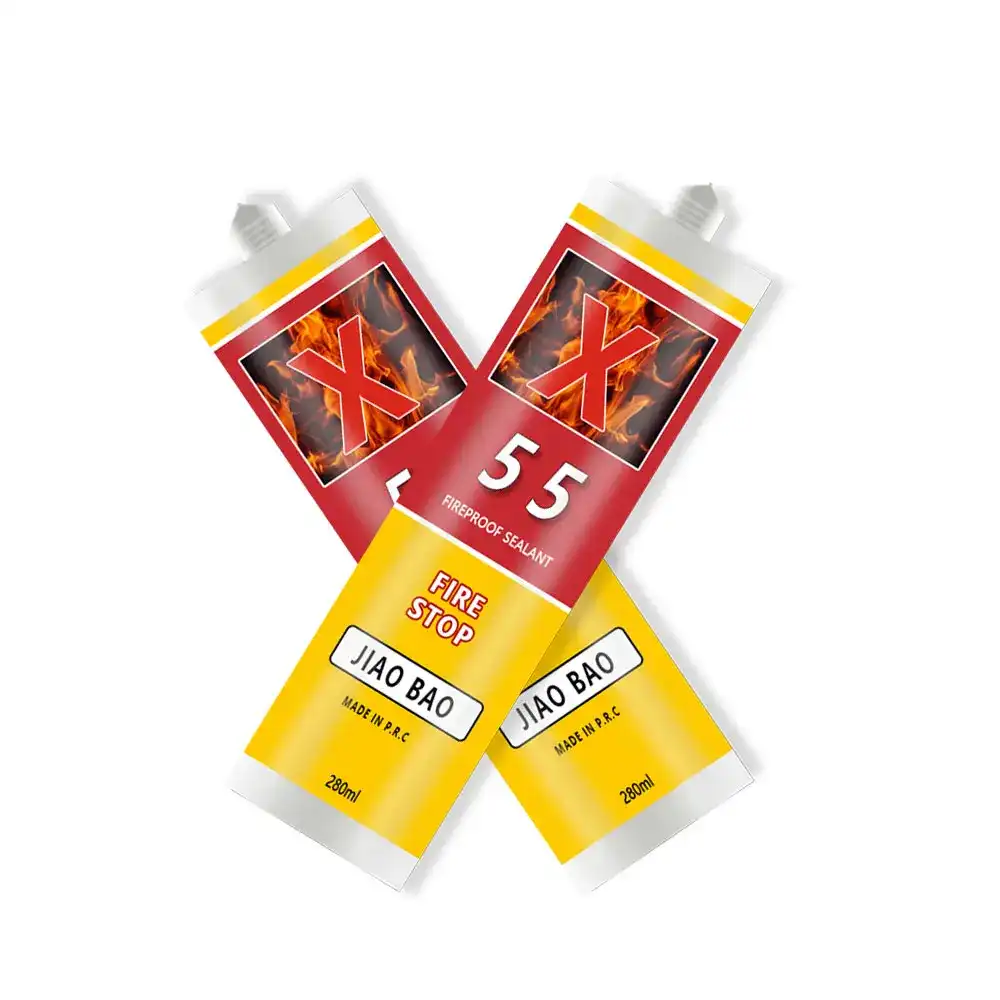
Fire resistance scores tell you how long a sealed joint stays solid and insulated during normal fire tests. Some common classifications are EI 60, EI 120, and EI 240, which mean that the material will not catch fire for 60, 120, or 240 minutes, respectively. The "E" stands for integrity, which stops flames and hot gases from getting through, and the "I" for insulation, which keeps the side that isn't visible from getting too hot.
Testing rules are different in each area. In North America, joint systems are regulated by UL 2079. In Europe, they are regulated by EN 1366-4 and BS 476 Part 20. ASTM E1966 tests firestop joint systems in real-life situations where they can move before they are exposed to fire. Managers in charge of buying things should make sure that companies that make sealants offer third-party approval that matches the needs of the project and the building rules in the area.
Different tests are used to judge standard sealants based on their ability to stick (ASTM C794), move (ISO 11600), and stand up to the weather (ASTM C920). These qualities are important for curtain walls and expansion joints, but they don't help with fire safety needs. If you use regular sealants where fire ratings are needed, you could be held legally responsible and break the rules.
Fire Rated Silicone Sealant for Joints keeps its shape in very cold and very hot temperatures. It usually works from -50℃ to +1000℃ during fires. Silicone is stable at high temperatures because its inorganic backbone is stronger than organic polymers at resisting oxidation and heat breakdown. Even after being exposed to fire, these sealants are still flexible enough to keep water out during inspections that happen after an accident.
Most normal coatings can work effectively in temperatures ranging from -40°C to +150°C, which is enough for most uses. According to GB 13477 testing, Jiaobao's RTV silicone sealant doesn't flow or sag, and the surface dries in 45 to 60 minutes. This short skin-over time keeps dust from getting into the work area, and the 3 mm per day fix rate lets deep joints be installed in stages.
Curing speed has a big effect on project timelines. Because they contain more fillers, fire-rated formulations may cure more slowly. It can take up to seven days for them to fully cure, while normal goods only need two to three days. Knowing these differences helps procurement teams plan inspection times and trades that follow more efficiently.
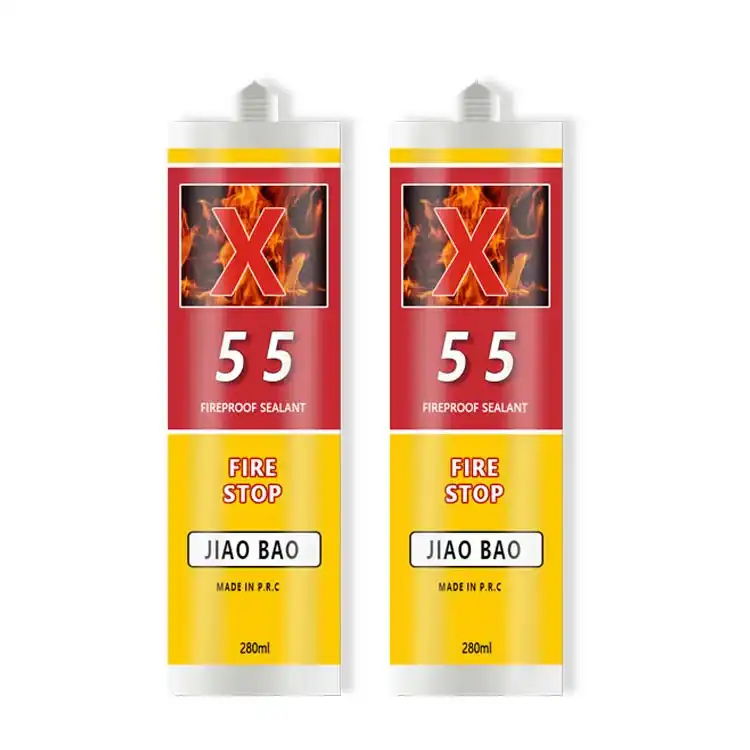
Fire Rated Silicone Sealant for Joints are very important for passive fire protection because they stop fires from spreading up and down in tall buildings. When put in the right way at the border joints between floors and walls, these materials stop the "chimney effect" that can make fires spread faster between stories. This security buys important time to get out of the building and reduces damage to property during fires.
Building inspectors and insurance companies are asking for documented fire ratings for joint systems in commercial construction more and more. If a project doesn't have the right firestop paperwork, it could lead to delays, extra work, and higher insurance rates. General builders and curtain wall contractors can avoid change orders and compliance issues by selecting certified fire-rated goods from the start of the planning process.
In addition to meeting legal requirements, Fire Rated Silicone Sealant for Joints show that you care about the safety of your occupants. To protect the most defenceless people, hotels, hospitals, data centers, and schools need strong compartmentation. When procurement managers put life-safety performance first, they protect their company's image and lower its long-term lawsuit risk.
Normal seals wear down over time because of changes in temperature, UV rays, and being in the environment. They need to be replaced every 10 to 15 years. Because they use better polymer systems and protective chemicals, Fire Rated Silicone Sealant for Joints versions don't weather as badly. This longer service life cuts down on the number of maintenance visits and the overall cost of the product.
Jiaobao's fire-resistant sealant gets a Class 1 W Rating for being resistant to water and staying flexible at high and low temperatures. The low modulus of the product means that the joint can move by up to 25% without losing its stickiness. This means that it can be used to accommodate building settlement and heat expansion. In dynamic facade applications, this ability to move is useful for companies that work with stone, glass, and curtain walls.
Stability of chemicals is important, especially in industrial settings. Sealants are exposed to cleaning products, cleaners, and working chemicals in places like electronics factories, places that make cars, and places that install HVAC equipment. Good silicone mixes can handle these conditions without getting soft or losing their stickiness, so the fire protection will stay strong for as long as the building is used.
Replacing failed seals in buildings that are still occupied costs a lot in terms of labour, entry tools, and disruptions to the people who are living there. Fire Rated Silicone Sealant for Joints that work reliably for 20 to 30 years mean that they don't need to be replaced as often, which saves a lot of money compared to cheaper options that need to be replaced more often. When building owners look at original material premiums, they like this total cost of ownership benefit.
Wholesalers and distributors of building materials and hardware find that Fire Rated Silicone Sealant for Joints bring in more money and are often bought again because of project requirements. Companies that make custom furniture and do interior design work for businesses set themselves apart by providing code-compliant solutions that protect their clients' investments and reputations.
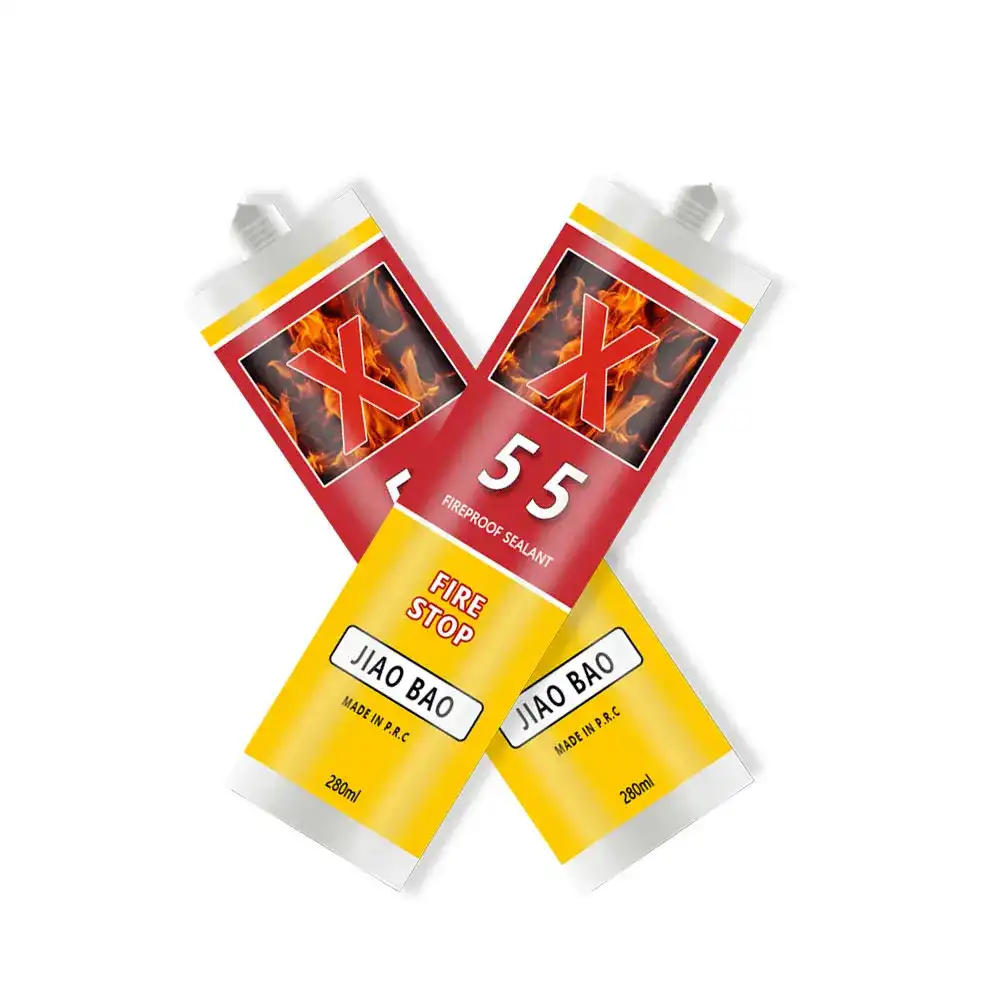
When heated, intumescent sealants get very big, filling in gaps with chemical foaming reactions. When it comes to static interior joints, these acrylic-based products work well. However, they are not flexible enough for exterior expansion joints and curtain walls. Because they are sensitive to water, they can't be used outside because being wet can make them less effective before a fire starts.
Fire Rated Silicone Sealant for Joints allow for better movement (±50% in premium formulations) while still being waterproof and resistant to weather. Because of this, they are necessary for wall border joints where buildings shift in temperature, get hit by wind, and settle. Companies that make prefabricated buildings and plants that process doors and windows choose silicone options for these tough jobs.
Cost factors are different for each type of goods. Intumescent sealants usually cost 15–30% less than Fire Rated Silicone Sealant for Joints, but they need to be replaced more often in harsh conditions. Lifecycle costs, not the original purchase price, should be what procurement managers look at. This is especially true for outdoor uses where access issues make maintenance costs go up a lot.
When used for decoration, polyurethane seals are great because they stick well to weak surfaces and let paint finishes stick on them. But because they are sensitive to UV light and can't handle high temperatures as well, they can't be used for exterior fire-rated joints. Polyurethanes are used for inner sealing in auto parts factories and gadget factories, but Fire Rated Silicone Sealant for Joints are required for thermal protection.
Hybrid polymer sealants try to combine the performance of silicone with the ability to be painted, and they work pretty well in non-fire-rated applications. When it comes to performance at high temperatures and long-term resistance to weathering, these goods can't compare to real Fire Rated Silicone Sealant for Joints. Companies that do business across borders and are looking at OEM options should be aware of these technical limitations when they are positioning their products for different market segments.
Acrylic seals are cheap and easy to paint for internal trim joints, but they don't offer much fire protection without adding intumescent chemicals. Because they are stiff, they crack when structures move, which means they can't be used in expansion joints or curtain walls. Custom furniture and cabinet factories use acrylics to seal the inside of their products to keep them looking nice, but they use Fire Rated Silicone Sealant for Joints to keep kitchens and bathrooms waterproof.
Acrylic intumescent products that are fire-rated do a good job of stopping fires inside, but they are still water-soluble and don't hold their shape well. Stone processing plants and glass deep processing plants that work on business interiors may come across these products in their specs. However, they should suggest silicone alternatives for critical parts that are likely to move or get wet.
Buying from sellers with strong quality systems and third-party certifications lowers the risk of the purchase. ISO 9001 certification shows that the manufacturing process is uniform, and UL listings or ETA approvals for specific products prove that they meet fire performance claims. To keep specifications from clashing during building, project managers and sourcing managers should ask for certification paperwork before Fire Rated Silicone Sealant for Joints samples are approved.
Jiaobao keeps its ISO certification and makes sealants that meet the requirements of GB 13477 and GB 2793. This makes sure that the quality of each production batch is the same. Because we've been making things for 13 years, we have developed mature quality control methods and stable supply capacity. Tech-savvy people like technical engineers and production managers like that we can match colours and make formulas that are unique to each job.
Supplier dependability goes beyond the quality of the goods they deliver and includes technical support. On construction sites, where supplies of Fire Rated Silicone Sealant for Joints can be interrupted, whole trades can stop working. Procurement teams can keep projects on schedule and avoid expensive delays by looking at suppliers' production lead times (Jiaobao offers 1-2 week turnaround), inventory capacity, and transportation flexibility.
In the sealant business, buying from other businesses is done by using samples. Before buying in bulk, curtain wall companies, industrial manufacturing clients, and general builders need to see real examples to test for adhesion, colour matching, and application. By asking for models in different colours, design teams can see how well the materials and finishes on the outside of buildings look with each other.
Conditions for testing should be like those on the real job site. Before the Fire Rated Silicone Sealant for Joints is used on a big scale, compatibility problems are found by applying sample sealant to substrate types used in the project, such as glass to aluminium and concrete to steel. These tests show what needs to be done to prepare the surface, what kind of primer is needed, and how well the curing works at room temperature and humidity.
Technical guidance from the provider helps with the development of specifications. Sealant makers with a lot of experience, like Jiaobao, can help you with joint design, choosing the right backer rods, and movement estimates that make sure the fire rating is valid. Technical managers should work with providers early on in the planning process to get the best joint configurations and avoid having to pay a lot of money to redo things during building.
The price of Fire Rated Silicone Sealant for Joints is based on their unique formulas and the costs of getting them certified. When compared to small-lot orders, buying in bulk can save you 15–25% on costs. This means that project-based procurement is cheaper than just-in-time purchasing. Wholesalers and distributors of building materials should weigh their promises to buy in bulk against the costs of storing and their need for cash flow.
The smallest amount you can order depends on the seller and the product line. Jiaobao has flexible MOQ plans that can work for both big building projects and programs that help distributors stock their shelves. Our 300ml and 600ml sausage or cartridge packing options give you a choice of how to use our products with a range of fitting tools and joint sizes.
When buying things internationally, there are some extra things to think about. Even though they aren't dangerous when they're dry, shipping Fire Rated Silicone Sealant for Joints needs the right paperwork. Understanding the different types of customs fees, import taxes, and government approval needs in the final market helps keep clearing times short. Jiaobao offers CE approval and can provide proof to back up promises of ASTM equivalency for North American markets.
If you prepare the area correctly, Fire Rated Silicone Sealant for Joints will stick and resist fire as well as they say they will. The substrates need to be dry, clean, and free of any oils, dust, or release agents that stop molecules from bonding. Before putting up a curtain wall sealant, the workers should use approved cleaning agents and do water break tests to make sure the surface is clean.
When designing joints, certain width-to-depth ratios are used to make them as mobile and fire-resistant as possible. For most fire-rated systems, the width-to-depth ratio must be 2:1 and the right backing materials must be used. If you use flexible mineral wool backer rod instead of polyethylene foam, the backing material will help keep the fire out instead of making a way for it to start.
Primers are needed based on substrate compatibility testing. Fire Rated Silicone Sealant for Joints usually stick well to glass, aluminium, and powder-coated metals without primers. Porous concrete or some types of stone, on the other hand, may need surface treatment. When working with new materials or finishes, door and window processing plants should look at technical data sheets and do binding tests.
To use Fire Rated Silicone Sealant for Joints, you need to use consistent bead profiles that fill joins fully and leave no gaps. Professional applicators use gas guns to package sausages or hand skeleton guns to fire rounds, making sure that the pressure and speed of movement stay the same. Right after application, tooling forms the bead outline and makes sure that the substrate is in close touch across the joint width.
Conditions for curing have a big effect on the final performance. For best cure rates, Jiaobao's RTV silicone needs to be 25℃ and 50% relative humidity. Deep parts may need longer cure times. For proper polymerisation, sites in cold weather or low-humidity areas may need temporary shelters or changes to the schedule.
Quality control during installation keeps failures that cost a lot from happening. A visual check should prove that the bead shapes are all the same, that the depth is right, and that there are no gaps or bridging in the adhesion. It is important to avoid three-sided adhesion configurations (where Fire Rated Silicone Sealant for Joints bonds to backing material) by using the right release tape or backer rod installation methods that keep the joint geometry on two sides.
An check after installation makes sure that the joints meet the project's requirements and the fire rating requirements. Pull tests on representative samples check the strength of the adhesion, while a visual inspection finds issues like missing tools, contamination, or the wrong joint geometry. HVAC equipment factories and electronics factories should keep records of these checks for quality control and to make sure warranties are followed.
To keep the passive fire protection structure of a building, fire-rated parts need to be inspected on a regular basis. Every year, building maintenance teams should check Fire Rated Silicone Sealant for Joints for cracks, loss of adhesion, or damage that needs to be fixed. Finding and fixing problems quickly keep compartmentation working well and stop costly fails during real fires.
Choosing between normal sealants and fire-rated sealants depends on the safety needs of the project and the rules set by the building code. Fire Rated Silicone Sealant for Joints is an important part of commercial construction, high-rise buildings, and industrial facilities where stopping the spread of fire is directly related to life safety. Normal sealants are good for keeping out the weather and making things look nice, but they can't be used instead of certified fire-rated products in places where passive fire protection is needed. Knowing these differences, along with the right way to specify, qualify suppliers, and install things, is what makes sure that the project goes well and the building stays safe for a long time.
Fire Rated Silicone Sealant for Joints work great at border joints on the outside of curtain walls, where they need to keep out weather and fire at the same time. Because they can handle different temperatures and UV rays, they are perfect for use on facades. Standard intumescent acrylics don't work in these situations because they are sensitive to water and can't bend very much.
How long it takes to cure varies on how deep the joint is and the weather. For good products like Jiaobao's recipe, the surface skinning happens in 45 to 60 minutes, and the full fix depth moves forward at a rate of about 3 mm per 24 hours. Under normal temperature and humidity conditions, a 10 mm deep joint usually fully polymerises in 3 to 4 days.
Different types of substrates have different primer needs. Glass, aluminium, and glazed tile are examples of surfaces that don't have pores, so they usually stick well without primers. For good adhesion performance, porous surfaces like concrete, brickwork, and bare metal may need substrate-specific primers. By testing for adhesion while evaluating samples, you can find out what primers you need for the specific materials you need for your project.
Since 2013, Shandong Jiaobao New Material Co., Ltd. has been making high-performance silicone sealants for clients in the construction, industrial, and distribution markets around the world. Our Fire Rated Silicone Sealant for Joints is made with strict quality control and easy customisation in mind. It helps curtain wall builders, door and window makers and building material dealers make safe products that meet international fire safety standards. Jiaobao has the technical performance and supply chain stability your projects need. They have ISO and CE certifications, production lead times of 1-2 weeks, and full OEM/ODM services. Email our purchasing team at dorashen@cnjiaobao.com to get samples, talk about bulk prices for your next project, or look into making unique colour mixes that fit your architectural needs. As a seller of Fire Rated Silicone Sealant for Joints with a lot of experience, we promise the quality of every product we sell and offer quick expert help throughout the lifecycle of your project.
1. Smith, R.J. (2021). Fire Protection Systems in Modern Construction. Building Safety Publications.
2. International Code Council. (2022). International Building Code Requirements for Fire-Resistant Joint Systems. ICC Publishing.
3. Chen, L. & Martinez, P. (2020). "Performance Comparison of Silicone and Acrylic Fire Rated Sealants in Curtain Wall Applications." Journal of Building Envelope Technology, 15(3), 127-145.
4. National Fire Protection Association. (2023). NFPA 101 Life Safety Code: Joint and Penetration Firestopping. NFPA Standards.
5. Thompson, K.A. (2019). Sealant Technology for Architectural Applications. Construction Specifications Institute Press.
6. European Organization for Technical Assessment. (2022). ETA Guidelines for Fire Rated Joint Sealant Systems. EOTA Technical Publications.
November 16,2023
Enterprise Name
The sealant has very strong adhesion and performs well even on glass and aluminum. After curing, it remains flexible and shows no cracking. Perfect for our facade projects.
November 16,2023
Enterprise Name
Stable quality across batches. Our customers especially like the smooth application and consistent extrusion. It helps reduce installation time on site.
November 16,2023
Enterprise Name
I used it for bathroom sealing. Excellent waterproof performance and no mold issues so far. It's been holding up very well in humid conditions.
November 16,2023
Enterprise Name
The neutral silicone works well on sensitive materials without corrosion. Very suitable for industrial applications requiring stable performance.
_1779347426672.webp)