November 16,2023
Enterprise Name
The sealant has very strong adhesion and performs well even on glass and aluminum. After curing, it remains flexible and shows no cracking. Perfect for our facade projects.
Aug 1, 2026
PU Structural Auto Glass Sealant delivers exceptional bonding strength and durability for automotive glass installations, addressing critical safety requirements in rail transit and commercial vehicle manufacturing. This advanced polyurethane-based adhesive ensures structural integrity through superior tensile strength, fatigue resistance, and compliance with international standards like EN 12663 and DIN 6701. Manufacturers worldwide rely on these sealants to maintain glass retention during mechanical stress, enhance crashworthiness, and support long-term vehicle performance across diverse environmental conditions.
When making rail cars or commercial transportation, structural bonding is more than just putting things together; it affects the safety of the passengers. We know that technical leaders and supply chain managers are under a lot of pressure to make sure that every part meets strict approval standards while keeping production running smoothly.
PU Structural Auto Glass Sealant has become complex engineering solutions that can support both the mechanical loads of vehicle frames and the strict safety standards around the world. This article talks about how new formulations help businesses deal with the unique problems they face when they export to international rail transit markets. These markets have strict rules about what happens if an adhesive fails, and the processes for certifying suppliers need a lot of technical information.
These special glues use silane-modified polyether chemistry to make strong chemical links with metal frames and glass surfaces. Unlike regular sealants that are only meant to keep water out, PU Structural Auto Glass Sealant becomes load-bearing parts that help make the vehicle rigid as a whole.
Moisture-cure polymerization is what makes the bonding work. When the air is humid, cross-linking processes happen inside the glue matrix. The liquid sealant is changed into an elastomeric solid through this process. Its qualities are carefully managed so that it is flexible enough to allow for heat expansion but hard enough to effectively transfer structural loads.
Manufacturers of rail vehicles use these adhesives to join panoramic windows, driver cab glazing, and passenger compartment glass assemblies together when mechanical fastening doesn't work. The glue spreads stress over the whole bonded area instead of gathering forces at specific connection places. This keeps nearby structures from getting fatigue cracks.
Installing windshields in buses, heavy-duty trucks, and specialized transport equipment that works in tough situations are examples of commercial vehicle uses. During operation, the chassis must be able to bend, and the adhesive must be able to keep hermetic seals against environmental contamination for the entire 30-year service life of the vehicle.
Modern versions get rid of volatile chemical substances and isocyanates, which used to make safety rules more difficult to follow. Jiaobao's technology gets a 99% solid content, which means that the material doesn't shrink much during curing. This is very important for keeping gap tolerances within precise engineering parts.
The silane-modified polyether backbone is naturally stable against UV light, so it doesn't need any extra protectors that could get in the way of the clarity of the optics near the edges of the glass. When used in temperatures ranging from -40°C to +90°C, this science always does its job, even in harsh situations like those found in the Arctic and the desert.
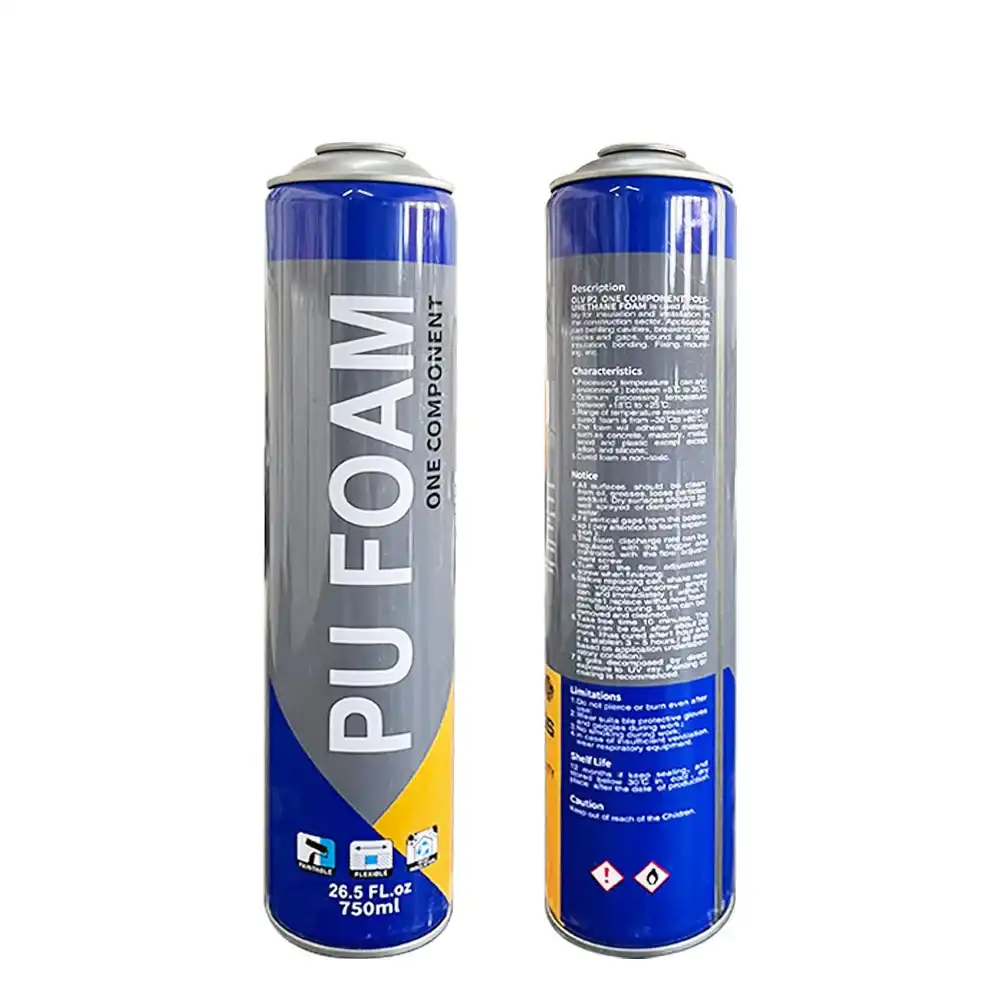
PU Structural Auto Glass Sealant has strategic benefits that go beyond its basic usefulness. These include making manufacturing more efficient, following rules, and being reliable over the long term.
Tensile strength of more than 2.2 MPa and 400% elongation at break make this material perfect for absorbing energy during impacts. When two cars crash, the elastomeric glue layer deforms plastically, releasing kinetic energy while keeping the glass in place within the frame structure.
This performance is necessary to meet EN 12663 structural strength requirements in rail applications, where standards for passenger safety say that glazing systems must stay in place even after the body has been deformed a lot. Independent crash tests constantly show that properly bonded glass parts make a big difference in the safety of the passenger compartment.
The adhesive's shear strength makes sure it can withstand the side forces caused by high-speed wind loading. This is especially important for high-speed rail uses where airflow pressures can be higher than 10 kPa. The adhesive's Shore A hardness of about 45 makes it flexible enough to keep stress from building up while still keeping its shape under long-term loading.
Over the course of their useful lives, rail cars and industrial transport equipment are subjected to millions of vibration cycles. Traditional mechanical fastening systems have problems with fretting wear and fatigue crack propagation at the points where they attach, which needs expensive repairs.
These stress spots are taken care of by PU Structural Auto Glass Sealant, which spreads dynamic loads evenly across bound surfaces. Accelerated fatigue testing that mimics 30 years of service proves that properly made PU Structural Auto Glass Sealant keeps more than 90% of its original bond strength even after being exposed to changes in temperature, humidity, and mechanical vibration.
Concerns about the long-term security of the supply chain are directly addressed by this longevity. Rail vehicle platforms are usually made to last for decades, so adhesive suppliers need to be able to keep formulation specifications the same over long product lifecycles. Jiaobao has been making things for 13 years, which shows that the company is mature enough to keep such promises.
Diesel fuel, hydraulic fluids, cleaning solvents, road salts, and industrial air pollutants can get into the structures of vehicles while they are being used. Standard silicone seals often break down when they come in contact with hydrocarbon fuels or harsh cleaners that are used for vehicle upkeep.
When compared to other glue technologies, polyurethane chemistry is naturally more resistant to petroleum products and aliphatic solvents. Immersion in automotive fluids at high temperatures is part of the testing procedures required by DIN 6701 certification. This is done to make sure that the bond strength stays within acceptable limits after prolonged exposure.
Another important performance factor is UV stability, especially for glazing uses that will be exposed to full sunlight for the life of the car. The adhesive formula has UV-resistant ingredients that stop photooxidative degradation. This keeps the mechanical properties and the way it looks without yellowing or breaking down.
How competitive a company is in global markets is directly linked to how efficiently it makes things. Traditional glazing processes need preparations, multiple steps to prepare the surface, and longer cure times, which adds to the cost of work and the time it takes to make something.
Modern formulations make it possible to apply directly to most substrates without priming first. This cuts down on process steps and the chance of application errors. Because the glue doesn't sag, vertical bead application can be done without using tools or supports. This makes it easier to integrate automation into robotic production systems.
Curing at a rate of about 3.5 mm per day means that production plans can move cars faster through the assembly process without having to wait for long periods of time. Full mechanical strength takes several days to develop, but initial handling strength develops in just a few hours, which lets operations further down the line go smoothly. This fast green strength is especially useful in high-volume manufacturing settings where production flow determines how much space is used.
To get into international rail transit supply chains, you have to show that you follow a lot of different rules that overlap. European standards like EN 12663 set performance standards for structures, and DIN 6701 talks about quality control systems and glue bonding processes for making rail vehicles.
Using approved adhesive systems makes it easier to fill out technical paperwork during the provider approval process. Manufacturers of adhesives that have DIN 6701 approval have already shown that they can control the production process and follow testing procedures that meet the needs of the rail industry. This means that customers don't have to do as much validation work on their own.
More and more, environmental laws are making it harder to use volatile organic compounds and dangerous substances in manufacturing. When making cars, low-VOC adhesives help them stay within pollution limits without having to use the complicated ventilation systems and safety gear that are needed when working with solvent-based goods.
When choosing a material, it's important to know the performance trade-offs between adhesive methods and how these traits fit with the needs of a particular application.
When it comes to temperature resistance and weather resistance, silicone seals are great. However, they usually have lower tension and shear strengths than PU Structural Auto Glass Sealant. Silicone's mechanical properties are usually not good enough for rail transit uses that need to transfer structure loads.
Silicone can't be painted easily, which makes finishing jobs harder when adhesive beads need to match the color of the vehicle's body. Paint coatings can be put on PU Structural Auto Glass Sealant after they have dried, making them look like they were always there.
Modified silane polymer bonds are a middle-of-the-road technology that offers average strength and good resistance to weathering. MS polymers are fine for many building uses, but they don't usually have the high modulus properties needed for structural glass in cars that have to meet crash performance standards.
Standardized lap shear and peel strength tests show that PU Structural Auto Glass Sealant works better, giving you more safety margins in important situations. When you add up all the costs of possible service failures, the difference in cost between technologies is almost nothing.
Epoxy adhesives have great bond strength and chemical resistance, but when they dry, they form thermoset structures that are pretty rigid and don't bend easily. Because it is so brittle, epoxy is not good for uses that will be subject to a lot of temperature changes or mechanical bending.
The elastomeric features of PU Structural Auto Glass Sealant allow for different thermal growth between metal and glass surfaces. This keeps stress from building up, which could cause the bond line to fail. This adaptability is very important for big glass systems where differences in temperature cause big changes in size.
To get an approved bond, you have to pay close attention to how the surface is prepared, how the environment is controlled, and how the bond is applied. We suggest that you follow these steps to get consistent results that meet DIN 6701 requirements.
Chemically clean surfaces that are free of grease, release agents, and oxidation products are the first step to good bonding. Glass surfaces are usually cleaned with a solvent and then treated with an abrasive to make the surface micro-rougher, which makes mechanical interlocking better. Metal substrates need to be cleaned, and depending on the alloy, they may also need conversion coating or priming.
Controlling moisture is important because too much water on the surface can make it hard for adhesives to wet and form bonds. For surface cleaning, compressed air must be free of oil and filtered to keep it from getting dirty. The best conditions for moisture-cure PU Structural Auto Glass Sealant are when the humidity in the air is between 40 and 70%.
The equipment that dispenses must always make beads with the same shape and size, just as the engineers want them to be for filling gaps and spreading stress. When it comes to accuracy, automated systems are better than human ones. This is especially important when certifying production processes for structural certification.
Bead sizes need to be carefully calculated based on the geometry of the joint and the loads that are expected. Not enough adhesive layer shortens the wear life, and too much material raises prices without improving performance in the same way. We specify triangular bead profiles that spread stress evenly while using as little material as possible.
Tooling operations smooth out uncovered glue surfaces and make sure that all gaps are filled, leaving no empty spaces that could cause cracks to spread. Inspection procedures make sure that both adherends have been properly wetted out and that the bond line is free of contamination or air pockets.
It only takes a few hours for our adhesive to reach its handling strength, but it takes a few days for all of its mechanical properties to fully develop as moisture spreads through the adhesive mass and completes cross-linking. Because polymerization starts on the outside and works its way inside, thick bond lines need longer fix times.
Temperature has a big effect on cure rates; for example, when the temperature is low, it takes a lot longer to hit the desired strength levels. Controlled environments must be kept in manufacturing facilities so that the curing process can be predicted, and the use of PU Structural Auto Glass Sealant must be carefully managed under these same conditions to ensure consistent bonding performance. Keeping track of the conditions of the cure is part of keeping good records that show the process is being followed.
The safe drive-away time is the shortest amount of time that must pass before bonded assemblies are put under service loads. Conservative timing stops loading too soon, which could hurt long-term durability even if the bond doesn't fail right away.
When looking for good providers, you need to look at their professional skills, quality systems, and logistical issues that affect more than just the unit price.
Rail transit applications need DIN 6701 certification, which shows that both the product is qualified and the manufacturing process is controlled. Suppliers should give you full sets of scientific data, such as the results of mechanical tests, studies on accelerated aging, and chemical resistance profiles that are appropriate for your area of use.
ISO 9001 quality management certification sets the bar for what is expected, and IATF 16949 automotive standards show that suppliers understand the strict documentation and traceability needs that are common in making cars. Ask for proof that quality checks are still being done and that there are corrective action plans in place to deal with nonconformances.
Suppliers who know a lot about joint design, surface preparation specs, and process validation can help with complex bonding uses. We offer advice on adhesive bonding engineering to help customers make designs that are easier to make while still meeting the needs of structural performance.
Training programs for production staff make sure that they know how to use the right tools and understand how to do quality control. Technical support should be available for the whole lifecycle of a product, including help with fixing problems that come up during the ramp-up phases of production.
With production wait times of just one to two weeks, responsive restocking is possible, which is in line with the principles of just-in-time manufacturing. Different types of flexible packaging, like 300ml and 600ml cartridges or large sausages, can be used with both human and automatic dispensing tools.
When supporting industrial activities in a number of different areas, global logistics skills are important. Jiaobao lets you choose how to ship your items by sea or land, and they make sure that deliveries happen on time so that production doesn't stop and there aren't too many safety stocks needed.
Platforms for rail vehicles often need OEM/ODM options for specific color matching, cure speed profiles, or packing designs. We keep our formulations flexible so that we can make custom products that meet the individual performance standards or legal needs of each market.
For each lot that is shipped, batch tracking systems keep track of where the raw materials came from, how they were made, and the results of quality tests. This paperwork meets the needs of the train industry for full supply chain transparency and helps with failure analysis probes if problems happen in the field.
Modern manufacturers of rail transit and commercial vehicles can't do without PU Structural Auto Glass Sealant. They offer safety benefits that mechanical fastening can't match and make production more efficient. Because the technology has been shown to last, follow regulations, and be useful in a variety of situations, it is the first choice for difficult glass jobs all over the world. For implementation to go smoothly, you need to work with experienced providers who can provide full technical support, certified quality systems, and reliable services that can support long-term production plans.
In PU Structural Auto Glass Sealant, the shear modulus and tensile strength are much higher, which is what is needed to withstand crash forces and support airbag deployment systems. Construction sealants are designed to be flexible and allow joints to move more, but they don't have the load-bearing capacity needed in vehicle safety structures.
Different formulations and base materials have different requirements. Many current primerless systems stick straight to glass and metal surfaces that have been properly prepared, which makes the production process easier. In some cases, using a primer to make sure the bond lasts as long as possible may still be necessary if the substrate is difficult or the environment is very harsh.
Cross-linking processes in moisture-cure PU Structural Auto Glass Sealant are controlled by the temperature and humidity of the air. If it's below 5°C, curing takes a lot longer, and heated application equipment or environmental chambers might be needed to keep production on schedule. High temperatures speed up the curing process, but they may also shorten the time you have to do work on tools and applications.
Modern windshields have antennas, rain sensors, and ADAS camera systems that need PU Structural Auto Glass Sealant that doesn't conduct electricity. Adhesives that are normally filled with carbon black can mess up radio waves and sensitive gadgets. Specialized low-conductivity formulations meet these needs without affecting the mechanical performance.
Shandong Jiaobao New Materials Co., Ltd. has been making high-performance PU Structural Auto Glass Sealant for 13 years and serves the world train transit and industrial car markets. Our polyurethane systems that meet DIN 6701 standards give your uses the structural stability, fatigue resistance, and environmental longevity they need.
We help your supply chain with quality control that is ISO-certified, production wait times of one to two weeks, and OEM/ODM capabilities that can be changed to fit your needs. Our PU Structural Auto Glass Sealant supplier solutions come in 300ml and 600ml cartridge or sausage packing and can be white, black, gray, or a unique color. They work perfectly with both human and automatic assembly processes.
As part of our quality assurance, we provide detailed documentation for tracking purposes and promise to refund or replace any problems that happen within the product's 12-month shelf life. Get in touch with our expert team at dorashen@cnjiaobao.com to talk about your structural bonding needs and ask for product samples that show how they will work better in your particular application.
1. Schmidt, M. & Liu, H. (2021). Structural Adhesive Technology in Railway Vehicle Manufacturing. International Journal of Adhesion and Adhesives, 108, 102-118.
2. European Committee for Standardization (2020). EN 12663-1: Railway applications - Structural requirements of railway vehicle bodies. Brussels: CEN Publications.
3. German Institute for Standardization (2019). DIN 6701: Adhesive bonding of railway vehicles and parts. Berlin: Beuth Verlag.
4. Anderson, G.P., Bennett, S.J. & DeVries, K.L. (2018). Analysis and Testing of Adhesive Bonds in Transportation Applications. New York: Academic Press.
5. Cognard, P. (2022). Handbook of Adhesives and Sealants in Transportation Engineering: Volume 2 - Rail and Commercial Vehicles. London: Elsevier Science.
6. International Union of Railways (2020). UIC Code 566: Structural bonding in rolling stock construction - Guidelines and quality assurance. Paris: UIC Publications.
November 16,2023
Enterprise Name
The sealant has very strong adhesion and performs well even on glass and aluminum. After curing, it remains flexible and shows no cracking. Perfect for our facade projects.
November 16,2023
Enterprise Name
Stable quality across batches. Our customers especially like the smooth application and consistent extrusion. It helps reduce installation time on site.
November 16,2023
Enterprise Name
I used it for bathroom sealing. Excellent waterproof performance and no mold issues so far. It's been holding up very well in humid conditions.
November 16,2023
Enterprise Name
The neutral silicone works well on sensitive materials without corrosion. Very suitable for industrial applications requiring stable performance.
_1779347426672.webp)