November 16,2023
Enterprise Name
The sealant has very strong adhesion and performs well even on glass and aluminum. After curing, it remains flexible and shows no cracking. Perfect for our facade projects.
Oct 15, 2026
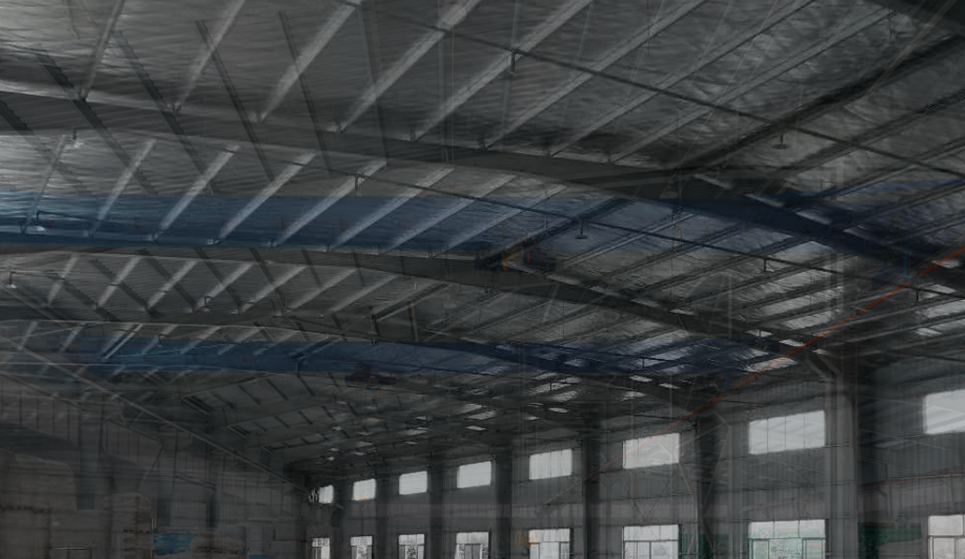
Fireproof neutral silicone sealant is the preferred substance for steel structure engineers and facade builders worldwide to safeguard industrial buildings against fire, smoke, and structural corrosion. Neutral-cure fire-rated sealants adhere firmly to steel, aluminium, coated glass, and concrete with chemical harm, unlike acetoxy-cure solutions. This paper covers B2B buyers' most important applications, procurement methods, and best practices for industrial buildings, warehouses, and major steel-frame construction.
It's helpful to know what makes neutral-cure silicone different from other building sealants before you choose one for a fire-rated system.
When neutral-cure RTV silicone vulcanizes, it usually gives off oxime or alkoxy chemicals that are safe. Acetic acid from acetoxy coatings will rust, burn, and weaken steel buildings, galvanized metal roof panels, and aluminum curtain wall frames over time if you don't get rid of it. If you pick a balanced product, there is no risk at all.
There is a type of silicone that doesn't melt or drip when it gets really hot. Instead, it goes through controlled carbonization, which makes a layer of char that, like clay, holds the joints together. According to ASTM E814 and EN 1366-4 studies, this char keeps fires and hot gasses out for the given time, which could be up to four hours.
Some fireproof neutral silicone sealant belongs to neutral silicone sealants which are very strong and can stand up to UV rays, ozone, and heavy rain for many years. Once it's completely dry, the joint can move ±25% to ±50%. This means that the seal stays in place even if the building moves or the seasons make it expand and contract.

When industrial wall systems try to close at the same time, they have more than one issue. The five ideas below are great ways to use fire-rated orange silicone.
The gaps and ridges in metal roof panels can let water in. Edges and ridge caps can fix this problem. Something that has a neutral cure will stick to Zincalume, galvanized steel, and PVDF-coated walls without damaging the finish. This shields you from rain and fire at the same time.
There is a fire sealant on the market that doesn't work well on all sides. If buying teams know the differences, they can pick the right option the first time.
Acetoxy silicone is easier to find and cheaper per unit, but when it sets, it gives off acetic acid. That acid makes rust appear on steel or metal frames in a few months. Acetoxy things should never be used on metal surfaces at work, even if they say they are safe for fire. We can choose fireproof neutral silicone sealant for metal applications instead.
Flame-colored acrylics get very big when they get hot. Because of this, they can be used to seal around plastic pipes that melt and leave holes. Acrylics, on the other hand, don't do well in water, can't be moved around much, and get damaged more quickly by UV light and weather. For joints on the outside of a building, neutral silicone is much better than paint.
In North America, you should compare test results to ASTM E814 or UL 1479. In Europe, you should compare them to EN 1366-4. In China, you should compare them to GB/T 24267-2009. It doesn't matter where they come from. It is important that certifications are current, apply to the product, and can be tracked back to a good testing lab.
Procurement decisions for industrial-scale sealant orders carry real risk if the supplier cannot demonstrate quality consistency or fulfill large-volume commitments on schedule.
Request the full test report package before ordering samples. Confirm that the fire rating certificate matches the product formulation being quoted, not a legacy product with a similar name. A reputable fireproof neutral silicone sealant manufacturer will provide traceable, up-to-date documentation without hesitation.
Industrial projects consume sealant in quantities measured by the pallet, not the carton. Confirm that the supplier can fulfill your full project volume within your construction schedule. A lead time of one to two weeks for production and flexible sea or land freight options significantly reduce scheduling risk on large-site contracts.
Installation errors are the most common cause of seal failure on large projects. A supplier that provides on-site application guidance, product data sheets in your project language, and a clear quality guarantee reduces your construction risk materially when using fireproof neutral silicone sealant.

Correct application is as important as correct product selection. Even a certified fire-rated silicone will underperform if the substrate is poorly prepared.
Clean all joint faces to remove oil, dust, loose coatings, and moisture before application. On porous substrates such as concrete or fiber-cement board, apply a compatible primer and allow it to flash off fully. On non-porous metal and glass, a solvent wipe with isopropyl alcohol is generally sufficient, but a peel adhesion test on site is always advisable.
Apply the sealant at temperatures between 5°C and 40°C and at relative humidity below 80% for predictable cure rates. Use a standard cartridge gun for 300 ml or 600 ml cartridges, or a bulk sausage gun for high-volume runs. Tool the bead immediately after application to ensure full contact with both joint faces. Surface drying takes 45 to 60 minutes at 25°C and 50% RH, with full depth cure progressing at approximately 3 mm per 24 hours.
Inspect fire-sealed joints annually or after any significant seismic or thermal event. Look for adhesion loss at the bond line, surface cracking, or signs of chemical attack. If the sealant has exceeded its rated service life or shows visible degradation, reapplication is required to maintain the fire compartment's rated integrity.
Sealants used on factory walls need to be able to put out fires, stop rust, keep out water, and last a long time on metal surfaces. It is possible to get all of these things with fireproof neutral silicone sealant. The item is in the same group. Goods can be used in five different ways, from wire holes to curtain wall edges.
Choosing the right product here is the most important thing for building safety and following the rules. Your project will pass the fire inspection and work well for as long as the building stands if you check for certifications, figure out bulk supply capacity, and follow the right application steps.
Yes. A certified neutral RTV silicone sealant provides both fire containment and water resistance in a single application. Jiaobao's product carries a Class 1 W Rating for water resistance, confirmed by GB 13477 testing.
Surface tack-free time is 45 to 60 minutes at 25°C and 50% RH. Full-depth cure progresses at 3 mm per 24 hours. A 12 mm joint reaches full cure in approximately four days under standard conditions.
Yes. The neutral curing mechanism produces no acetic acid, making it chemically safe for aluminum, galvanized steel, PVDF-coated panels, and copper. It bonds to these substrates without primer on most clean, non-porous surfaces.
Jiaobao's fire-rated neutral silicone is available in White, Black, and Grey as standard options. Custom colors are also available through OEM arrangements to match specific facade specifications.
The shelf life is 12 months from the production date when stored below 27°C in original sealed packaging. Always verify the batch date before use on fire-rated assemblies.
from Jiaobao. They make rubber covers and sell them to businesses in China and Southeast Asian industrial zones since 2013. We can offer safe, neutral silicone sealant that is ISO and CE-certified. You can get free samples to see how well they stick before you place an order. The production time is one to two weeks. You can email us at dorashen@cnjiaobao.com or go to shandongjiaobao.com right away to get fire-rated neutral silicone samples or a bulk quote for a steel-frame building or an industrial wall job.

1. ASTM International. ASTM E814: Standard Test Method for Fire Tests of Through-Penetration Fire Stops. ASTM International, 2023.
2. Underwriters Laboratories. UL 1479: Fire Tests of Through-Penetration Firestops. UL Standards, 2022.
3. European Committee for Standardization. EN 1366-4: Fire Resistance Tests for Service Installations — Linear Joint Seals. CEN, 2021.
4. National Fire Protection Association. NFPA 101: Life Safety Code. NFPA, 2024.
5. Standardization Administration of China. GB/T 24267-2009: Building Fireproof Sealant. SAC, 2009.
6. Beal, A. N., and Lawson, R. M. "Fire Performance of Steel-Framed Buildings." The Structural Engineer, vol. 98, no. 4, 2020, pp. 22–31.
November 16,2023
Enterprise Name
The sealant has very strong adhesion and performs well even on glass and aluminum. After curing, it remains flexible and shows no cracking. Perfect for our facade projects.
November 16,2023
Enterprise Name
Stable quality across batches. Our customers especially like the smooth application and consistent extrusion. It helps reduce installation time on site.
November 16,2023
Enterprise Name
I used it for bathroom sealing. Excellent waterproof performance and no mold issues so far. It's been holding up very well in humid conditions.
November 16,2023
Enterprise Name
The neutral silicone works well on sensitive materials without corrosion. Very suitable for industrial applications requiring stable performance.