November 16,2023
Enterprise Name
The sealant has very strong adhesion and performs well even on glass and aluminum. After curing, it remains flexible and shows no cracking. Perfect for our facade projects.
Jul 27, 2026
Neutral cure silicone sealant, commonly known as NP Silicone Sealant for Curtain Wall, is an elastomeric adhesive that cures without releasing corrosive byproducts like acetic acid. This makes it compatible with sensitive substrates such as aluminum, natural stone, and coated glass—materials frequently used in modern curtain wall construction. Unlike acetoxy-cure variants, neutral formulations provide superior chemical stability, broader material compatibility, and enhanced resistance to weathering and UV radiation. These characteristics make neutral cure sealants essential for maintaining the structural integrity and aesthetic appeal of building facades over decades of service.
Curtain wall systems need seals that can stand up to harsh weather conditions while still being flexible and sticking together. Because they use wetness in the air instead of acid vapours to fix, neutral cure silicone sealants are able to do this. This method makes a strong seal that won't break in bad weather without damaging metal frames or staining porous materials like marble or granite.
Neutral cure silicone can form strong links on a wide range of surfaces because of the way its molecules are structured. The sealant cross-links while it cures to make an elastomeric network that stays flexible even at temperatures as low as -50℃ and as high as +150℃. This allows the building materials to naturally expand and contract with the seasons. This keeps the seal from breaking, which would let water in and waste energy.
One great thing about neutral cure formulas is that they don't corrode. When acetoxy sealants cure, they give off acetic acid, which can damage natural stone and dissolve metals that are easily damaged. This risk is taken away by neutral cure products, which make them perfect for high-end domestic and business projects with aluminium curtain walls, anodised frames, and stone faces.
Performance data shows that when applied correctly, neutral cure silicone seals keep their mechanical qualities for 20 to 30 years. They don't chalk or crack when exposed to UV light, ozone, or changes in temperature. Because they last longer, they need less upkeep and replacing, which is very important when you're in charge of a lot of buildings.
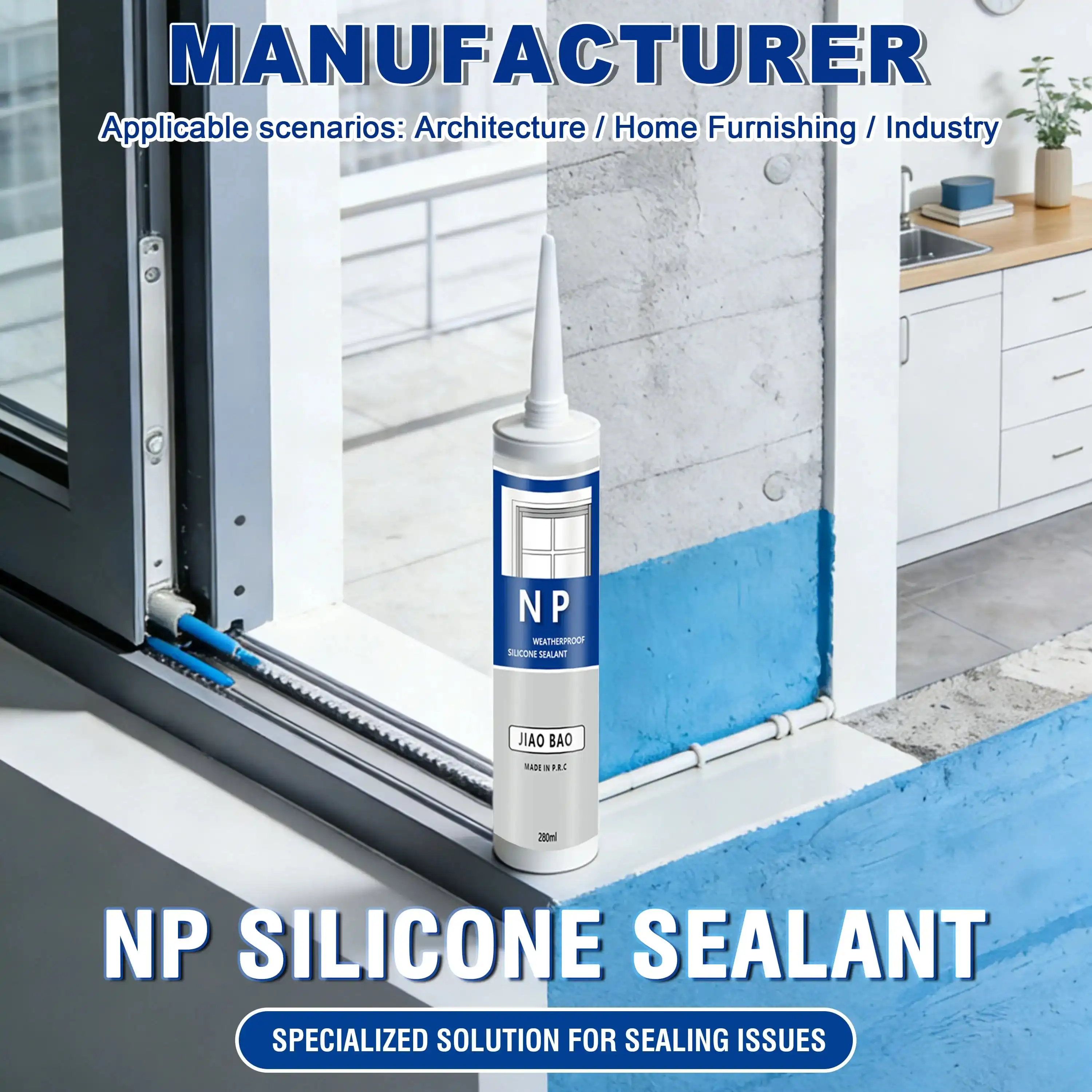
Sealants used in modern construction projects need to work the same way in all kinds of weather and building codes. These needs are met by neutral cure silicone sealants, which have good physical properties and chemical stability.
One of the main reasons why building envelopes fail is still water getting in. Our one-component RTV silicone caulk, NP Silicone Sealant for Curtain Wall, makes a shield that stops water from getting into important joints. The formula of NP Silicone Sealant for Curtain Wall has a 25% movement range, which means it can handle joint movement without losing its seal integrity. This flexibility is very important in high-rise buildings where wind loads and temperature changes put constant stress on the connections between the facades, making NP Silicone Sealant for Curtain Wall the ideal choice.
The sealant doesn't just keep water out; it also resists weathering. Rain, snow, and heat that last for a long time do not break down the polymer structure. Tests show that the glue keeps its binding strength and flexibility even after years of being exposed to salt spray from the coast and pollution from factories. This dependability is especially important for building owners in places that are prone to hurricanes or have harsh winters.
There are big changes in temperature between day and night and between seasons in curtain walls. Our neutral cure sealant works all the time from -50℃ to +150℃. It doesn't get hard in cold weather or soft in hot weather. This temperature range goes above and beyond what most building rules require, and it provides year-round safety in areas ranging from Arctic to tropical.
Another important thing to think about is fire safety. A lot of neutral cure mixtures have fire-retardant ingredients in them that make flames spread more slowly and make less smoke. Fire safety codes say that this has to be done for high-rise buildings and projects that need specific fire ratings for facade assemblies.
Sustainable building techniques are having a bigger impact on the choices of materials. Our sealer has less than 80 g/L of volatile organic compounds (VOCs), which means it meets LEED and other international green building standards. Low VOC content makes the air quality inside better during and after application, protecting construction workers and people who will live there in the future from harmful chemical exposure.
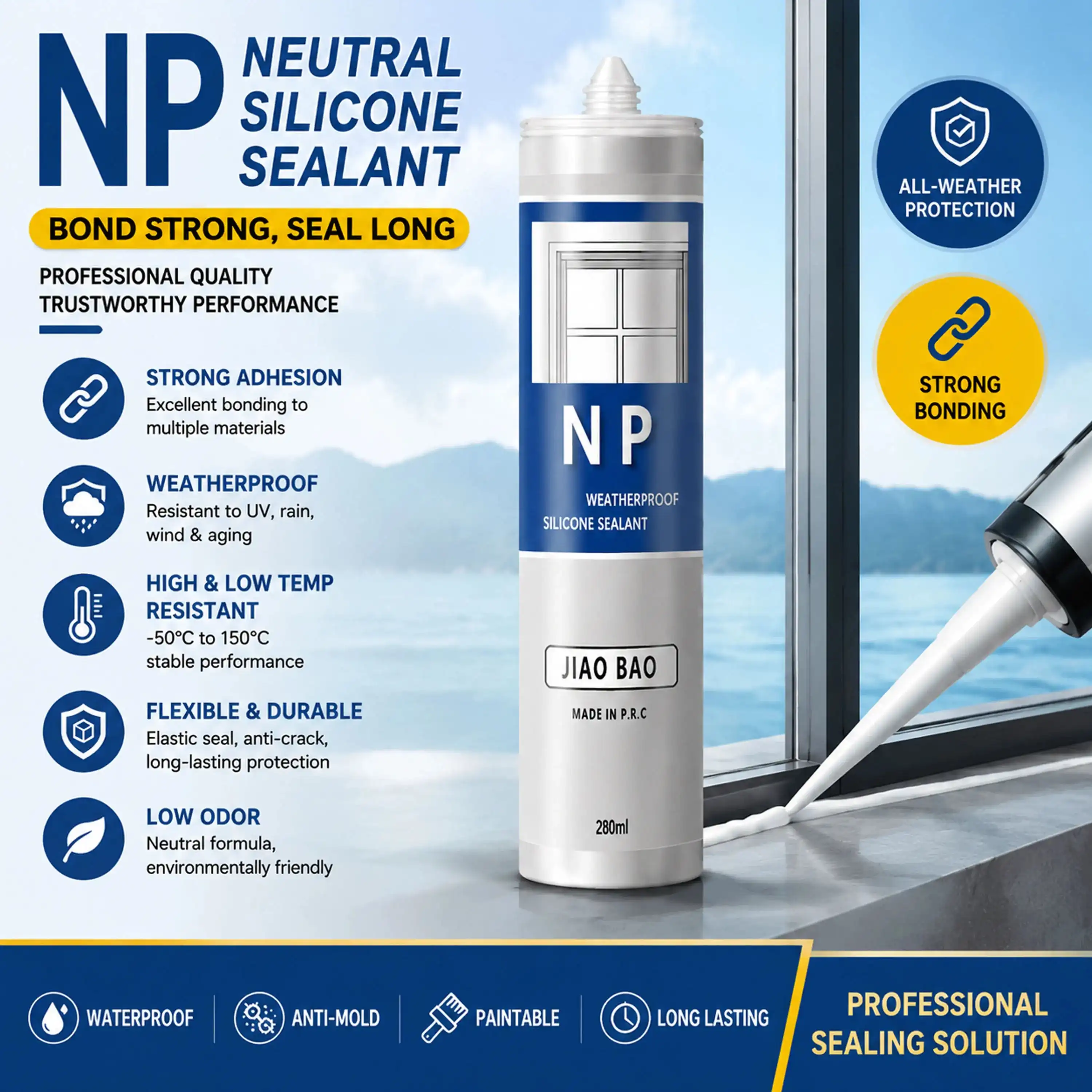
How well the sealant is applied has a direct effect on how well it works and how long it lasts. When installation instructions aren't right, even high-end goods don't work. Knowing the right way to do something helps procurement teams spell out what needs to be installed and choose contractors who have a history of success.
Clean, dry substrates are the first step to good adhesion. Dust, oil, water, and other small bits must not be on the surfaces. We suggest wiping down the joints with rubbing alcohol and waiting for it to evaporate completely before putting on the sealant. Putting on a primer may make the bond stronger on porous materials like stone or concrete, but many modern neutral cure sealants stick well to most surfaces without primers.
The shape of the joint is also very important. For best efficiency, the relationship of depth to width should be about 1:2. Three-sided adhesion can put too much stress on the sealant when the joint moves. Backing rod or bond breaker tape can stop this from happening. These steps need careful attention to detail, but they make the seal last a lot longer.
Our one-component RTV mixture comes ready to use in 300ml and 600ml sizes, and is packed in sausages or cartridges to make it easy to use. According to ASTM C 679 standards, testing shows that there is zero millimetres of slump on vertical joints because of the consistency of the paste. This non-sag feature lets you apply it quickly and easily without having to do a lot of tools or cleanup.
Conditions in the air during the application of NP Silicone Sealant for Curtain Wall affect how fast it cures and what the final properties are. The best temperatures for NP Silicone Sealant for Curtain Wall are between 5 and 40 degrees Celsius, and the best humidity levels are between 30% and 90%. Within 30 minutes, the surface of NP Silicone Sealant for Curtain Wall is dry enough to be shaped and smoothed. It takes 7–14 days for the joint sealed with NP Silicone Sealant for Curtain Wall to fully heal, based on how deep it is and the weather. Managers of procurement should make sure that project schedules work together so that seals using NP Silicone Sealant for Curtain Wall have enough time to cure before they are stressed.
A business office tower project in Dallas showed how important strict application processes are. The worker prepared the surface in a planned way, used measured dispensing equipment, and inspected the joint every day. The curtain wall system that was made did not leak when tested with water at twice the original pressure. Over the course of five years, regular maintenance checks showed that the seal had not worn down, proving that the money spent on proper installation was well spent.
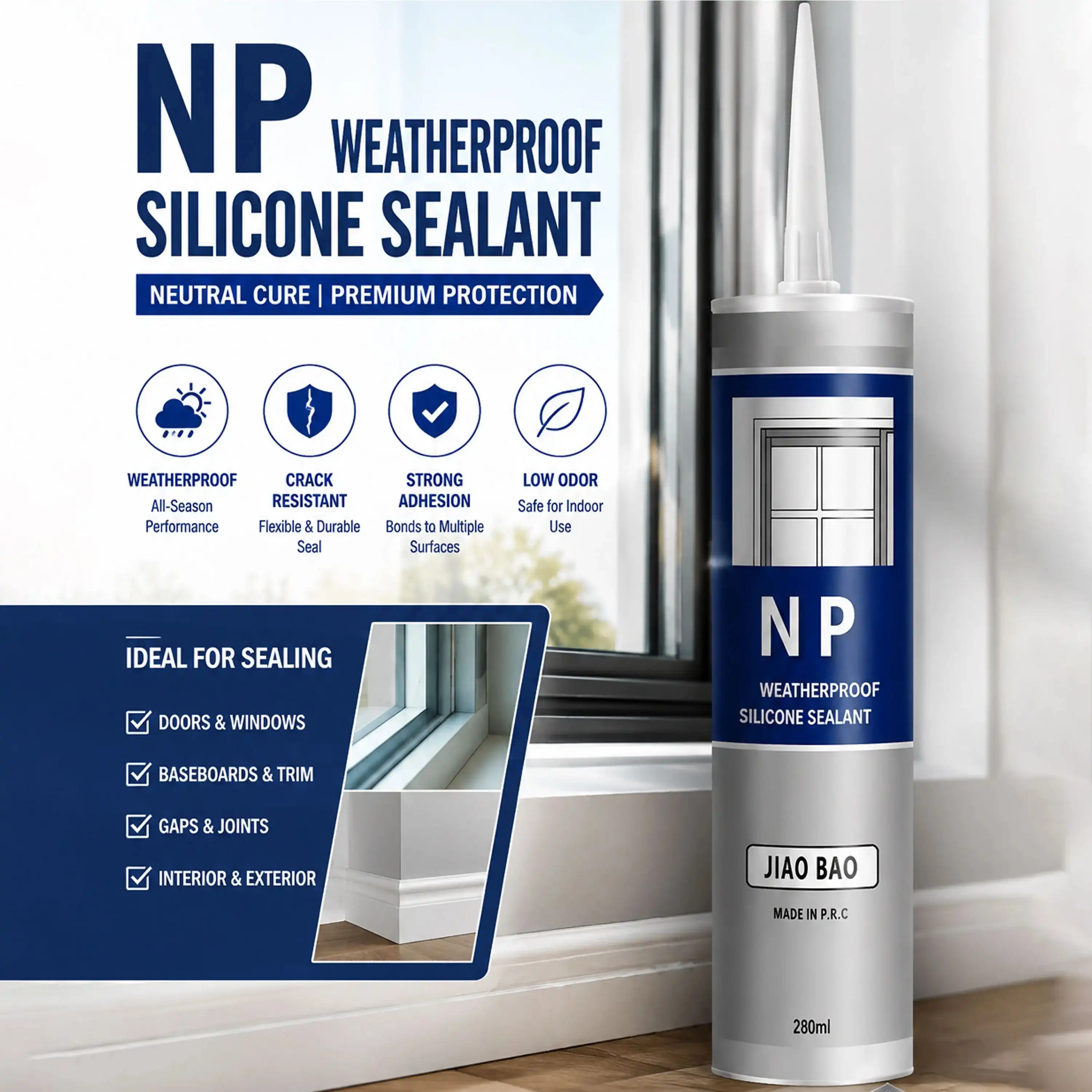
When choosing a material, you have to compare different sealant methods based on the needs of the job. There are clear pros and cons to each type of chemistry.
Polyurethane seals are popular for some uses because they are very resistant to wear and can be sprayed after they have dried. Most of the time, they are cheaper than silicone products and stick well to concrete and brick. But polyurethane breaks down more quickly when exposed to UV light, and it usually needs to be replaced every 10 to 15 years. The material also tends to get harder over time, which means it loses its flexibility and could crack when stressed over and over again. When it comes to durability and upkeep, neutral cure silicone is better than polyurethane in curtain wall applications where UV light is present all the time and there is a lot of joint movement.
Weather seals are not the same thing as structural silicone sealants, which carry a lot of weight in structural glass systems. Although structural types have higher tensile strength, they are designed for parts that don't move and don't have the flexibility needed for weather sealing around the edges. When making weather seals, like our neutral cure product, we put movement and resistance to weathering over load-bearing capacity. Both types are needed for a full wall to work: structural silicone for attaching the glazing and neutral cure silicone for the border joints.
Acrylic or low-grade polyurethane sealants are cheaper per unit than high-end neutral cure sealants. The real value proposition can be seen through a thorough lifecycle analysis. Take the case of a 50,000-square-foot curtain wall that needs 500 linear feet of joint sealer. Using economy-grade sealant saves $2,000 on materials, but it needs to be replaced every 10 years, which costs $15,000 in labour and stage. Premium neutral cure sealant lasts 25 years or more, so it only needs to be replaced once or twice. This saves the building owner $30,000 to $45,000 over its lifetime.
When you do strategic buying, you have to balance more than just unit price. When looking at NP Silicone Sealant for Curtain Wall suppliers, procurement teams should put certifications, technical support, and the reliability of the supply chain at the top of their list of priorities.
Companies that have ISO 9001 quality management certification show that they are dedicated to making sure that their production standards are always met. The CE mark shows that a product meets European safety and performance standards, which is important for projects that involve people from different countries. Ask for test results from a third party that show the performance meets ASTM C920 Type S, Grade NS, Class 25 or an international standard that is the same. These certifications make sure that the performance of large packages will be the same as the performance of samples.
Shandong Jiaobao New Material Co., Ltd. keeps a lot of quality records and lets customers try samples on-site before they buy a lot of them. Our 13 years of experience making things have helped us set up quality control systems that keep differences between batches from happening. Using real project surfaces for rapid weathering tests and binding trials, procurement managers can check the performance.
Over the course of several months of building, large curtain wall projects use thousands of sealant tubes. When you negotiate volume pricing, you can get supply commitments that keep your project on track and lower the cost per unit. With a production lead time of just one to two weeks, we can quickly fill any order, even if it's urgent. Shipping choices by sea or land are flexible enough to work with different project sites and budgets.
When planning when to buy things, you need to think about how long they will last. If you store our neutral cure sealant properly, it will keep working perfectly for a year. Plan shipping times so that items don't have to be stored for too long and stay fresh. Too much heat or freezing during storage can damage the properties of sealant before it is used.
Many curtain wall projects need to make sure that the colours match exactly. Standard formulations in white, black, and grey work well for most uses, but custom colours make sure that they blend in perfectly with architectural finishes. We can match RAL colours and make sure that each batch is the same for multi-phase projects that need to look the same at all stages of building. This ability to customise is useful for high-end apartment buildings, business offices, and historic commercial buildings that have to look perfect.
Technical support from the company that makes NP Silicone Sealant for Curtain Wall helps solve problems with applications and improve the way it is installed. Being able to talk to technical representatives with a lot of experience who know about curtain wall systems can help you avoid mistakes that cost a lot of money and time. This support is especially helpful when working with strange materials, harsh weather, or complicated joint shapes.
Neutral cure silicone sealants like NP Silicone Sealant for Curtain Wall are the industry standard for weather sealing curtain walls because they work well with a wide range of materials, last a long time, and consistently do their job. Building teams can get the best performance out of facades while keeping costs low over their lifetimes by understanding the technical properties, the right way to apply NP Silicone Sealant for Curtain Wall, and strategy buying issues. As building codes get stricter about sustainability and energy efficiency, high-performance sealants like NP Silicone Sealant for Curtain Wall play an even more important role in making sure the envelope stays intact.
Neutral cure formulas stick well to glass, aluminium, anodised metal, stainless steel, coated aluminium panels, natural stone like granite and marble, ceramic tiles, concrete, and a lot of different types of plastic. Because they work with so many things, they're perfect for modern curtain walls that use a lot of different materials. Before applying on a big scale, you should always try the adhesion on real project materials. This is especially important for speciality coatings or treated surfaces.
Quality neutral cure silicone sealants work well for 20 to 30 years when used correctly and in normal circumstances. UV exposure intensity, temperature extremes, substrate movement, and the quality of the initial application are some of the things that can shorten the service life. Inspections every 5 to 7 years help find any early wear and tear that needs to be fixed in one place.
Because they have low surface energy, most silicone sealants don't let paint stick to them. There are special silicone paints, but they need to be tested to make sure they work with your paint. If the gaps need to be sprayed, paintable polyurethane or acrylic latex sealants should be used instead of silicone products, even though they won't last as long.
Shandong Jiaobao New Material Co., Ltd. stands as a trusted NP Silicone Sealant for Curtain Wall supplier with over 13 years of specialization in colored and neutral cure formulations. Our products meet ISO and CE standards while offering competitive pricing, rapid 1-2 week delivery, and comprehensive OEM/ODM customization. Our technical team can help you with samples, application advice, and quick support after the sale, whether you're in charge of a commercial high-rise or a residential development. Contact us at dorashen@cnjiaobao.com to discuss your project requirements and find out how our tried-and-true sealant solutions can improve the performance and long-term value of your building envelope.
1. American Society for Testing and Materials. ASTM C920: Standard Specification for Elastomeric Joint Sealants. ASTM International, 2018.
2. Klosowski, John M. and Wolf, Arthur T. Sealants in Construction, Second Edition. CRC Press, 2016.
3. International Organization for Standardization. ISO 11600: Building Construction - Jointing Products - Classification and Requirements for Sealants. ISO, 2020.
4. Panek, Julian R. and Cook, John P. Construction Sealants and Adhesives, Third Edition. John Wiley & Sons, 1991.
5. Glass Association of North America. GANA Glazing Manual. Glass Association of North America, 2019.
6. Beech, John C. The Principles and Practice of Joint Sealing. Building Research Establishment, 2005.
November 16,2023
Enterprise Name
The sealant has very strong adhesion and performs well even on glass and aluminum. After curing, it remains flexible and shows no cracking. Perfect for our facade projects.
November 16,2023
Enterprise Name
Stable quality across batches. Our customers especially like the smooth application and consistent extrusion. It helps reduce installation time on site.
November 16,2023
Enterprise Name
I used it for bathroom sealing. Excellent waterproof performance and no mold issues so far. It's been holding up very well in humid conditions.
November 16,2023
Enterprise Name
The neutral silicone works well on sensitive materials without corrosion. Very suitable for industrial applications requiring stable performance.
_1779347426672.webp)