November 16,2023
Enterprise Name
The sealant has very strong adhesion and performs well even on glass and aluminum. After curing, it remains flexible and shows no cracking. Perfect for our facade projects.
Aug 13, 2026
When selecting the best structural glass adhesive for automotive manufacturing, PU Structural Auto Glass Sealant stands out as the industry's preferred choice. This moisture-curing polyurethane adhesive delivers exceptional tensile strength, superior elongation properties, and reliable adhesion to automotive glass and metal frames. Unlike conventional sealants, structural polyurethane formulations meet rigorous safety standards including EN 12663 and DIN 6701, which are essential for rail transit and commercial vehicle applications. For manufacturing decision-makers seeking to balance performance, compliance, and long-term durability, understanding the unique advantages of polyurethane-based structural adhesives becomes critical to optimizing both production efficiency and vehicle safety.
Polyurethane structural adhesives work by turning liquid polymer chains into a solid, stretchy network when they come in contact with moisture. When the sealant comes into touch with humidity in the air, this chemical reaction starts. Urethane bonds are made, which hold glass surfaces to metal frames very firmly. The tensile strength of the final glue is higher than 2.2 MPa. This means that the adhesive can withstand dynamic loads like vibration, thermal expansion, and mechanical stress while the car is running.
Traditional isocyanates are not needed in modern recipes because they use silane-modified polyether technology instead. This makes the workplace safer while keeping performance the same. During application, the paste-like texture lets you place the beads precisely without them sliding, even on windshields that are installed vertically. Under normal conditions, the curing process moves along at a rate of about 3.5 mm per day. This builds cohesive strength slowly while taking into account the natural dimensional differences that happen when cars are put together. This gradual strength growth is very different from instant-cure methods. It gives the assembly line more freedom without affecting the integrity of the end bond.
Polyurethane structural sealants have a much better modulus and load-bearing ability than silicone-based goods. Most silicone sealants are very good at protecting against weather, but they don't add to the structure of the vehicle body in a way that makes it stronger. Acrylic glue dry quickly, but they don't stretch well, so they can't be used in situations where important joint movement is needed. MS polymer sealants work pretty well for sealing jobs, but they can't compare to polyurethane when it comes to strength and flexibility. The 400% elongation at break property of good polyurethane formulations lets the glue layer take impact energy and bend with the frame without breaking the bond, which is a very important safety feature in crash situations.
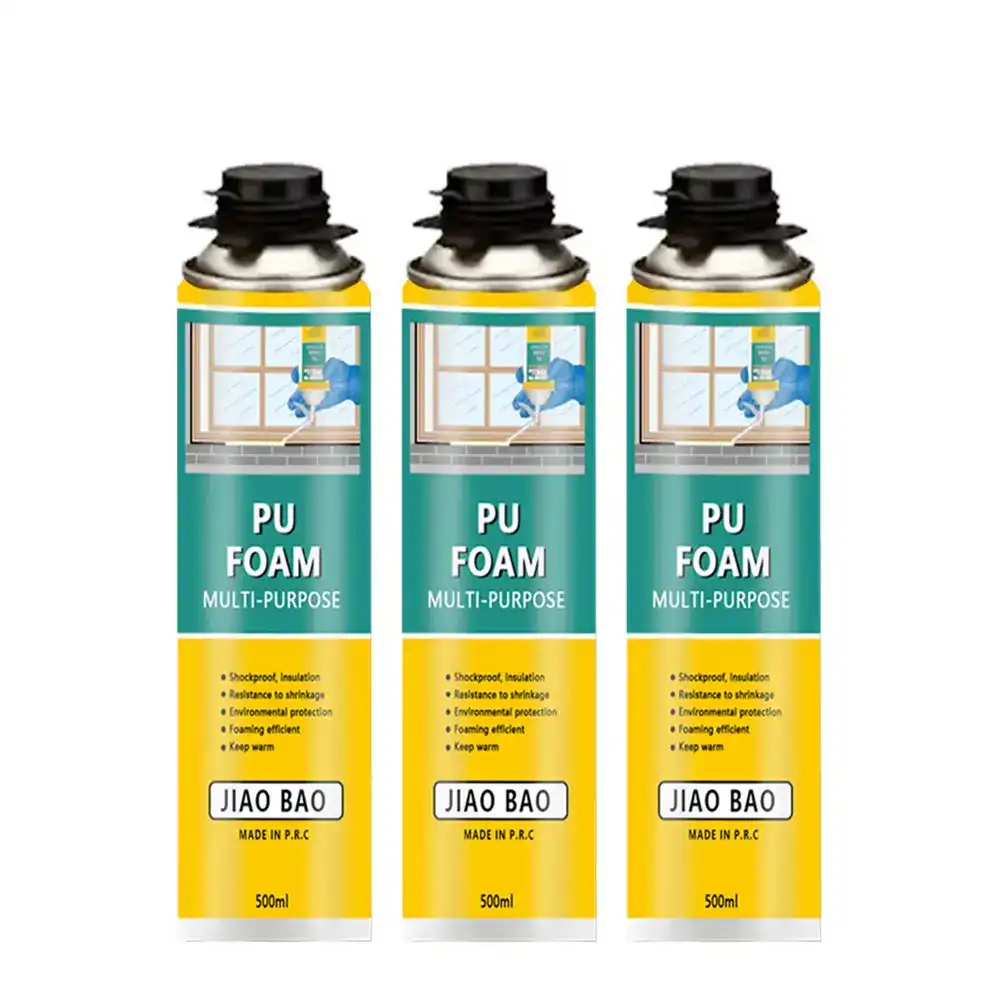
To choose the right structural glue, you need to carefully look at its technical specs, compliance with regulations, and long-term performance traits. Manufacturing experts have to think about how the qualities of materials fit with the designs of certain vehicles and the needs of production.
Tensile strength tells you how well the glue can stand up to pulling forces that are not parallel to the bond line. Values for quality goods range from 2.2 to 6.0 MPa, based on the formulation. The amount of stretching a material can do before it breaks is shown by its elongation at break. For automotive applications, this is usually between 300 and 500% to handle dynamic stress cycles.
Shore A hardness values between 45 and 70 show how resistant the finished glue is to being dented, which changes how well it dampens vibrations and transmits noise. PU Structural Auto Glass Sealant is specifically formulated to meet these demanding mechanical requirements while ensuring durable adhesion to glass and painted surfaces. Products with 99% solid material don't shrink as much during curing, so they can still fill gaps and stay the same size.
Manufacturers of rail transit must check that their products are certified to DIN 6701. This standard sets strict rules for adhesion in the building of railway vehicles. This standard talks about the properties of the material, how to prepare the surface, how to record the process, and how to do the qualification of staff. More and more commercial vehicle uses use EN 12663, which specifies structural standards for railway vehicle bodies and can also be used for making commercial transport vehicles. ISO 4587 lap-shear testing confirms performance in a standard way, and IATF 16949 certification shows that manufacturing quality systems meet the standards of the automotive industry.
When making lists of recognized vendors, manufacturers look at the product lines of well-known providers. UV stabilizers and moisture-resistant primers are often added to premium formulations to make them last longer in harsh environments. Fast-cure versions cut the safe drive-away time down to 30 to 60 minutes, which helps with quick production cycles and quick service after the sale. Low-conductivity formulas keep interference with built-in antennas and advanced driver assistance sensors at bay, meeting the needs of current car electronics integration. In addition to selling the product itself, regional distributors offer professional help such as application training and process optimization advice.
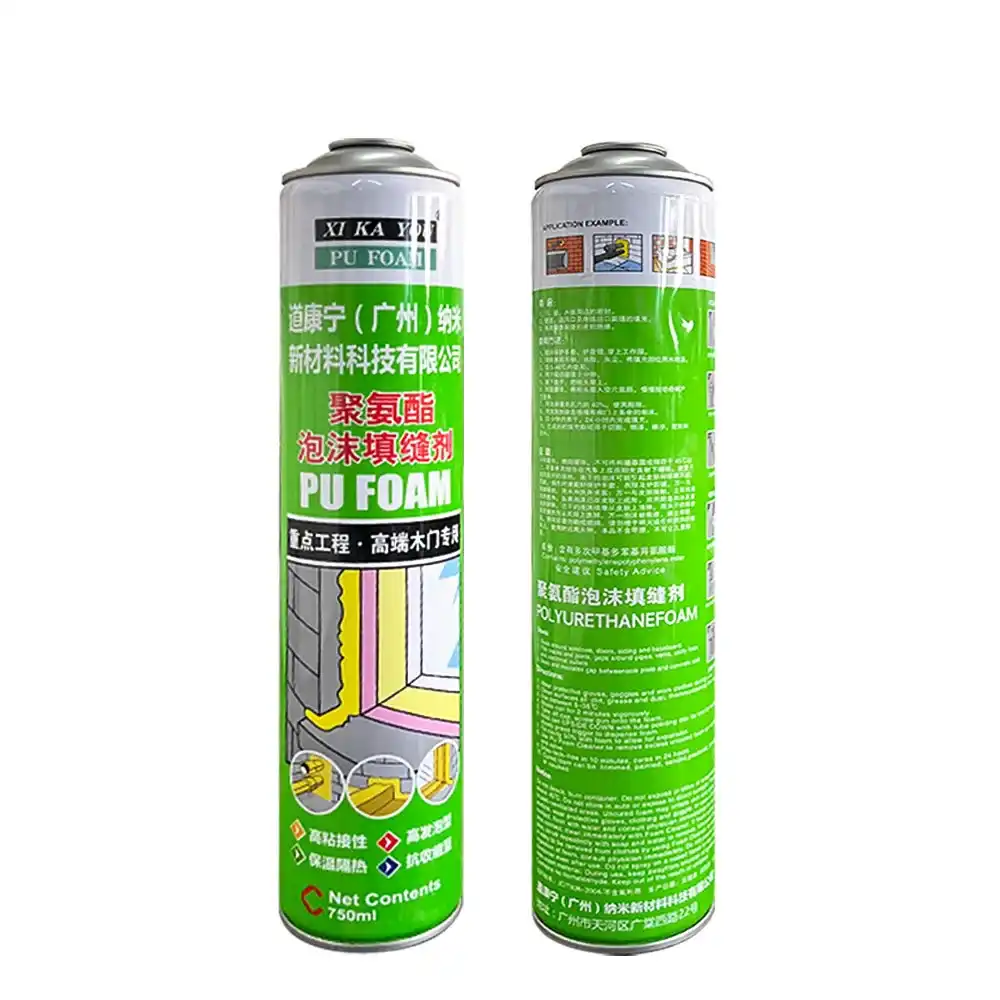
The right way to apply the adhesive has a direct effect on how long it lasts and how consistently it is manufactured. Attention needs to be paid to both the surroundings and the surface preparation for both human and automated processes.
Surfaces for joining glass and metal must be clean, dry, and free of anything that could make the bond less strong. Cleaning with solvents gets rid of oils and processing residues, and primers connect the material to the glue chemically. Some advanced formulations don't need a primer on some substrates, which speeds up the assembly process. To make sure the right wetting and curing, the surface temperature should stay within the range given by the maker, which is usually between 10 and 35°C. Between 40 and 70% relative humidity is the best range for healing speed without causing skinning to happen too soon.
Manual cartridge application works well for low-volume production and replacements that are bought after the fact. Pneumatic dispensing guns make sure that the bead size and placement speed are always the same, which keeps operators from getting tired during long production runs. Automated robotic systems make precise bead profiles for mass production, making sure that the amount of glue and its position are the same on thousands of units. Triangular bead cross-sections increase the touch area while still leaving room for the beads to expand as they cure. The height of the beads should cover about 75% of the space between the glass and frame. This will allow for some compression during installation without too much squeeze-out.
A visual check shows that the bead is completely continuous, with no holes or voids that could let leaks happen. Pull tests on sample assemblies prove the cohesive failure mode, in which the glue tears inside the assembly instead of coming apart from either base. This pattern of failure shows that the surface was properly prepared and that the bond strength was sufficient.
PU Structural Auto Glass Sealant is often used in such assemblies because its tough, elastic properties promote cohesive failure and reliable sealing under dynamic loads. To make it feel like years of use, environmental aging tests change the temperature, expose the samples to UV light, and stress them with high or low humidity. To meet the needs for tracking in safety-critical applications, documentation systems keep track of batch numbers, application conditions, and inspection results.
Decisions about strategic buying affect the quality of materials, the reliability of supplies, and the total cost of ownership. When choosing adhesive sellers, procurement teams do better when they use organized review methods.
ISO 9001 certification shows that you know how to handle quality, and ISO 14001 certification shows that you care about the environment. Automotive-specific certifications, like IATF 16949, show that you know what the industry needs and what is expected in terms of traceability. Complete performance specifications, application rules, and safety details should be on technical data sheets. Having suppliers keep inventory in more than one area makes transportation easier and helps just-in-time manufacturing methods work.
A lot of the time, annual purchasing deals get better prices for large orders and let you change your mind about demand every three months. Consignment inventory programs help manufacturers better manage their cash flow by letting them keep stock on hand without getting paid right away. Suppliers are more likely to invest in customizing products, providing technical support, and working together on process development when they have long-term partnerships. The terms of the contract should include quality guarantees, delivery dates, and ways to fix material that doesn't meet standards.
Polyurethane adhesives that are sensitive to moisture need to be stored in a climate-controlled environment to keep their shelf life, which is usually 12 months if the temperature stays below 25°C. There are 300ml and 600ml cartridges available for a range of uses, from small repair jobs to large production lines. For people who buy a lot of sausage and have tools that works with sausage packs, the cost of the materials is low.
For stable production schedules, sea freight is the most cost-effective way to move goods between continents, while air freight helps with urgent needs and the launch of new products. To follow the rules for importing goods into different markets, customs paperwork needs to have safety data sheets and information on what the materials are made of, PU Structural Auto Glass Sealant included as a critical adhesive component for certain automotive shipments.
As material science and industrial technology change, structural adhesives keep getting better at what they do and how well they work.
Low-VOC and solvent-free formulations are being made faster because of pressure from regulators and corporate responsibility programs. Bio-based polyols made from green resources cut down on our need for oil while keeping their mechanical qualities. Changing the chemistry of polymers to lower isocyanate exposure makes the workplace safer and makes it easier to handle dangerous materials. Thinking about how to recycle affects the form of packages and the materials that are used, which helps the circular economy goals in the car industry.
Embedded sensor technologies allow for real-time monitoring of the fix, which gives an objective check of how the bond is developing without the need for harmful tests. Changes in color show that the mixing and application conditions are correct, which lowers the chance of making a mistake in the process. RFID tags built into packaging help with automatic systems for tracking and managing goods. These new ideas are in response to the car industry's growing focus on process validation and quality paperwork.
Formulations that cure faster cut down on production cycle times without lowering the strength of the final bond, which helps lean manufacturing efforts. Better resistance to high temperatures makes things last longer in harsh environments and high-heat situations. Better sound damping qualities help make vehicles smoother by lowering the noise that is carried by structures. These performance gains mean that structural adhesive bonding can be used in a wider range of vehicle architectures and design approaches.
Structured polyurethane sealants are an important technology for installing glass in modern cars because they make the process safer, last longer, and use less material. Because these materials have a high tensile strength, great elongation, and effective protection to the climate, they are required to meet strict industry standards. Professionals in procurement who know about the technical needs, rules, and suppliers' skills can set up supply chains that meet both current production needs and plans for new products in the future.
As manufacturing methods change and car designs get more complex, working with experienced glue makers ensures that you can get new solutions that solve new problems, and PU Structural Auto Glass Sealant stands out as a key product category that procurement teams should prioritize for consistent quality and regulatory compliance.
The shear modulus and tensile strength of structural automotive adhesives are much higher, which means they can withstand crash forces and support safety systems like airbag deployment. When it comes to construction sealants, flexibility and weatherproofing are more important than being able to hold weight. Formulations made for cars also meet certain government rules, like passing crash tests, that general-purpose goods don't.
Moisture-cure polyurethane systems depend on water vapor in the air to start the chemical reaction and finish it. Low temperatures (below 10°C) and low humidity make curing much slower, which could make safe handling times longer than what is acceptable. On the other hand, high humidity and warm temperatures speed up the curing process, but they may cause the surface to skin before the beads are properly placed, which means that faster application methods are needed.
These days, windshields often have antennas, heating elements, and sensor systems that need extra care. Low-conductivity formulations keep these systems from being affected by electricity while keeping the structure bonding performance. Conductivity tests and system compatibility validation help manufacturers choose the right goods for electronics-integrated glass.
Shandong Jiaobao New Material Co., Ltd. has over 13 years of manufacturing expertise and can help with train travel, commercial vehicles, and cars. As a PU Structural Auto Glass Sealant provider, we can fully customize our products to meet your exact technical needs and government regulations. We are still ISO certified, and our flexible packaging comes in 300ml and 600ml cartridge or sausage shapes and colors like black, white, and gray. Production lead times of 1-2 weeks allow for flexible procurement schedules, and our full quality guarantee covers any performance problems that happen during the product's 12-month shelf life.
Get in touch with our expert team at dorashen@cnjiaobao.com to talk about your needs, ask for samples of our products, and find out how our solvent- and isocyanate-free formulas can help your manufacturing process. You can look at all of our products and technical information at shandongjiaobao.com.
1. Society of Automotive Engineers. "SAE J1529: Adhesive Bonding of Automotive Glass Glazing Materials." SAE International Standards, 2019.
2. German Institute for Standardization. "DIN 6701: Adhesive Bonding of Railway Vehicles and Parts." DIN Standards Committee, 2018.
3. European Committee for Standardization. "EN 12663: Railway Applications - Structural Requirements of Railway Vehicle Bodies." CEN Technical Committee, 2020.
4. International Organization for Standardization. "ISO 4587: Adhesives - Determination of Tensile Lap-Shear Strength of Rigid-to-Rigid Bonded Assemblies." ISO Technical Committee, 2017.
5. Habenicht, Gerd. "Applied Adhesive Bonding: A Practical Guide for Flawless Results." Wiley-VCH Publishers, 2021.
6. Cognard, Philippe. "Adhesives and Sealants: Basic Concepts and High Tech Bonding." Elsevier Science Technical Publications, 2019.
November 16,2023
Enterprise Name
The sealant has very strong adhesion and performs well even on glass and aluminum. After curing, it remains flexible and shows no cracking. Perfect for our facade projects.
November 16,2023
Enterprise Name
Stable quality across batches. Our customers especially like the smooth application and consistent extrusion. It helps reduce installation time on site.
November 16,2023
Enterprise Name
I used it for bathroom sealing. Excellent waterproof performance and no mold issues so far. It's been holding up very well in humid conditions.
November 16,2023
Enterprise Name
The neutral silicone works well on sensitive materials without corrosion. Very suitable for industrial applications requiring stable performance.
_1779347426672.webp)