November 16,2023
Enterprise Name
The sealant has very strong adhesion and performs well even on glass and aluminum. After curing, it remains flexible and shows no cracking. Perfect for our facade projects.
Jul 30, 2026
When you're specifying materials for commercial buildings, curtain walls, or industrial facilities, fire safety isn't optional—it's a code requirement that protects lives and assets. Fireproof Silicone Sealant for Construction plays a crucial role in passive fire protection systems by sealing joints and penetrations to prevent flame and smoke migration during fire events. Unlike standard silicone products, fire rated variants are engineered with specialized fillers and formulations that maintain integrity under extreme thermal stress while preserving the elasticity needed to accommodate structural movement. This comprehensive guide walks you through everything procurement managers, technical engineers, and distributors need to know about selecting, specifying, and sourcing the right fire rated sealant for construction joints.
Fireproof Silicone Sealant for Construction is a high-performance elastomeric material that is made to seal moving joints in fire-rated systems so that they don't lose their strength in a fire. These speciality goods are different from regular sealants because they can withstand temperatures above 150°C and still keep a flexible seal that can handle thermal expansion, earthquake drift, and wind-induced movement.
Standard silicone sealants stick well and keep out the weather, but they aren't thermally stable enough for life safety uses. Fire-rated goods have ceramic microspheres, intumescent additives, or flame-retardant fillers that, when exposed to fire, form a protective char layer. According to building codes like ASTM E814, UL 2079, and EN 1366-4, this char slows the transfer of heat and keeps joints from breaking. This effectively separates fire zones. Also, these sealants have to pass tough hose stream tests that mimic the shock that structures receive from rescue water pressure right after being exposed to flames.
Fireproof Silicone Sealant for Construction is important for three main reasons in current building design. Curtain wall exterior joints, especially head-of-wall gaps between floor slabs and glazed facades, need seals that keep the walls fire-safe and allow for up to ±25% movement. For MEP entry seals around pipes, ducts, and cable boxes going through fire-rated walls, you need formulations that don't slump and can be used above. Hydrophobic mixtures help infrastructure projects like tunnels and parking garages by blocking fuel splashes, de-icing salts, and high-pressure washes. They also keep smoke under control during emergencies.
Standardised tests show how well fire-rated joint sealants work by checking how well they stop flames, heat, and smoke from leaking for the specified amounts of time. Products that are tested according to ASTM E1966 or UL 2079 usually get ratings between one and four hours. Class 1 W ratings mean that the product is very resistant to water, which is important for outdoor uses where it might rain a lot. Temperature stability ranges from -50°C to +150°C make sure that the product works all year in a variety of climates, so it doesn't break easily in the cold or get soft in the summer.
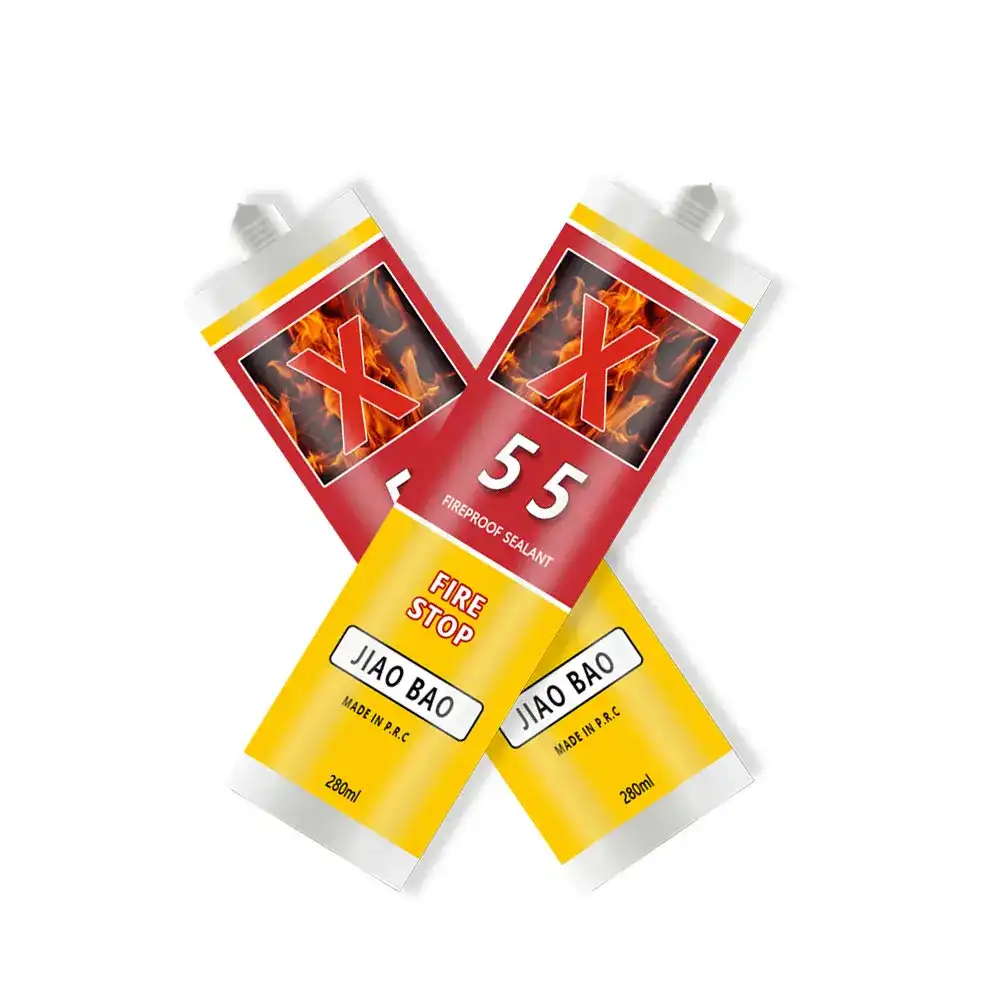
By knowing the technical details of Fireproof Silicone Sealant for Construction, you can make smart buying choices that meet regulations while also being long-lasting and cost-effective. The following specs are based on industry standards and apply to professional-grade goods that can be used in business and industrial building.
Jiaobao's one-part acidic RTV (Room Temperature Vulcanising) silicone caulk is a tried-and-true recipe made for gun-grade use right out of the package for a cartridge or sausage. Under normal conditions (25°C, 50% relative humidity), the product cures through a moisture reaction at a rate of 3 mm per 24 hours. Within 45 to 60 minutes, the surface skinned over. This curing plan gives the tools enough time to work while limiting the amount of pollution that can happen during installation. The 99.5% non-volatile content makes sure that the material doesn't shrink too much, which is important for fire-rated joint systems that need to keep their shape.
The density of 1.40 ± 0.05 g/m³ gives it a workable consistency that doesn't sag in vertical and overhead applications, as measured by GB 13477 standards at 0mm flow. When the sealer is completely dry, it has elastomeric qualities that let the joint move without breaking apart. The Shore A hardness is usually between 20 and 35, which gives it enough flexibility to handle repeated stretching and bending without losing its structure. When the elongation at break is more than 300%, the sealant can stretch with the building's movement during earthquakes or changes in temperature without breaking the fire barrier.
There are basic colours like white, black, and grey that meet most design needs. Custom colour matching to RAL or manufacturer-specific palettes makes sure that the products work well with façade systems. Curtain wall builders and high-end interior contractors who can't sacrifice visual continuity for fire safety really value this feature. At Jiaobao's factory, colour consistency across production batches is a top priority for quality control. This keeps the looks from being off, which can lead to expensive rework in the field or client disputes on commercial projects.
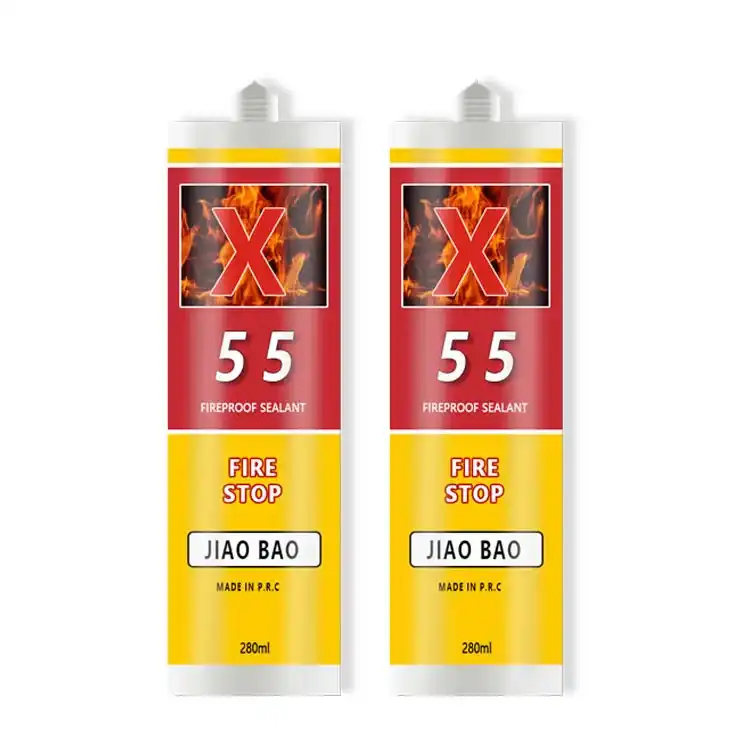
To choose the best Fireproof Silicone Sealant for Construction, you need to look at more than just the basic fire protection grades. A good choice strikes a mix between performance needs, substrate compatibility, weather exposure, and lifetime costs, all while making sure that building rules and insurance standards are met.
The mechanical demands on your sealant depend on the joint width, the range of movement expected, and the materials that it is attached to. Joints that are too narrow (less than 10 mm) might not be able to handle large movement percentages, and joints that are too wide (more than 50 mm) could fail in the middle of the joint if they don't have the right backer rod support. The movement capability rate, which is given as a percentage of the joint width (±25% or ±50%), must be higher than the estimated structural displacement, which takes into account things like thermal expansion, concrete creep, and seismic design parameters. When glueing to porous materials like concrete or odd substrates like anodised aluminium, powder-coated steel, or granite cladding panels, it is important to test the substrate to make sure it is compatible.
Fire inspectors and building officials need proof that the sealant you want to use has been tested by a third party as part of a full fire-rated assembly system. In North America, UL-listed goods are the easiest to get approved, while in Europe, projects must follow CE marking with EN standards. Not just a general product rating should be on the certificate of conformance; it should also list the exact joint arrangement, substrate mix, and installation details that were tried. Insurance companies are looking more closely at passive fire protection systems. This means that proper documentation is needed for projects to be approved and for future liability protection.
Supplier choice has a big effect on the success of a project, even if the product itself works well. During the design phase, manufacturers with a lot of production experience, like Jiaobao's 13-year track record in specialised silicone formulas, can provide useful technical advice. Reliable providers use ISO-certified manufacturing processes to keep quality uniform and can give you test results for each batch if you ask for them. When setting up just-in-time supply chains, being able to deliver items in a variety of ways is important. Lead times of less than two weeks cut down on storage costs and inventory risk. OEM/ODM capabilities let distributors build their brand presence through private labelling, while volume relationships help them keep prices low.
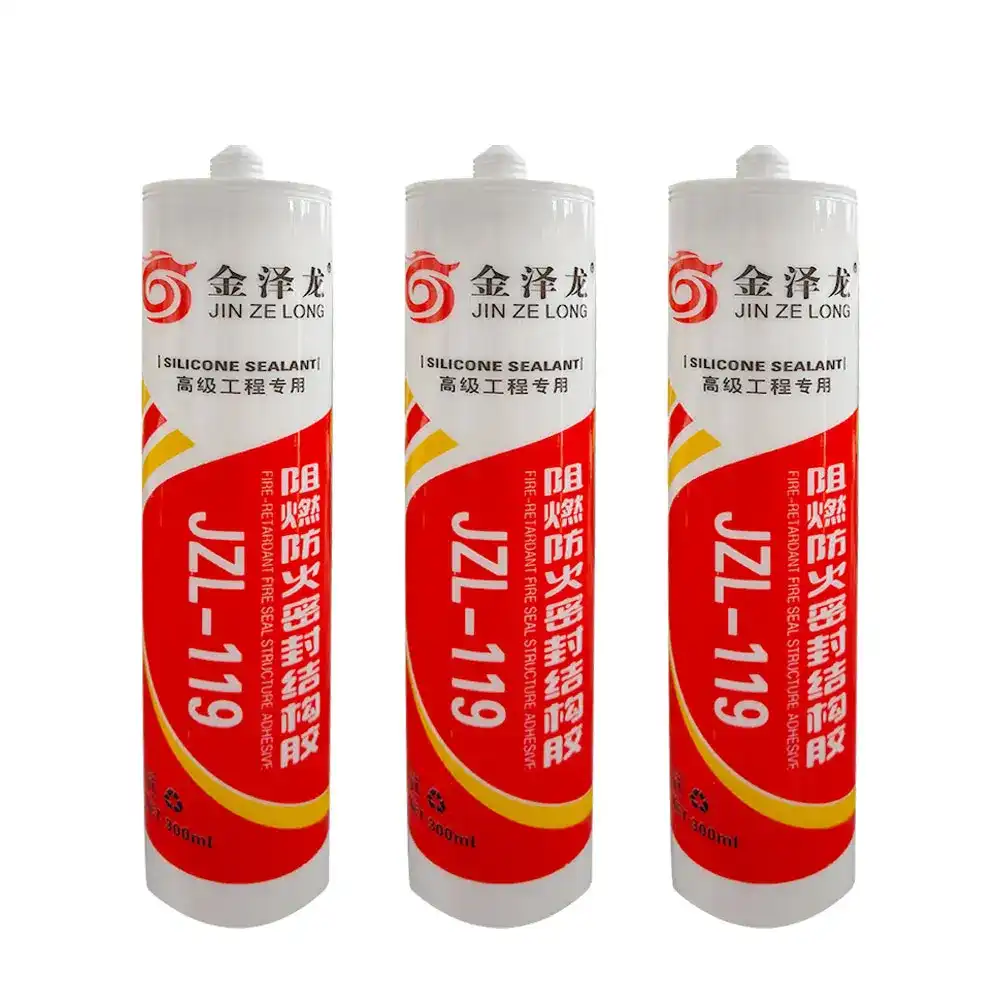
It is directly related to the right way to apply a Fireproof Silicone Sealant for Construction that it will work as planned during a real fire. The steps below are the best practices in the business, based on decades of experience in the field and forensic studies done after fires that found common installation mistakes.
For the recommended adhesion strength to be met, the materials must be clean and dry. Use liquid wiping or abrasive cleaning that is right for the material to get rid of all the dust, oils, curing chemicals, and small particles. For concrete surfaces, mechanical preparation is often needed to get to the good stuff underneath. On the other hand, isopropyl alcohol wipes that dry completely are good for metal substrates. Check that the joint sizes match the tested assembly configuration and that the right width-to-depth ratios are kept when the closed-cell polyethylene backer rods are installed. The backer rod does two things: it stops three-sided adhesion that makes movement difficult, and it gives you a firm surface to press the sealant against the exterior walls of the joint.
Put cartridges or sausages into professional handling tools that can keep the pressure steady during the application. Angle the cut so that the right tools can be used, and cut the needle tips to fit the joint width. Apply the sealer in long, uninterrupted strokes, making sure to slightly overfill to fill all the gaps. To work with the sealant right away, use rounded tools to press the material against the sides and make a slightly concave profile that sheds water and protects outdoor joints from UV light. Do not use too many tools, as this can bring oils to the surface or leave holes behind the finished surface. Keep fresh sealant away from water for the first few days so that it can dry properly. Contacting water too soon changes the fixing chemistry, which lowers the fire rating and makes the sealant less adherent.
Installations in cold weather (below 5°C) take a lot longer to cure and may need temporary shelters with extra heating. If it's hotter than 35°C, on the other hand, skinning goes faster, cutting down on working time and making it harder to use the right tools. Applying early in the morning helps with this problem. Porous substrates like sandstone or concrete may need to be primed to stop the sealant from absorbing too much and starving the joint contact. When priming is required, only use as much as is needed to get the right level of wetting. Using too much primer makes the boundary layer weak, which makes it more likely that the adhesive will fail. If a project needs a lot of joint sealing, it's better to train dedicated installation crews instead of giving the job to general labourers. This way, you can be sure that everyone is using the same technique, which cuts down on callbacks and warranty claims.
Strategic buying of Fireproof Silicone Sealant for Constructions includes more than just unit price. It also includes the total cost of ownership, the ability to keep getting supplies, and the value of a technical relationship. Smart buying teams know that the lowest price often comes with hidden costs like broken products, late deliveries, and poor technical support.
There are different project sizes and application equipment tastes, so cartridge and sausage packing options give you a lot of freedom. The 300ml cartridge size works best for smaller projects and mixed uses that use more than one colour. On the other hand, the 600ml sausages make the best use of material for high-volume setups that use pneumatic dispensers. By making bulk purchases with companies like Jiaobao, you can get volume prices that help your project's profit margins. For mid-sized contractors, the minimum order amounts can still be met. Because of the short shelf life of goods (usually 12 months when kept below 25°C), they need to be rotated regularly to keep the materials from breaking down. Distributors who work with a lot of different trades should keep a wide range of colours in stock so that their customers can use them for both structural and aesthetic purposes.
Before placing large orders for important projects, ask for sample amounts to try the adhesion on real project materials in the way that they will be installed. This validation keeps problems with incompatibility from happening, which might not show up until the product is used in the field. Technical data sheets give basic information about how something works, but the temperature, humidity, and amount of contamination on the job site are often not the same as they are in the lab. When custom formulations are asked for, testing samples also makes sure that the colours match. This avoids the expensive delays and relationship damage that come from high-profile building projects that don't look good.
Because the rules for fire-rated sealants are so complicated, it's helpful to work with providers who are responsive and who understand your business plan and technical needs. Manufacturers that offer after-sales help, such as fixing in the field, installation training, and guarantee coverage, lower the risk of difficult projects where installation conditions aren't perfect. Jiaobao's dedication to quality control includes promises for refunds or replacements for goods that show flaws during their shelf life. This protects buyers from losing money because of material failures. Distributors gain when suppliers can do OEM production that builds the value of their own brands while keeping prices low by running efficient factories. As rules change and sustainability standards get stricter, working with manufacturers who are ahead of the curve guarantees access to compliant formulations without having to make big changes to the products.
When choosing the right Fireproof Silicone Sealant for Construction, you need to pay close attention to its fire ratings, technical features, application needs, and the supplier's abilities. The technical details talked about in this guide, such as curing properties, temperature resistance, colour customisation, and packaging options, give procurement professionals the knowledge they need to confidently choose products. Jiaobao's tried-and-true formulas combine certified fire resistance with the flexibility and durability needed for long-term joint integrity in a wide range of construction projects. You can be sure that your fire-rated parts will do their job and protect people and property while also meeting strict building codes and insurance requirements if you know what the products can do and how to install them correctly.
Jiaobao's Fireproof Silicone Sealant for Construction cures at a depth of 3 mm every 24 hours when the temperature is 25°C and the humidity is 50%. For a normal joint depth of 12 mm, full cure takes about four days, but the surface skinning happens in 45 to 60 minutes. When it's cold or there isn't much air, drying takes longer. When it's warmer, the process goes faster. Before putting joints through major movement or cleaning tasks that could damage the bond, they need to be completely cured.
Fire-rated silicones of good quality, like those made by Jiaobao, are very resistant to weather and can withstand temperatures from -50°C to +150°C without breaking or softening. The Class 1 W rating proves that the curtain wall has excellent water protection, which is necessary for outdoor uses where heavy rain is likely. UV stability stops the breaking down and discolouration that happen a lot with acrylic-based fire seals. This means that the product will keep working well and looking good for a long time.
Fire-rated silicone sealants keep the joint flexible while creating an insulating char when exposed to fire. They can be used in joints that move with the structure. When heated, intumescent materials get a lot bigger, filling in the gaps left by melted flammable materials like plastic lines. Each type of product is used for a specific purpose in complete passive fire protection systems. For example, silicones are best for fixed structural joints, while intumescent systems are chosen for services that are likely to fall during a fire.
Jiaobao has been making Fireproof Silicone Sealant for Construction for more than 13 years. This product meets the high standards of curtain wall makers, general builders, and industrial site managers all over the world. Our ISO-certified production facility ensures consistent quality and quick turn-around times of one to two weeks. Our OEM/ODM capabilities help distributors build brand recognition through private label programs. You can email our technical team at dorashen@cnjiaobao.com to get certified test samples, talk about custom colour matching for your design needs, or get bulk discounts as a qualified provider of Fireproof Silicone Sealant for Construction. We stand behind our goods with a full guarantee and helpful customer service after the sale, which lowers your risk of buying from us.
1. American Society for Testing and Materials. ASTM E814 Standard Test Method for Fire Tests of Penetration Firestop Systems. West Conshohocken: ASTM International, 2021.
2. Underwriters Laboratories. UL 2079 Standard for Tests for Fire Resistance of Building Joint Systems. Northbrook: UL LLC, 2020.
3. European Committee for Standardization. EN 1366-4 Fire Resistance Tests for Service Installations - Part 4: Linear Joint Seals. Brussels: CEN, 2020.
4. National Fire Protection Association. NFPA 5000 Building Construction and Safety Code. Quincy: NFPA, 2021.
5. International Code Council. International Building Code Chapter 7: Fire and Smoke Protection Features. Washington: ICC, 2021.
6. American Architectural Manufacturers Association. AAMA 800 Voluntary Specifications and Test Methods for Sealants. Schaumburg: AAMA, 2020.
November 16,2023
Enterprise Name
The sealant has very strong adhesion and performs well even on glass and aluminum. After curing, it remains flexible and shows no cracking. Perfect for our facade projects.
November 16,2023
Enterprise Name
Stable quality across batches. Our customers especially like the smooth application and consistent extrusion. It helps reduce installation time on site.
November 16,2023
Enterprise Name
I used it for bathroom sealing. Excellent waterproof performance and no mold issues so far. It's been holding up very well in humid conditions.
November 16,2023
Enterprise Name
The neutral silicone works well on sensitive materials without corrosion. Very suitable for industrial applications requiring stable performance.
_1779347426672.webp)