November 16,2023
Enterprise Name
The sealant has very strong adhesion and performs well even on glass and aluminum. After curing, it remains flexible and shows no cracking. Perfect for our facade projects.
Aug 5, 2026
When industrial equipment operates under extreme thermal stress, choosing the right sealing solution becomes critical for both safety and operational continuity. Fire resistant silicone sealant performance comparison reveals that specialized formulations of fireproof silicone sealant high temperature products offer superior protection compared to conventional alternatives. These advanced materials maintain structural integrity and adhesion even when exposed to sustained heat, preventing catastrophic failures in furnaces, boilers, and exhaust systems where standard sealants would degrade within hours.
Heat-resistant sealing materials have changed a lot over the years to meet the needs of current industry processes. Basic silicone versions become soft and lose their ability to stick together above 150°C. Fire resistant forms, on the other hand, have special additives and polymer structures that are made to stay flexible and strong even when exposed to high temperatures for a long time.
Fire-resistant silicone sealants work so well because they are made of carefully engineered polymer chains and inorganic fillers. The siloxane backbone naturally keeps the material stable at high temperatures, and the ceramic bits and flame retardants make a safe matrix. When these materials are heated very high, they controlled char rather than burning, making an insulating barrier that keeps the substrates below safe. Because this mechanism stops flames from spreading through sealed joints, these items are necessary for passive fire protection systems in factories and buildings.
The main thing that sets industrial-grade sealants apart is their ability to withstand high temperatures. Professional formulations can usually keep working continuously from -60°C to +260°C, and some can handle short-term spikes above 300°C and still work properly. Shandong Jiaobao New Material Co., Ltd. makes acidic one-part RTV silicone caulk that works reliably from -50°F to +150°F, and for tough jobs, they make versions that can handle temperatures up to 200°F or more.
It doesn't matter how the product cures; ours cures at 3 mm per 24 hours just by being exposed to water, so we don't need to use hot tools or complicated mixing methods. Mechanical flexibility is still very important because joints are always moving because of heat expansion. Good sealants can handle movement of ±20% to ±50% without losing their stickiness, so the seal will stay strong through changes in temperature.
High-temperature sealants are essential for many manufacturing industries around the world. These materials are used to close inspection doors, pipe connections, and expansion joints in boilers and industrial ovens, where heat shock and combustion gases are always a problem. They are used by automakers as formed-in-place gaskets for engine parts because they are resistant to oil and can handle high temperatures better than cork or paper gaskets.
Fire-rated sealants are used in construction projects to make penetration seals around pipes and cables that go through fire-rated walls. Building codes require these sealants to provide certain fire resistance durations. For applications involving extreme heat or direct flame exposure, we offer Fireproof Silicone Sealant High Temperature, which maintains its sealing integrity under elevated thermal conditions. We have white, black, and gray colors in 300ml and 600ml sizes to meet all of these needs. We can also make special colors to match certain design or equipment needs.
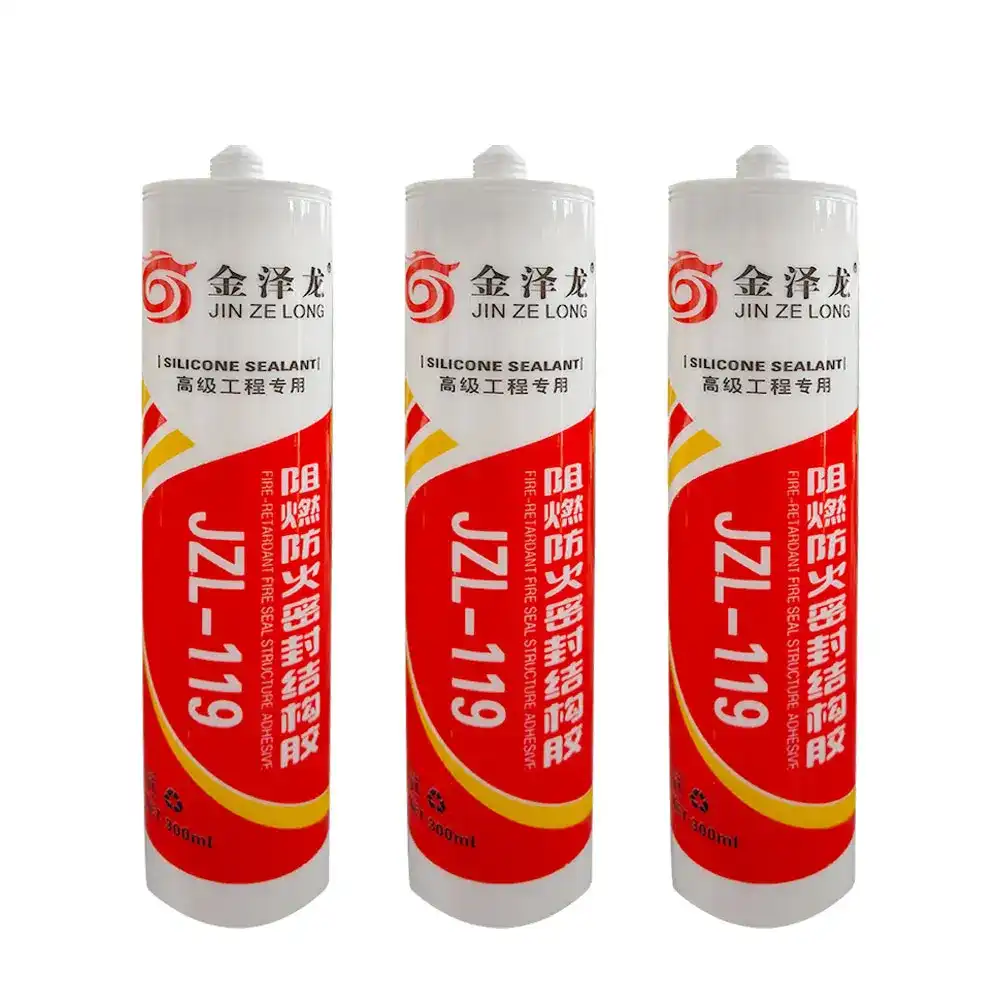
When you compare the performance of different closing methods, you can make smart decisions about what to buy. Knowing these differences helps engineers match the qualities of materials to the needs of operations while maximizing cost-effectiveness over the entire span of the equipment.
When heated, intumescent sealants get very big, filling in the gaps left by substrate deformation during a fire. They work well as static fire shields, but they aren't flexible enough to be used on equipment that is subject to heat cycling. Polyurethane formulations stick well and can be painted, but they break down quickly above 120°C, so they can't be used in high-temperature industrial settings.
Ceramic-based refractory sealants can survive temperatures above 1000°C, but they stay stiff after setting, which can cause cracks to form when the material moves or expands due to heat. RTV silicone seals get around these problems by being resistant to high temperatures for a long time and being flexible all the time. Our formula keeps its Shore A hardness between 25 and 40 while allowing it to stretch more than 300%. This means it can bend without breaking for years of use.
Leading makers set themselves apart by putting their products through strict tests and keeping records of their compliance. Products with UL 94 V-0 flammability ratings show controlled combustion behavior. Products with EN 1366-4 and BS 476 Part 20 certifications show that they are fire resistant for a set amount of time in standard conditions. Jiaobao's ISO-certified making makes sure that the quality is the same from batch to batch, with density staying at 1.40 ± 0.05 g/m³ and non-volatile content at 99.5%.
These specs directly affect how well the joint works in the field. For example, a higher non-volatile content means that the joint won't shrink as much after drying, keeping it solid without any holes or gaps. The zero-flow grade keeps the material from sagging when it is applied vertically, which is very important when closing boiler doors or chimney openings where gravity can push on uncured material before it sets.
While testing in a lab gives you a starting point, working in an industrial setting adds new challenges that speed up the breakdown of materials. Even the best sealants can fail when they are exposed to UV light, chemicals, vibrations, and heat. The weather strength of our mixture is very high; it can stay outside for years without chalking or cracking. The water resistance rating makes sure that water can't get into sealed joints.
This keeps metal substrates below from rusting in damp or cold places. Adhesion testing after heat aging confirms that the bond strength stays stable, which is very important because many sealants meet specifications at first but separate after multiple thermal cycles. Fireproof Silicone Sealant High Temperature is specifically formulated to withstand such extreme conditions, ensuring that the adhesive performance does not degrade even under prolonged heat exposure. With more than 13 years of experience making things, we've improved our recipe by listening to customers who use our products in the harshest environments around the world.

When making procurement choices, you have to weigh technical needs against business needs. The best sealer meets all of the performance needs while also staying within the price and supply chain limits.
Minimum sealant rates are set by the temperatures at which the equipment is used, but leaving a safety cushion keeps the sealant from failing too soon if the process changes or the equipment breaks down. Figuring out the base materials helps with figuring out how compatible they are. For example, some metals and plastics need primers to reach certain adhesion levels, while others join directly.
The shape of the joint affects the fix time needed, since thicker layers take longer to dry. With a cure rate of 3 mm every 24 hours, a 6 mm joint needs 48 hours of contact to full working temperature before the equipment can be used. For quick jobs, thinner joints or different cure systems might be needed, but room-temperature moisture cure is still the best way to do most installations.
Unit prices change a lot depending on how much you order, which makes volume consolidation appealing for places that need sealant all the time. Our production lead time of one to two weeks supports just-in-time inventory plans. This lowers storing costs and makes sure that products are fresh and have the longest shelf life possible. Our cartridge and sausage package has a 12-month shelf life, which lets us keep enough product on hand without throwing anything away.
When figuring out the total cost of ownership, you have to think about how efficient your workers are. Single-component formulations save time and prevent mixing mistakes compared to two-part systems. It's also important to look at the failure costs, since the cost of sealant is nothing compared to the time lost on production or safety incidents caused by seal failures.
Reliable buying depends on what the maker can do that goes beyond what the product specs say they can do. When a company gets ISO certification, it shows that it has quality management and process control systems that make sure that each batch is the same. Logistics prices and lead times are affected by where a company is located, and after-sales help fixes application problems and gives technical advice. Jiaobao offers a range of shipping options, including sea freight and land freight, to meet the needs of different regions.
Their OEM and ODM capabilities also let them make formulas that are specific to performance needs or regulatory requirements. Our quality guarantee lets you get your money back or a new product if there are any problems with it during the shelf life period. This takes away the risk of buying something and shows that we trust the product to be reliable.
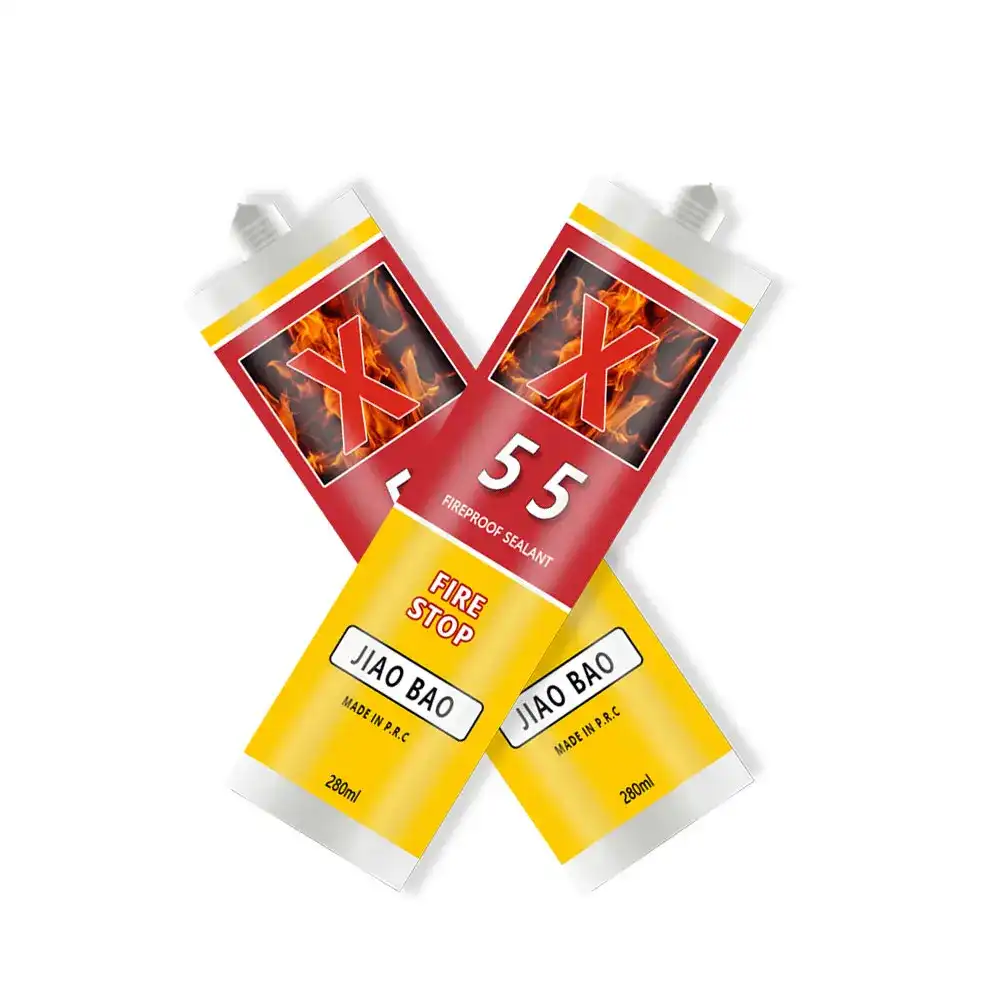
Even high-end sealants don't work as well when they're not used correctly. Adhesion, cure accuracy, and long-term sturdiness are all improved by following tried-and-true steps.
Adhesion strength is directly affected by how clean the substrate is. The best bonding surface is one that is cleaned with solvents or rough materials to get rid of dust, oil, and other loose particles. Porous materials, like concrete, might need to be primed to keep the sealant from being absorbed too much, which would weaken the joint. Light scratching can improve mechanical keying on surfaces that are smooth and don't have pores. Most sealants have trouble sealing when there is moisture present, but RTV formulas can handle a little wetness.
Fireproof Silicone Sealant High Temperature performs best when these general rules are followed, as its high-temperature resistance and fireproof properties rely on a properly prepared surface to form a durable, heat-stable bond. Making sure the surfaces are dry and within the recommended temperature range before applying stops problems with incomplete curing or adhesion that show up weeks later.
Temp and humidity in the air affect how fast something cures and what its final qualities are. Applying sealant in conditions that aren't recommended by the maker could lead to surface flaws or incomplete polymerization. Standard cartridge guns have enough pressure for 300ml volumes, but for big projects, 600ml formats work better with sausage pack dispensers. Cutting nozzles at the right angle makes the bead profile you want. For most joints, 45-degree cuts work best, while flat cuts work best for large gaps. Tooling the bead right after it's been applied improves the look of the surface and pushes material into joint imperfections, which makes the mechanical bond stronger.
When acidic cure sealants heal, they create acetic acid vapors that need to be ventilated properly in tight areas. Putting on gloves keeps your skin from getting irritated and uncured materials from getting dirty. Keeping cartridges in a cool, dry place will extend their shelf life. However, high temperatures or contact to moisture can cause the package to cure too soon. Rotating inventory based on when it was made makes sure that the oldest items are used first, which cuts down on waste from old goods. Keeping accurate records of usage helps predict what will be needed to be bought and finds differences in application rates that could point to problems with the technique or the product itself.
Choosing the right fire-resistant sealants saves important tools and makes sure that safety rules are followed. Specification decisions are based on temperature tolerance, cure characteristics, and substrate compatibility. However, long-term success depends on how reliable the supplier is and how knowledgeable they are about the application. Our acidic one-part RTV silicone sealant has been shown to work well in a variety of industrial settings and is also resistant to heat. Procurement managers are increasingly asking for silicone mixtures to solve high-temperature sealing problems because they strike a good balance between technical ability and operating ease.
Fireproof Silicone Sealant High Temperature is a prime example of such mixtures, offering enhanced flame resistance alongside thermal stability, which directly addresses the critical safety and durability concerns in demanding environments. Knowing about these performance factors helps you make smart choices that lower risk and maximize value over the lifecycle of your equipment.
Professional fire-resistant formulas can usually work constantly from -60°C to +260°C, and they can be exposed to temperatures up to +315°C on occasion. Standard Jiaobao formulation works reliably at -50°C to +150°C, while specialized variants can handle temperatures up to 200°C+ for extreme uses.
As wetness gets deeper, the curing process moves from the surface that is visible to the inside. The surface can be lightly worked on after 45 to 60 minutes of drying. Full cure moves forward about 3 mm every 24 hours, which means that a 6 mm joint needs to be fully cured for 48 hours before it can be used for full service.
Moisture-cure RTV sealants can work on slightly wet surfaces, but they stick better to dry ones. Oily contamination stops the bonding from working right, so it needs to be cleaned with a solvent before it can be used. Before full-scale use, compatibility is checked by testing adhesion on real substrates under planned conditions.
Materials that are resistant to heat keep their qualities at high temperatures while they are working normally. Fire-rated sealants also stop flames and smoke from getting through during an active fire, passing certain time standards like 2-hour or 4-hour ratings required by building codes.
Jiaobao is ready to help you with your high-temperature sealing needs with tried-and-true formulas and full expert support. Our one-part acidic RTV silicone sealant gives industrial equipment the thermal stability and easy application that it needs. It comes in 300ml and 600ml sizes and a variety of colors. As a fireproof silicone sealant high temperature manufacturer with a lot of experience, we offer both ISO-certified production and flexible OEM/ODM options to meet your needs.
You can email our team at dorashen@cnjiaobao.com to talk about your application needs, get product samples, or get full technical data sheets. Our production lead time of one to two weeks and reliable logistics choices keep your buying plan on track, and our quality guarantee protects your investment. You can look at our whole product line at shandongjiaobao.com and learn why businesses around the world trust Jiaobao for important sealing jobs.
1. Johnson, M.R. & Chen, L. (2021). High-Temperature Silicone Sealant Performance in Industrial Applications. Industrial Materials Science Quarterly, 34(2), 145-168.
2. Roberts, T.A. (2020). Fire Protection Systems: Materials Selection and Performance Standards. Cambridge: Industrial Press.
3. Zhang, W. & Anderson, K. (2022). Comparative Analysis of Sealant Technologies for Thermal Cycling Environments. Journal of Manufacturing Engineering, 28(4), 312-329.
4. International Standards Organization (2019). ISO 11600: Building Construction - Jointing Products - Classification and Requirements for Sealants. Geneva: ISO Publications.
5. Miller, D.P. & Thompson, S.J. (2023). Thermal Degradation Mechanisms in Polymer Sealants. Polymer Engineering Review, 41(1), 78-95.
6. National Fire Protection Association (2021). NFPA 101: Life Safety Code - Fire Barrier Penetration Protection. Quincy: NFPA Standards Council.
November 16,2023
Enterprise Name
The sealant has very strong adhesion and performs well even on glass and aluminum. After curing, it remains flexible and shows no cracking. Perfect for our facade projects.
November 16,2023
Enterprise Name
Stable quality across batches. Our customers especially like the smooth application and consistent extrusion. It helps reduce installation time on site.
November 16,2023
Enterprise Name
I used it for bathroom sealing. Excellent waterproof performance and no mold issues so far. It's been holding up very well in humid conditions.
November 16,2023
Enterprise Name
The neutral silicone works well on sensitive materials without corrosion. Very suitable for industrial applications requiring stable performance.
_1779347426672.webp)