November 16,2023
Enterprise Name
The sealant has very strong adhesion and performs well even on glass and aluminum. After curing, it remains flexible and shows no cracking. Perfect for our facade projects.
Jun 30, 2026
PU Auto Glass Sealant is the industry standard for vehicle glazing. In windshield installations, PU Auto Glass Sealants attach glass surfaces strongly, especially for structural stability and weatherproofing. Traditional silicone sealants fill gaps, but PU Auto Glass Sealant formulations chemically bond with glass substrates to form a durable connection that withstands vibrations, temperature extremes, and crash forces while maintaining flexibility throughout the vehicle's lifespan.
Automotive bonding technology has advanced using PU Auto Glass Sealants. Their chemical composition allows these adhesives to make strong covalent interactions with glass surfaces, outperforming standard sealing solutions.
Good PU Auto Glass Sealants include silane-modified polyether resin, which cures with atmospheric moisture. This moisture-cure method turns a paste into a durable elastomer without heat or catalysts. Isocyanate groups in the polymer chain generate urethane linkages that chemically attach to glass silica when applied to appropriately prepared glass surfaces. Chemical adhesion differs greatly from mechanical bonding. PU Auto Glass Sealant formulations penetrate tiny surface imperfections and form molecular bonds, unlike silicone sealants. This is why automobile makers use PU Auto Glass Sealants for structural glazing, where windshields provide stiffness.
Contemporary cars use laminated safety glass for windshields and tempered glass for side windows. PU Auto Glass Sealants work well on both substrates. Laminated windshields have two glass layers and a PVB interlayer. The glue must stick to the glass without deteriorating the PVB core. Due to its heat-treated surface, tempered glass is difficult. Good PU Auto Glass Sealant formulas adapt to maintain adhesion across substrate types. Because it wets out on glass surfaces independent of surface energy, the sealant is useful in glass manufacture.
Professional PU Auto Glass Sealant application involves workplace safety. Uncured material includes reactive components that can irritate skin and lungs. Proper ventilation during application reduces VOC buildup. Technical staff should use nitrile gloves and safety eyewear to avoid skin contact and splashing. Storage conditions greatly affect product performance. Cartridges and sausage packs must be packed until use to avoid moisture-induced curing. Viscosity and extrusion are maintained via temperature control during storage. To attain correct flow characteristics, material held below 10°C may need equilibration to ambient temperature before application.
The material characteristics and formulation chemistry of PU Auto Glass Sealants make them better for automobile glass applications. These traits improve vehicle safety and durability.
Automotive glass installations endure extreme environmental conditions. Temperature changes from -40°C in winter to +90°C on sun-exposed surfaces test adhesive performance. The mechanical characteristics of PU Auto Glass Sealants remain unchanged from cold to heat. The cured adhesive resists environmental deterioration well. UV light damages many polymer systems, however correctly manufactured PU Auto Glass Sealants are unaffected. UV stability inhibits yellowing and chalking, which degrades aesthetics and structure. The cured polymer matrix resists automotive fluids, road salt, and acidic rain, assuring vehicle performance throughout its lifespan.
The tensile strength of premium PU Auto Glass Sealants is approximately 2.2 MPa, resisting pressures that try to separate bonded surfaces. This strength is crucial during collisions when the windshield must remain connected to ensure airbag deployment and passenger compartment integrity. Elongation has comparable importance. As temperatures change, these adhesives support glass and metal body panel expansion with 400% elongation at break. Flexibility minimizes stress concentration at bond surfaces, preventing adhesive failure.
The sealant reduces noise and bond line fatigue by absorbing vehicle construction vibrations. Around 45 Shore A, the material is stiff enough to sustain the glass panel weight and elastic enough to dampen vibrations. Automotive-grade PU Auto Glass Sealant has a balanced property profile, unlike construction sealants that favor hardness or flexibility.
Silicone sealants ruled automobile glass installation before PU Auto Glass Sealant. Silicone is flexible and temperature-resistant, but it lacks adhesive strength for structural glazing. Silicone bonds' mechanical interlocking rather than chemical adhesion reduces peel strength, which is insufficient for current car designs where the windshield adds stiffness.
Acrylic adhesives cure quickly and are strong, but they are fragile and susceptible to shock and vibration. Automotive flexing is too much for the hard polymer network. Acrylics get brittle in cold. PU Auto Glass Sealant compositions blend silicone's flexibility with acrylic's strength without their drawbacks. This balanced performance profile explains PU Auto Glass Sealant's extensive use in automobile manufacture and aftermarket glass replacement.
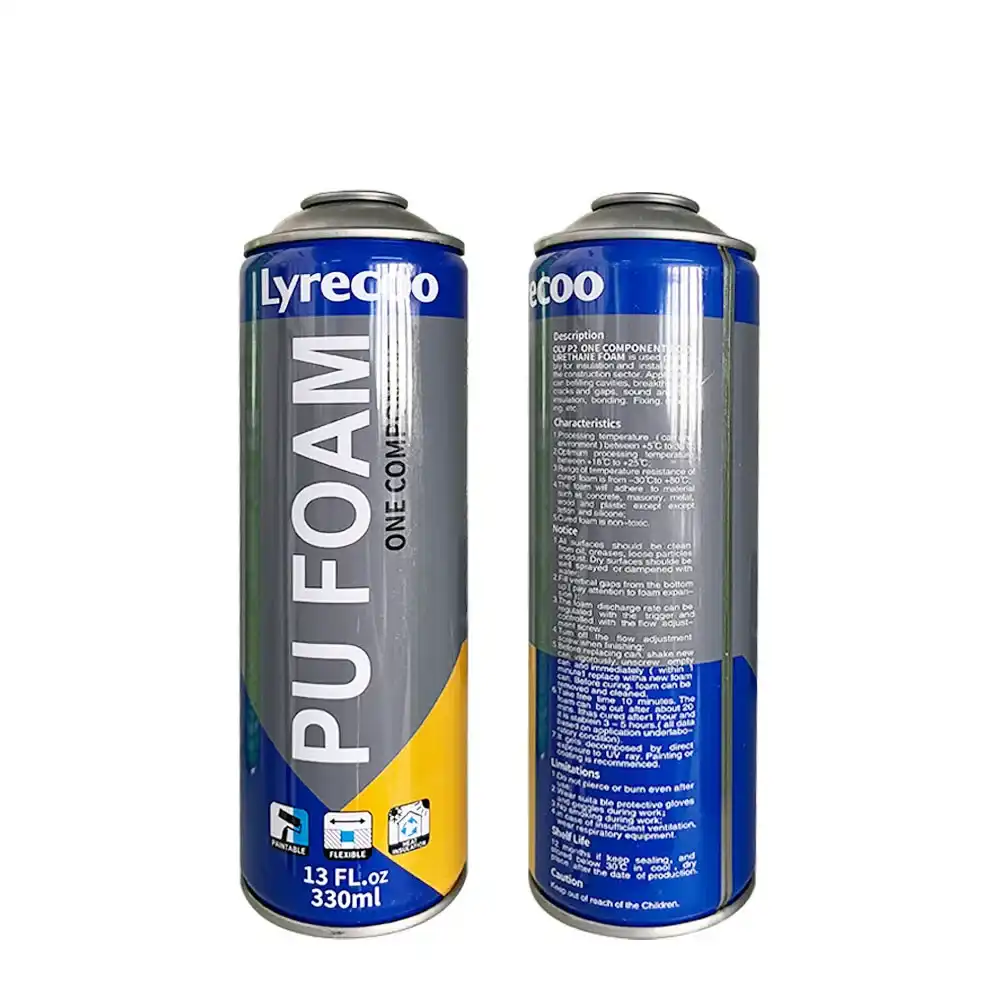
A PU Auto Glass Sealant installation's functionality depends on proper application. Each step improves bond strength and durability.
Adhesion failure is mostly caused by contamination. Glass surfaces collect industrial residues, fingerprint oils, dust, and ambient contaminants that hinder chemical interaction. A thorough clean eliminates these impurities to reveal clear glass. Solvent wiping using 70% or higher isopropyl alcohol begins the cleaning procedure. Lint-free cloths avoid bond-compromising fiber residue. Instead of circularly redistributing pollutants, technicians should wipe in one direction. Wipe each surface until the cloth is uncolored.
Vehicle body metal pinch weld surfaces need pretreatment. Cleanup of old adhesive, corrosion, and loose paint guarantees substrate contact. Wire brushing and solvent cleaning prepare metal for bonding. Some applications benefit from primer on metal surfaces, improving adhesion and corrosion prevention.
Material flow is affected by cartridge preparation. Cut the nozzle 45 degrees to get the required bead width for accurate material application. For adequate material volume without squeeze-out, the cut hole diameter should equal the gap width. To avoid air gaps and irregular flow, secure the plunger against the cartridge base while loading a pneumatic or manual dispensing pistol. Consistent pressure creates homogeneous bead width and height. Pressure fluctuations reduce sealing efficacy and aesthetics.
Without gaps or thin portions, the adhesive bead should wrap around the glass. Consistent bead height guarantees enough material to cover the glass-body structure gap. Automotive applications use triangular bead profiles for excellent surface contact on both substrates and controlled squeeze-out during glass placement, and PU Auto Glass Sealant is well-suited for this purpose due to its balanced stiffness and elasticity.
Humidity and temperature greatly impact PU Auto Glass Sealant cure. Surface skin forms in 25-40 minutes at 25°C and 50% humidity. Glass position modifications are available during this tack-free time. Standard circumstances allow 3.5 mm of cure depth every day. Safe drive-away time—the minimal cure duration before the vehicle may safely operate—is the key parameter. Formulation chemistry, ambient circumstances, and application strength determine this time. Customers get automobiles when professional installers confirm cure conditions support the promised drive-away time. Low humidity and cold cause long cure periods. Winter installations may require longer wait times or heat lamps for curing. However, hot humid circumstances speed cure, which might reduce working time if material skins over before glass positioning.
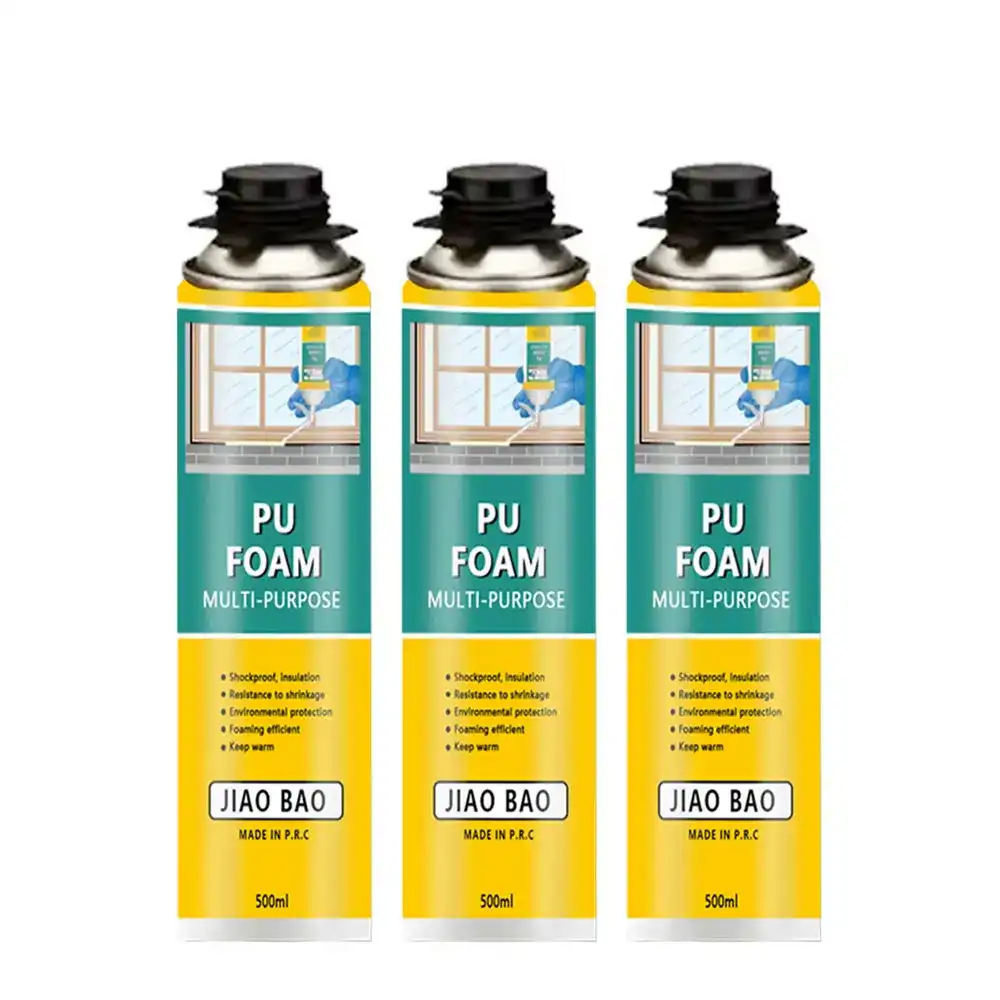
PU Auto Glass Sealant B2B procurement decisions must balance project costs and operational effectiveness.
Certification qualifications underpin supplier evaluation. ISO 9001 certification shows manufacturing controls and uniformity. Automotive OEM suppliers often have IATF 16949 certifications. Products' performance testing is documented. Reputable producers give technical data sheets on tensile strength, elongation, hardness, and environmental resistance. Performance claims are supported by third-party lab findings. Production capacity and consistency are crucial to supply agreements. PU Auto Glass Sealant manufacturers using dedicated manufacturing lines have higher batch-to-batch consistency than those using shared equipment. Major customers should request factory visits to evaluate manufacturing capabilities.
Price analysis must include entire cost of ownership, not just unit price. Longer cure durations for cheaper items lower manufacturing or service bay throughput, raising labor costs despite material savings. Short-lived products waste due to expiry, whereas PU Auto Glass Sealant balances performance and longevity to minimize total ownership cost. Quality affects warranty claims and rework rates. Product adhesion failures that cause costly callbacks and ruin customer relationships are reduced by industry performance standards. Manufacturer warranty conditions and failure investigation processes should be reviewed by procurement teams. Delivery dependability and volume capacity prevent production disruptions. Suppliers must meet contracted quantities within lead times with sufficient inventory and manufacturing. Scaling supplies as firm expands minimizes supplier transitions during expansion.
Specific PU Auto Glass Sealant formulation modifications improve performance in many applications. Custom color matching lets sealants match car body colors for obvious aesthetics. For individual operating needs, formulation adjustments might modify cure speed, working duration, or performance attributes. Private label initiatives let distributors and service chains develop brand identification using manufacturer knowledge. Custom formulation minimum order numbers are more than normal product orders, but the differentiating value frequently justifies it. Brand awareness and marketing goals are supported by customized packaging.
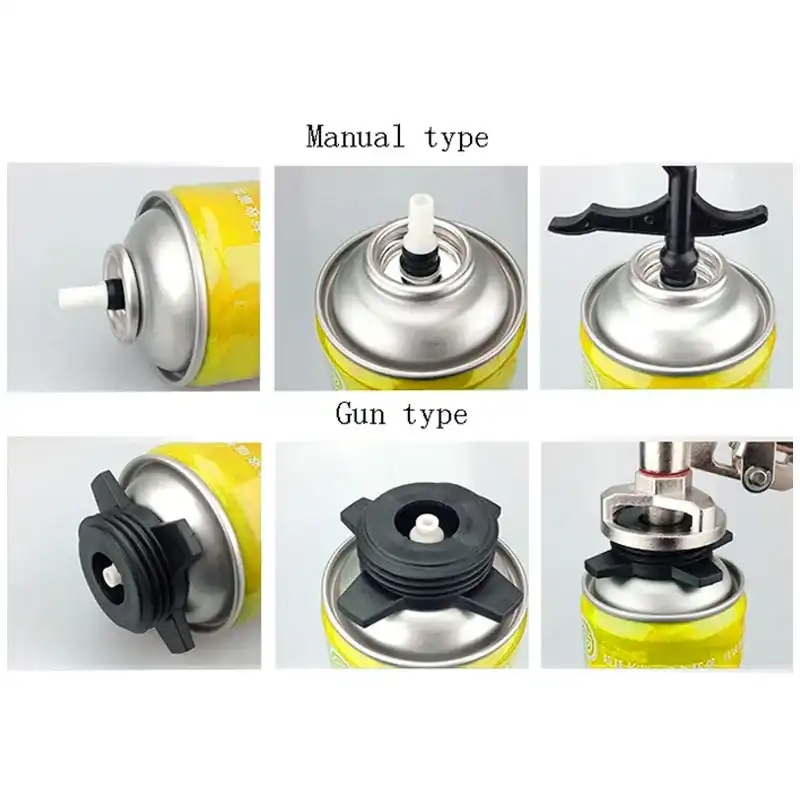
PU Auto Glass Sealant's strength, flexibility, and environmental resilience have changed vehicle glass installation. Automotive servicing involves frequent bending and temperature changes, yet chemical bonding offers structural stability that improves vehicle safety. Understanding material qualities, application requirements, and procurement factors helps B2B buyers make educated decisions that improve project success and operating efficiency. Further improvements in PU Auto Glass Sealant formulations will improve vehicle glass installation quality and dependability.
Formulation chemistry and application circumstances determine primer needs. Many new PU Auto Glass Sealants attach straight to clean glass surfaces without priming. The windshield perimeter ceramic frit band bonds well without primer. Some professional systems require black primer to limit UV light penetration that might weaken the adhesive bond line over time. Chemical adherence to glass coatings and metal substrate corrosion protection are improved by primer. Best practice is to follow the sealant manufacturer's application-specific instructions.
The catalyst for PU Auto Glass Sealant cure chemistry is moisture, hence humidity levels affect cure pace and characteristics. Humidity speeds cure, decreasing tack-free and drive-away time. Due to slow cure rates, dry areas and winters with low humidity may increase safe drive-away time beyond conventional limits. Professional installers in low-humidity conditions may employ moisture accelerators or humidifiers to maintain cure rates. Warm humid circumstances cure fastest, whereas cold dry settings cure slowly.
Automatic vehicle washes employ alkaline detergents and acidic spot removers, but quality PU Auto Glass Sealant formulas withstand them. The completely cured polymer network resists various cleaning chemicals without softening, swelling, or losing glass adherence. This chemical resistance applies to gasoline, diesel, motor oil, and other windshield-contacting vehicle fluids. Professional glass installations utilizing PU Auto Glass Sealants have a long service life due to chemical resistance.
Jiaobao is a trusted maker of professional adhesives for the automotive and construction sectors worldwide. After 13 years of specialist manufacture, we have perfected our formulas and manufacturing methods to fulfill structural glazing application requirements. Our ISO-certified plant makes reliable, high-performance goods in many colors and unique compositions for your project. Flexible 300ml and 600ml cartridge or sausage packaging to meet your dispensing equipment is available.
Competitive pricing and 1-2 week production lead times assure supply chain efficiency and quality. Our technical staff helps you choose products and troubleshoot applications for OEM manufacturing or aftermarket distribution. Talk to our procurement professionals at dorashen@cnjiaobao.com and request product samples to prove our quality and performance.
1. Cognard, P. (2006). "Adhesives and Sealants: General Knowledge, Application Techniques, New Curing Techniques." Handbook of Adhesives and Sealants, Volume 2.
2. Petrie, E.M. (2007). "Handbook of Adhesives and Sealants." McGraw-Hill Professional Engineering Series.
3. Habenicht, G. (2009). "Applied Adhesive Bonding: A Practical Guide for Flawless Results." Wiley-VCH Technical Publications.
4. Packham, D.E. (2005). "Handbook of Adhesion Technology." Springer Materials Science Series.
5. Comyn, J. (1997). "Adhesion Science." Royal Society of Chemistry Paperbacks.
6. Gent, A.N. (2012). "Engineering with Rubber: How to Design Rubber Components." Hanser Publications, Third Edition.
November 16,2023
Enterprise Name
The sealant has very strong adhesion and performs well even on glass and aluminum. After curing, it remains flexible and shows no cracking. Perfect for our facade projects.
November 16,2023
Enterprise Name
Stable quality across batches. Our customers especially like the smooth application and consistent extrusion. It helps reduce installation time on site.
November 16,2023
Enterprise Name
I used it for bathroom sealing. Excellent waterproof performance and no mold issues so far. It's been holding up very well in humid conditions.
November 16,2023
Enterprise Name
The neutral silicone works well on sensitive materials without corrosion. Very suitable for industrial applications requiring stable performance.
_1779347426672.webp)