November 16,2023
Enterprise Name
The sealant has very strong adhesion and performs well even on glass and aluminum. After curing, it remains flexible and shows no cracking. Perfect for our facade projects.
Jul 28, 2026
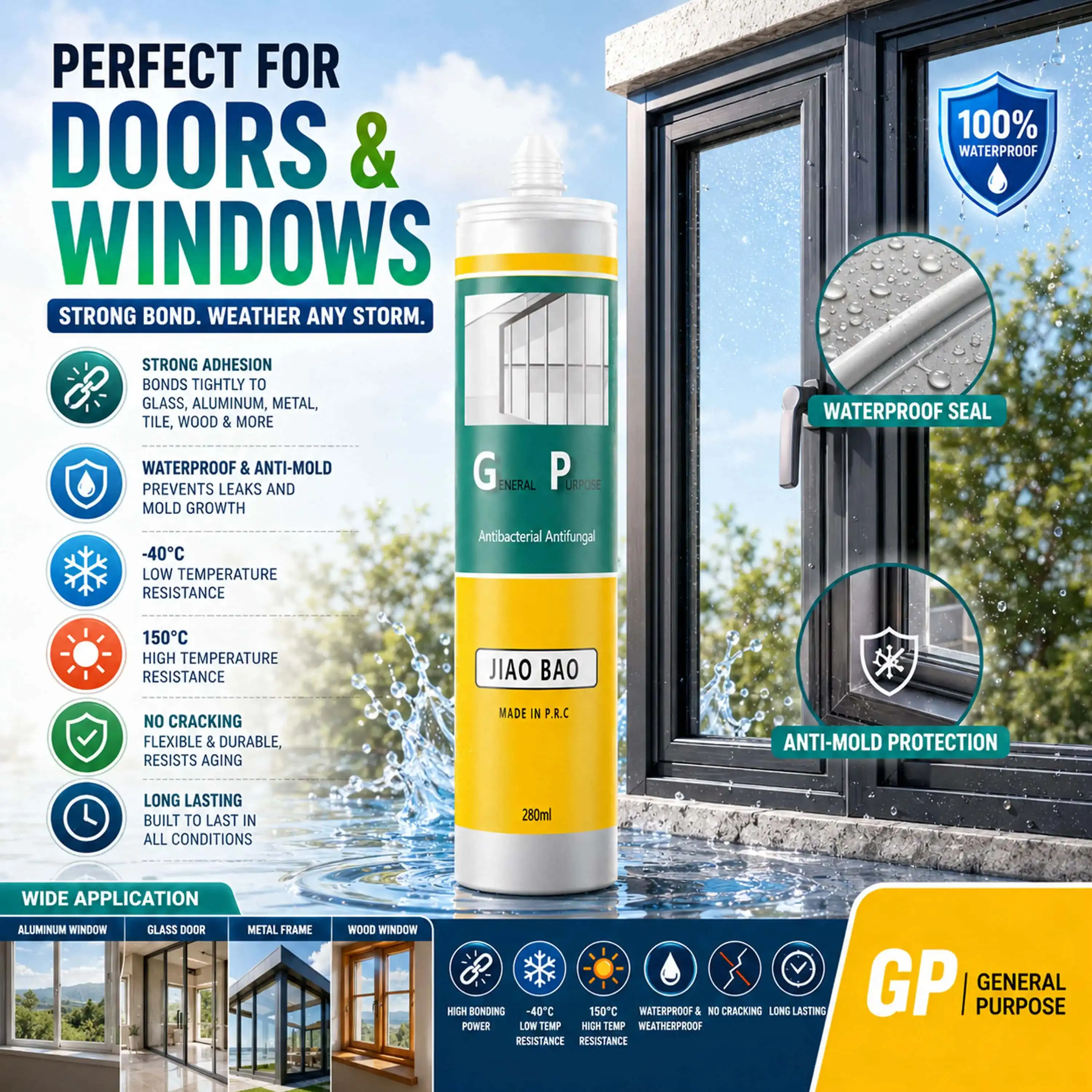
When searching for the best silicone sealant for aluminum frame installation, GP Silicone Sealant for Glass and Aluminum stands out as a trusted solution in the construction and manufacturing sectors. This one-component, moisture-curing acidic sealant delivers reliable performance across residential, commercial, and industrial applications. With a tack-free time of just 15 minutes and tensile strength exceeding 300%, it addresses the critical needs of curtain wall companies, door and window fabricators, and general contractors who demand weather resistance, strong adhesion, and consistent quality for project-based procurement.
To pick the right sealing material for aluminum frames, you need to know how GP Silicone Sealant for Glass and Aluminum seals work chemically. These items are made as one-part Room Temperature Vulcanizing (RTV) mixtures that harden when exposed to wetness in the air. They go from being a paste to a strong rubber seal without the need for heat or special tools.
Our GP Silicone Sealant for Glass and Aluminum uses an acetoxy fix method, which makes it great for weather sealing jobs that aren't on structures. There are polydimethylsiloxane polymers in the mixture that give it its flexibility and temperature stability. Acetic acid is released as a byproduct during the curing process. This gives the vinegar smell and allows skin to form quickly within 15 minutes at standard conditions of 23°C and 50% relative humidity.
It's clear from the technical specs why this glue works so well in harsh conditions. Shore A hardness of 18 means the consistency is soft and bendable enough to handle changes in temperature between glass and aluminum surfaces. The strongest bond strength is 1.5 MPa, which is strong enough for weather sealing needs in curtain wall systems and window installs. The tensile rate being over 300% means that the finished sealant can stretch a lot during building movement cycles without coming apart or pulling away from surfaces that it is attached to.
Installing an aluminum frame is always hard because of the surroundings. When the temperature changes, different materials expand and contract at different rates. This puts stress on parts that are sealed. No matter the temperature, from -50°C to +150°C, our sealant keeps working properly. In cold places, it keeps things from breaking, and in hot places, it keeps things from falling apart. This wide operational range is important for projects in a lot of different places, from cold northern regions to hot southern states.
The anti-ultraviolet and ozone-resistant mixture takes care of another important issue for outdoor uses. Long-term UV exposure can break down many lower-grade sealants, causing surface chalking, discoloration, and eventually seal failure. Our GP Silicone Sealant for Glass and Aluminum is resistant to these ways that things break down, so it keeps its usefulness and good looks for a long time. This means that upkeep costs will go down and project managers and building owners will have more faith in their warranties for longer.
This glue works best on glass and aluminum, but it can also be used on other materials as well. The product sticks well to painted, stone, clay tiles, and concrete surfaces. This means it can be used in complex building assemblies where different types of materials meet. This flexibility makes buying easier for workers working on projects with a mix of materials, since they don't have to keep a lot of different types of sealant on hand.
The product comes in three basic colors: white, black, and grey. For projects that need exact color matching, the product can be customized. For high-end home, business, and hotel projects where consistency in appearance is important, this feature meets the needs. Color-matched seals make it look like there is no break between the frame parts and the sealed joints, which improves the look of the whole installation.
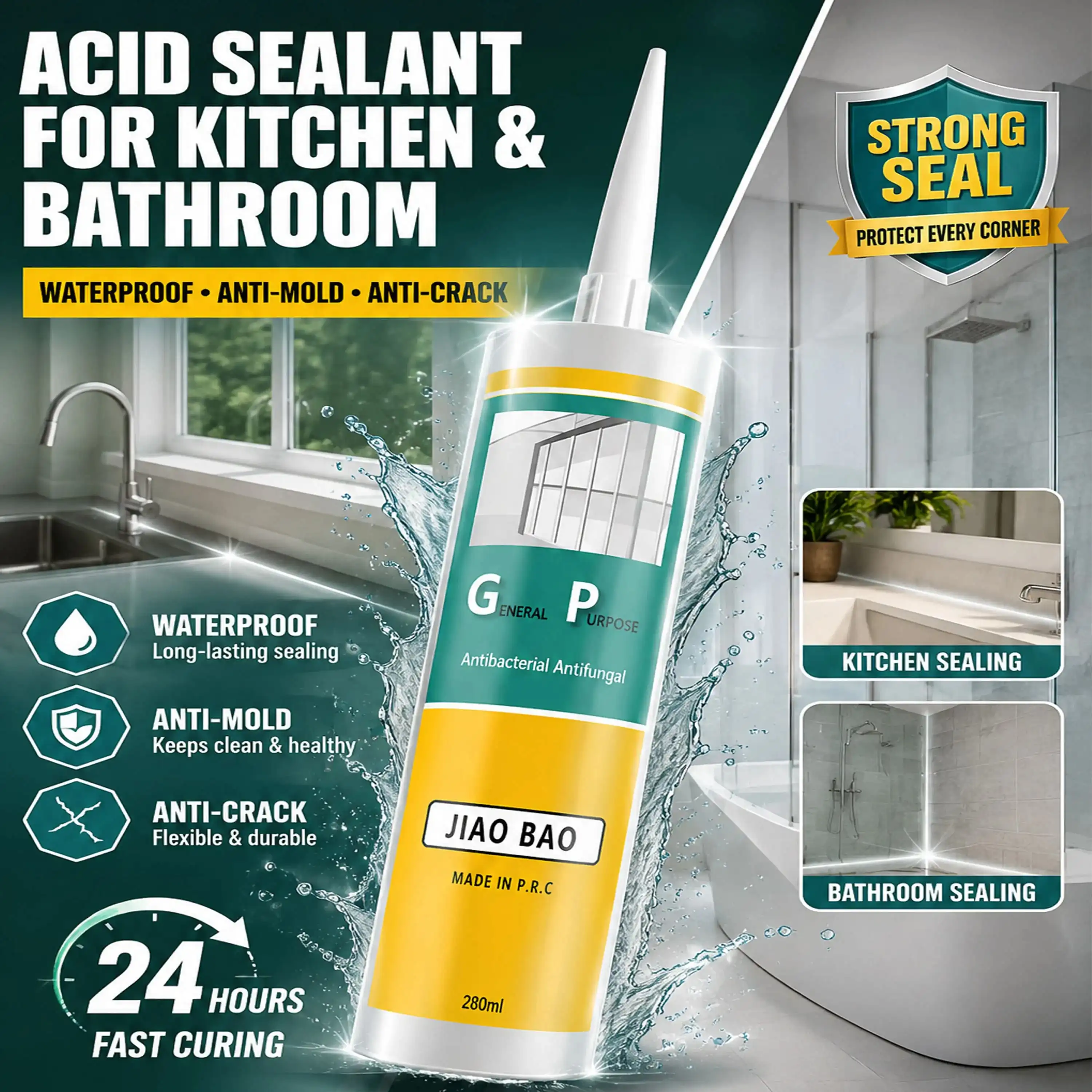
When purchasing managers look at sealing solutions, they have to choose between GP Silicone Sealant for Glass and Aluminum, acrylic, and polyurethane. Knowing the differences in performance helps match the product choice to the needs of the project and the expected long-term value.
People who want to save money on the initial cost and paintability like acrylic sealants. These water-based items are easy to clean up, and once they're dry, they can be painted over. Acrylic formulas, on the other hand, have big problems when used with aluminum frames. They aren't as flexible as silicone, only stretching 200 to 250% on average, while our silicone can stretch 300% or more. This less flexibility causes cracks to appear too soon when the building moves more than the sealer can handle.
Another important difference is weather resistance. Acrylic sealants break down more quickly when exposed to UV light and lose their stickiness after being wet and dried several times. Silicone's hydrophobic features make it a better choice for outdoor curtain wall uses where water infiltration is more likely to happen during storms. The silicone formula doesn't soak up water; instead, it pushes it away, so the seal stays intact even after being exposed to driving rain for a long time.
Polyurethane seals are in the middle of acrylics and silicones. They are more flexible than acrylics but can still be painted. However, polyurethane products need careful control of moisture during application and are sensitive to the quality of the substrate preparation. Polyurethane formulations are more likely to fail at adhesion than silicone formulations when the surface is not cleaned properly.
Another benefit of silicone is that it doesn't react with chemicals. Cleaning agents, pollution, and acidic weather can get into sealed joints in industrial settings. Silicone's performance stays the same when it comes to these chemicals, but polyurethane can soften or swell when it comes in contact with some solvents and industrial chemicals. This chemical stability makes sure that companies that make HVAC equipment and electronics can depend on them for a long time, even in harsh production settings.
There is a wide range of quality in the sealant market, especially at the cheaper end where oil-extended products are most common. To lower the cost of making them, these lower-grade silicones use mineral oils and petroleum solvents as extenders. When applied, these extenders look the same, but when they cure, they vanish, causing the seal to shrink too much, which stresses it out and causes it to fail early.
Quality signs help buyers tell the difference between real high-performance goods and ones that are oil-extended. Testing for shrinkage shows how much silicone is really in a product. High-quality products shrink less than 5% after full cure, while oil-extended formulations can shrink 15–25%. The high solids percentage in our GP Silicone Sealant for Glass and Aluminum keeps it from shrinking too much, so its dimensions stay the same over time. If you store it properly between 5°C and 25°C, the product will last for 12 months. This means that the chemistry of the mixture is steady and there is no early crosslinking or phase separation.
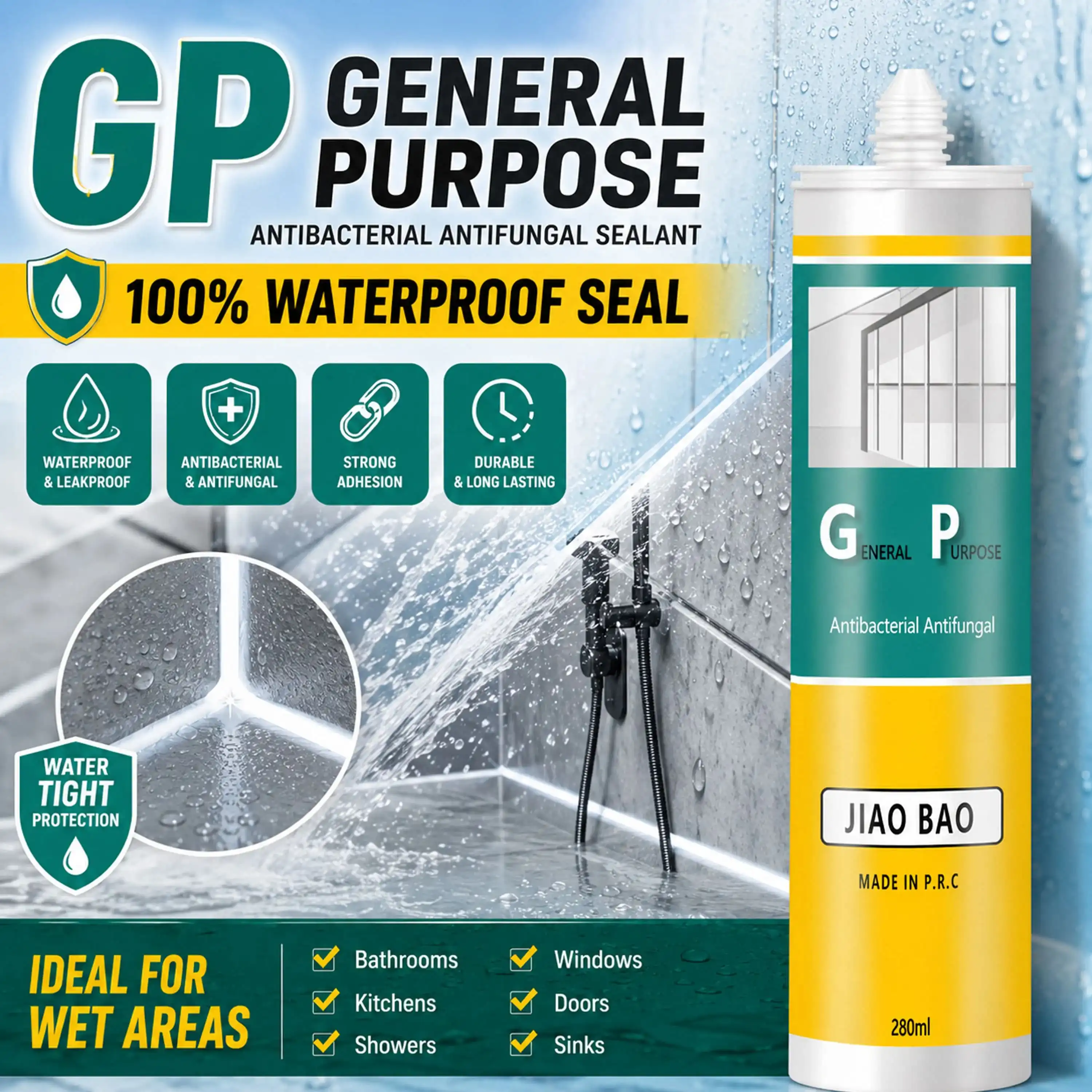
The right way to apply the GP Silicone Sealant for Glass and Aluminum has a direct effect on how long it lasts and how well it works. Even the best sealant won't work if it's put on dirty surfaces or in joints that aren't designed correctly. These rules help engineering teams and workers get results that are up to professional standards and reduce the number of callbacks and guarantee claims.
Surfaces that are clean and dry are the best for sticking things to them. Aluminum surfaces pick up manufacturing oils, handling residues, and environmental pollutants that make it hard for sealants to stick. The most reliable way to get ready is to use two cloths and solvent to clean. Using the first cloth, wipe the base clean with isopropyl alcohol or another acceptable solvent. Use a second clean, dry cloth right away to wipe up any dissolved dirt before the solvent evaporates. This method keeps oils from re-applying and keeps the sealing surface clean.
Acetoxy silicone can usually be used on anodized and powder-coated aluminum surfaces without a primer. But aluminum with a mill finish has reactive surface oxides that can rust when it comes in contact with acetic acid while it's fixing. For aluminum that hasn't been treated, neutral-cure silicone formulations are safer options, or surface primers can protect the substrate from acid. Cleaning glass surfaces is similar, but extra care needs to be taken to get rid of any release agents that were used when the glass was made.
The shape of the joint has a big effect on how well the glue works. The best depth-to-width ratio for silicone sealants is between 1:2 and 1:1. This range saves material and improves mechanical performance. Joints that are too shallow don't have enough sealing mass to handle stress, and joints that are too deep lose material and take longer to cure. Installing a backer rod limits the depth of the joint and stops three-sided adhesion, which makes it harder for the glue to move and raises the risk of failure.
To get uniform bead profiles, gun application needs steady pressure and steady movement speed. The 15-minute tack-free time gives you a chance to work on the sealant surface, but the speed of cure depends on how humid it is. Dry conditions make the tack-free time longer, while high humidity speeds up the drying process. Tooling should make a curved shape that looks good, helps with weatherproofing, and keeps extra sealant from squeezing out onto nearby surfaces.
In normal conditions, curing moves from the top that is visible to a depth of about 3–5 mm every 24 hours. In normal joints, a full heal takes 7–14 days, but this depends on the size of the joint and the weather. During this time, keep joints away from things like mechanical stress, water, and dirt that could stop the polymerization process from finishing.
Protocols for regular inspections help find early signs of problems that might happen. Check that there is good bonding at all joint contacts. Look for separation gaps that mean the surface wasn't prepared well enough or there was too much movement stress too soon. Cohesive splitting within the sealant body means that the joint is moving too much for the sealant to handle, or that the product quality is oil-extended. Discoloration or chalking on the surface is a sign of UV degradation, but this doesn't happen very often with good silicone formulations during normal warranty periods.
Strategic buying choices take into account the quality of the products, their prices, how reliable the suppliers are, and how well they can help customers. Understanding the procurement landscape and evaluation criteria is helpful for business-to-business buyers working on big projects or building long-term supply relationships.
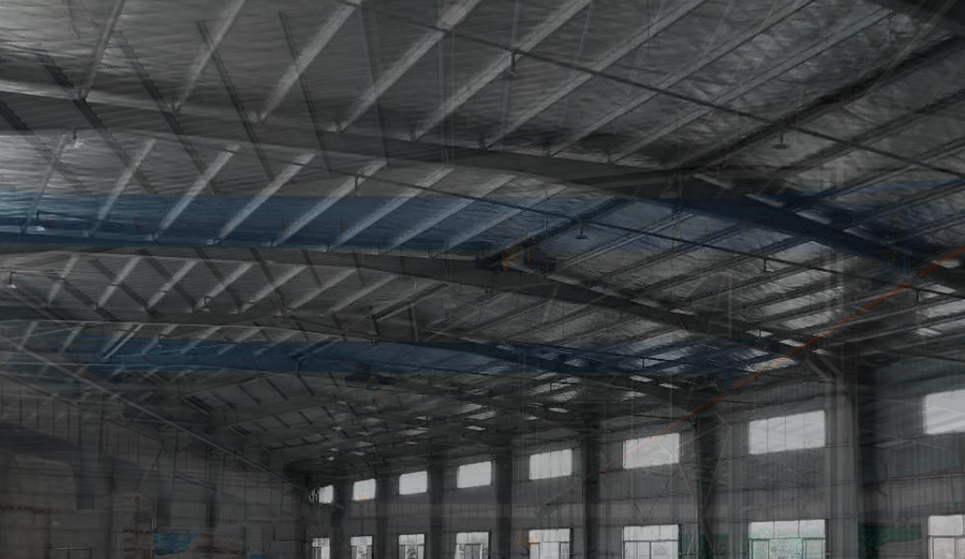
For buyers who buy a lot, having a direct relationship with the maker can help with quality control, expert support, and price flexibility. Shandong Jiaobao New Material Co., Ltd. is an example of a manufacturer-direct business. It has been in business since 2013 and specializes in neutral and colored GP Silicone Sealant for Glass and Aluminum for building use. The company has been making things for 13 years and has ISO approval and quality control methods in place that make sure that each batch performs the same way.
Sealant prices depend on many things, such as the cost of raw silicone, the type of packaging, the amount that needs to be ordered, and how the product will be delivered. Standard 300ml cartridge packaging works well for smaller projects and maintenance work with a handgun, while 600ml sausage formats cut down on waste and material costs in high-volume production settings. Negotiations for bulk purchases usually start at pallet quantities, and prices get better for promises of container loads.
Buying from Asian makers can save you money, but you have to be careful with freight logistics, customs rules, and managing wait times. It takes 3–4 weeks for sea freight to get from China to US ports, plus extra time for clearing customs and traveling inland. Planning purchase cycles around project plans and adding enough lead time buffers can keep projects from being delayed, which can be very expensive. Suppliers with production lead times of one to two weeks offer responsive service that can work with changes to a project's schedule.
Before making a large pledge, the most important step is to evaluate a sample. As formulations can differ between product lines, ask for samples that come in the exact packaging and color specifications that will be used in production. Test the adhesion on real project substrates in situations that are typical of the surroundings. Adhesion quality can be seen by simple peel tests; good performance shows cohesive failure, which means the GP Silicone Sealant for Glass and Aluminum tears apart instead of pulling neatly off the base.
When reviewing documents, make sure that the certifications fit the project requirements. ASTM C920 compliance sets uniform standards for elastomeric joint sealants' performance, including their ability to move, stick, and resist weathering. Products must be checked to meet specific fire protection standards for projects that need them. European standard compliance (EN 15651) may be needed for projects with foreign requirements or for owners who want global standards to be harmonized.
There's more to choosing a sealer provider than just looking at technical data sheets. The long-term success of a project depends on how reliable the manufacturer is, how well they can support their products, and how well they have done in real-world applications. Jiaobao markets itself as a specialized partner for manufacturing and construction professionals who need consistent quality and quick service.
Our GP Silicone Sealant for Glass and Aluminum is used by curtain wall companies that put up glass and aluminum facades on commercial high-rises, door and window processing plants that make products for homes, and general contractors who seal the outside of buildings. This wide range of uses shows that the composition is strong even when the installation conditions, material combinations, and performance needs change. Weather resistance and longevity are important for a wide range of projects, from home buildings to business complexes.
Manufacturing standards, such as ISO system approval, show that quality management is used throughout the whole production process. The CE mark shows that a product meets European standards for health, safety, and the environment. This is important for people who are exporting or buying goods for international projects. These licenses that have been checked by a third party lower the risk of buying something and make it easier for builders and engineers to approve specifications.
Color-matching services are designed to meet the needs of high-end home, hotel, and business projects that care about how things look together. Matching colors from the RAL color chart makes sure that they work perfectly with aluminum finishes and building color schemes. Maintaining batch consistency is important for large-scale installations where color differences would be easy to see because it keeps colors uniform across project phases and multiple delivery shipments.
OEM and ODM services help distributors and private label brands that need custom packaging, formulations that are made to fit the needs of the local climate, or specific performance traits. Technical support teams help fix problems with applications, make shared design suggestions, and come up with specifications that make sure the right products are chosen based on the performance needs of the project. Instead of just buying standard products, this collaborative approach helps buyers improve the performance of the whole system.
With production lead times of just one to two weeks, orders can be filled quickly and easily, even when project schedules change or deadlines get pushed back. Flexible shipping choices, such as sea freight or fast land transport, let you find logistics solutions that fit your needs and your budget. For buyers who buy a lot, container-load efficiency lowers the cost of freight per unit, while less-than-container consolidation options are better for buyers who buy less.
As part of the after-sales service, companies promise to repair or refund products with known quality problems within the shelf life term. This guarantee shows that the company that made the product is confident in its quality and lowers the risk for the buyer. Email communication at dorashen@cnjiaobao.com makes sure that procurement teams get answers to their questions, including technical ones, and get reports on the progress of their orders as they go through the buying process.
To choose the best GP Silicone Sealant for Glass and Aluminum for installing an aluminum frame, you need to weigh the technical performance, the needs of the application, and the supplier's capabilities. GP Silicone Sealant for Glass and Aluminum gives construction and manufacturing professionals the weather resistance, adhesion strength, and temperature tolerance they need. Sealants work best when they are applied correctly, and buying them in bulk from dependable companies like Jiaobao makes sure that the quality stays the same and the supply chain is reliable. Formulation chemistry that has been tested, full certifications, and helpful customer service all work together to make a complete package that can be used for both short-term projects and long-term supply relationships. Investing in good sealing materials protects building envelopes, lowers upkeep costs, and helps household, business, and industrial projects get finished successfully.
When acetoxy GP Silicone Sealant for Glass and Aluminum cures, it releases acetic acid, which can eat away at metals like untreated mill finish aluminum, copper, and brass. Most of the time, acetoxy finishes work well with anodized or powder-coated aluminum finishes. For aluminum projects with a mill finish, choose neutral-cure silicone options or use the right primers to keep metal surfaces that are reactive from acid during the hardening process.
When a seal fails too soon, it's usually because the hydrocarbon solvents in the sealant evaporate too quickly after application. When these extenders are taken out of the cured sealant, they shrink too much, which puts too much stress on the material inside that is stronger than it can handle. This causes the material to split or peel away from substrates. Good GP Silicone Sealant for Glass and Aluminum with a lot of solids keeps its shape and stops this kind of failure from happening because it shrinks very little.
Surface preparation has a big effect on how well something sticks to a surface. Isopropyl alcohol can be used with the two-cloth solvent method to clean aluminum. The first towel uses a detergent to get rid of dirt, dust, and oils. Wipe it off right away with a second clean, dry cloth, before the solvent evaporates and stops the contaminants from sticking back down. This method makes sure that the bonding surfaces are spotless, which increases the strength of the bond and makes the seal last longer over time.
Jiaobao has been a specialized manufacturer for 13 years and can help you with your aluminum frame covering needs. As a provider of GP Silicone Sealant for Glass and Aluminum, we have ISO approval, production wait times of one to two weeks, and full OEM/ODM customization for color matching and formula changes. We help procurement teams find reliable long-term supply partnerships by offering competitive pricing, flexible volume commitments from samples to container loads, and quality guarantees backed by replacement assurance. Email our team at dorashen@cnjiaobao.com to get technical specs, set up a sample evaluation, or talk about price for large orders for future projects. Our quick support helps you lower the risks of buying things and make sure that the quality is always the same for tough curtain wall, fenestration, and architectural sealing jobs.
1. Smith, J.R., & Anderson, M.K. (2019). Silicone Sealants in Modern Construction: Chemistry, Performance, and Application. Construction Materials Press.
2. National Fenestration Rating Council. (2021). Technical Guidelines for Glazing System Sealants in Aluminum Frame Assemblies. NFRC Technical Paper Series.
3. Williams, D.T. (2020). "Comparative Performance Analysis of Elastomeric Sealants in Curtain Wall Applications." Journal of Building Envelope Technology, 45(3), 127-145.
4. American Society for Testing and Materials. (2022). ASTM C920: Standard Specification for Elastomeric Joint Sealants. ASTM International Standards.
5. Chen, L., & Rodriguez, P. (2018). Adhesion Science for Construction Sealants: Substrate Preparation and Interface Chemistry. Architectural Materials Publishing.
6. Building Envelope Council. (2023). Best Practices Guide: Selection and Application of Sealants for Aluminum-Framed Glazing Systems. Building Envelope Research Consortium.
November 16,2023
Enterprise Name
The sealant has very strong adhesion and performs well even on glass and aluminum. After curing, it remains flexible and shows no cracking. Perfect for our facade projects.
November 16,2023
Enterprise Name
Stable quality across batches. Our customers especially like the smooth application and consistent extrusion. It helps reduce installation time on site.
November 16,2023
Enterprise Name
I used it for bathroom sealing. Excellent waterproof performance and no mold issues so far. It's been holding up very well in humid conditions.
November 16,2023
Enterprise Name
The neutral silicone works well on sensitive materials without corrosion. Very suitable for industrial applications requiring stable performance.
_1779347426672.webp)