November 16,2023
Enterprise Name
The sealant has very strong adhesion and performs well even on glass and aluminum. After curing, it remains flexible and shows no cracking. Perfect for our facade projects.
Jul 28, 2026
Polyurethane automotive glass adhesive represents a critical bonding solution engineered specifically for securing windshields, rear windows, and side glass in modern vehicles. Known formally as PU Automotive Glass Adhesive Sealant, this one-component moisture-curing material transforms from a thixotropic paste into a durable elastomeric bond that contributes directly to vehicle structural integrity. Unlike mechanical fastening systems or traditional rubber gaskets, polyurethane adhesives chemically bond glass to metal frames, creating a permanent seal that enhances crashworthiness, reduces noise and vibration, and prevents water intrusion under extreme operating conditions.
PU Automotive Glass Adhesive Sealant is made from prepolymers that end in isocyanate and react with water in the air. This moisture-cure method creates a cross-linked network of polymers that have great mechanical properties. Silicone-based adhesives work with siloxane bonds, but this chemistry is very different. Urethane links in polyurethane give it better tension and shear strength, which is why they are essential when the glue needs to be a structural element as well as a seal.
Polyether resins that have been changed by silane are often used in modern recipes to improve substrate binding and lower cure sensitivity. This high-tech material is used in our Jiaobao product, which has a tensile strength of 2.2 MPa and an elongation at break of 400%. Under normal conditions, the sealant hardens at a rate of about 3.5 mm per day. This ensures a strong bond without needing a lot of downtime.
PU Automotive Glass Adhesive Sealant works best when they are a good balance of being hard and flexible. Shore A hardness is usually between 45 and 70, which is stiff enough to carry loads while also allowing for thermal expansion and frame flex. The 99% solid material in good formulas like ours keeps the shape of the beads and the contact pressure across the bond line constant while they cure.
Thixotropic behaviour keeps the material from sagging on vertical surfaces, so you can precisely apply triangular beads that cover the most surface area without sagging. This rheology is especially useful for manual applications, like those that happen a lot in shops that repair aftermarket glass where techs don't have automatic dispensing equipment.
The auto industry is switching to PU Automotive Glass Adhesive Sealant because of rules and requirements for design. Federal Motor Vehicle Safety Standard 212 says that the windscreen must stay in place during rollover accidents. Up to 30% of a vehicle's torsional stiffness can come from polyurethane links. This means that the windscreen is basically a load-bearing structural part. Because of this combination, engineers can cut down on body reinforcements, which makes the car lighter without lowering its safety.
For proper deployment, passenger airbag systems depend on the windscreen being held in place. When the car is hit from the front, the airbag inflates and presses against the windscreen, protecting the people inside. If the bond fails, the glass could fly out, making the airbag useless and greatly raising the risk of harm. For this safety-important job, you need adhesives that have been tested in crashes and shown to work. Polyurethane formulations constantly meet this need, even when exposed to high temperatures and ageing conditions.
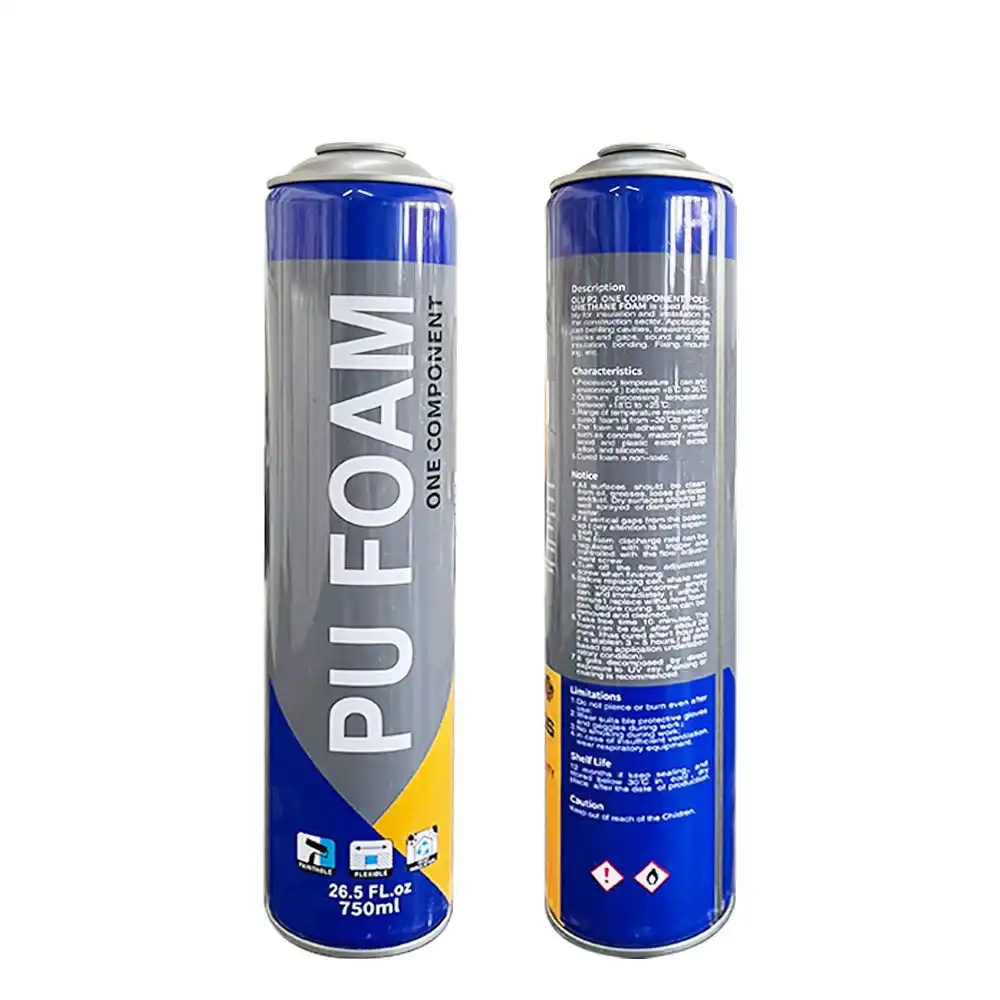
Picking the right adhesive technology has a direct effect on how quickly and cheaply products are made, how much warranties cost, and how safe the end user is. PU Automotive Glass Adhesive Sealant offers measurable benefits in a number of performance areas.
Putting together automotive glass assemblies means sticking together different kinds of materials, like ceramic frits, electro-coated steel, aluminium, painted surfaces, and tempered or laminated glass. Polyurethane chemistry reliably sticks to this type of substrate without requiring a lot of surface preparation. Our silane-modified mixture sticks well to glass, metal frames, and painted surfaces without starters in many situations. For best results, however, cleaners and activators should still be used.
This ability to work without a base makes the process simpler and lowers the cost of materials in places where a lot of products are made. The glue reacts chemically with hydroxyl groups on glass surfaces and mechanically interlocks with porous ceramic frits. This creates a mix of adhesion processes that can withstand both tensile and shear forces.
Thermal cycling puts a lot of stress on the bonds in auto glass. Different metals and glasses have different coefficients of thermal expansion, which means that their sizes change when the temperature goes from -40°C to +90°C. The adhesive can handle these differences in movement without getting microcracks or losing its stickiness because it has a 400% elongation capacity.
The frame of a vehicle bends when it's moving because the structure moves over rough ground. The viscoelastic qualities of our PU Automotive Glass Adhesive Sealant take in these changes in motion, keeping stress from building up at the edges of the bond, which could cause cracks to spread. This compliance makes the service life longer, even in tough situations like commercial vehicles that are constantly loaded and vibrated.
Scheduling production and making things easy for customers depend on how fast things cure. Safe Drive-Away Time is the amount of time needed for the adhesive to reach a power that lets the car run without the risk of breaking. Our mixture hardens to a smooth, tacky surface in 25 to 40 minutes in the summer and 15 to 30 minutes in the winter. As the cure front moves through the bead, the functional strength increases gradually.
Cures depend on how much moisture is available. More humidity speeds up cross-linking, while dry air in the winter slows it down. Cure kinetics is also affected by temperature, with the best results happening between 15°C and 30°C. Most of the time, production facilities control the environment to make sure that cure rates stay the same. Aftermarket technicians, on the other hand, have to change their standards based on the environment and use cure-accelerating methods when needed.
Most of the time, clay frits protect the bond line from direct sunlight. However, UV light can get through lightly coloured glass and at the edges of beads. Good polyurethane mixes have UV stabilisers in them that stop photo-oxidative degradation. This keeps the mechanical qualities of the car for as long as it lasts. Our product is very resistant to UV light, which means the seal will stay strong year after year without chalking or breaking down.
Water resistance is just as important. Rain, car washes and mist all cause windscreen seals to be wet all the time. After curing, PU Automotive Glass Adhesive Sealant doesn't let water through because it's hydrophobic. Water could soften the polymer or eat away at substrates. When combined with good resistance to weathering, these qualities give reliable long-term performance in a wide range of temperature zones.
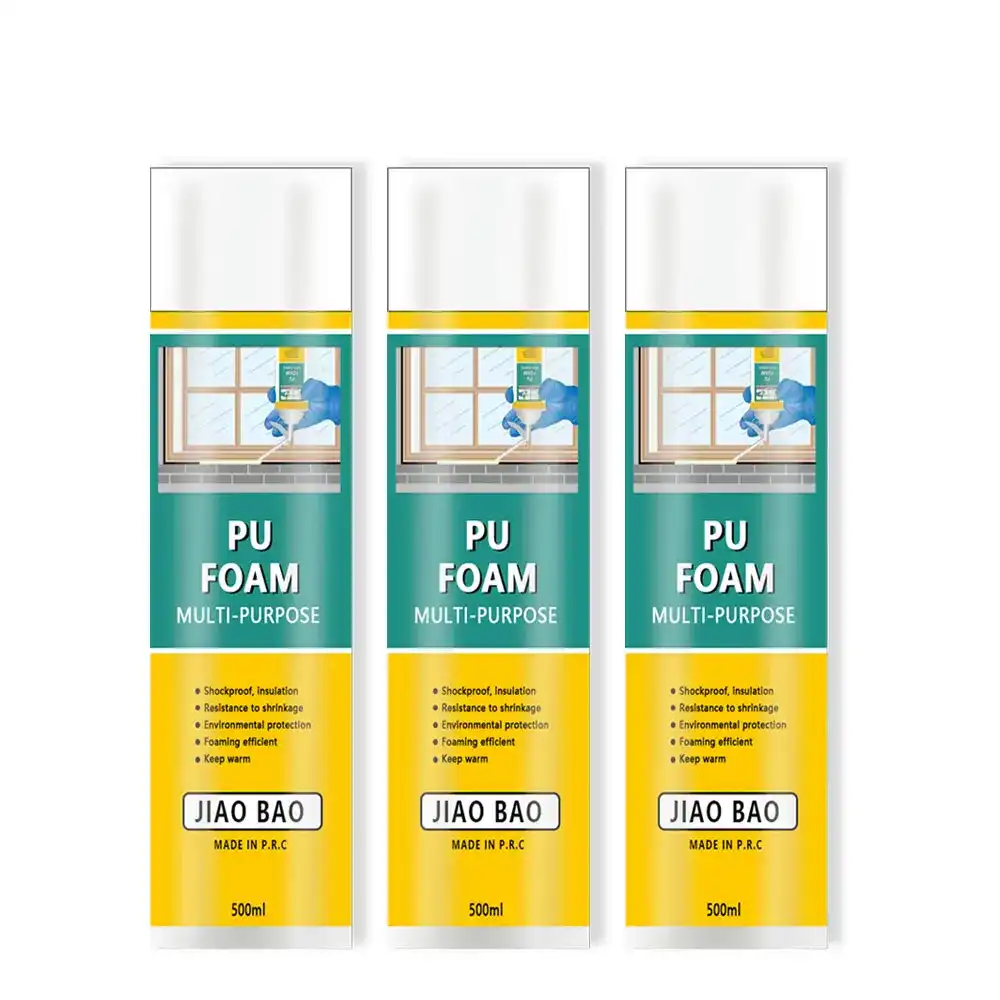
When making buying choices, it's helpful to know how PU Automotive Glass Adhesive Sealant stacks up against other technologies used for binding in cars.
Silicone sealants are good at withstanding high temperatures and bad weather, which makes them useful for many sealing jobs in cars. We make one-part acidic RTV silicone sealants that come in white, black, grey, or custom colours and have a shelf life of 12 months. They are sold in 300ml and 600ml sizes. These items are great for closing gaps and joints in doors and windows that don't need to hold weight.
The main difference is in how strong they are mechanically. In high-modulus forms, PU Automotive Glass Adhesive Sealant often has tensile strengths above 6.0 MPa, while silicone adhesives have strengths between 1.5 and 3.0 MPa. In structural glazing applications, where the adhesive has to support the weight of the glass and transfer crash loads, this difference in strength is very important. Polyurethane also has a higher stiffness and better resistance to wear, which helps make vehicles more rigid.
When it comes to cost per unit volume, silicone sealants tend to be better, but the total cost of installation depends on the needs of the job. Because PU Automotive Glass Adhesive Sealant is so strong, bond lines can often be smaller, which means less material is used per car. If you can improve the performance of a structure, you might not need extra supports. This would save money on the whole system and make up for higher glue prices.
Application tool needs are only slightly different. Both technologies can be used with standard pneumatic or manual dispensing guns. However, because PU Automotive Glass Adhesive Sealant is sensitive to moisture, it needs more careful handling during storage and sealing of cartridges. Manufacturers must keep an eye on the temperature and humidity of storage to make sure that products don't cure too quickly inside their packing. This isn't as important for silicone recipes, though.
Through decades of OEM relationships, big names in car adhesives like 3M, Sika, and Henkel have set performance standards. These businesses have a lot of different certifications, such as ISO 9001 for quality management and IATF 16949 for automotive standards. Their goods are put through a lot of tests that make sure they meet ASTM C794, SAE J1529, and other industry standards for adhesion power, durability, and safety performance.
With more than 13 years of experience making things, Jiaobao has come up with formulas that meet international standards and are certified by ISO and CE. Our quality control method makes sure that performance is the same from batch to batch, which is important for keeping up with production plans and keeping warranty promises. We work closely with OEM and distributor clients to offer technical support and the ability to make changes that meet the needs of specific applications.
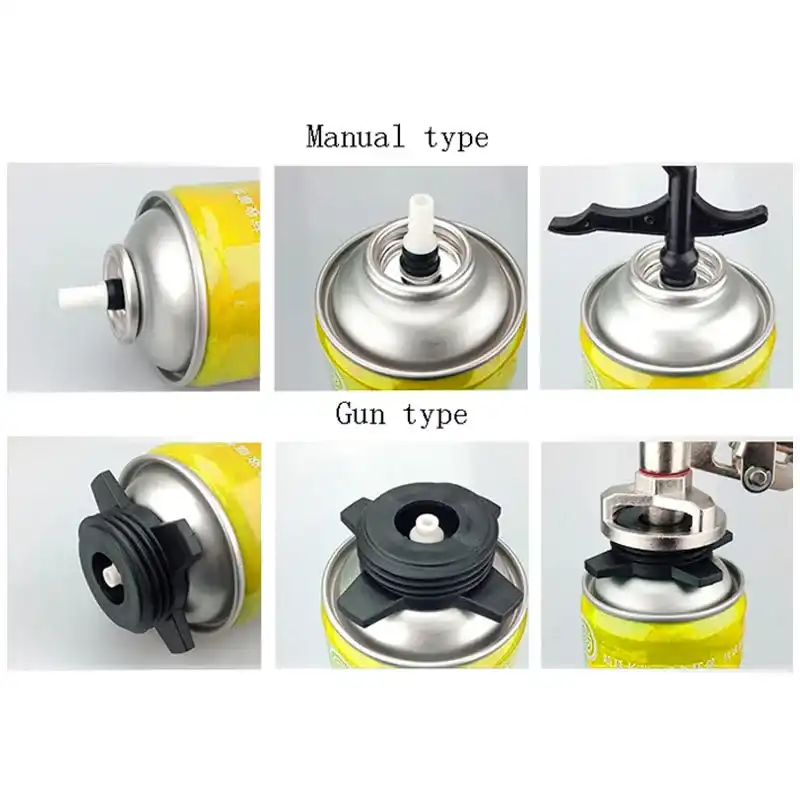
To do strategic sourcing, you have to fit the adhesive's qualities to the needs of the application while keeping performance, cost, and the supply chain in mind.
• Cure Speed Requirements: Predictable cure rates are needed in production settings. Check the tack-free time and useful strength growth in the temperature and humidity of your building. Our 3.5 mm per day fix rate gives you accurate planning information for setting up an assembly line or guessing when a customer's car will be ready to be picked up from a repair shop.
• Modulus and Elongation Balance: Formulations with a high modulus make the structure more stiff, but they may also put more stress on the ends of the glass during extreme flex events. Standard modulus versions have more flexibility, which makes them better for cars with flexible body systems that need to move the chassis. Match the stiffness requirements to the structure of the car and the pressures that are expected to be applied during operation.
• Substrate Compatibility: Check how well the coating sticks to the types of glass, ceramic frit, and body panel coats you use. Ask for adhesion test results that show cohesive failure modes instead of adhesive separation. This will show that the bond strength is higher than the PU Automotive Glass Adhesive Sealant internal strength.
Buying in bulk saves a lot of money. Manufacturers usually use thousands of packs every month, which is why they should have direct relationships with glue makers to get better prices and make sure they always have a supply. Our production capacity can handle large orders with lead times of one to two weeks. This helps clients keep their inventory low and avoid stock-outs that stop production lines.
The type of packaging affects how easy it is to handle and how much waste is made. When compared to solid cartridges, sausage packing maximises material output and lowers disposal costs, but it needs dispensing equipment that works with it. We have 300ml and 600ml sizes of both sausage and cartridges, so clients can choose the best choice for their needs and environmental goals.
Testing must be done before a purchase can be made. Instead of specially made demonstration materials, ask for samples that are from actual production batches. Follow the guidelines in ASTM C794 for bond peel tests and look at the different ways the sealer can fail to prove cohesive failure. Check the rate of curing in the conditions you have and the level of sag resistance on vertical mock-ups that match the installation shapes.
Quality certifications give you a basic level of peace of mind, but they can't replace validation that is specific to your application. Make sure that the technical data sheets have full lists of all the properties, such as tensile strength, flexibility, stiffness, and resistance to environmental damage. Suppliers should give you Material Safety Data Sheets and proof that they follow the rules that apply to your markets, such as VOC limits and chemical exposure rules.
Performance data from real-life situations shows how PU Automotive Glass Adhesive Sealant works in a variety of settings.
Adhesives that are applied cleanly by robotic systems are needed for automated production. Polyurethane's stable thickness and lack of sagging make it possible to place beads precisely at high line speeds. Within minutes, the glue must reach a green strength high enough to hold the glass in place while the assembly goes to the next station. At the same time, it must not skin too quickly, which could trap air bubbles.
Temperature-controlled storage and conditioning systems keep the material at the right temperature, which is usually between 20°C and 25°C. This keeps the flow rates through metering equipment consistent. Controlling the humidity in work areas helps the cure process go more smoothly, so the quality of cars built at different times of the year or in different types of weather won't vary.
Without climate control, mobile techs and small service shops have to work in tough conditions. Our glue formula stays workable at room temperatures ranging from 5°C to 40°C, which makes it easier to put in the field. The 25–40 minute tack-free time gives workers enough time to make positioning changes while still letting many people return their vehicles the same day.
Safe Drive-Away Time calculations need to take into account how things really are. Technicians use reference charts that are changed for humidity and temperature. When conditions aren't in the ideal ranges, they err on the side of caution. In aftermarket uses, where rust, old glue residue, or paint damage could make adhesion less good, proper surface preparation is even more important. Our technical support team helps installers get OEM-quality results in a wide range of field conditions by giving them application advice.
Buses, trucks, and train cars all put people under more stress. Wind load and thermal stress go up when the glass panels are bigger, and flex and vibration get worse when the frame elements are heavy. High-modulus PU Automotive Glass Adhesive Sealant formulations meet these needs; tensile strengths above 6.0 MPa provide safety margins in harsh operating conditions.
Corrosion protection is more important for commercial vehicles that are washed a lot with harsh detergents and are exposed to road salt for a long time. Low-conductive formulations stop galvanic corrosion at metal junctions that are not the same while keeping the electrical isolation needed for antennas and heating elements built into glass. These specialised versions cost more, but they last longer, which makes the investment in expensive industrial tools worth it.
PU Automotive Glass Adhesive Sealant for autoglass are stable technologies that have been used for a long time and have been shown to be effective at keeping cars safe and strong. Because they can be used as both a sealant and a structural element, and because they are very durable in harsh environments and can be used on a variety of substrates, they are the most common choice for car glass. When reviewing suppliers, people in charge of buying things should look for consistent quality, full certifications, and quick expert help, along with cheap price. The success of an application relies on matching the adhesive's properties to the needs at hand, confirming performance through tests, and following the right handling steps. The industry keeps getting better with eco-friendly formulas and faster cure systems, but polyurethane chemistry will still be the basis of sealing car glass for a long time to come.
When cured, high-modulus formulations become stiffer, which makes the structure of the car more rigid. They are chosen in one-piece cars because the windscreen bond makes the torsional strength much better. Standard modulus variants are more adaptable and can better handle chassis movement in vehicles with more flexible body structures or when bonding bigger glass panels that expand more when they get hot.
These are methods that cure in wetness. When it comes to cross-linking, higher humidity speeds things up while dry air slows them down. The rate of cure speeds up when temperatures are high and slows down when temperatures are low. The best performance happens between 15°C and 30°C with 50–70% relative humidity. In dry areas, winter installations may need longer Safe Drive-Away Times, and the surface may need to cure overnight before the car can be released.
Yes, but the needs for surface preparation are different. Surfaces must be clean and dry. If you clean painted surfaces well, they usually stick well, but paint that is scratched or damaged should be primed to stop rust and make sure it sticks. To help chemicals stick to bare metal and protect it from rust, a primer must be applied. When used with the right cleaners and activators, many current recipes don't need a primer to stick to glass.
When it comes to PU Automotive Glass Adhesive Sealant, Jiaobao has been making it well for 13 years and has ISO approval to back it up. Our silane-modified formulation has a tensile strength of 2.2 MPa and an elongation of 400%, which means it can hold its shape at all temperatures. makers, distributors, and original equipment makers (OEMs) can work with us because we have short production lead times (1-2 weeks), offer flexible OEM/ODM customisation, and offer full after-sales service, including refund or replacement for any quality problems within the shelf life. Get in touch with our expert team at dorashen@cnjiaobao.com to get samples, talk about bulk prices as a reliable PU Automotive Glass Adhesive Sealant supplier, or find out how our adhesive solutions can help you make your production better and more efficiently.
1. Federal Motor Vehicle Safety Standards, "FMVSS 212: Windshield Mounting," National Highway Traffic Safety Administration, 2019.
2. Smith, J.R. and Chen, L., "Polyurethane Adhesives in Automotive Applications: Chemistry and Performance," Journal of Adhesion Science and Technology, Vol. 34, No. 8, 2020.
3. International Organization for Standardization, "ISO 11600: Building Construction – Jointing Products – Classification and Requirements for Sealants," 2018.
4. Anderson, M.P., "Structural Glazing Systems: Design Considerations and Performance Requirements," Automotive Engineering International, March 2021.
5. ASTM International, "ASTM C794: Standard Test Method for Adhesion-in-Peel of Elastomeric Joint Sealants," 2017.
6. Williams, K.T. and Rodriguez, A.F., "Moisture-Cure Polyurethane Sealants: Formulation Variables and Performance Optimization," Adhesives & Sealants Industry Magazine, Vol. 28, No. 4, 2021.
November 16,2023
Enterprise Name
The sealant has very strong adhesion and performs well even on glass and aluminum. After curing, it remains flexible and shows no cracking. Perfect for our facade projects.
November 16,2023
Enterprise Name
Stable quality across batches. Our customers especially like the smooth application and consistent extrusion. It helps reduce installation time on site.
November 16,2023
Enterprise Name
I used it for bathroom sealing. Excellent waterproof performance and no mold issues so far. It's been holding up very well in humid conditions.
November 16,2023
Enterprise Name
The neutral silicone works well on sensitive materials without corrosion. Very suitable for industrial applications requiring stable performance.
_1779347426672.webp)