November 16,2023
Enterprise Name
The sealant has very strong adhesion and performs well even on glass and aluminum. After curing, it remains flexible and shows no cracking. Perfect for our facade projects.
Jul 28, 2026
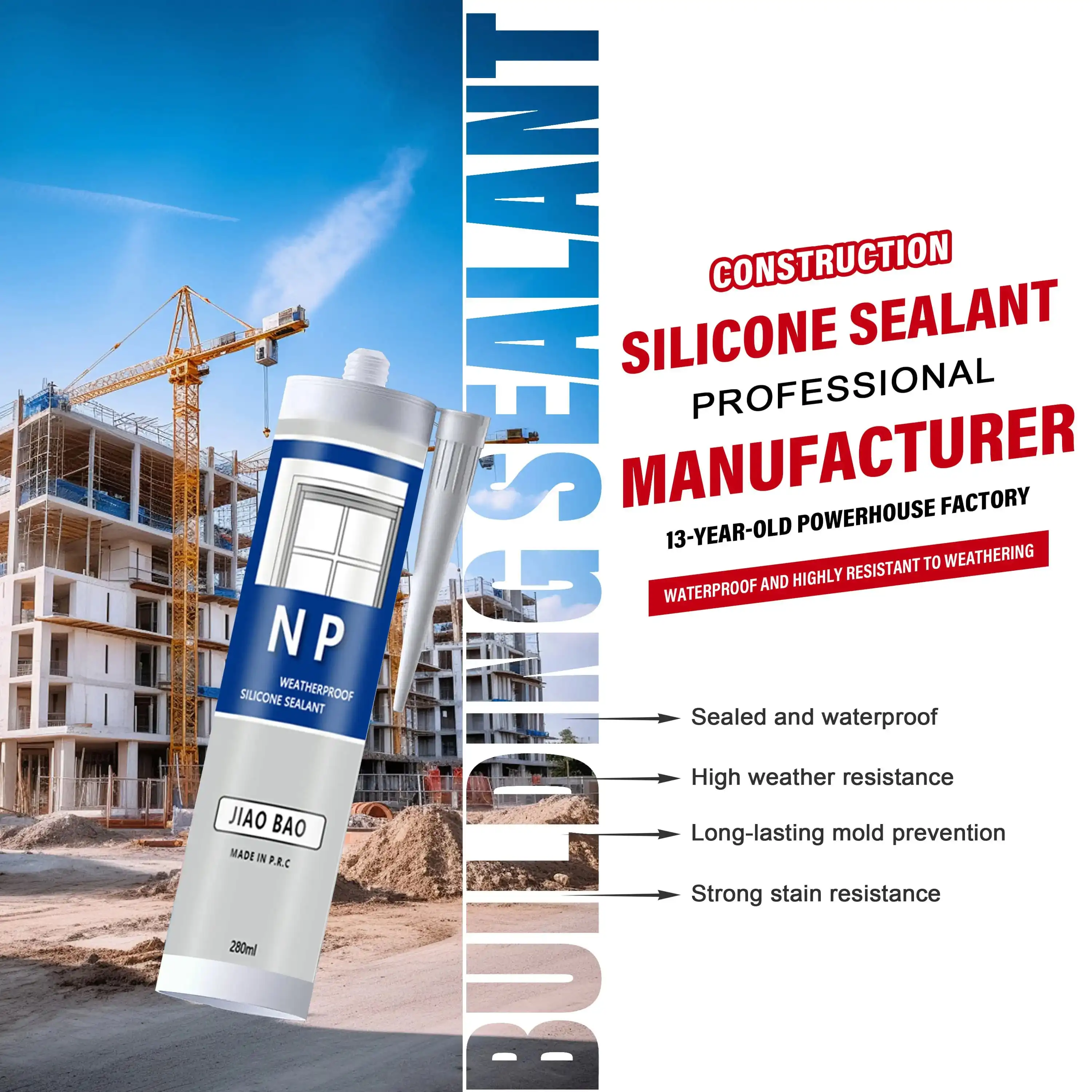
Silicone sealants are a big step forward in sealing technology because they are waterproof, long-lasting, and flexible enough for tough outdoor uses. The neutral-cure formula in products like NP Silicone Sealant Exterior Grade makes them stand out. This formula stops base rust and gives the product great weather resistance. These man-made elastomers stay strong in temperatures ranging from -50℃ to +150℃, don't break down when exposed to UV light, and can handle up to 25% structural movement. This makes them essential for projects like curtain walls, door frames, expansion joints, and roofing where regular sealants fail too soon.
Silicone sealants work because they have polysiloxane backbones, which are chains of silicon and oxygen atoms that alternate with organic side groups. This inorganic-organic blend composition is very different from polyurethane and acrylic sealants that are only organic. The links between silicon and oxygen are very stable at high temperatures and don't break down easily when exposed to oxygen. This is why silicone stays flexible and adheres well even after organic seals have cracked or changed color.
One-part RTV silicone adhesives harden through hydrolysis processes when they come into contact with water in the air. Neutral-cure versions don't release acetic acid, but instead alcohols or oximes. This keeps metals, concrete, and stone from rusting. Because they are chemically inert, neutral formulations can be used with almost any building material, from natural stone facades to anodized aluminum curtain wall frames.
Silicone's advantage in outdoor uses comes from its ability to stay flexible at high temperatures. Acrylic seals crack when it gets below freezing and polyurethanes break down when it gets above 80℃. But good silicone products stay flexible from -50℃ to +150℃. This thermal performance is very important in places where the seasons change a lot or where the product will be used near heat sources.
Another important factor is UV resistance. Under ultraviolet light, the chains of organic polymers break down, which leads to chalking, shrinking, and loss of adhesive. Silicone's artificial backbone doesn't react with light, so the seal stays strong even after 20 years of being in full sunlight. According to ASTM C920 standards, testing shows that exterior-grade silicones can survive rapid weathering that is the same as being exposed to the elements for decades without losing a lot of their properties.
Movement power takes into account the fact that things do move. Joint displacement is caused by things like thermal expansion, structural settling, wind loads, and earthquakes. Silicone seals can bend and stretch a lot—often more than 400%—and then return to their original shape. A properly built joint sealed with silicone can go through many rounds of stretching and contracting without breaking or losing its stickiness. This means that the building will stay weatherproof for as long as it is used.
To protect indoor air quality and follow environmental rules, modern building codes put more and more emphasis on low VOC content. High-quality silicone seals for the outside can now get VOC levels below 80 g/L, meeting strict rules in California, the EU, and other places with low emission limits. Products that meet the standards for GB 13477, ASTM C920, and ISO 11600 have been tested and proven to work in standard ways. This gives people who buy things faith that the materials they specify will do what they need to do.
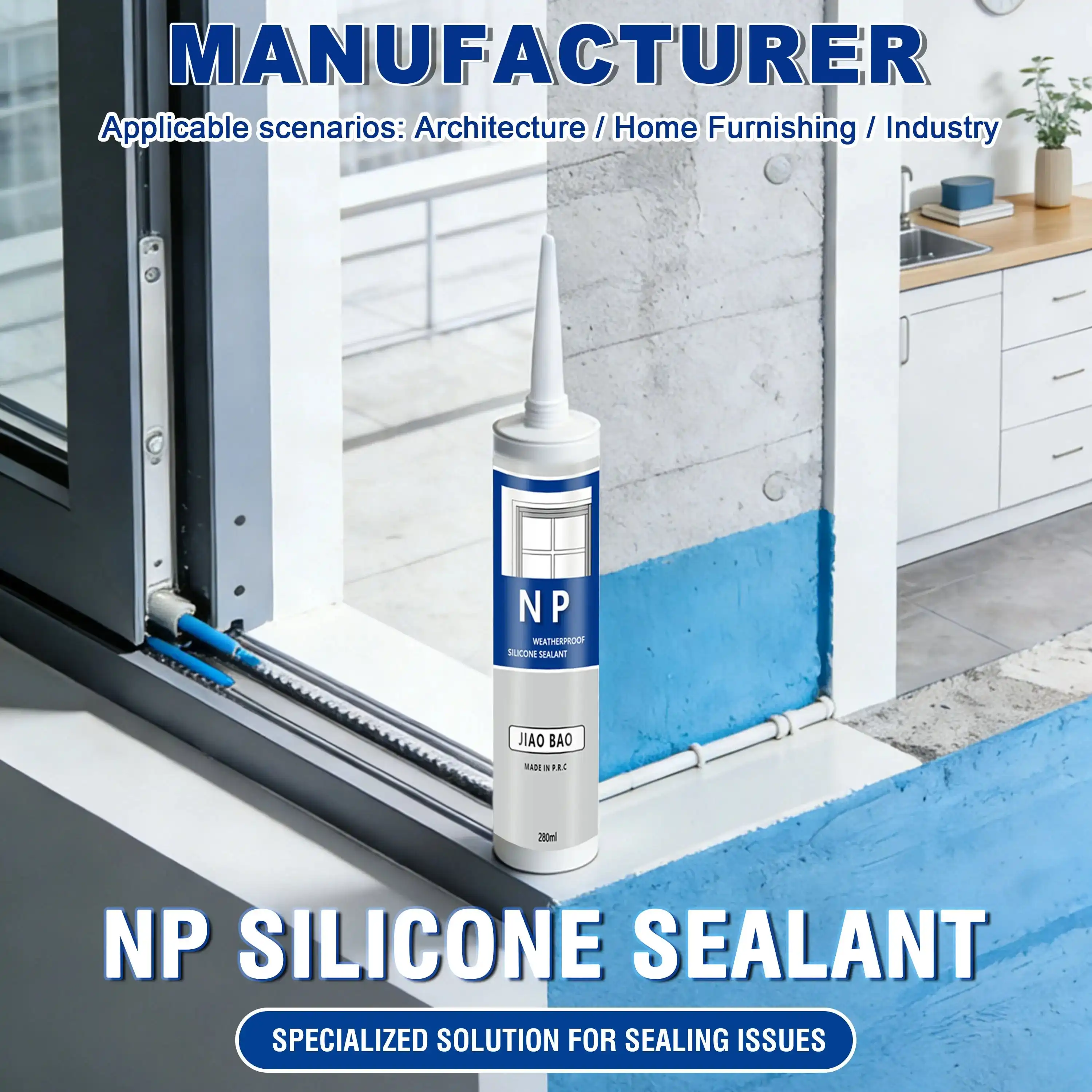
Because it cures naturally, NP Silicone Sealant Exterior Grade is perfect for commercial and industrial projects. The surface dries in just 30 minutes at standard temperatures (25℃, 50% relative humidity), so application workers don't have to wait around for long amounts of time. Curing takes 7–14 days, depending on the depth of the joint and the weather. The normal rate of curing is 2–3 mm every 24 hours.
The material has a Shore A hardness of 30 after curing, which is a good balance between flexibility and structural integrity. According to tests according to GB 13477, the tensile strength is 0.7 MPa, which is strong enough for demanding joint setups while still allowing for 25% movement. This movement accommodation meets the ASTM C920 Class 25 requirements, which means it can be used on joints that move slightly.
The thixotropic properties of the formulation keep it from sagging in both vertical and overhead applications. This is an important performance trait that cuts down on material waste and makes sure that joints are filled evenly. Testing according to ASTM C679 confirms zero millimeter flow, which means that sealant can be applied in any direction without having to worry about tooling issues or how the material will look if it slumps before it cures.
Primer-less bonding to both porous and non-porous substrates speeds up installation and lowers the cost of labor. Most of the time, the neutral cure mechanism works well on painted, glazed ceramic, concrete, masonry, glass, and anodized aluminum surfaces without the need for primers. This adaptability is especially useful in curtain wall systems where different materials meet at the joints.
The ability to match colors improves the look of architecture while keeping performance the same. The sealant comes in white, black, grey, and custom formulations, and it can match the front finishes of commercial complexes, high-end residential projects, and public buildings. Custom color matching to RAL standards makes sure that each batch is the same, which is very important for big projects with visible joints that need to look the same along thousands of linear feet.
Installing curtain walls in businesses shows that the material is reliable in high-stress situations. Neutral-cure silicone was used for both structural and weather seals on a recent job with a 40-story glass facade near the coast. It was exposed to salt air, temperature changes from 5°C to 38°C, and hurricane-force winds for three years, but a check showed that there was no loss of adhesion, cracks, or discoloration. The weatherproof seal on the joints stayed in place even as the temperature changed and the structure bent.
The same is true for industrial applications. When HVAC makers seal the joints between air handling units, they need sealants that keep the seals airtight even when the temperature changes and the units shake. The temperature stability and flexibility of our exterior-grade formulation keep seals from breaking, which would lower system efficiency. Fabricators of doors and windows like that it has a shelf life of 12 months and comes in both 300ml and 600ml sizes, as well as sausages and cartridges for different types of application equipment.
When buying managers look at different sealing choices, they can see clear benefits by comparing how well they work. Polyurethane sealants are good at resisting wear and tear, but they don't work well in high temperatures or UV light, so they're not the best choice for outdoor joints that will be in full sunlight. Acrylic latex sealants can be painted on, but they aren't durable enough or flexible enough for structural uses.
Neutral-cure silicone has the best qualities: it sticks well without primers, doesn't fade or crack easily, works well at a range of temperatures, and can be used on sensitive surfaces. The material keeps these properties throughout its useful life, while competing chemicals lose their properties over time. Lifecycle cost analysis always favors silicone, even though it costs more at first because it doesn't need as much maintenance or replacement, which cancels out the higher price.
International standards set clear rules for how well sealants work. The NP Silicone Sealant Exterior Grade formula meets the requirements of ASTM C920 Type S, Grade NS, Class 25, which means it can be used for both structural and non-structural purposes with some movement. Compliance with ISO 11600 confirms success under European testing standards, which makes it easier for products to be sold in other countries.
Low VOC approval under GB 13477 shows that you care about the environment, as long as the fumes are less than 80 g/L. This specification meets the needs of places with strict rules about air quality, like California's South Coast Air Quality Management District. According to ASTM C1248 testing, the material doesn't pollute or stain adjacent substrates with oil. This means that it protects the look of natural stone, concrete, and other porous materials that are often used in high-end architectural projects.
Curtain wall contractors are always happy with how the walls were installed and how well they work in the long term. Because the material doesn't sag, it can be used effectively in vertical parts without requiring a lot of machining. Before the fix is complete, the surface tack that forms in 30 minutes keeps dust and other debris from getting into the joints. Color stability keeps the look of the product without chalking or fading, which happens with cheaper options.
Distributors like how stable the product is on the shelf and how easy it is to package. The 12-month shelf life makes it easier to keep track of inventory, and the fact that it comes in different sizes means that it can be used for both large business jobs and smaller maintenance tasks. Strong technical support helps answer application questions quickly, which keeps projects on track and makes sure the right steps are taken during installation.
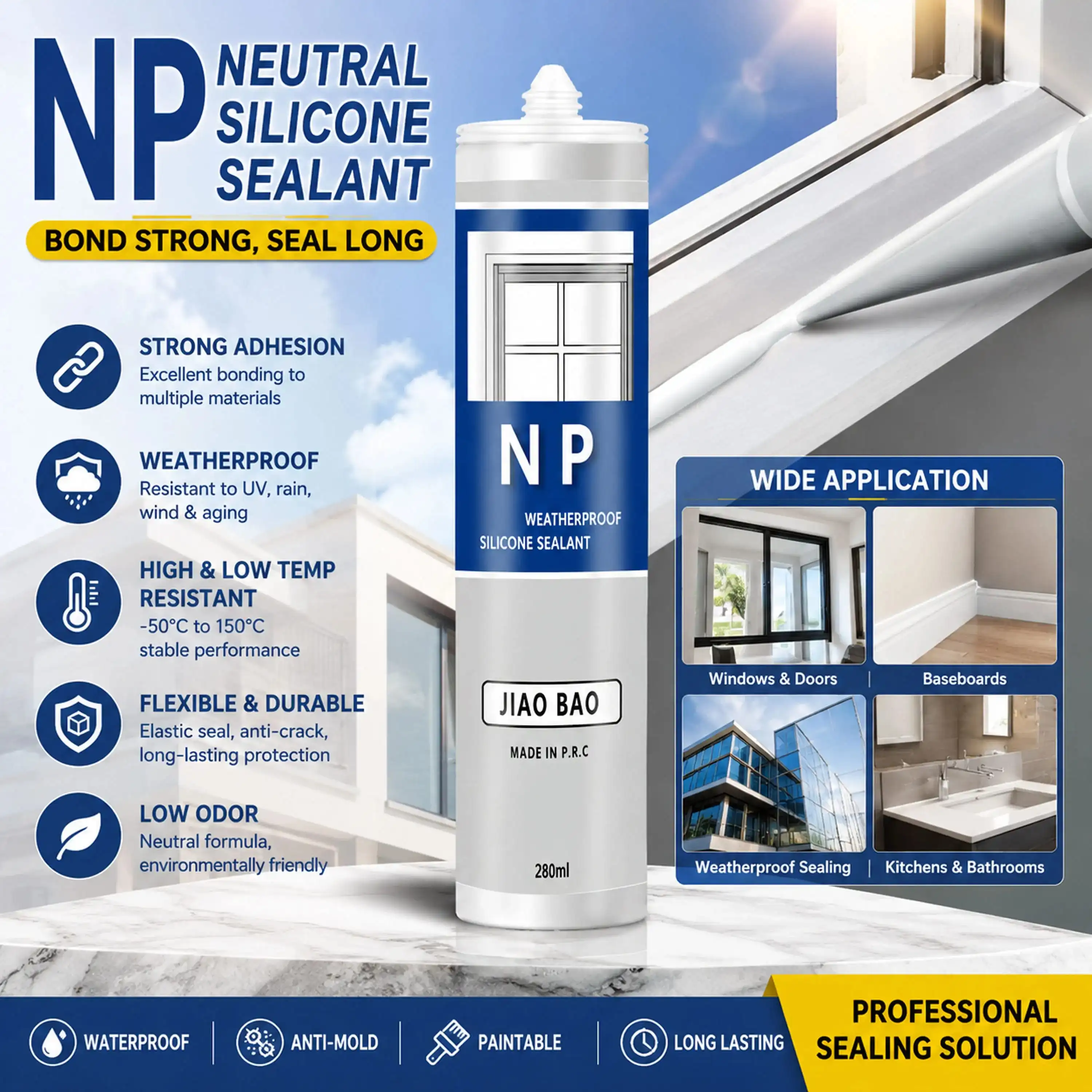
Assessing suppliers is the first step in a successful buying process. Manufacturers with ISO certification, well-established production methods, and well-documented quality control systems are reliable and keep project deadlines safe. Shandong Jiaobao New Material Co., Ltd. has been making silicone sealant for more than 13 years and has set processes that make sure stability from batch to batch and compliance with international standards.
Lead times for production affect how projects are planned. A supplier that offers delivery in one to two weeks makes it possible to buy things quickly and in line with building plans. Different project logistics can be handled with different shipping options, such as sea freight for large amounts and fast land transport for urgent needs. Minimum order amounts should find a balance between the costs of keeping inventory and the benefits of unit prices. For big projects or long-term supply deals, bulk discounts should be offered.
Pre-purchase sample lets you make sure that the product meets the needs of the project. Managers in charge of buying things should ask for samples so that they can be tested by someone else or for mock-up applications that mimic real work conditions. During this phase of testing, the product's ability to stick to project substrates, match colors to architectural finishes, and work with application equipment is confirmed. Quality guarantees cover flaws in the material. Suppliers who offer refunds or replacements within the product's shelf life show that they are confident in its quality and want to make sure customers are happy. Clear guarantee terms should say that the warranty covers problems with the way the product was made, but not problems caused by poor storage, handling, or use.
OEM and ODM services for NP Silicone Sealant Exterior Grade meet the specific needs of each project. Custom color formulations make it possible to match colors exactly to the exterior finishes of signature buildings. If you need to use the product in strange temperatures or with special dispensing tools, you may need to change the cure rates or viscosity specs. Customizing the packaging helps brands stand out for wholesalers who serve regional markets with different tastes.
Getting technical help during the specification phase helps match the features of the product with the needs of the application. Product choice and application plans are based on talks about joint design, predicted movement, substrate types, and environmental exposure. This way of working together cuts down on specification mistakes that cause performance problems or expensive change orders.
Adhesion success depends on how well the substrate is prepared. Surfaces need to be dried, clean, and free of oils, release agents, dust, and old coats that are starting to come off. Different types of surfaces need different cleaning methods. For example, solvent wiping can remove oils from metals and glass, while wire brushing or abrasive blasting can get concrete and masonry surfaces ready. Testing adhesive on prepared surfaces before applying on a large scale can find problems early on, while fixing them is still cheap.
The design of the joint has a big effect on how well the sealant works. Ratios of width to depth between 2:1 and 1:1 are best for distributing stress and allowing for movement. Backing materials stop three-sided adhesion, which makes it hard for sealant to move and leads to cohesive failure. Closed-cell polyethylene foam tube breaks up bonds well and controls the depth of joints while supporting cutting operations.
The environment during treatment has an effect on how the cure develops. The best temperatures are between 5 and 40 degrees Celsius, and the humidity should be above 30%. Extreme heat speeds up skinning, which cuts down on tooling time, while cold temperatures slow the cure process. Extremes in temperature or humidity can cause problems, but planning application tasks around weather reports can help avoid these issues.
Joints with the best geometry and appearance are made with the right tools. Tooling should happen after the sealant fills the joint fully but before the surface skinning starts. This should happen within 5 to 15 minutes, but it depends on the temperature and humidity. Smoothing the surface with the right tools presses the sealant against the substrates, making it stick better and making a hollow shape that lets water escape and allows for movement.
Material safety data sheets tell you how to handle things safely. While cured silicone sealant doesn't pose many health risks, uncured material needs basic safety measures, like enough air flow while it's being applied, eye protection to avoid splashes, and skin protection to avoid irritation from long-term contact. Oxime-cure formulations give off less of a smell than acetoxy types, which makes working conditions better in small spaces.
The conditions of storage keep the quality of the product high throughout its shelf life. Keep materials in their original packaging and keep them at room temperature, between 5°C and 25°C, away from places that are very hot or very cold. First-in, first-out inventory rotation makes sure that products are used up before their shelf life runs out. If you open a cartridge, you should use it within a few days because the material starts to partially cure when it comes into touch with moisture in the air.
Silicone sealants work really well outside because they have a special formula that doesn't break down in the weather and can also bend to fit changes in the structure. Neutral-cure formulations, like NP Silicone Sealant Exterior Grade, are used in challenging commercial, industrial, and building projects because they are compatible with substrates, stable at high and low temperatures, and resistant to UV light. You can choose sealing solutions that protect the building's integrity while keeping costs low over its lifetime if you know about the technical benefits, the right way to apply them, and how to buy them. Exterior-grade neutral-cure silicone is the best choice for professionals who want materials that do what they say they will do because it has been tested and proven to work, it has international certifications, and it is easy to get.
A: NP Silicone Sealant Exterior Grade sealants work well in temperatures ranging from -50℃ to +150℃, so they can be used in both cold winters and hot summers in the desert. The UV resistance of the material keeps it from breaking down in direct sunlight, and its hydrophobic properties keep weatherproof seals in place in heavy rain and high humidity.
A: VOC levels below 80 g/L are reached by high-quality neutral-cure silicone formulations, which meet strict environmental standards. This makes them better than many polyurethane and solvent-based sealants that might go over the limits set by the government. Silicone is good for projects that need green building certifications because it has a low VOC level.
A: Without primers, neutral-cure silicone sticks well to glass, metals (like aluminum, steel, and covered finishes), concrete, brickwork, and many types of plastic. Procurement managers should ask for adhesion testing on substrates that are specific to the project. This is especially important when the substrates have specialty coatings or are made of unusual materials that need to be checked for compatibility.
Your projects should have closing solutions that are backed by technical know-how and proven production excellence. Since 2013, Shandong Jiaobao New Material Co., Ltd. has been making professional-grade silicone sealant and has become known as a leader in the development of colored silicone sealants. Our NP Silicone Sealant Exterior Grade formulations meet international standards, such as ISO certification. They offer reliable quality at competitive prices that help you reach your procurement goals.
As a well-known producer and seller of silicone sealant, we offer value through short production lead times (1-2 weeks), flexible OEM/ODM customization, and full support after the sale. Our formulations give your curtain wall projects the weather protection and moving capabilities they need, whether you need standard colors or custom RAL matching. Quality security includes promises of a return or a replacement for any problems that happen during the product's shelf life.
You can email our technical team at dorashen@cnjiaobao.com to ask for samples, talk about project details, or get quotes for buying in bulk. Find out why contractors, makers, and dealers around the world choose Jiaobao as their partner when they need to buy high-performance exterior sealants. Let us help you succeed by giving you goods that are built to last and are provided reliably.
1. Klosowski, J. M., & Wolf, A. T. (2017). Silicone Sealants: Chemistry, Properties, and Performance in Construction Applications. Building Science Press.
2. Beech, D. G. (2019). Weathering Performance of Elastomeric Sealants in Building Envelope Applications. Construction Materials Journal, 45(3), 128-142.
3. ASTM International. (2020). ASTM C920-18: Standard Specification for Elastomeric Joint Sealants. West Conshohocken, PA: ASTM International.
4. Lacasse, M. A., & Miyauchi, H. (2018). Durability of Building Sealants: State of the Art and Research Needs. National Research Council Canada, Institute for Research in Construction.
5. Panek, J. R., & Cook, J. P. (2016). Construction Sealants and Adhesives: Selection and Performance Optimization. Wiley Professional Building Practice.
6. International Organization for Standardization. (2019). ISO 11600:2002: Building Construction — Jointing Products — Classification and Requirements for Sealants. Geneva: ISO.
November 16,2023
Enterprise Name
The sealant has very strong adhesion and performs well even on glass and aluminum. After curing, it remains flexible and shows no cracking. Perfect for our facade projects.
November 16,2023
Enterprise Name
Stable quality across batches. Our customers especially like the smooth application and consistent extrusion. It helps reduce installation time on site.
November 16,2023
Enterprise Name
I used it for bathroom sealing. Excellent waterproof performance and no mold issues so far. It's been holding up very well in humid conditions.
November 16,2023
Enterprise Name
The neutral silicone works well on sensitive materials without corrosion. Very suitable for industrial applications requiring stable performance.
_1779347426672.webp)