November 16,2023
Enterprise Name
The sealant has very strong adhesion and performs well even on glass and aluminum. After curing, it remains flexible and shows no cracking. Perfect for our facade projects.
Jul 4, 2026
Sealant for windshields is the most important thing between your car's glass and the weather. It keeps water out, supports the structure, and protects against environmental stresses. High-performance adhesives, such as PU Auto Glass Sealant High Strength, make polyurethane bonds that harden when they come in contact with wetness. These bonds hold windshields in place while reducing vibrations and keeping water out. These special mixtures make sure that the glass stays firmly connected during accidents, support the forces that make the airbags open, and keep the vehicle's structure strong. Modern sealants do more than just seal gaps. They also help meet crash safety standards and make it possible for vehicles to be back in service faster after glass repair.
When it comes to adhesives, windshield seals are a special kind that are made to meet strict safety standards for cars. Unlike regular building sealants, these materials have to be able to handle high speeds on the highway, temperature changes from below zero in the winter to over 100 degrees in the summer, and constant vibrations while still keeping their flexible ties.
The car glass business uses a number of different sealant methods, each of which performs better in certain situations. Original equipment maker (OEM) production lines use a lot of polyurethane-based adhesives because they are very strong and cure quickly. Silicone seals, like one-component RTV types, are great for filling gaps around window frames and door channels because they are flexible and don't crack or break in bad weather. Modified silane polymers take the best parts of both technologies and combine them to make strong bonding with little surface preparation needed.
Manufacturers choose the type of sealer based on how it will be used. For structural windows, you need high-modulus glue that can hold the weight of the glass and strengthen the frame. To keep customer wait times to a minimum, aftermarket repair shops focus on formulas with short Safe Drive-Away Times. For commercial vehicles, sealants need to be able to handle bigger glass panels that are twisted by the frame. They also need to be immune to diesel fuel.
How well window sealants stick to glass depends on how the molecules of the glue and the material interact with each other. Polyurethane sealants harden when they come in contact with water. This sets off chemical processes that make urethane links that form lasting elastomeric networks. Surface flaws cause these networks to mechanically connect, and silane coupling agents react with both the glass ceramic frit and metal substrates to form chemical bonds.
Surface energy compatibility is directly related to adhesion power. When clay frits are applied to glass surfaces, they make them perfect for bonding. On the other hand, metal pinchwelds need primers to stop rusting and make sure they stick consistently. The rheology (flow properties) of the sealant tells you if it will keep its triangular bead shapes when applied vertically. Thixotropic behavior lets materials move when they are extruded but stay stable when they are applied, making sure that all bonding surfaces are fully in touch with each other.
Modern windshield seals make a measured difference in how safe a car is, which has a direct effect on how safe it is in a crash. The adhesive bond stops the windshield from flying out during rollover crashes. This keeps the passenger cabin intact when the roof crush forces are over a few thousand pounds. In front-end crashes, properly bonded windshields provide important backstop support for releasing passenger airbags, which can put more than 2,000 pounds per square inch of force against the glass surface.
Durability in harsh environments is another important aspect of success. Good sealants don't break down in UV light, which would otherwise cause bond lines to chalk and adhesive loss. They stay flexible from -40°F to 180°F, which stops stress cracks at the points where glass and metal meet because their thermal expansion rates are very different. Chemical protection makes sure that gasoline, motor oil, and car cleaners won't damage the seal over the life of the vehicle.
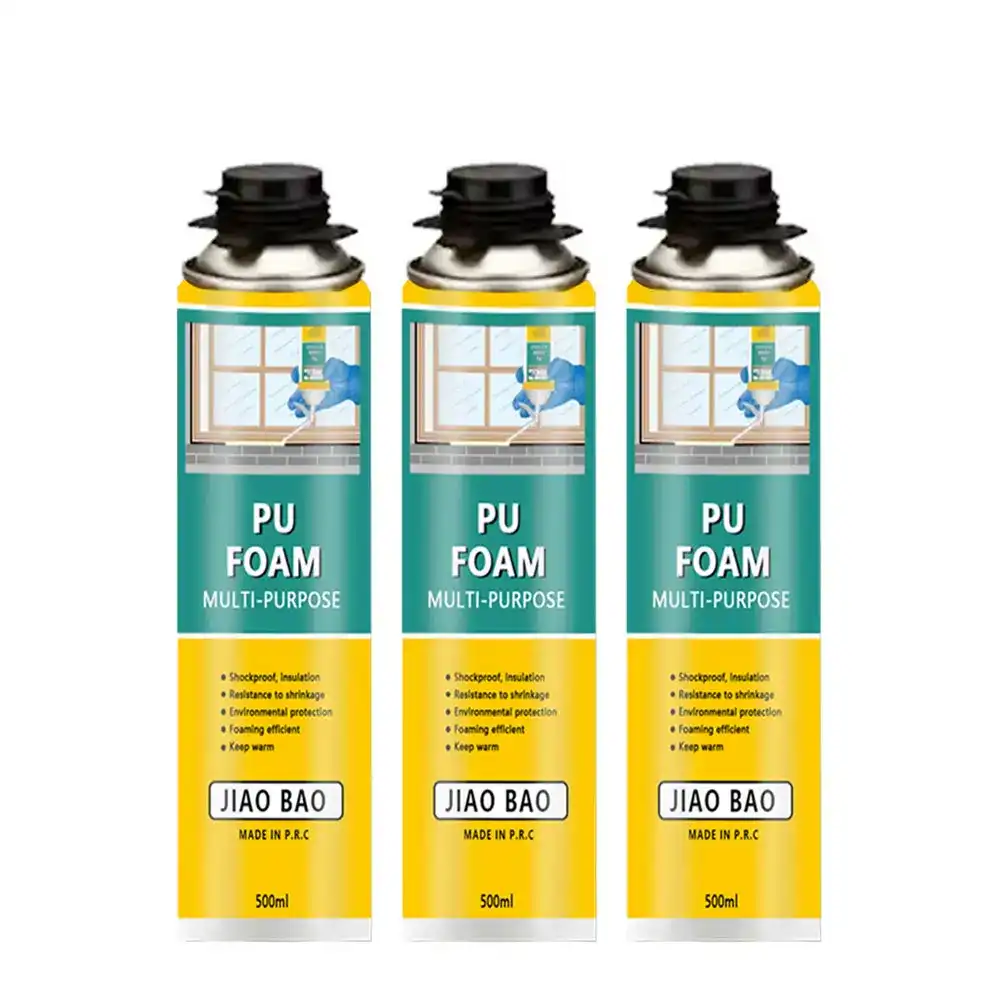
The high strength of PU Auto Glass Sealant High Strength comes from its carefully balanced polymer chemistry. These mixtures use urethane prepolymers that have reactive isocyanate end groups that cross-link when they come into contact with water. This makes three-dimensional polymer networks that have great dynamic qualities.
High-strength PU seals are made up of base polymers and performance-enhancing additives that make certain properties work better. Plasticizers manage the end hardness and flexibility, letting formulators reach Shore A hardness levels between 55 and 70 while keeping stretch levels above 300%. Adhesion boosters, which are usually silane coupling agents, connect the organic polymer to inorganic surfaces like glass or metal by building chemical bonds between them.
Thixotropic agents keep the shape of the beads stable during vertical application, which is important for keeping the bond line thickness consistent. UV protectors stop photodegradation, which is very important for bond lines that are visible on frameless window designs. Moisture scavengers keep sealed cartridges from drying too quickly, which extends their shelf life. Some mixtures have conductive carbon in them to stop the building of static electricity that could mess up integrated antenna systems or advanced driver assistance sensors.
The drying process depends on moisture in the air moving into the sealant bead. Relative humidity levels have a big effect on how fast things heal. In normal conditions, things usually move along at a rate of 3–5 millimeters per day. Safe Drive-Away Time, or the shortest amount of time before the car can safely be used again after installing glass, is based on the depth of repair.
When installing a windshield, there are a number of technical issues that high-strength seals have to solve. Changes in temperature during application affect the consistency and cure rates of the material, so recipes need to be stable across all seasons. For winter uses in temperatures below 50°F, cold-weather versions with changed catalysts are needed to keep tack-free times within an acceptable range, usually between 15 and 30 minutes in tough circumstances.
Another common problem is pollution of the substrate. Bonding surfaces that have oils, release agents, or wetness on them make binding much less likely. Professional workers use isopropyl alcohol wipes to prepare the surface and wait for it to evaporate completely before applying the sealer. Some sources of contamination can't be seen, so using a primer is common practice to get uniform results even when the base isn't the same.
Controlling the width of the bond line changes both the strength and the flexibility. When there isn't enough sealing, hard spots form that can cause stress to build up and the glass to crack. Too much thickness makes the structure less stiff and adds time to the curing process that isn't needed. The best bond lines are usually between 3 and 6 millimeters long. This can be achieved by using the right size beads and filler blocks or stops to control the glass setting depth.
When procurement experts look at windshield sealants, they come across a number of different technology systems, each with its own pros and cons. Knowing these differences helps you make design choices that meet the needs of the application and your budget.
Silicone seals are very flexible and don't change much in temperature, staying rubbery from -65°F to 400°F. But because their tensile strength is usually only 200 to 400 psi, they can't be used for solid glass. Modified silane (MS) polymer seals are a good compromise because they stick well, can be painted over, and have a milder smell than polyurethanes. Because their material properties are somewhere between silicone and polyurethane, they can be used for closing purposes that aren't related to structures.
Epoxy adhesives have great initial strength and chemical resistance, but when they harden, they become rigid solids that aren't flexible enough for car uses where vibrations and heat expansion cause constant movement. Acrylic sealants dry quickly, but they don't work well in high temperatures or UV light, so they can only be used inside or for short ties.
PU Auto Glass Sealant High Strength is the best for structural uses because it has a tensile strength of over 1,000 psi and a controlled flexibility that lets it absorb stress without weakening the bond. The substance fills in the gaps in performance between hard structural adhesives and soft sealants, working well as both.
There are important changes between normal polyurethane formulations and high-strength versions. Standard PU seals usually have a tensile strength of 400 to 600 psi and a Shore A hardness of 40 or less, which is good enough for static closing. High-strength versions have tensile strengths of 800-1,200 psi and hardness levels close to 60–70. They are stiff enough to protect car frames against rotational loads while still having enough elongation to avoid brittle failure.
Professional buyers compare different sealants based on factors that are specific to the job. OEM assembly operations put automation compatibility first, which means they need a uniform viscosity for robotic pouring systems and quick green strength to keep the glass from slipping before it's fully cured. To keep production running smoothly, handling times must be kept short, usually less than an hour. This way, cars can move through the building process without having to wait for long breaks.
Safe Drive-Away Time is the most important factor in the aftermarket substitute markets. Mobile service techs can't afford to wait for long amounts of time, so one-hour SDAT formulations are necessary for the business model to work. These fast-cure products have changed catalysts and a higher moisture reactivity, but they often require more time to work on complicated installs.
For commercial vehicles, there are special needs like being able to withstand diesel fuel exposure, being able to bond bigger glass panels that are several square meters in size, and working well in situations where the frame bends a lot. Specialized versions meet these needs by making them more resistant to chemicals and changing the characteristics of their flexibility.
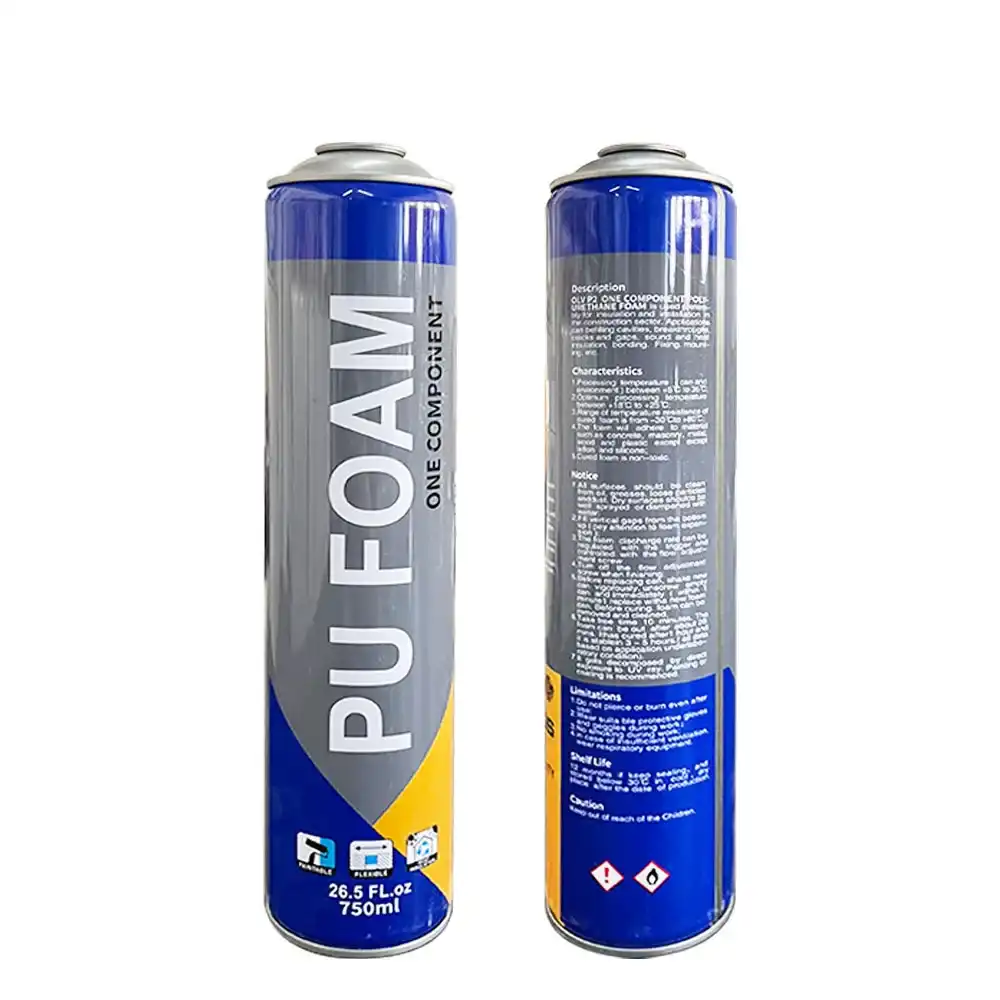
Installing a windshield correctly depends on both the quality of the materials used and the right way to use them. Professionals in the field follow set rules to make sure that results are uniform and that everyone stays safe on the job.
Preparing the surface is the most important thing that affects how well a bond works in the long run. Technicians start by using special cutting tools to get rid of the old sealant waste, leaving a thin base layer so that pinchweld surfaces don't get damaged. Chemical stripping uses activator cleaners to get rid of urethane leftovers without adding contaminants that could stop the new glue from sticking.
Primers are put on clean surfaces with lint-free applicators, and thin, even coats are put over all the bonding areas. Primer chemistry sets up reacting sites that help adhesives stick and chemicals stick together. When you apply the sealer is very important. Most primers need 5–10 minutes of flash-off time before they can be used so that the solvent can evaporate while the surface remains reactive.
Sealant bead shape has a direct effect on how well it works. Triangular profiles make the best touch with both the glass and the pinchweld surfaces and let the glass set while still allowing for controlled tension. The size of the beads depends on the gap and the length of the bond line that needs to be made. For passenger cars, 10–12 mm triangular beads are usually used. Continuous beads without holes stop water from getting in and compromising the stability of the seal.
To get the goal bond-line width without too much squeeze-out, controlled force must be applied when setting glass. Setting blocks hold the glass in place at the right height until it has partially cured and become strong enough. Technicians use external reference lines to make sure the part is in the right place before letting the initial cure process.
Isocyanate chemicals are found in polyurethane seals and need to be handled carefully to avoid health risks. When working in small areas or for long amounts of time, you have to wear an organic vapor cartridge respirator to protect your lungs. Because skin touch can lead to sensitization responses, nitrile gloves are an important piece of personal safety equipment. Wearing eye protection keeps you from accidentally splashing uncured material on your eyes.
Vapor amounts drop below exposure limits when there is enough airflow. Occupational health rules say that indoor installation bays need artificial ventilation to meet certain air exchange rates. Outdoor mobile service makes it easier to control the temperature, which can slow down the curing process.
The way things are stored has a big effect on how long they last and how consistently they work. Unopened cartridges kept between 60°F and 80°F will keep their traits for 12 to 18 months, but high temperatures will speed up the breakdown. Moisture exposure causes fixing to start too soon, so airtight storage cases are needed and cartridges that have been used partway must be resealed right away. Using first-in, first-out inventory change rules keeps you from accidentally using old materials that don't work as well.
Installation troubles are usually caused by specific issues that can be fixed. Slow cure rates are usually a sign that there isn't enough humidity. This can be fixed by misting methods, which add controlled wetness without contaminating the surface. If the fix speed is too fast, it could mean that the temperature or humidity is too high, which would mean that the climate control needs to be changed or summer-grade formulas need to be used. PU Auto Glass Sealant High Strength can be applied in either condition, but its performance is most reliable when these environmental factors are properly adjusted.
Poor adhesion shows up as bond failure during initial tests or service breakdowns that happen before they should. The most common cause is a surface that is contaminated, which shows how important it is to prepare the surface. The same problems can happen if you don't use enough prep or flash-off time before applying sealer. Some substrates, like old painting surfaces with worn-in finishes, need to be abraded to make room for new material with enough surface energy for bonding.
When a bead sags during application, it means that the material's thickness is not right for the temperature or that the bead is too big. Vertical application problems can be fixed by using thixotropic formulas or putting smaller beads in several passes. On the other hand, having trouble extruding material could mean that it is cold, which would mean that the cartridge needs to be warmed up or replaced with winter-grade goods that have different rheology.
To strategically source windshield seals, you need to know how the market works, how to check the quality of the products, and how to find suppliers whose skills match your needs.
There are several ways for business-to-business buyers to get window seals, and each has its own benefits. When you deal directly with the maker, you can get the best prices for large orders and make changes to the product to fit your needs. When an OEM approves a design, they usually require the maker to check that it meets their own performance standards. Manufacturers like Jiaobao, which has been around since 2013 and has ISO and CE standards, offer constant quality thanks to quality systems and controlled production processes.
Distribution networks help buyers who need smaller amounts or want to easily get more than one product. Automotive aftermarket wholesalers carry a range of names and types, so repair shops can keep their supplies diverse without having to meet minimum order requirements. But markups for delivery make each unit more expensive than if it came directly from the maker.
Online B2B sites make it easier to compare prices and find products that meet specific needs, but they also need to carefully check the qualifications of suppliers. All quotes should come with good paperwork, such as safety data sheets, technical data sheets, and certification records. It is still important to try samples before buying large amounts of something. This way, you can make sure that the performance claims match the real properties of the material.
Assessing a supplier's capabilities is more than just looking at prices. The ability to meet tight deadlines for big orders is based on production capabilities. For normal formulations, lead times are usually between one and two weeks. For custom colors or specs, they can be up to three to four weeks. Logistics that can handle sea freight for low-cost bulk transfers or fast land transport for pressing needs increases the value of operations.
Professional buyers use quality control procedures to avoid getting materials that aren't up to par. When the batch is received, it is tested to make sure that the key specs, such as viscosity, cure rate, and mechanical properties, match the numbers on the technical data sheet. A lot of operations keep retention samples from every production lot. This lets them do failure analysis if there are problems with performance in the field.
Certification paperwork shows that you've followed all of the rules and regulations in your area and the industry standards. Getting ISO 9001 approval shows that you have put in place a quality management system. Material safety licenses make sure that the chemicals used are safe for work and follow health and safety rules. Independent labs' performance testing approvals are objective proof that backs up what the maker says about tensile strength, adhesion values, and resistance to the environment.
Pricing structures change a lot depending on how much you order and what kind of packing you choose. The lowest prices per unit are found when you buy in bulk in pallet quantities. Moderate markups are found when you buy in case quantities. The type of packaging affects the price. Because they are easier to make, sausage configurations usually cost less than stiff cartridges. Most of the time, custom color matching comes with extra costs that are related to formula development and minimum batch sizes. However, using standard colors from RAL charts can keep customization costs to a minimum.
Large aftermarket chains and dealers can sell sealants under their own names through private label possibilities. OEM agreements with providers like Jiaobao allow for brand tailoring, formulations that are made to fit specific needs, and package designs that help the brand stand out. Private label programs usually have minimum order amounts that start at pallet loads. This makes this choice workable for well-established companies that know how much demand they will have.
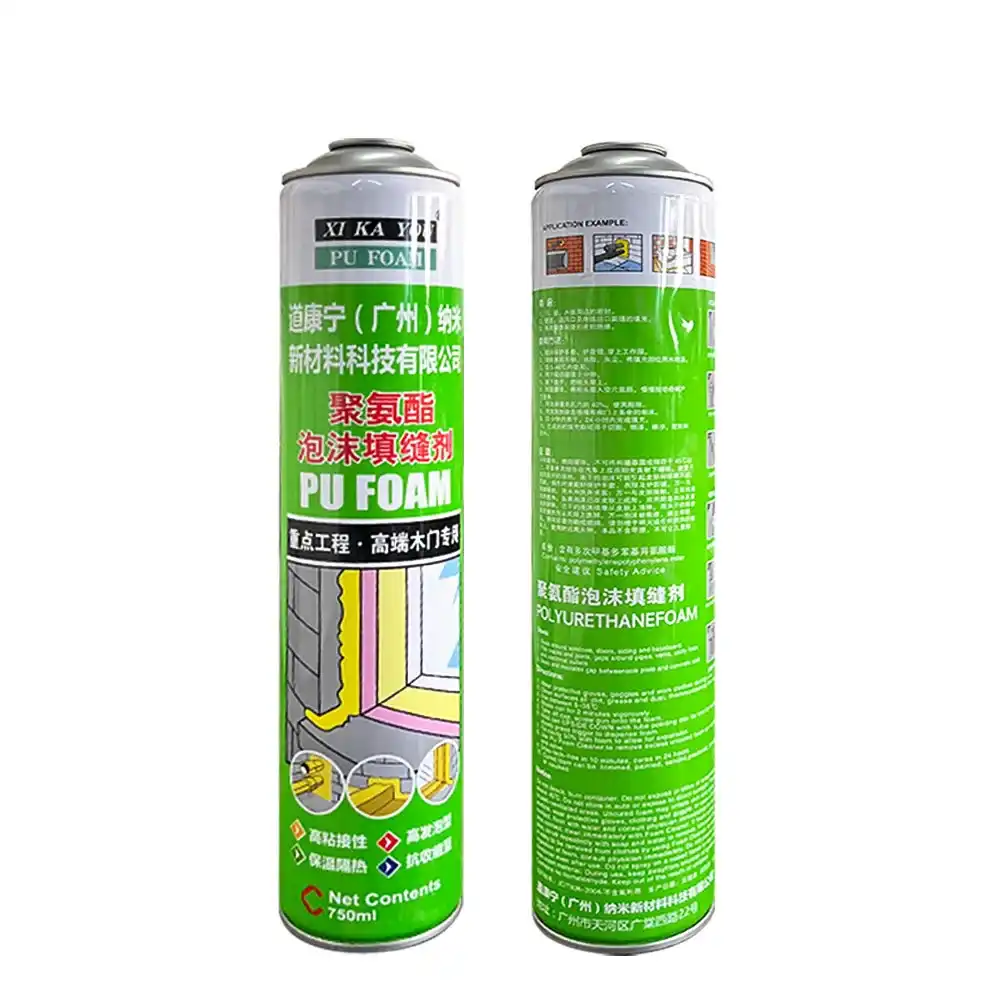
In addition to keeping water out, windshield seals play other important roles in the automobile environment, such as strengthening the structure, improving crash safety, and lasting for a long time. High-strength polyurethane formulations, including PU Auto Glass Sealant High Strength, have better mechanical qualities than other technologies. This makes them the best choice for structural glazing jobs that must prioritize safety and dependability.
To choose the right material, you need to know about the different application needs, weather conditions, and performance standards that are different between OEM assembly and aftermarket replacement. Professional assembly methods and high-quality materials from approved sources guarantee the best results that protect both the people inside the car and the company's image. Buyers can get uniform performance across all of their processes if they use procurement strategies that focus on supplier capability, quality verification, and total cost of ownership instead of just price.
Curing happens in steps, and in normal conditions, the surface is tack-free in 30 to 60 minutes. Depending on the recipe, weather, and humidity, it usually takes between one and three hours for the product to cure enough for Safe Drive-Away Time. As wetness moves through the whole bond line over the course of 7 days, the mechanical properties continue to develop fully. Standard products may need to cure overnight for full strength growth, but accelerated versions can reach SDAT faster.
These seals stick well to tempered glass, layered safety glass, and new materials like Gorilla Glass, which is used in high-end cars. The ceramic frit, a baked-on layer that is put around the edges of the glass during production, is the important connecting surface. Different manufacturers use different types of frit, which sometimes needs special primers to stick well. Aftermarket colored glass or coated glass with special surface treatments may be hard to stick to, so they need to be tested for stickiness before they are widely used.
Polyurethane has tension and shear strengths that are three to five times higher than silicone versions. Because of this difference in strength, PU can act as a structural adhesive that helps keep the frame of a car rigid, while silicone's main job is to seal off the environment. PU also sticks better to painted metal surfaces without primers and cures faster after being put to use. Because it can withstand high temperatures and stay flexible over time, silicone is best for non-structural closing tasks like weatherstripping around windows and doors.
Jiaobao sells window sealants made for professional use in challenging automobile settings where quality must not be compromised. Our production skills have been improved since 2013 and now we can make high-performance formulations that meet foreign standards and have been certified by ISO and CE. We know what automobile glass installers, OEM assembly plants, and aftermarket dealers need when they're looking for a trusted PU Auto Glass Sealant High Strength provider. Our production is flexible enough to allow for custom color matching based on RAL standards, private label programs, and special formulas that meet particular performance needs.
We can meet your buying needs quickly with lead times of one to two weeks and a variety of logistics choices. Quality control procedures make sure that every batch meets the requirements. We also promise to refund or replace any material that doesn't work as promised within the shelf life time. You can email our technical team at dorashen@cnjiaobao.com to talk about your specific application needs, get product examples, or get bulk prices for projects you have coming up. Allow our knowledge to help you be successful in installing safe and reliable autoglass.
1. Cognard, P. (2006). Adhesives and Sealants: General Knowledge, Application Techniques, New Curing Techniques. Handbook of Adhesives and Sealants, Volume 2. Elsevier Science.
2. Petrie, E.M. (2007). Handbook of Adhesives and Sealants. Second Edition. McGraw-Hill Professional.
3. Koleske, J.V. (2012). Polyurethane Sealants: Technology and Applications. Journal of Adhesion Science and Technology, Volume 26, Issue 4-5.
4. Beech, J. (2003). The Automotive Glazing Manual: Standards and Best Practices for Safety Glass Installation. Society of Automotive Engineers International.
5. Packham, D.E. (2005). Handbook of Adhesion. Second Edition. John Wiley & Sons, Ltd.
6. Habenicht, G. (2009). Applied Adhesive Bonding: A Practical Guide for Flawless Results. Wiley-VCH Verlag GmbH & Co.
November 16,2023
Enterprise Name
The sealant has very strong adhesion and performs well even on glass and aluminum. After curing, it remains flexible and shows no cracking. Perfect for our facade projects.
November 16,2023
Enterprise Name
Stable quality across batches. Our customers especially like the smooth application and consistent extrusion. It helps reduce installation time on site.
November 16,2023
Enterprise Name
I used it for bathroom sealing. Excellent waterproof performance and no mold issues so far. It's been holding up very well in humid conditions.
November 16,2023
Enterprise Name
The neutral silicone works well on sensitive materials without corrosion. Very suitable for industrial applications requiring stable performance.
_1779347426672.webp)