November 16,2023
Enterprise Name
The sealant has very strong adhesion and performs well even on glass and aluminum. After curing, it remains flexible and shows no cracking. Perfect for our facade projects.
Jul 22, 2026
It is technically possible to put new silicone glue right on top of old silicone, but it's not always the best idea. Silicone's natural chemistry makes it hard to work with because it repels almost everything, even itself. In controlled situations, neutral cure silicone sealant can sometimes stick to old silicone, but adhesion is still uncertain and usually fails too soon. Most professionals say that the old material should be completely removed before the new material is applied to make sure that the seal lasts as long as possible. This is especially important in commercial settings where joint failure can affect the structure's strength and resistance to weather.
Not every silicone sealer is the same. How each type cures, what materials they can stick to, and whether they can bond to existing silicone are all controlled by the science behind them. When choosing if overlay application will work for your project, it's important to be aware of these changes.
When silicone sealants cure, they don't release acetic acid, but instead alcohol or oxime compounds. In contrast to acetoxy-cure silicones, which smell like vinegar and can damage metals or mirror backings, these don't corrode and don't have an odour. Neutral cure silicone sealants work great with aluminium, coated glass, natural stone, and concrete, which are all popular building materials in curtain walls and high-end design projects. Because they don't contain many volatile organic compounds (VOCs) and don't grow mould, they are perfect for bathrooms and kitchens where air quality is important.
Acetoxy silicones dry faster and cost less, but they can't be used as much because they make acidic waste. They work well on ceramic and glass that doesn't absorb water, but they can stain marble, rust metal window frames, and damage sensitive coatings. Knowing these differences between chemicals helps you pick the right product and avoid problems with suitability when thinking about overlay uses.
The surface of old rubber is hard to bond to. After being fixed, silicone picks up dirt, mildew, soap residue, and silicone oils from the air that move to the surface. These impurities make a wall that stops chemicals from joining. Silicone that has been cured is chemically inert and hydrophobic by design, so it is hard for even newly applied silicone to stick.
The state of the silicone that is already there is very important. If the old bead is broken, peeling, or mouldy, applying the overlay will not work at all. Degraded silicone doesn't have the strength to hold a new layer in place, and any stress or movement will cause both layers to come apart. Neutral cure formulations stick to old silicone a little better than acetoxy types, but the success depends a lot on how well the surface is prepared and how the healing environment is.
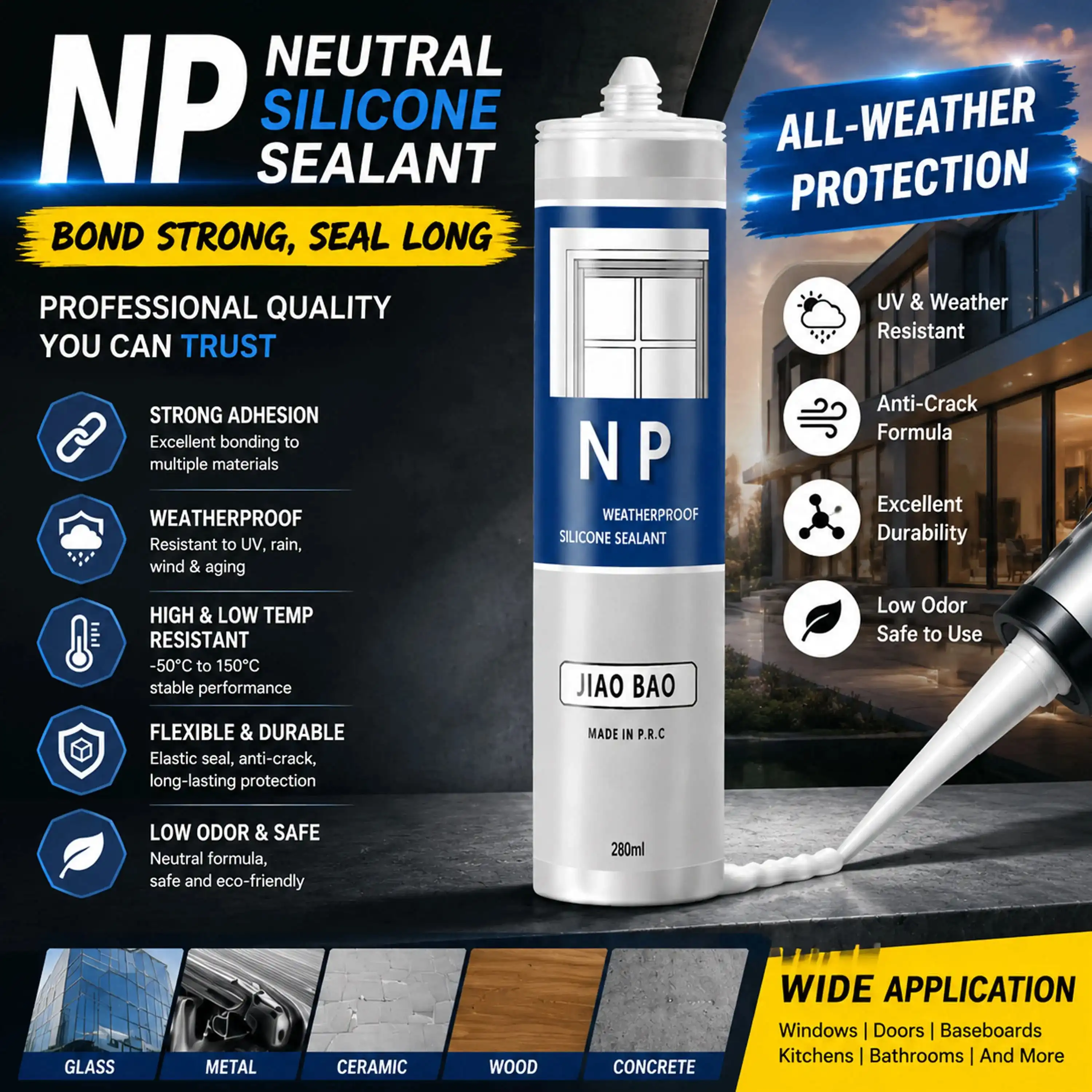
The short answer is yes, you can, but most likely you shouldn't. Some binding is possible in some situations, but the risks and restrictions usually make skipping removal less appealing.
Silicone like neutral cure silicone sealant is very slippery because of the way its molecules are structured. There are methyl groups around the polymer chains that keep water, dirt, and most adhesives—even uncured silicone—away. When you put new sealant over silicone that has already hardened, you're basically asking two surfaces that don't go together to stick together. At first, the new material might look like it sticks, but mechanical bonding alone won't be able to stand up to joint movement, changes in temperature, or contact to water over time.
As per ASTM C794 standards, tests constantly show that silicone-on-silicone bonds have lower peel adhesion than silicone applied to properly prepared surfaces like glass or aluminium. This failure to stick usually happens where the old and new silicone layers meet, which causes the joint to fail too soon.
If you have to put new silicone on top of old, you have to prepare the surface very carefully. To start, clean the old silicone with isopropyl alcohol or a silicone cleaner made just for that purpose to get rid of dirt, oils, and bacteria on the surface. By making the surface area bigger, lightly abrading the old silicone with fine-grit sandpaper can improve mechanical bonding. However, this doesn't fix the chemical problem that's causing the problem in the first place. Some bases made especially for silicone surfaces can help things stick better, but how well they work depends a lot on the product and how it is used. Even with the best preparation, the joint will not be able to move as freely and will not last as long as a properly installed seal on a clean substrate.
There are some situations where patch application might be okay as a short-term fixing. Small cosmetic repairs in low-stress areas, like small gaps in interior trim where there isn't much movement, might be able to handle an overlay method. But for important weatherproofing jobs in curtain walls, outdoor joints, or structural glass, the whole thing has to be taken off. Neutral cure silicone sealants for door and window gaps, like those in 300ml or 600ml cartridges, work best when they are put on surfaces that are clean and dry. It's easy to apply because it's like paste and dries on the surface in 30 minutes, but only if the surface allows for good chemical bonding.
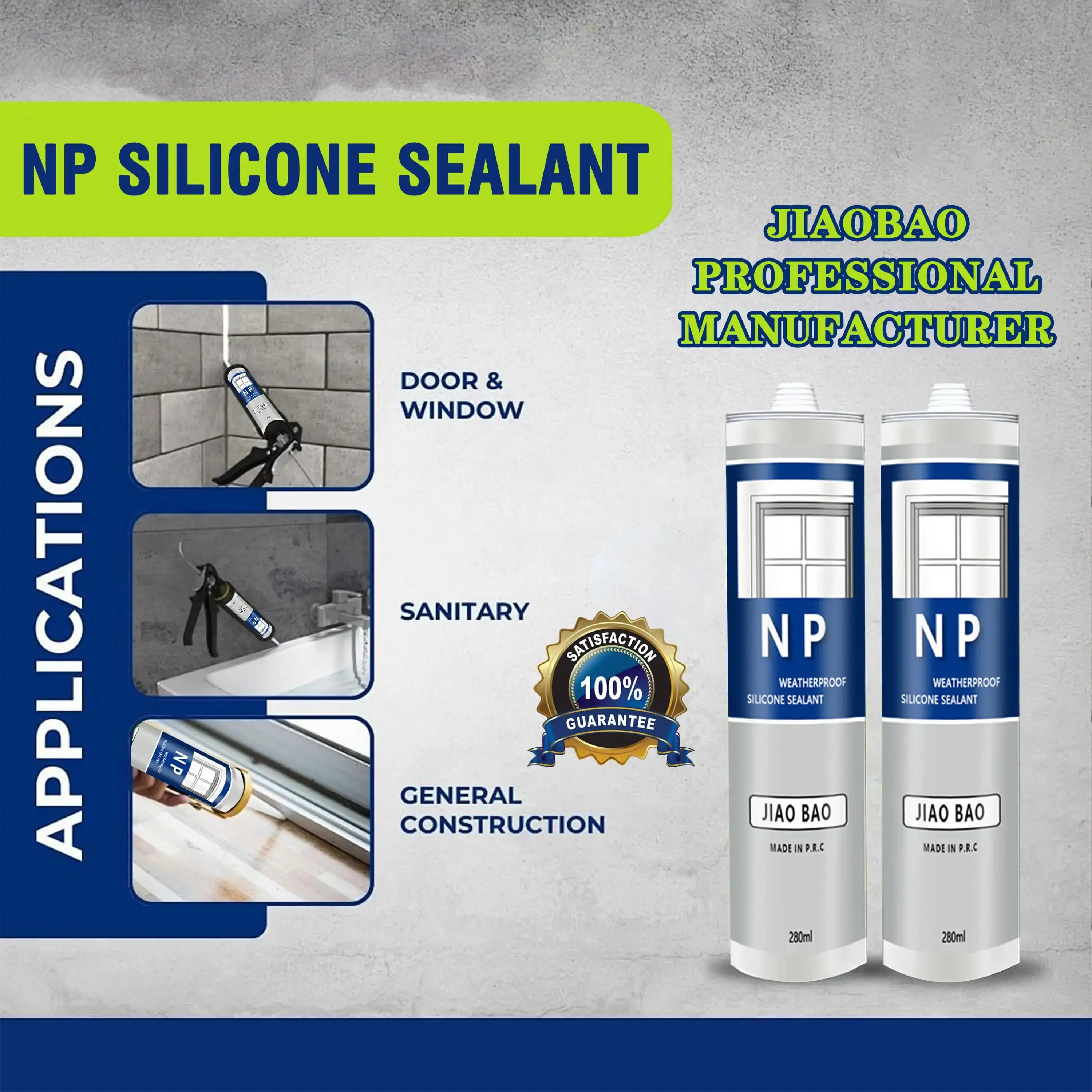
To choose the right neutral cure silicone sealant, you need to know what performance standards you have and how they match up with product specs. For different uses, different speed requirements are needed.
When used outside, thermal stability is very important. Quality neutral cure formulations stay flexible and stick together at temperatures ranging from -50°C to +150°C, so they can work with the way building materials expand and contract with temperature changes. This ability to withstand changes in temperature keeps things from cracking in cold places and bowing in very hot places.
Long-term longevity is based on how well something is waterproof. Look for products that have been shown to be resistant to ozone, UV light, and changing levels of moisture. Sealants that meet the standards set by ASTM C920 work reliably when exposed to the elements outside. Movement potential, which is usually given a number between 25% and 50%, tells you how much the finished sealant can expand and contract without coming apart or breaking.
Bathrooms, kitchens, and other places with a lot of moisture need sealants that don't let mildew grow. Mould doesn't grow as easily in neutral cure formulations as it does in some acrylic alternatives, but additives can make this property even better. Low VOC content—ideally below 80 g/L—meets environmental standards and improves indoor air quality, which is important in areas that people are still living while renovations are being done. There is no risk of colouring, etching, or chemical breakdown when neutral cure chemistry is used on almost all building materials because it does not corrode them. This makes it easier to choose the right material for complicated projects that use a mix of surfaces, such as glass, aluminium, stone, and metals that have been covered.
To strategically source neutral cure silicone sealants on a large scale, you need to find a balance between quality, cost, supply reliability, and expert help. The right supplier relationship can have a big effect on how well a project turns out and how efficiently goods are bought.
Manufacturers with a history of making silicone products have benefits that go beyond low prices. Companies that have been making things for more than 13 years usually have mature quality control systems and stable recipe consistency, which are important things to look for when choosing materials for big projects. When a product has an ISO or CE approval, it means that it meets foreign standards and the rules in the market it is aimed at.
When planning a project's schedule, production lead times are important. Suppliers who can fill orders within one to two weeks help keep construction projects on schedule and lower the cost of keeping inventory on hand. Different application tools and project sizes can be accommodated by flexible packaging choices, such as 300ml and 600ml volumes in both sausage and cartridge forms.
In architectural settings where aesthetic integration is important, being able to offer custom colours that match RAL or project-specific palettes is useful. With OEM and ODM capabilities, contractors and distributors can make private-label products that fit with how they market their brand. This customisation includes making changes to the formulation to meet specific performance needs, but this needs technical communication between engineers from the procurement team and the manufacturer.
Full expert support helps fix problems with applications and avoid mistakes that cost a lot of money. Suppliers who offer after-sales service, like replacing or refunding products with quality problems within the shelf life, show they care about their customers' success and lower the risk of buying from them. Problems can be solved quickly when you can talk to technical support directly, like by email at dorashen@cnjiaobao.com.
Real-world uses teach us a lot about what works and what doesn't with overlay methods, which helps us make better decisions for future projects like these.
A curtain wall contractor tried to fix small holes in a 10-year-old glass facade by putting new neutral cure silicone sealant over weatherseal beads that were already there. Even though it was cleaned very well, the bond broke after six months because temperature cycling made the old and new silicone layers move in different ways. Interior finishes were damaged by water seepage, and the joints had to be completely removed and replaced, which cost three times as much as the original overlay.
This case shows why complete removal is still the standard method for professionals working on exterior structures. At first, overlay application seemed to save time, but when it failed too soon and needed more work to fix it, those savings turned out to be false. If the joint had been properly prepared, including being stripped down to the bare substrate, it would have worked reliably for a long time.
As part of a home renovation project, dozens of interior window frames had to be resealed because the old silicone had turned yellow but was still structurally sound. After carefully taking off any loose material, lightly abrading the silicone that was left, and cleaning with isopropyl alcohol, the workers put on a good neutral cure sealant. The 30-minute surface drying time made work go quickly, and the consistency of the paste kept vertical joints from sagging.
After three years, the seals are still in place and there are no signs of them coming loose or water getting in. Some things that led to success were a low-stress application (inside, where the temperature didn't change much), careful surface preparation, and realistic assumptions about how long the product would last. This method worked because the job wasn't very important and the weather was good, which doesn't happen very often in business outdoor work.
No matter the type of job, following certain rules will help it succeed more often. Before applying an overlay on a large area, you should always test its adhesion on a small, hidden area first. Thoroughly clean the substrates and let them dry completely before applying the sealant. Moisture at the bond interface will cause the sealant to fail. Choose goods that can move in a way that works with the joint design and the amount of growth that is expected for the substrate. If you're not sure what to do, get rid of all the old stuff. The work that goes into proper planning pays off in the form of longer service life and lower upkeep costs. For important uses like structural glazing, curtain wall weathersealing, or any outdoor part that will move and be exposed to the weather, removal is required.
Putting new silicone caulk over old silicone is still hard to do because of basic adhesion problems caused by silicone's chemical makeup. Even though neutral cure silicone sealant has benefits like chemistry that doesn't corrode and greater flexibility, these don't make up for the fact that it can't bond well with cured silicone. Getting rid of all the old stuff makes sure that the new stuff sticks well to the substrate, lets the joints move, and gives your projects the long-lasting weatherproofing performance they need. When you buy strategically from manufacturers with a lot of experience, you can get access to high-quality formulations, technical support, and customisation options that help you reach your goals.
A: It is not easy for different types of rubber to work together. Because the surface chemistry and curing residues are different, neutral cure silicone sealants have a hard time sticking to acetoxy-cured silicone. Acetic acid residues on acetoxy silicone can make it hard for neutral cure to stick. Before putting on any new product, no matter what kind, it's best to get rid of the old acetoxy sealant completely.
A: Once the old silicone is gone, clean the base well with isopropyl alcohol or a silicone remover. Then, let it dry fully, which should take about 24 hours under normal conditions. When moisture is present during application, proper bonding can't happen. When it's humid, drying times may need to be longer. Wipe the substrate with a clean, dry cloth to see how dry it is; if there is any residue left behind, it needs to be cleaned more.
A: Most good neutral cure formulas stay useful for a year if they are kept properly below 27°C in their original, sealed package. Heat or humidity can cause the material inside the cartridge to cure too quickly, which makes it harder to extrude and use. When buying in bulk, always check the manufacturing dates and use first-in, first-out inventory management to make sure the products are still fresh.
Shandong Jiaobao New Material Co., Ltd. makes high-performance silicone seals that don't break down in bad weather for tough business and industrial uses. As one of the biggest companies that makes neutral cure silicone sealant, we can make formulas in White, Black, Grey, or any other colour you need for your project. Our products meet the standards set by ASTM C679 and GB 13477. This means they don't sag, have low VOC content, and stick better to glass, aluminium, stone, and concrete.
We offer steady quality and quick turnaround—usually one to two weeks from order to shipment—thanks to our ISO approval and 13 years of production experience. Our sealants come in 300ml and 600ml sizes and can be packed in cartridges or sausages. They stay good for 12 months and work reliably from -50°C to +150°C. We help buying teams by giving them expert advice, guaranteeing quality, and quick service after the sale. You can email our team at dorashen@cnjiaobao.com to talk about the details of your project and ask for samples to test.
1. American Society for Testing and Materials. "Standard Specification for Elastomeric Joint Sealants." ASTM C920, 2018.
2. Building Research Establishment. "Durability of Silicone Sealants in Building Applications." Construction Materials Reference Library, 2020.
3. International Organization for Standardization. "Building Construction - Sealants - Classification and Requirements." ISO 11600, 2021.
4. National Association of Architectural Metal Manufacturers. "Guide Specifications for Structural Silicone Glazing." Technical Manual, 2019.
5. Silicone Industry Association. "Performance Properties of Neutral Cure Silicone Sealants in Commercial Construction." Technical Bulletin, 2022.
6. Zhang, Wei and Liu, Jianhong. "Adhesion Mechanisms and Failure Modes of Silicone Sealants on Various Substrates." Journal of Building Materials Science, Vol. 34, 2021.

November 16,2023
Enterprise Name
The sealant has very strong adhesion and performs well even on glass and aluminum. After curing, it remains flexible and shows no cracking. Perfect for our facade projects.
November 16,2023
Enterprise Name
Stable quality across batches. Our customers especially like the smooth application and consistent extrusion. It helps reduce installation time on site.
November 16,2023
Enterprise Name
I used it for bathroom sealing. Excellent waterproof performance and no mold issues so far. It's been holding up very well in humid conditions.
November 16,2023
Enterprise Name
The neutral silicone works well on sensitive materials without corrosion. Very suitable for industrial applications requiring stable performance.
_1779347426672.webp)