November 16,2023
Enterprise Name
The sealant has very strong adhesion and performs well even on glass and aluminum. After curing, it remains flexible and shows no cracking. Perfect for our facade projects.
Aug 3, 2026
When working on glass installations, the choice of sealant can make or break your project's long-term performance. The NP Silicone Sealant Non-Corrosive Type stands out as a reliable solution that protects both glass and metal components without causing damage. Unlike acidic alternatives that release corrosive byproducts, this neutral-cure formula ensures metal frames, aluminum fittings, and coated glass surfaces remain intact throughout the product's lifespan. With a Shore A hardness of 30, movement capability of 25%, and operational stability from -50℃ to +150℃, this industrial-grade sealant addresses critical challenges faced by manufacturers in electronics, construction, and precision glazing applications.
When the sealant comes in contact with water, a chemical reaction called "neutral cure" takes place. When neutral silicone seals cure, they don't release acetic acid, which gives vinegar its smell and eats away at metals. Instead, they release alcohol-based chemicals. Copper, brass, zinc-coated steel, and reflective glass coatings are just a few of the substrates that are protected from oxidation and discolouration by this basic difference.
Our one-component RTV (Room Temperature Vulcanising) formula doesn't need to be mixed; it cures by being exposed to air humidity. The paste-like texture keeps vertical joints from bowing, which makes it easy to apply cleanly to windows, curtain walls, and shower enclosures. The sealant comes in white, black, grey, or unique colours, so it can fit a wide range of style needs while still performing well.
With more than 13 years of experience in the making, this sealant dries on the surface in just 30 minutes, so the project can move along faster without sacrificing bond strength. Depending on the depth of the joint and the weather, full curing takes between 7 and 14 days. According to ASTM C 679 testing, the material doesn't flow or sag at all, which is very important when sealing overhead glass panels or installing windows at an angle.
The product meets strict environmental rules in North America and Europe because it has a VOC level below 80 g/L, which is what GB 13477 standards say should happen. When you combine the 0.7 MPa tensile strength with the 25% movement capability, you can allow for heat expansion and structure settling without the joints breaking. Each batch goes through strict quality control to make sure it is consistent, which is a must when your production line counts on knowing how the materials will behave.
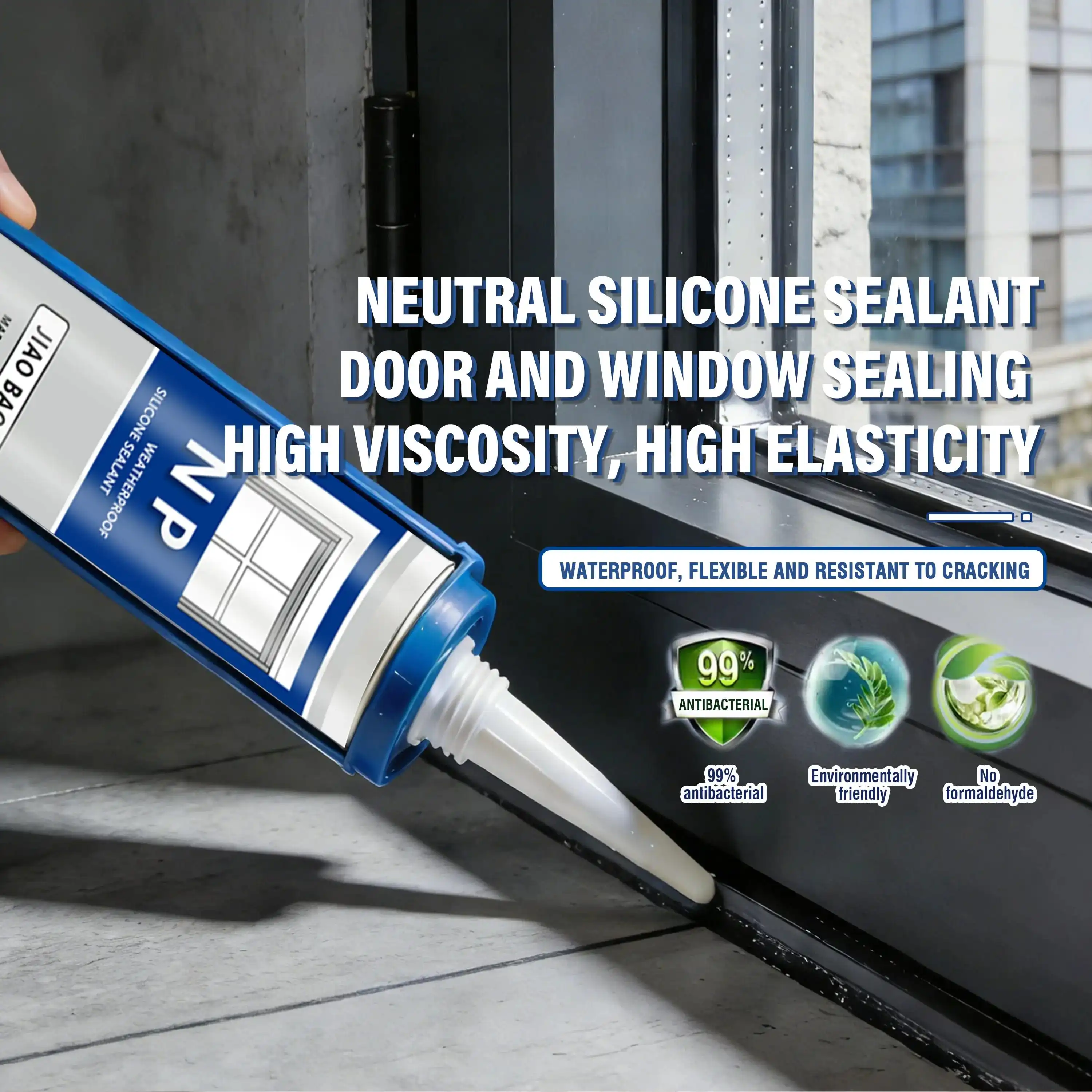
For engineers and supply managers, the biggest benefit is that there are no corrosive leftovers. Acid-cure sealants give off acetic acid, which eats away at metal window frames, leaving rust marks and weakening the connections between the frames. In factories that make electronics, like the ones where we work with LED housings and display panels, even small amounts of rust can cause products to fail and require expensive recalls.
The Copper Strip Corrosion Test shows that there is no discolouration or oxidation after long contact with metal substrates. Because this has been shown to work, we are confident in sealing glass-to-metal joints in bathroom fixtures, kitchen tools and building surfaces. The neutral chemistry also keeps polycarbonate and plastic from stress breaking, which means it can be used for more than just glass projects.
Neutral silicone sealant—specifically NP Silicone Sealant Non-Corrosive Type—bonds with both porous and non-porous materials without requiring primer, simplifying installation and reducing labour costs. It adheres strongly to painted surfaces, anodised aluminium, concrete, natural stone, ceramic tiles, and various glass types including tempered and low-E coated glass. This versatility eliminates the need for multiple sealant types on complex projects, streamlining material inventory and application processes.
Curing silicone makes it flexible, which means it can stretch without breaking the bond. Building faces go through stages of expanding and contracting when the temperature changes. Wind loads and earthquakes can cause glass panels to move. A sealant that can stretch and compress while still being waterproof cuts down on maintenance calls and makes the product last longer. The 25% movement that our formulation allows meets the needs of modern construction's dynamic joints.
Low VOC emissions help keep the air inside healthy, which is especially important in homes that are being renovated and businesses that are always occupied. The glue is safe for assembly teams and end users to use because it follows RoHS and REACH rules. Material safety data sheets make it clear what chemicals are used, which helps you meet the documentation needs for LEED certification and green building projects.
When stored properly, the 12-month shelf life cuts down on waste from old stock. Different project sizes and application equipment can be used with the 300ml and 600ml packaging options, which come in cartridges or sausages. Businesses that are in charge of various project sites can use this freedom to get the best deals on supplies, cut down on storage costs, and speed up the turnover of their stock.
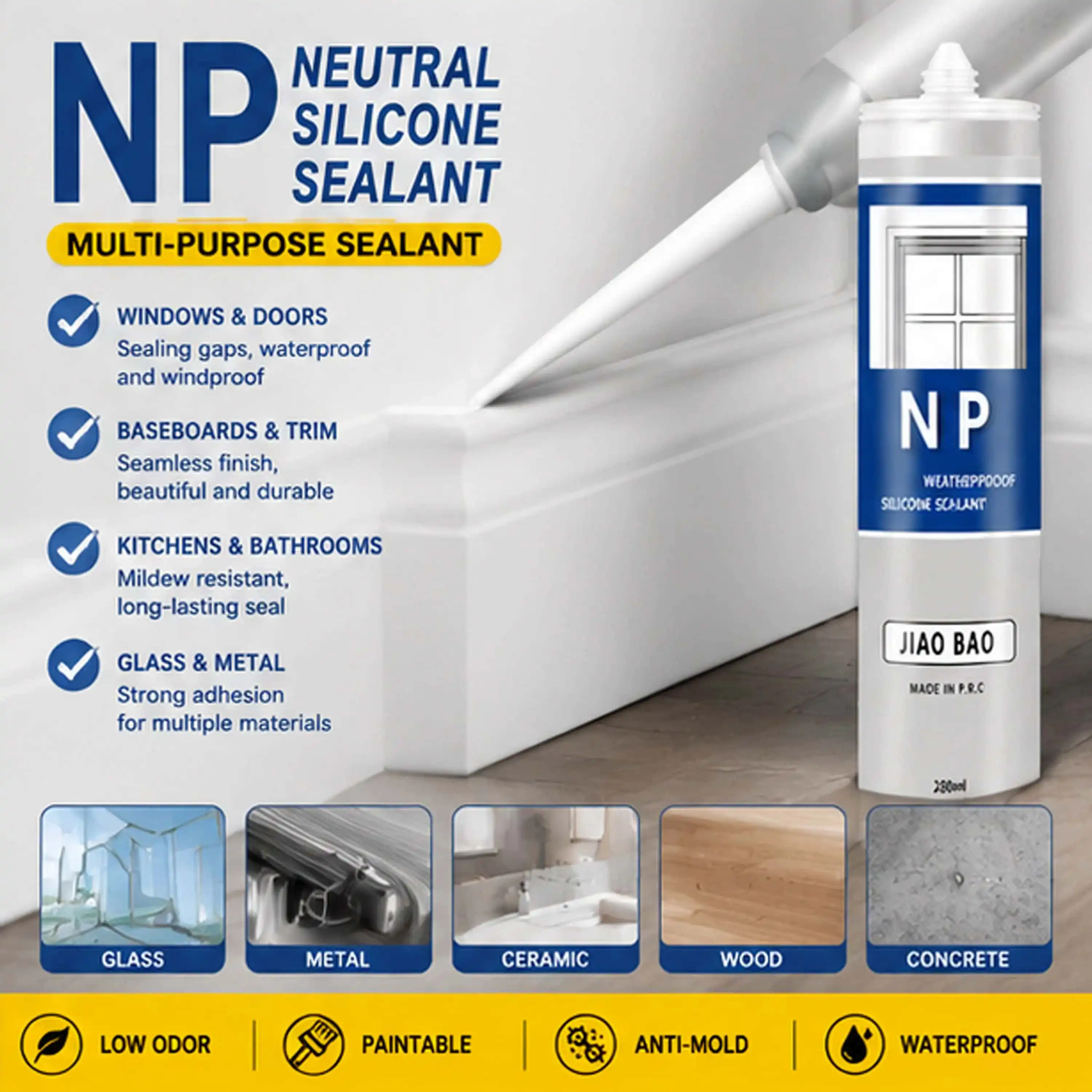
Acid-cure silicones harden faster and cost less per unit, but they can't be used in places where they will touch metal because they could corrode. We've seen failures in the field where acidic sealants ate away at aluminium window frames within 18 months, meaning they had to be completely reinstalled. When you have to deal with warranty claims and damage to your image, the short-term saves are gone.
Neutral fix coatings cost more (15–30%) but last longer and are more valuable in the long run. The investment is worth it because the base won't get damaged, more materials can be used with it, and it needs less upkeep. When you add up the total cost of ownership over the 15 to 20 years that a product is expected to last, neutral silicone always comes out cheaper.
Acrylic seals can be painted on and cleaned up with water, but they don't last as long or be as flexible as silicone. When exposed to UV light, they break down, they shrink while healing, and they don't stretch very much. It's possible to paint over polyurethane sealants, but they don't work well with water and can't be used in the same temperature range as silicone.
Neutral silicone works effectively from -50°F to +150°F, and it stays flexible in both cold and warm areas. The material doesn't break down when exposed to UV light, ozone, or chemical cleaners that are common in businesses. Because silicone contains release agents, it can't be painted. However, since unique colours are available and the material looks clean, this isn't a big problem in most situations.
Professionals in procurement judge sealants based on how consistently they work, how reliable the supplier is, and how much they cost over their whole life. A cheaper product that causes production delays because of differences between batches or makes customers unhappy because it fails too soon quickly becomes the more expensive choice. After 13 years of improvement, our production process keeps very close limits on viscosity, cure time, and mechanical qualities.
Competitive price systems offer discounts for large orders, and shipping times of one to two weeks make just-in-time inventory management possible. Having both ISO and CE licenses shows that the product meets international quality standards. This makes the purchase process easier and lowers the risk of breaking the law. Technical support during the whole procurement process, from reviewing specifications to fixing problems with applications, adds value that generic suppliers can't match.
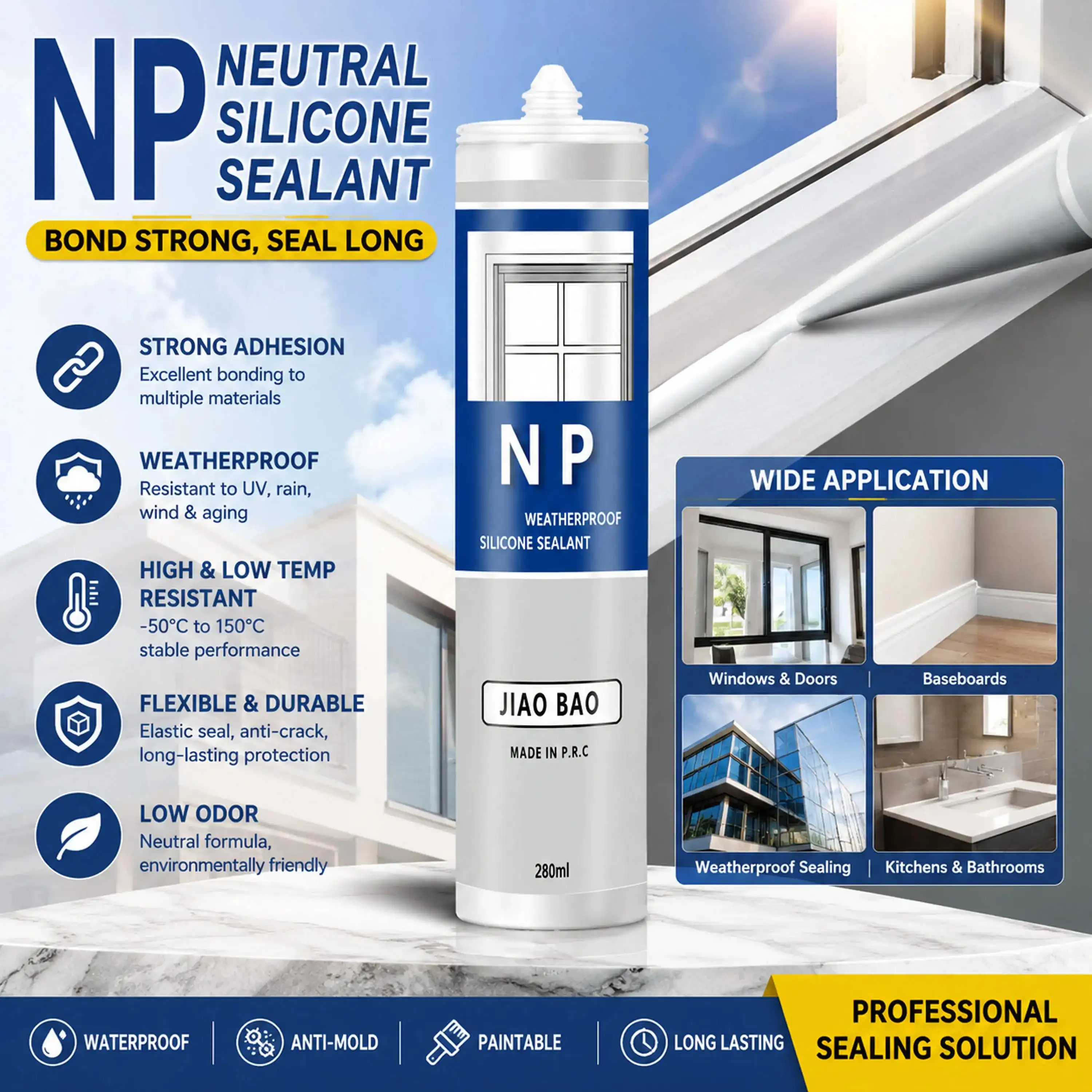
Check the manufacturer's production history and quality control methods before buying industrial sealants. Batch-to-batch consistency is better at older facilities with more developed processes than at newer facilities that are still working to improve formulations. Look for providers that give full technical data sheets with test results from ASTM and ISO, not just marketing claims.
Problem-solving skills are directly linked to manufacturing experience. A supplier with extensive application case history for NP Silicone Sealant Non-Corrosive Type can provide valuable guidance on joint design, surface preparation, and environmental considerations. This expertise proves especially valuable when adapting sealant specifications to unique project requirements or resolving bonding challenges during installation, ensuring optimal performance and reducing on-site complications.
Reliable makers give more than just basic colours; they can also change the formula to meet specific needs. Changes could include making it better at conducting heat for LED uses, making it less likely to catch fire for electrical casings, or changing the viscosity for automatic dispensing systems. With OEM services, you can package goods under your own name, which helps you stand out in markets where competition is high.
Custom colour matching makes sure that all of a product line looks the same. We keep the colour stable from batch to batch by carefully controlling how the pigments are spread out and checking them using spectrophotometry. Colour customisation gets rid of the need to choose between looks and performance, whether it's to match company branding or specific glass tints.
Inventory prices and stockout risks need to be balanced in order for supply lines to work well. Shipping options by sea or land are flexible enough to meet the needs and levels of urgency of different regions. Suppliers who work out of Shandong Province's major production hubs can take advantage of well-established transport networks and low freight rates to North America and Europe.
How the packaging is set up affects how well it stores and how easy it is to use. For human use, cartridges work well with normal caulking guns. For high-volume production settings, sausages work well with pneumatic dispensers. Ordering the right amount based on project timelines and shelf life keeps materials from going to waste and makes sure they are available when production plans get tight.
Clean, dry surfaces are essential for successful bonding with NP Silicone Sealant Non-Corrosive Type. Remove all dirt, oil, old sealant residue, or contaminants that may compromise adhesion. Isopropyl alcohol effectively cleans glass surfaces without leaving residue. Metal frames may require solvent-based degreasers followed by thorough drying. Proper surface preparation ensures maximum adhesion strength, prevents premature seal failure, and extends the service life of the sealed joint.
Cut the cartridge tip at a 45-degree angle to make a hole that is just a bit smaller than the width of the joint. Keep the dispensing tool under constant pressure to keep the bead thickness even. To make sure the sealant is properly wet and the finish is smooth, work with it within 5 to 10 minutes, before skin starts to form. Putting masking tape along the edges of joints makes them look polished and makes cleanup easier.
Silicone hardens when it comes in contact with water, but the environment can change the process. Temperatures between 5 and 40℃ and a relative humidity of more than 30% are ideal. Conditions that are too dry or cold slow the curing process, and conditions that are too hot can make the surface bubble or become uneven.
Plan your applications so that they don't get wet during the first phase of curing. Even though the sealant dries the surface in 30 minutes, waiting 24 hours before spraying water on the joints makes sure the skin is strong enough. As wetness gets deeper into the soil over the course of 7–14 days, full mechanical strength develops. During this time, don’t put too much stress on joints by moving or loading them fully.
Keep cartridges that haven't been used in cool, dry places that are out of direct sunlight. When temperatures are above 27℃, the material can harden faster inside sealed containers, making it harder to stretch. Organising inventory by when it was made makes sure that older items are used up first, which extends their shelf life by 12 months.
If adhesion problems happen, check the surface preparation and make sure the materials are compatible. Silicone doesn't stick well to surfaces that have oils, release agents, or primers that don't work well together. Before full production, testing on sample substrates helps find problems that might happen. If you have questions about certain materials or uses, the manufacturer's technical support team can give you binding data and suggestions on how to treat the surface properly.
When choosing the right solution for glass projects, you need to think about both how well it works now and how well it will work in the future. Neutral silicone formulations get rid of worries about corrosion while giving modern construction and manufacturing the flexibility, temperature resistance, and environmental compliance they need. The NP Silicone Sealant Non-Corrosive Type uses tried-and-true chemicals and consistent production to support a wide range of uses, from glazing in buildings to carefully putting together electronics. By knowing the technical advantages over other sealants, applying them correctly, and working with experienced suppliers, you can be sure of good results that protect your investment and reputation. Neutral silicone is the best choice for professionals who can't take the risks that come with using cheaper materials because it doesn't corrode, works with a lot of different substrates, and follows all the rules.
Because they are naturally resistant to water and mildew, neutral cure silicones work great in wet areas. The material is flexible enough to allow shower enclosures to move around without cracking, and its non-corrosive chemistry keeps chrome fixtures and metal drain parts from breaking down.
Within 30 minutes, the surface dries, letting you handle it lightly. Waiting 24 hours before going in the water makes sure that the skin is strong enough. Depending on the depth of the joint, full mechanical features take 7–14 days to form. To keep the bond from failing during this time, don’t put full structural loads on it.
Acid-cure silicones cause stress cracks in polycarbonates and acrylics, but neutral cure formulations stop these cracks from happening. Because of this flexibility, the materials can be used in more places, like plastic glazing panels, electronics housings, and clear covers, where keeping the materials' visual clarity and structural integrity is very important.
Since 2013, Jiaobao has been a specialist in making high-performance silicone seals for electronics makers, building companies, and industrial assembly plants all over the world. Our neutral cure sealer source has ISO and CE certifications, which mean that every batch meets quality standards around the world. We know how important it is for your applications to work without corrosion, whether you're protecting PCB assemblies, sealing architectural glass, or making sure that LED enclosures will work for a long time.
Our shipping times of one to two weeks and variable OEM services help you get what you need quickly. You can email our technical team at dorashen@cnjiaobao.com to talk about your unique needs, ask for samples, or get full specification sheets. Partnering with an NP Silicone Sealant Non-Corrosive Type maker dedicated to quality, stability, and quick customer service will make a difference.
1. Beers, M. D. & Harper, J. C. (2019). Silicone Sealants in Construction: Chemistry, Performance, and Application. Building Materials Research Institute.
2. Chen, L. & Wang, X. (2021). "Comparative Analysis of Neutral and Acidic Cure Mechanisms in RTV Silicone Systems." Journal of Applied Polymer Science, 138(24), 50512-50523.
3. European Sealant Association. (2020). Best Practice Guide for Silicone Sealants in Glazing Applications. ESA Technical Committee Publication.
4. Kim, S. H., Park, D. Y., & Lee, J. K. (2022). "Corrosion Prevention in Electronic Encapsulation: Material Selection Criteria." IEEE Transactions on Electronics Packaging Manufacturing, 45(3), 187-196.
5. Peterson, R. A. (2018). Architectural Sealants: Selection, Application, and Long-Term Performance. Construction Specifications Institute.
6. Zhang, Y., Liu, H., & Zhao, Q. (2023). "Environmental Impact Assessment of Low-VOC Silicone Sealants in Sustainable Building Practices." Green Building Materials, 11(2), 145-158.
November 16,2023
Enterprise Name
The sealant has very strong adhesion and performs well even on glass and aluminum. After curing, it remains flexible and shows no cracking. Perfect for our facade projects.
November 16,2023
Enterprise Name
Stable quality across batches. Our customers especially like the smooth application and consistent extrusion. It helps reduce installation time on site.
November 16,2023
Enterprise Name
I used it for bathroom sealing. Excellent waterproof performance and no mold issues so far. It's been holding up very well in humid conditions.
November 16,2023
Enterprise Name
The neutral silicone works well on sensitive materials without corrosion. Very suitable for industrial applications requiring stable performance.
_1779347426672.webp)