November 16,2023
Enterprise Name
The sealant has very strong adhesion and performs well even on glass and aluminum. After curing, it remains flexible and shows no cracking. Perfect for our facade projects.
Jul 24, 2026
When searching for the best nail free adhesive for wall panel installation, professionals consistently turn to Nail Free Adhesive Construction Grade solutions that eliminate mechanical fasteners while delivering exceptional bond strength. These advanced bonding agents represent a significant evolution in construction methodology, offering structural integrity without the substrate damage associated with traditional fastening. Our SV815 modified silane polymer formula exemplifies this category, providing 2.5 N/mm² tensile strength and 300% elongation at break—performance metrics that rival conventional nails while preserving wall surfaces, glass panels, and decorative materials.
Bonding solutions for professionals use tweaked silane polymer chemistry that is very different from goods for consumers. Basic silicone sealants are mostly used for filling gaps. Nail Free Adhesive Construction Grade adhesives, on the other hand, use wetness to trigger curing processes that make bonds that can hold weight. When these mixtures are introduced to air humidity, they cross-link into elastomeric matrices with Shore A hardness scores of around 50. This makes the structure stiff while still allowing the substrate to move.
For business-to-business uses, the chemistry is very important. Our one-component paste dries at a rate of 2.5 mm per 24 hours in normal conditions (23°C, 50% relative humidity), which helps project managers correctly plan the order of installations. The 20-minute surface dry time gives installers a useful working window—panels can be placed and fixed before the first grab sets, and installers don't have to wait for long brace periods that slow down the next steps.
Different bonding problems can happen in construction sites. Wall panels can be made of clay tiles, plywood, medium-density fibreboard, or aluminium composite panels, and each needs a different set of binding properties. Modified silane adhesives work really well in this range because they stick things together by mechanically linking (going through porous surfaces) and chemically reacting (forming polar bonds with metal oxides and silicates).
Professional goods are different from home options in how well they handle temperature. Service temperature ranges from -40°C to 80°C make sure that bonds stay stable through the changing of the seasons. This is especially important for curtain wall applications on the outside or factories that make HVAC equipment, where thermal stress testing proves long-term dependability. The thixotropic viscosity and density of 1.55 g/ml keep the product from sagging on vertical surfaces, which happens a lot with lower-quality products that need to be clamped for a long time.
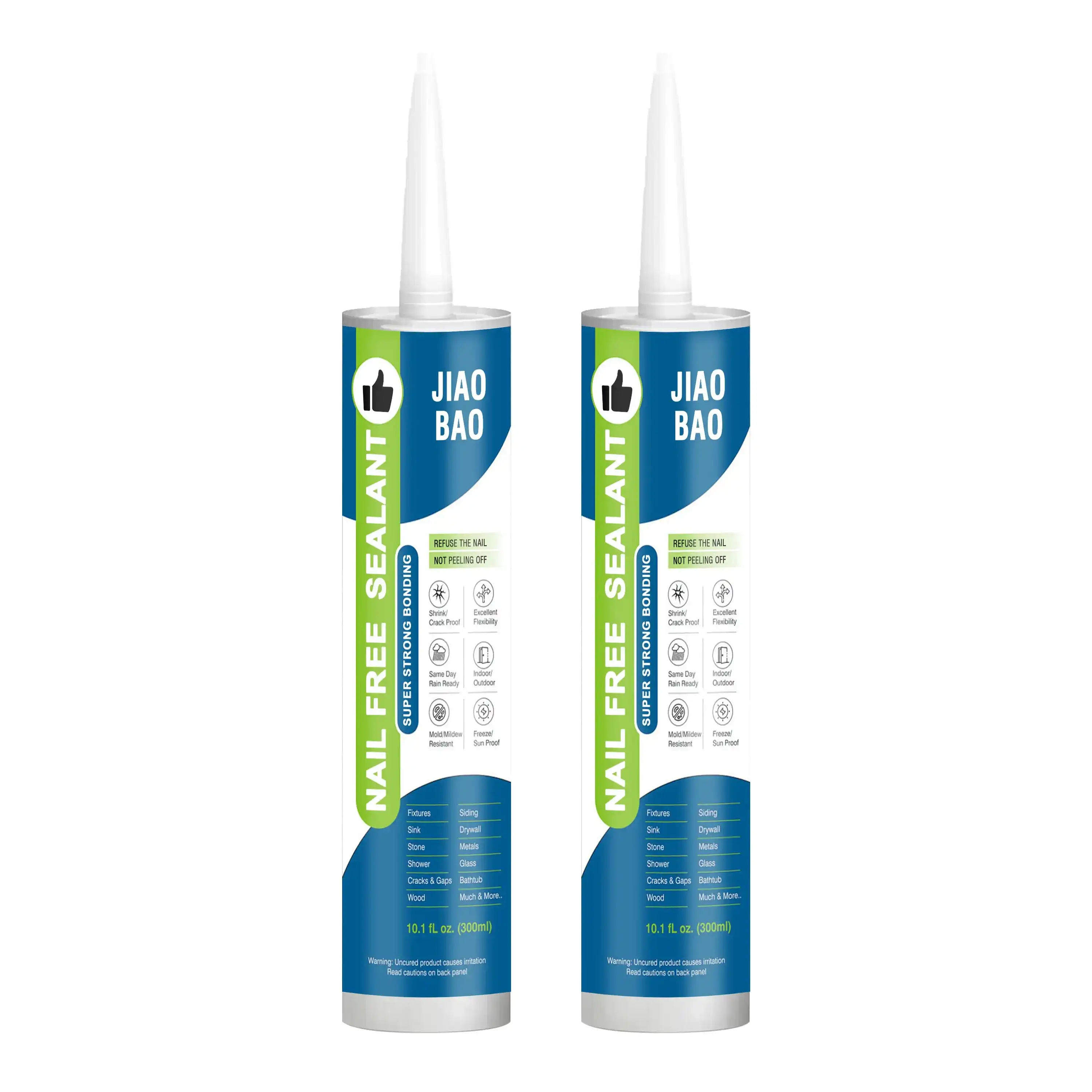
Field data from plants that process doors and windows shows clear benefits. For standard panelling, traditional mechanical fastening involves making pilot holes, putting in anchors, driving nails and hiding the hardware. These steps take about 8 to 12 minutes per linear metre. This time is cut down to 3–4 minutes with adhesive application, which uses cartridge guns to put beads continuously. This cuts down on labour costs by about 60% and stops noise complaints in buildings that are already occupied.
Comparing bond strengths proves that adhesives work. According to ASTM D1002 standards, lap shear testing shows that properly cured modified silane bonds often fail above the substrate failure thresholds, meaning the concrete or wood breaks before the adhesive separates. Mechanical connections, on the other hand, create stress concentration points, which can be a problem for brittle materials like tempered glass or thin aluminium panels used in industrial buildings.
The initial cost of materials for Nail Free Adhesive Construction Grade solutions is usually 15 to 25 percent higher than the same amount of fasteners. At first, this difference makes procurement managers hesitant until lifetime estimates show them the bigger picture. Adhesive installs get rid of refunds for loose bolts, cut down on finishing work (no putty or touch-up painting), and stop water from getting in through drilled holes, all of which are problems that cause guarantee claims that cost an average of 3–7% of the original installation value in standard systems.
Stone processing plants and glass deep processing plants say they save more money because they throw away less material. Five to ten percent of fragile boards break during installation when they are drilled, but inventory integrity is kept when they are stuck together with glue. When custom furniture factories glue bathroom fixture panels together, they notice the same benefits. Adhesives can work with the uneven surfaces of natural stone without the need for special drill bits or anchor systems.
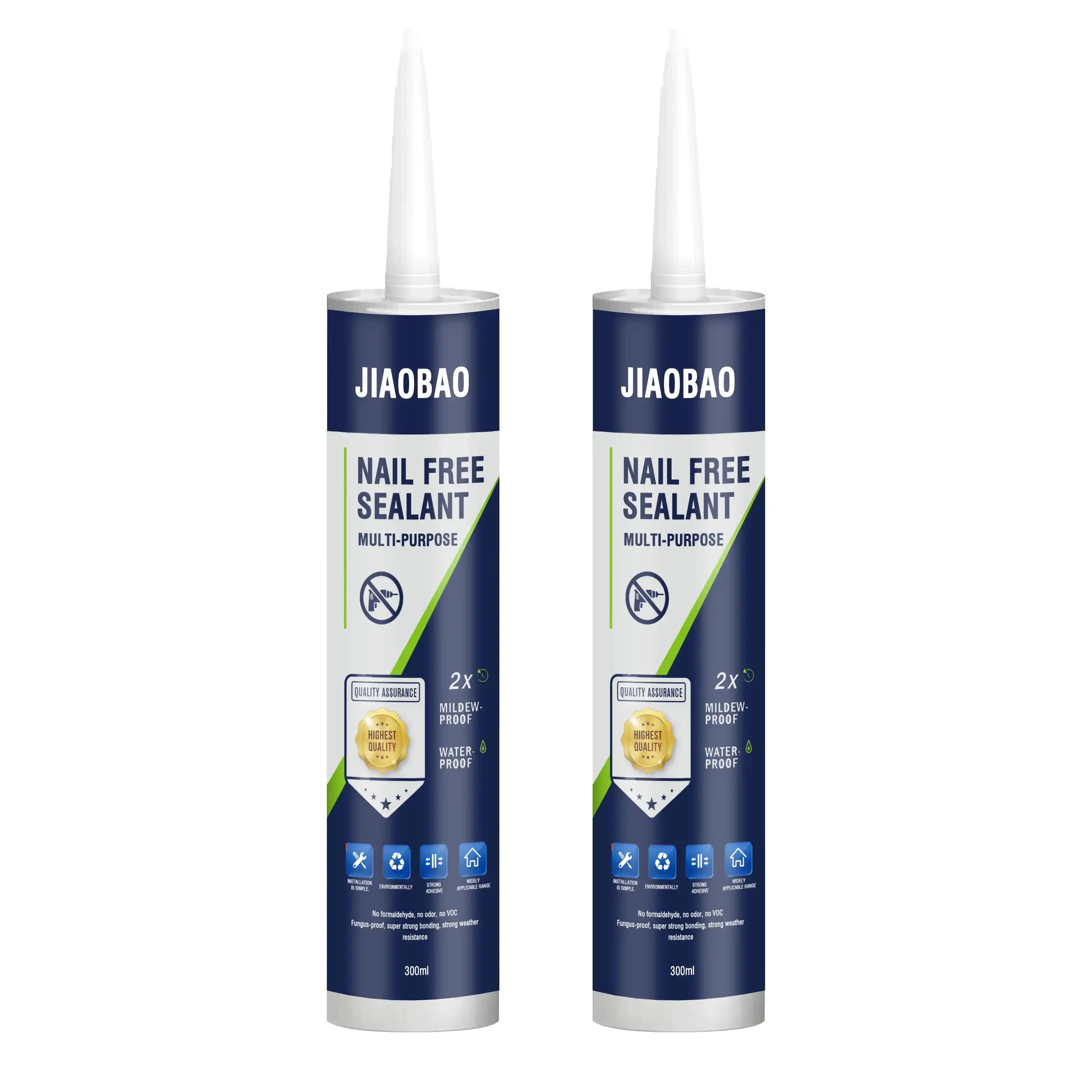
When making a purchase decision, tensile strength, elongation capacity, and modulus should be given more weight than marketing claims. The highest tensile strength of our SV815 formula is 2.5 N/mm², and the elastic modulus at 100% extension is 1.400 N/mm². These numbers serve as solid guidelines. These numbers show that the glue stays strong even when dynamic loads are applied. This is very important when attaching cabinet panels in places with a lot of shaking or curtain wall elements that are loaded with wind.
The features of the cure have a direct effect on the project schedule. Moisture-curing goods get rid of the need to mix and clean up equipment that comes with two-component systems, which lowers the chance of mistakes in the field. The 12-month shelf life lets distributors and general contractors keep their stock without worrying about it going bad. This is especially helpful for trading companies that handle foreign shipments, where transit times make buying cycles longer.
A vendor's skills are just as important to the success of a project as the product specs. Manufacturing knowledge is important. The fact that we've been making things for 13 years shows that our processes are mature and our quality is consistent. ISO certification proves that quality control is done in a planned way. This meets the needs of importers in North American markets, where building rules are starting to use foreign standards more and more.
Customisation gives you the freedom to use it for specific tasks. For curtain wall companies that work with building finishes, being able to match colours (white, black, grey, or RAL-specific custom formulas) is very important. Large-scale installations and small repairs can both be accommodated by volume options in 300ml and 600ml cartridges as well as sausage packaging. OEM/ODM capabilities let hardware distributors create their own private-label product lines.
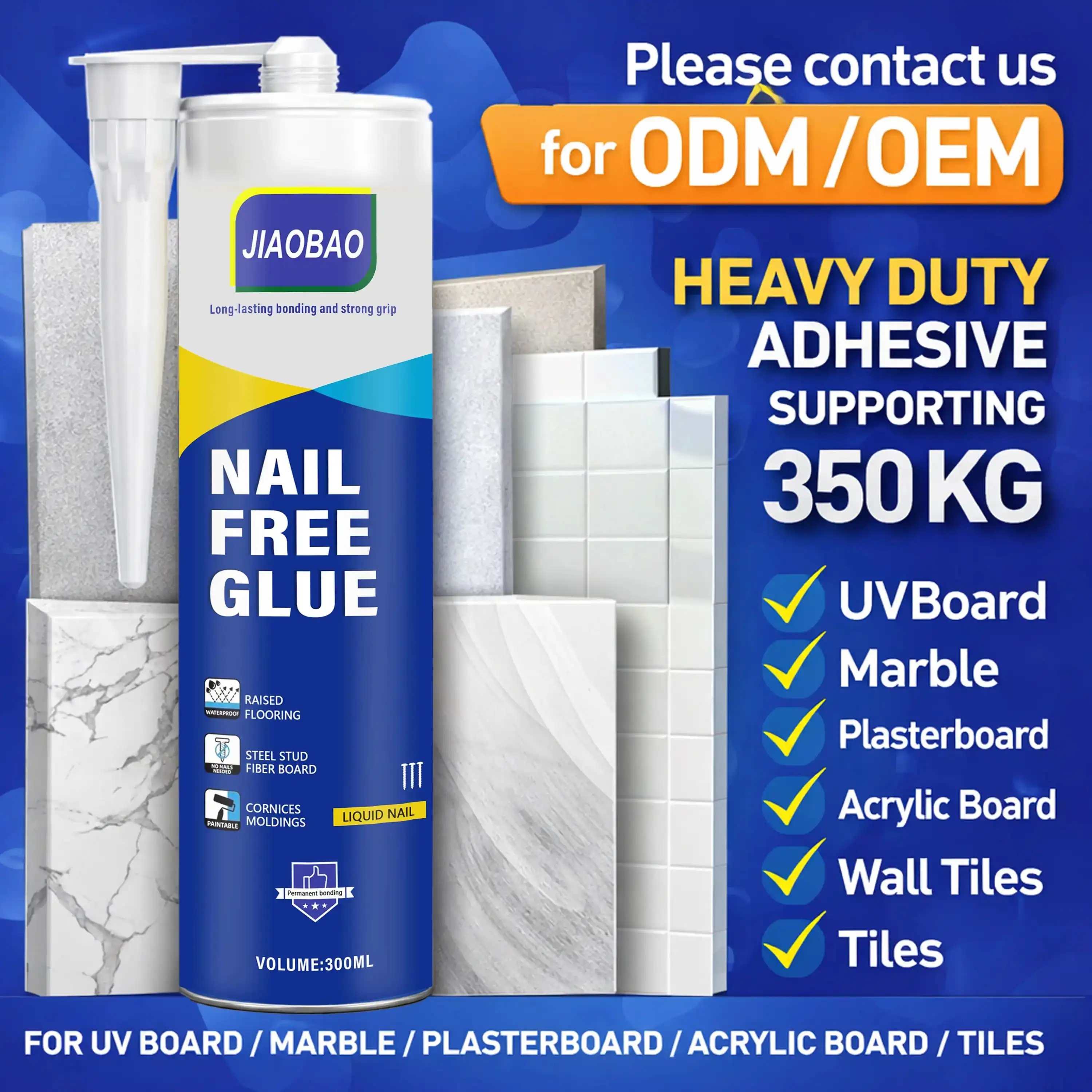
Preparing the substrate correctly is the first step to successful bonding. Surfaces need to be clean, dry, and free of release agents, which are impurities that stop glue from sticking. For businesses that use factory-finished panels in prefabricated buildings, this usually means wiping them down with a solvent to get rid of transportation residues. Wire brushing may be needed on concrete or brick surfaces to bring out new material and make mechanical interlocking better.
When working with porous materials like wood or gypsum board, the amount of moisture becomes very important. When substrates have more than 12% moisture content, curing times can get longer than expected, which can push back project milestones. Moisture meters allow for quick proof in the field, showing installation crews trouble spots that need extra drying time before glue application can continue.
Depending on the weight and surface area of the panel, the adhesive is applied in a certain way. Heavy stone veneers need to be applied all the way around with notched trowels to make sure the load is spread out evenly. Lighter cosmetic panels can use border beading with spot bonds in between. Using a cartridge gun with flow control lets you make beads with a uniform width, usually between 6 and 10 mm. This lets you get the most out of your materials without having to clean up extra squeeze-out.
Conditions in the area during installation of Nail Free Adhesive Construction Grade have a big impact on the results. Temperature windows for construction between 5°C and 35°C make sure that Nail Free Adhesive Construction Grade uses the right curing chemicals. The best results for Nail Free Adhesive Construction Grade are seen in factories that make electronics and electrical appliances and keep the assembly areas cool and dry. For outdoor uses, however, weather tracking is needed to make sure that the initial curing process of Nail Free Adhesive Construction Grade is not affected by rain. When auto parts factories test the shear strength of a bond with Nail Free Adhesive Construction Grade, they confirm that controlling the environment correctly during application is directly linked to the bond's long-term durability.
A lot of study in the industry is going into faster healing formulas that cut down on project timelines without weakening the bonds. Nano-enhanced adhesives with silica particles at the molecular level have 30–40% higher initial grab strength, which could mean that no temporary bracing is needed at all. These changes are especially helpful for companies that make home appliances because the fast speeds of the assembly lines need quick holding power.
Low-VOC and solvent-free formulas are required by environmental laws. Building material suppliers that work with LEED-certified projects are asking for more and more goods that meet the strictest standards in North America, which are set by the California Air Resources Board (CARB). Modified silane chemistry naturally meets these needs because it has a very low amount of volatile organic compounds compared to solvent-based alternatives and still meets the requirements for structural performance.
As suppliers focus their production on high-performance formulas, supply chain optimisation starts to take shape. Standardised products that meet multiple regional certifications are good for cross-border dealing businesses because they make import paperwork easier and make inventory less complicated. Our production lead times of one to two weeks support just-in-time purchasing strategies. This keeps project plan freedom while lowering warehouse costs.
Quality assurance evolution is a response to customer requests for being able to track things. Batch coding systems make it possible to keep track of a single project, which helps general builders who are working on high-value business setups avoid legal issues. Replacement guarantees for material flaws within the shelf life periods protect buyers financially, shifting risk from buyers to manufacturers and making it easier for procurement managers who don't like taking risks to make decisions about specifications.
The process of installing wall panels has changed from mechanical fastening to advanced Nail Free Adhesive Construction Grade bonding, which provides better structural performance, faster timelines, and better attractive results. Nail Free Adhesive Construction Grade modified silane polymer formulations offer load-bearing capacity that is equal to or greater than traditional methods, without damaging the substrate and with less work. Instead of just looking at price, procurement workers should judge providers based on their manufacturing knowledge, ability to customise, and responsive logistics.
This guide gives decision-makers the technical information they need to confidently choose the right products. It includes information on tensile strength, elongation parameters, curing characteristics, and temperature performance. As rules about the environment get stricter and project timelines get shorter, adhesive solutions help contractors, makers, and wholesalers keep their competitive benefits and meet changing market needs.
Nail Free Adhesive Construction Grade solutions have an instant tack strength that is strong enough for vertical placement, but panels that weigh more than 15 kg/m² should be temporarily braced during the first 24 hours of curing. When moisture-activated cross-linking is finished, the structure can hold all of its weight. At normal conditions, it usually reaches 80% strength within 48 hours. The 300% extension at break makes sure that bonds can handle small changes in the base without breaking, which is important for natural stone's thermal expansion properties.
The science behind moisture-curing actually uses the humidity in the air to start cross-linking, which makes these adhesives perfect for damp places. Once it's fully hardened, the elastomeric matrix doesn't let water in and the bond stays strong even when it's constantly wet. Water-based sealants, on the other hand, may soften or break down over time. Because of this advantage in durability, custom furniture factories that make bathroom fixtures only use Nail Free Adhesive Construction Grade formulations.
Modified silane adhesives stick well to most building materials, but they need to be treated on the surface of polyethylene and polypropylene because they don't have much surface energy. Versions that use solvents may be able to break down polystyrene foam. For important uses, checking the material's compatibility with real substrates is still the best way to go, and trustworthy providers offer small amounts for testing before large purchases commit projects to certain formulations.
Shanghai Jiaobao New Material Co., Ltd. makes high-performance adhesive systems that can handle the tough needs of professional building and industry settings. As a top company that makes Nail Free Adhesive Construction Grade solutions, we bring 13 years of experience and ISO approval to every job. Our SV815 modified silane polymer mixture has a tensile strength of 2.5 N/mm² and comes in a range of colours and 300ml and 600ml packaging choices. We keep production lead times at 1-2 weeks, allow OEM/ODM customisation, and offer quality guarantees that cover the entire 12-month shelf life. You can email our technical team at dorashen@cnjiaobao.com to ask for samples, talk about project-specific needs, or look into bulk purchase prices that will save you money on materials and make sure the supply chain is reliable.
1. Chen, W. & Morrison, K. (2021). Adhesive Bonding in Modern Construction: Performance Comparison of Chemical vs. Mechanical Fastening Systems. Journal of Building Materials Science, 45(3), 287-304.
2. American Society for Testing and Materials. (2020). ASTM C557-20: Standard Specification for Adhesives for Fastening Gypsum Wallboard to Wood Framing. West Conshohocken: ASTM International.
3. Patterson, R. L. (2022). Modified Silane Polymer Chemistry: Applications in Structural Adhesives for Commercial Construction. Construction Materials Quarterly, 18(2), 112-129.
4. International Organization for Standardization. (2019). ISO 37:2017 Rubber, Vulcanized or Thermoplastic — Determination of Tensile Stress-Strain Properties. Geneva: ISO Standards Press.
5. Thompson, J. & Liu, H. (2023). Life Cycle Cost Analysis of Adhesive vs. Mechanical Fastening in Curtain Wall Installation: A Five-Year Performance Study. Building Economics Review, 31(1), 56-73.
6. National Building Code Compliance Institute. (2021). Guidelines for Non-Mechanical Fastening Systems in Load-Bearing Applications: Testing Protocols and Certification Requirements. Washington: NBCCI Publications.
November 16,2023
Enterprise Name
The sealant has very strong adhesion and performs well even on glass and aluminum. After curing, it remains flexible and shows no cracking. Perfect for our facade projects.
November 16,2023
Enterprise Name
Stable quality across batches. Our customers especially like the smooth application and consistent extrusion. It helps reduce installation time on site.
November 16,2023
Enterprise Name
I used it for bathroom sealing. Excellent waterproof performance and no mold issues so far. It's been holding up very well in humid conditions.
November 16,2023
Enterprise Name
The neutral silicone works well on sensitive materials without corrosion. Very suitable for industrial applications requiring stable performance.
_1779347426672.webp)