November 16,2023
Enterprise Name
The sealant has very strong adhesion and performs well even on glass and aluminum. After curing, it remains flexible and shows no cracking. Perfect for our facade projects.
Jul 18, 2026
Fire rated silicone sealant is a special kind of rubber material that is made to stay intact during fires and protect against leaks for a long time. These formulations are different from regular sealants because they can survive temperatures above 1000°C and stop flames, smoke, and poisonous gases from passing through sealed joints. They stay flexible at very high and very low temperatures, can move with the building, and get fire resistance scores of two to four hours under strict testing standards like ASTM E1966 and EN 1366-4. Understanding these materials is important for procurement managers in the building, HVAC, and industrial industries to make sure they follow fire safety rules and get good seal performance over time.
Fire-rated sealants have intumescent chemicals and silicone polymers that spread when heated, making a char layer that keeps heat out. In contrast to passive barriers that only block heat, this active security stops the fire from spreading through building joints. Because the silicone backbone is naturally thermally stable, the cured material can stay stuck to substrates even when temperatures continuously hit 150°C or spike above 1000°C during fire tests.
The science behind these items is very different from that of regular building sealants. Normal silicones focus on being waterproof and sticking well, but fire-rated silicones balance these needs with being able to stop flames and smoke. They are essential in curtain wall perimeters, expansion joints, and through-penetration sealing where both life safety and environmental protection needs come together because they can do two things at once.
To specify fire-rated goods, you need to know how approval systems work. Most markets in North America use UL-classified systems, while projects in Europe need EN 13501-2 approval. These standards check for things like integrity (making sure flames can't get through), insulation (stopping heat from moving), and sometimes radiation control. If the sealant doesn't work with the tested joint setups (widths, depths, or substrate combinations that aren't allowed), the fire rating is null and void.
When testing, sealed parts are put through controlled fire conditions to see how stable the seal is and how well it stops heat from moving. For 120 minutes, products that meet Class EI 120 keep their shape and protection. As ratings are system-dependent rather than material-only certifications, procurement teams should make sure that source paperwork fits joint designs that are specific to the project.
Fire safety needs are met by a number of different material groups, each with its own set of performance characteristics, including fire rated silicone sealant options. When it comes to movement and weather protection, silicone-based options are better than intumescent acrylics, which may break down when exposed to UV light outside. Polyurethane alternatives stick well, but they aren't stable at high temperatures, which is needed in places with a lot of heat, like near machinery, or in hot areas.
When you choose between neutral-cure and acetoxy-cure silicones, the suitability of the base changes. There is no chance of corrosion on metal, glass, stone, and covered surfaces when you use neutral formulas. Acetoxy types are cheaper, but when they cure, they create acetic acid, which could damage sensitive materials. For example, in curtain wall uses where aluminium finishes and insulated glass units need non-corrosive sealants, project engineers have to match the fix chemistry to the materials that are being used.
Building Construction and Curtain Wall Systems: High-rise buildings need fire-rated silicone sealant at the changes from floor to facade. This makes horizontal fire shields that stop flames from spreading up and down. These perimeter joints allow for a lot of heat movement and structural flexibility while keeping the fire compartmentation intact. Curtain wall builders look for goods that can move between ±25% and ±50% so that they can handle expansion and contraction cycles without the seal breaking.
Mechanical and HVAC Penetrations: When ductwork goes through fire-rated walls, it needs a bendable seal that can handle vibrations and temperature changes. Unlike hard firestop collars, silicone seals can go through both round and rectangular holes while still letting air flow through easily. To keep projects on schedule, HVAC workers like formulations that fix quickly. Surface drying times of less than 60 minutes allow for faster follow-on trades.
Industrial Manufacturing and OEM Integration: Equipment in electronics factories, data centers, and car assembly plants is built with fire-rated seals in mind. Low-VOC formulas that won't mess up sensitive processes or break indoor air quality rules are needed in these settings. OEM buyers often need lubricants that are the same colour as the finishes on their equipment. They demand suppliers who can customise the RAL colour chart and make sure that each batch is the same.
Verification of third-party ads is the basis of buying legally. Manufacturers with a good reputation will give you UL file numbers, ETA documents, or test results from approved labs. Instead of taking general product certifications, procurement managers should ask for system-specific approvals that match how their joint configurations are set up. This care keeps expensive repairs from having to be done when building inspectors find setups that don't follow the rules.
Testing for material suitability stops bonding problems that hurt both fire safety and weatherproofing. Suppliers should give information on how well their products stick to anodised aluminium, powder-coated steel, low-E glass coats, or porous concrete that is specific to the job. Multiple substrate projects may need starters or different formulas, which can affect the cost of materials and the amount of work that gets done.
How you buy things and keep track of your goods are affected by how long things last and how much space they need for fire rated silicone sealant. Most fire-rated silicones will keep working for a year if they are kept at the right temperature. Bulk buyers should make sure that delivery times work with building plans so that as little waste as possible comes from old materials. Options for packaging, like 300ml and 600ml cartridges or sausage shapes, should match the application tools and joint sizes to get the most work done with the least amount of work.
Well-known companies in North America, such as 3M, Tremco, and GE, control the market thanks to their extensive system approvals and expert support networks. These companies charge a lot of money for a lot of testing data and advice on how to use it in the field. Mid-tier makers offer competitive performance at lower costs, making them a good choice for projects that care more about price than name recognition.
Niche markets that need aesthetic integration are served by specialised suppliers that focus on coloured and customisable formulas. For projects involving architectural bronze, custom glass tints, or company logos, it's common to need more than just white, black, or grey to match colours exactly. Visual differences are less noticeable in high-traffic areas like hotel lobbies and business offices where suppliers offer RAL chart matching and batch consistency promises.
Long-term binding and fire efficiency depend on how well the surface is prepared. The surface must be clean, dry, and free of any oils, dust, or leftover lubricant. Mechanical cleaning with wire brushes or abrasives makes sure the teeth are in the right place for bonding, and liquid wiping gets rid of dirt and grime. Concrete and other porous surfaces may need priming, but current neutral-cure formulations get rid of this step more and more.
Conditions in the environment during application affect how fast it cures and what the end qualities are. The best time to use it is when the temperature is between 5°C and 40°C and the humidity is between 40% and 80%. When it's cold outside, drying takes longer, which could make tooling windows longer but pushes back project plans. High temperatures speed up the formation of skin, which cuts down on working time and calls for skilled applicators who can quickly tool joints before surface tack forms.
Knowing how cures work helps project teams plan the work that needs to be done next. It only takes 45 to 60 minutes for the surface to dry, which protects against light dust. However, full mechanical strength doesn't develop for days because wetness moves in at a rate of about 3 mm per 24 hours. Deep joints need more time to heal before they can be moved or stressed, especially when it's cold outside and the healing process is slower.
Joint sizes, surface adhesive, and the lack of holes or air pockets should all be checked during quality checks. Pull tests on sample areas show how strong the adhesion is, and eye analysis finds issues like bad tooling or contamination. Recording batch numbers, application times, and environmental conditions makes it possible to track down products for guarantee claims and compliance checks.
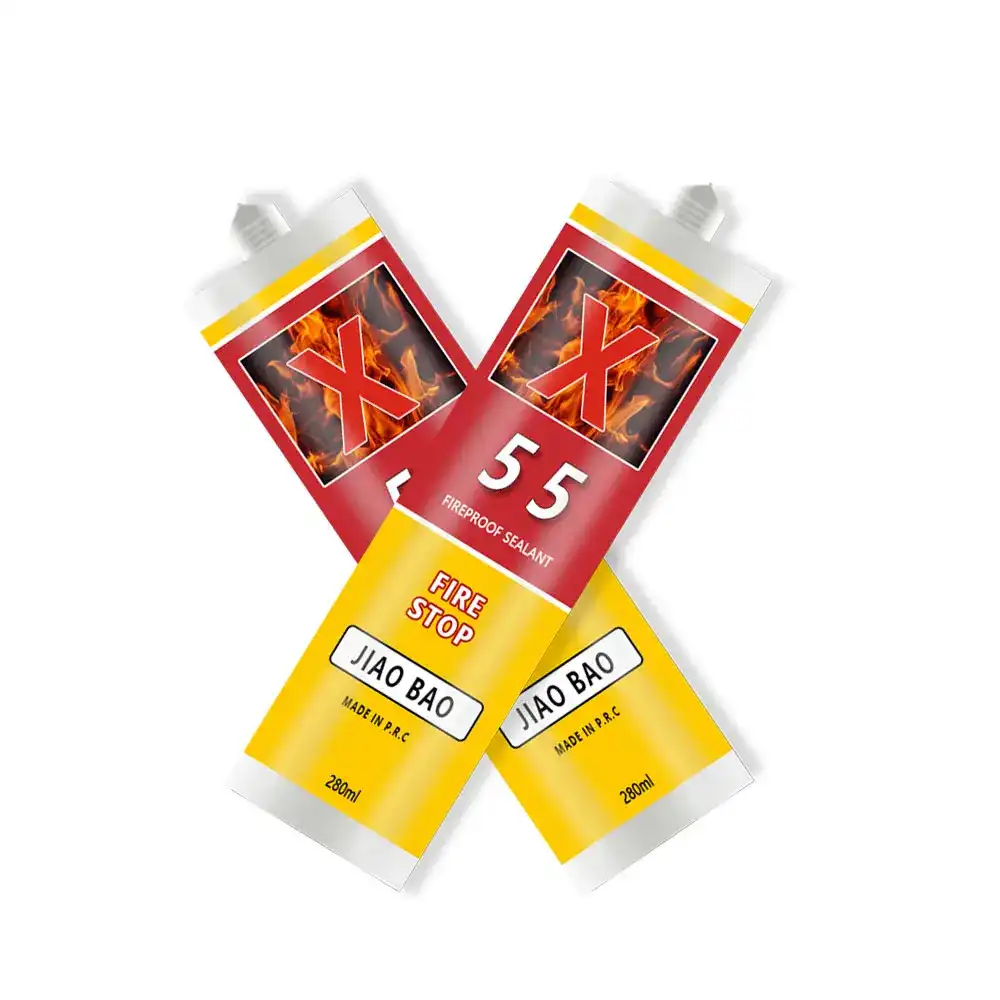
Strategies for sourcing fire rated silicone sealant depend on the size and importance of the job. Large building projects can get better prices, unique colours, and more focused technical help when they work directly with manufacturers. Regional wholesalers work with medium-sized businesses that need faster shipping and lower minimum sales. Online business-to-business (B2B) tools make prices clear and make reordering easy for maintenance contractors who work at multiple places.
When you buy something from another country, the details become more complicated, so you need to plan carefully. Ocean freight is cheaper for large containers, but it takes 6 to 8 weeks longer to get the goods to you. It is better for urgent jobs or sample orders to use expedited air shipping, even though it costs more. Buyers need to think about things like clearing customs, keeping the goods at the right temperature while they're in transit, and the paperwork that needs to be filled out, such as Safety Data Sheets and fire test reports.
Requesting samples of a product before buying a lot of it lowers the risk and makes sure that the performance standards are in line with the product's real qualities. On-site adhesion tests, colour checks against building finishes, and evaluations of working qualities in local environmental conditions can all be done with samples. Reliable sellers give samples away for free because they see it as an investment in their relationships with customers rather than a commercial cost.
When an application is complicated, technical advice services help providers stand out. Access to field reps who visit sites, look over shared designs, and teach users how to use the product adds value above and beyond the cost of the product. Helping customers after the sale with things like fixing binding problems, figuring out what test results mean, and adapting to new specifications helps build long-lasting relationships that lower the risk of buying things for many projects.
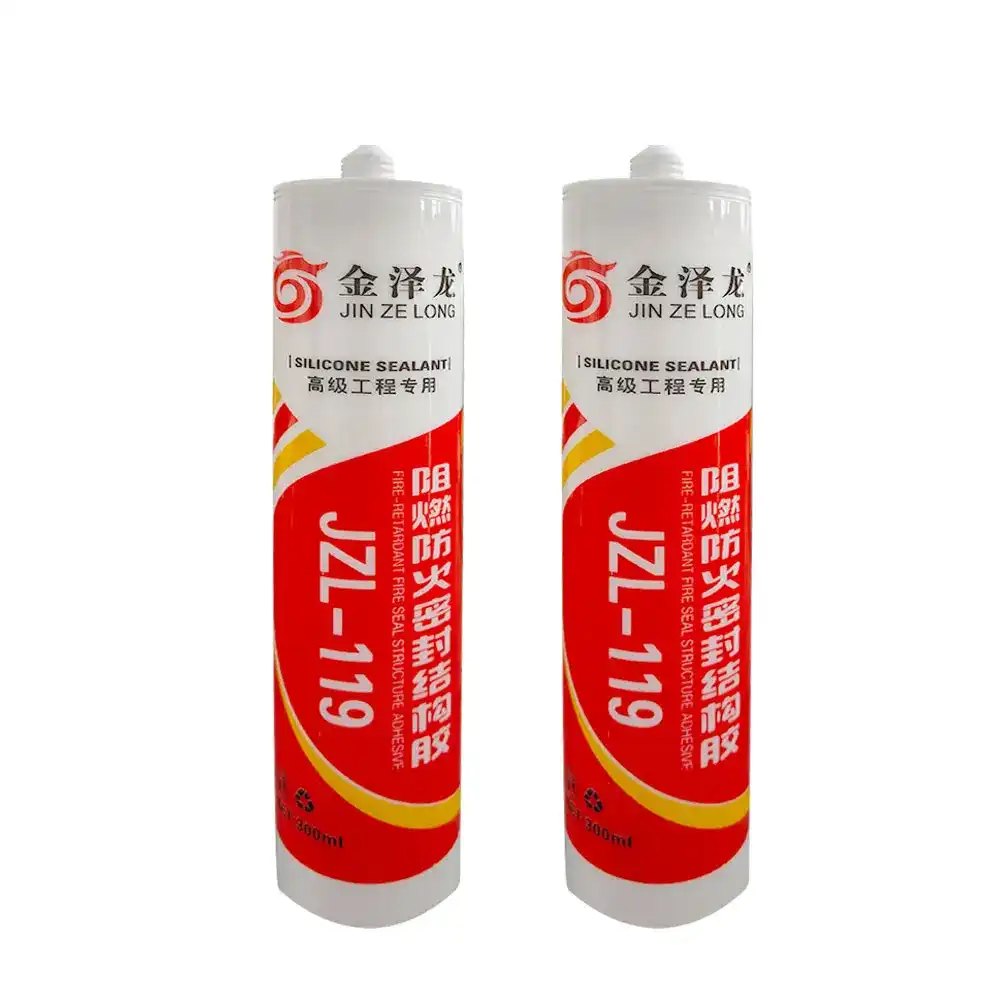
To meet fire safety standards, you shouldn't have to give up on functionality or long-term longevity. Our one-part RTV silicone sealant is approved to be resistant to fire and can withstand the weather longer than polyurethane and acrylic options. The formula stays flexible at temperatures ranging from -50℃ to +150℃, so the structure can move without the seal breaking.
Thermal cycling and wind loads cause building parts to repeatedly grow and contract. Our finished sealant moves with these changes, stopping cracks from spreading and keeping safety in place all the time. Silicone is more flexible than hard firestop materials, which break when they move. It can handle movement of up to 50%, based on the joint design and substrate type.
UV protection makes sure that outdoor uses keep working well year after year. Poorer versions break down in harsh outdoor conditions, turning chalky, changing colour, and losing their flexibility. Because our silicone backbone is naturally stable, it can withstand photodegradation, ozone exposure, and the weathering processes that are common in curtain wall and facade uses.
Your plan to protect against fire won't be affected by extreme weather. Our formula works regularly across a wide range of working conditions that are hard for other sealants. When used in cold regions in the north, goods don't become brittle like cheaper ones do. When it's hot near motorised equipment, roofing assemblies, or tropical installations, the viscosity stays solid and doesn't sag or flow.
Because the product can work in a range of temperatures, it can be used for a wide range of projects, from building a cold warehouse to constructing a business building in the desert. Speciality versions that can hit temperatures of 200°C or more are used in industrial settings with heat-generating equipment, exhaust systems, and high-temperature work areas.
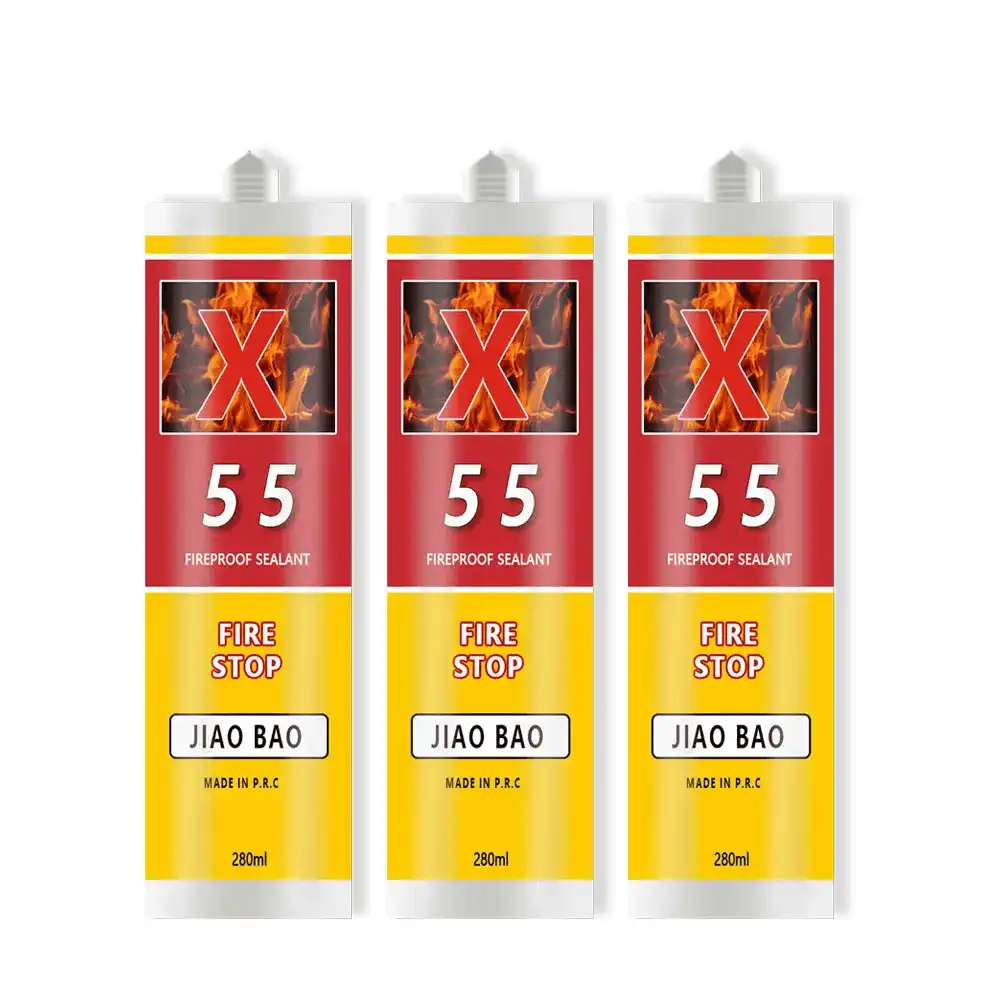
In today's building and industrial settings, fire rated silicone sealant plays an important role as a vital infrastructure by balancing the needs for life safety and operating performance. To choose the right recipes, you need to know about licensing standards, substrate suitability, and the conditions of exposure to the environment. It's helpful for procurement teams to look at more than just product specs. They should also look at how reliable the provider is, how well they can help with technology issues, and how flexible the logistics are. Investing in the right fire-rated insulation protects property, makes sure that regulations are followed, and saves money in the long run by making installs that last and don't need much upkeep. As building rules change and people learn more about fire safety, these special products will continue to be an important part of complete protection plans.
A: Formulations that are fire-rated have flame-retardant ingredients and intumescent technologies that regular sealants don't have. When these materials are exposed to fire, they spread to make protective char layers that stay stuck to the substrates. Under high heat, standard seals may burn, melt, or lose their stickiness, making ways for flames and smoke to spread. Fire-rated silicone sealant models are put through a lot of tests to make sure they work for a long time and can handle high temperatures.
A: Different types of high-quality silicone can move up to 50% of their original size, so they can expand and shrink without breaking the seal. It is important to be able to accommodate movement in curtain wall seams, growth links, and seismic situations where rigid materials would break. Because it is elastomeric, the sealant can stretch and compress many times over the life of the building without losing its fire safety qualities.
A: Most fire-rated silicone seals keep working as well as the day they were made for 12 months as long as they are kept properly in a cool, dry place that doesn't get too hot or too cold. To cut down on waste from old materials, procurement teams should arrange arrival times with building schedules. Proper keeping in sealed cartridges or sausages keeps the useful properties and stops curing too soon.
With more than 13 years of experience making fire-resistant silicone sealants, Shandong Jiaobao has been serving curtain wall builders, general contractors, and industrial makers all over the world. Our factory is ISO and CE approved, and it makes neutral and acetoxy cure formulations that can be color-matched to RAL standards. These meet the technical and aesthetic needs of high-end business projects.
We know how hard it can be to buy things when there are tight project deadlines, rules about approval, and limited budgets. To meet these needs, we provide quick production lead times (1-2 weeks), flexible MOQ choices, and full OEM/ODM services that are suited to local building codes. Our expert team helps with applications, tests samples, and offers quality guarantees that cover returns or replacements for any problems with shelf life.
Our fire-rated silicone sealant manufacturer can help you with high-rise curtain walls, HVAC installs, or industrial integration. We offer reasonable prices and reliable performance. You can email our team at dorashen@cnjiaobao.com to talk about the specifics of your project, get technical data sheets, or set up shipping of samples.
1. American Society for Testing and Materials. "ASTM E1966-19: Standard Test Method for Fire-Resistive Joint Systems." ASTM International, 2019.
2. European Committee for Standardization. "EN 1366-4:2006+A1:2010: Fire Resistance Tests for Service Installations – Part 4: Linear Joint Seals." CEN, 2010.
3. National Fire Protection Association. "NFPA 285: Standard Fire Test Method for Evaluation of Fire Propagation Characteristics of Exterior Non-Load-Bearing Wall Assemblies." NFPA, 2019.
4. International Code Council. "International Building Code Chapter 7: Fire and Smoke Protection Features." ICC, 2021 Edition.
5. Underwriters Laboratories. "UL 2079: Fire Tests of Building Joint Systems." UL Standards, 2018.
6. Wolf, A.T. and Cleland-Host, J.R. "Durability Assessment of Fire Rated Sealants in Exterior Applications." Journal of ASTM International, Volume 8, Issue 4, 2011.
November 16,2023
Enterprise Name
The sealant has very strong adhesion and performs well even on glass and aluminum. After curing, it remains flexible and shows no cracking. Perfect for our facade projects.
November 16,2023
Enterprise Name
Stable quality across batches. Our customers especially like the smooth application and consistent extrusion. It helps reduce installation time on site.
November 16,2023
Enterprise Name
I used it for bathroom sealing. Excellent waterproof performance and no mold issues so far. It's been holding up very well in humid conditions.
November 16,2023
Enterprise Name
The neutral silicone works well on sensitive materials without corrosion. Very suitable for industrial applications requiring stable performance.
_1779347426672.webp)