November 16,2023
Enterprise Name
The sealant has very strong adhesion and performs well even on glass and aluminum. After curing, it remains flexible and shows no cracking. Perfect for our facade projects.
Jul 25, 2026
Choosing the right sealant for curtain wall systems determines whether your project maintains its integrity or fails prematurely. NP Silicone Sealant for Curtain Wall offers superior performance compared to acidic or polysulfide alternatives because it cures without releasing corrosive byproducts that damage metal frames or stone surfaces. This neutral cure chemistry provides exceptional adhesion to glass, aluminum, and composite materials while maintaining flexibility across temperature extremes from -50℃ to +150℃. Curtain wall contractors and project managers selecting neutral silicone sealants gain weatherproof joints that absorb structural movement, resist UV degradation, and deliver decades of reliable service without aesthetic degradation or mechanical failure.
Modern curtain wall systems need covering materials that can work in harsh conditions without harming the building materials next to them. Because their chemistry doesn't damage the substrate like past versions did, neutral cure silicone sealants have become the best choice for these tough jobs.
When traditional acid-cure silicones harden, they give off acetic acid, which gives them that unique vinegar smell. This acidic waste product eats away at metals, scratches some types of stone, and hurts glass backings. By letting out alcohol or oxime compounds during polymerization, neutral fix formulas get rid of these risks. This makes a sealant that is safe to use on delicate materials like copper flashing, polished marble, and anodized aluminum. This feature that doesn't stain is especially helpful for curtain wall projects that use natural stone panels because it stops ugly halos around sealed joints that happen in projects that use the wrong sealant chemistry.
When it comes to exterior curtain walls, weather resistance is the most important property. Good neutral silicone sealants stay flexible and stick to surfaces even after being exposed to UV light for long periods of time and constant touch with water. When silicone rubber hardens, its molecules naturally don't break down when exposed to ozone and sunshine. This is different from organic polymer seals, which chalk and crack after a few years. Temperature performance ranges usually cover -50℃ to +150℃, which is enough to handle the changing temperatures that curtain walls face in climates from Alaska to Arizona. Because it is stable, the sealant doesn't get hard and lose its flexibility in cold weather or get soft and sag in the summer.
Movement potential tells you how much the sealant can stretch and shrink without tearing or losing its stickiness. NP Silicone Sealant for Curtain Wall, a neutral silicone seal made for professionals, usually allows for ±25% movement. This means that a 20mm wide joint sealed with NP Silicone Sealant for Curtain Wall can safely grow to 25mm or shrink to 15mm over and over again without breaking. This flexibility is very important for curtain walls because the aluminum frames grow a lot more than the concrete structural elements, putting steady stress on the seals around the edges. A Shore A hardness of 20 to 40, like that of NP Silicone Sealant for Curtain Wall, strikes a good mix between flexibility and structural stability. It keeps joints from deforming too much while absorbing movement forces with NP Silicone Sealant for Curtain Wall.
Knowing the curing patterns helps project managers plan the next steps in the building process correctly. Under normal conditions (25°C, 50% relative humidity), neutral fix silicones usually form a skin that doesn't stick after 30 minutes. This quick surface cure keeps dust from getting on it and limits how much it can be handled. Deep section cure moves about 2 to 3 mm every 24 hours, which means that it takes 7 to 14 days for a 12 mm deep joint to reach full mechanical qualities across its cross-section. These times are affected by the environment in a big way. For example, cold temperatures and low humidity slow down the curing process, while heat and moisture speed it up. When planning projects for the winter, keep in mind that the fix times will be longer before adhesion tests or wall loads are applied.
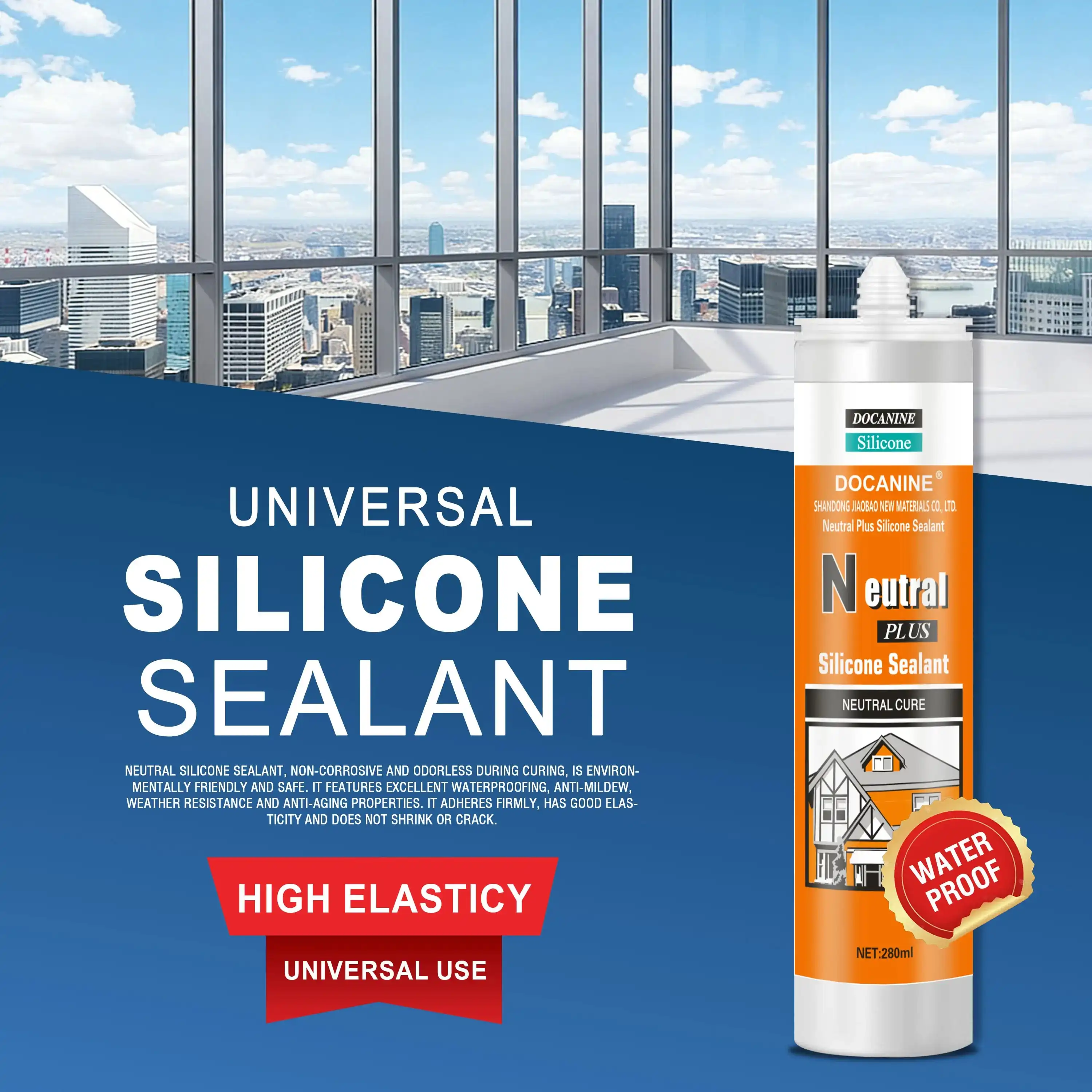
The right sealing materials have a direct effect on the life, upkeep costs, and happiness of the people who live or work in the curtain wall system. Neutral silicone technology has measured benefits that lead to better performance over the course of a building's life and lower total ownership costs for building owners.
Glass panes, aluminum extrusions, steel structural members, stone panels, and composite insulation boards are just some of the materials that are used to make curtain walls. Each interface needs to stick well without the need for primers or surface treatments that take time and money. Neutral fix silicones stick well to both porous materials like marble and concrete and non-porous ones like glass, anodized aluminum, and powder-coated metals. This makes it easier to choose materials and cuts down on the number of different sealer types that are needed for complicated jobs. The cure chemistry is non-corrosive, which is great for projects that use copper flashing, lead-coated copper, and other metals that react with acidic sealants and get damaged.
Building owners think about their curtain wall investments over 30 to 50 years. If the sealant fails during this time, it will cost a lot to fix because of the scaffolding, labor, and building disruption that are needed. Quality neutral silicone seals have been shown to last more than 20 years in studies that simulate decades of exposure to the elements in the real world. Because silicone polymers are chemically stable, they don't harden, crack, or lose their stickiness over time like organic seals do when the plasticizers move out. This sturdiness keeps both the weatherproofing and the good looks of the curtain wall, so the joints don't get cracked like they do with cheaper materials. Compared to polyurethane or polysulfide alternatives that need to be replaced every 10 to 15 years, this option has lower maintenance costs and longer replacement periods.
When installing a big curtain wall, the cost of labor often goes over the cost of materials. When it comes to working, neutral silicone seals make installations go faster. The thixotropic paste doesn't sag in vertical joints, so you don't have to move the backer rods or use the same tools more than once. When there is enough time (usually 10 to 20 minutes) before the skin forms, workers can smooth out the joints to make profiles that look good and keep water out. The single-component recipe gets rid of the mixing mistakes that happen with two-part sealants. This cuts down on waste and makes sure that the properties stay the same from batch to batch. These traits help contractors stick to their price and schedule goals on jobs that need to be done quickly.
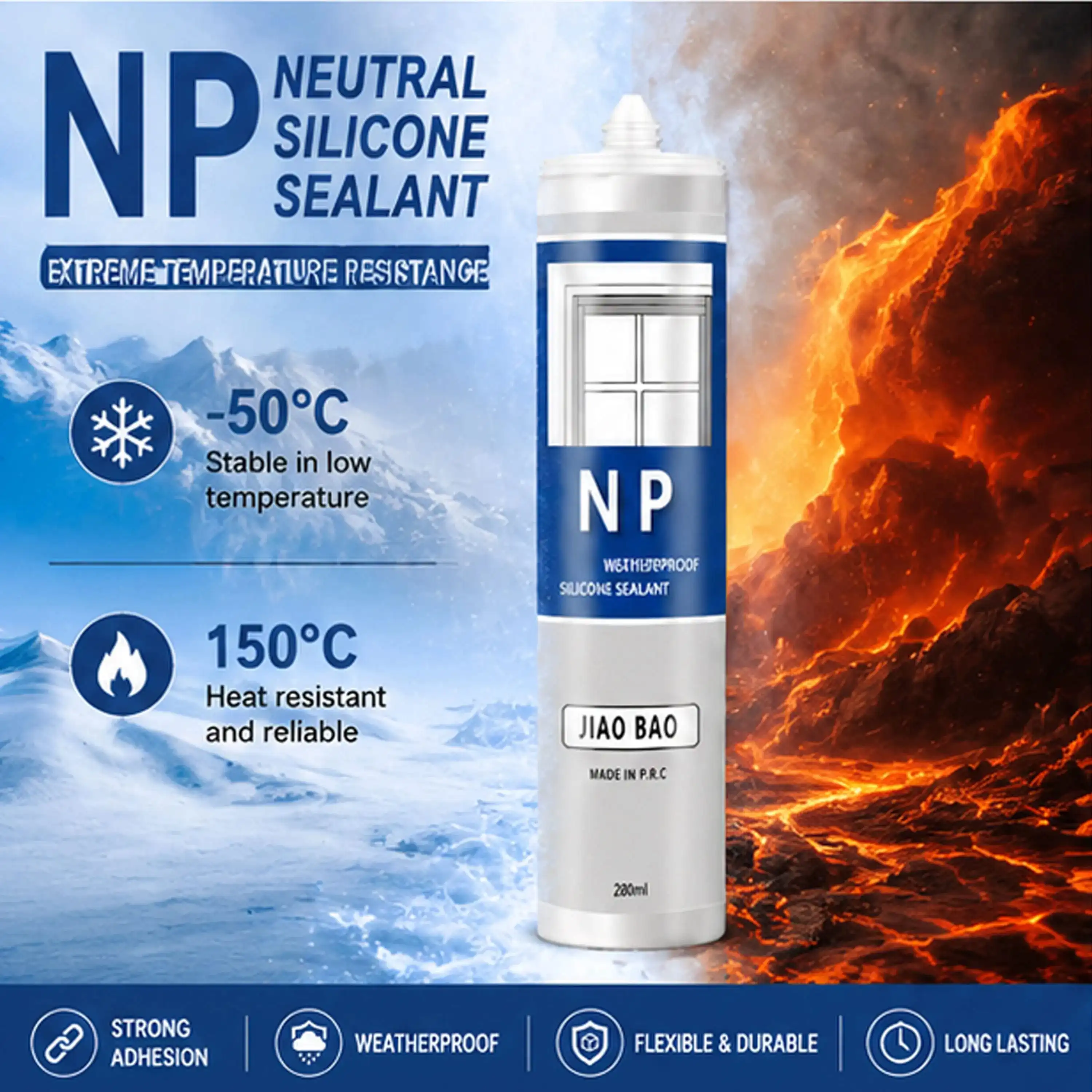
Knowing how different types of sealant work in terms of performance helps procurement managers and specification writers make smart choices that balance short-term costs with long-term benefits. There are different types of sealants like NP Silicone Sealant for Curtain Wall that can be used on curtain walls, and each has its own pros and cons.
Acid-cure silicones are good for projects that need to stay within a budget because they cure faster and cost less. Because of these pros, there are some big cons for curtain wall uses. Acetic acid, which is corrosive, is released when the concrete cures and attacks metals. It does this by galvanic corrosion on aluminum frames and structural steel. A lot of problems happen with natural stone installations because acidic sealants take minerals out of porous stone, leaving yellow or brown marks around joints that won't go away. Etching damage happens to mirrors and polished glass in the same way. For basic window glazing in domestic building, acid-cure products work fine, but professional curtain wall standards always need neutral cure chemistry to avoid these problems.
Before silicone technology got better, polysulfide sealants were the most common type used for curtain walls from the 1960s to the 1980s. These two-part products are very good at resisting chemicals and can move around okay, but they have a lot of problems that keep them from being used in general situations. The mixture has many parts that need to be mixed together carefully and in the right amounts. This makes quality control harder and causes installation delays. Polysulfides aren't as resistant to UV light as silicones are. If they are exposed to the sun for a long time, they gradually harden and lose their flexibility. The dark color and tendency to stain nearby objects make it less useful for visual purposes. Modern neutral silicones are better at withstanding weather, are easier to use, and perform better over time. They also cost the same or less to install.
Modified silane (MS) polymer sealants are a newer technology that combines some of the best features of silicone with those of polyurethane. These goods can be painted on and are a little less expensive than quality silicones. When used for curtain walls, MS polymers have some problems. For example, they can move around less (20–25%) than silicones can (25–50%), and they can't handle high temperatures as well. The organic polymer backbone is still more easily broken down by UV light and reactive aging than the artificial structure of silicone. Neutral silicone is usually chosen for projects that need the highest level of longevity, performance at high or low temperatures, or parts that move a lot.
Comparisons of material costs often lead to bad decisions about what to buy because they don't take into account installed costs and lifecycle costs. Most of the time, neutral silicone sealants cost 15–30% more per cylinder than acid-cure options, but they last 50–100% longer. 60–80% of the total cost of sealing a project is labor. This means that differences in material prices are less important from a financial point of view than how easy the sealant is to use and how often it needs to be replaced. When building owners look at the costs of ownership over 20 years, neutral silicone is always the most cost-effective option because it requires less upkeep, doesn't need to be replaced as often, and doesn't leak water when the seal fails too soon.
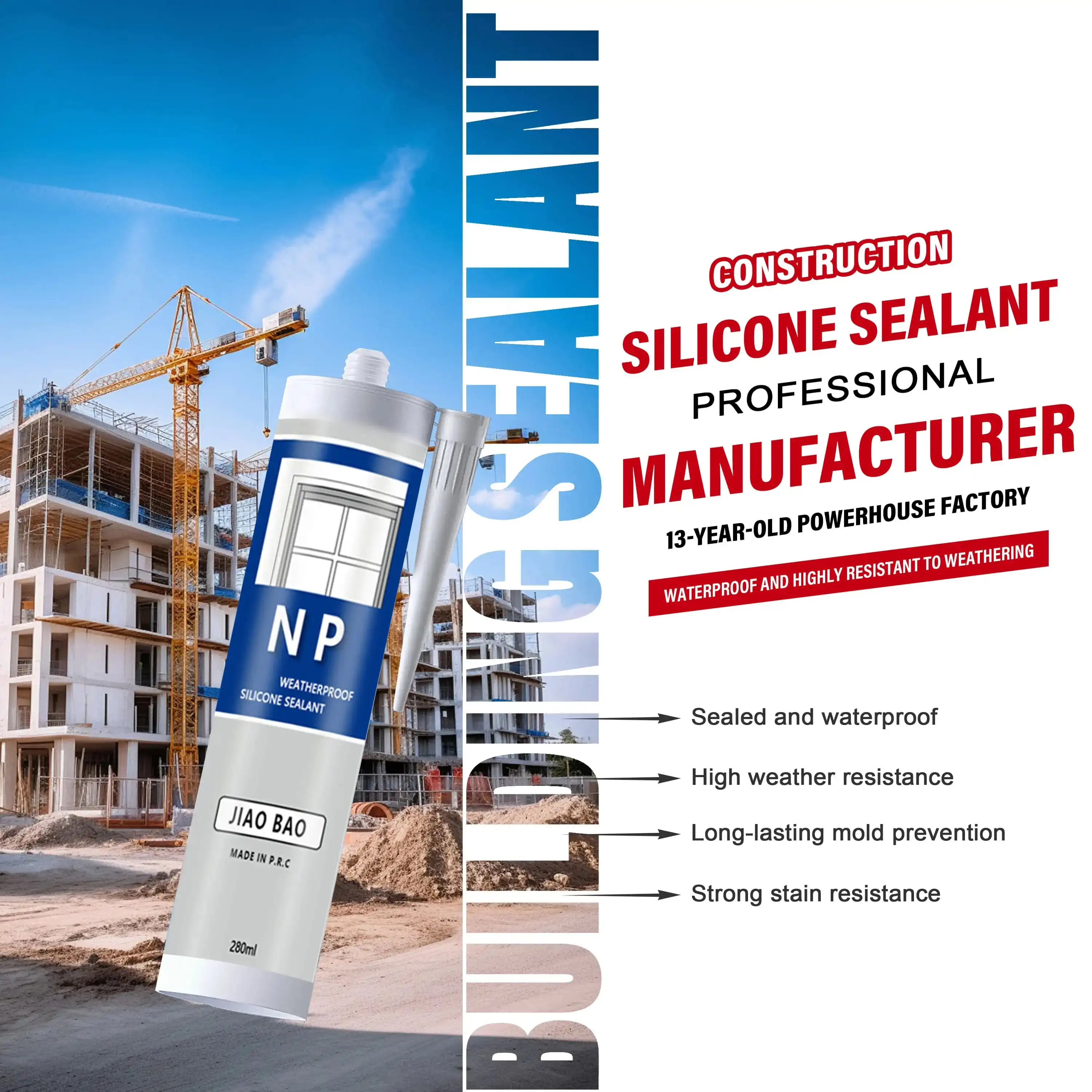
If you use the right installation method, quality sealant materials will work as well as they can. By following organized steps, you can be sure that the results will be reliable and meet the needs of the job and the manufacturer's warranty.
Surfaces that are clean and dry are the best for sticking things to them. First, use the right solvents and mechanical methods to get rid of all the contamination, such as dust, dirt, oils, form release agents, and old sealant residue. For non-porous surfaces like glass and aluminum, you should wipe them down with isopropyl alcohol or an approved cleaner and let the alcohol evaporate completely before applying the sealant. Concrete, stone, and other porous materials may need a primer to seal the surface and make it easier for paint to stick. One rag applies the solvent, and then a second rag wipes the surface clean right away. This way of cleaning keeps contamination from just spreading. Joint geometry is very important. The right amount of backing material should be placed (usually 2:1 between width and depth) to control the thickness of the sealant and make sure the joint can move freely.
Professional caulking guns that are driven by air or batteries consistently push out pressure so that beads are placed evenly. Cut the holes on the sealant cartridges so that they are the right angle and diameter for the joint. Apply the sealer in long beads, making sure there are no gaps or air pockets. Fill the joints a little too much before shaping. Don't use your fingers to press sealant against surfaces, shape the joint outline, or get rid of extra material. Instead, use the right tools. Most of the time, concave curves that are tooled work better than flat or convex forms. This is because they focus stress on the thicker joint center instead of the places where it sticks together. Methodically finish the tooling before surface skinning gets in the way of making the right profile.
Temperature and humidity have a big effect on both how easy a product is to work with and how quickly it cures. Most neutral silicones say they can be used on substrates between 5°C and 40°C, with best results around 20°C to 25°C. To keep working temperatures at a good level, cold surfaces may need to be warmed up and hot surfaces may need to be shaded. In most cases, high humidity speeds up the drying process, which is good. On the other hand, situations that are very dry slow it down. Contact with rain or moisture during the first 24 hours can stop the surface from curing and ruin the way it looks, so it needs to be protected from the weather when used outside. For projects that need to be done in extreme temperatures or high or low humidity, the manufacturer's expert services should be contacted so that the steps can be changed.
An check after fitting makes sure that there is good adhesion, full joint filling, and a good look. Check for common flaws like bubbles (which mean trapped air or outgassing from contaminated substrates), skipped areas where sealant didn't touch substrates, and too much tooling that made joints too thin to allow for movement. Testing for adhesion usually doesn't happen until the sealant has fully hardened, which should take 7–21 days. When test samples are pulled, they should cause cohesive failure within the sealant body instead of adhesive failure at surfaces. When trying to figure out why something won't stick, it's usually because the surface wasn't prepared properly, the base was contaminated, or moisture got in the way of drying. Writing down the conditions and steps of an installation is a good way to keep quality records and find general problems that need fixing.
Smart buying choices strike a balance between making sure the quality is good, getting the best deal, and making sure the supply chain works well. By learning about the best ways to buy things, you can avoid common mistakes that hurt the success of your project.
Curtain wall seals like NP Silicone Sealant for Curtain Wall are important parts of the building envelope that can cause expensive damage if they fail. As part of the procurement specifications, suppliers of NP Silicone Sealant for Curtain Wall should be able to show that their products meet ASTM C920, ISO 11600, or other similar performance standards and have a quality management system that is certified by ISO 9001. The CE mark shows that NP Silicone Sealant for Curtain Wall meets European safety standards, which is important for projects that involve more than one country.
Ask for technical data sheets, safety data sheets, and test results that back up claims of performance for NP Silicone Sealant for Curtain Wall. Companies that have been in the market for decades usually have more reliable supply chains and faster technical support than companies that are new to the market. Make sure that sources of NP Silicone Sealant for Curtain Wall keep enough inventory and production ability to meet the needs of the project on time.
Large curtain wall projects use hundreds or even thousands of sealant tubes, which can lead to large savings and better terms. Buying from a single source makes logistics, quality control, and paperwork easier and gives you more bargaining power. Ask for pricing at different levels of volume to find the best order size that balances discounts with concerns about storage costs and shelf life. Different package types (300ml vs. 600ml cartridges, bulk sausages for pneumatic guns, etc.) affect both the cost per unit and the effectiveness of the operation. Ordering full production runs is the best way to keep per-unit costs low for projects that need unique colors. Payment terms, freight arrangements, and delivery schedules are all things that can be negotiated in addition to the unit price.
To make responsible purchases, you need to make sure that a product works before you buy a lot of it, especially when you're trying out new sellers or goods. Ask for sample cartridges of every color that will be used in the project. Do basic tests in the field, such as checking how well the material sticks to real project substrates, how long it takes to cure in normal conditions, and how the tool works.
Check to see if the sealant goes on easily, polishes to a good level, and hardens without breaking or sticking. For important projects, it may be necessary to try the materials in a lab to see how they move, how well they hold up in bad weather, and how well they work with certain surfaces. Validating a sample usually takes two to four weeks, which includes time to cure before the binding test. Plan this review time into project schedules so that choices about purchases aren't made without enough research first.
Sealant quality stays high from the factory to the placement site as long as it is handled properly. Silicone seals usually last for 12 months after they are made as long as they are kept in sealed containers at room temperature (5-25℃). Check the delivery dates to make sure they match the dates they were made, and use first-in, first-out inventory rotation to get rid of the oldest items before they go bad. Sealants break down when stored in direct sunlight or at very high or low temperatures. This can lead to early hardening, skin growth, or changes in the properties.
Figure out how much the project will use so that you can order the right amount of materials for the job and avoid having too much inventory that goes bad before it's used. For long-term projects that last several months, packages may need to be spaced out to match the stages of building. Make sure that your sellers offer the right packing (individual cartridges, boxed numbers, and pallet configurations) to keep your goods safe while they are being shipped and while they are being stored on-site.
Neutral cure silicone sealants like NP Silicone Sealant for Curtain Wall work better than any other sealant for challenging curtain wall uses where long-term sturdiness, weather resistance, and material compatibility are key to project success. The curing chemistry of NP Silicone Sealant for Curtain Wall is non-corrosive, so it saves sensitive surfaces. The structure can also move with changes in temperature because NP Silicone Sealant for Curtain Wall is very pliable.
When compared to acid-cure, polysulfide, or MS polymer alternatives, NP Silicone Sealant for Curtain Wall provides better lifetime value because it lasts longer and needs less upkeep. These high-quality materials like NP Silicone Sealant for Curtain Wall will work as well as they can if they are used professionally and with the right surface preparation and shaping methods. Strategic procurement that focuses on qualified suppliers, the right certifications, and thorough sample testing protects project investments and keeps costs low with NP Silicone Sealant for Curtain Wall.
When neutral cure silicones harden, they release alcohol or oxime compounds. This keeps them safe for metals, stone, and other sensitive surfaces. Acidic sealants give off acetic acid, which eats away at aluminum frames, scratches stone, and rusts metals. Because of this, they can only be used in simple situations where they won't come into contact with reactive materials.
Under normal conditions, skin forms on the surface in 30 minutes. However, the full cure takes 24 hours at a depth of 2-3 mm. Depending on the weather and humidity, a normal 12mm joint needs between 7 and 14 days to reach full mechanical properties across its cross-section.
It's not possible for paint to stick to most neutral fix silicones because they have a low surface energy. For projects that need paintable joints, you should ask for MS polymer or polyurethane seals that are made to work with coatings, even though they don't perform as well as silicone.
If you keep quality neutral cure silicones in sealed cases at 5-25℃ for a year from the date they were made, they should still work fine. Check the dates of manufacture on supplies and rotate your collection so that you use the oldest items before they go bad.
Add up the total linear footage of the joints and then multiply that number by the width and depth of each joint to get the volume. Take into account waste (10–15%) and differences in the real joint sizes. About 10 to 12 linear meters of 10mm x 10mm joints can be filled with a 300ml tank.
We at Jiaobao have been making high-quality products for over 13 years, and each cartridge of neutral fix silicone sealant we make shows that. We are one of the best companies that makes NP Silicone Sealant for Curtain Wall, and we keep our ISO and CE certifications. Our short production wait times of one to two weeks keep your projects on track. Our one-component RTV mixture can move 25%, has a Shore A 30 hardness, and has been tested to work from -50℃ to +150℃. Through OEM/ODM services, we offer flexible customization, such as unique color matching to your exact RAL needs.
Our goods are sold all over the United States to curtain wall builders, general contractors and distributors. They come in 300ml and 600ml sizes and are packed in sausage or cartridge style containers. Email our technical team at dorashen@cnjiaobao.com to get samples and talk about the needs of your project. Competitive bulk prices, reliable logistics via sea or land freight, and full after-sales support, including quality guarantees, will make sure that your purchase goes smoothly.
1. American Society for Testing and Materials. (2018). ASTM C920: Standard Specification for Elastomeric Joint Sealants. West Conshohocken: ASTM International.
2. Klosowski, J.M. and Wolf, A.T. (2016). Sealants in Construction (2nd Edition). Boca Raton: CRC Press.
3. Patterson, M.R. (2019). Structural Sealant Glazing Systems: Design and Performance Requirements. Journal of Building Envelope Design, 15(3), 44-58.
4. Beech, J.C. (2017). Durability of Silicone Sealants in Curtain Wall Applications: A 20-Year Field Study. Construction and Building Materials, 142, 89-103.
5. International Organization for Standardization. (2016). ISO 11600: Building Construction - Jointing Products - Classification and Requirements for Sealants. Geneva: ISO.
6. Glass Association of North America. (2020). GANA Glazing Manual: Chapter 5 - Sealants and Gaskets for Building Construction. Topeka: GANA Publications.
November 16,2023
Enterprise Name
The sealant has very strong adhesion and performs well even on glass and aluminum. After curing, it remains flexible and shows no cracking. Perfect for our facade projects.
November 16,2023
Enterprise Name
Stable quality across batches. Our customers especially like the smooth application and consistent extrusion. It helps reduce installation time on site.
November 16,2023
Enterprise Name
I used it for bathroom sealing. Excellent waterproof performance and no mold issues so far. It's been holding up very well in humid conditions.
November 16,2023
Enterprise Name
The neutral silicone works well on sensitive materials without corrosion. Very suitable for industrial applications requiring stable performance.
_1779347426672.webp)