November 16,2023
Enterprise Name
The sealant has very strong adhesion and performs well even on glass and aluminum. After curing, it remains flexible and shows no cracking. Perfect for our facade projects.
Aug 13, 2026
When it comes to automotive glass replacement and installation, selecting the right adhesive partner can mean the difference between consistent service quality and costly insurance claim rejections. PU Auto Glass Installation Sealant represents the industry standard for structural bonding in automotive glass applications, particularly within insurance-approved repair networks. The leading manufacturers in this space include globally recognized names such as 3M, Sika, Henkel, and Dow Automotive, alongside specialized regional suppliers like Jiaobao who combine certified quality with flexible customization options tailored for service networks managing multi-location operations.
The windshield does more than just keep people safe from wind and debris. It also helps keep the roof of the car together during roof crush situations and is a key part of how airbags work. The structural role of this glass puts a lot of stress on the adhesive systems used to install it in cars. Purchasing managers and operations leaders in insurance-partnered glass repair networks have a unique problem to solve: they need to find polyurethane-based seals that meet strict safety standards while also keeping costs low across a network of service locations.
With the right adhesive recipe, techs can get safe drive-away times that cause customers the least amount of trouble without weakening the bond. When making purchases in this area, it's important to carefully look at things like manufacturer certifications, consistency in curing performance across temperature ranges, and the dependability of the supply chain to make sure that service doesn't go down at remote installation sites. This guide talks about the different manufacturers, the technical differences between them, and the best ways for service organizations to buy materials so that their insurance partners will be happy with the systems they build.
There are a few well-known companies in the global automotive adhesive market. Their goods have gained trust by working well in the field for decades and always getting better. Knowing where they stand helps procurement teams figure out which sources meet specific business needs.
3M remains the leader thanks to its wide range of car repair products. Their polyurethane glass bonding systems have primer technologies that work with different substrate conditions. This is especially helpful for installation crews who come across corroded pinch welds or body structures made of more than one material. The company has a large delivery network that makes sure products are available all over North America. However, the high prices may make it hard for buying budgets that are focused on saving money.
Sika has built its name on providing original equipment makers. This gives its aftermarket goods an air of trustworthiness with insurance adjusters who check the quality of the materials. Their SikaTack® line of products focuses on fast-curing formulas that cut down on the time it takes to fix vehicles. Application training programs are part of Sika's technical support infrastructure. These programs can standardize installation processes across service networks with multiple sites.
Henkel's Loctite brand works in the automotive glass market, providing different modulus-differentiated products to meet the needs of different vehicle designs. Their high-modulus formulations work well in cars with high-tech driver assistance systems, since body stiffness can change how sensors are calibrated. Henkel's research funding in low-conductivity adhesives meets new needs for electromagnetic compatibility in today's connected cars.
Multinational companies are better known for their brands, but specialized makers often offer better deals for area service networks. Most of the time, these providers offer shorter wait times, one-on-one technology support, and unique packaging options that make it easier to handle inventory across multiple service sites. Because they can make things in a variety of ways, they can handle mid-volume orders that bigger companies might not give as much attention to. This makes them valuable partners for companies across the country that are in charge of 50 to 200 installation bays.
Jiaobao is a good example of this type of company because it specializes in polyurethane sealant systems. The company was founded in 2013 and has been improving adhesive chemistry for over 13 years. It makes formulations that have a tensile strength of 2.2 MPa and an elongation at break of 400%. These performance metrics meet the FMVSS 212 standards for structural bonding. Their ISO and CE certifications show that they meet the quality standards that insurance auditors look for when they review a supplier's qualifications.
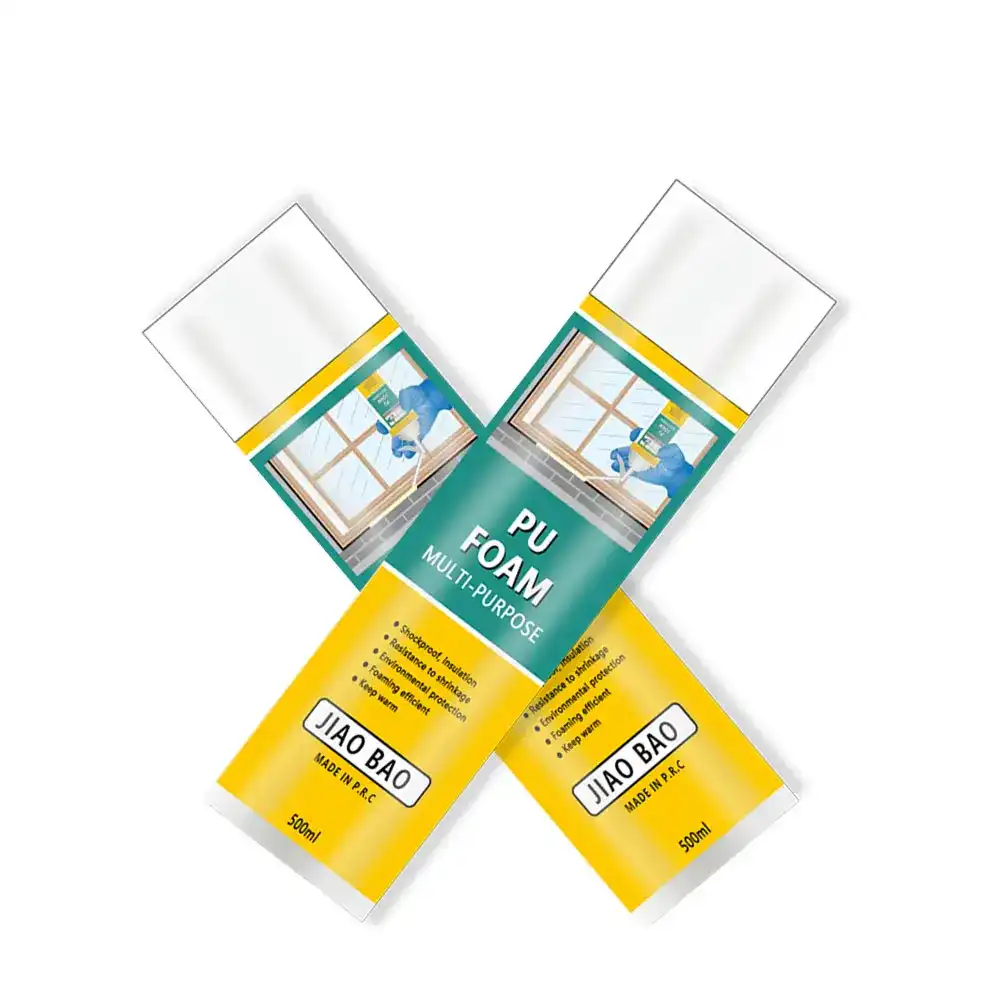
For buying to work well, you need to know which aspects of a product have a direct effect on service quality and business efficiency. Technical specs aren't the only thing that matters. How well a sealing system works in real life scenarios is what really matters.
Polyurethane-based glues for cars use a science called "moisture-cure," in which the humidity in the air causes a crosslinking reaction that makes the bond stronger. In mild climates, this process works consistently, but in extreme climates, the formulation needs to be changed. Advanced products have accelerators that keep cure rates steady even in low-humidity or cold-weather installations. This stops the cure delays that make it take longer for the vehicle to be immobilized.
Tensile strength and elongation work together to show how bonded glass reacts to impact loads and bending of the vehicle body. The tensile strength of premium formulations is usually between 2.0 and 2.5 MPa, and the stretch is more than 300%. PU Auto Glass Installation Sealant exemplifies this performance, as its balanced mechanical properties ensure that the bond line can receive energy without breaking. This combination is particularly important for business fleets, where vehicles are under more stress during operation.
Shore A hardness levels between 45 and 55 give the best performance, providing enough rigidity to keep the glass in place while still being flexible enough to accommodate thermal expansion cycles. Products outside of this range either make bonds that are too weak and easily break or too soft, letting glass move over time.
The curing speed has a direct effect on business costs because it determines how quickly finished cars can be put back into service or given to customers. At 23°C and 50% relative humidity, standard polyurethane systems dry at a rate of about 3–4 mm per day. This means that you can safely drive away for anywhere from one hour for limited-speed neighborhood driving to four to six hours for full highway running.
Changes in temperature and humidity have a big effect on these dates. In humid climates, installations in the summer may cure faster than the manufacturers say, while installations in dry climates in the winter can make curing take a lot longer. Businesses that sell to customers in a variety of places need sellers who can give them clear instructions on how to make changes for the environment and maybe even yearly formulation variations.
Zero-sag performance makes sure that the adhesive bead stays triangular when installed vertically on glass and doesn't sag before it cures. It stops thin spots that weaken the bond and thick buildsups that look bad because of this thixotropic behavior. Standardized flow tests show that quality goods have no sagging at all, which means they will work the same way no matter how experienced the expert is.
The price per unit is only one part of the total cost of acquisition. Most of the time, buying in bulk can cut the price of a cartridge by 15 to 25 percent. However, you need to have the right storage facilities and inventory management systems to keep your supplies from going bad before their expiration dates. Products with a 12-month shelf life are easier to buy than those with a shorter shelf life, and they also waste less because they don't go bad as quickly.
Packaging format affects both how well it can be stored and how easily it can be used. Professional shops often use pneumatic dispensing guns that work directly with cartridge forms. Sausage packaging cuts down on material costs and trash volume. Operations that are in charge of handling spread service networks benefit when providers offer both forms. This lets them buy in bulk from one place and have packages sent to different locations.
When you're in charge of multiple locations and stock runs cause instant service interruptions, supply chain stability becomes very important. Manufacturers with area distribution centers can usually get products to you in one to two weeks, while foreign goods take four to six weeks. Because of this responsiveness, leaner stocking methods are possible, which lowers the need for operating capital.
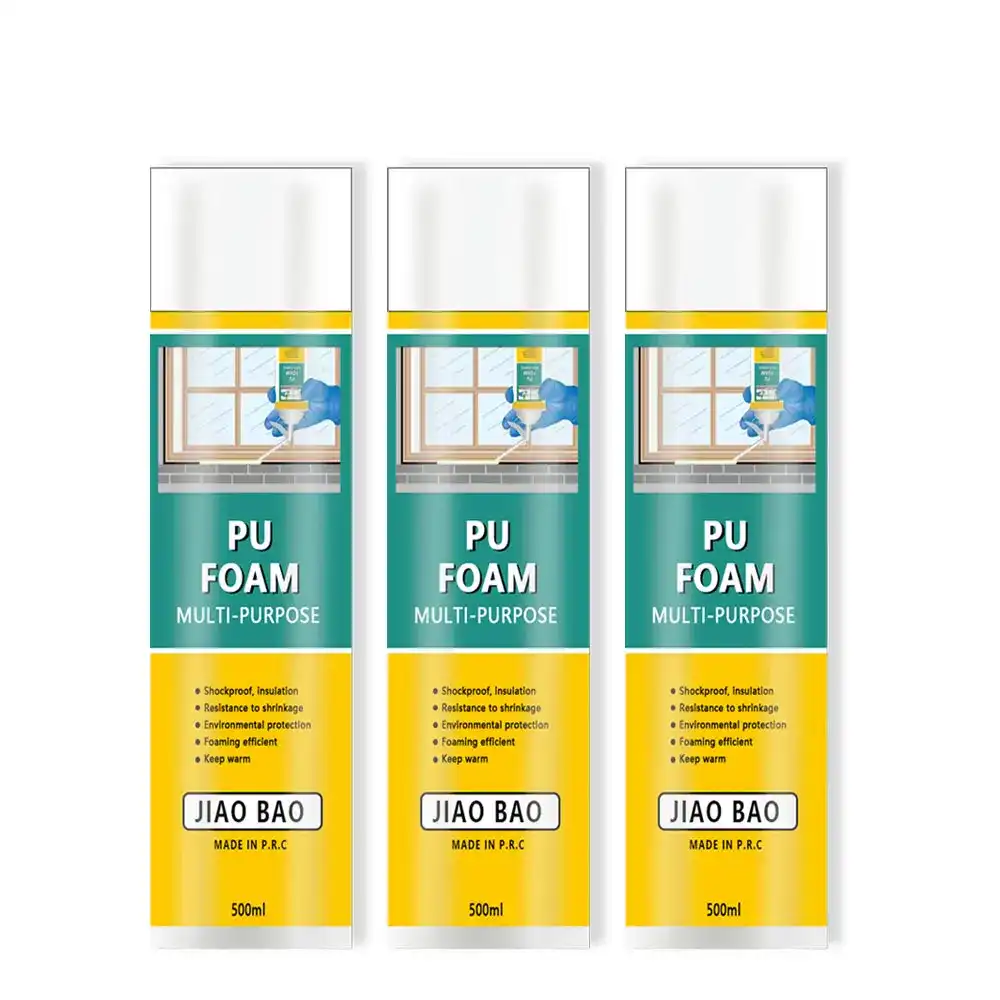
When choosing a strategic supplier, you need to look at their abilities across a number of different areas that affect the success of the partnership as a whole. The best manufacturer balances technical performance with reasonable prices and a support system that works with the way you run your business.
More and more, insurance companies are looking closely at the materials used to fix claims, so maker certifications are now a must. ISO 9001 quality management certification shows that production is controlled in a planned way, and automotive-specific standards like IATF 16949 show that the industry is becoming more integrated. Products that meet the requirements of FMVSS 212 and FMVSS 216 show that they meet government safety standards for autoglass preservation and roof crush resistance.
Batch testing documentation makes it possible to track back through production records from the adhesive that was placed, which is very helpful for quality inspections. When manufacturers include certificates of analysis with every shipment, it's easier for insurance auditors to see that all the necessary paperwork is in order. This openness shows that the production is mature and committed to quality, which sets professional suppliers apart from commodity providers.
When used wrong, even the best adhesives don't work. PU Auto Glass Installation Sealant is no exception, which is why manufacturers that offer full application training help make installation procedures consistent across teams of technicians with different levels of experience. Installation mistakes that cause comebacks and guarantee claims are less likely to happen when people are trained in topics like surface preparation, primer choice, bead shape, and environmental factors.
When suppliers offer OEM customization options, it helps service companies build unique brand identities. Custom-labeled goods help customers recognize your brand across all of your interactions with them. They also make managing your inventory easier when the same recipe can be used for more than one thing. Customizing colors lets you visually match brands and can help with quality control by making it clear which glue to use when installing multiple products.
Volume commitments required for customization programs vary significantly among manufacturers. Large global providers usually have large minimum orders that may be too high for mid-sized businesses to keep in stock. Regional experts can often make unique programs at volume levels that are easy to handle. This makes professional branding possible for service networks that are growing.
This freedom is shown by Jiaobao's OEM relationships, which let service groups make their own adhesive programs. Their production capacity can handle orders starting at levels that are useful for regional networks, and their ability to expand as service areas get bigger supports growth. Custom formulations can be made to meet specific performance needs, like faster curing in high-throughput areas or longer open time for complicated installations.
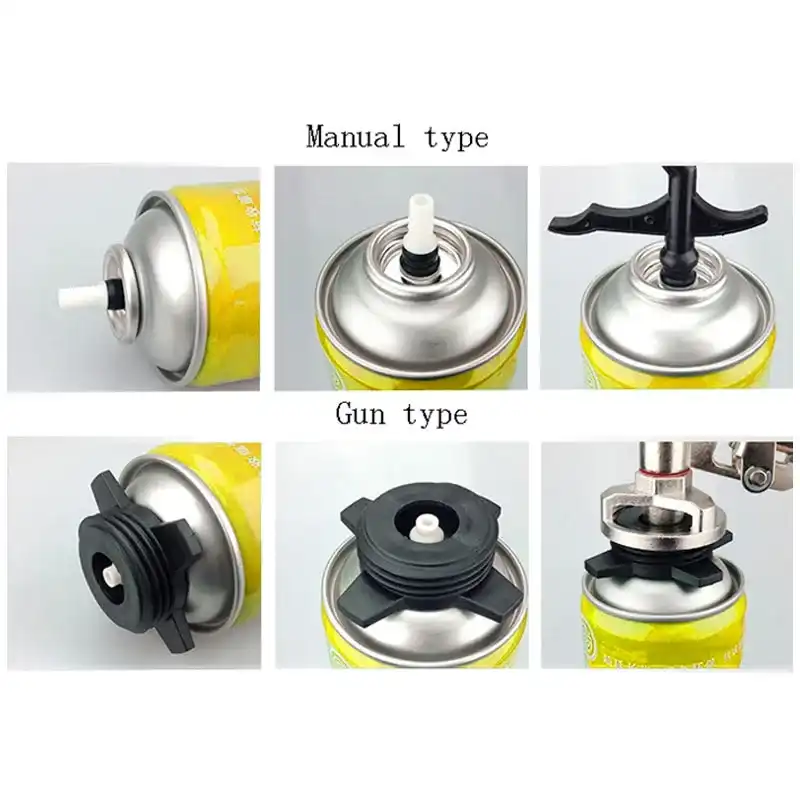
The right way to apply the adhesive determines whether its superior chemistry leads to reliable performance in the field. Installation instructions should cover every step, from cleaning the area to making sure it is completely dry.
Clean, dry substrates provide the foundation for durable bonds. Technicians should remove all contamination from bonding surfaces using appropriate solvents, allowing complete evaporation before primer application. When replacing parts, the original adhesive layer is usually treated differently than new bonding surfaces. The best way to do it is to leave a thin layer of old urethane on top instead of removing it all the way down to the metal, because the old adhesive makes a great bonding base.
Primer application requires careful product selection based on substrate type. Ceramic frit bands on the sides of glass need different bases than those made for metal or aluminum that hasn't been sprayed. Following the manufacturer's instructions for the primer flash-off time will make sure that it is properly activated before the adhesive is applied. When this step is rushed, binding problems that lead to guarantee claims often happen.
Bead geometry has a big impact on both how well the structure works and how it looks. The adhesive bead should make a triangle shape with the same height all the way around. The right bead size makes sure that there is enough material for the structure to hold up without too much that makes cleanup difficult. To keep the right gap distance and avoid glass-to-metal contact, the bead height should be at least 5 mm higher than the pinch weld height.
Consistent dispensing speed throughout the application process stops thin parts that weaken the bond. Pneumatic dispensing guns with flow controls that can be adjusted help techs keep bead shapes regular. Temperature and humidity affect the working time before skin forms, but it's usually between 15 and 40 minutes. During this time, the glass needs to be placed and fixed.
Environmental conditions during cure have a direct effect on the qualities of the end bond. For the best cure development, temperatures in installation bays should stay above 10°C and relative humidity should be between 40 and 70%. When situations are outside of these areas, the safe drive-away time needs to be extended beyond what is normally suggested.
Post-installation inspection should verify complete adhesive contact around the entire glass perimeter without voids or gaps. For PU Auto Glass Installation Sealant, this step is especially critical, as its curing behavior directly affects the final seal integrity. Water testing after the cure is done makes sure the seal is still good before it is sent to the customer. Recording the conditions of the installation and the materials that were used makes it possible to track, which helps with managing warranties and improving quality.
The automotive adhesive industry is always changing because vehicle technology is getting better and rules are changing. Figuring out these paths helps purchasing teams guess what they will need in the future and choose manufacturing partners who can meet those needs in the long run.
Low-VOC and VOC-free adhesive solutions are being made because of pressure from regulators to reduce volatile organic compound pollution. Modern polyurethane mixtures use changed silane chemistries more and more, which get rid of the solvent content while keeping the performance properties. These changes to the environment are in line with corporate sustainability programs that many service businesses use to meet customer needs and government rules.
Packaging waste reduction represents another focus area, with manufacturers developing higher-yield refills and packing materials that can be recycled. Compared to rigid cartridges, sausage packing forms already reduce waste, but new biodegradable film technologies could make the earth even better off. When purchasing teams check the sustainability qualities of a seller, they should look at both the product formulation and packing tactics.
More and more powerful driver assistance systems are being installed, which puts new demands on car adhesives. ADAS cameras and sensors that are mounted near windshields need to stay in the same exact place for the life of the vehicle. High-modulus adhesives keep the body from bending too much, which could mess up sensor calibration, and low-conductivity adhesives keep electromagnetic fields from messing up electronic systems.
Adopting electric vehicles brings up new issues related to managing heat and electromagnetic compatibility. Because battery thermal loads change the temperature inside the cabin, adhesive systems need to be able to work efficiently across a bigger range of temperatures. If manufacturers put money into research on these new needs, they will be able to make products that will still work as fleet compositions change.
More and more, business-to-business (B2B) shopping sites make it easier to buy adhesive by integrating buying systems that talk directly to software used for managing inventory. These digital tools make it possible to automatically reorder based on how much is being used. This makes administration easier and keeps stock from running out. When manufacturers offer API integration with popular fleet management systems, they offer operational benefits that go beyond the performance of their products.
Track-and-trace features in the supply chain make it easier for service networks to keep track of stockpiles that are spread out in different places. When manufacturers use digital platforms to let buyers see shipments and confirm deliveries, it makes it easier for procurement teams to coordinate and increases the accuracy of their inventory.
To choose the best polyurethane adhesive maker, you need to weigh the company's technical performance, pricing, and customer service skills against your unique needs. Global brands like 3M, Sika, and Henkel have a lot of products and do a lot of research to back them up, but when it comes to PU Auto Glass Installation Sealant, specialty manufacturers can customize products and offer quick service that larger suppliers might not put as much emphasis on.
The best choice for you relies on the size of your service network, how widely your services are spread, and how well you get along with your insurance partners, who will eventually approve your material choices. Successful buying teams look at makers as a whole, not just the adhesive chemistry but also how reliable the supply chain is, how easy it is to get expert help, and how well it fits with the company's long-term goals.
Polyurethane adhesives are stronger than silicone products when it comes to bonding structures together. Silicone sealants are good for keeping fixed parts waterproof, but they don't have the tensile strength and modulus needed for installing glass in cars, where the glue helps keep the car's structure together. PU Auto Glass Installation Sealant formulations have two to three times the bond strength of silicones. This makes them the only choice for installing windshields that need to survive crash forces and support airbag activation systems.
Extreme temperatures have an effect on both short-term and long-term performance. When the concrete is being installed, cold temperatures slow down the reaction between wetness and curing, which greatly increases the safe drive-away times. On the other hand, high temperatures speed up the hardening process but may shorten the time you have to work before the skin forms. Once fully cured, good polyurethane adhesives keep their bond strength from -40°C to 90°C. However, thermal cycling can cause stress that breaks down less-than-stellar formulations over time.
Most passenger cars can be cleaned with a single high-quality mix, but some jobs need specialized products. Heavy commercial vehicles have more stress and vibration, which makes high-modulus formulations better. Non-conductive adhesives are needed to keep signal interference from happening in cars with built-in antenna systems. Talking to the adhesive maker about your particular car mix will help you choose goods that are best for your application, instead of using a method that works for everyone.
At Jiaobao, we know how hard it is for insurance-partnered glass replacement networks to make sure that all of their service locations provide the same high level of quality. Our polyurethane adhesive systems give your techs the structural performance and curing reliability they need. They also come with ISO and CE standards that meet the needs of insurance auditors. With more than 13 years of experience making things, we've honed our formulas to achieve 2.2 MPa tensile strength and 400% elongation. These are performance standards that meet federal safety standards and give your multi-location businesses the stability they need.
We can help service networks of any size with flexible minimum order quantities, delivery times of one to two weeks, and OEM customization programs that help you build your service brand. Our technical team offers application training and quick support that makes sure that all technicians, no matter how skilled they are, can install things correctly. You can email our team at dorashen@cnjiaobao.com to talk about how our PU Auto Glass Installation Sealant maker services can help you get more materials and make the process easier. You can look at our full range of adhesives on shandongjiaobao.com and ask for samples that show the quality difference that only professional-grade materials can make.
1. Society of Automotive Engineers. "Automotive Adhesives and Sealants: Performance Requirements and Testing Standards." SAE International Journal of Materials and Manufacturing, 2022.
2. National Highway Traffic Safety Administration. "Federal Motor Vehicle Safety Standards: Windshield Mounting and Retention Systems." U.S. Department of Transportation, 2021.
3. Automotive Glass Replacement Safety Standards Council. "Best Practices for Polyurethane Adhesive Application in Vehicle Glass Installation." AGRSS Publication, 2023.
4. International Organization for Standardization. "Adhesives for Automotive Glass Installation: Quality Management and Performance Verification." ISO Technical Committee 61, 2022.
5. Modern Paint & Coatings Magazine. "Emerging Trends in Automotive Structural Adhesives: From OEM to Aftermarket Applications." Technology Feature Report, 2023.
6. Global Automotive Aftermarket Symposium. "Supply Chain Strategies for Multi-Location Service Networks: Material Standardization and Procurement Optimization." Conference Proceedings, 2023.
November 16,2023
Enterprise Name
The sealant has very strong adhesion and performs well even on glass and aluminum. After curing, it remains flexible and shows no cracking. Perfect for our facade projects.
November 16,2023
Enterprise Name
Stable quality across batches. Our customers especially like the smooth application and consistent extrusion. It helps reduce installation time on site.
November 16,2023
Enterprise Name
I used it for bathroom sealing. Excellent waterproof performance and no mold issues so far. It's been holding up very well in humid conditions.
November 16,2023
Enterprise Name
The neutral silicone works well on sensitive materials without corrosion. Very suitable for industrial applications requiring stable performance.
_1779347426672.webp)