November 16,2023
Enterprise Name
The sealant has very strong adhesion and performs well even on glass and aluminum. After curing, it remains flexible and shows no cracking. Perfect for our facade projects.
Jul 28, 2026
Choosing the right waterproof sealant is important for making sure that your building or manufacturing project can handle the elements over its lifetime. An Acrylic Sealant Waterproof Grade gives you this guarantee by resisting water, being easy to paint, and being cost-effective. This water-based, one-component formula meets the important sealing needs of doors, windows, and expansion joints that are sometimes exposed to water. This sealant comes in 300ml and 600ml sizes and can be customised in white, black, grey, or any colour you want. It is a good middle ground between basic fills and high-end elastomeric solutions, so procurement managers who want solid performance without high prices should choose it.
"Waterproof grade" means that a sealer has been tried to make sure it doesn't let water in while still sticking well and being flexible. Normal acrylic caulks re-emulsify when they come in contact with water. Acrylic Sealant Waterproof Grade, on the other hand, use hydrophobic modifiers and modern polymer technology to keep water out. These mixtures harden when the water evaporates, making a strong seal that works well in weather-exposed areas.
Industry standards give us a way to objectively measure how waterproof something is. ASTM C834 lists the requirements for one-component acrylic sealants, such as how they should be able to move and stick to surfaces. The ISO 9047 test checks how well a sealant can handle joint expansion and contraction. Good acrylic formulas are usually scored at ±12.5% to ±15% movement. Our product works better than most because it doesn't sag when used vertically, has a higher extrusion rate (163 ml/min) than the standard 80 ml/min, and has a higher tensile strength (0.64 MPa) than what is required.
For tough jobs, Acrylic Sealant Waterproof Grades are better in certain ways. The skin-dry time of only 30 minutes lets the project move along quickly, and the fact that it can be painted right after drying makes it easy to match the overall look. This is what sets Acrylic Sealant Waterproof Grade apart from silicone alternatives that don't let paint stick. The formula stays flexible even when heated and cooled many times, which keeps it from cracking like rigid fillers often do. These sealants stick to concrete, ceramic, plasterboard, wood, aluminium, and glass without primers, so they make application easier and lower the cost of materials for a wide range of surfaces.
The choice of materials affects both the short-term prices of the job and its long-term upkeep needs. Knowing the different features of each type of sealant lets you make smart choices that meet the needs of your particular purpose.
Silicone seals are very flexible and don't fade in UV light, which makes them perfect for parts that move a lot and are left outside all the time. But because they can't take paint finishes and are more expensive, they aren't the same as acrylics. Polyurethane sealants work really well in places where they need to be resistant to wear and tear and mechanical stress, like industrial flooring and areas where vehicles drive. But they need to be applied in a dry environment and handled in a certain way. Latex-based items are cheap and good for low-stress situations inside, but they don't hold up well in bad weather, so they can't be used outside.
Acrylic Sealant Waterproof Grades are a good compromise. They are resistant to weather well enough for most building exterior uses, can be painted to match the look of the rest of the building, and are much cheaper than polyurethane or silicone options. The water-based formula makes cleanup easier and lowers VOC emissions, meeting environmental compliance requirements that are becoming more and more common in commercial building plans.
The best materials for your job depend on its surroundings. Companies that make curtain walls and seal the edges of aluminium frames like acrylics because they are easy to paint and allow for enough movement at non-structural joints. Processing plants for doors and windows like how quickly the skin forms, which speeds up production. When working on high-end home projects, interior design companies like being able to change colours to perfectly match architectural finishes. Moisture resistance stops air loss from water exposure and is used by companies that make HVAC equipment to seal duct penetrations. In each situation, there are different performance needs that Acrylic Sealant Waterproof Grades can meet well within their limits.
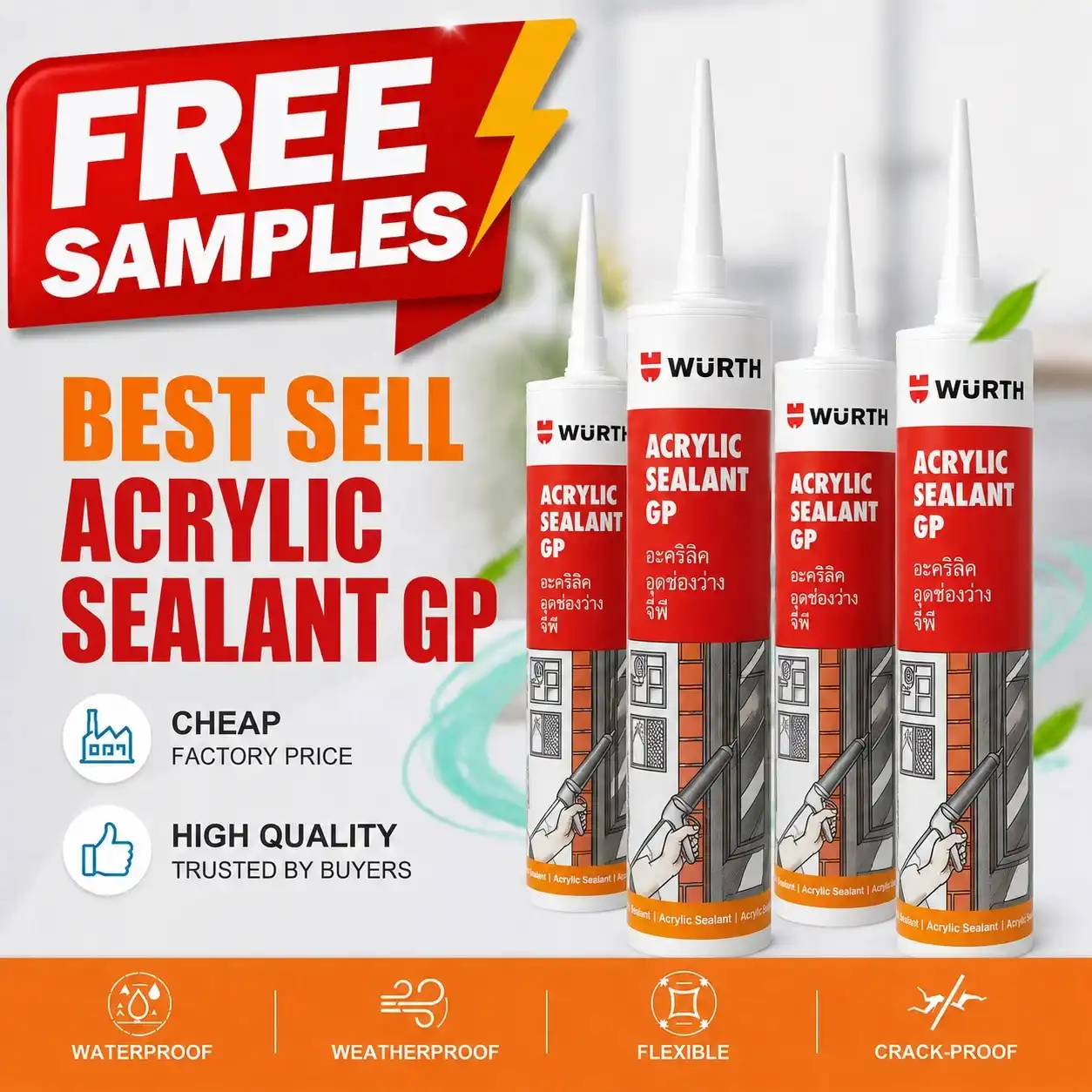
The success of the project depends on matching the sealant's abilities to the needs of the application. This can be done by carefully looking at technical specifications, supplier credentials, and application methods.
The most important success measure is adhesion-in-peel tests after immersion in water. Quality Acrylic Sealant Waterproof Grades keep more than 90% of their cohesive failure in ASTM C794 testing. This means that the sealant tears inside instead of coming apart from the substrates. Our recipe has "no destroy" adhesion qualities, which means it will stick even after being exposed to water several times. Joint accommodation ability is based on elongation capacity. Acrylic Sealant Waterproof Grades usually have 200–300% elongation at break, which is enough for mild heat expansion and building settlement movements. Shrinkage is directly related to the percentage of solids in the mixture. High-quality formulations have 75–85% solids, which means they lose less volume during curing, which can weaken the seal.
Buying choices for Acrylic Sealant Waterproof Grade include more than just the specs of the product. They also include how reliable the seller is and how well they can help. Experience in manufacturing shows that the process is mature and that the quality is consistent. Shandong Jiaobao New Material Co., Ltd. was founded in 2013 and has been making color-matched sealants for more than 13 years. For export markets and regulated building projects, ISO and CE certifications are important because they show that a product meets international quality management systems and safety standards.
The ability to deliver directly affects the schedule for the project. Lead times of one to two weeks allow for flexible sourcing that works with building plans to avoid costly delays in the project. Customisation options through OEM/ODM services let you choose exact colour matches, package layouts, and changes to performance that meet local building codes. Full customer service after the sale, with guarantees of refunds or replacements for quality problems within the product's shelf life, shows that the manufacturer trusts the customer and wants to keep them.
Even the best products won't work if they aren't installed correctly. Preparing the surface is the first step in covering something well. For best bonding, use clean, dry surfaces that are free of dust, oil, and other loose particles. When you install backing rods in deep joints, you stop three-sided adhesion that stops sealant from moving. This creates stress concentrations that cause the sealant to fail early. Using the right tools makes bead profiles smooth, which gets rid of air pockets and makes sure that the substrate is fully in contact with the bond interface.
Timing issues turn out to be just as important. Surface skinning is done in 30 minutes, but the full cure takes 12 to 24 hours, based on the depth of the joint, the temperature, and the humidity. Painting before the skin has had enough time to dry causes the film to crack while the sealant below keeps shrinking. Heavy rain shouldn't hit the material during the first curing period. If it does, it will not wash away. Temperature ranges during application and curing affect both how easy it is to work with and how well the final product works. For example, most acrylic sealants work best between 5°C and 40°C.
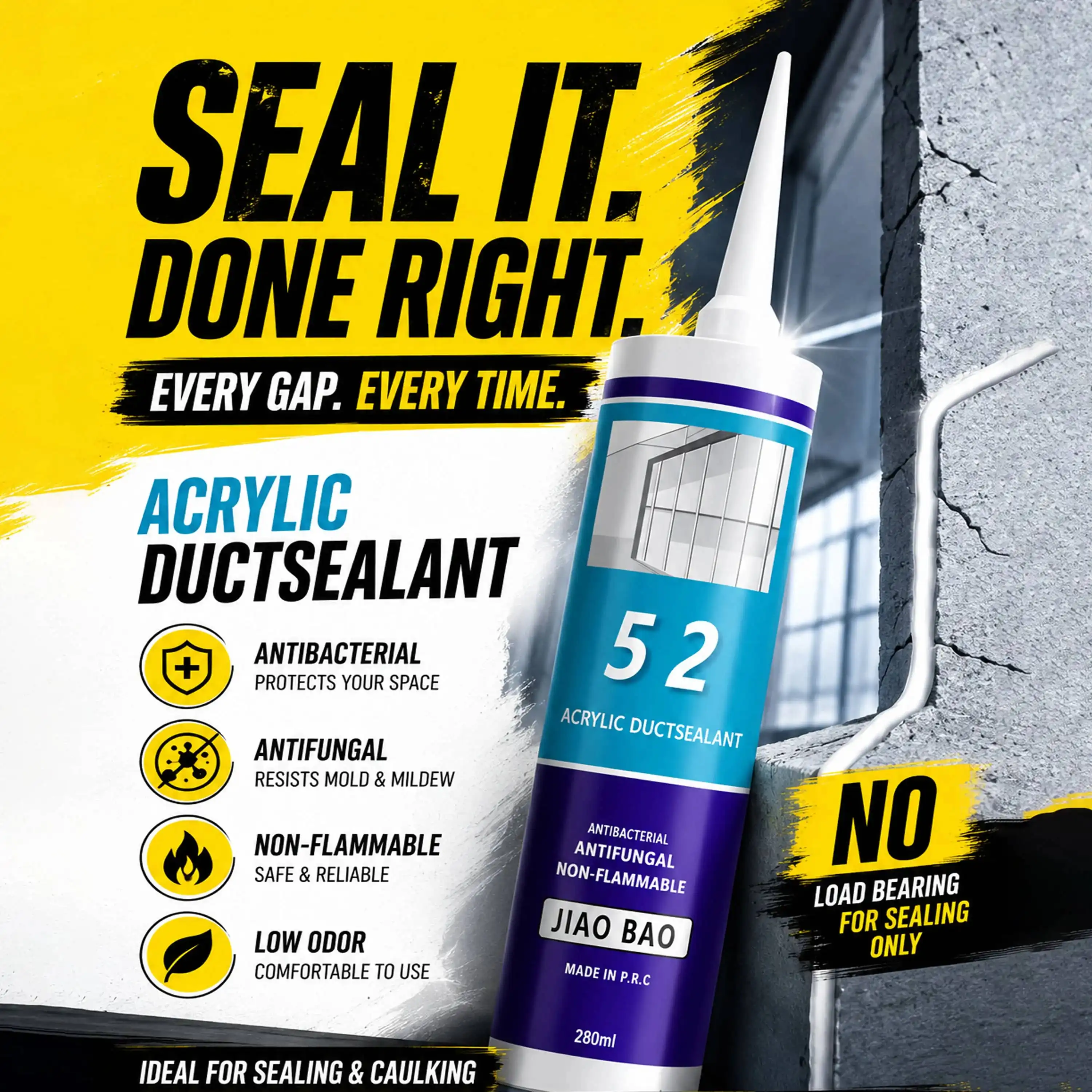
Structured supplier engagement and contract management are key parts of effective procurement strategies that balance quality assurance, cost optimisation, and supply chain reliability.
Direct ties with manufacturers have many benefits for buyers who buy a lot. By getting rid of distributor margins, unit costs go down while product authenticity and access to technical support are maintained. Manufacturers give full technical datasheets, test results, and advice on how to use their products that middlemen might not have. Flexible minimum order quantities can meet the needs of both large projects and ongoing maintenance stock. Jiaobao has short production lead times (one to two weeks) and offers flexible shipping choices by sea and land. These factors support just-in-time purchasing tactics, which lower the costs of keeping inventory.
Wholesalers and specialised sellers of building materials like Acrylic Sealant Waterproof Grade work with projects that need materials right away or in smaller amounts. These routes keep local stock on hand, so urgent needs don't have to wait for foreign shipping. But it's important to make sure the product is real and that it's being stored properly, since bad keeping can lower the quality of the sealant before it's used.
Testing samples before committing to large quantities protects against quality and specification differences. Ask for samples of the product along with batch-specific technical data sheets that show the results of tests for extrusion rate, tensile strength, and adhesion. Do adhesion tests on-site using real project substrates and typical environmental conditions. This is how many curtain wall companies and industrial manufacturers always buy things, even though they know that lab tests may not always accurately predict how something will work in the real world, where different types of materials are used and conditions are exposed.
Verification checking by a third party adds another level of security. ASTM C794 adhesion-in-peel tests can be done by independent labs after the product has been submerged in water, which is an objective way to prove that the product is waterproof. Freeze-thaw stability testing according to ASTM C731 makes sure that the formulation is strong enough to be stored and shipped through climate zones with changing conditions. This is especially important for international purchases where goods have to go through a lot of different temperature ranges.
Volume-based price plans keep procurement options open while rewarding bigger commitments. Most of the time, graduated discount models offer better unit costs at certain amounts. This lets project managers combine purchases to get the best value for their budget. Cost savings and inventory management can be balanced with frame agreements that set annual volume commitments and scheduled deliveries. This is especially useful for ongoing maintenance operations or portfolios with multiple projects.
The warranty terms make it clear who is responsible for quality and how to fix problems. Clear guarantees on shelf life—usually 12 months for acrylic sealants—set up replacement obligations for products that break down over time. Performance guarantees that cover failures in adhesion or early wear and tear within certain time frames show that the maker trusts the product and protect you financially against material flaws.
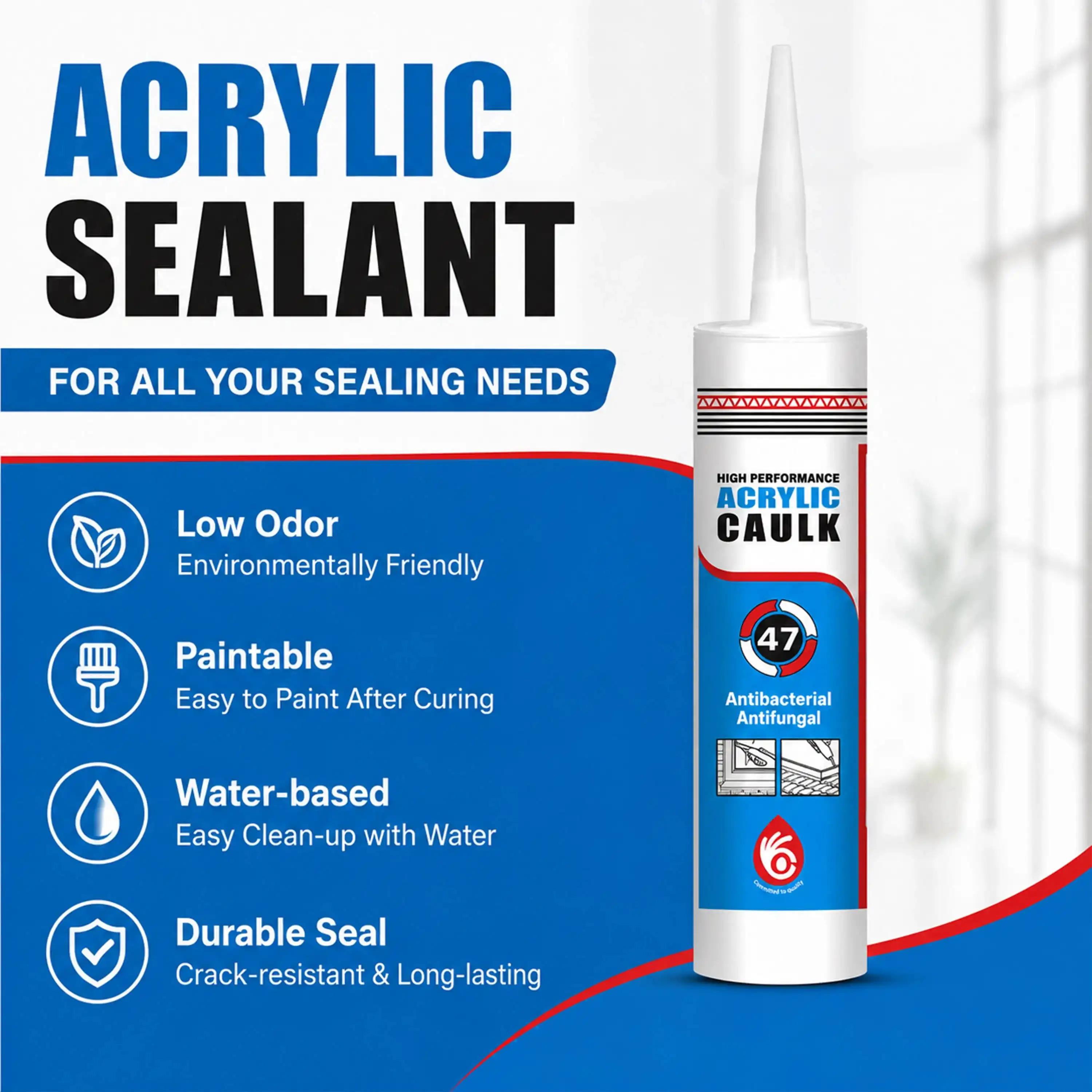
Acrylic Sealant Waterproof Grades are a smart choice for construction, making, and preparing building materials where resistance to moisture, paintability, and low cost all come together. Understanding the technical differences between waterproof grades and standard formulations, comparing suppliers' skills beyond just price, and following the right application guidelines are all things that affect how well a project turns out. Because Jiaobao has been making cartridges for 13 years and has international certifications and fast delivery, procurement managers can be sure that the specifications they give will be met. Less upkeep is needed, projects can change colours to suit their needs, and they can be sure of reliable performance thanks to strict testing standards. With this well-informed approach, choosing sealant stops being a simple purchase and starts being a decision that adds value and helps the project succeed in the long run.
A: Acrylic Sealant Waterproof Grades can handle short-term contact to water like rain, splashes, and mist, but they aren't made to be submerged under water pressure all the time. Special sealants, such as polyurethane or hybrid formulas, are needed around swimming pools, water tanks, and outdoor structures that are below grade. The word "waterproof" only means that the substance won't re-emulsify after being wet a few times. It doesn't mean that it can be used in aquatic settings where it will be in constant touch with water.
A: As water disappears from the mixture, full rain resistance builds up over time. Depending on the temperature, humidity, and shape of the joint, light rain contact usually needs 12 to 24 hours after treatment. If it rains a lot within 4 hours of application, the paint may wash off. Acrylic Sealant Waterproof Grades need to be protected while they cure, while silicone sealants cure through a moisture reaction and are waterproof in 30 minutes. Planning when to apply based on weather forecasts keeps the seal from being exposed too soon, which could damage it.
A: For proper extrusion, tooling, and curing, application should happen between 5°C and 40°C. Freezing temperatures stop enough water from evaporating, which greatly extends the curing time and could change the final properties. Too much heat speeds up skinning, which cuts down on tooling time and could lead to surface defects. Once fully cured, the service temperature range for this material is usually between -18°C and 80°C, which means it can handle regular thermal cycles in the building environment without losing its ability to stick to surfaces or bend.
Jiaobao is an expert at making high-performance Acrylic Sealant Waterproof Grades that are perfect for tough industrial and construction jobs. Our ISO and CE-certified factory makes sure that the quality is always the same, and we have 13 years of experience making color-matched sealing options. We offer quick solutions with lead times of one to two weeks, whether your curtain wall project needs exact RAL colour matching, your door and window processing plant needs a reliable high-volume supply, or your HVAC manufacturing operation needs special formulations.
Technical datasheets, sample tests, and application support give you faith in the specifications, and our full quality guarantee protects your investment in procurement. Get in touch with our purchasing team at dorashen@cnjiaobao.com to talk about your unique needs and find out how Jiaobao's Acrylic Sealant Waterproof Grade can help your project succeed with reasonable prices, easy OEM/ODM options, and reliable supply chain management.
1. American Society for Testing and Materials. "ASTM C834-21: Standard Specification for Latex Sealing Compounds." ASTM International, 2021.
2. International Organization for Standardization. "ISO 9047:2001 Building Construction - Jointing Products - Determination of Adhesion/Cohesion Properties of Sealants After Exposure to Heat, Water and Artificial Light Through Glass." ISO Standards, 2001.
3. Building Research Establishment. "Best Practice Guide: Sealants in Construction - Selection and Performance Criteria for Weather-Resistant Applications." BRE Trust Publications, 2019.
4. National Institute of Building Sciences. "Whole Building Design Guide: Sealants and Caulking Materials for Building Envelope Systems." WBDG Technical Guidelines, 2020.
5. Construction Specifications Institute. "MasterFormat Division 07 92 00: Joint Sealants - Performance Requirements and Application Standards." CSI Technical Documents, 2022.
6. European Sealant Manufacturers Association. "Technical Guidelines for Acrylic Dispersion Sealants: Formulation, Testing and Application Protocols." ESMA Industry Standards, 2021.
November 16,2023
Enterprise Name
The sealant has very strong adhesion and performs well even on glass and aluminum. After curing, it remains flexible and shows no cracking. Perfect for our facade projects.
November 16,2023
Enterprise Name
Stable quality across batches. Our customers especially like the smooth application and consistent extrusion. It helps reduce installation time on site.
November 16,2023
Enterprise Name
I used it for bathroom sealing. Excellent waterproof performance and no mold issues so far. It's been holding up very well in humid conditions.
November 16,2023
Enterprise Name
The neutral silicone works well on sensitive materials without corrosion. Very suitable for industrial applications requiring stable performance.
_1779347426672.webp)