November 16,2023
Enterprise Name
The sealant has very strong adhesion and performs well even on glass and aluminum. After curing, it remains flexible and shows no cracking. Perfect for our facade projects.
Jun 16, 2026
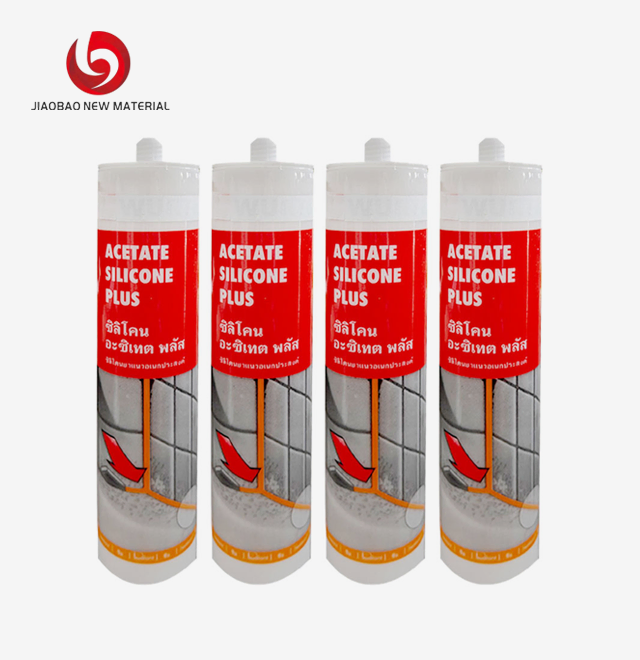
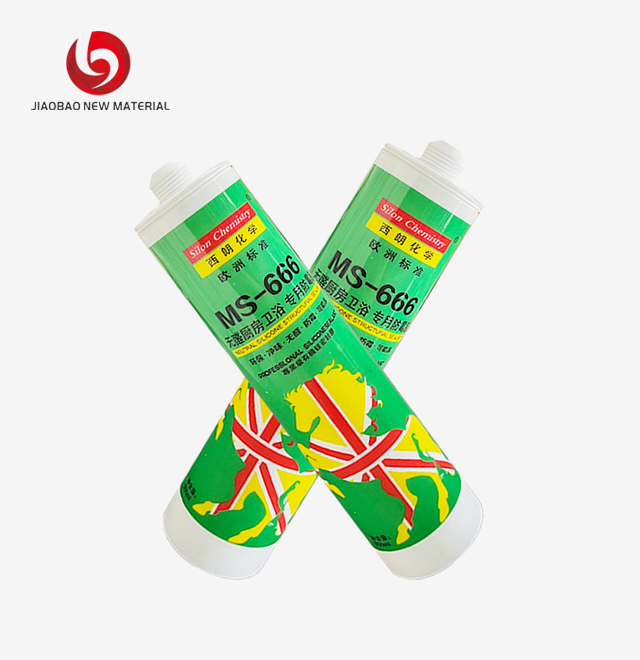
Silicone building sealant is an important sealing and bonding material for all kinds of construction jobs, from installing windows in homes to making big industrial curtain walls. This is shown by NP Building Grade Silicone Sealant's one-component RTV recipe, which is made to seal doors, windows, facades, and expansion joints where weather protection and substrate adhesion are very important. This professional-grade glue stays flexible at all temperatures and sticks reliably to glass, metal, concrete, and stone surfaces, unlike regular caulks that crack when heated.
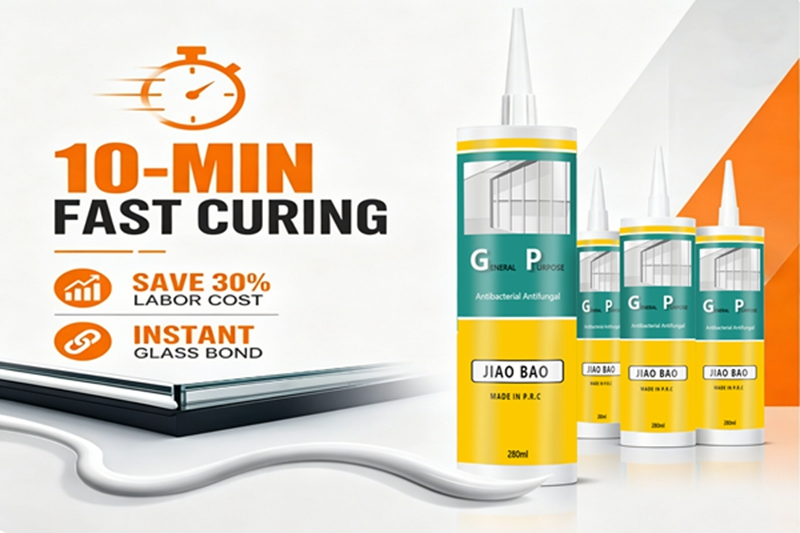
Silicone-based sealants are very important in the construction business because they keep buildings dry and stop air and wetness from leaking in. When these flexible materials are exposed to moisture in the air, they harden and form strong seals that let structures move without losing their integrity.
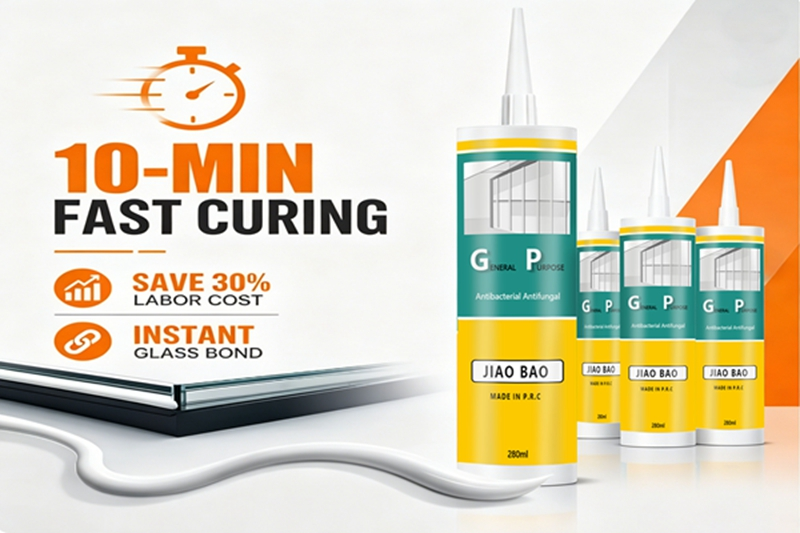
Professional builders use silicone seals for jobs that need to withstand weather and moving for a long time. These materials are needed for glass curtain wall systems to make weathertight shields between the metal frames and the glass units. They can stand up to wind-driven rain at high elevations. Sealing around doors and windows is another important use where the sealer has to stick to different materials while still letting them expand and contract with temperature changes.
At panel-to-panel joints in prefabricated building systems, silicone sealants are used instead of hard glue because they don't fail when the panels move apart. Some building-grade goods have an acidic formula that sticks strongly to non-porous surfaces like glass and glazed pottery. This makes them especially good for bathroom fixtures, kitchen backsplashes, and outdoor windows where they will be exposed to water all the time.
Making factories use silicone sealants to put together HVAC ducts. These seals keep air out, which saves energy. These materials are used by electronics companies as damp shields in the housings of outdoor equipment. They keep sensitive parts from breaking down in harsh environments. Suppliers of auto parts use them for gasket-in-place jobs where regular rubber gaskets don't work well. When covering natural stone installations, stone working plants like NP Building Grade Silicone Sealant because it doesn't leave stains. The formula stops plasticizer migration, which causes the oil halos around joints in marble or granite walls.
When making custom furniture, silicone seals are put along the sides of cabinets and around bathroom vanities to keep water out. The mildew-resistant qualities of the material stop fungi from growing in damp places, which makes final installations last longer. Colored silicone is used in glass deep processing to make parts that look like they are one piece and fit in with tinted or frosted glass panels. Companies that do interior design like that you can change the colors to fit the finishes on buildings. This gets rid of the visual mess that comes from sealing lines that don't match in high-end homes and businesses, where every detail is important to the general design.
How well you apply the seal has a direct effect on how well it works and how long it lasts. When applied wrongly, even high-end formulations don't work as well as they should, causing premature breakdowns and expensive rework.
For effective bonding, surfaces must be clean and dry. Use the right chemicals or motorized cleaning methods to get rid of dust, oil, old sealant residue, and loose materials. For porous substrates like concrete or unglazed brickwork, a primer is often needed to make the surface stronger and stop the sealant from going too deep into the substrate.
The application should happen within the temperature and humidity areas that have been suggested. Most building-grade silicones dry best when the temperature is between 40°F and 100°F and the humidity is about 65%. Cold temperatures make hardening take longer, and too much heat can skin the surface before it's ready to be shaped. Enough air flow during application of NP Building Grade Silicone Sealant lets moisture reach the material to cure it and spreads out any solvent vapors released during the process.
Cut the cartridge tip at a 45-degree angle so that the hole diameter is the same as the width of your joint. Put the cartridge into a regular caulking gun and press down steadily and continuously to fill the joint all the way. Stay away from holes or air spaces that could damage the seal. Over time, use a smoothing tool or a wet finger to work on the skin's surface to get a hollow shape that lets water escape well.
Keep the joint's measurements correct for the best performance. The best ratio for depth to width is 1:2, which keeps stress from building up too much during moving cycles. Backing rod or bond breaker tape stops the sealer from sticking to more than two surfaces. This lets it stretch and contract without breaking.
Under normal conditions, the surface tack-free time is within 30 minutes, which lets light touch happen without material transfer. About 3 mm of complete cure depth is added every 24 hours, which means that a 10 mm deep joint needs seven days to reach full mechanical properties. During this fixing time, don't touch the sealant because too much stress can stop the polymer crosslinking process.
Inspections that are done regularly after placement find problems early on. Check that all the contacts stick together well. Any separation or popping could mean that the surface wasn't prepared well or was contaminated. Keep an eye on how the joint can move when the temperature changes with the seasons to make sure the sealant can handle the predicted changes in size without tearing or coming apart.
The choice of material has a big effect on how the project turns out, and each glue formula has its own performance traits that make it best for certain uses.
Acrylic rubber caulks are great because they are easy to paint and don't cost much, but they don't last long enough to be used outside. Within three to five years, chalking and cracking are caused by UV damage on sun-facing slopes. These water-based goods work well for indoor uses, but silicone is better because it doesn't react to moisture and stays stable at high temperatures.
Polyurethane sealants are great for horizontal parts that get a lot of use, like plaza decks and parking structures, because they are strong enough to fight tears and wear. When exposed to UV light for a long time, their organic polymer backbone breaks down, so protective coats are needed for above-grade uses. NP Building Grade Silicone Sealant, on the other hand, doesn't change shape or look when exposed to sunlight, making it better for use on upright surfaces and in glazing uses.
Chemical resistance is what sets silicones apart from biological options. Acids, alkalis, and industrial solvents break down polyurethane and acrylic mixtures quickly, but the artificial siloxane backbone doesn't. Silicone is the best material for chemical processing plants and other industry settings with harsh air conditions because of this.
In curtain wall systems, structural silicone bonds move wind loads and dead loads. This calls for high modulus formulas that can safely hold loads. High-quality silicones made for buildings are called weatherseals instead of structural elements. They keep out water and air without adding to the support of building parts.
During buying, this difference in function is important. Using a weatherseal product instead of solid glass poses a risk to people's safety and breaks building codes. On the other hand, when movement adjustment is needed, using high-modulus structural adhesives can cause cohesive breaking or damage to the base from too much stress transfer.
The cost of materials is only one part of the total cost of installation. The real costs of a project are based on labor efficiency, rework rates, and service life. Silicone sealants usually cost more than plastic options, but they last longer, which lowers the total cost of ownership. For builders and wholesalers, buying in bulk from companies like Jiaobao offers economies of scale. When you buy in bulk, you get better prices and the quality stays the same across multiple project stages. The 12-month shelf life lets you handle your inventory strategically without having to throw away good items that have gone bad.
Strategic buying combines the performance of materials, the dependability of suppliers, and the total cost of acquisition to help projects run smoothly and profitably.
Reliable makers keep their ISO approval and follow international rules like ASTM C920 and GB 13477. These licenses show that testing and quality control procedures are always the same, which makes sure that each batch is reliable. To make sure the products meet the needs of the project, ask for technical data sheets that list the products' tensile strength, ability to move, and temperature stability. When buying NP Building Grade Silicone Sealant, the knowledge of the supplier is very important. Jiaobao's 13-year experience of manufacturing shows that its quality system is stable and its production process is mature. Well-known companies know the problems that the industry faces and create formulas that directly fix these problems.
Before placing a big order, field adhesion testing should be done, especially for important curtain wall or structure uses. Put test beads on real project surfaces and let them cure in conditions that are similar to the installation setting. After the glue has fully dried, you should do pull tests to make sure that the failure is due to cohesive failure and not adhesive debonding.
When used for decoration, color matching is very important in high-end business and private projects. Ask for color samples that are compared to RAL or custom color standards to make sure that the batch is the same across multiple shipments. When customers buy colored silicones again and again, they tend to stick with the same seller, which means that colored silicones have a higher customer lifetime value.
Predicting lead times has an effect on planning projects and managing cash flow. Manufacturers with one- to two-week production runs can offer just-in-time shipping, which cuts down on the need for on-site storage and the amount of working capital that is locked up in inventory. Different project deadlines can be met by shipping choices that can handle both containerized ocean freight and fast land transport. The type of packaging affects how well it is installed and how much material is wasted. Smaller contractors and repair shops can use cartridge packaging, while sausage packs save money on big jobs that use bulk pneumatic guns. With 300ml and 600ml volume choices, you can match the size of the job to the equipment you use.
When choosing a manufacturing partner, you need to look at their technical skills, the stability of their supply chain, and their ability to provide help after the sale that goes beyond the initial delivery.
Jiaobao is an expert at making colored silicone sealant, which comes with its own set of problems, like keeping the color stable and making sure that each batch is the same color. This sets them apart from companies that make basic sealants and don't put much thought into colored goods. The company has quality control procedures that make sure the VOC content stays below 80 g/L. This meets the standards for indoor air quality in LEED green building ratings.
Multiple foreign standards are met by the product, which makes it easier to sell goods abroad and work on projects that span borders. CE approval lets you sell your products in Europe, and ISO paperwork meets the standards for buying things for government and institutional building projects. This wide range of certifications lowers the risk of buying things for wholesalers and workers who work in regulated markets.
OEM and ODM production flexibility lets dealers build regional brand value through private labeling. Custom color formulations are made to fit the needs of architects without the large minimum order numbers that make boutique colors too expensive for most people to afford. Technical consulting services help project teams choose the right products by handling issues like substrate compatibility and weather exposure.
Working together with partners in the United States and other countries to develop NP Building Grade Silicone Sealant shows that the company wants to see the business grow, not just its own growth. This network gives people access to new composition technologies and application methods that make products work better for end users.
Competitive price systems find a good mix between being affordable and providing quality, so they provide value rather than just cheap cost. With transparent price methods, there are no hidden fees that drive up the total cost of acquisition. People are more likely to trust a product when it comes with a warranty that backs up quality claims with real solutions.
Short wait times and quick order completion help with changing project plans where delays in materials lead to expensive extensions of the due date. Manufacturers add value after the product is delivered by offering support services like application fixing and field problem-solving. These service parts lower the total cost of ownership and make it more likely that the system will work.
Building-grade silicone sealants are needed for many types of building, including residential, business, and industrial. They keep out water and air, and they protect joints. Because they are elastic, these materials can safely bond to a wide range of supports and allow structures to move. If you choose the right material for the job and make sure it matches the sealant's properties, you'll have long-lasting systems that protect building walls and keep people comfortable. Strategic procurement partnerships with well-known makers of NP Building Grade Silicone Sealant ensure uniform quality, technical support, and supply dependability, which helps projects run smoothly and keeps clients happy over time.
Without a base, most formulas stick very well to glass, aluminum, coated ceramics, and painted metals. Concrete, brickwork, and natural stone are all porous media that often need a primer to get good bonds. Always try the adhesion in the field on real project materials, since surface contaminants and base porosity have a big effect on how well the glue works. Polyethylene, polypropylene, and Teflon are all incompatible materials because they have low surface energy, which makes them impossible to stick to.
The temperature of the application affects both the rate of curing and the end qualities. Crosslinking caused by wetness is slowed down when the temperature is below 40°F. It could take several weeks for the full fix to happen. Surface skinning happens faster in hot places, which cuts down on cutting time. Once they are hardened, good silicones stay flexible from -50°C to +150°C, so they can handle changes in temperature throughout the year without getting harder or softer. Because it doesn't change much in temperature, silicone is the best choice for places where temperatures change a lot.
Standard silicones don't let paint stick to them because they have low surface energy and release qualities. Paint can't physically stick to the smooth rubber surface, so the layer will fail right away or later. Some types of "paintable silicone" have surface modifiers that help the finish stick, but they lose some of their weather protection. Carefully choose the color during the first application to avoid having to paint, or request hybrid polymer seals when being able to paint is a must.
Jiaobao sells silicone seals made for professional use in tough building jobs where performance must not be compromised. As a producer of NP Building Grade Silicone Sealant, we can make custom color formulations, offer a variety of packaging choices, and support tight project plans with quick production turnarounds. We give procurement partners the quality guarantee and supply reliability they need for projects to go well by having ISO approval, 13 years of production experience, and full technical support. Email our team at dorashen@cnjiaobao.com to talk about your unique needs, get product samples, or get bulk prices for projects that are coming up.
1. American Society for Testing and Materials. (2020). ASTM C920 Standard Specification for Elastomeric Joint Sealants. West Conshohocken, PA: ASTM International.
2. Klosowski, J.M. & Wolf, A.T. (2017). Sealants in Construction (2nd ed.). Boca Raton: CRC Press.
3. International Organization for Standardization. (2019). ISO 11600 Building Construction—Jointing Products—Classification and Requirements for Sealants. Geneva: ISO.
4. Panek, J.R. & Cook, J.P. (2018). Construction Sealants and Adhesives (4th ed.). New York: John Wiley & Sons.
5. U.S. Green Building Council. (2021). LEED Reference Guide for Building Design and Construction. Washington, DC: USGBC.
6. Wolf, A.T. (2016). "Durability of Building Sealants." Construction and Building Materials, Vol. 127, pp. 361-374.
November 16,2023
Enterprise Name
The sealant has very strong adhesion and performs well even on glass and aluminum. After curing, it remains flexible and shows no cracking. Perfect for our facade projects.
November 16,2023
Enterprise Name
Stable quality across batches. Our customers especially like the smooth application and consistent extrusion. It helps reduce installation time on site.
November 16,2023
Enterprise Name
I used it for bathroom sealing. Excellent waterproof performance and no mold issues so far. It's been holding up very well in humid conditions.
November 16,2023
Enterprise Name
The neutral silicone works well on sensitive materials without corrosion. Very suitable for industrial applications requiring stable performance.
_1779347426672.webp)