November 16,2023
Enterprise Name
The sealant has very strong adhesion and performs well even on glass and aluminum. After curing, it remains flexible and shows no cracking. Perfect for our facade projects.
Jun 16, 2026
The safety of your car is at risk when water gets through the glass. PU Auto Glass Sealant High Strength is the best sealant for a windshield that is leaky. It is made of specially designed polyurethane formulas that join structures, keep water out, and last a long time. Unlike regular sealants, these high-performance adhesives meet strict automotive safety standards. This means that your windshield will help keep your car's structure strong during accidents and support important safety features like airbag release. Choosing the right glue is important whether you're running a shop that replaces car glass or a company that supplies materials for OEM assembly lines. It saves you money and keeps your customers safe.
Shield leaks almost never happen for no reason. One of the most common reasons is bad fitting, especially when techs don't take enough time to prepare the surface or don't use enough adhesive. Material tiredness is also a part of it. UV light, changes in temperature, and mechanical stress from road movements all break down standard sealants over time. Older cars are especially at risk because the original bonds lose their flexibility, making tiny holes that water can get through.
These problems are made worse by environmental factors. Extreme weather, like sweltering desert heat or freezing winter temperatures, speeds up the breakdown of sealants. Hailstorms and falling objects can damage the links between glass and frames. Even mistakes that don't seem serious, like not giving the new glass enough time to cure before driving, can cause leaks right away.
Water getting in through windshields creates more dangers than just dampness inside. Over time, moisture weakens the body of the car by corroding it. When water gets to wiring cables and control units, it can cause short circuits in electrical systems. Drivers and passengers are less safe when mist forms between layers of glass and makes it harder to see.
These days, the glass itself is an important part of the structure of cars. It keeps the roof from falling in during crash accidents. This defensive ability is lessened when the sticky bond of PU Auto Glass Sealant High Strength is broken. The people in charge of buying things at places that make car parts know that using cheap sealants makes them more vulnerable to risk and guarantee claims. Fixing leaks quickly and with the right tools protects both the people inside the car and the company's image.
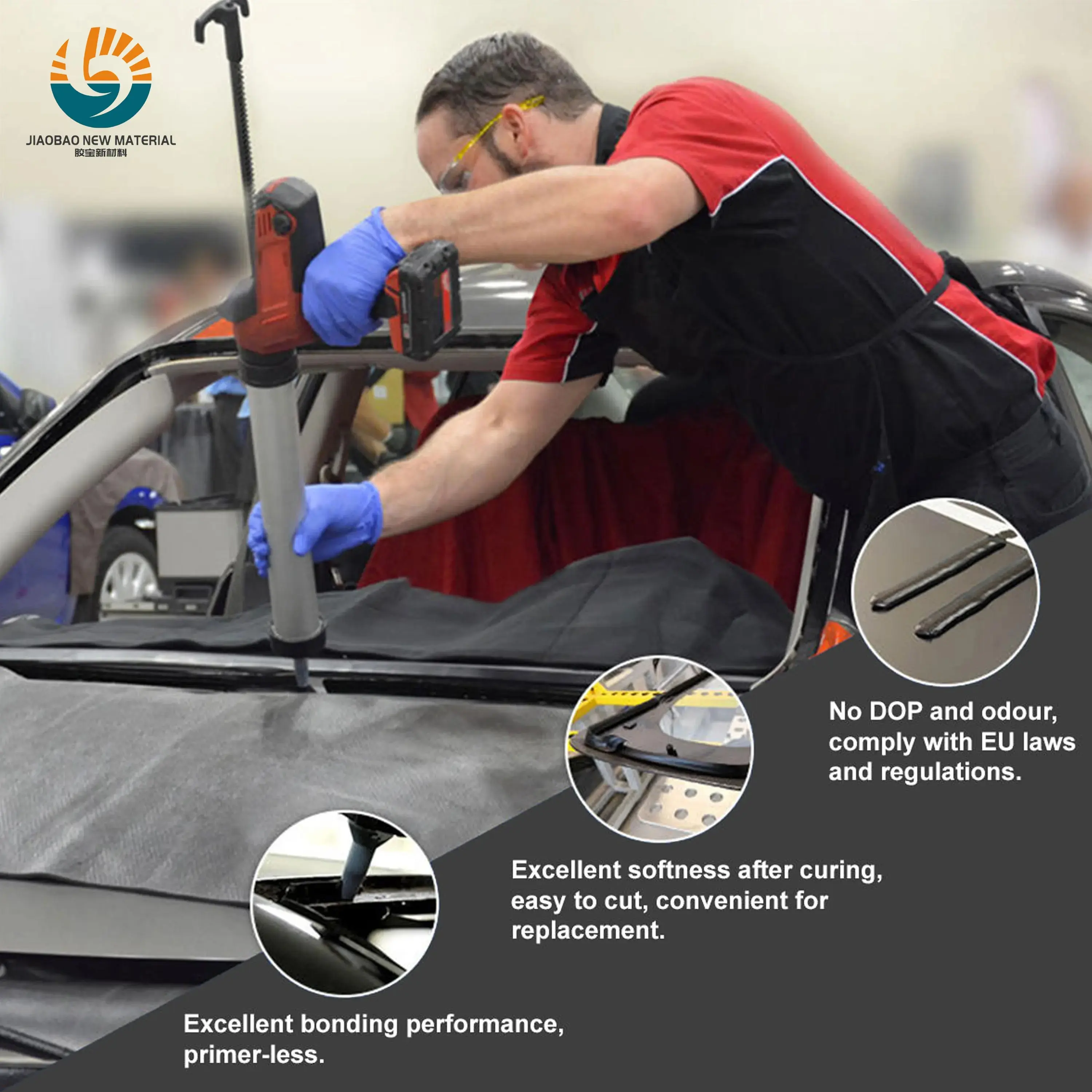
Polyurethane sealants for car glass use complex science that is made to work well in tough bonding situations. These one-part, moisture-curing mixtures combine with the humidity in the air to make elastomeric covers that last. The chemical structure makes it very good at sticking to ceramic glass frits and electrophoretic films on car frames, which are surfaces that many other sealants fail on.
High-strength versions are different because they have better mechanical qualities. Tensile strength is usually higher than 6 MPa, which is a lot higher than normal formulas. Shore A hardness is between 55 and 70, which means it doesn't break when it's loaded but still stays flexible. Most of the time, elongation at break is between 300 and 400 percent, which allows for changes in thermal growth between metal and glass without bond failure.
When automotive experts choose windshield sealants, they look for certain qualities. Thixotropy makes sure that the material stays in the shape of the attached bead without sagging, which means that it always makes touch with glass surfaces. Green strength, which is the keeping power right away before full fix, lets installers keep the glass in place without it moving.
Curing factors have a direct effect on how well operations run. Professional-grade polyurethane seals have safe drive-away times of 30 to 60 minutes under controlled conditions. This means that service shops can get more cars back to their owners faster. The full fix depth moves forward by about 3 to 4 millimeters per day. The bond reaches full strength within days and stays strong for the first hour.
UV resistance keeps the adhesive's stability over the life of the car. Polyurethane formulations are better at resisting weathering than other options, and the bond strength stays the same after years of being in the sun. Along with waterproofing, vibration damping qualities lower the noise that gets into the car. This makes the passengers more comfortable.
Silicone seals have been used in the aftermarket for cars for many years. These materials are very good at withstanding high temperatures and are flexible enough to be used in a lot of different situations. But silicone formulations usually have lower tensile strength than polyurethane options, which means they can't be used for structural glass. Sticking things to painting surfaces can be tricky without primers, which makes the fitting process more difficult and expensive.
Another difference is that curing behavior is different. Silicone goods either use acetic acid or neutral cure methods. Acetic types make corrosive leftovers that can harm electronics in cars. Cure rates change a lot depending on the environment, which makes drive-away times uncertain and throws off shop schedules. Silicone works great in hot places, but because it has a lower stiffness, it's not as good for windshields that need to support the structure of the car.
Modified silane (MS) polymer coatings give silicone and polyurethane some of the qualities that each has. These blend formulations stick well and can be painted on without leaving behind any harmful results of the curing process. While their middling strength makes them good for some automobile uses, they usually don't have the shear resistance needed for structural windshield bonding in high-performance cars.
As long as they are not used for building purposes, acrylic seals have short cure times and lower costs. Because they are brittle after curing, they shouldn't be used to fix car glass that will be bent and shaken all the time. When procurement teams look at sealants for large purchases, they know that the original savings on material costs are lost when failure rates, guarantee claims, and rework costs are taken into account.
When you choose adhesives based only on unit price, you end up with fake savings. When compared to normal formulas, PU Auto Glass Sealant High Strength is more expensive, but their performance makes the price worth it. The total cost of ownership goes down when insurance claims go down. Shop productivity goes up when safe drive-away times are shorter. This means that more money is made per bay.
Distributors who work with car glass repair shops can make more money by having trusted formulas that techs can rely on. Installers are more likely to buy again if the product works the same way in different temperature and humidity conditions. OEM makers that use assembly lines look for materials that are easy to automate, keep tolerances for specifications across production runs, and meet strict safety standards without needing constant process changes.
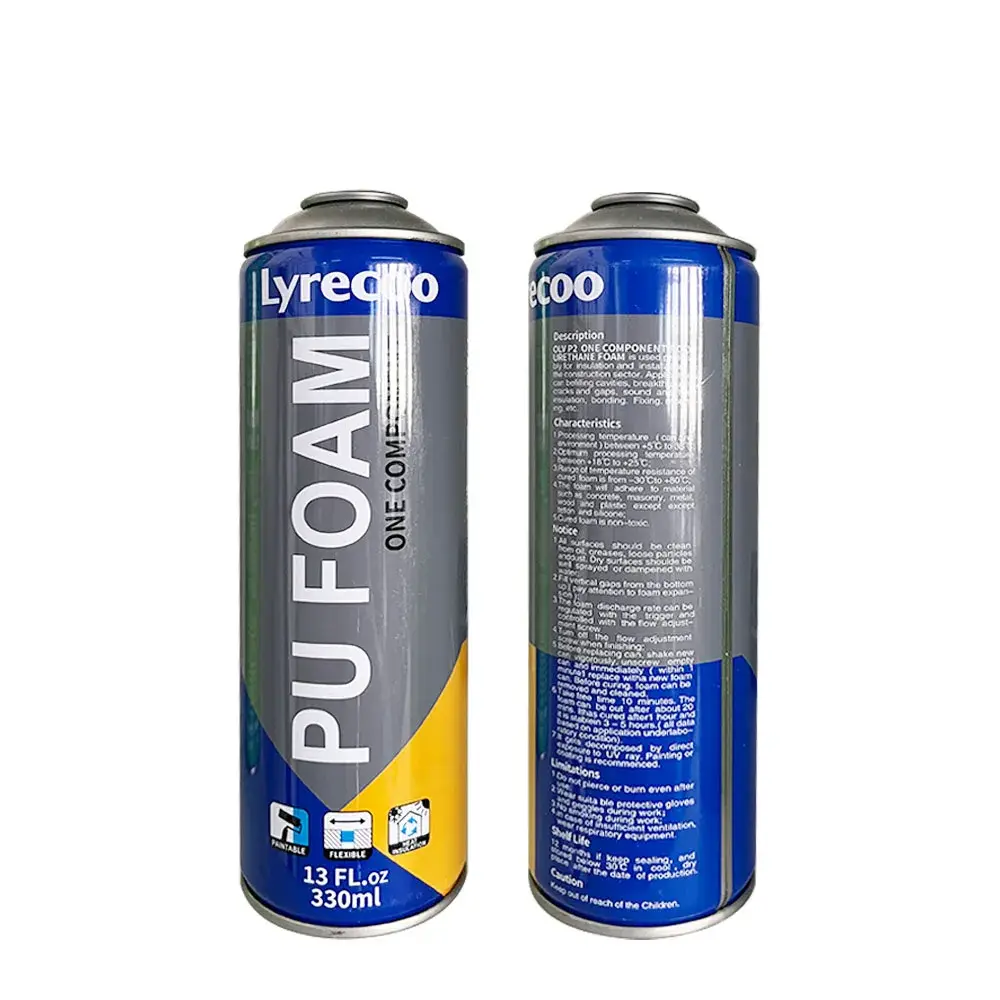
If you want to buy car sealants, you should start by checking the performance data. Ask for scientific data sheets that show the tensile strength, shear modulus, stretch, and cure properties of the material. Check that the licenses meet the safety standards for your area, like FMVSS rules for North American markets or ECE rules for European sales.
In real-world situations, compatibility is very important. The sealant needs to stick well to the materials in your car lines, like composite surfaces, high-strength steel frames, or aluminum frames. People who buy high-end cars need to pay attention to color-matching features because the bead lines on those cars need to fit in with the trim styles. Custom color mix choices let you keep your brand's look across all of your products.
Picking a production partner is more than just looking at the product specs. Check to see if your production ability is enough to meet your number needs without causing supply problems. The time it takes to send an order has a direct effect on how inventory is managed and when output starts. When it comes to operations, manufacturers with one- to two-week production processes and flexible shipping choices are better than suppliers who need longer lead orders.
Certification files show that a maker is dedicated to quality systems. ISO approval shows that processes are uniform, and CE marking shows that products meet European standards. Suppliers who keep these licenses spend money on quality control that is constant. This cuts down on batch-to-batch differences that make application processes more difficult. Minimum order amounts should match how much you use, so you don't have to pay too much for inventory and can be sure you have materials on hand when production needs rise.
Successful windshield sealing starts a long time before the glue is put on. Glass and frame surfaces need to be cleaned carefully to get rid of dirt and other things that make bonding less effective. On the frame's surfaces, use the primers that the maker recommends and give them enough time to flash off before applying the sealant. The temperature and humidity during installation have a big effect on how fast the bond cures and how strong it is in the end.
Use continuous beads of a certain size to apply the glue. When there isn't enough material, weak spots form where water can get in, and when there is too much, the material is wasted without better performance. Carefully place the glass within the working time window, which is usually 10 to 15 minutes for polyurethanes, making sure that there is even touch around the whole edge. During the first few steps of curing, don't move the installation because that can cause holes or weaken the bond.
Environmental controls make results more consistent. If you can, keep the temperature of your desk between 60°F and 80°F. Cure rates are best when the humidity is between 40 and 70%. These conditions help the moisture-activated bonding process work while stopping hardening from happening too quickly or too slowly, which would make fitting more difficult.
To get car adhesives, you need to work with makers who can show they have the technical know-how and production stability. Shandong Jiaobao New Material Co., Ltd. is a star in its field and has been making professional-grade sealants since 2013. Our factory keeps its ISO and CE certifications up to date to make sure that every batch meets international quality standards that are required by trade laws in all markets around the world.
Manufacturers with a lot of experience give technical help that goes beyond selling products. Application fixing help gets problems fixed quickly in the field, reducing downtime. Offering formulation customization options lets OEM clients choose specific performance traits or package layouts that meet their business needs. This versatility comes in handy when normal goods almost meet your needs but don't quite.
Distributors of car parts and big repair shops both benefit greatly from buying in bulk. Manufacturers usually offer tiered pricing based on the number of items ordered, with price breaks at common cutoff amounts. When compared to making lots of small orders, consolidated packages have lower per-unit transportation costs. Setting up supply deals with chosen suppliers locks in stable prices and protects against changes in the cost of raw materials that can throw off budgets.
Online buying sites make it easier to place orders for both new items and supplies that are needed. Digital systems let you see your goods in real time, set automatic reordering alerts, and keep track of shipments. Direct ties with manufacturers often give you special treatment during allocation shortages. This makes sure that your operations can keep getting materials when the market gets tight.
Managers of procurement lower risk by looking at written records of past performance. In case studies from similar uses, certain forms are shown to work well in similar situations. Auto glass repair chains that use PU Auto Glass Sealant High Strength have lower callback rates than the industry average. This means that happy customers give these chains a competitive edge. When the features of the adhesive cure match the takt time standards, OEM assembly lines report higher output.
Our manufacturing operation serves customers in both domestic and foreign markets. We've built a good name by consistently providing high-quality products and quick customer service. Technical teams work together with clients to create specifications and make sure that the formulas chosen exactly meet the needs of the application. With this partnership method, ties with suppliers go from buying things one-time to working together strategically to achieve mutual success.
To choose the best sealant for fixing window leaks, you need to carefully look at its performance, the needs of the application, and the supplier's abilities. PU Auto Glass Sealant High Strength formulations give modern cars the structural bonding, durability, and resistance to weather damage they need. When procurement workers know the differences between sealant technologies, they can make choices that balance beginning costs with long-term performance and safety results. Working with makers with a lot of experience gives you access to tried-and-true formulas, technical know-how, and a reliable supply chain that protects both people in the car and your business.
A: In ideal conditions (70°F temperature, 50% humidity), PU Auto Glass Sealant High Strength reach safe drive-away strength in 30 to 60 minutes. Full structural cure happens at a rate of about 3.5 millimeters per day, and the link is at its strongest in 24 to 72 hours. This process takes longer when it's cold and wet, but it goes faster when it's hot. Always follow the manufacturer's instructions for specific drive-away times that depend on the installation site conditions.
A: After they have fully cured, modern PU Auto Glass Sealant High Strength formulations will still work at temperatures ranging from -40°F to 200°F. Because it is flexible, the bond can bend when the temperature of the glass and metal frames changes, but it won't crack or come apart. For proper drying, keep the work area above 50°F while the coating is being applied. Materials that have been kept in cold places should be brought to room temperature before they are used to make sure they always disperse and stick together properly.
A: PU Auto Glass Sealant High Strength formulations have higher tensile and shear strengths than silicone options. This means they can be used for structural glazing uses where the windshield helps the car handle crashes. Most of the time, PU glue can stick well to painting surfaces without primers, which makes placement easier. They don't break down as easily in UV light as many silicones do, so the bond stays strong for the life of the car. These performance benefits make them the best choice for skilled car glass installation, even though the materials are more expensive.
Shandong Jiaobao New Material Co., Ltd. has tested PU Auto Glass Sealant High Strength formulations that can help you with your car glass fitting needs. We are a well-known maker and provider with more than 13 years of experience making things. Through our OEM/ODM services, we offer both technical know-how and flexible customization options. Our streamlined production means that wait times are only one to two weeks, and our ISO and CE certifications show that we meet world quality standards. Our team can help you whether you need unique color matching, special packing, or performance specs that are made just for buying a lot of something. You can email us at dorashen@cnjiaobao.com to talk about the problems you're having with your application and to ask for technical information or product samples.
1. Automotive Glazing Systems: Materials and Installation Techniques," Society of Automotive Engineers International, 2021.
2. Polyurethane Adhesive Technology for Transportation Applications," Adhesives & Sealants Industry Journal, March 2022.
3. FMVSS 212 Compliance Testing for Windshield Retention Systems," National Highway Traffic Safety Administration Technical Report, 2020.
4. Comparative Analysis of Automotive Sealant Performance Under Environmental Stress," Journal of Applied Polymer Science, Volume 139, 2022.
5. Best Practices for Auto Glass Installation: Industry Standards and Safety Protocols," National Glass Association Technical Manual, 2023.
6. Moisture-Cure Polyurethane Chemistry and Applications in Automotive Assembly," Polymer Engineering and Science, Volume 62, 2021.
November 16,2023
Enterprise Name
The sealant has very strong adhesion and performs well even on glass and aluminum. After curing, it remains flexible and shows no cracking. Perfect for our facade projects.
November 16,2023
Enterprise Name
Stable quality across batches. Our customers especially like the smooth application and consistent extrusion. It helps reduce installation time on site.
November 16,2023
Enterprise Name
I used it for bathroom sealing. Excellent waterproof performance and no mold issues so far. It's been holding up very well in humid conditions.
November 16,2023
Enterprise Name
The neutral silicone works well on sensitive materials without corrosion. Very suitable for industrial applications requiring stable performance.
_1779347426672.webp)