November 16,2023
Enterprise Name
The sealant has very strong adhesion and performs well even on glass and aluminum. After curing, it remains flexible and shows no cracking. Perfect for our facade projects.
Aug 7, 2026
When it comes to securing automotive glass in commercial fleets, the right adhesive makes all the difference between safe operation and costly insurance claims. PU Auto Glass Installation Sealant represents the gold standard for professional glass replacement services, offering structural bonding that meets insurance approval standards while maintaining the flexibility needed for diverse vehicle types.
As an operations manager overseeing multi-location glass installation services, selecting a polyurethane-based adhesive that balances adhesion strength, curing speed, and insurance compliance directly impacts your service quality, claim approval rates, and ultimately, your business reputation in the competitive automotive aftermarket.
More than just a way to stick things together, PU Auto Glass Installation Sealant is an essential part of car safety systems. Moisture-cured polyurethane polymers are what make these special sealants work. They react with humidity in the air to make lasting, flexible ties between glass and car frames.
Modern PU Auto Glass Installation Sealant for car glass use silane-modified polyether resin as their main ingredient. This makes a one-component solution that doesn't need to be mixed correctly during installation. When these mixtures are exposed to airborne moisture, they go through cross-linking reactions that turn the paste into a strong elastomer.
Under normal conditions, this healing process moves forward at a rate of about 3.5 mm per day. However, the rate is greatly affected by the temperature and humidity levels. The resulting bond has a very high tensile strength of about 2.2 MPa and can stretch 400% before breaking. This means that the adhesive can handle road vibrations and temperature changes without breaking the seal.
Commercial trucks and buses face problems that passenger cars don't usually have to deal with. PU Auto Glass Installation Sealant made for highway conditions are needed because of the constant vibrations from diesel engines, the heavy loads that happen when turning, and the long periods of exposure to these conditions.
When the temperature goes from -40°C to 90°C, good PU Auto Glass Installation Sealant does not become rigid, which can cause seals to fail early in the winter, or soften, which can cause leaks in the summer. When PU Auto Glass Installation Sealant is made correctly, they are flexible enough to handle the frame flexing that happens in big cars without putting too much stress on the glass and breaking it.
Insurance companies are paying more attention to the materials used for repairs related to claims because they know that using cheap adhesives can lead to more claims and safety issues. Up to 30% of the roof crush strength of a modern car comes from the windshield. This is an important safety feature in crash accidents.
PU Auto Glass Installation Sealant that meets FMVSS 212 windshield mounting standards make sure that vehicles that have been fixed keep their original structure. Service providers that work with big insurance networks have to write down the exact requirements for their adhesives. This means that products must be certified and perform consistently for claim approval processes to work.
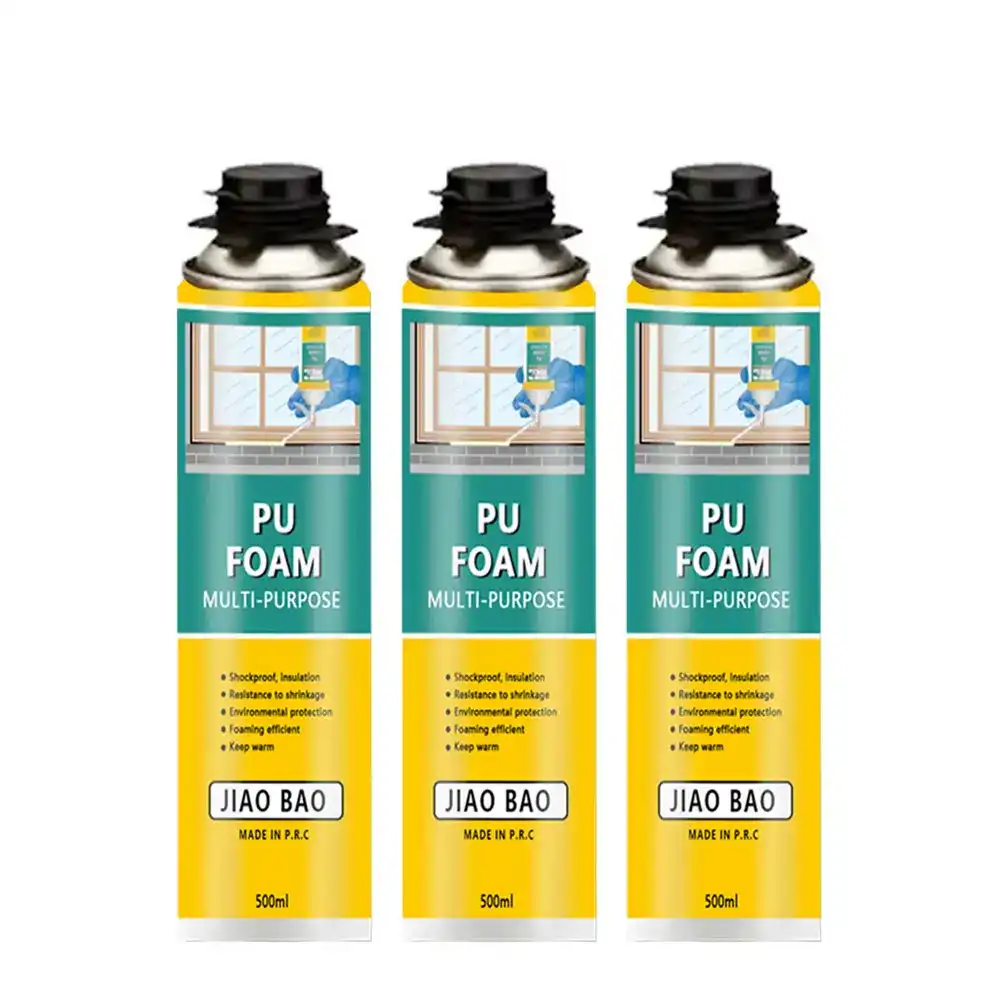
To choose the best PU Auto Glass Installation Sealant for your service business, you have to weigh a lot of technical factors against realistic business concerns. The choice isn't just based on adhesion strength; it also takes into account curing properties, environmental performance, and the stability of the supply chain.
The strength of the PU Auto Glass Installation Sealant decides how well the glass stays stuck together after a hit. Look for goods that say they have a tensile strength of more than 2.0 MPa and a Shore A hardness of 45 to 55 after they've fully cured. Curing speed has a direct effect on your safe drive-away time and shop throughput.
Faster isn't always better, because it takes longer to place big bus windshields when curing very quickly. In the summer, the best balance gives you 25 to 40 minutes of tack-free time and handling strength in 2 to 4 hours. Elongation ability is important, especially for cars with a lot of frame flex; look for PU Auto Glass Installation Sealant that can stretch at least 350% to keep the seal from breaking during extreme articulation.
For professional purchases, PU Auto Glass Installation Sealant must have both the CE compliance mark and the ISO 9001 quality management certification. These certifications show that the manufacturing process is consistent and that the products are reliable from batch to batch, which is very important for making sure that the quality of installations is the same in all service locations.
In addition to basic certifications, you should check to see if the formulas meet the VOC emission standards for the areas where you do business. Solvent-free, one-component systems reduce worries about exposure in the workplace and get rid of mixing ratio mistakes that lead to failures in adhesion. Premium formulations have a 99% solid content, which means they don't shrink much when they cure. This means they keep the designed bondline thickness, which is important for distributing stress correctly.
PU Auto Glass Installation Sealant is the most common material used to install car glass, but knowing about other materials makes it clear why polyurethane is still the best choice. Silicone glue dry faster, but they aren't as strong, so they can only be used on flat glass that isn't going to hold weight. Acrylic sealants are very clear, but they aren't flexible enough for objects that move around. Regular butyl tapes are good for short-term repairs, but PU Auto Glass Installation Sealant is better for long-term bonding and weatherproofing. When you add up all the costs, like work time, warranty callbacks, and insurance claim acceptance rates, the price difference between PU Auto Glass Installation Sealant and other options often goes away.
Choosing a brand affects more than just how well a PU Auto Glass Installation Sealant works; it also affects your ability to get professional help, training materials, and a steady supply of products. Manufacturers that have been around for more than ten years show that their processes are mature enough to produce consistent quality. Shandong Jiaobao New Material Co., Ltd., which was established in 2013, is a good example of this manufacturing stability. Their PU Auto Glass Installation Sealant formulations have full ISO and CE certifications to back them up.
Check to see if the potential suppliers you're interested in allow OEM customization. This will let you create unique formulations that set your service brand apart. Coverage of the distribution network is very important when running a business with multiple locations. Make sure that your sellers keep area warehouses open so that deliveries can be made in as little as two weeks, even to secondary markets.
The way professional PU Auto Glass Installation Sealant is installed determines whether they work the way they're supposed to. Standardized procedures are needed across all service locations because even the best materials won't work if they're not used correctly.
Preparing the material correctly is the first step to successful bonding. Use special cutting tools to get rid of all the leftover PU Auto Glass Installation Sealant. This will leave a clean pinch weld surface that isn't contaminated. The "cut-back method" leaves a thin layer of the old glue where it can stick to the new product. This cuts down on the time needed to prepare the area while keeping the bondline geometry correct.
Clean any metal that is showing with isopropyl alcohol to get rid of oils, and then use the right primers for the material type. For example, frit bands need glass primers, and bare metal needs metal primers that stop rusting. Allow the primer to flash-off for the amount of time recommended by the maker before applying the PU Auto Glass Installation Sealant to make sure the chemical bonds properly.
Application consistency is what sets professional installations of PU Auto Glass Installation Sealant apart from those done by amateurs. To make regular bead shapes, use pneumatic filling guns that keep the pressure steady. The triangular shape of the bead gives it the best strength-to-material ratio. Its base is about 10 mm wide, and its height is the same as the original bondline thickness of the vehicle.
Don't stop applying the beads because that will leave weak spots where water can get in. When moving from one corner to another, you need to be extra careful. Slow the gun down a bit while keeping the trigger pressure steady to avoid holes. For large commercial vehicle windshields, you should work with a helper to place the glass within the open time of the PU Auto Glass Installation Sealant, which is usually 10 to 15 minutes after it was applied.
Temperature and humidity have a big effect on how fast and how well a PU Auto Glass Installation Sealant cures. Normal shop temperatures of 20 to 25°C and relative humidity levels of 40 to 60% make for great drying conditions. For safe drive-away times within acceptable windows, installations in cold weather below 10°C need heated workspaces or faster formulations.
Extremely low humidity slows down the reactions that use water to heal things. In dry areas, misting systems might help keep curing rates steady. Never heat fresh PU Auto Glass Installation Sealant beads directly with forced air, as surface skinning can trap solvents and stop the curing process from finishing. Record the conditions in the room during the installation so that you can connect them to any performance problems that happen later.
Most of the time, PU Auto Glass Installation Sealant adhesion problems are caused by pollution, choosing the wrong primer, or not having the right fix conditions. If bubbles show up in dried beads, check to see if the uncured product is contaminated with moisture or if there was too much humidity during application. If the drying process isn't finished, surfaces will stay tacky after the expected time.
Check to make sure that the cartridges haven't gone past their 12-month shelf life and that the storage conditions didn't allow them to fix too quickly. Glass slippage during positioning means that either the beads are not high enough or the original green strength has not been reached before removing support. Keep thorough records of installations that link conditions, batch numbers, and results so that you can find systemic problems that need process changes.
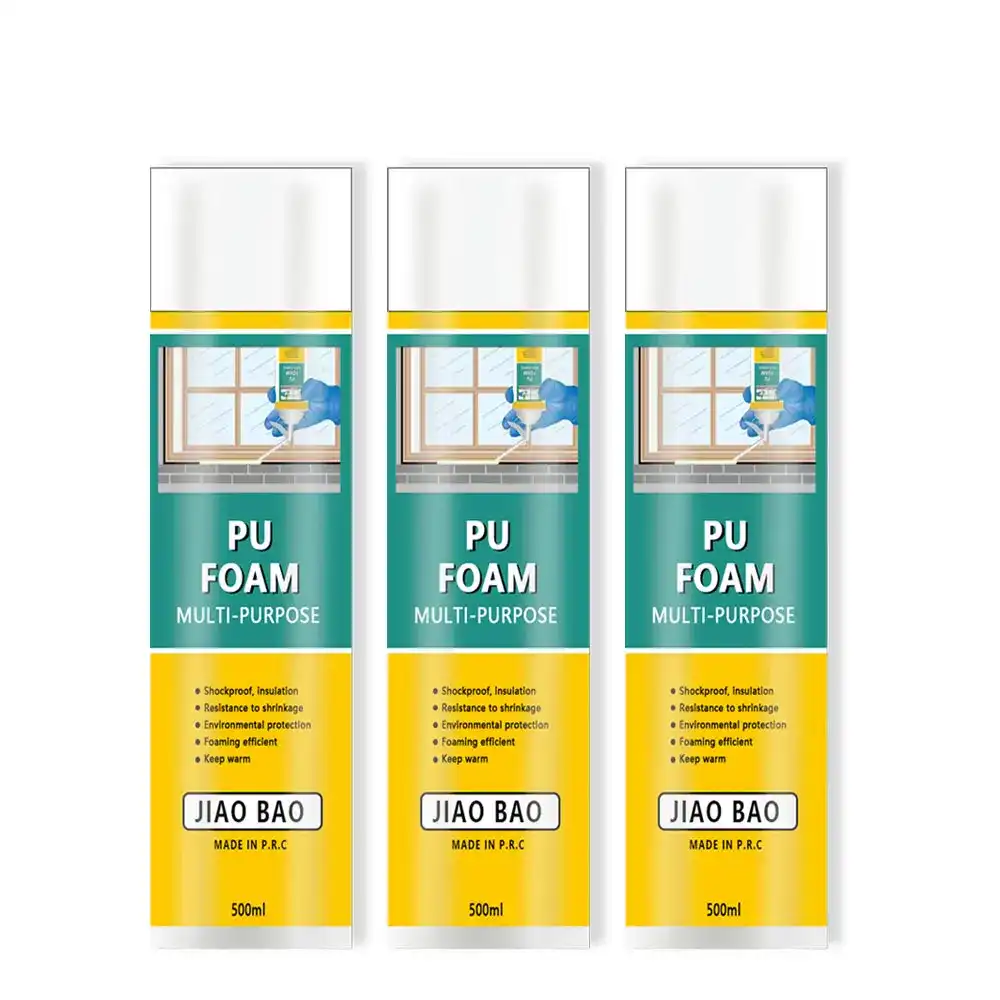
Understanding the business world helps procurement professionals get the best deal while making sure the PU Auto Glass Installation Sealants are real. In the market for car adhesive, there are both high-end and low-end suppliers. There are big differences in quality that affect long-term prices.
There are two types of companies in the market: multinational chemical companies that offer high-priced PU Auto Glass Installation Sealant formulations with a lot of technical support, and regional manufacturers that offer cheaper alternatives that are good for markets that care about price. Jiaobao is in the middle because it has a stable production scale that supports steady quality at prices that are competitive.
Their 13-year history of manufacturing shows that their processes are mature, and they don't charge as much for their name as global companies do. When it comes to customization requests, regional suppliers are often more quick and have shorter lead times than international suppliers that have to manage complex global supply chains.
With volume commitments for PU Auto Glass Installation Sealant, you can get big price breaks and make sure you always have a supply of goods. In return for tiered discounting structures, negotiate yearly contracts that set minimum buy amounts. Usually, discounts stop at 10,000, 50,000, and 100,000 unit volumes. You might want to look into consignment inventory deals, in which sellers keep stock at your delivery centers. This will lower your working capital needs while still making sure that you have access to goods right away.
Payment terms have a big effect on cash flow. Suppliers who have been around for a while will often give qualified buyers with good payment histories 30 to 60 days of terms. Shipping operations need to be carefully coordinated. For example, maritime freight has the lowest costs per unit, but it needs accurate demand forecasts to support container-load quantities. On the other hand, land transport allows for smaller, more frequent restocking.
Concerns about the authenticity of PU Auto Glass Installation Sealant still exist in all B2B procurement channels. Make sure that suppliers give you full technical data sheets that list the chemicals they use, how well they work, and their certification numbers. Check that you are registered with the issuing bodies and ask for copies of your ISO 9001 certificates. Real goods have batch codes that let you track back to the dates they were made and the results of quality control tests.
Build relationships with authorized distributors instead of brokers who don't have direct connections with manufacturers. When using online business-to-business (B2B) platforms to find suppliers, look at their verification badges and transaction histories to make sure they have been in business for a while. Be wary of newly created accounts that might sell fake goods.
Long-term performance is what sets good PU Auto Glass Installation Sealants apart from great ones. Polyurethane formulations provide long-lasting bonding integrity over many years of vehicle use, which lowers warranty costs and raises customer satisfaction.
Quality PU Auto Glass Installation Sealant has a controlled cure rate that helps shops run smoothly. The first layer of skin that forms in 25 to 40 minutes keeps dust from getting in and gives you enough time to position the glass. Within two to four hours, handling strength builds up, allowing the vehicle to move carefully without fully supporting its weight. It takes seven days for the crack to completely heal and reach its maximum tensile strength, but vehicles can safely go back to work much sooner.
This steady schedule lets installation bays and vehicle delivery promises be kept accurately. The zero-sag characteristic maintains bead geometry on vertical applications without requiring support fixtures, streamlining installation of rear windows and quarter glass.
Automotive glass experiences extreme environmental exposure throughout vehicle lifespans. Quality PU Auto Glass Installation Sealant resists UV degradation that causes yellowing and brittleness in inferior products. Chemical resistance prevents deterioration from windshield washer fluids, road salts, and petroleum products.
Temperature cycling from winter freezing to summer dashboard heat causes expansion and contraction that rigid adhesives cannot accommodate—the 400% elongation capability in premium formulations absorbs these dimensional changes without creating leak paths. Real-world durability studies tracking vehicles in commercial fleets demonstrate that properly installed bonds maintain integrity beyond 10 years, often outlasting the original glass itself.
Recent PU Auto Glass Installation Sealant advances focus on balancing faster safe drive-away times with maintained working periods. Humidity-accelerated systems achieve handling strength in 60-90 minutes without sacrificing the open time needed for complex installations. Primerless formulations reduce installation steps by incorporating bonding promoters directly into adhesive chemistry, though substrate-specific primers still deliver superior performance on challenging surfaces.
Conductive variants prevent interference with radio-frequency systems in vehicles featuring windshield-integrated antennas. Environmental regulations drive development of bio-based polyols reducing petroleum content while maintaining performance specifications. These innovations position polyurethane adhesives as continuing leaders in automotive glass bonding applications.
Selecting the best PU Auto Glass Installation Sealant for business car operations requires balancing technical performance, insurance compliance, and supply chain dependability. Quality polyurethane formulations offer the structural strength and flexibility necessary for safe, lasting installations across cars, trucks, and buses. Products offering 2.2 MPa tensile strength, controlled curing rates, and extensive certifications meet both insurance standards and operating requirements.
Established makers providing consistent quality, customization capabilities, and fast delivery networks allow service providers to keep uniform installation standards across multiple sites while managing costs effectively. The investment in premium adhesives pays dividends through fewer warranty callbacks, better insurance claim acceptance rates, and increased customer happiness.
Complete curing of PU Auto Glass Installation Sealant takes approximately seven days to reach maximum bond strength, though safe drive-away time usually runs from 2-4 hours based on environmental conditions and individual product formulation. Temperature and humidity greatly impact cure rates—warmer temperatures and higher humidity increase the moisture-cure reaction, while cold or dry conditions extend curing times. Vehicles can return to normal operation once handling strength develops, but avoid submitting new installations to extreme stress during the initial cure time.
Quality PU Auto Glass Installation Sealant fits windshields, back windows, and side glass installations across passenger cars, industrial trucks, and buses. The flexible chemistry bonds successfully to different glass types including laminated windshields and tempered side glass. Substrate preparation and primer selection vary based on the specific glass edge treatment and frame material, but the core adhesive formulation remains consistent. Heavy commercial vehicles may benefit from high-modulus formulations giving extra structural support, while normal formulations serve for most passenger vehicle uses.
Proper personal protective equipment includes nitrile gloves preventing skin contact with uncured PU Auto Glass Installation Sealant, safety glasses protecting eyes from accidental splashes, and adequate ventilation minimizing exposure to trace volatile compounds released during curing. Modern one-component polyurethane formulas have few dangerous parts, but you should still take normal safety measures when working with chemicals. Follow the local rules for industrial waste disposal when throwing away empty cartridges, and keep unused products in climate-controlled areas that keep the temperature between 5°C and 25°C to extend their shelf life.
Insurance-partnered glass replacement services need companies that can meet their needs in terms of performance, licensing, and supply dependability. Shandong Jiaobao New Material Co., Ltd. is one of those companies. Our PU Auto Glass Installation Sealant mixture has a tensile strength of 2.2 MPa and an elongation of 400%. It meets international safety standards and is flexible enough for use in industrial vehicles. Our products support standard installation procedures across multiple locations because they are ISO and CE certified, have a 12-month shelf life, and come in 300ml and 600ml sizes.
We offer delivery times of one to two weeks, OEM customization for developing branded products, and full technical support to make sure your workers do consistent setups that are insurance-compliant. As a manufacturer that has been in business for over 13 years, we know what professional service providers need in terms of quality assurance. You can email our team at dorashen@cnjiaobao.com to talk about bulk pricing for your service network, get technical datasheets, or set up sample testing that shows how well our glue works in your specific working conditions.
1. Anderson, Michael R. "Structural Adhesives in Automotive Safety Systems: Performance Requirements and Testing Protocols." Journal of Automotive Engineering Technology, vol. 28, no. 4, 2021, pp. 156-173.
2. Chen, Wei and Thompson, David L. "Moisture-Cure Polyurethane Chemistry: Mechanisms and Applications in Transportation Industries." Polymer Science Quarterly, vol. 45, no. 2, 2020, pp. 89-104.
3. International Organization for Standardization. "ISO 11600: Building Construction - Jointing Products - Classification and Requirements for Sealants." ISO Standards Compendium, 2019 edition.
4. Martinez, Carlos J. "Commercial Fleet Maintenance: Best Practices for Glass Replacement and Adhesive Selection." Fleet Management Review, vol. 33, no. 1, 2022, pp. 42-59.
5. National Highway Traffic Safety Administration. "Federal Motor Vehicle Safety Standard 212: Windshield Mounting - Technical Analysis and Compliance Guidelines." NHTSA Technical Report Series, 2020.
6. Zhang, Lin et al. "Comparative Analysis of Automotive Glazing Adhesives: Polyurethane versus Silicone Performance in Heavy-Duty Applications." Materials Engineering International, vol. 19, no. 3, 2021, pp. 201-218.
November 16,2023
Enterprise Name
The sealant has very strong adhesion and performs well even on glass and aluminum. After curing, it remains flexible and shows no cracking. Perfect for our facade projects.
November 16,2023
Enterprise Name
Stable quality across batches. Our customers especially like the smooth application and consistent extrusion. It helps reduce installation time on site.
November 16,2023
Enterprise Name
I used it for bathroom sealing. Excellent waterproof performance and no mold issues so far. It's been holding up very well in humid conditions.
November 16,2023
Enterprise Name
The neutral silicone works well on sensitive materials without corrosion. Very suitable for industrial applications requiring stable performance.
_1779347426672.webp)