November 16,2023
Enterprise Name
The sealant has very strong adhesion and performs well even on glass and aluminum. After curing, it remains flexible and shows no cracking. Perfect for our facade projects.
Jul 31, 2026
Acrylic Sealant Construction Grade delivers unmatched versatility across modern construction projects by offering paintable, water-based sealing solutions that address critical challenges like porous substrate adhesion and low-VOC compliance. Unlike basic DIY sealants, construction-grade formulations feature elevated solid content—typically 80-85%—which minimizes shrinkage and ensures dimensional stability in demanding environments. This guide targets procurement managers, project engineers, curtain wall companies, and building material distributors who require dependable sealing performance for door and window installations, drywall assemblies, and perimeter joints. Selecting the right product empowers you to meet stringent regulatory standards, accelerate project timelines, and achieve cost-efficient outcomes without compromising on durability or aesthetic finish.
Acrylic Sealant Construction Grades are made with quality acrylic dispersion and artificial fillers, which makes a plasto-elastic emulsion that is different from consumer-grade options. These formulas meet standards in the industry, like ASTM C834 and ISO 11600, which means they can handle changes in temperature and allow for structural movement of about 12.5% to 15%. The higher solid material lowers volumetric shrinking during curing, which is a very important benefit for keeping curtain walls and window frames together. Acrylic Sealant Construction Grades, unlike silicone peers, stick very well to porous surfaces like concrete, brick, plasterboard, and wood without the need for primers. This solves one of the biggest problems that general builders and freelancers have had for a long time.
Instead of chemical cross-linking, water-based acrylic seals dry when the water evaporates. This method lets the surface be skinned in 30 minutes at normal conditions (23°C, 50% relative humidity), which lets the shaping and painting go quickly. About 2 to 3 mm of curing depth is added every 24 hours. This means that deeper joints need longer to cure before they can be exposed to harsh weather or mechanical stress. Knowing this timeline helps procurement teams plan delivery times and project stages more efficiently, especially for large-scale uses in commercial complexes and prefabricated building systems.
When bonding variety is most important, Acrylic Sealant Construction Grades work great. Because they are hydrophilic, they stick well to wet or acidic surfaces, which is when polyurethane or silicone usually fails. Companies that make curtain walls like how well it attaches to glass and aluminium panels without having to treat the surfaces. Door and window processing plants also like how well it works with both broken bridge aluminium and uPVC profiles. The tensile strength is usually higher than 0.4 MPa, and the best grades can reach 0.64 MPa. This is enough mechanical resistance for low- to medium-level movement joints that are common in both residential and commercial construction.
One big benefit is that you can paint over it after it has dried. The sealant surface evenly takes latex, acrylic, and water-based coats, getting rid of the "shiners" or paint-crawling flaws that come with silicone products. This quality is valued by interior design firms and custom furniture makers when they need to seal cabinet joints or install bathroom fixtures because it helps with colour matching and maintaining a consistent look. Project managers can safely plan painting tasks because they know that the sealant won't change the way the finished product looks or require expensive repairs.
Low-VOC formulations are compatible with green building standards like LEED and BREEAM, meeting the sustainability requirements that business developers are asking for more and more. Since there are no solvents, application can be done safely in small areas without the need for a lot of air. This protects worker health and speeds up the interior fit-out schedule. Stone processing plants and glass deep processing plants can use odourless sealants to help with installation of showrooms or during facility expansions where work is still going on while the building is being built.
When it comes to material costs, acrylic sealants are better for big jobs. When compared to silicone or polyurethane alternatives, the cost of raw materials stays low, which lets aggressive pricing for bulk orders happen without affecting performance. The thixotropic consistency makes sure that there is little waste during application, and the extrusion rates of 163 ml/min (which are much higher than the industry standard of 80 ml/min) speed up the installation process. Hardware dealers and building material suppliers like stable pricing and the chance to put their own brand on products. This helps them make good profits and meet customer standards for reliable sealing solutions.
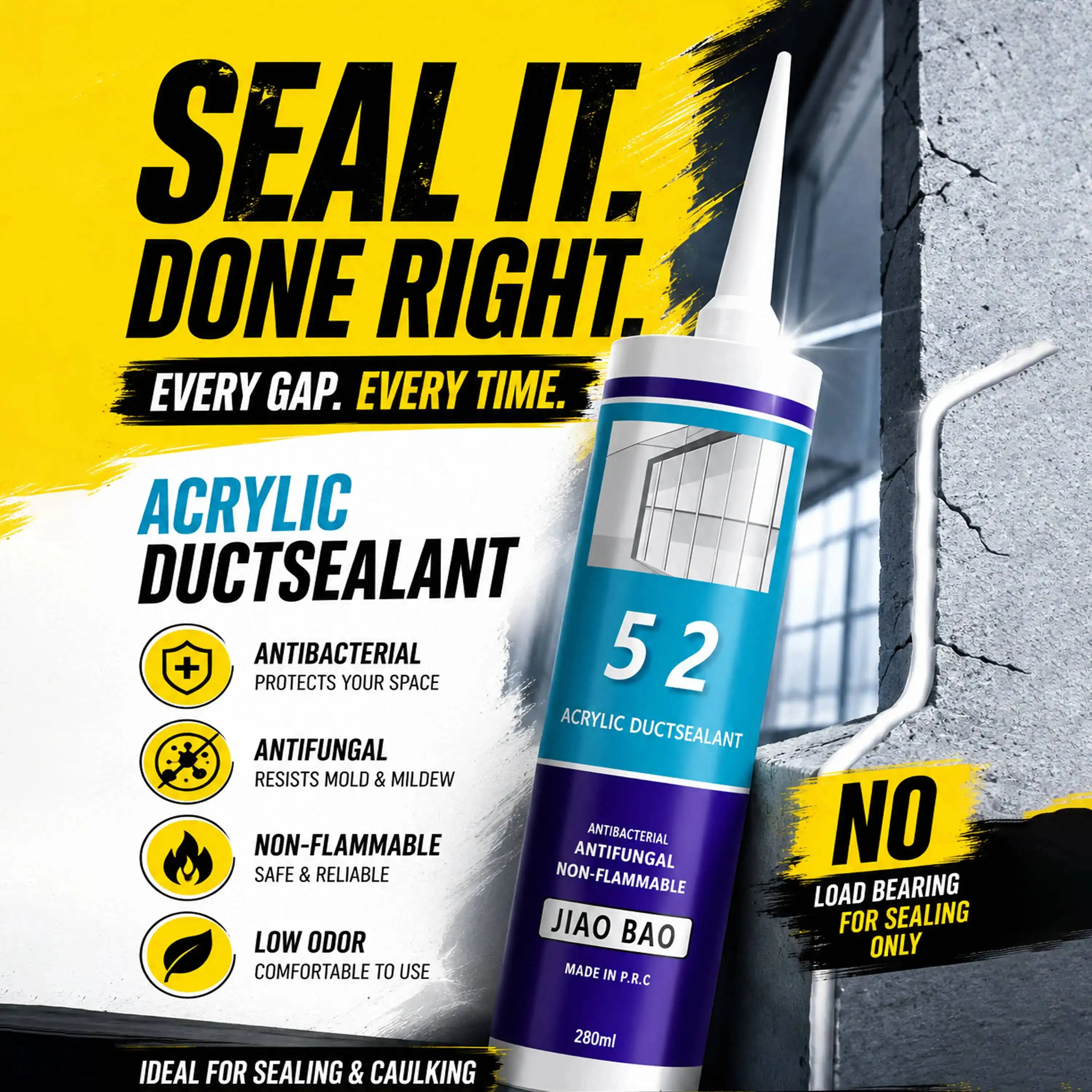
Acrylic Sealant Construction Grades work better than silicone when you need to paint right away and stick well to weak surfaces. Silicone has better extension (often over 400%), but acrylic's 200–300% elongation is good enough for connection joints around windows and in plasterboard walls. Finishing needs often play a big role in the decision-making process. For example, residential high-rise projects choose acrylics for interior perimeter sealing where paint continuity is important, while silicone is still the best choice for exterior curtain wall structural glazing that needs to be as resistant to weather and UV light as possible.
Polyurethane sealants are great for industrial floors and car uses because they are very resistant to wear and chemicals. Acrylic options are better when quick turnaround and drawing freedom are more important than extreme chemical exposure worries. When chemical protection is less important than vibration dampening, HVAC equipment makers choose acrylics for ducting flange covers. Epoxy-based products harden too quickly for flexible joints. Acrylics stay flexible at service temperatures ranging from -20°C to +80°C, which makes them suitable for premade concrete elements and metal covering systems that expand and contract with the seasons.
The right preparation of the material is the first step to a successful application. To get rid of dust, oil, loose particles, and frost, clean surfaces very well. Concrete and brick substrates should have the right amount of wetness. Surfaces that are too wet will take longer to cure, and surfaces that are too dry could skin prematurely before they are ready to be shaped. Degreasing metal frames with ethyl alcohol is necessary, and light sanding wood surfaces makes them fit together better mechanically. These steps make sure that the 0 mm sag performance seen in vertical applications is maintained, which is important for keeping business glazing installations looking good.
Cut the nozzles at 45-degree angles to match the joint lengths, which are usually between 6 and 10 mm for normal door and window uses. Apply Acrylic Sealant Construction Grade in beads that don't stop, making sure to keep the pressure steady so that air doesn't get trapped. Right away, use wet spatulas or profiling tools to make concave profiles that help drainage and improve the look of the joint. The 0.5-hour skin formation time gives you enough time to make tooling corrections, but if it's humid or cold, this time may be longer. Door and window processing plants often have experienced applicators work together—one applying and one tooling—to get the most work done during long installation runs.
When placed correctly, acrylic sealants can last more than 10 to 15 years in protected indoor uses. However, when exposed to UV light and changing temperatures, they may only last 7 to 10 years when used outside. Check joints once a year for cracks, separation, or too much shrinking. Using utility knives or rotating tools to remove the old material mechanically, then re-preparing the surface before putting in the new material. Building maintenance departments like how easy it is to change silicone sealants compared to silicone, which needs to be cleaned very well to get rid of oils that make it hard for new sealants to stick.
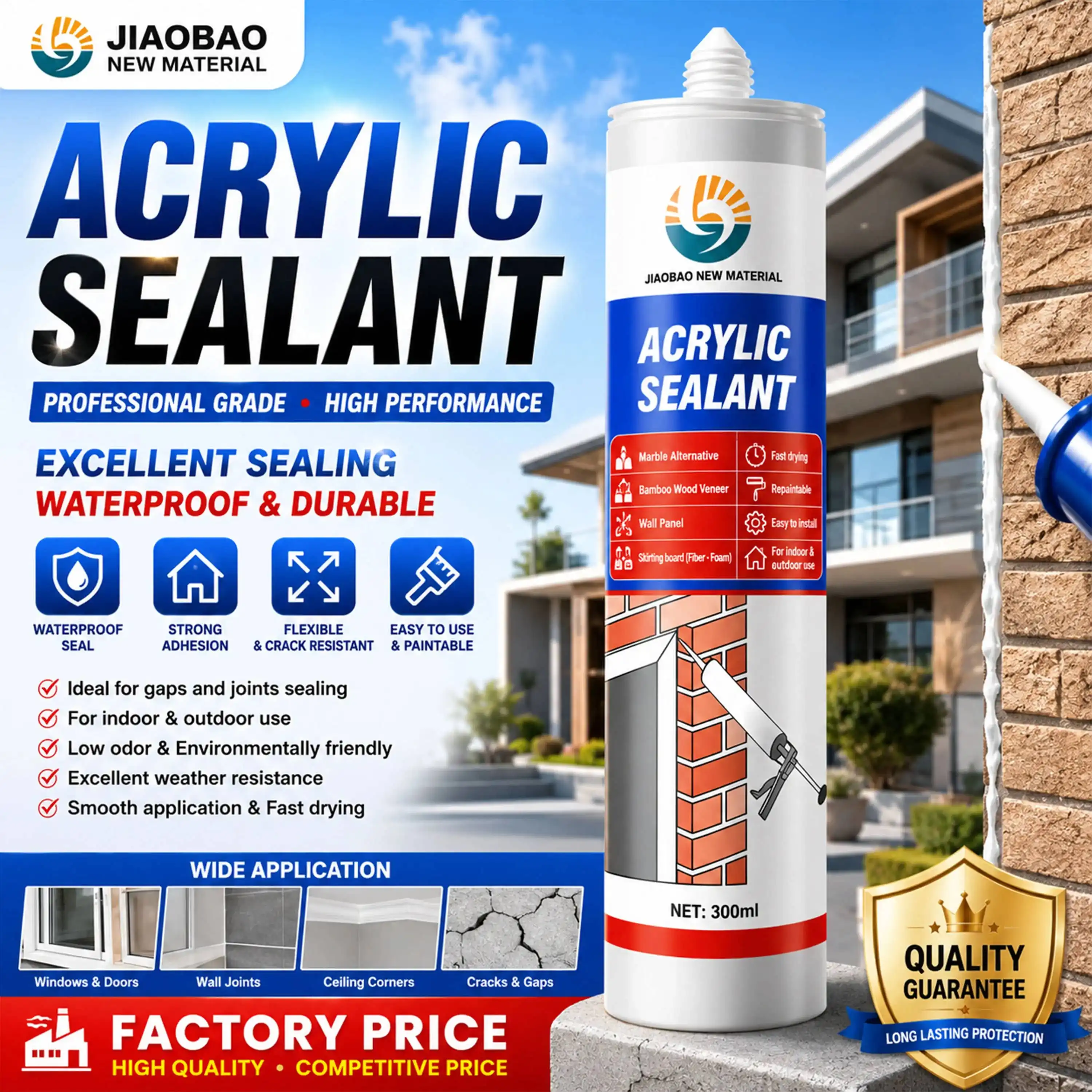
Quality assurance through testing samples is still a must. Ask for test cartridges that show how well the extrusion rate, sag resistance, and stickiness work on the materials you need them for. Suppliers should show that their products meet ASTM C834 or similar standards by giving test reports that are specific to each batch. Certification packages that include CE marks and ISO 9001 manufacturing quality systems show that production is always being controlled. Wholesalers of building materials and companies that trade across borders need to check the export paperwork, especially for shipments that need to meet ASTM standards for U.S. markets or specific fire-rating requirements for high-rise buildings.
Standard packaging comes in 300ml and 600ml sizes to fit a range of needs. For example, smaller cartridges are better for service workers doing repair work, while bigger sausage shapes work better for high-volume curtain wall setups using pneumatic dispensers. A shelf life of 12 months in the right conditions (5–25°C, out of direct sunlight and freezing temperatures) lets you keep track of your goods without throwing away too much. When buying in bulk, pallet configurations help load containers more efficiently. A 20-foot container can usually hold 22 to 24 pallets, which is equal to about 50,000 to 60,000 cartridges, based on the size and density of the packing. Reliable sources keep production lead times between one and two weeks, which lets wholesalers restock quickly during busy building times.
Since 2013, Shandong Jiaobao New Material Co., Ltd. has been making high-performance sealants. Their products are known for being very consistent, and they offer great expert support. Our one-part RTV Acrylic Sealant Construction Grade has a sag degree of 0 mm in vertical applications, which is much higher than the standard 3 mm threshold. This means that it works perfectly in difficult glazing installations. The 163 ml/min extrusion rate speeds up installation work while still meeting the standards for structural integrity that general contractors expect. Our products meet the aesthetic needs of high-end hotel projects and business office towers. They come in White, Black, Grey, or custom RAL color-matched formulations. We offer OEM and ODM services that are flexible, so hardware sellers and building material suppliers can confidently create their own brands. Our services are backed by ISO certification and full quality guarantees, which include replacement for any flaws within 12 months of purchase.
Acrylic Sealant Construction Grades solve important closing problems in a wide range of building settings by being easier to paint, sticking to porous surfaces better, and being eco-friendly. Because they have a good balance of performance—allowing enough movement while also curing quickly and being cost-effective—they are the best choice for sealing around doors and windows, making plasterboard soundproof and finishing general construction joints that look good. To be successful at procurement, you need to check that suppliers have the right certifications, test samples on substrates that are specific to the project, and set up logistics that work with your installation schedules. If you choose makers that have a history of doing good work, you can be sure that your projects will get steady quality, technical help, and a reliable supply chain. This will protect your budgets and your reputations.
Yes, Acrylic Sealant Construction Grades made for building can withstand being submerged in water according to ASTM C794, and the bond strength stays the same after drying. They work well in outdoor uses like around windows and in pre-cast concrete joints. However, silicone alternatives may offer extended UV stability for high-exposure curtain wall applications.
Surface skinning occurs within 30 minutes at 23°C and 50% relative humidity, allowing immediate tooling and painting after 2-4 hours. Full-depth curing progresses at 2-3 mm per day, meaning standard 10 mm joints achieve complete cure within 3-5 days under normal conditions.
Formulations made for construction work well on metal (including aluminium and galvanised steel), painted surfaces, concrete, brickwork, chipboard, wood, and metal (including aluminium and galvanised steel). They work great on weak, water-loving surfaces where silicone usually needs to be primed, making them ideal for door frames, window installations, and drywall assemblies.
Acrylic Sealant Construction Grade is the best way to improve your construction sealing projects. It was made for professional contractors, purchasing managers, and distributors who need consistent performance. We are a well-known manufacturer of Acrylic Sealant Construction Grade with more than 13 years of experience. Our high quality is backed by ISO certification, and we offer reasonable bulk pricing structures as well as a variety of 300ml and 600ml packing options in cartridge or sausage formats. Our quick production lead times (1-2 weeks) and full after-sales support, which includes returns or replacements for any quality problems during the shelf life, lower your sourcing risks and keep your project on track. You can email our team at dorashen@cnjiaobao.com to get technical data sheets, set up sample testing for your specific needs, or talk about custom colour matching for your branded product lines.
1. Anderson, M.R. (2021). Construction Sealants: Material Properties and Performance Standards. Technical Publishing International.
2. Building Sealing Council (2020). Guide to Selecting Sealants for Building Envelope Applications. Construction Specifications Institute.
3. Harrison, P.L. & Zhang, W. (2019). Acrylic Sealant Technology in Modern Construction. Journal of Building Materials Science, 34(2), 112-128.
4. International Standards Organization (2022). ISO 11600: Building Construction - Jointing Products - Classification and Requirements for Sealants. ISO Publications.
5. Miller, J.D. (2023). Comparative Analysis of Elastomeric Sealants for Curtain Wall Applications. Facade Engineering Quarterly, 18(3), 45-67.
6. Thompson, R.K. (2020). Sustainable Building Materials: Low-VOC Sealants and Green Construction Practices. Environmental Building Press.
November 16,2023
Enterprise Name
The sealant has very strong adhesion and performs well even on glass and aluminum. After curing, it remains flexible and shows no cracking. Perfect for our facade projects.
November 16,2023
Enterprise Name
Stable quality across batches. Our customers especially like the smooth application and consistent extrusion. It helps reduce installation time on site.
November 16,2023
Enterprise Name
I used it for bathroom sealing. Excellent waterproof performance and no mold issues so far. It's been holding up very well in humid conditions.
November 16,2023
Enterprise Name
The neutral silicone works well on sensitive materials without corrosion. Very suitable for industrial applications requiring stable performance.
_1779347426672.webp)