November 16,2023
Enterprise Name
The sealant has very strong adhesion and performs well even on glass and aluminum. After curing, it remains flexible and shows no cracking. Perfect for our facade projects.
Jul 27, 2026
When securing automotive glass, you need a solution that delivers both structural integrity and safety compliance. PU Automotive Glass Adhesive Sealant is the industry-standard choice for professional windshield and window installations. Built on silane-modified polyether resin technology, this one-component sealant offers exceptional bonding strength with tensile capacity reaching 2.2 MPa and impressive 400% elongation at break. With over 13 years of manufacturing expertise, Jiaobao New Materials delivers a product that cures at approximately 3.5mm per day, features 99% solid content, and maintains Shore A hardness of 45 for lasting performance in demanding automotive environments.
Automotive glass adhesives have changed a lot since the days of rubber gaskets. Modern PU Automotive Glass Adhesive Sealants made from polyurethane do two things: they firmly bond the glass and help make the vehicle's structure stiff. Your windshield isn't just a clear wall; it's also an important safety feature that helps airbags deploy and keeps the cabin safe during crashes.
It's important to know how these materials work chemically. When polyurethane seals come in contact with moisture in the air, they form strong elastomeric ties. A thixotropic paste is changed into a high-modulus polymer that becomes part of the car body by this moisture-curing process. Adhesive bonding, on the other hand, spreads stress evenly across the whole bonding surface. This means that there are fewer stress spots that could cause glass to crack.
What makes automotive glass adhesives work depends on certain factors. Tensile strength tells you how much pulling force a bond can handle before it breaks. Our silane-modified sealant has a tensile strength of 2.2 MPa, which means it can stay strong during regular car operation and collisions. It can stretch 400% of its length without breaking, which means the bond can adapt to the different rates of heat expansion between metal and glass surfaces.
Curing speed has a direct effect on how well the product is made. This glue gets strong enough for Safe Drive-Away Time (SDAT) compliance in hours instead of days, at a rate of about 3.5mm per day. The 99% solid material keeps the bead's size constant and stops gaps that could compromise sealing by reducing shrinkage during curing.
Although installing windshields is the main use for PU Automotive Glass Adhesive Sealants, they can also be used for other things. Side window bonding needs the same structural qualities, but because of the way the assembly line works, it usually needs faster drying times. Temperature changes and UV light can make installing a sunroof even harder, so weather protection is very important.
When used in commercial vehicles, they have special needs. Buses and trucks have bigger glass panels that are put under more stress when the chassis bends and shakes. Heavy-duty formulas with higher modulus values meet these needs while still being flexible enough to keep stress from building up at the edges of bonds.
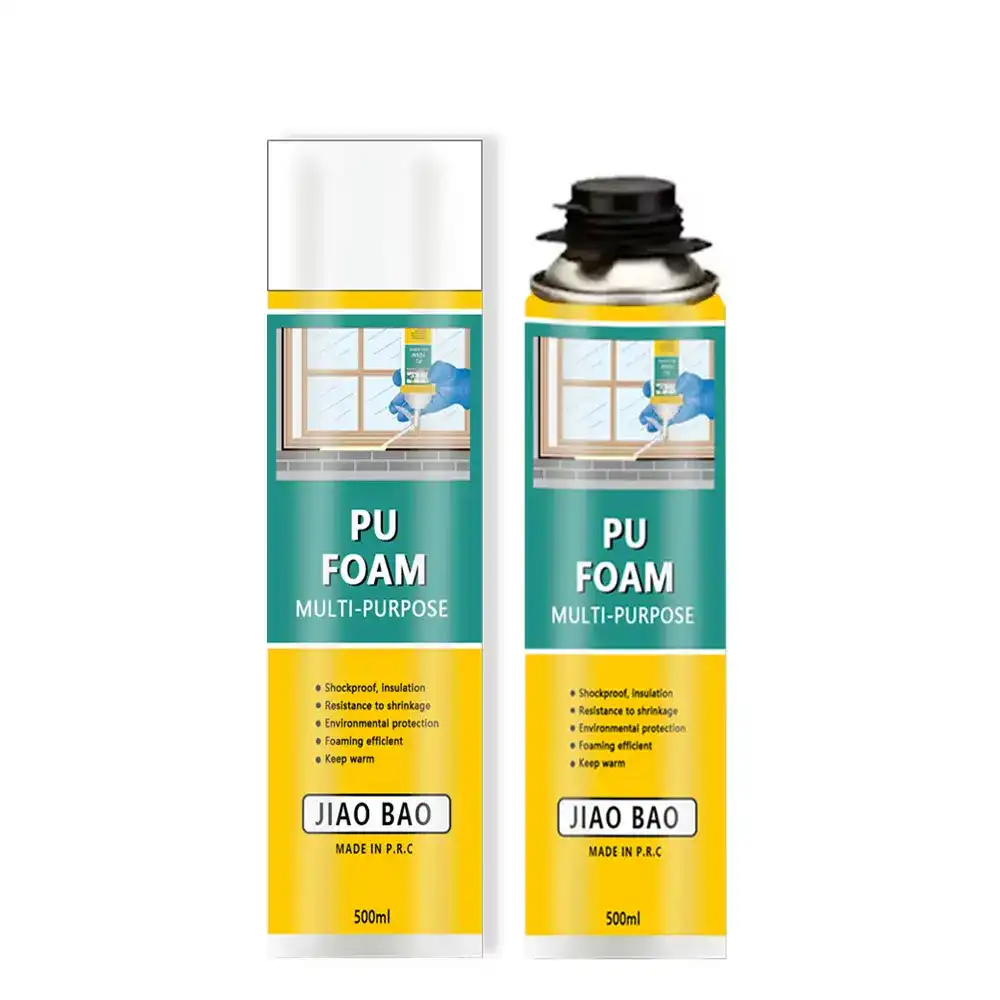
To choose the right adhesive formula, you need to know how different materials work in an automobile setting. Most car glass is stuck together with polyurethane glue, but silicone and acrylic adhesives can be used in some situations.
Polyurethane adhesives work really well in structural applications where the bond helps make the vehicle rigid. They stick better to painted metal surfaces and can stick well to glass with ceramic frits without needing to be prepared very well. Curing polyurethane gives it a high modulus, which means it doesn't deform when it's loaded. This helps keep the body of the vehicle stiff and improves crash safety.
Silicone sealants, on the other hand, are very resistant to weather and stay flexible even when temperatures are very high or very low. They usually have lower binding strength, though, and don't add much to the stiffness of the structure. Silicone is good for covering things that aren't structural, like gaps or trim, where movement is more important than load-bearing ability.
The choice of adhesive is based on how well it sticks to the surface. Most of the time, polyurethane glue doesn't need primers to stick to glass, painted steel, galvanized metal, and aluminum. Our formulation's silane-modified technology makes it easier for it to stick to tough surfaces by creating chemical links at the molecular level instead of just relying on mechanical interlocking.
Over time, performance is affected by things in the environment. Some types of adhesive can break down when exposed to UV light, turning yellow or becoming brittle. Our sealant has UV stabilizers in it that keep the bond strong even when it's in bright sunlight during outdoor setups. The seal won't break if the temperature goes from -40°C to +90°C, because the elastic properties stay the same in this range.
Leading brands of automotive adhesives, such as Sika and Henkel, set the standards for quality and certification in the industry. To meet FMVSS 212 crash retention guidelines and OEM requirements, they put their goods through a lot of tests. Our PU Automotive Glass Adhesive Sealant meets these performance standards and comes at a reasonable price with a lot of customization choices.
In this business, certification is important. ISO 9001 quality management and IATF 16949 automotive standards make sure that the methods used in manufacturing are always the same. Products with these certificates are regularly tested for their ability to stick to surfaces, harden, and withstand the elements. This gives purchasing managers faith in the supply chain's dependability.
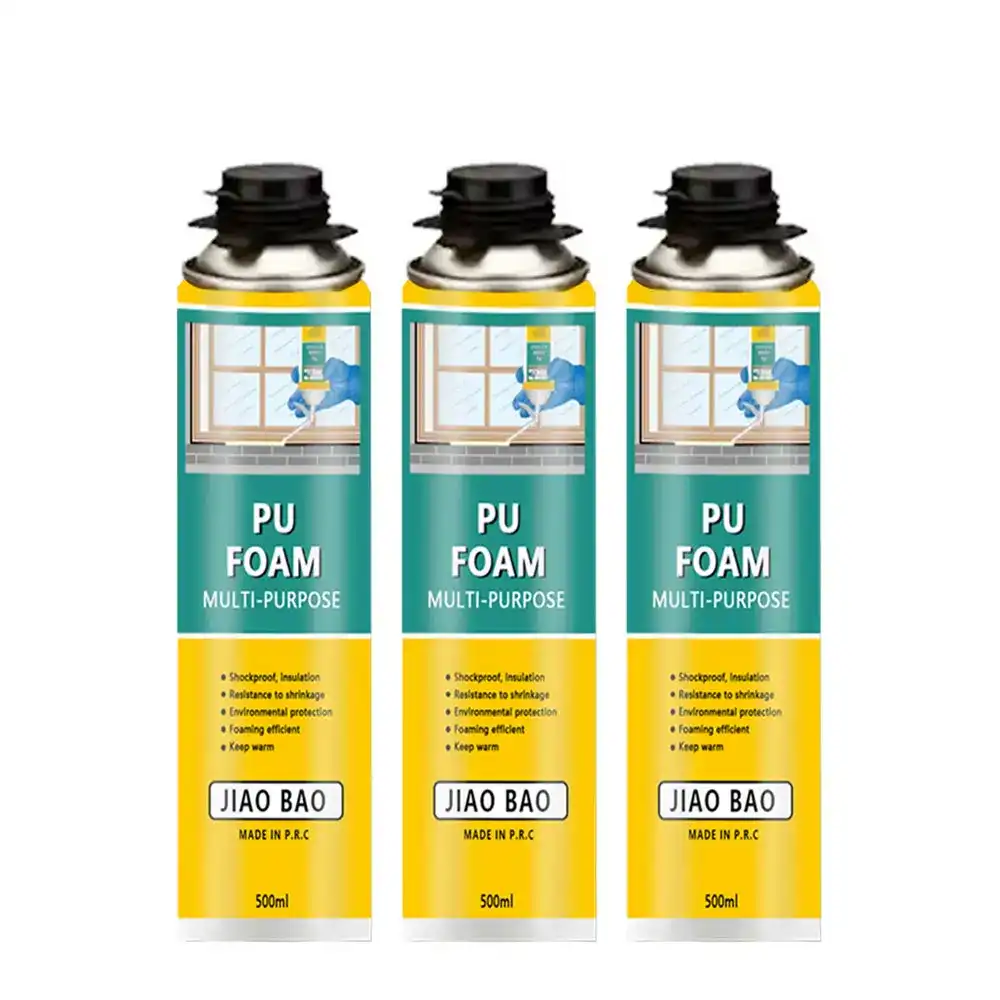
When making decisions about what to buy, you should weigh professional ability against operational needs. Your selection criteria should take into account both the need for quick installation and the expected long-term reliability.
The speed at which something cures affects how quickly it can be made and sold. Vehicle waiting time is cut down with faster-curing adhesives, which makes the building more efficient. But curing very quickly can make application harder because there isn't much time to change where the glass is placed. The tack-free time for our sealant is 25 to 40 minutes in the summer and 15 to 30 minutes in the winter. These times are a good compromise between giving enough working time and allowing reasonable SDAT intervals.
The weather in your area affects how well the cures work. High humidity speeds up the reaction of moisture-curing glue, while dry winter air slows it down. Suppliers who offer technical support can help you choose the right goods for your setting or suggest changes to your application to keep the results consistent.
Different bases for vehicles need different kinds of mechanical qualities. For small cars with rigid bodies, standard modulus adhesives may work fine. But for bigger cars or cars with flexible bodies, high-modulus formulations like PU Automotive Glass Adhesive Sealant work better. Our PU Automotive Glass Adhesive Sealant is 45 Shore A hard, which is stiff enough for most passenger car uses while still being flexible enough to allow for some body movement.
In places with a lot of shaking, elongation ability is very important. More dynamic stress is put on commercial trucks, off-road uses, and performance cars. The 400% elongation grade makes sure that the bond bends instead of breaking when it is stressed over and over again by rough roads or active driving.
Production stops when supply chains are reliable. Check to see if your providers can keep their stock level stable, meet shipping dates, and handle urgent orders. We have production lead times of one to two weeks and flexible shipping options by sea or land freight, so we can meet both regular and urgent needs.
When serving a wide range of customers, the ability to customize adds value. With OEM/ODM services, you can choose formulations, colors, and packaging that meet local standards or customer tastes. With private labeling choices, distributors can build brand recognition while using production know-how that has already been proven.
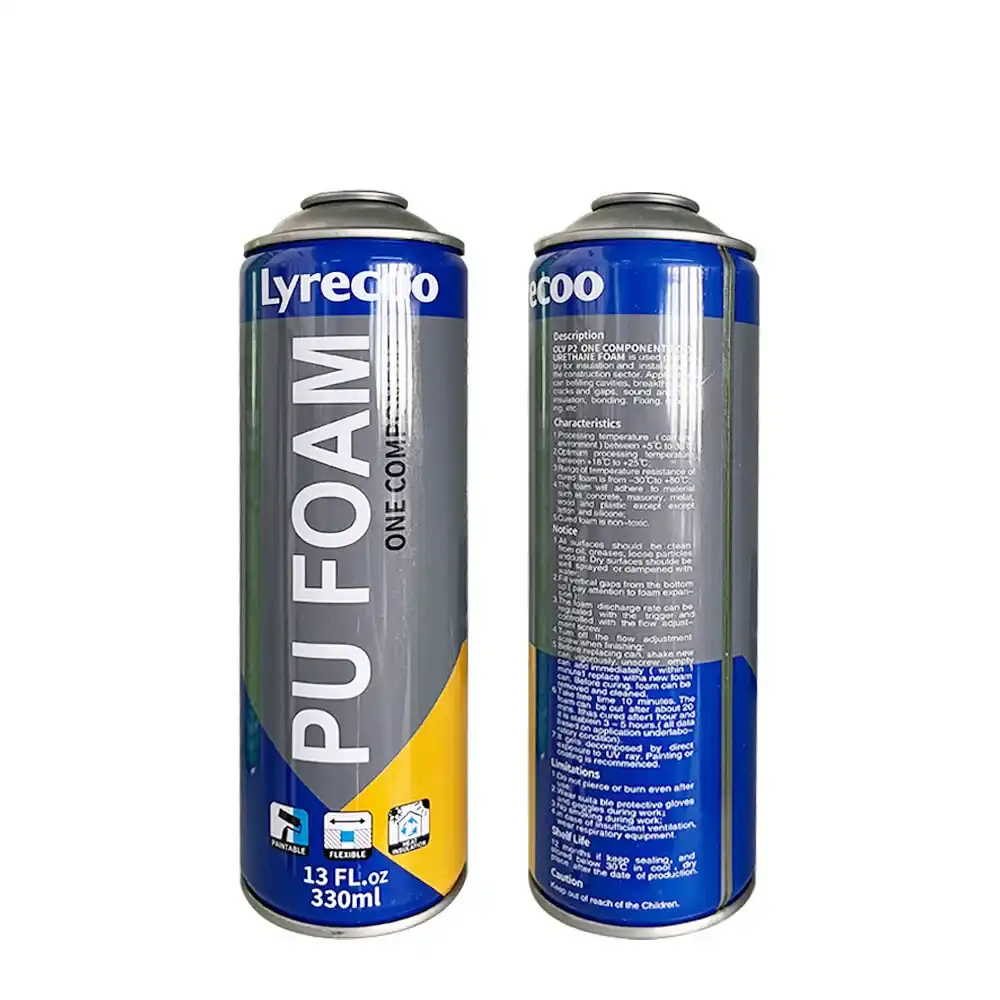
The strength of the glue and how well it works over time are directly affected by the way it is applied. If it's not used right, even the best adhesive will not work.
Surfaces that are clean and dry must be used. Oils, dust, or wetness that get on the glue can stop it from sticking properly and even cause it to fail early. To get rid of processing leftovers, the edges of glass should be wiped with isopropyl alcohol or cleaners made just for glass. To pinch-weld metal surfaces, you need to get rid of any rust, loose paint, or protective coatings that might get in the way of the bonding.
How the primer is used depends on the state of the material. Fresh paint from the factory usually sticks well without primers, but if metal is showing or the paint is worn down, a corrosion-resistant primer will keep the paint from rusting and make it stick better. Our primerless-to-glass technology makes installation easier on the glass side, but for the best corrosion protection, you should still prime the body side.
Bead shape changes how well a cover works. A triangular bead shape with stable sizes makes sure that the curing depth and contact pressure are the same. If there are holes or gaps in the bead, water can get stuck inside and break the bond. To keep the bead uniform, manual application using sausage or cartridge packaging needs steady hand pressure and steady speed.
In high-volume production settings, automated robotic systems are more accurate and can be used over and over again. Heated drum systems keep the right thickness of the glue so that discharge rates stay the same. The setting of robots makes sure that the beads are placed exactly and that the sizes are controlled. This cuts down on waste and improves quality consistency.
Installers are protected from chemicals by personal safety equipment. Nitrile gloves keep your skin from touching glue that hasn't fully set, and safety glasses keep you from getting splashed. If there is enough air flow, any vapors that are released during curing can be spread out. However, current low-VOC formulas like our silane-modified sealant make breathing less of a problem.
The conditions of storage keep the integrity of PU Automotive Glass Adhesive Sealant. Adhesives that react to moisture need to be stored in cool, dry places in covered containers. Our 12-month shelf life for PU Automotive Glass Adhesive Sealant is based on proper keeping; heat or humidity can cause unopened packages to cure too quickly. Follow the "first-in, first-out" rule when rotating inventory to make sure that installation technicians get fresh PU Automotive Glass Adhesive Sealant.
Getting to know dependable sources lowers the risks of buying things and makes the supply chain more resilient. When choosing a supplier, you should look at more than just unit prices.
Buyers who care about quality give priority to providers who have documented quality control systems. Getting ISO certification shows that you are dedicated to controlling processes and making them better all the time. Companies that have automotive-specific IATF 16949 certification know how strict the rules are in this field and keep track of their products so that they can be recalled if problems happen.
When you buy from manufacturers like Jiaobao, you skip the markups that come from middlemen and get access to technical support. Direct connections make it easier to talk about customization, make changes to formulas to fit specific needs, and solve quality problems more quickly. Manufacturing transparency lets buyers check out the factories and see for themselves how quality control is done.
Volume pricing systems reward people who make bigger promises. Buying in bulk lowers the cost per unit and makes sure that there is enough inventory during times of high production. Our flexible order amounts can meet the needs of both big OEM contracts and smaller aftermarket distributor needs. Our pricing levels also encourage volume growth.
Established distribution networks take care of the details of importing goods and offer technical help in the buyer's home country. Regional wholesalers keep stock closer to where the goods are used, which cuts down on shipping times and costs. Plus, they know how to get things through customs and make sure the goods meet local rules.
Getting samples lets you test things out before committing to big orders. Potential customers are encouraged to ask for samples so that we can test how well they work with their own substrates and application equipment. When you test the product's performance in a real-world setting, you can be sure that it will work as expected when it's made in large quantities.
When choosing the right automotive glass adhesive, you need to think about how well it works technically, how reliable the supply chain is, and how much it costs. Polyurethane-based sealants are most common in this situation because they add strength, stick well to surfaces, and have a history of being safe. Our silane-modified PU Automotive Glass Adhesive Sealant has the mechanical qualities, curing characteristics, and weather protection that modern vehicle design needs. It also has a reasonable price and can be customized in a number of ways. When procurement experts work with a well-known manufacturer, they can be sure of regular quality, technical help, and a steady flow of goods.
Standard formulations work well for most passenger vehicles because they offer enough structural support and adaptability. High-modulus versions are stiffer and give car frames more torsional strength. This is especially helpful for building light things out of thinner steel or aluminum. Formulations that aren't conductive stop galvanic rust and signal interference in cars with windshield antennas, meeting specific OEM requirements.
Primerless-to-glass methods make installation easier when they are glued to ceramic frits on factory-fresh glass. However, body-side primers are still recommended for areas with bare metal, scratched paint, or worn-out surfaces. Primers make it easier for things to stick together and protect the bond line from rusting. The weather and the quality of the base should determine which primer to use. If you're not sure, applying a primer will save you a lot of money and reduce the risk of damage.
Adhesives that cure in moisture react with water vapor in the air. This reaction happens faster when the temperature and humidity are high, but it takes a lot longer to cure when it is cold and dry. The SDAT charts need to be changed based on the weather at the time of placement. For winter installations, it may take longer to cure or a controlled environment to reach a certain level of strength before the vehicle can be released.
Jiaobao New Materials has been making high-quality products for 13 years and can make any changes that are needed to serve car glass fitters, OEM assembly plants, and sales partners all over the world. Our silane-modified PU Automotive Glass Adhesive Sealant maker offers quality that is ISO-certified at prices that are competitive and help your bottom line. Our products come in 300ml and 600ml packages, either as sausages or cartridges, and can be shipped within one to two weeks using a variety of shipping methods. Full OEM/ODM services allow for private labeling, unique formulas, and colors that meet regional needs. Quality promises include refunds or replacements for any problems with the shelf life, which lowers the risk of buying something. You can email our technical team at dorashen@cnjiaobao.com to talk about your unique needs, get performance data, or set up a sample review for the PU Automotive Glass Adhesive Sealant that you want to sell in your market.
1. Automotive Adhesives Technology Handbook, Society of Automotive Engineers, 2018.
2. Structural Bonding in Automotive Manufacturing, International Journal of Adhesion and Adhesives, 2020.
3. Polyurethane Sealants: Chemistry and Performance Standards, American Chemical Society Publications, 2019.
4. Vehicle Safety Standards for Glazing Retention, Federal Motor Vehicle Safety Standards FMVSS 212, 2021.
5. Adhesive Selection Guide for Automotive Glass Installation, Global Automotive Glass Industry Report, 2022.
6. Quality Control Protocols for Automotive Sealants, IATF 16949 Technical Specifications, 2023.
November 16,2023
Enterprise Name
The sealant has very strong adhesion and performs well even on glass and aluminum. After curing, it remains flexible and shows no cracking. Perfect for our facade projects.
November 16,2023
Enterprise Name
Stable quality across batches. Our customers especially like the smooth application and consistent extrusion. It helps reduce installation time on site.
November 16,2023
Enterprise Name
I used it for bathroom sealing. Excellent waterproof performance and no mold issues so far. It's been holding up very well in humid conditions.
November 16,2023
Enterprise Name
The neutral silicone works well on sensitive materials without corrosion. Very suitable for industrial applications requiring stable performance.
_1779347426672.webp)