November 16,2023
Enterprise Name
The sealant has very strong adhesion and performs well even on glass and aluminum. After curing, it remains flexible and shows no cracking. Perfect for our facade projects.
Jul 25, 2026
Choosing between silicone and acrylic sealants depends largely on your project requirements. For door and window installations, interior joints, and applications requiring paintability, Acrylic Sealant Construction Grade often emerges as the superior choice. This water-based solution offers exceptional cost-effectiveness, fast surface drying, and compatibility with porous substrates like concrete and plasterboard. Silicone sealants excel in exterior curtain wall applications and high-movement joints requiring maximum weather resistance. Understanding the technical distinctions between these two sealant families enables procurement managers to align material selection with specific project demands, budget constraints, and performance expectations.
Sealants are the unsung heroes of building jobs. Their job is to keep the building strong, keep water out, and make sure the end result looks great. Construction-grade silicone or Acrylic Sealant Construction Grade can make a big difference in how long a job lasts, how often it needs to be kept, and how much it costs all together. Through the lens of real-world building uses, this in-depth book looks at both types of seals. It's meant to help distributors, purchasing managers, and technical engineers decide what to buy in bulk. Learn the basic differences between these building-grade options so you can make the best choices and get the best results from your projects. This is true whether you're looking for materials for curtain wall systems, HVAC lines, or sealing around doors and windows.
It's easy to see why these two kinds of seals work in different ways and how they work in different situations. There are polycondensation reactions that make silicone sealants hard. These reactions make elastomers that are very strong and weatherproof, and the best formulations can move up to ±50%. These things stick really well to smooth things like glass, metal, and stainless steel. This is why they are necessary for curtain walls and glazing systems on the outside of buildings.
They make plasto-elastic compounds by mixing acrylic resins with inorganic fillers in a way that is carried by water. The solid content of this mixture is usually between 75% and 85%. This keeps it from shrinking too much while it cures. When silicone dries, chemicals cross-link, but acrylics fix by losing water. This makes the area dry faster, but it can only move ±12.5% to ±15% on its largest side.
When building jobs need to be finished quickly, they need materials that can be used right away. Acrylic Sealant Construction Grade items normally dry in 30 minutes at room temperature (23°C) and 50% relative humidity. This means they can be sprayed or finished within hours. Based on how deep the beads are, silicone sealants can take anywhere from seven to twenty-one days to fully cure. They need more time to form on the skin, usually between one and three hours.
It's becoming more and more important for current building standards to care about indoor air quality and the environment. Water-based acrylics don't have many volatile organic compounds, so they work well in small areas and on LEED-certified projects that need materials with low emissions. Instead of acetoxy-cure silicones, neutral-cure silicones are better for the environment. However, when they cure, they still give off some alcohol.
Some surfaces, like concrete, brick, cement board, and plaster, are porous and wet. This makes Acrylic Sealant Construction Grades stick better to them without the need for a primer. To work well, silicone sealants need to be applied to clean, dry surfaces. On porous materials, they often need a primer first, which makes the process more difficult.
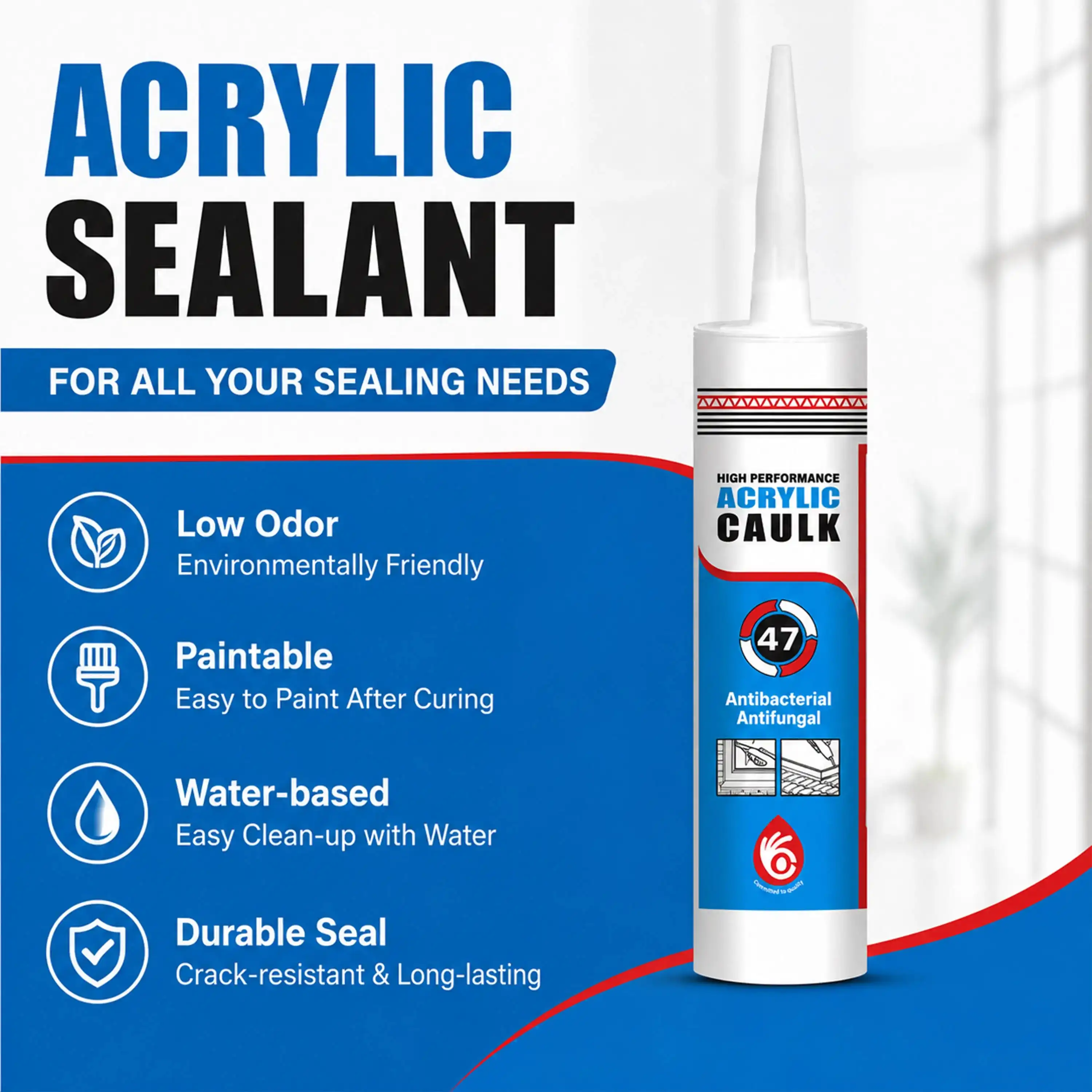
Acrylic Sealant Construction Grades made for construction can fix issues in the field that regular sealants can't. These engineered goods are made to meet strict performance standards, like ASTM C834 requirements. This means they can be used reliably in structural tasks other than just filling gaps.
It's always tough for purchasing teams to find the best deals on products while still maintaining high standards of quality. Shandong Jiaobao New Material Co., Ltd. has been working on streamlining production methods for 13 years and uses them to make our one-part RTV Acrylic Sealant. This makes it a great deal. The product can extrude 163 ml/min, which is much faster than the normal 80 ml/min, and it doesn't drop at all when used vertically, which is 3mm less than the standard. It can be put down faster and with less work on-site because of this.
Letting paint go right through silicone sealants can fix a big problem with them. Once they are dry, Acrylic Sealant Construction Grades make surfaces that are great for rubber paints, enamels and building finishes. This trait is very helpful for jobs that need to match colours or be painted over in the future, like internal trim work, plasterboard walls, and other projects like those. You can make the material any colour you want besides white, black and grey. It comes in 300ml and 600ml sizes in sausage and cartridge packaging, so you can use it for many projects.
When Acrylic Sealant Construction Grades are used in controlled indoor settings, they work best. It doesn't need to be primed when it's used to seal around the edges of doors and windows made of wood, uPVC, or metal, and it can be used on brick or plaster surfaces. Different materials can grow and contract at different rates because of the sealer. It also keeps air out, which wastes energy.
How well the surface is prepared affects how well the sealant works in the long run. Things will stick better to clean, dry surfaces that are free of oil, dust, and other small things. Rules for the industry say that parts should have a width-to-depth ratio of 2:1. For joints that are thicker, you should use backer rod to control the depth of the sealant and stop it from sticking to all three sides. As soon as the sealer has set, you can use it to make smooth, concave shapes that let water escape easily.
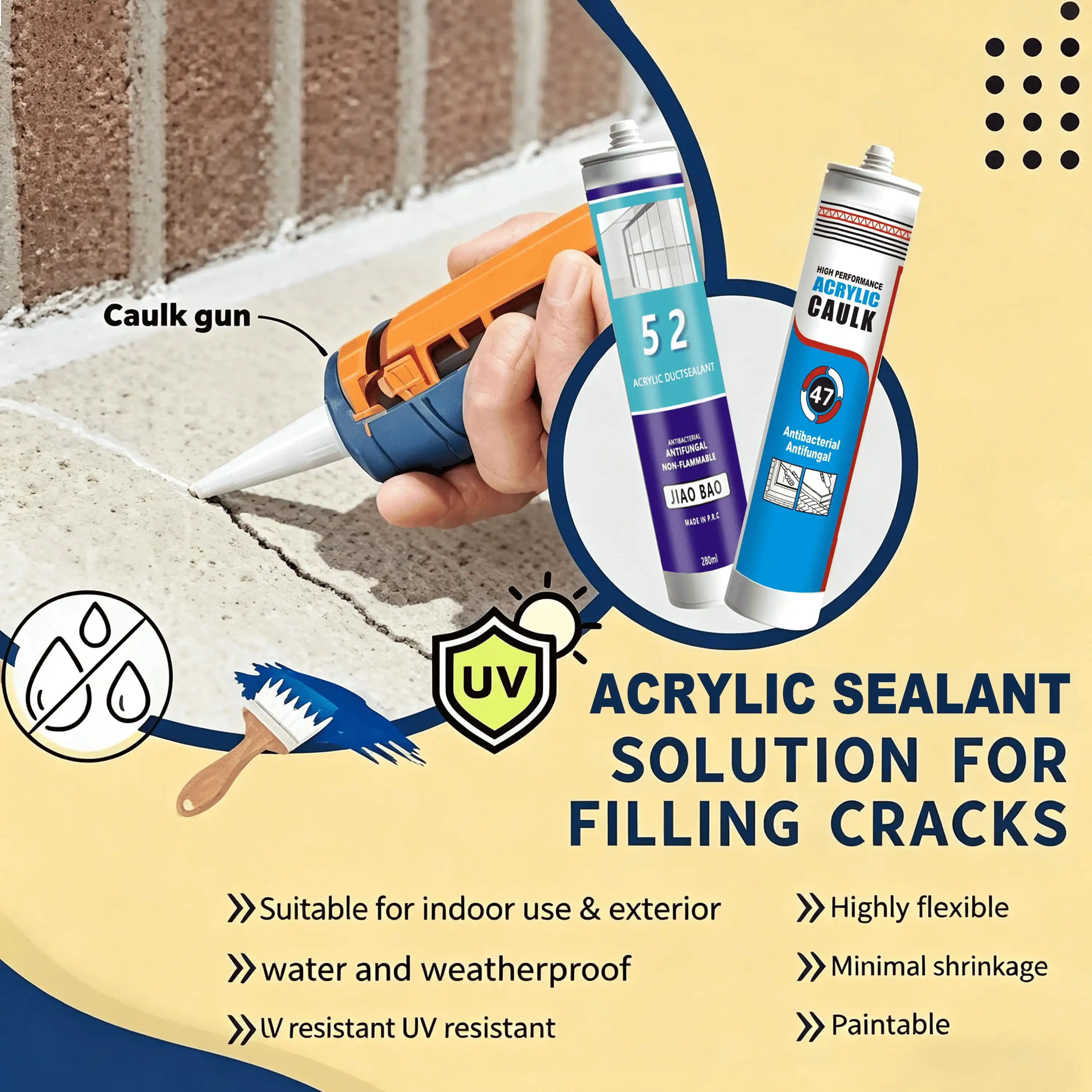
You can do a full lifetime cost study if you know how to measure progress in ways other than the original cost. The type of material you choose affects not only how much it costs to buy, but also how to care for it and how often it needs to be changed.
Even when they are heated up to +150°C or cooled down to -40°C, silicone seals keep their stretchy properties. The more expensive ones are very stable against UV light and don't change colour much after decades of being in contact with it. Acrylic Sealant Construction Grades are reliable from -20°C to +80°C, so you can use them inside or outside when the weather is nice. Colours stay bright for a long time in acrylic because it is built on water, while polyurethane turns yellow over time.
Silicone is very bendable, which is important for joints that move a lot in curtain wall systems, expansion joints, and structural glass. So long as the parts are put together correctly, structural silicone sealants can stand up to ±50% movement, strong temperature changes, and earthquakes. Moving parts of Acrylic Sealant Construction Grade can handle ±12.5% to ±15% movement, which is fine for door, window, and interior wall connection points that don't move much.
It doesn't just cost money to buy the supplies; the total cost of ownership is also high. Even though silicone seals cost more per unit, their long life (20–30 years in well-designed systems) can make up for it. Acrylic Sealant Construction Grades are less expensive to buy and can last for 10 to 15 years inside if they are used correctly. They are a great deal when being able to paint and being compatible with different surfaces are more important than how long they last.
Both kinds of sealants are safe for the environment when they are made the right way. It is possible to get LEED certification and follow SCAQMD rules with low-VOC acrylic formulations. Acetoxy fumes can damage delicate surfaces, but neutral-cure silicones don't give them off. This keeps the air inside better while the silicone is being applied. The people who want to buy should have to make sure that they follow local environmental rules and any sustainable standards that are unique to the project.
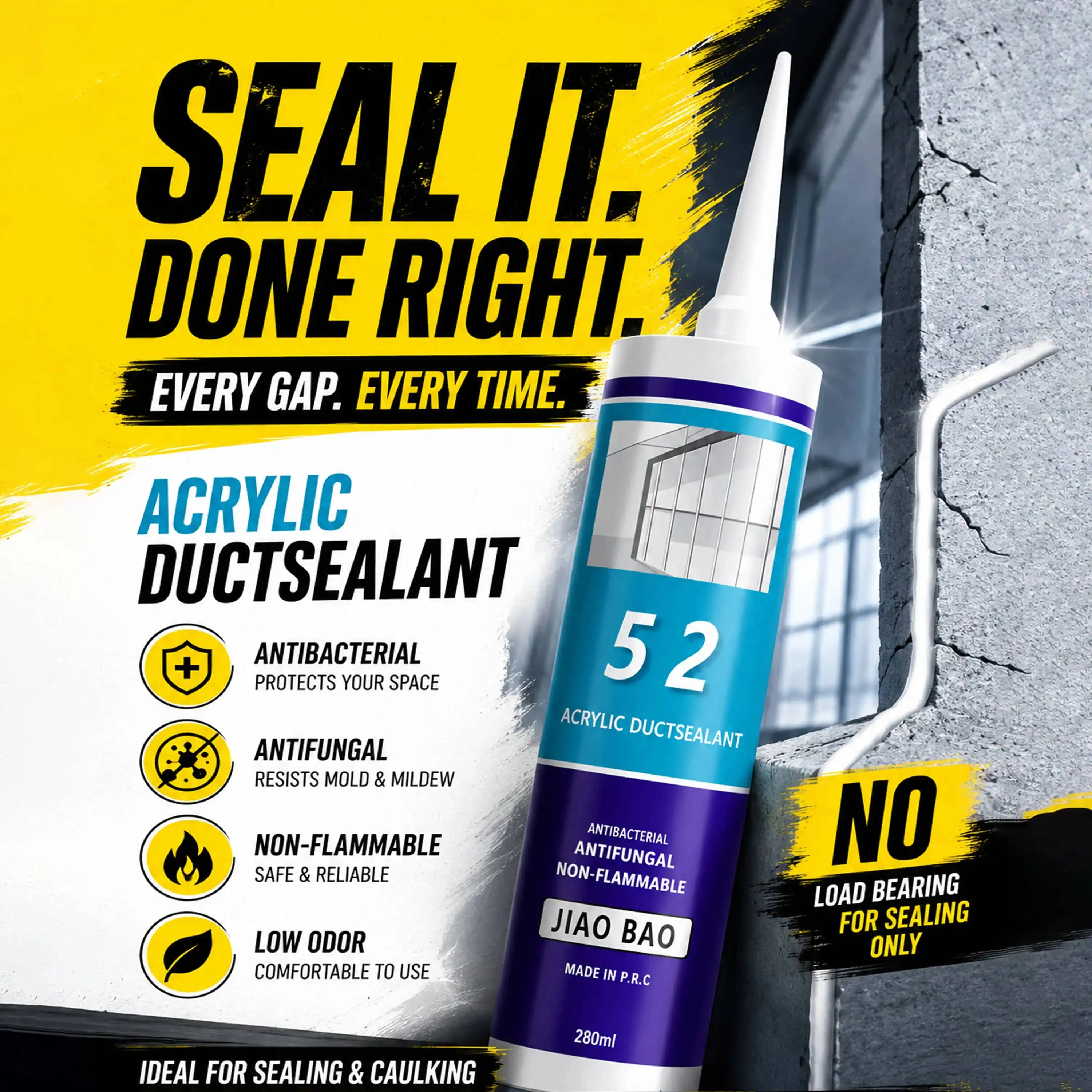
Structured decision-making models make it easy to pick the right tool. When you compare sealants to certain project factors, you can be sure they will do a good job and be worth the money.
How well two materials work together determines how well they bond and how well they work over time. Concrete, brick, clay, wood, and painting walls are all porous surfaces that acrylic paints stick well to. They don't need bases to do this. Silicone seals work best on clay tiles, glass, metal, and stainless steel, which don't have pores. They can work on more areas when you add a base to the surface. When choosing a sealant for a project with a mix of substrate types or when there are different product specifications, you need to be very careful.
Acrylic options are cheaper when they are used inside, where the humidity and temperature can be managed. When used outside, silicone is worth the extra money because it can handle UV rays, high and low temperatures, water, and pollution better than other materials. When it comes to transitional places like covered walkways or walls that are only partly covered, each case needs to be looked at on its own to see how it affects the environment and how much money is available.
There are rules or guidelines for building that say projects need to have checked success data. As long as they meet ASTM C834 standards for tensile strength, flexibility, and resistance to weathering, Acrylic Sealant Construction Grades used in building should be fine. For uses with structural silicone, you must follow ASTM C1184 for structural window sealants. It is easier to buy things abroad and follow the rules in many places when you have ISO, CE, or other similar certifications.
Quality products, helpful customer service, and flexible logistics are all things that you can count on from consistent suppliers. This method works well for Shandong Jiaobao New Material Co., Ltd. because they've been making things for over 13 years, have strong quality control systems, and can deliver in one to two weeks. Customisation through OEM/ODM production meets the wants of one-of-a-kind projects and adheres to local rules. The sample testing process lets buying teams check claims of success before placing big orders. You can get local goods when you buy in bulk from well-known distributors. For big jobs, you can get the best prices when you work directly with manufacturers.
How to make something, store it, use it, and handle it in the supply chain are all parts of how it works.
Most sealants don't work because the surface wasn't properly prepared. If the glue doesn't work right because of moisture, dust, or other impurities, the bond may fail early. If you use sealant outside of the recommended temperature ranges, it will not cure properly and the end result will not be as good. If there is too much joint depth without a support rod, three-sided adhesive forms. This keeps the glue from moving, which leads to unified failure. There can be holes in the sealant and the base if the cutting pressure isn't high enough. This lets water in.
The sealant stays solid from the warehouse to the job site as long as it is kept in the right way. Between 5°C and 25°C, keep sausages and bullets cool and dry. Don't put them in full sunlight or places that get too cold. Items should be rotated based on when they were made, with the oldest items going on display first within 12 months. Before you use the materials, bring them to room temperature. For the best extrusion and shaping properties, let cold sealants reach 15 to 25°C.
As building needs change, new technologies keep making coatings better. With hybrid polymer technologies, needs that couldn't be met before can be met. These technologies blend the weatherproofing of silicone with the paintability of acrylic. Bio-based goods use raw materials that can be used again and again. These are better for the environment and still work well. Fast-cure additives cut down on the time it takes to finish a job, so it can be painted or used the same day. To give their companies an edge in the market, procurement workers can pick cutting-edge options if they know about these changes.
When people talk about silicone vs Acrylic Sealant Construction Grade, there is no one right answer. The best choice depends on the needs of the job. The best deal is on Acrylic Sealant Construction Grade products, which can be used inside, on doors and windows, and when the sealant needs to be able to be painted or work with weak substrates. Curtain walls on the outside, parts that move around a lot, and places that need to be sealed against the weather still need silicone seals. To be good at buying, you need to compare the costs of different substrate types based on their total costs, how they will be used, and how much they will be exposed to the environment. If contractors know a lot about the technology and only buy from reputable companies, they can pick seals that meet both short-term project needs and long-term performance goals.
After it has fully dried, Acrylic Sealant Construction Grade won't let water through. This means it can be used on borders in kitchens and along the edges of bathrooms that get wet a lot. The ASTM C794 water test shows that the material doesn't lose its bond power. But silicone needs to be very hydrophobic in order to last for a long time in places where it will be soaked in water all the time, like swimming pools or outdoor joints that will be exposed to standing water.
It takes 30 minutes to 3 hours for Acrylic Sealant Construction Grades to dry, which speeds up the work. Our mix makes skin in just 30 minutes when everything is normal. For silicone sealants, the surface doesn't stick for 1 to 3 hours. Depending on the thickness of the bead, it takes 7 to 21 days for the sealant to fully cure. When painting or finishing tasks depend on how well the sealant has dried, this difference can throw off construction schedules in a big way.
Building-grade Acrylic Sealant Construction Grades work well outside in mild weather, as long as the joints don't move around too much and the weather stays out. To seal the inside sides of window frames against walls would be the best use. Because silicone is more flexible and resistant to weather, it can last for decades without any maintenance in fully open external parts that are hit by direct UV rays, big changes in temperature, and a lot of movement.
There are big changes that happen in projects and how well they work over time when things are bought. Shandong Jiaobao New Material Co., Ltd. has been making high-quality materials for more than 13 years. Their products have been certified by many organisations, such as ISO and CE, to make sure they meet strict international standards. Our Acrylic Sealant Construction Grade provider can deliver quickly (within one to two weeks), has low prices that let you get the best deal without losing quality, and lets you make changes to the product through OEM/ODM. Our customer service doesn't end when the sale does. If there are any quality issues during the product's shelf life, we will either refund or replace the item. Send an email to dorashen@cnjiaobao.com to get samples, talk about your project's needs, or learn more about how our construction-grade sealants can meet your needs for value and performance.
1. American Society for Testing and Materials. (2018). ASTM C834-17: Standard Specification for Latex Sealing Compounds. West Conshohocken, PA: ASTM International.
2. Building Research Establishment. (2019). Sealants in Construction: Performance Requirements and Selection Criteria for Building Envelope Applications. Watford, UK: BRE Press.
3. International Organization for Standardization. (2020). ISO 11600:2002: Building Construction - Jointing Products - Classification and Requirements for Sealants. Geneva, Switzerland: ISO.
4. Klosowski, J.M. & Wolf, A.T. (2016). Sealants in Construction, Second Edition. Boca Raton, FL: CRC Press, Taylor & Francis Group.
5. National Glass Association. (2017). Glazing Manual for Architectural Glass and Metal. Vienna, VA: National Glass Association Technical Publications.
6. Panek, J.R. & Cook, J.P. (2020). Construction Sealants and Adhesives: Selection, Application, and Performance Optimization. New York, NY: McGraw-Hill Professional Publishing.
November 16,2023
Enterprise Name
The sealant has very strong adhesion and performs well even on glass and aluminum. After curing, it remains flexible and shows no cracking. Perfect for our facade projects.
November 16,2023
Enterprise Name
Stable quality across batches. Our customers especially like the smooth application and consistent extrusion. It helps reduce installation time on site.
November 16,2023
Enterprise Name
I used it for bathroom sealing. Excellent waterproof performance and no mold issues so far. It's been holding up very well in humid conditions.
November 16,2023
Enterprise Name
The neutral silicone works well on sensitive materials without corrosion. Very suitable for industrial applications requiring stable performance.
_1779347426672.webp)