November 16,2023
Enterprise Name
The sealant has very strong adhesion and performs well even on glass and aluminum. After curing, it remains flexible and shows no cracking. Perfect for our facade projects.
Jul 27, 2026
When fire safety is non-negotiable in your construction project, you need sealants that have proven their reliability under intense heat and pressure. Fireproof Silicone Sealant for Construction meets rigorous international standards such as ASTM E814, UL 2079, EN 1366-4, and BS 476 Part 20, ensuring that joints and penetrations maintain their integrity during fire exposure. These certified products prevent the spread of flames, smoke, and toxic gases through building compartments, protecting both structural elements and occupants while satisfying insurance and regulatory requirements across global markets.
Fireproof Silicone Sealant for Constructions are very different from other sealing goods because they are made with a special chemical mix that can withstand high temperatures while still being flexible and sticking together.
These sealants are made up of silicone polymer matrices and flame-resistant fillers like aluminium trihydrate and special ceramics. When the material is exposed to fire, it goes through endothermic processes that soak up heat energy and create a stable char layer that keeps the joint surface warm. This ablative action slows down the transfer of heat and stops gaps from forming that would let smoke and fire pass through. In contrast to organic adhesives that break down quickly above 200°C, silicone-based formulas stay strong for a long time at temperatures above 1000°C.
In addition to being fire-resistant, these goods allow for great movement, with joint expansion and contraction of ±25% to ±50% according to ASTM C920 categories. Shore A hardness is usually between 20 and 35, which makes it flexible enough for seismic zones and high-rise buildings that are subject to wind load and temperature cycling. Because silicone is slippery, it has a water resistance rating of Class 1 W. This means that water can't get in and lower fire ratings over time. UV stability means that external uses will keep their fire protection qualities for decades, unlike acrylic options that harden and crack when exposed to the sun for a long time.
Understanding licensing marks helps teams that buy things make sure they are legal. The UL 94 classifications check how flammable plastics are, and the ASTM E84 classifications check how surfaces burn by looking at flame spread and smoke growth values. EN 1366-4 tests fire-resistant joint seals in both wall and floor setups and gives EI grades (for Integrity and Insulation) for up to 240 minutes. FM Approvals approves goods so that insurance companies will cover them in workplace settings where protecting property is the main concern.
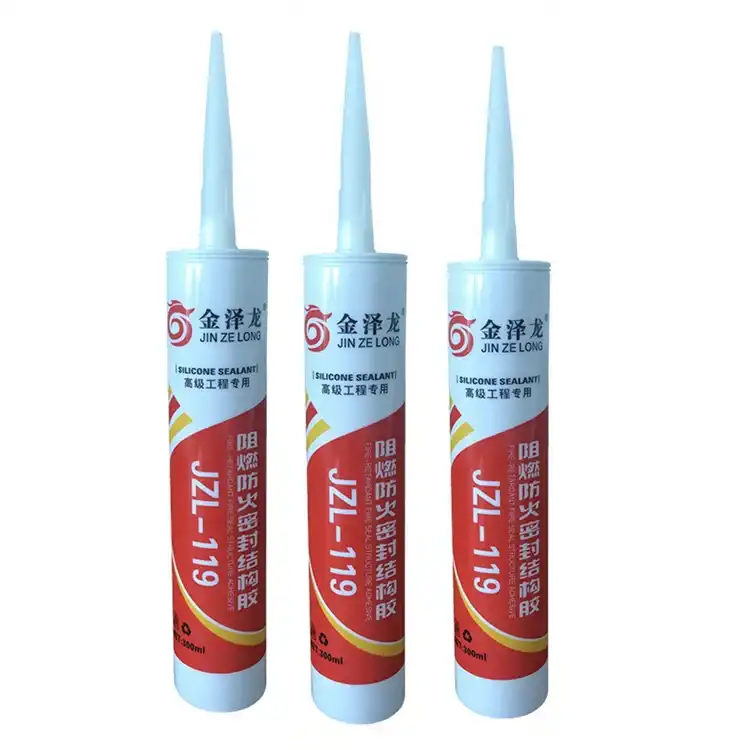
To pick the right Fireproof Silicone Sealant for Construction, you have to look at a lot of technical and legal factors that have an effect on project approval and performance over time.
International fire safety licenses are more than just pieces of paper; they prove that certain formulations have been tested thoroughly in the lab on systems that are similar to the ones you want to use them on. The sealant's EN 1366-4 approval shows that it works in controlled fire situations between concrete and concrete, steel and concrete, or curtain walls. UL 1479 lists make sure that the product works with through-penetration firestop systems that use cable trays, conduits, and ducting. Without the right certification paperwork, projects could fail inspections, be turned down by insurance companies, or even be sued if a fire happens.
Specifications for temperature protection show the limits of function. Good products work reliably from -50℃ to +150℃. They stay stuck together in the Arctic winters and the desert summers without breaking or softening. Curing speed affects project timelines. Standard formulas cure at about 3 mm per 24 hours at 25℃ and 50% relative humidity. However, the surface is protected from dust and debris right away after 45 to 60 minutes of tack-free time. For curtain wall joints where the glass and aluminium frames expand and contract differently, elongation at break greater than 300% makes sure the seal can withstand building movement during earthquakes or base settlement. This is an important thing to think about for these types of joints.
Low-VOC formulations and SDS (Safety Data Sheet) compliance are becoming more and more important in modern procurement to protect workers during application. Neutral-cure silicones don't release the acetic acid that older acidic formulations do, which protects metal substrates like galvanised ductwork and stainless steel window frames from breaking down. Eco-friendly options meet LEED and BREEAM standards for sustainable building, but buyers should get independent third-party testing to make sure that changes to the environment haven't made the fire performance worse instead of relying on what the manufacturer says.
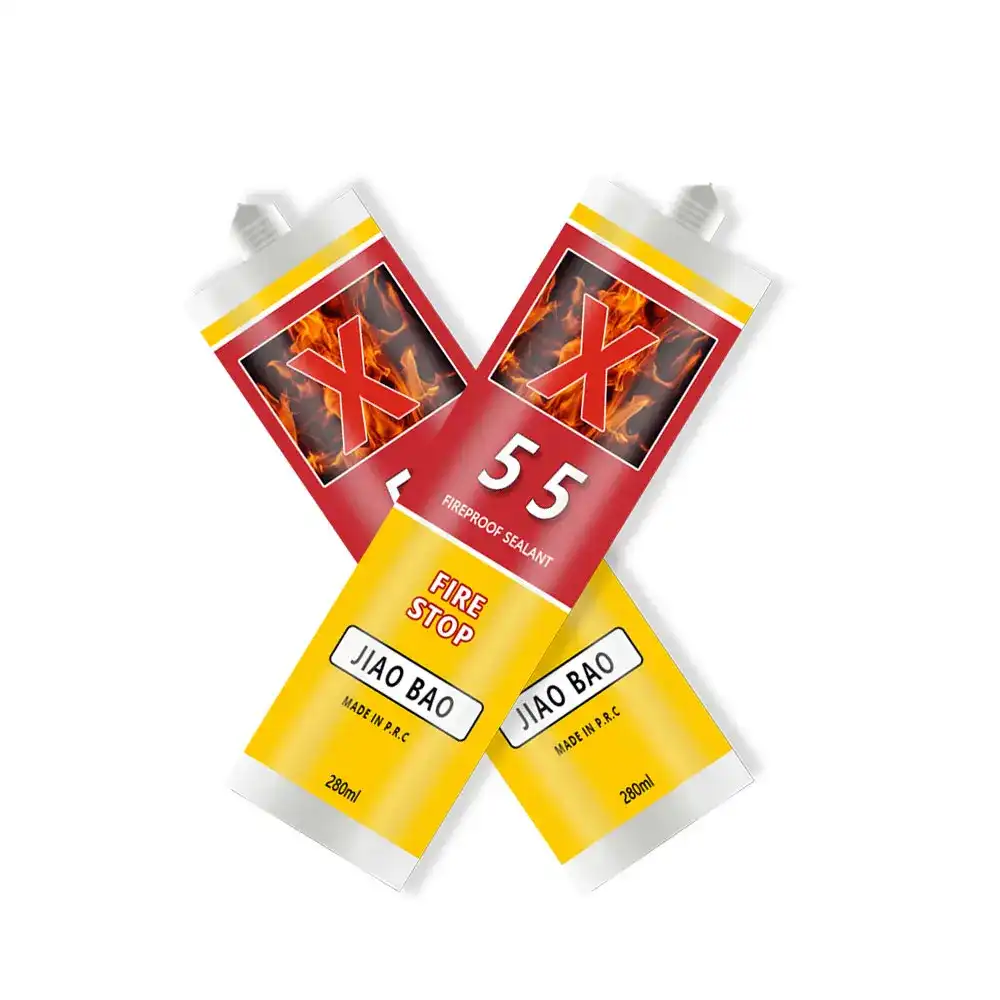
Specifications for commercial and industrial building are dominated by big names like 3M, Dow, GE, Sikaflex, Permatex, and Hilti. Their product lines are based on decades of research into fire science and polymer chemistry, which is backed up by large testing labs and technical support networks. Distribution strength is important, especially for foreign projects that need to keep supplies steady on multiple job sites. But new makers like Shandong Jiaobao New Material Co., Ltd. give you a competitive edge by letting you customise, providing quick service, and lowering costs without losing certified Fireproof Silicone Sealant for Construction performance. Jiaobao was founded in 2013 and specialises in coloured silicone sealants, which are a key differentiator for architectural uses that need to match the look of the building's facade. Their ISO and CE certifications show that they follow international quality standards. They also keep their production lead times short, at just one to two weeks, so they can meet tight building plans.
Knowing the differences between materials helps you choose the right product. Fireproof Silicone Sealant for Construction does not change shape when exposed to fire, which makes it perfect for movement joints and static penetrations in metal lines. When heated, intumescent materials get bigger, filling in any gaps left by plastic pipes melting or flammable materials catching fire. This way of expanding works well for dynamic penetrations but can put pressure on rigid substrates. Silicone is naturally flexible, so it can handle building movement better than intumescent materials, which can crack when temperatures or earthquakes change a lot between fires.
When you buy in bulk, you save money on each unit and make sure that each batch is the same, which is important for big jobs. But the review must go beyond the starting price and look at things like how well it works, how much it wastes, and how long it lasts. Products with more non-volatile substance, like formulations with more than 99%, provide better coverage and reduce the number of calls due to shrinking. The proven 12-month shelf life lowers the risk of inventory going out of date for contractors who are working on multiple projects at the same time. Logistics for sending and receiving goods also affect the final price. For foreign purchases, the best way to save money on freight costs is to use flexible shipping choices like sea or land containers.
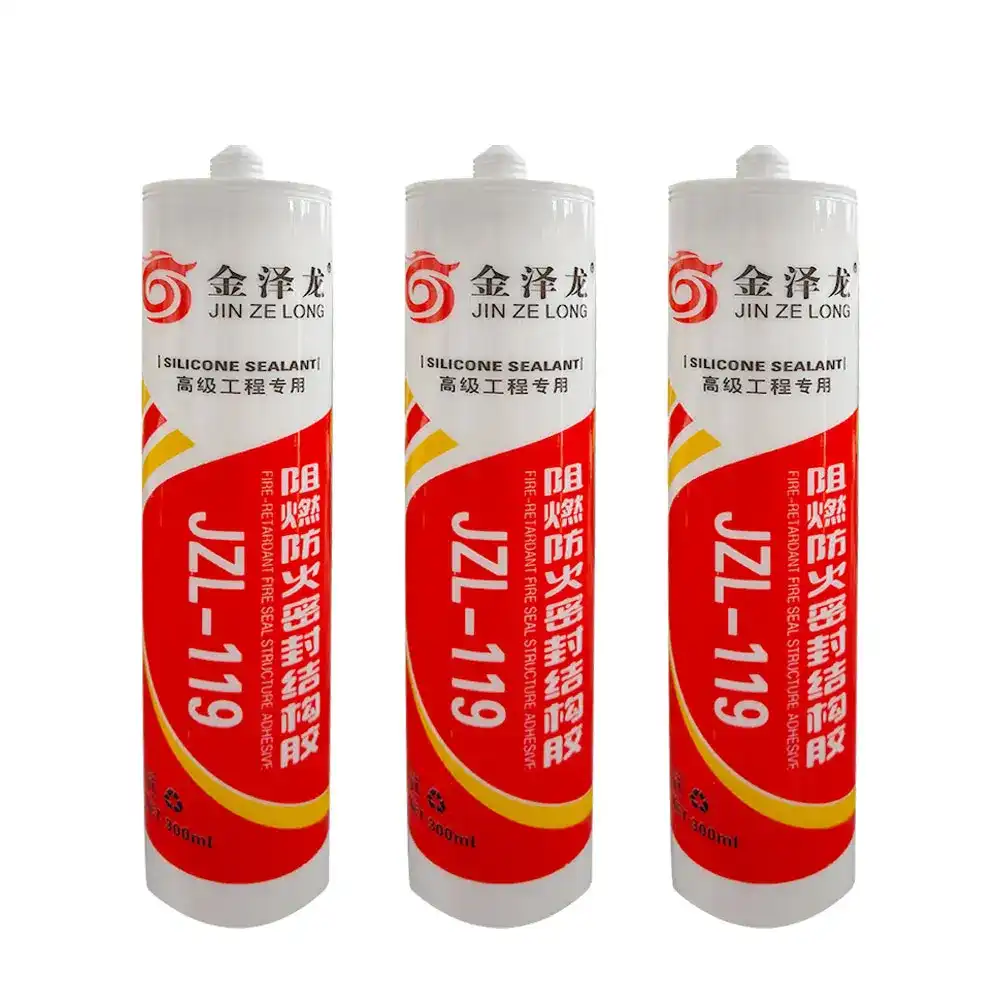
If certified Fireproof Silicone Sealant for Construction does what it's supposed to do for fire safety in the real world, it depends on how it was installed.
The sides of the joints must be clean, dry, and free of anything that could make them stickier. Laitance, dust, and curing compounds need to be removed from concrete substrates by mechanical abrasion or solvent wiping. Degreasing metal surfaces gets rid of oil left over from the manufacturing process. When there is a chance of cohesive failure in porous materials like unsealed concrete blocks or old aluminium, priming may be needed. Testing adhesive on small areas before applying it all over saves a lot of money on fixing problems later.
One-part RTV silicone formulations made for guns make it easier to use standard caulking tools, but professional-grade pneumatic guns make sure consistent bead profiles and keep operators from getting tired on big projects. Joint width-to-depth ratios of 2:1 are best for performance. For example, 12 mm wide joints should keep their 6 mm depth by choosing the right backer rods. Overfilling loses material and makes the drying process take longer, while underfilling lowers the fire rating by lowering the thermal mass. When you use tools right after applying the sealant, you press it down against the base surfaces, leaving no gaps where fire could get in.
Conditions in the air have a big effect on how fast things cure. When temperatures are low, cross-linking processes take longer, but when humidity is high, moisture-cure silicones fix faster. The 3 mm per 24-hour fix speed needs to be taken into account in project plans, since deep joints need a few days to fully protect against fire. Pull tests on witness samples are used to check for adhesion, and all bonded surfaces must be visually inspected to make sure they are properly wet. Some standards for buying things require a third party to check the work to make sure it's done right before the building can be used.
The slippery surface of finished silicone makes it hard for paint to stick, which can be unsightly in public places. Instead of trying to paint on the job site, procurement teams should ask for factory-colored sealants that match RAL or custom colour charts. Jiaobao has white, black, grey and custom colour choices in 300ml and 600ml sizes, with sausage or cartridge packing. This lets you match the exact colour to the building's finish during the specification phase, instead of having to make expensive changes after the fact.
Strategic vendor selection is the key to successful buying of Fireproof Silicone Sealant for Construction because it combines technical compliance, supply dependability, and business terms.
Wholesalers of building materials and specialised fire protection suppliers have long-standing distribution networks that provide local inventory and technical support. But having a direct relationship with a manufacturer can often help you get better pricing and customise products for specific projects. When looking at possible suppliers, you need to make sure they have ISO quality management systems in place, look over their certification paperwork to make sure it works with what you want it to do, and check their production capacity to make sure they can meet delivery dates. References from similar projects that have been finished back up the claimed speed and service efficiency.
By asking for samples, you can test their compatibility with real materials on-site before finalising the specs. Tests should check how well the material sticks, how it cures in normal conditions, and how well it matches the colour of materials nearby. Different manufacturers have different minimum order numbers (MOQs). Knowing what the MOQs are for a manufacturer can help keep smaller projects from getting stuck in the procurement process, while volume agreements may allow for better price and specialised production runs for special formulations.
Fire-rated systems need to be consistent—changing the formula can void certifications and cost a lot of money to re-test. Strategies for buying things should stress stable vendors and being able to track batches using lot marking methods. Technical consultation services help people figure out how to deal with changing code requirements and other product options when certain materials are hard to get. Manufacturers who offer quality promises that include refund or repair options for failures during the shelf life period show that they have faith in their production controls and lower the risk for buyers who have to manage large amounts of inventory over long project timelines.
To choose Fireproof Silicone Sealant for Construction that meets international fire safety standards, you need to carefully look at their certifications, performance characteristics, application needs, and how reliable the supplier is. Products that are approved to ASTM E814, UL 2079, and EN 1366-4 have been shown to be fire resistant, which is important for following the rules and keeping people safe. Conditions for the project must match the technical requirements, such as the temperature range, the ability to move, the curing patterns, and the fit of the base. Strategic buying focuses on building partnerships with vendors that provide consistent quality, quick customisation, and dependable supply lines that meet both short-term project needs and long-term relationship value in the competitive construction materials market.
European standards usually need EN 1366-4 certification with at least an EI 60 or 120 rating, depending on the height and type of occupancy of the building. Curtain wall joints in tall buildings usually need to be EI 120 to match the fire protection of the wall units next to them. This keeps the building envelope compartmentalised.
Good silicone mixtures have great dielectric qualities, which means they can be used to seal electrical holes and wire runs. But for electrical uses, through-penetration firestop systems need to have a special UL listing instead of just general fire ratings. Always make sure that the materials are compatible with the wire jacket to stop plasticiser movement that could affect the long-term adhesion of Fireproof Silicone Sealant for Construction.
Under normal conditions, the surface will not stick for 45 to 60 minutes, which gives you some time to clean up dust. About 3 mm of drying happens every 24 hours, which means that a 12 mm joint needs about four days to reach full fire-rated performance. Low humidity and cold weather make curing take longer. If you need to get things done faster, you may need warming containers or other fast-cure formulations.
Shandong Jiaobao New Material Co., Ltd. has been making coloured and Fireproof Silicone Sealant for Construction for over 13 years and has customers all over the world in construction, industry, and distribution. Our production facilities are ISO and CE approved, and they make one-part acidic RTV silicone mixtures that can be customised. These mixtures have Class 1 W fire ratings, 99.5% non-volatile content, and a stable shelf life of 12 months. No matter if you need standard white, black and grey choices or custom colour matching to fit the rest of your building, our OEM/ODM services can meet your needs.
We ship quickly by sea or land, and our production wait times are between one and two weeks. We also offer full after-sales support, including returns or replacements for any quality problems. You can email our procurement team at dorashen@cnjiaobao.com to get samples, talk about your project needs, and find out how working directly with a responsive manufacturer can save you money and make sure that your most demanding fire safety applications are properly carried out.
1. American Society for Testing and Materials. (2022). ASTM C920: Standard Specification for Elastomeric Joint Sealants. ASTM International.
2. European Committee for Standardization. (2021). EN 1366-4: Fire Resistance Tests for Service Installations – Part 4: Linear Joint Seals. CEN Publications.
3. Underwriters Laboratories. (2023). UL 2079: Tests for Fire Resistance of Building Joint Systems. UL Standards.
4. Building Research Establishment. (2020). BS 476-20: Fire Tests on Building Materials and Structures – Method for Determination of Fire Resistance. BSI Group.
5. National Fire Protection Association. (2021). NFPA 101: Life Safety Code – Fire-Resistive Joint Systems. NFPA Publications.
6. International Code Council. (2022). International Building Code: Chapter 7 – Fire and Smoke Protection Features. ICC Publishing.
November 16,2023
Enterprise Name
The sealant has very strong adhesion and performs well even on glass and aluminum. After curing, it remains flexible and shows no cracking. Perfect for our facade projects.
November 16,2023
Enterprise Name
Stable quality across batches. Our customers especially like the smooth application and consistent extrusion. It helps reduce installation time on site.
November 16,2023
Enterprise Name
I used it for bathroom sealing. Excellent waterproof performance and no mold issues so far. It's been holding up very well in humid conditions.
November 16,2023
Enterprise Name
The neutral silicone works well on sensitive materials without corrosion. Very suitable for industrial applications requiring stable performance.
_1779347426672.webp)