November 16,2023
Enterprise Name
The sealant has very strong adhesion and performs well even on glass and aluminum. After curing, it remains flexible and shows no cracking. Perfect for our facade projects.
Oct 14, 2026
When selecting a sealant for industrial or commercial construction, the choice between a fireproof neutral silicone sealant and a standard silicone product carries significant consequences. Fireproof neutral silicone sealant is a one-component, moisture-cure elastomeric product engineered to contain fire, smoke, and toxic gases across joint openings in fire-rated assemblies. Unlike standard acetoxy silicone, it releases non-corrosive byproducts during curing, making it safe for steel structures, metal panels, and aluminum frames. Understanding these differences helps B2B procurement teams make decisions that protect both buildings and budgets.
As neutral silicone sealants dry, they don't give off acetic acid but alcohol or ketoxime instead because they heal through an oxime or alkoxy process. When it cures, this means that it won't corrode, which is very important when covering steel frames, zinc panels, or aluminum curtain wall sections. This chemical difference has a direct effect on how strong buildings are over time in industrial construction, where metal bases are popular.
Silicone sealant that says it is safe has fillers in it that put out fires, like zinc borate or aluminum trihydrate. When the stuff gets really hot, these fillers make it carbonize in a controlled way. It doesn't melt or drip; instead, it chars into a ceramic-like substance that keeps the fire from spreading. Certified items meet standards such as ASTM E814, UL 1479, and GB/T 24267-2009. Depending on how the parts are set up, these items can withstand fires for up to three to four hours.
Acetoxy silicone sealants that are used for standard glass and closing home windows work well. But they don't work in fire-rated systems for two reasons. First, the acetic acid that is released when fixing breaks down metal surfaces over time, leaving holes in the structure. If you leave regular silicone out in high heat for a long time, it melts instead of burning. The point of fire compartmentalization is to stop smoke and fire from getting through joints that are sealed.

It's easy to tell the difference between these two types of products when they are put under thermal stress. If you use fireproof neutral silicone sealant from Jiaobao between -50°C and +150°C, it will stay stable. Most of the time, acetoxy silicone melts above 180°C and doesn't have any fire protection ratings. ASTM E814 tests at over 1,000°C say that fireproof formulations can keep out fires for up to four hours at the system level. UL 94 says that they have a Class A/FV-0 combustion rating.
UV light and the weather can't hurt either type of sealer, but safe neutral silicone sealants are made to last longer. These things are important for durability:
Because of these qualities, safe neutral silicone sealants are the best choice for parts that need to stay sealed even when the temperature changes normally and in case of a fire.
What makes a difference in how well fireproof neutral silicone sealant sticks is how well the surface is prepared. You usually don't need a primer when you use good neutral silicone sealer on smooth surfaces like glass, polished aluminum, and painted steel. To make sure the primer and peel test works, the manufacturer says it should be done on porous surfaces like metals that have been treated with chemicals or concrete. It takes 45 to 60 minutes for Jiaobao's product to dry on the surface at 25°C and 50% relative humidity. It cures 3 mm every 24 hours. This means that schedules for building projects can keep going without any big delays.
It's hard for regular lubricants to work in industrial buildings because of the conditions. In these places does protective rubber really make a difference:
Purchasing teams say that switching from a regular sealant to a certified fireproof neutral formulation cut rework costs by a lot during fire inspections. This is because corrosion-related joint failures no longer had to be fixed, which saved a lot of money.
When put on metal, neutral and acetoxy products don't last as long as each other. The joint surface on acid-cure seals on steel can wear away over time, and the seals may not stick after three to five years. Neutral-cure products on the same surfaces generally last fifteen to twenty years if they are used properly. This lowers the cost of owning a building over its whole life.
Fireproof neutral silicone sealants typically cost 20% to 40% more per unit than standard ones, but this can vary based on the fire grade and certifications. But a failed fire inspection, fixes to the building, or being responsible for a system that doesn't follow the rules cost a lot more than this difference. The goods that Jiaobao sells come in 300 ml cartridges and 600 ml sausage packs. The production lead time is one to two weeks so that big projects can get what they need. You can pick a color other than white, black, gray, or your own.
The people in charge of buying things should make sure that the fireproof neutral silicone sealant they want meets these standards: ASTM E814 or UL 1479 for fire-stop systems; ASTM C920 for sealants; and GB/T 24267-2009 for projects going to or in Chinese markets that follow Chinese national standards. The things that Jiaobao makes have been approved by ISO and CE for more than thirteen years.

Building joint seals and through-penetration seals are needed to keep the fire resistance grade of the unit they go through in line with fire rules in the US (IBC, NFPA 101) and other places. It is against the rules to use a regular sealant that isn't rated in these areas. Doing so could leave you open to liability and fail an inspection. Inspectors of trails can be sure that the seals are safe and neutral because they are certified safe.
Neutral-cure formulas that are used on metal surfaces give a good return on investment since they last longer and don't need to be reworked because they rust. It takes less time and money to fix joints in a building that has been sealed with a certified fireproof neutral product. This keeps things running as easily as possible in the building and saves money on staff.
Three things are important to consider when choosing a product for your project: the type of base (a neutral fix is needed for metal-heavy industrial buildings), the fire rating needed, and the joint movement range. A safe, neutral silicone sealant that meets ASTM E814 and can move at least 25% is the most useful sealant for many industrial plant and steel structure uses.
Chemistry, fire safety compliance, and long-term structural protection distinguish fireproof neutral silicone sealant from standard silicone. Neutral cure chemistry prevents metal corrosion, recognised fire-retardant formulations provide legally required fireproofing ratings, and Jiaobao products meet both demands. Test data and field experience support specifying a certified fireproof neutral formulation for industrial or steel-structure construction teams and procurement managers.
No sealant stops a fire indefinitely. It is designed to contain fire and smoke for a rated period—typically one to four hours—allowing time for evacuation and emergency response. It compartmentalizes the building by sealing joints and penetrations against flame and hot gas breakthrough.
Jiaobao's fireproof neutral silicone sealant achieves surface drying in 45–60 minutes at 25°C and 50% relative humidity, with a cure depth of 3 mm per 24 hours. This is comparable to standard silicone products and does not create scheduling delays.
Yes. The neutral cure mechanism releases non-corrosive, low-irritant byproducts, making it suitable for enclosed spaces including data centers, cable rooms, and occupied commercial buildings.
On clean, non-porous metal surfaces such as steel and anodized aluminum, priming is generally not required. For porous or chemically treated surfaces, a manufacturer-specified primer and adhesion test are recommended prior to full application.
The shelf life is twelve months when stored below 27°C in original, unopened containers. Using product past its shelf life risks incomplete curing, which compromises the fire rating of the installed seal.
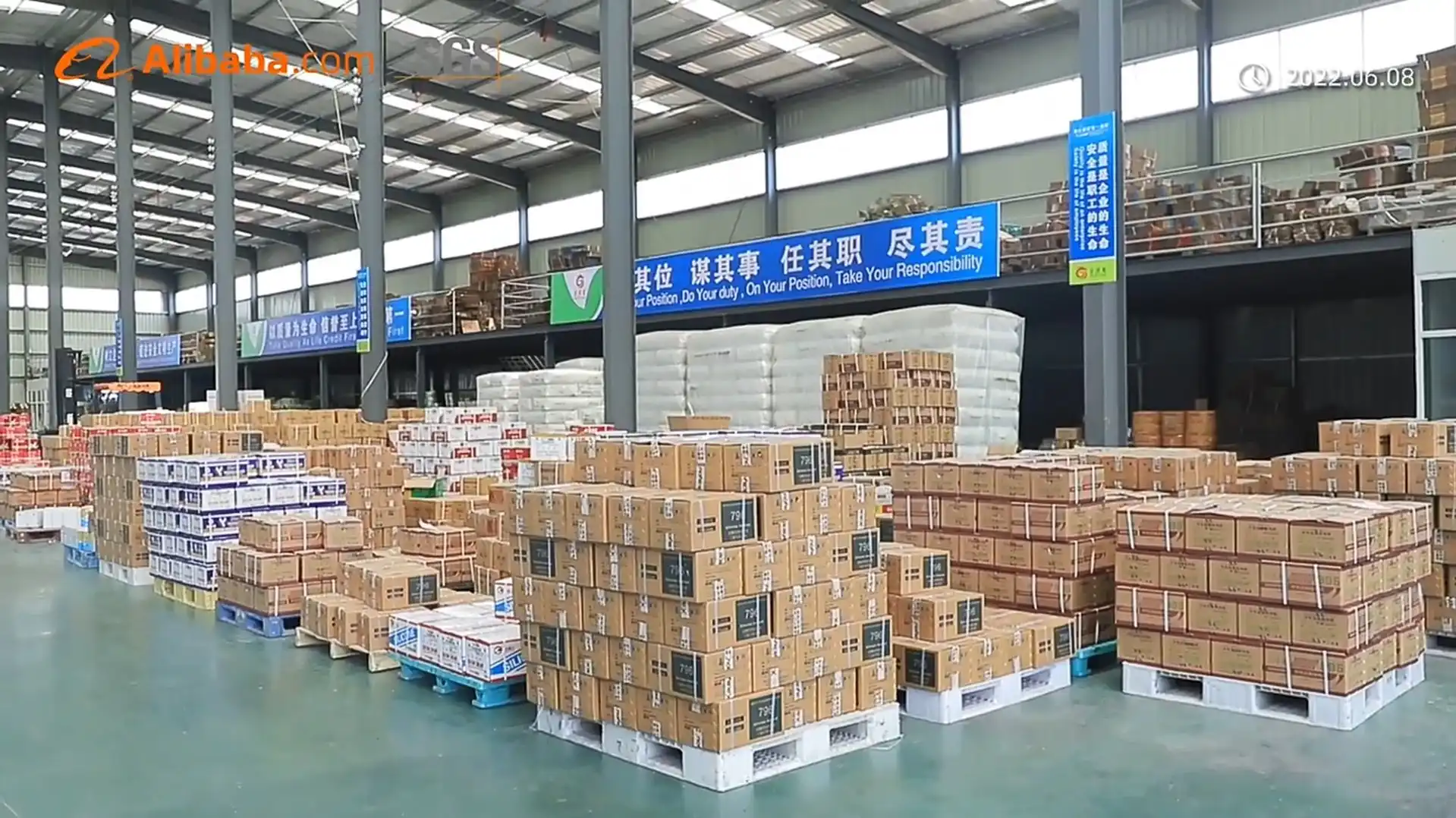
It has been more than thirteen years since Jiaobao has helped industrial construction projects in China and Southeast Asia with certified sealant solutions. We make fireproof neutral silicone sealant that meets ISO and CE standards. For OEM/ODM orders, we can make changes, and for large orders, there is a one- to two-week wait time. To get examples or a price that fits your needs, email us at dorashen@cnjiaobao.com or visit shandongjiaobao.com.
1. ASTM International. ASTM E814: Standard Test Method for Fire Tests of Penetration Firestop Systems. ASTM International, 2023.
2. Underwriters Laboratories. UL 1479: Fire Tests of Through-Penetration Firestops. UL Standards, 2022.
3. ASTM International. ASTM C920: Standard Specification for Elastomeric Joint Sealants. ASTM International, 2022.
4. National Fire Protection Association. NFPA 101: Life Safety Code. NFPA, 2021.
5. Standardization Administration of China. GB/T 24267-2009: Building Fireproof Sealant. SAC, 2009.
6. European Committee for Standardization. EN 1366-4: Fire Resistance Tests for Service Installations — Linear Joint Seals. CEN, 2021.
November 16,2023
Enterprise Name
The sealant has very strong adhesion and performs well even on glass and aluminum. After curing, it remains flexible and shows no cracking. Perfect for our facade projects.
November 16,2023
Enterprise Name
Stable quality across batches. Our customers especially like the smooth application and consistent extrusion. It helps reduce installation time on site.
November 16,2023
Enterprise Name
I used it for bathroom sealing. Excellent waterproof performance and no mold issues so far. It's been holding up very well in humid conditions.
November 16,2023
Enterprise Name
The neutral silicone works well on sensitive materials without corrosion. Very suitable for industrial applications requiring stable performance.