November 16,2023
Enterprise Name
The sealant has very strong adhesion and performs well even on glass and aluminum. After curing, it remains flexible and shows no cracking. Perfect for our facade projects.
Jul 28, 2026
Fire rated silicone sealant offers unrivalled safety when sealing important parts in buildings or factories that are exposed to high temperatures. This special material keeps the structure strong during fires by stopping the spread of flames and toxic smoke while allowing the building to move. Fire rated silicone sealants can withstand temperatures from -50℃ to 200℃, while regular sealants break down quickly when temperatures rise. This makes them necessary for curtain walls, fire doors, HVAC penetrations, and expansion joints. When purchasing materials for high-risk areas, procurement managers, engineers, and builders put safety first, and their ability to combine passive fire protection with weatherability and flexibility meets these needs.
Find out what fire rated silicone sealant is and how it works. Fire rated silicone sealants are a big improvement over regular sealing materials. These engineered materials have special additives that form shields that protect against fires. This slows the transfer of heat and stops smoke from moving through joints that have been sealed.
The backbone of silicone polymer is naturally thermally stable, and fire-retardant fillers react with heat to create char layers that keep the heat in. This two-part system keeps the seal intact even when temperatures rise above 1000℃ during normal fire tests. The artificial silicone structure doesn't break down when heated like organic-based alternatives do. This keeps flammable volatiles from being released, which could help the fire spread.
Fire rated silicone sealants that you can trust have third-party approvals that show they meet ASTM E1966, EN 1366-4, or UL 2079 standards. These thorough tests check the performance of integrity (E rating) and insulation (I rating) over certain time periods, usually between EI 120 and EI 240 classes. Teams in charge of buying things should make sure that the paperwork for a product includes real test reports instead of vague marketing promises. This is because the certifications have a direct effect on code compliance and liability exposure.
Fire rated silicone sealants are very important for many building systems. Curtain wall builders use these materials to close the perimeter gap between floor slabs and outdoor glazing systems. This stops fires from spreading from floor to floor, which is known as the "chimney effect" in high-rise construction. Installers of HVAC systems put them around ductwork and pipe penetrations through fire rated walls to keep the space separate while also allowing for shaking and temperature changes. Operators of data centers use them at the joints between clean room walls to protect against fire while also keeping air out and preventing contamination.
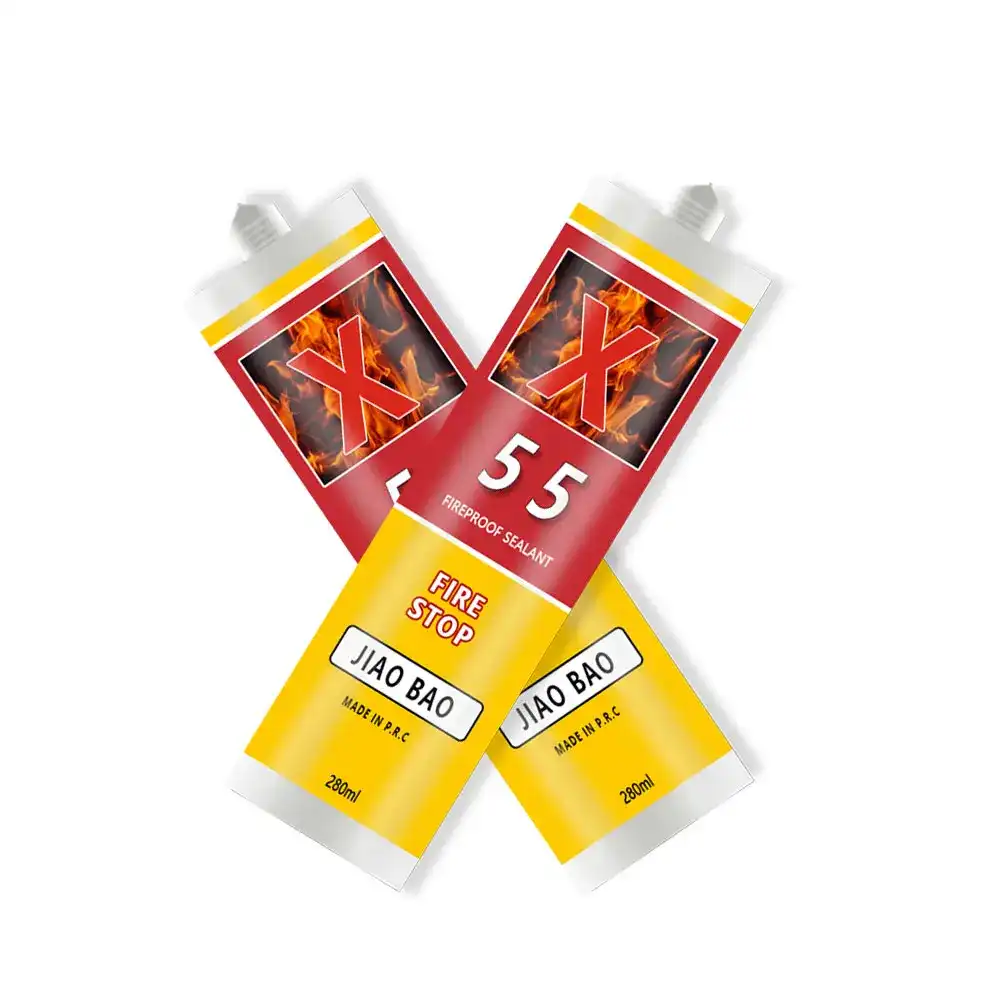
When B2B buyers are looking at sealing options for tough jobs, they find that fire rated silicone sealants offer measured benefits above and beyond basic fire protection. The operational and economic benefits are especially clear in large-scale projects where the performance of materials has a direct effect on building schedules, long-term upkeep costs, and following the rules.
In North America, building rules require passive fire protection devices that keep exit routes open in case of an emergency and stop the spread of fire. These goals for life safety are helped by fire rated silicone sealants, which keep the fire resistance grade of wall and floor assemblies. General builders who work on business buildings, hospitals, or schools have to go through strict inspections, and materials that don't meet the standards cause expensive repairs. These risks can be avoided by specifying approved fire rated goods from the start. This also meets the needs of insurance companies and city governments.
The silicone science that these sealants are based on makes them very resistant to weathering factors that break down cheaper goods. Polyurethane and acrylic seals harden, crack, and lose their stickiness after a few years of being exposed to UV light, ozone, changing levels of wetness, and temperature changes. During their service life, our fire rated silicone sealant mixtures keep their flexibility and bond strength, even when used outside on curtain walls facing south or in industrial buildings close to the coast. This means that building owners will have to do less upkeep and pay less over the course of the building's life.
Buildings' sizes are always changing because of things like heat growth, wind loads, earthquakes, and structural settling. Rigid firestop materials can't handle these changes, which causes cracks to form that make both fire protection and weather covering less effective. Flexible fire rated silicone sealants can move up to 50 percent, based on the type of formula used. This adaptability is very important in places where there is constant movement and shaking, like in the expansion joints of prefabricated building systems, curtain wall perimeter features, and infrastructure uses like tube linings.
Aluminium extrusions, galvanised steel, anodised metals, concrete, and glass substrates all pose different bonding problems in manufacturing facilities and building sites. When used in most situations, our fire rated silicone sealants stick to this range of materials very well without the need for starters. This feature makes the construction process easier for companies that make doors and windows, curtain walls, and complex assemblies managed by general builders. The strong interfacial bonds stop cohesive failure during fire exposure, which is when keeping the integrity of the seal is very important for people's safety.
The business benefits go beyond how well the goods work. When project managers buy fire rated silicone sealants in bulk, they can negotiate better prices and make sure there is enough for multiple phases of construction. The shelf life of 12 months supports inventory management strategies that combine just-in-time delivery with extra stock in case something goes wrong with the plan. There are 300ml and 600ml cylinders or sausages that can be used for both small-scale repair work and high-volume production line uses. This cuts down on waste and makes work more efficient.
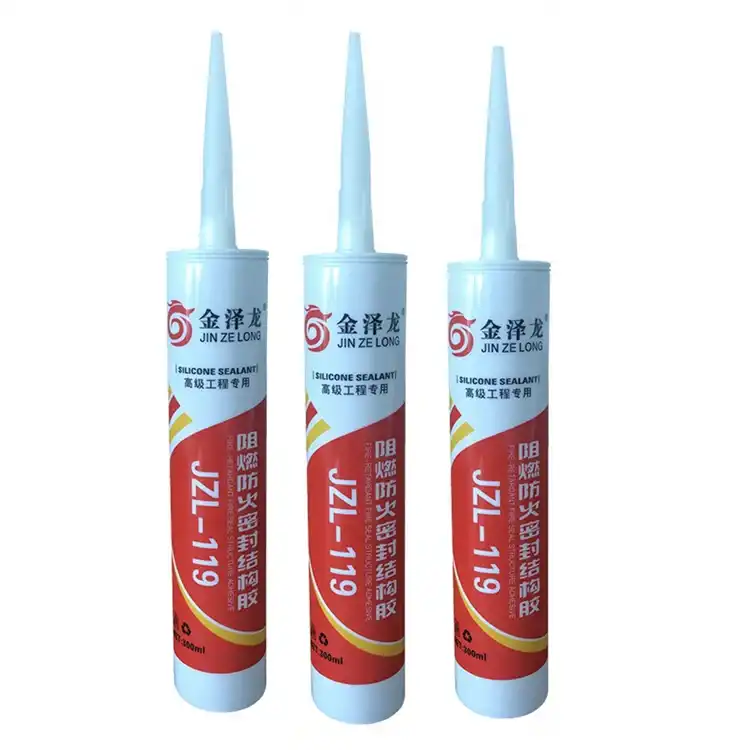
People in procurement who have to choose materials should know how the different closing methods compare in terms of performance. Each type of product has its own unique qualities that make it suitable for different uses and budgets.
Standard silicone versions are very good at withstanding weather and movement, but they don't have the special fire-retardant ingredients that are needed for passive fire protection. They can be used for non-rated assemblies like normal window glazing or metal panel joints, but they can't be used instead of fire rated silicone sealants in situations where the code says they must. When exposed to fire, the difference in performance becomes clear: regular silicones melt and flow at temperatures above 250℃, making openings for flames and smoke to get through. But fire rated silicone sealants keep their seals intact for the usual test lengths.
Intumescent acrylic sealants are a different way to protect against fire. When heated, they spread a lot to fill holes and make char that keeps heat in. This method for expanding works well in fixed situations like cable tray penetrations, but it doesn't work as well in parts that move when the building moves. When the material is fully hardened, it has a higher modulus and a lower elasticity compared to silicone-based goods. This means that it is more likely to crack in curtain wall exterior joints or earthquake expansion gaps. Intumescent products also don't hold up well in bad weather; they break down quickly when exposed to UV light outside.
As green building standards become more popular, environmental performance plays a bigger role in choosing materials. Good fire rated silicone sealants help meet LEED v4 credit standards because they come in low-VOC forms that don't have a big effect on indoor air quality during and after installation. Compositions without halogens stop poisonous fumes from forming during fires, saving both people inside and people responding to the scene. These traits are in line with the sustainability goals of the company while still meeting the technical requirements of safety-critical uses. Distributors and workers who work with clients who care about the environment find that highlighting these qualities makes their project ideas stand out.
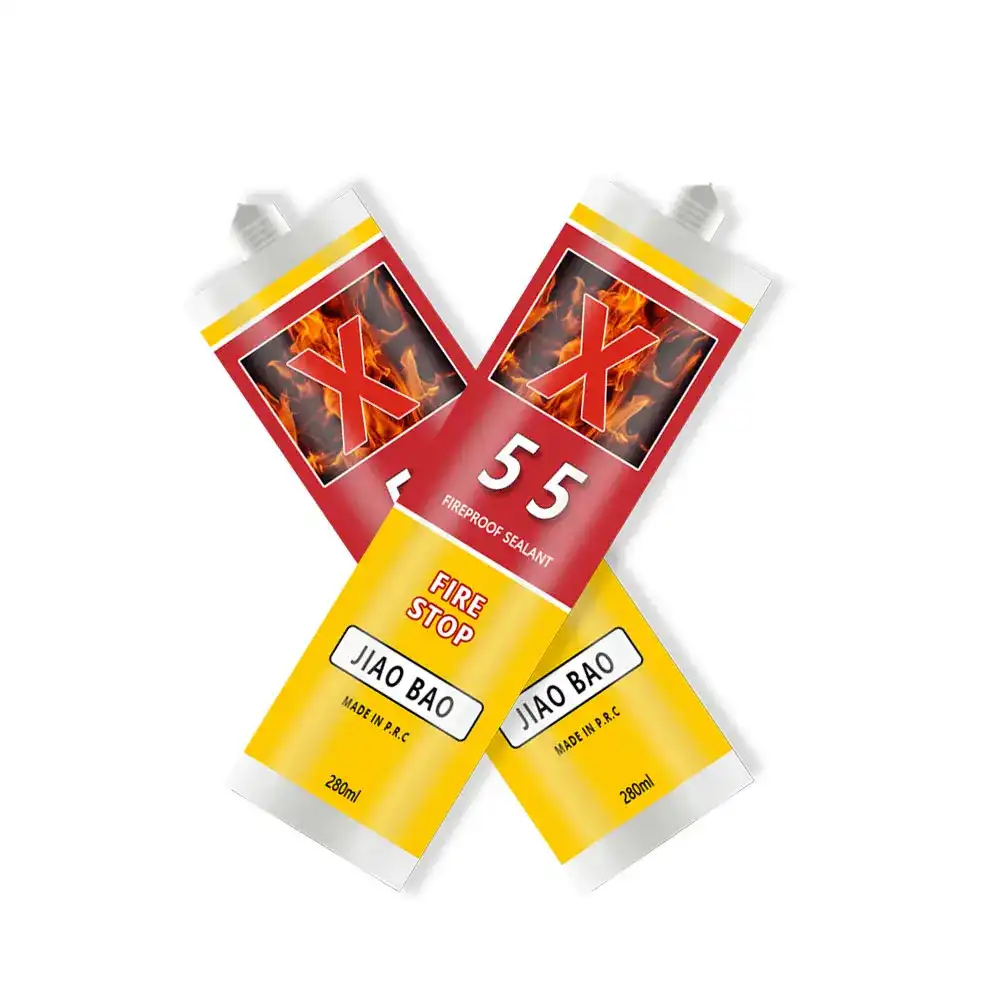
To use fire rated silicone sealant closing systems correctly, you need to pay attention to the details of the specifications, use the right application methods, and make sure the product is real. It is helpful for technical managers and procurement experts to know about these real issues before making big purchases.
Ratings for temperature are the main decision criteria. Our fire rated silicone sealant works constantly from -50°F to +150°F, and we have special formulas that can hit 200°F for use near boilers, exhaust systems, or industrial ovens. The description of the displacement potential (20% to 50%) must match the expected joint movement based on the type of building, the temperature zone, and the structural system. When building in an area prone to earthquakes or with lightweight curtain walls, the movement rates need to be higher than for internal partitions used in areas with stable weather. Curing speed is important for building schedules. Our formulation cures to a depth of 3 mm in 24 hours, which lets installers plan their work in settings with a lot of different trades working together.
Buying from well-known companies with clear quality control systems keeps buying teams safe from fake goods and uneven performance. Shandong Jiaobao New Material Co., Ltd. is ISO certified and gives out detailed technical data sheets with test results, application directions, and information on how the material works with other things. Because we've been making things for 13 years, we've honed our production methods to ensure stability from batch to batch, which is important for colour matching in curtain wall projects that have been built in more than one step. We offer flexible shipping within one to two weeks, which works for both project-based buying and restocking distributors' shelves.
Surface preparation affects how long a bond will last. The surfaces must be clean, dry, and free of any oils, dust, or leftover sealant that could make it hard for the paint to stick. Solvent wiping is good for aluminium and steel surfaces, but porous concrete may need to be primed first, based on the state of the surface. When measuring a joint, the rule says that the depth should be half of the width for the best stress distribution. The backer rod controls binding in three planes. Tooling right away after application makes sure that the surface shape is correct and that the material sticks well to the base. Our one-part RTV mixture makes handling easier because it doesn't need to be mixed. This means that there are fewer mistakes in application and less waste on busy job sites.
Sample testing procedures should be part of procurement plans. Before committing to large sales, ask for samples of the product along with technical documents and MSDS sheets. Test binding on real project materials at site temperatures to make sure they are compatible and work well. This step of proof is especially helpful when binding different kinds of materials or using special coats that might make bonding harder. When people talk about bulk buying, they should talk about their preferred packing. For example, cartridges work best with pneumatic dispensing guns for detailed work, while sausages save money on materials for high-volume uses.
For buying decision-makers, knowing how fire rated silicone sealants work in real-world settings helps them compare claims to actual results. We have worked on a lot of projects where the choice of materials had a direct effect on how well the project turned out and how well the building performed in the long run.
A 45-story mixed-use building in a big city needed fire rated silicone sealant exterior seals at every floor level to stop fires from spreading from one floor to another. The structural engineer chose our fire rated silicone sealant because it has an EI 120 grade and can move ±35%, which is necessary to accommodate the thermal growth of the aluminium curtain wall system. During the 18 months of construction, our steady supply of products kept the critical path plan on track, even though shipping happened in stages in different building zones. After the building was finished, tests showed that there were no seal failures, proving that the material worked well under the real wind loads and temperature changes in the building.
As part of a growth project at a food processing plant, many holes in fire rated concrete walls were sealed for steam pipes and electricity conduits. For places near autoclave equipment where temperatures regularly hit 80℃, the mechanical contractor chose our high-temperature formulation. There were no callbacks because the fire rated silicone sealant could cure properly even at high temperatures and keep its bond strength to both galvanised pipe and concrete bases. The building's insurance company accepted the installation based on the details of our UL-listed system. This kept the premiums from going up, which could have happened if the materials used were not up to par.
These applications demonstrate several procurement principles. Instead of believing generic promises about fire resistance, check that the certifications of the suppliers meet the needs of the real project. Make sure that delivery times are compatible with building plans. This is especially important for quick-track projects where delays in materials can affect other trades that depend on them. Instead of just looking at the unit price, you should also look at the total cost of ownership, which includes how well the guarantee works and how often upkeep needs to be done. It is always our customers' opinion that the small extra cost of certified fire rated silicone sealant goods is nothing compared to the costs of fails, rework, or code violations.
Fire rated silicone sealants are very important in modern factories and building sites that need to protect against fires without sacrificing passive fire protection. Because they can withstand high temperatures, allow for movement, last a long time in harsh environments, and work with a variety of substrates, these materials are essential for a wide range of uses, from high-rise curtain walls to industrial facility penetrations. Procurement experts who know the technical differences between normal and fire rated silicone sealant goods, check the legitimacy of certifications, and work with well-known makers set up their projects to succeed. The small investment in materials brings big benefits, like better life safety, following the rules, lower upkeep costs, and no need for costly repairs. Critical fire protection systems will work as planned for their entire service life if they choose tested goods from dependable providers like Jiaobao.
A: When the temperature and humidity are normal (25°C and 50%), our mixture hardens at a rate of about 3 mm per 24 hours. For example, a 12mm joint depth takes four days to fully fix because the application takes longer because it is thicker. Conditions with less heat or moisture slow the process down, while conditions with more heat speed it up. Within 45 to 60 minutes, the surface is free of tack, which lets you work on it and clean it up before the skin forms. For the best fire protection and mechanical qualities, wait until the material is completely cured. Check the technical specs before planning any inspection or commissioning activities.
A: In most cases, our fire rated silicone sealant sticks well to aluminium, steel, galvanised metal, concrete, and brickwork without the need for primers. Adhesion is best when the surface is properly prepared by getting rid of dust, oils, and loose material. Priming may help concrete surfaces that are very porous or powdery. Before applying on a large scale, testing on real project materials makes sure that they are compatible and shows if there are any substrate-specific preparation needs. This is especially important for coats or treatments that are specific to the substrate.
A: Our fire rated silicone sealants meet international fire safety standards like ASTM E1966 (joint systems) and EN 13501-2 (European classification). They also get scores that are written down in test records from a third party. These certificates make sure that the product works during a standard fire test, which checks its durability and insulating qualities. The technical data sheets for products list authorised test labs and the scores that apply. We give you proof paperwork that shows you're following the rules for building permit applications and inspector reviews.
For challenging B2B uses in the building and industry sectors, Shandong Jiaobao New Material Co., Ltd. provides dependable fire rated silicone sealant options. We have been making specialised goods for 13 years, so you can be sure that the quality will always meet ISO standards and international fire safety clearances. We know that procurement managers need more than just goods. You need quick technical help, the ability to make changes (including matching colours), reliable delivery within one to two weeks, and clear paperwork to show that you're following the rules.
Our quality promise covers how well the product works for 12 months, and if there are any problems, we'll either return or replace the item. Whether you're in charge of installing curtain walls, integrating HVAC systems, or keeping an industrial building in good shape, our team has the skills and dependability that your projects need. You can email us at dorashen@cnjiaobao.com to get samples, detailed data sheets, or to talk about prices for large orders for your next project. Learn why Jiaobao is the go-to fire rated silicone sealant provider for builders and wholesalers around the world.
1. American Society for Testing and Materials. (2020). ASTM E1966: Standard Test Method for Fire-Resistive Joint Systems. West Conshohocken: ASTM International.
2. European Committee for Standardization. (2018). EN 1366-4: Fire Resistance Tests for Service Installations - Part 4: Linear Joint Seals. Brussels: CEN.
3. Underwriters Laboratories. (2019). UL 2079: Standard for Tests for Fire Resistance of Building Joint Systems. Northbrook: UL LLC.
4. National Fire Protection Association. (2021). NFPA 101: Life Safety Code - Structural Fire Resistance Requirements. Quincy: NFPA.
5. Green Building Council. (2020). LEED v4 Reference Guide: Materials and Resources Credits for Low-Emitting Materials. Washington: USGBC.
6. International Code Council. (2021). International Building Code Chapter 7: Fire and Smoke Protection Features. Country Club Hills: ICC.
November 16,2023
Enterprise Name
The sealant has very strong adhesion and performs well even on glass and aluminum. After curing, it remains flexible and shows no cracking. Perfect for our facade projects.
November 16,2023
Enterprise Name
Stable quality across batches. Our customers especially like the smooth application and consistent extrusion. It helps reduce installation time on site.
November 16,2023
Enterprise Name
I used it for bathroom sealing. Excellent waterproof performance and no mold issues so far. It's been holding up very well in humid conditions.
November 16,2023
Enterprise Name
The neutral silicone works well on sensitive materials without corrosion. Very suitable for industrial applications requiring stable performance.
_1779347426672.webp)