November 16,2023
Enterprise Name
The sealant has very strong adhesion and performs well even on glass and aluminum. After curing, it remains flexible and shows no cracking. Perfect for our facade projects.
Aug 2, 2026
Absolutely. High-temperature silicone sealants are exceptionally suitable for factories, especially those operating furnaces, boilers, kilns, and industrial ovens. When you need durable protection against fire, smoke, and extreme heat, fireproof silicone sealant high temperature delivers proven performance. Manufactured by Shandong Jiaobao New Material Co., Ltd., our professional-grade sealant withstands temperatures from -50℃ to +150℃, with specialized formulations reaching 200℃+. This material maintains adhesion and flexibility even under thermal shock, making it an essential solution for industrial equipment manufacturers and facility maintenance teams worldwide.
Sealing materials used in industrial buildings need to be able to handle harsh circumstances. High-temperature sealants are made with special silicone polymers and fire-retardant additives, while regular sealants break down or stop working when they are exposed to extended heat. These mixtures keep their shape and flexibility at temperatures that are often higher than 300°C, which meets important safety standards in processing and manufacturing settings.
Chemical structures that are carefully tuned are what make high-performance silicone coatings work. Silicone polymers make up the backbone and are naturally thermally stable. Inorganic fillers add to the heat resistance and dimensional stability. Our one-part RTV (Room Temperature Vulcanizing) sealer hardens through air moisture, creating a strong rubber seal that doesn't need to be mixed or applied with any special tools. This paste-like substance dries at 3 mm per 24 hours and has a density of 1.40 g/m³. It forms a flexible, water-resistant shield that can be used in tough industrial settings.
Buying managers can be sure that a product will work if it meets international standards. Our sealants have the right safety scores for commercial use and meet the standards for ISO certification. It is important to check third-party testing and fire-rating paperwork when looking for materials to use in high-temperature situations. Our product has a Class 1 W grade, which means it is both water-resistant and thermally efficient. This is important in factories where heat and wetness are common.
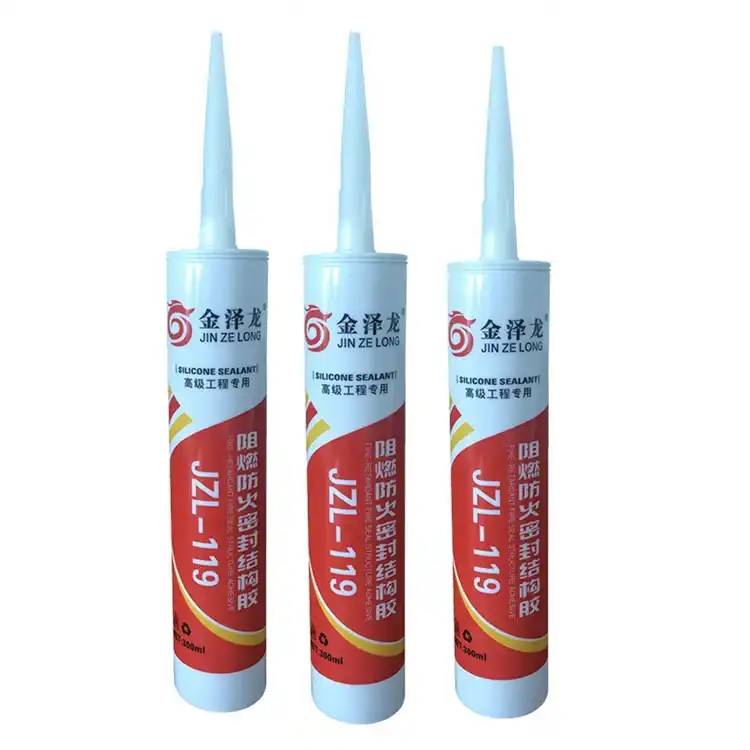
Use of heat-resistant sealing solutions is very helpful in manufacturing facilities. These goods are necessary for long-lasting tools and worker safety because they can withstand high temperatures, chemicals, and changes in shape. If you need long-lasting defense against fire, smoke, and very high temperatures, Fireproof Silicone Sealant High Temperature works well.
High-temperature sealants are used in many areas of factories for different tasks. In industrial ovens and kilns, Furnace door seals keep heat in and keep burning gases inside. Boiler system joints need materials that can handle being heated and cooled many times without breaking or losing their stickiness. When Pipe penetrations go through fire-rated walls, they need to be able to stop the flow of fire and smoke during an emergency. Our sealant sticks very well to glass, aluminum, steel, ceramic tiles, and concrete. Because it works with so many substrates, it makes inventory management easier.
These seals are used to make formed-in-place gaskets for valve covers, oil pans, and water tanks in the auto and heavy machinery industries. The material doesn't react with engine oils or transmission fluids, even at high temperatures. It can be used instead of paper or cork gaskets because it lasts longer. Maintenance teams for equipment like how these new materials extend the time between services, which cuts down on downtime and labor costs.
In industrial settings, fire safety is still very important. High-temperature seals make walls that stop smoke and fire from spreading through holes and cracks. When equipment is used in very hot or very cold conditions, the risk of covering materials breaking down due to heat becomes a major danger. Our fireproof recipe keeps protecting even when it comes into direct contact with flames, giving important time for emergency reaction and system shutdown. When heated, the material doesn't give off any dangerous gases, which keeps people safe and follows safety rules in the workplace.
The initial cost of materials may be higher than for regular sealants, but the overall cost of ownership is lower for high-temperature solutions. If an outdoor installation has exceptional climate resistance, it can stand up to rain, snow, UV radiation, and ozone without cracking or breaking down, especially when using Fireproof Silicone Sealant High Temperature, which ensures long-term durability under extreme thermal conditions.
The great flexibility allows the joint to move ±20% to ±50% due to temperature expansion and structural vibration, which keeps the glue from failing. Our 300ml and 600ml sizes are perfect for both small repairs and large manufacturing installations. They have a shelf life of 12 months and are easy to use right from the cartridge or sausage packaging.
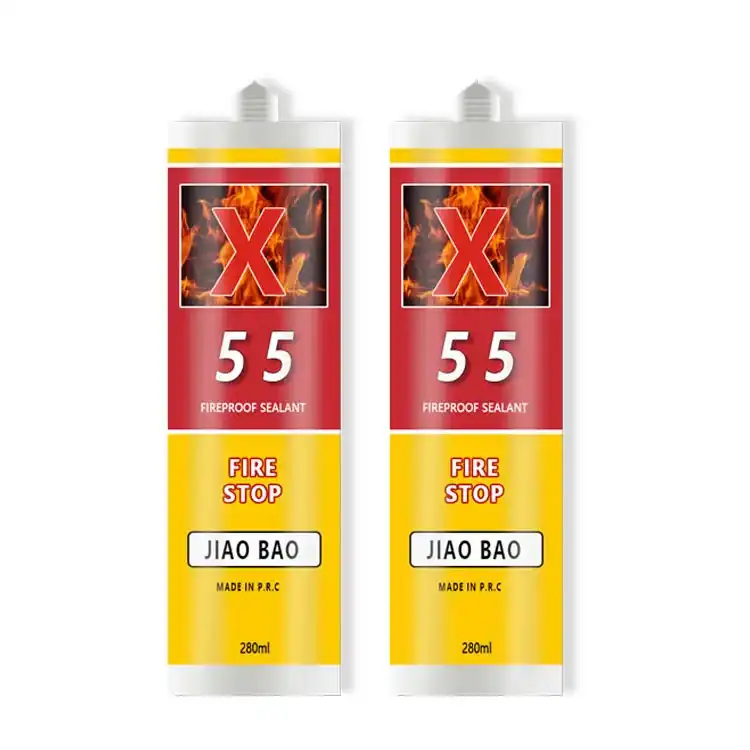
To choose the right covering material, you need to know how different goods work in different situations. Buyers in the industrial sector can choose from epoxy glue, silicone, intumescent, and fire safe caulk.
When it comes to flexibility, fireproof silicone stays more flexible than hard epoxy formulas. This flexibility lets the material move without breaking, which is very important for uses that involve changing temperatures or structures settling. When exposed to fire, intumescent sealants expand a lot, making insulating barriers. However, they may not be able to handle high temperatures for long periods of time like silicone can. Our formula stays stable from -50°C to 150°C and above, where regular operations take place. For extreme uses, we have made models that can reach 200°C or higher.
Some surfaces are better for bonding with certain materials. Silicone works great on smooth surfaces like metal and glass, but it also sticks well to porous materials like concrete and brick. Using a single-component epoxy instead of a two-part epoxy cuts down on application time and mixing mistakes. The Surface dry time dries in 45 to 60 minutes, which makes it easy to move tools and tools around quickly. The curing rate of 3 mm per 24 hours makes it easy to plan production lines and maintenance windows.
Checking certifications helps make sure that products meet government standards. Buyers should ask for proof that the seller follows the fire safety rules in their area and the type of business they are in. Specifications for the temperature range must match the real working conditions, including the highest temperatures that happen when something goes wrong.
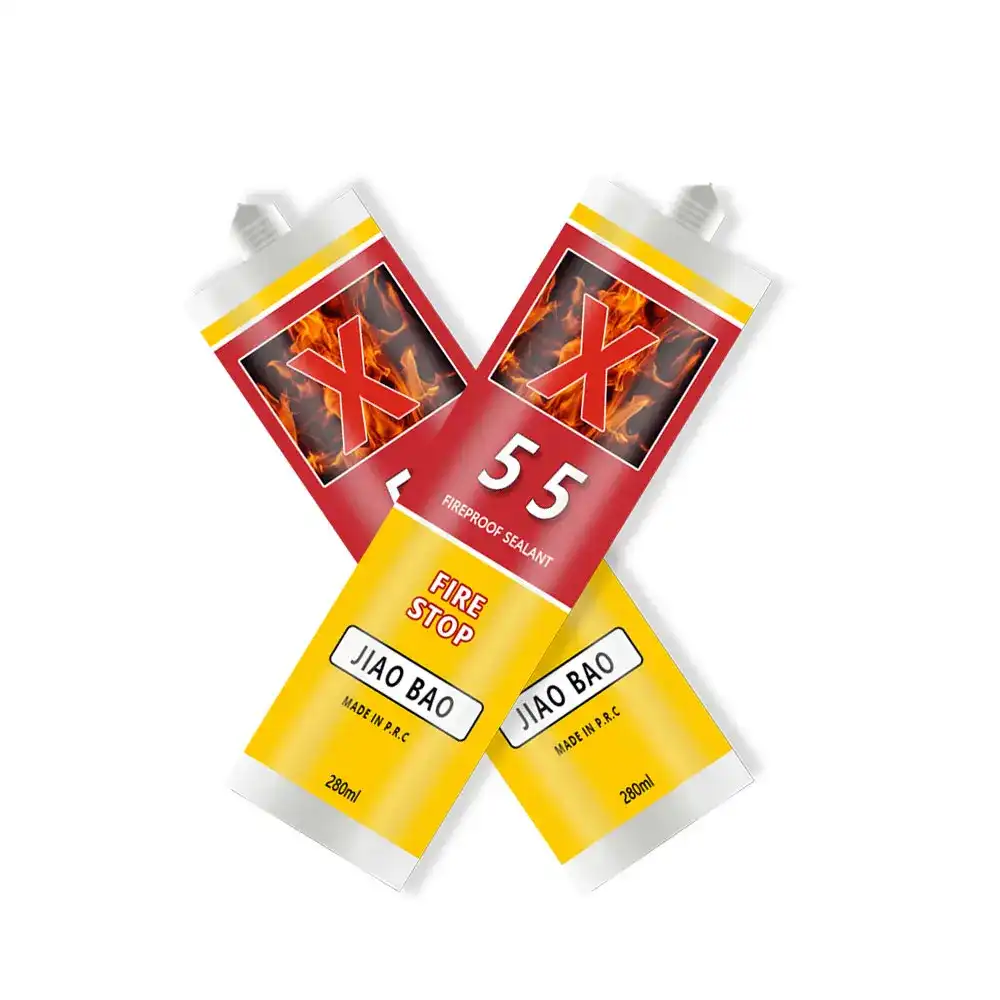
How the sealant is applied directly affects how well it works and how long it lasts. Even the best materials will not work if they are not installed correctly.
It's a must that things are clean. Get rid of all the dirt, oil, grease, wetness, and other loose things that are on the joint surfaces. For tough stains, use the right solvents and let the surface dry completely before applying. Porous bases may need to be primed to get the best bonding, especially when meeting strict fire-rating standards, which is exactly where Fireproof Silicone Sealant High Temperature excels in maintaining integrity under thermal stress. Failures that cost a lot of money can be avoided by testing adhesion on a small area before applying it all over.
You can put the cartridge into a regular caulking gun or use the sausage shape with equipment that works with it. Cut the nozzle at a 45-degree angle to get the size of bead you want. To make a bead with the same width and depth, keep the pressure on it and move at the same speed. Tool the joint during the 45–60 minute surface dry window to make sure it makes good contact with both bases and the finish is smooth.
Give the joints enough time to cure before putting them under stress or heat. About 3 mm of the material cures from the outside to the inside every 24 hours, so deeper parts need to be left alone for longer before they can be used. The rate of curing is affected by the humidity in the air. Low humidity slows down the process, while high humidity speeds it up. A visual check should show that the bead has formed completely, with no holes or bubbles. To make sure the bond is good, try to peel finished sealant off of surfaces to test its adhesion.
Decisions about where to get things affect not only the short-term prices of a project, but also how well it works and how safe it is in the long run. When choosing suppliers and goods, procurement workers have to think about a lot of different things.
Reliability is the key to building strong procurement relationships. Experience in manufacturing is important. Shandong Jiaobao has been making silicone sealant for 13 years, which shows that they have strong quality control systems and technical know-how. Production lead times affect project schedules; our 1-2 week turnaround lets us respond to needs without having to keep a lot of inventory on hand. Different global markets have different logistics needs and delivery times, so shipping options by sea or land are flexible.
Documentation for certification proves that products meet the requirements that were set. Systematic quality management is shown by ISO approval, and performance claims are backed up by reports on testing specific products. When fire ratings and following the rules are important for a project, buyers should ask for batch-specific certifications.
With OEM and ODM capabilities, products can be made to fit specific needs. Custom color matching (beyond the basic white, black, and gray choices) helps make sure that all setups look the same. Changes to the formula can make characteristics like fix speed, viscosity, or temperature range work better in certain situations. Technical consulting services help match product specs to real-world conditions, which lowers the chance of specification mistakes.
Support after the sale keeps procurement investments safe. When quality problems happen, there won't be any arguments if you know about the warranty terms and replacement policies before you buy. Our promise to refund or replace damaged materials within the shelf life shows that we trust the quality of our products and value our relationships with customers.
High-temperature silicone seals have been used successfully in tough workplace settings all over the world. Because they are stable at high temperatures, don't catch fire, are flexible, and work with a wide range of substrates, these materials are essential for companies that make tools and keep buildings in good shape. Matching performance specs to real-world working conditions when choosing goods ensures stable long-term service.
When you use the right methods and prepare the surface properly, the material will work at its best. Also, when you buy from experienced suppliers like Shandong Jiaobao, you can get high-quality products, options for customization, and quick technical support. Buying Fireproof Silicone Sealant High Temperature is a smart move for industrial facilities that use furnaces, boilers, or high-temperature processing equipment. It improves safety, lowers maintenance costs, and keeps important infrastructure safe.
Yes, high-temperature fireproof silicone stays strong even when it comes into close touch with flames. The material makes a shield that stops fires from spreading and stops smoke from moving. Performance depends on how it is made. For example, our sealant is made to work continuously at temperatures of 150°F to 200°F or higher, and it can handle higher temperatures for a short time during fires.
Curing happens at a rate of about 3 mm per 24 hours, working its way from the surface to the inside. It takes about 48 hours for a 6 mm deep bead to fully set. The rate of curing is affected by the humidity in the air. More wetness speeds up the process, while dry conditions slow it down. Surface tack-free time happens between 45 and 60 minutes, which gives you time to make changes to the tools.
Glass, aluminum, steel, ceramic, concrete, and many types of plastic stick very well to our one-part RTV silicone. The best surfaces for adhesion are clean and dry. To meet the highest adhesion standards needed for fire-rated systems, porous materials like brickwork may need to be primed.
Shandong Jiaobao New Material Co., Ltd. has been making specialized materials for over 13 years and is ready to help you with your industrial closing needs. As a reputable company that supplies Fireproof Silicone Sealant High Temperature, we provide high-quality goods that meet ISO standards at reasonable prices, with production times of just one to two weeks and full OEM/ODM customization options.
Our expert team gives you application advice to make sure that the software works best in your particular environment. You can email us at dorashen@cnjiaobao.com to get product samples, talk about buying in bulk, or set up a technical meeting. We offer flexible logistics solutions by sea or land, meeting the needs of buyers in all corners of the world while maintaining quality control and quick support after the sale.
1. ASTM International. "Standard Practice for Determining the Properties of Adhesive Bonds Under High-Temperature Service Conditions." Annual Book of ASTM Standards, 2022.
2. National Fire Protection Association. "Fire Protection Systems and Equipment: Firestop Systems and Smoke Barriers." NFPA 101 Life Safety Code, 2021 Edition.
3. Chen, Wei and Liu, Xiang. "Thermal Stability and Fire Performance of Silicone-Based Sealants in Industrial Applications." Journal of Applied Polymer Science, Vol. 138, No. 45, 2021.
4. Underwriters Laboratories. "Through-Penetration Firestop Systems: Installation and Performance Testing." UL 1479 Standard for Safety, 2020.
5. European Committee for Standardization. "Fire Resistance Tests for Service Installations: Linear Joint Seals." EN 1366-4:2006+A1:2010.
6. Manufacturing Technology Institute. "Best Practices for Sealant Application in High-Temperature Industrial Equipment." Industrial Maintenance and Safety Guidelines, 2023.
November 16,2023
Enterprise Name
The sealant has very strong adhesion and performs well even on glass and aluminum. After curing, it remains flexible and shows no cracking. Perfect for our facade projects.
November 16,2023
Enterprise Name
Stable quality across batches. Our customers especially like the smooth application and consistent extrusion. It helps reduce installation time on site.
November 16,2023
Enterprise Name
I used it for bathroom sealing. Excellent waterproof performance and no mold issues so far. It's been holding up very well in humid conditions.
November 16,2023
Enterprise Name
The neutral silicone works well on sensitive materials without corrosion. Very suitable for industrial applications requiring stable performance.
_1779347426672.webp)