November 16,2023
Enterprise Name
The sealant has very strong adhesion and performs well even on glass and aluminum. After curing, it remains flexible and shows no cracking. Perfect for our facade projects.
Sep 10, 2026
Neutral-cure silicone sealants provide electronics manufacturers and precision assembly lines with the flexibility they need for a versatile, safe and damage-free sealing solution for diverse substrates. The NP Silicone Sealant Non-Corrosive Type offers excellent adhesion to glass, metal and plastic surfaces without the emission of corrosive byproducts, and is thus the best option for applications where the integrity of components must not be compromised. This one-part moisture cure technology provides constant performance at severe temperatures while safeguarding delicate materials from deterioration.
NP Silicone Sealant Non-Corrosive Type dries and releases alcohol based chemicals which are safe for electronic parts and metal connections. The primary difference is significant when connecting PCB circuits, LED modules or sensor housings, where even little quantities of corrosion may lead to catastrophic failures – unlike acetoxy-cure sealants which release acetic acid during cure.
The polymer backbone is composed of polydimethylsiloxane chains connected by alkoxy groups, which provide a flexible yet robust matrix even after contact with water. The curing process begins with ambient humidity attacking the cross-linking chemicals and the surface is dry in 30 minutes under the typical circumstances. Full cure depth is 2 to 3 mm in 24 hours and increases continuously over 7 to 14 days.
The formulation is intended to suit the industrial requirements and the Shore A hardness of 30 provides a good compromise between flexibility and structural strength. This permits the joint to move up to 25% without compromising the seal integrity, which is crucial for combining materials with differing rates of thermal expansion. The tensile strength of 0.7 MPa is suitable for applications where mechanical integrity and sealing performance are required. Its temperature range of -50°C to +150°C makes it suitable for use in demanding situations, from outdoor LED setups to car electronics. The VOC concentration is below 80 g/L, which meets stringent environmental regulations, and ASTM C679 testing indicates no flow or sliding on vertical surfaces.
One of its most significant properties is the protection it offers against moisture infiltration, creating a screen that water, air and pollutants cannot get through once the sealant is dry. The material has volume resistivity of >1×10 14 Ω·cm, which provides good electrical insulation, and prevents leaks and short circuits even in humid environments surrounding wire connections and terminal blocks. The low molecular weight siloxanes are kept at a low concentration to prevent contact contamination in switches and relays. Moreover, the formulation must be stable enough that autonomous dispensing systems can use robots to accurately manage the quantity of extrusion and manufacturing lines can function without interruption.
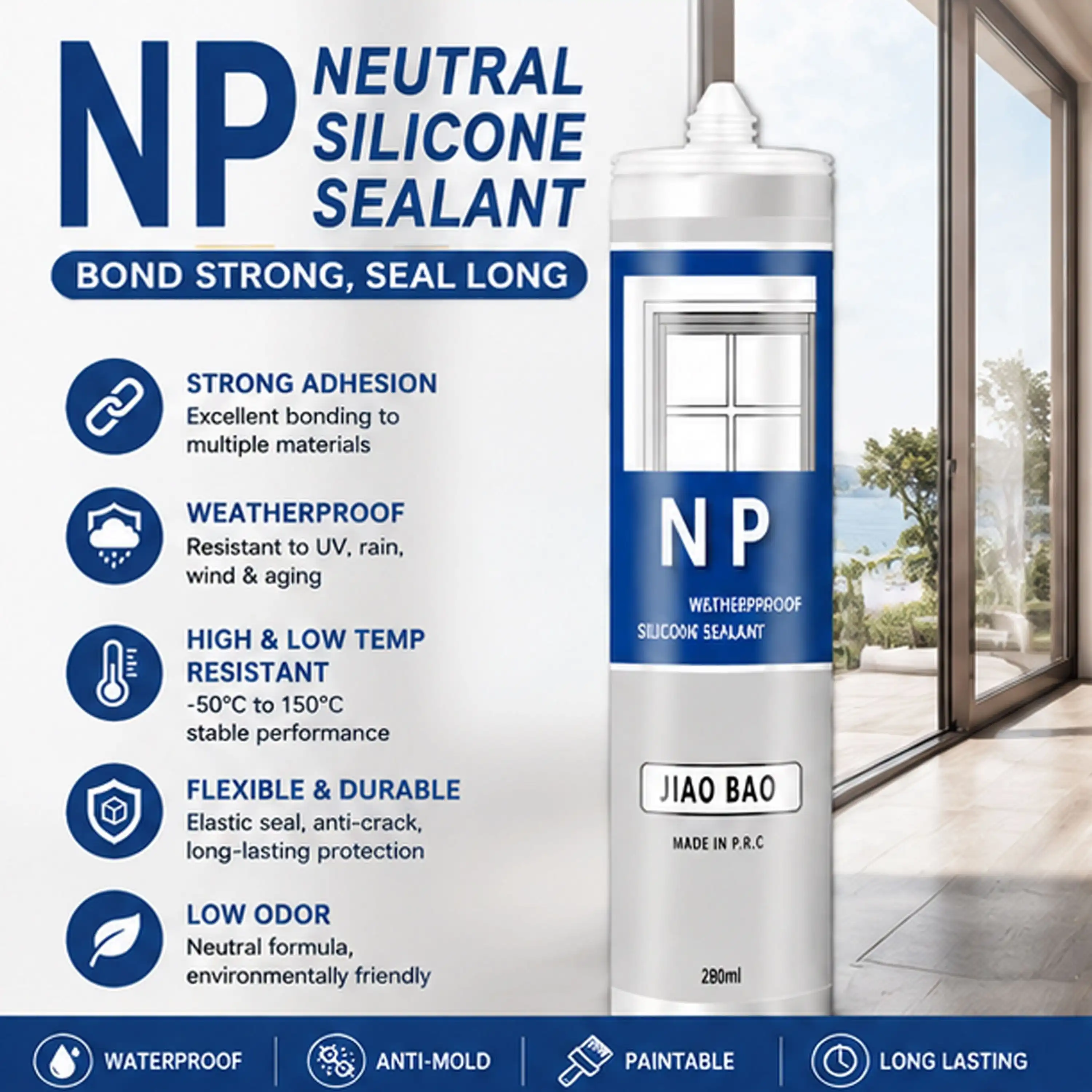
Glass installations are often made using neutral-cure silicones because they are transparent and attractive. The use of primers is usually not necessary when working with soda-lime or borosilicate glass, or treated architectural glass, which makes application easier and material costs lower. In LED lighting systems, the sealant is used to secure optical lenses to metal housings to create watertight enclosures to safeguard the interior circuitry.
Clear polycarbonate lenses are protected from becoming hazy or changing colour using a neutral cure. The material also offers 25% movement capacity and UV resistance, making it an excellent choice for window and door frame installations where the seal has to remain flexible for years without splitting.NP Silicone Sealant Non-Corrosive Type , is entirely compatible with these neutral cure methods, and comes with the extra benefit of being non-corrosive to sensitive substrates such as copper, brass and galvanised metals typically found in LED housings and window frames.
Clear polycarbonate lenses are protected from becoming hazy or changing colour using a neutral cure. The material also offers 25% movement capacity and UV resistance, making it an excellent choice for window and door frame installations where the seal has to remain flexible for years without splitting.NP Silicone Sealant Non-Corrosive Type is entirely compatible with these neutral-cure systems and has the further benefit of being non-corrosive to sensitive substrates such as copper, brass and galvanised metals used in LED housings and window frames.
Copper, aluminium, stainless steel and galvanised steel all fit firmly with little chance of corrosion. Die-cast aluminium electronics enclosures need seals at separating lines and access panels to obtain ingress protection ratings of IP65 or IP67. Neutral chemistry is also important for protecting the integrity of anodised or powder-coated finishes, which might discolour from acidic alternatives. Thermal management and safe electrical grounding for automotive electronic modules with aluminium heat sinks need such non-corrosive sealants. In electrical systems, the neutral formula preserves junction boxes and pipe linkages without damaging copper wires or brass ends, easing mechanical stress where cables enter enclosures.
Plastics such as polycarbonate, ABS, PVC and acrylics may be bonded consistently without the stress cracking that is prevalent with solvent-based glues and acidic silicones. Tiny holes that allow pollutants in are prevented from forming in engineering polymers used in electronic housings. These sealants are used by consumer electronics manufacturers for battery compartments and connection ports on remote controllers to medical equipment. The sealing stops outside elements from coming in, without adding unnecessary weight. For exterior enclosures composed of fiberglass-reinforced polyester, silicone weatherability in direct sunshine and ozone is superior than organic polymers.
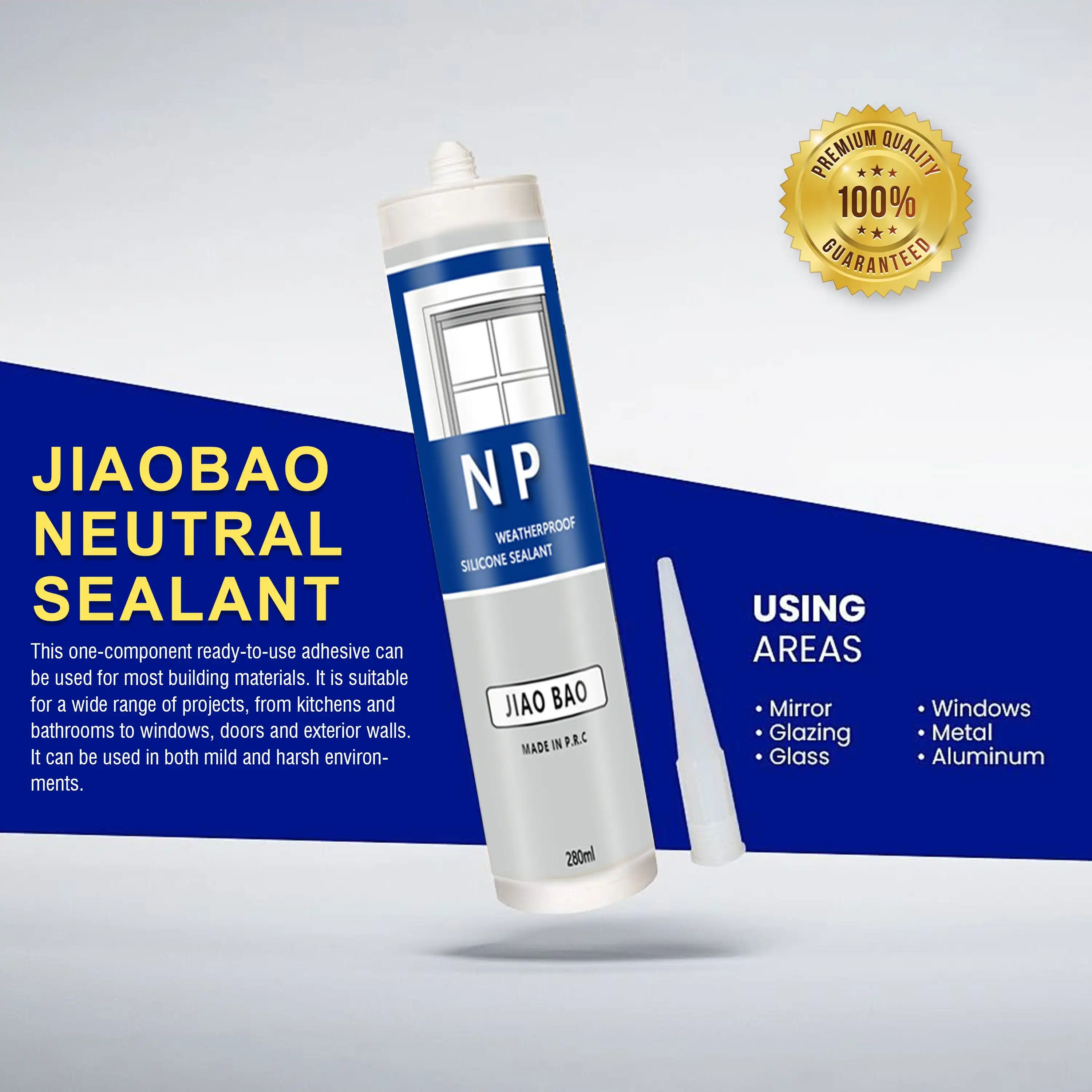
Acetoxy-cure silicones release acetic acid and have a vinegar odour, limiting their usage to substrates where rust is not a problem. They are cheaper and dry a little quicker but the acidic residue is bad for metals and delicate plastics. Electronics manufactures don’t want to invalidate warranties with acidic types. The NP Silicone Sealant Non-Corrosive Type compositions are much more suitable with a larger variety of substrates. Neutral formulations are more expensive per unit because the alcohol based remnants evaporate without residue. The total cost of ownership is cheaper because of the decreased chance of field failures.
Polyurethane seals have good adhesion and may be painted over, but they cure by reacting with moisture and carbon dioxide in the air, thus they are sensitive to application circumstances. Their temperature range is lower than that of silicones, often -40°C to +90°C, and they need additional chemicals in order to protect them from UV. The qualities of the silicone elastomers are maintained across a larger temperature range and they may be exposed to UV without deterioration. Inorganic siloxane backbone resists oxidation and ozone damage that breakdown organic biological polymers, resulting in improved electrical insulation and reduced water absorption.
For electronics production, procurement managers use neutral-cure silicones, because of their established reliability on many substrates. Engineers pay more for these materials because they result in substantially lower failure rates in the field. Applying the same sealant SKU to several product lines makes inventories easier to manage. Another driver is regulatory compliance, with RoHS and REACH certificates verifying the absence of banned compounds such as heavy metals and phthalates. Working with licensed providers, manufacturers reduce their risk of non-compliance and the cost of reformulation work.
The quality of the surface preparation is critical to the seal life and strength of the bond. Use isopropyl alcohol on clean glass surfaces to remove grease, fingerprints, dust. Aluminium and other metal substrates are best cleaned by solvent cleaning and hand rubbing to remove oxide coatings, whereas stainless steel generally simply needs solvent cleaning. Plastic components are more problematic because of the use of mould releasing agents to avoid adhering. These are washed away with mild soap and rinsed thoroughly. Certain engineering plastics, such as polypropylene, may need plasma treatment, but most plastics used in electronics bond well with just cleaning.
For low-volume manufacture and installation in the field, manual application using skeleton guns or pneumatic carriers is a good choice. Standard cartridges for 300ml and 600ml Sausage packing for bigger numbers to save money. Programmable robots are utilised in automatic delivery systems for repeatedly depositing exact bead forms in high-volume manufacturing processes. The NP Silicone Sealant Non-Corrosive Type is required to be consistent in viscosity. Variations from batch to batch may upset pouring parameters. Recommended joint depth is half the width. Structural joints should be a minimum of 6 mm broad and 3 mm deep. The bead may be tooled to the right surface polish and form in 10 minutes.
The optimal conditions for curing are 40-60% relative humidity. Low humidity delays the process and will stretch the skin over a period of time. Too much humidity may cause surface popping. Temperatures below 10 °C strongly inhibit the process, while temperatures over 30 °C accelerate it but may lead to peeling before appropriate tooling. Good air flow allows moisture to reach the curing sealant and carry away alcohol vapours. In practice, HVAC systems in industrial buildings are frequently kept in regular operation without any additional measures for air cleaning. The shelf life of the cartridges is 1 year if kept dry and below 27°C.
The Material Safety Data Sheets indicate that, when used as directed, the caulk has very few dangers. Eye and skin contact may cause moderate pain and may be handled with conventional PPE (safety glasses and nitrile gloves). The formulation is simpler to handle than the polyurethane or epoxy equivalents since there are no isocyanates, solvents or reactive catalysts. Dust from properly cured materials does not provide a hazard if inhaled but excellent cleaning practices will avoid it building up. Uncured materials should be disposed of in accordance with local industrial waste disposal practices. Fully cured sealant is non-hazardous solid waste in most locations.
Minimum order quantities are pallet quantities of about 1,200 cartridges at competitive price ideal for medium-sized enterprises. Smaller companies may buy by the case of 24 cartridges via distributors, trading somewhat higher unit prices for less inventory. Bulk packaging in 200 litre drums is intended for large volume automated dispensing systems that link directly to air pumps that feed robots. Custom colour matching is available to satisfy aesthetic objectives as well as branding needs. White, black and grey are basic colours, but custom batches normally need 500 to 1,000 cartridges and a lead time of 4 to 6 weeks.
ISO 9001 certified manufacturers use quality management systems, which guarantee manufacturing consistency and traceability. For electronics providers, demand real test results for RoHS and REACH compliance, not only statements. Production experience is very important Shandong Jiaobao New Material Co., Ltd. has 13 years of production experience in neutral-cure formulations for severe industrial applications. Suppliers test the raw materials when received and also quality check the finished goods. They provide the entire test results for tensile strength, elongation, hardness and adhesion for each batch.
For the bulk of production scheduling, a lead period of one to two weeks is ideal. International shipping takes longer to pass customs, usually two to four weeks for ocean freight. Sea freight is the cheapest of the two per unit for big container loads whereas air freight is for urgent requirements or smaller shipments. In severe weather conditions, temperature-controlled transportation is required, as the summer sun over 40°C may induce early curing, while the winter cold may temporarily increase the viscosity of the NP Silicone Sealant Non-Corrosive Type thus it should be kept someplace warm before use.
Warranty conditions include material defects that impede appropriate use within the indicated shelf life. If tests indicate the product does not satisfy criteria for cure, adhesion or contamination, providers replace the faulty batches free. Technical assistance for solving application issues and improving processes. Engineering teams to aid with joint design and surface preparation techniques. Manufacturers may test sample programs before a complete order is placed and undertake quick ageing and humidity exposure tests to validate performance in their unique environment.
Choosing the correct sealant for glass, metal and plastic applications is a balance between technical performance, substrate compatibility and operational dependability. Neutral cure silicone sealants provide the temperature range, electrical insulation and movement capabilities required in electronics production without the danger of corrosion.In this category, NP Silicone Sealant Non-Corrosive Type has all the same neutral-cure advantages but is engineered to ensure no acidic by-products that might harm delicate electronic components or reflective coatings.
Understanding application requirements, adequate surface preparation and supplier capabilities allows buying choices that save manufacturing costs and improve product quality. These formulations provide non-corrosive chemistry, wide substrate adhesion and proven durability, making them a reasonable option for situations where component protection and long-term dependability are of the utmost importance.
Neutral-cure formulations specifically address concerns about stress cracking in polycarbonate and other sensitive plastics. The alcohol-based byproducts do not damage polymer chains or create internal forces that cause crazing. Surface preparation is still important; removing mold release agents ensures that everything sticks well. It is important to test compatibility on the specific grade of polycarbonate you have, as different formulations with additives may react differently.
The rate of curing doubles approximately every 10°C rise in temperature between 15°C and 30°C. Cold conditions below 10°C significantly extend the skin-over time and full cure, potentially requiring up to 4 weeks for complete polymerization. However, the final mechanical properties, such as tensile strength and elongation, remain consistent regardless of the cure temperature. Temperature during service has a bigger effect on performance, with the -50°C to +150°C range defining the usable limits where properties stay within specification.
ASTM C1184 states that structural glazing sealants must be used in load-bearing situations where the silicone supports the weight of the glass without mechanical fasteners. These formulations have higher modulus (stiffness) and tensile strength compared to weatherproofing grades. While general-purpose goods are great at closing joints and keeping water out, they are not strong enough for real structural glazing jobs. Using standard caulk in structural roles poses safety risks and breaks building codes.
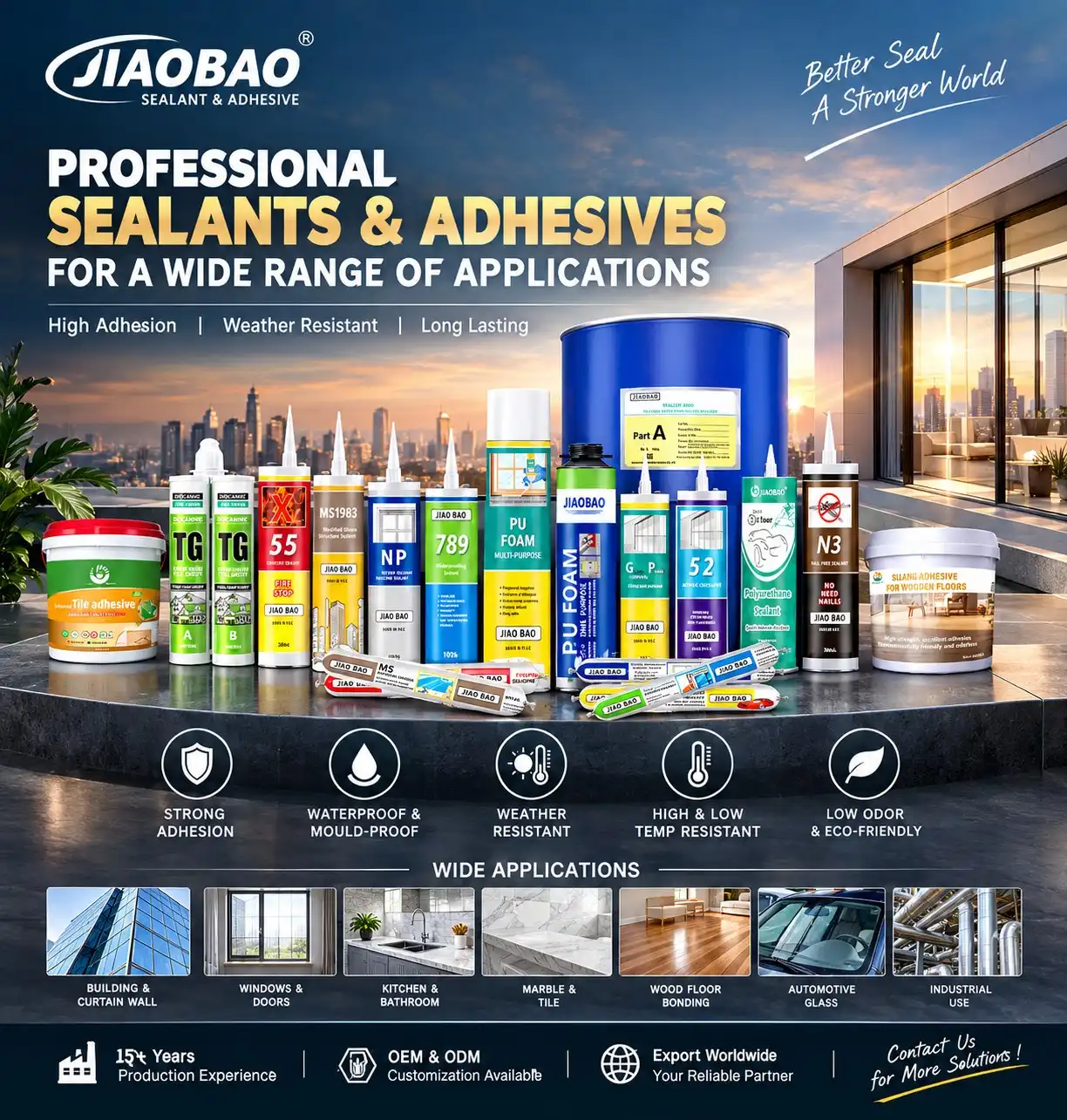
Shandong Jiaobao New Material Co., Ltd. delivers industrial-grade neutral-cure silicone sealants engineered specifically for electronics manufacturing and precision assembly operations. Our NP Silicone Sealant Non-Corrosive Type formulations protect sensitive components while providing reliable adhesion across glass, metal, and plastic substrates. With ISO certification, RoHS compliance, and 13 years of production expertise, we serve as a dependable supplier offering customized solutions tailored to your requirements.
Production lead times of 1-2 weeks, flexible shipping options, and comprehensive after-sales support ensure your procurement runs smoothly. Contact our technical team at dorashen@cnjiaobao.com to request samples and discuss how our formulations can enhance your product reliability while reducing field failure rates.
1. Chen, W. (2019). Silicone Sealants in Electronics Packaging: Chemistry and Applications. Materials Engineering Press.
2. Industrial Sealants Technical Committee. (2021). ASTM C920 Standard Specification for Elastomeric Joint Sealants. ASTM International.
3. Liu, X., & Zhang, M. (2020). Neutral Cure Silicone Adhesives for Electronic Component Assembly. Journal of Adhesion Science and Technology, 34(8), 892-907.
4. Peterson, R. (2018). Selecting Sealants for Electronic Enclosures: A Procurement Guide. Electronics Manufacturing Association.
5. Schmidt, H. (2022). Temperature and Humidity Effects on Silicone Sealant Cure Kinetics. Polymer Engineering Science, 62(3), 745-758.
6. Wang, T., & Kumar, A. (2021). Surface Preparation Methods for Improved Adhesion in Electronic Assembly. Society of Manufacturing Engineers Technical Paper TP21-045.
November 16,2023
Enterprise Name
The sealant has very strong adhesion and performs well even on glass and aluminum. After curing, it remains flexible and shows no cracking. Perfect for our facade projects.
November 16,2023
Enterprise Name
Stable quality across batches. Our customers especially like the smooth application and consistent extrusion. It helps reduce installation time on site.
November 16,2023
Enterprise Name
I used it for bathroom sealing. Excellent waterproof performance and no mold issues so far. It's been holding up very well in humid conditions.
November 16,2023
Enterprise Name
The neutral silicone works well on sensitive materials without corrosion. Very suitable for industrial applications requiring stable performance.
_1779347426672.webp)