November 16,2023
Enterprise Name
The sealant has very strong adhesion and performs well even on glass and aluminum. After curing, it remains flexible and shows no cracking. Perfect for our facade projects.
Jul 30, 2026
Choosing the right NP Silicone Sealant for Curtain Wall applications requires careful evaluation of performance characteristics, substrate compatibility, and project-specific environmental conditions. Quality neutral-cure silicone sealants provide superior adhesion to glass, aluminum, and stone while delivering movement capability of up to 25% and exceptional weather resistance across temperature ranges from -50℃ to +150℃. Procurement managers should prioritize certified products meeting ASTM C920 and ISO standards, verify non-staining formulations for natural stone applications, and confirm delivery logistics align with project timelines to ensure long-term facade integrity and aesthetic consistency.
One of the most important decisions in modern construction is how to seal the outside of a building. When water gets into building envelopes or joints break because of heat stress, the damage isn't just cosmetic; it threatens the building's stability and the comfort of its occupants. Because of this, choosing the right sealant is an important part of the procurement process that needs both technical knowledge and hands-on experience.
Neutral-cure silicone sealants have changed the way facades are built because they don't contain any acidic ingredients that can cause corrosion. When acetic acid-based goods fix, they give off corrosive byproducts. But neutral-cure technology uses oxime or alkoxy chemistry, which doesn't harm metal surfaces, sensitive coatings, or natural stone. In curtain wall uses, where aluminium frames, anodised finishes, and mirrored glass coats are common, this chemical difference is especially important. The neutral curing mechanism also makes very little smell when it's being applied, which makes the work site better for workers who are working in small areas or buildings that are already occupied.
The molecular structure of good silicone sealants makes strong covalent bonds with both porous and non-porous substrates. This is what makes them stick well. When siloxane molecules come into contact with hydroxyl groups on glass surfaces, they form a lasting bond that can survive decades of changing temperatures and being wet. Similar bonding processes work on aluminium substrates, though anodised and powder-coated surfaces need to be prepared to get rid of impurities that get in the way of chemical contact. Natural stone has special problems because it is porous and easily damaged by oil. Non-polluting formulations stop the unsightly halo effect that happens when plasticisers get into marble or granite. Knowing how these bonds work helps buying teams set up the right surface preparation steps and guess how the product will perform in the field over time.
Curing factors have a direct effect on building dates and how well waterproofing works. Within 30 minutes of being applied, our one-component RTV starts to change from a paste to an elastomer, creating a skin that keeps dust and moisture from getting into the joint. As moisture from the air gets deeper into the sealant over the course of 7–14 days, it fully polymerises. The rate at which it cures depends on the temperature, humidity, and shape of the joint. Joints that are shallow heal faster in warm, humid places than joints that are deep heal faster in cold, dry places. This slow process lets stress go away and stops internal holes that could make waterproofing less effective. To get the best bonding strength and elastomeric healing, project managers should plan to seal the wall during times when the weather is good. During the initial curing period, joints should not be put under mechanical stress.
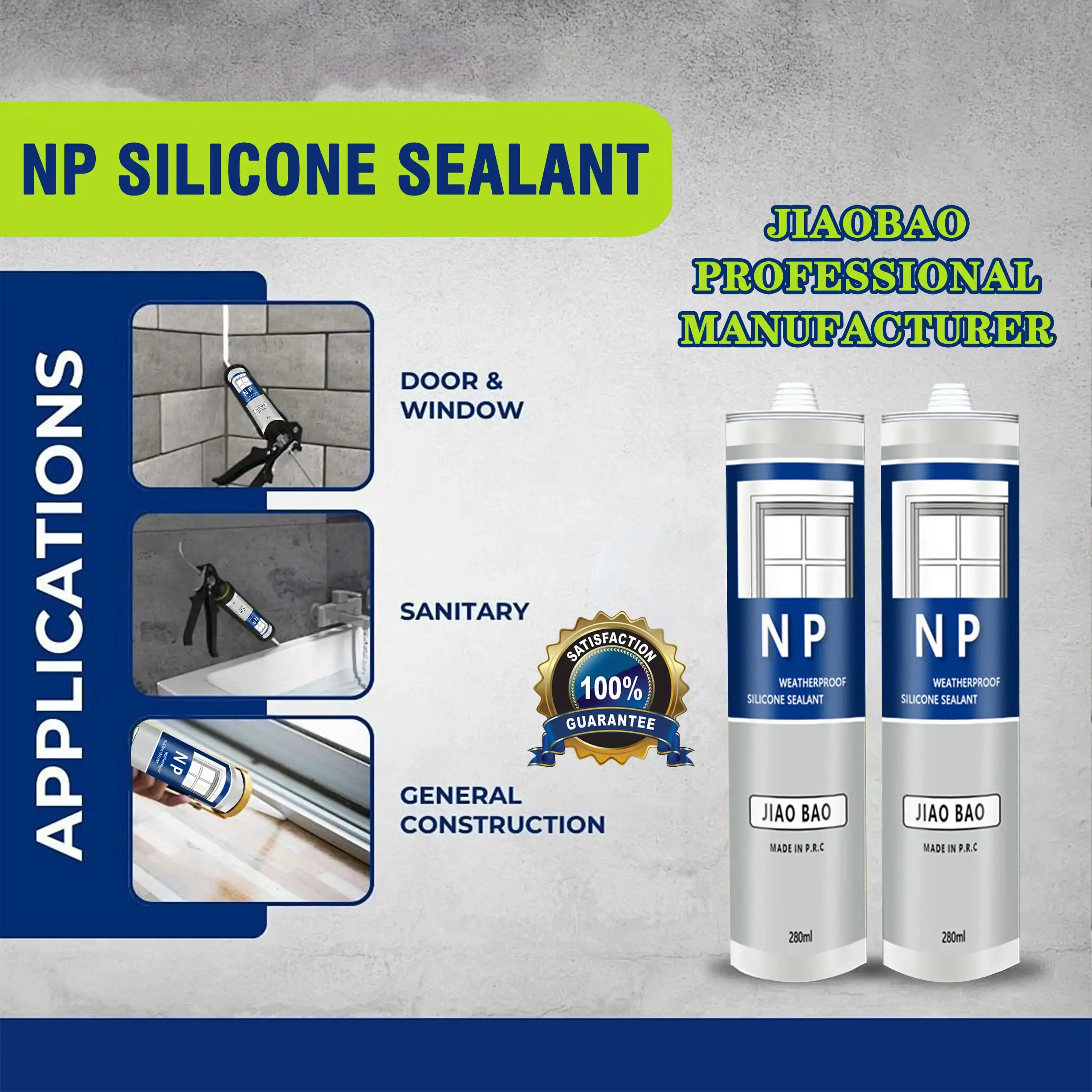
For wall sealing to work, the product's features must meet the needs of the project. There are a lot of sealant options for procurement professionals, but it's easy to tell which ones are better when you compare them to objective criteria that can be used to predict success in the field.
Temperature resistance tells you where a sealant can survive in different climates. Products that stay flexible from -50℃ to +150℃ can handle the hard winters and hot summers that are common in northern regions. Movement capability, shown as a fraction of joint width, tells us if sealants can handle temperature expansion and building movement without breaking down or not sticking together properly. Quality neutral-cure products can move 25% of the way, which meets ASTM C920 Class 25 standards. This makes them perfect for most curtain wall uses, where aluminium frames expand about 23 mm every 100 meters when the temperature drops by 100°C. Tensile strength and elongation at break are two more performance indicators. Products with tensile strengths above 0.7 MPa and elongations of 400% or more provide the mechanical resilience needed for joints that are loaded with wind and bend when the structure is deflected.
Most sealing problems are caused by materials that don't work well together. Glass doesn't have many adhesion problems with NP Silicone Sealant for Curtain Wall, but workers need to get rid of silicone leftovers from earlier jobs and be careful not to put sealant on treated surfaces where release agents or anti-reflective coats might make bonding impossible. Compatibility of NP Silicone Sealant for Curtain Wall with aluminium is more than just adhesion; it also includes electrochemical factors. For example, neutral-cure chemistry of NP Silicone Sealant for Curtain Wall stops galvanic corrosion, which is what acidic sealants do to sensitive alloys. For stone applications, non-polluting formulas like NP Silicone Sealant for Curtain Wall must be used.
This can be proven by ASTM C1248 testing, which puts porous substrates in contact with sealant at high temperatures to find oil migration before it damages the look of expensive facades. Before finalising specs, procurement teams should ask for adhesion data that is specific to the substrate for NP Silicone Sealant for Curtain Wall and look over material safety data sheets to see if there are any limits or primer needs.
More and more, building codes require low-VOC products that have less of an effect on indoor air quality and the environment. Sealants with less than 80 g/L of volatile organic chemicals meet strict regional standards and help business projects reach their LEED certification goals. While ISO 9001 quality management approval shows that the production process is consistent, performance validation from product-specific standards like ISO 11600 and GB 13477 is more useful. In the US, curtain wall builders usually need to make sure that the panels meet ASTM C920 standards as a minimum. They also need to test them according to ASTM C1248 for stain protection and ASTM C1589 for movement cycling. CE marking means that a product meets European rules for building materials, which makes it easier to buy things across borders for international projects. By checking these certifications during the vendor evaluation process, you can avoid getting non-compliant products that leave you open to liability and cost a lot to fix.
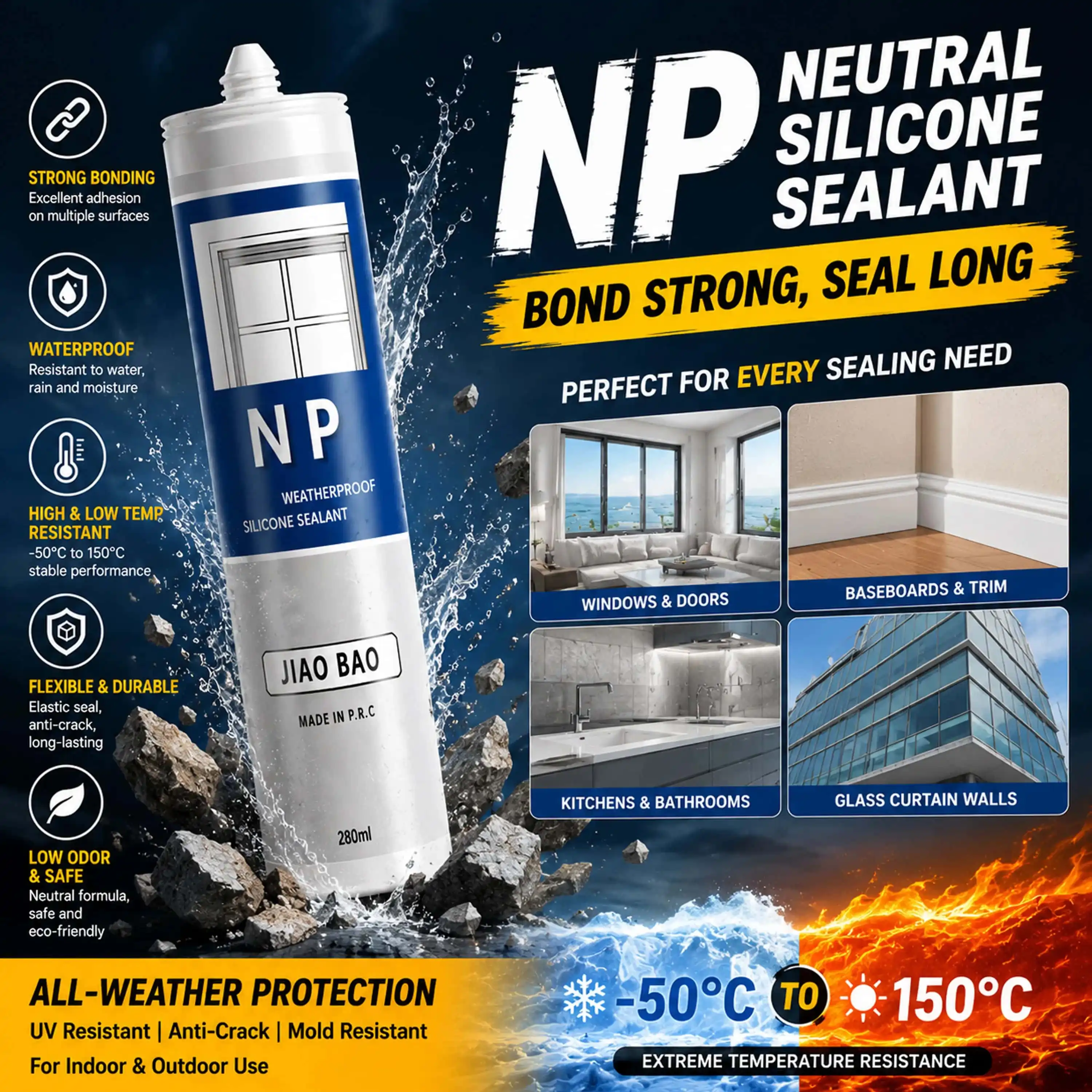
Knowing about other options on the market helps people who work in procurement make smart choices that combine performance needs with budget limits and application tastes.
Polyurethane sealants work great in places that need to be able to be painted and have high tear resistance. This makes them popular for parts that need to be finished in the same colour after drying. But polyurethane goods break down when they are exposed to UV light for a long time. They lose their flexibility and get chalky on the surface, which makes exposed walls look bad. Their sensitivity to moisture during application makes quality control hard in humid places or when construction schedules have to be sped up. Acrylic sealants are cheap and work well for parts that don't move much in protected areas. However, because they don't stretch much and can't handle high or low temperatures, they aren't good for curtain wall uses that go through a lot of thermal cycling. Silicone technology has the best UV stability, temperature performance, and long-term elasticity. These are the qualities that make it worth paying more for important facade sealing where a 30-year service life is normal.
There is a direct link between a manufacturer's experience and the quality of their products and technical support. Companies that have been making silicone formulations for decades can keep a closer eye on quality and offer recipe improvements to solve specific application problems. Jiaobao New Material has been in business since 2013 and is known for its high-quality coloured silicone seals. It has ISO and CE licenses, which show that it is committed to meeting international quality standards. Customer reviews from curtain wall builders can tell you a lot about how well the product works in real life, how quickly technical support responds, and how guarantee claims are handled. In addition to manufacturer recommendations, industry standards from groups like the Sealant, Waterproofing & Restoration Institute offer unbiased advice on how to choose the right product and do the best job of installation.
Comparing unit prices doesn't take into account important cost factors that affect how profitable a project is. Products that come in 300ml and 600ml sizes let you match the right packaging size to the job, cutting down on waste on smaller projects while making the most of bulk for big facades. Manufacturers with lead times of one to two weeks lower the cost of keeping supplies and support just-in-time shipping plans, which make managing cash flow easier. Quality neutral-cure sealants have a shelf life of 12 months, which means that they can be rotated through stock without worrying about the product going bad. To figure out the total cost of ownership, you have to figure out how much it cost to put each linear meter, how much labour was needed to make products that were easy to gun and products that were hard to extrude, and how much it will cost to maintain over the product's design service life. Premium sealants that don't need to be fixed or reapplied often end up being cheaper than cheaper ones that fail quickly and need expensive repairs.
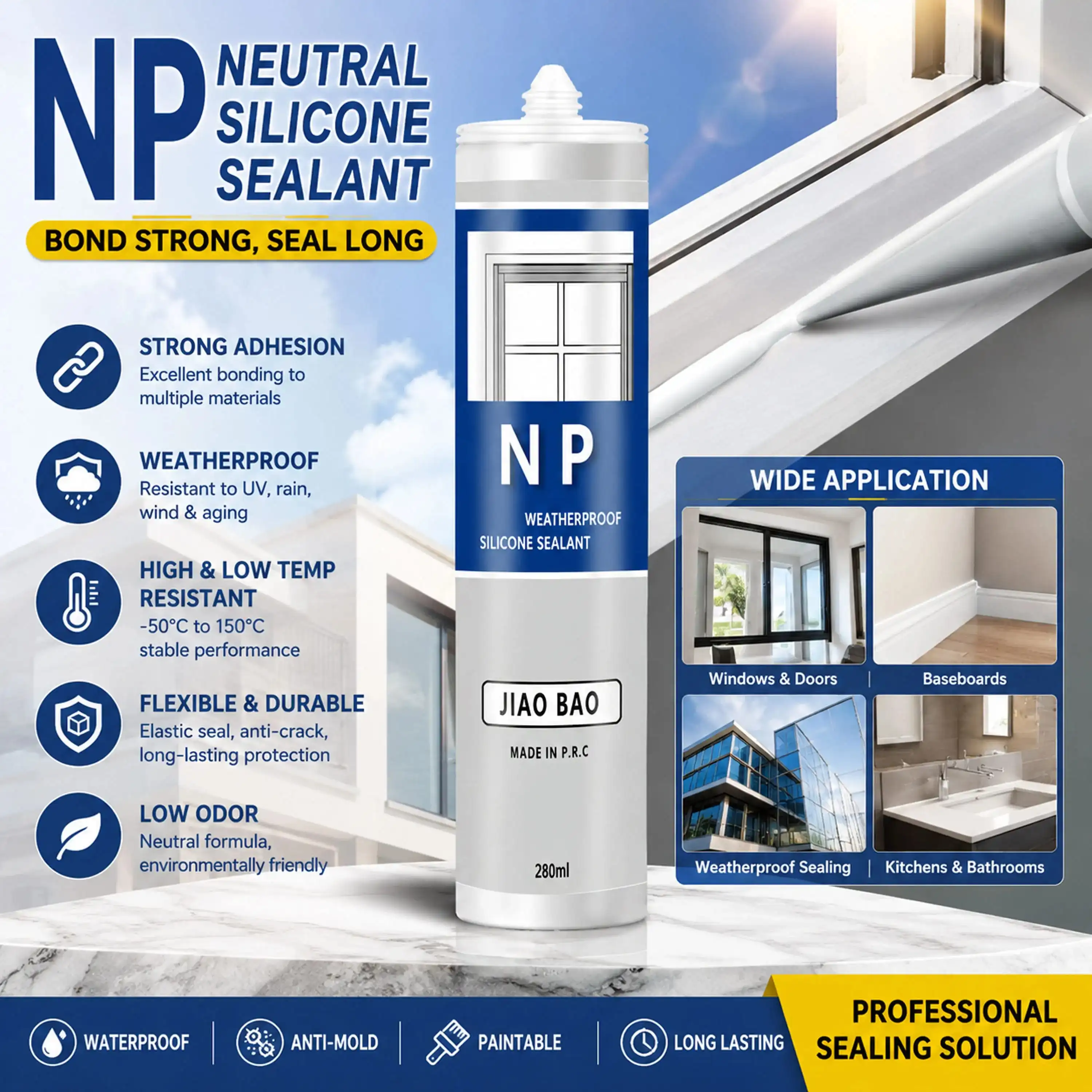
If quality products work as well as they can in the field, it depends on how well they are installed and how strategically they are bought.
Before NP Silicone Sealant for Curtain Wall is put on, the joint surfaces must be clean, dry, and free of any dirt or debris. The first step in a three-step cleaning process is to use wire brushes or abrasive pads to remove dirt, old sealant residues, and loose material. The next step is to wipe the surface with isopropyl alcohol or an approved cleaner. This removes any oils or organic remains that stop molecules of NP Silicone Sealant for Curtain Wall from joining. The final check makes sure that all the contaminants have been removed and that the joint shape is correct for NP Silicone Sealant for Curtain Wall. For best stress distribution and cure dynamics, the depth-to-width ratio should be between 1:2 and 1:1 when applying NP Silicone Sealant for Curtain Wall.
Putting masking tape on the edges of the substrate protects the finishes and makes clean sealant lines that improve the look of NP Silicone Sealant for Curtain Wall. Installing a backer rod limits the depth of the joint and acts as a bond-breaker to stop three-sided adhesion, which builds up too much stress and leads to early failure during movement cycles with NP Silicone Sealant for Curtain Wall.
When working on facades that need hundreds or thousands of sealing tubes, it's important to find ways to buy them that don't require a lot of inventory. By building relationships with dependable silicone sealant makers who keep up with production, you can avoid delays during busy work times. When compared to individual cartridges, pneumatic dispensers that come in packaging options like sausage shapes make high-volume installations more productive. Minimum order quantities and volume discounting structures affect buying decisions.
Combining orders from different stages of a project may help you save money on costs while keeping your inventory levels under control. When you buy something internationally, you have to think about things like customs paperwork, goods forwarding, and making sure you're following all the rules. Manufacturers who have exported before, like Jiaobao, can help you get through these complicated processes by making sure you have the right paperwork for approval and a choice of shipping options by sea or land.
Protocols for receiving inspection protect against fake goods and problems with the way they were made. Each shipment should have safety data sheets that meet regional danger notification requirements, certificates of conformity that show the product meets certain standards, and batch numbers that make it possible to track. A physical check makes sure that the package is intact, that the colours match correctly with approved samples, and that the labels are correct and have the correct information, like the date they were made and when they go bad. Installers can check how the gun handles and make sure the adhesion works on real project substrates by doing test applications before the full-scale installation. Photographs of the right way to install things and joints that are finished make quality records that can be used to support warranty claims and show that the building meets the requirements during commissioning inspections.
By putting together technical needs, budget limitations, and seller strengths, it is possible to choose a sealant with confidence that will help the project succeed and last for a long time.
For high-rise buildings near the coast, the best weather protection and salt spray tolerance are needed for NP Silicone Sealant for Curtain Wall. Products like NP Silicone Sealant for Curtain Wall that have been used in marine settings before are preferred. The wide temperature range that neutral-cure silicone like NP Silicone Sealant for Curtain Wall offers is helpful for projects that are in harsh regions. It stays flexible in the cold winters and doesn't flow in the hot summers.
For building facades that need to match colours, you need to be able to make custom formulations of NP Silicone Sealant for Curtain Wall and guarantee batch consistency so that there are no visible joint lines caused by aesthetic mismatches. Standard colours like white, black, or grey may work well for projects on a budget because they are affordable and do a good job with NP Silicone Sealant for Curtain Wall. By comparing these project-specific factors to product specs, technical skills and field needs can be brought together through NP Silicone Sealant for Curtain Wall.
Product sellers become project partners who add value beyond providing materials when they offer responsive technical help. Manufacturers that offer on-site consultation can help with installation problems and finding the best ways to use their products in a given setting. Customisation services, such as OEM and ODM production, let wholesalers use their own labels and make changes to the recipe to meet specific performance needs. After-sales support policies that repair or refund faulty items to fix problems show that the maker trusts the product and keep customers' investments safe. Companies like Jiaobao that back their goods with full warranties and quick contact routes reduce the risk that purchasing professionals need when choosing important facade materials.
Creating standard evaluation criteria speeds up the process of qualifying vendors and choosing products for tasks that will be done again and again. A procurement checklist should include checking the performance through a review of the certification, making sure the compatibility through testing the substrate, figuring out the total cost of ownership through price analysis, and evaluating the manufacturing and service capabilities of the supplier. Keeping track of which products worked well and how they performed in the field builds institutional knowledge that makes specifications better over time. Setting up favourite supplier relationships with makers that meet quality and service standards makes buying things easier, and regular market reviews help you keep your competitive edge.
To choose the right neutral-cure silicone for use on facades, you have to weigh technical performance, material fit, environmental compliance, and the ease of getting the silicone. Quality NP Silicone Sealant for Curtain Walls give curtain wall systems the weather resistance, movement, and long-term durability they need in a wide range of climates. When procurement professionals check product certifications, assess the capabilities of manufacturers, and follow the right installation procedures, their projects are set up to last for decades without any maintenance. Investing in high-quality sealant technology pays off by reducing callbacks, improving the performance of the building shell, and making clients happy who like it when walls keep looking good and keeping their waterproofing integrity for the life of the design.
Depending on the joint depth, temperature, and relative humidity, the healing process can take anywhere from 7 to 14 days. Within 30 minutes, the surface skinning forms, protecting against dust. However, the full mechanical properties do not develop until moisture-activated polymerisation reaches the joint depth.
Quality neutral-cure silicone stays flexible and adheres to surfaces from -50°F to +150°F, so it can handle the temperature changes that happen on building walls in the cold northern winters and on surfaces that are in the sun during the hottest parts of summer without breaking down or degrading.
ISO 9001 shows that a company has a quality management system in place, and ASTM C920, ISO 11600, GB 13477, and CE marking on products show that they meet performance standards. ASTM C1248 testing confirms that the material won't stain, which is important for natural stone uses and keeps expensive damage to the stone's appearance.
Jiaobao New Material makes neutral-cure silicone seals that are very good at what they do and are designed to work well with curtain walls. Our NP Silicone Sealant for Curtain Wall supplier can produce according to ISO and CE standards, match colours exactly using RAL charts, and offer flexible packaging in 300ml and 600ml sizes, with sausage or cartridge shapes. With over 13 years of experience making silicone formulations and production lead times of just one to two weeks, we help buying teams that need a reliable supply, low prices, and quick technical service. Our goods have been tested and shown to work well on glass, aluminium, and stone surfaces. They can move 25% of the way and can handle temperatures from -50°F to +150°F. You can email our team at dorashen@cnjiaobao.com to get technical data sheets, custom colour samples, or project-specific advice that will help you choose the best sealant solution for your wall needs.
1. Klosowski, J. M., & Wolf, A. T. (2016). Sealants in Construction (2nd ed.). CRC Press.
2. American Society for Testing and Materials. (2018). ASTM C920: Standard Specification for Elastomeric Joint Sealants. ASTM International.
3. Wolf, A. T. (2013). Durability of Building Sealants. Construction and Building Materials, 45(3), 367-394.
4. International Organization for Standardization. (2015). ISO 11600: Building Construction — Jointing Products — Classification and Requirements for Sealants. ISO Standards.
5. Sealant, Waterproofing & Restoration Institute. (2017). Guide Specification for Silicone Sealants for Building Construction Applications. SWRI Technical Publications.
6. Panek, J. R., & Cook, J. P. (2019). Construction Sealants and Adhesives (4th ed.). John Wiley & Sons.
November 16,2023
Enterprise Name
The sealant has very strong adhesion and performs well even on glass and aluminum. After curing, it remains flexible and shows no cracking. Perfect for our facade projects.
November 16,2023
Enterprise Name
Stable quality across batches. Our customers especially like the smooth application and consistent extrusion. It helps reduce installation time on site.
November 16,2023
Enterprise Name
I used it for bathroom sealing. Excellent waterproof performance and no mold issues so far. It's been holding up very well in humid conditions.
November 16,2023
Enterprise Name
The neutral silicone works well on sensitive materials without corrosion. Very suitable for industrial applications requiring stable performance.
_1779347426672.webp)