November 16,2023
Enterprise Name
The sealant has very strong adhesion and performs well even on glass and aluminum. After curing, it remains flexible and shows no cracking. Perfect for our facade projects.
Jul 25, 2026
When selecting the right sealant for your glass and aluminum projects, understanding the distinctions between GP (General Purpose) and NP (Neutral Purpose) silicone sealants becomes essential for procurement success. GP silicone sealant for glass and aluminum uses an acetoxy cure system, releasing acetic acid during curing, which provides excellent adhesion and cost-effectiveness for standard glazing applications. NP sealants cure through a neutral mechanism, making them compatible with sensitive substrates prone to corrosion. Both types serve the fenestration industry effectively, yet their chemical behaviors and performance characteristics differ significantly, influencing project outcomes and long-term durability in commercial and residential installations.
Room Temperature Vulcanizing (RTV) silicone sealants are made of a single component and cure through an acetoxy reaction. When these sealants come in contact with moisture in the air, they release acetic acid, which has a smell like vinegar and forms a strong elastomeric seal. This method of curing gives fast tack-free times, usually around 15 minutes under normal conditions. This lets window fabricators and curtain wall installers keep up with their tight production schedules.
NP silicone sealants, on the other hand, use neutral cure chemistry like alkoxy or oxime systems. Because these mixtures don't give off any corrosive particles when they cure, they can be used on copper, brass, or raw mill-finish aluminum, which are all sensitive metals. The neutral hardening process takes a little longer, but it makes sure that the product will work with a wide range of substrates without causing metal to rust or change color.
Both types of sealant can be used on glass and aluminum installations, depending on how sensitive the substrate is and the needs of the project. When aluminum surfaces are anodized or powder-coated, GP Silicone Sealant for Glass and Aluminum doesn't rust and works great for sealing aluminum door frames, putting together home windows, and shopfront glass. It sticks well to glass, ceramic tiles, and treated aluminum profiles, which is why it's the best choice for factories that make a lot of windows and need cheap but reliable ways to seal them.
NP silicone meets specific needs in curtain wall systems, structural glazing joints, and HVAC aluminum ducts where bare metal surfaces or contacts between different substrates need to work without rusting. Interior design firms that work with natural stone, marble countertops, or mirror installations also like neutral cure formulas because they keep the substrate from getting stained or damaged.
Both types of sealant are very flexible, with elongation at break values higher than 300 to 400%. This lets them adapt to changes in temperature expansion between aluminum and glass parts. GP Silicone Sealant for Glass and Aluminum usually has a Shore A hardness number of 15 to 25, which makes it flexible while still keeping its shape. Tensile strength always goes above 1.0 MPa, which makes sure that seals can handle wind loads and structural vibrations in high-rise settings.
Both types can work reliably in temperatures ranging from -40°C to +150°C, so they can be used in a wide range of climates, from the Arctic to the desert. When used in outdoor window projects, GP Silicone Sealant for Glass and Aluminum is better at resisting chalking and degradation caused by UV radiation and ozone exposure. Because silicone is hydrophobic, it doesn't absorb water, which is important for keeping weathertight seals in building envelopes.
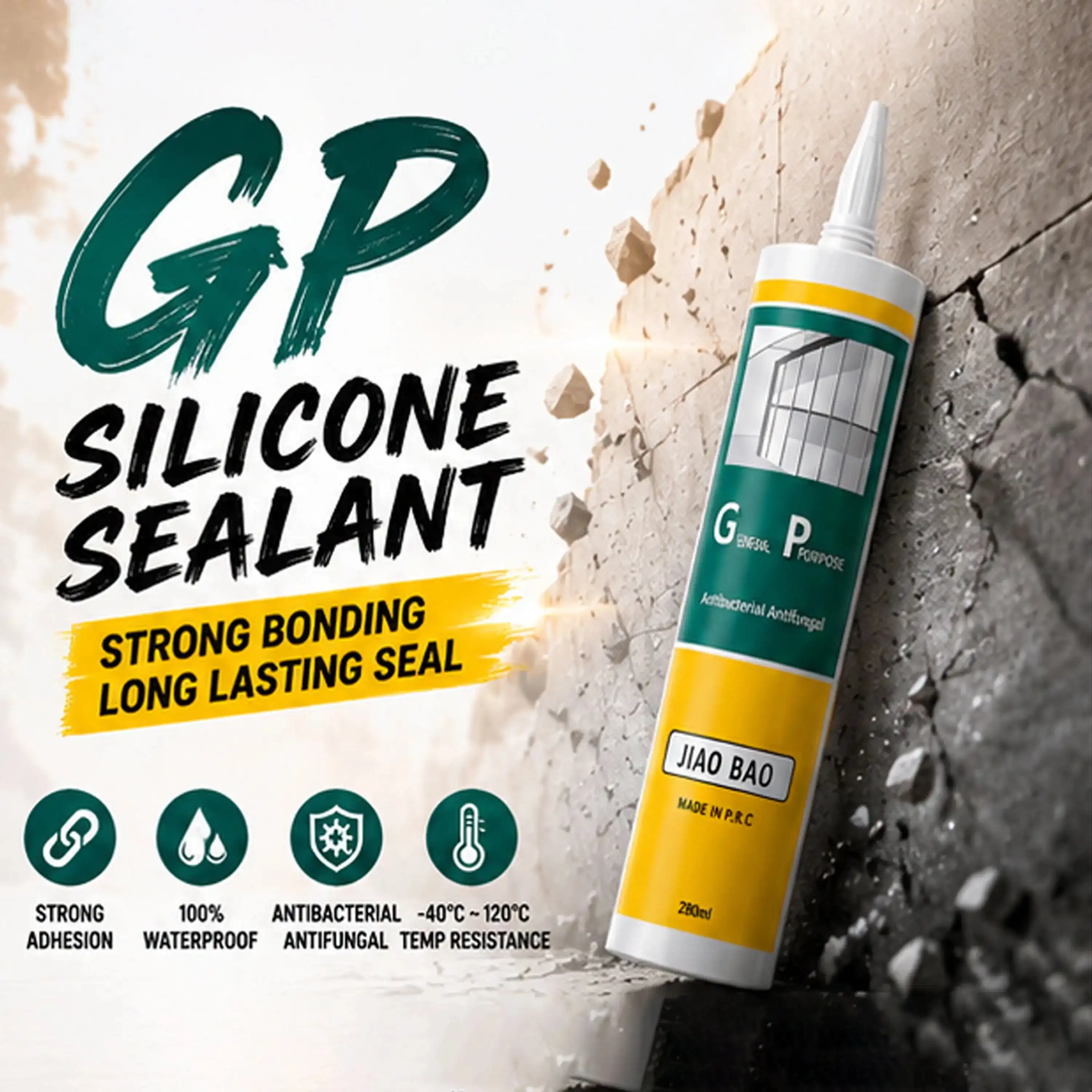
Material compatibility is what separates good installs from ones that fail and cost a lot of money. It is very easy for GP Silicone Sealant for Glass and Aluminum to stick to glass, anodized aluminum, powder-coated metal surfaces, glazed pottery and most building materials. The acidic curing process improves bonding by activating the surface, which makes strong bonds that don't need starters in most cases. But because they are acidic, GP Silicone Sealant for Glass and Aluminum seals don't work with natural stone, concrete, marble, or metals that aren't protected from rusting.
NP neutral cure sealants work well on a wide range of substrates, sticking to sensitive materials like natural stone, glass, metals, plastics, and covered surfaces. This versatility saves procurement managers time and space because they don't have to keep a lot of different types of sealant on hand. The neutral chemistry stops stains on porous surfaces and corrosion on metals that aren't covered, but this versatility usually comes at a higher cost than GP options.
In business construction, lifecycle value is based on how well the building lasts over time under stress from the surroundings. Both types of sealer are very resistant to weather, keeping their shape and sticking power for decades even after years of UV light, changing temperatures, and water getting in. GP Silicone Sealant for Glass and Aluminum is especially strong when used outside. It has been used successfully in curtain wall systems that are exposed to direct sunlight, acid rain, and industrial pollutants.
Quality GP Silicone Sealant for Glass and Aluminum have an anti-ultraviolet solution that stops them from turning yellow and breaking. This makes sure that the sealants last as long as they look. In addition to being resistant to these climatic factors, NP sealants are also chemically stable against cleaning agents, solvents, and other harsh substances that are common in food processing or industrial settings.
Timelines and labor costs are directly affected by how efficiently production is done. At 23°C and 50% relative humidity, GP Silicone Sealant for Glass and Aluminum loses its stickiness in 15 minutes. This means that window makers can work quickly on sealed units without smudging or moving the wet sealant. Full cure depth moves forward at a rate of about 3 mm every 24 hours, which lets multi-stage assembly processes move forward without having to wait for long periods of time.
NP neutral cure sealants need a little longer to cure at first, about 20 to 30 minutes to become tack-free under the same conditions, but they cure at the same rate. The moisture-activated drying system for both types means that no special equipment is needed. This means that small fabrication shops don't have to spend as much money on equipment and the products can be used in the field without the need for special heating or mixing equipment.
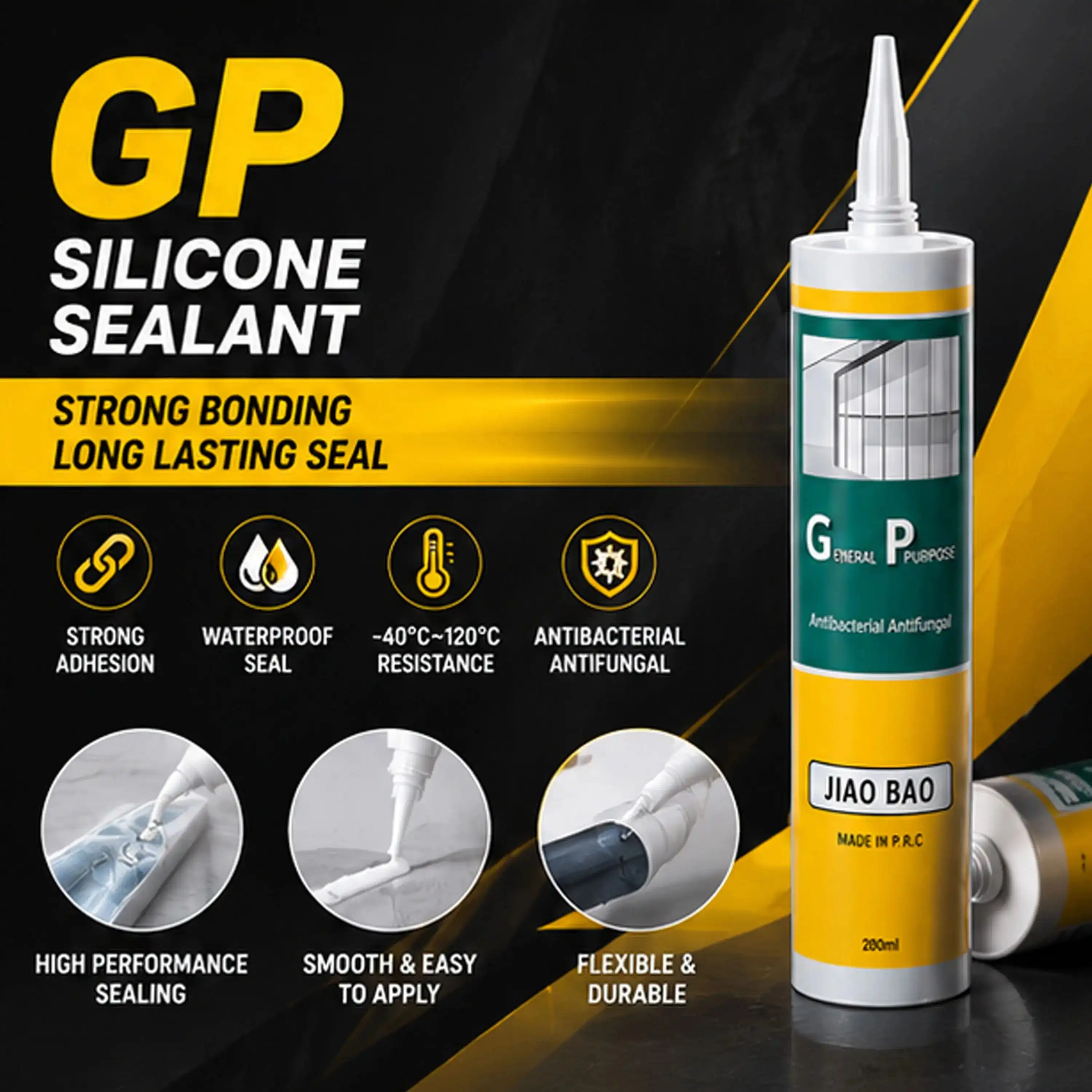
When trying to get the best price and performance, you can choose materials other than rubber. Contractors who need color-matched finishes like polyurethane seals because they can be painted on and stick well to porous surfaces. However, polyurethane is not as resistant to UV light as GP Silicone Sealant for Glass and Aluminum and breaks down and turns yellow after being in the sun for a long time. Polyurethane's service temperature range gets much smaller, which limits its uses in harsh conditions where glass and aluminum expand and contract a lot.
Silicone is more flexible and recovers better than polyurethane, so the seal stays intact even after many movement cycles that would break polyurethane. Glass fabricators who put long-term warranty responsibilities first know that GP Silicone Sealant for Glass and Aluminum's higher initial cost is worth it in the long run because it lowers the number of callbacks and upkeep needs.
Acrylic latex sealants are more cost-effective for use inside where they won't be moved around much or exposed to the weather. These water-based formulas are easy to clean, can hold paint, and don't give off strong smells when they're being used. Still, acrylic sealants don't have the flexibility and water resistance needed for exterior glazing. They break down quickly when they are exposed to constant water or a lot of joint movement.
When aluminum windows are used, the fact that they can be painted doesn't matter because GP Silicone Sealant for Glass and Aluminum beads can still be seen in the expansion joints and glass pockets. Silicone naturally keeps its color and doesn't let mildew grow, so it doesn't stain or break down biologically like plastic goods do in damp places.
In addition to the usual GP Silicone Sealant for Glass and Aluminum and NP silicones, modified polymer sealants try to fill in performance gaps with hybrid chemicals. These goods have the flexibility of silicone and the adhesion properties of polyurethane. They can be painted and have better moving capabilities. Curtain wall contractors look at hybrid sealants for uses where they need to match the color of the wall after installation or stick to tough surfaces.
Performance tests show that hybrid technologies give up some of the best things about silicone, like being able to withstand high temperatures and chemicals, in order to make them paintable. When purchasing things, people have to weigh these pros and cons against the needs of the specific project. For example, they have to decide if keeping different primer and paint systems for finishing looks good because the GP Silicone Sealant for Glass and Aluminum performs better.
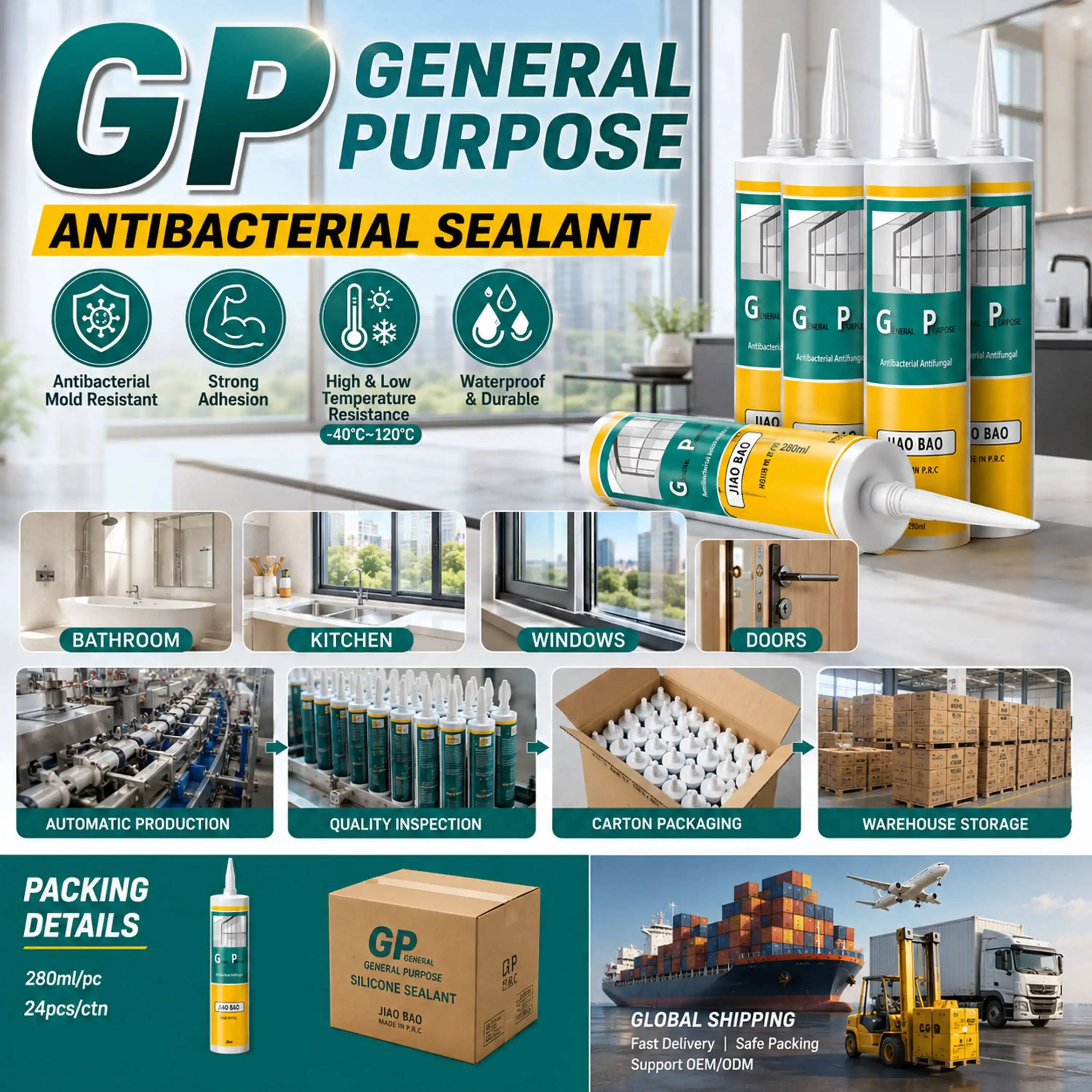
To find trusted suppliers, you need to look at their producing qualifications, quality certifications, and shipping options. The most reliable ways to get regular product quality and expert help are through authorized distributors and direct relationships with manufacturers. Wholesalers of building materials are convenient and have well-established logistics networks. However, their price structures may include markups for delivery that cut into project margins.
Procurement managers should make sure that the suppliers of GP Silicone Sealant for Glass and Aluminum have ISO 9001 quality management certification, ASTM C920 or an equivalent performance certification, and technical data sheets with actual test results when they are looking for suppliers. Before making large purchases that will be used on many project sites, sample testing tools let you make sure that the adhesion, cure, and color stability work as expected.
Strategic ordering patterns that are in sync with project timelines can help the economy. Sealant makers usually have different price levels based on how much they need. If you buy a pallet or container full, you can save a lot of money per unit. Window fabricators who keep up steady production runs can save money by setting up blanket purchase orders with planned releases. This way, they can get big discounts without having to worry about inventory costs or shelf life.
Quality GP Silicone Sealant for Glass and Aluminum seals have a shelf life of 12 months, which gives you some room to maneuver when managing your inventory. However, it's still important to store them in a cool, dry place out of direct sunlight to keep their properties. Distributors that offer consignment plans or just-in-time delivery programs help smaller fabricators get the bulk pricing benefits of larger companies without having to worry about warehouse space or working capital.
To protect the project's results, you need to set up processes for inspecting arriving materials. A visual check makes sure that the cartridge is whole, that it is labeled correctly, and that there are no separations or skinnings that would show bad storage. A few easy tests in the field can confirm the tack-free time and extrusion rate, showing if the material is breaking down or getting contaminated before the sealer gets to the production lines.
Tests of adhesion-in-peel on common substrates like anodized aluminum, powder-coated frames, and toughened glass are very important for confirming performance. When a good GP Silicone Sealant for Glass and Aluminum fails to adhere to its joined sides, the material tears on the inside instead of coming apart neatly. If an adhesive fails, it means that the formulation was bad, the substrates were contaminated, or the material has expired and needs to be thrown away before expensive installation failures happen.
To get seals that last, the surface must be carefully prepared according to best practices in the business. Using two cloths and isopropyl alcohol (IPA) to clean oils, dust, and other impurities from aluminum profiles and glass surfaces works well. The method involves wiping the joint area with a cloth that has been saturated with a solvent and then wiping it again with a dry cloth before the solvent evaporates. This stops the dissolved contaminants from re-forming.
Anodized and powder-coated aluminum surfaces stick to GP Silicone Sealant for Glass and Aluminum easily without starters as long as they are cleaned properly. Mill-finish or bare aluminum needs neutral fix formulas to keep it from rusting. Wiping down glass surfaces should be done so that no cleaner films are left behind that get in the way of bonding. The best way to design a joint is to keep the width-to-depth ratio between 2:1 and 4:1. This spreads stress evenly and gives the sealant enough room to move.
Consistent bead placement and moulding method have a direct effect on how well the seal works and how it looks. Caulking guns that are powered by air or batteries can keep the pressure steady and make bead profiles that are all the same, with no gaps or other problems. When you keep the nozzle angle at 45 degrees and move forward at a steady speed, you get beads that are the right shape and fill the joint cross-sections completely.
Using tools right away after applying GP Silicone Sealant for Glass and Aluminum presses it into close touch with the base, getting rid of air spaces and smoothing the surface. With the right tools, you can make concave shapes that spread stress more evenly during joint movement and give the glass a clean, professional look that is valued in architecture. Before skin starts to form, extra sealant should be taken off because hardened silicone doesn't leave behind any residue or damage the surface.
When you take care of problems right away, small mistakes don't turn into expensive fails. Usually, bubble creation means that the surfaces are dirty, the tooling pressure is too high, or the joints haven't been primed enough. Failures in adhesion can be caused by not properly preparing the surface, using substrates that don't work well together, or using old GP Silicone Sealant for Glass and Aluminum material. Discoloration could be caused by contamination from substrate bleeding, cleaning agents that don't work well with the material, or plasticizer moving from nearby materials.
Having enough air flow during the coating process keeps workers safe from acetic acid vapor and speeds up the start of the moisture cure. Personal protective equipment, like safety glasses and nitrile gloves, keeps your eyes and skin from getting hurt. These safety steps go along with good work and make sure that projects meet both the performance standards and health and safety requirements that are normal in professional building sites.
When deciding between GP Silicone Sealant for Glass and Aluminum and NP silicone sealants, each glass and aluminum project's material suitability, performance needs, and cost must all be taken into account. GP Silicone Sealant for Glass and Aluminum acetoxy formulations offer high-performance sealing at a low cost for standard glazing applications involving anodized or coated aluminum surfaces. They cure quickly and have great weather resistance. NP neutral cure options meet specific needs like those involving sensitive surfaces, interfaces between different materials, and corrosion-free needs. When procurement managers, project engineers, and window fabricators know about these basic differences, they can choose the right materials for installations that are quick, last a long time, and keep out the weather in demanding architectural settings.
Anodized and powder-coated aluminum, which is often used to make windows, works really well with GP Silicone Sealant for Glass and Aluminum. But bare mill-finish aluminum needs neutral cure formulas because the acetic acid that is released during GP Silicone Sealant for Glass and Aluminum curing can corrode metal surfaces that haven't been treated, which can damage the substrate and make the bonding fail.
Using low-grade "extended" silicones that have too many mineral oils or petroleum fillers can cause joints to fail early. Over time, these solvents evaporate, making the GP Silicone Sealant for Glass and Aluminum bead smaller. This creates stress inside the bead that can tear cohesively or separate adhesively from substrates. Formulations of good quality from well-known companies keep their amounts stable over time.
Isopropyl alcohol and two cloths are the best ways to get rid of oils, dust, and other pollutants. Clean the joint area with a cloth that has been soaked with solvent. Then, use a dry cloth right away to stop the solvent from evaporating. This method keeps dissolving contaminants from being re-deposited, so the joining surfaces are clean and the adhesion is good without the need for primers.
Silicone has a naturally non-stick surface that keeps paint from sticking, so GP Silicone Sealant for Glass and Aluminum and NP sealants can't be used for painting. If the outside of an architectural project needs to be painted, the painting should be done before the sealer is applied. Alternatively, you could use modified polymer hybrid sealants that are made to be paintable, but they don't have all the performance benefits of silicone.
The Shandong Jiaobao New Material Co., Ltd. has been making high-quality GP Silicone Sealant for Glass and Aluminum for more than 13 years. Our one-part, moisture-curing acetoxy mixture has a tack-free time of 15 minutes, a tensile strength of over 300%, and steady performance from -50°C to +150°C. You can choose from 300ml and 600ml sizes, and the colors can be changed to white, black, gray, or formulations that match RAL colors. Our products meet ISO certification standards and ASTM requirements for international markets.
Our benefits over our competitors include short production lead times (1-2 weeks), the ability to customize products for OEM/ODM customers, and full after-sales support, including promises for refunds or replacements for any quality problems within the product's shelf life. GP Silicone Sealant for Glass and Aluminum mature production processes and strict quality control systems ensure consistent quality whether you run a curtain wall fabrication plant, a window manufacturing plant, or a distribution network for the fenestration industry. You can email our technical team at dorashen@cnjiaobao.com to ask for samples, talk about project details, or look into bulk purchasing choices that will lower your supply chain risks and make sure your project is finished on time.
1. American Society for Testing and Materials (ASTM). "ASTM C920: Standard Specification for Elastomeric Joint Sealants." ASTM International, 2018.
2. Klosowski, John M. and Wolf, Arthur T. "Silicones for Architectural Applications." Handbook of Sealant Technology, CRC Press, 2009.
3. Panek, Julian R. and Cook, John P. "Construction Sealants and Adhesives: Fourth Edition." John Wiley & Sons, 2012.
4. International Organization for Standardization. "ISO 11600: Building Construction - Jointing Products - Classification and Requirements for Sealants." ISO Standards, 2002.
5. Damusis, A. "Sealants: The Professional's Guide." Craftsman Book Company, 1984.
6. Beech, John C. "The Chemistry and Technology of Silicones and Siloxane Polymers." Journal of Applied Polymer Science, Vol. 42, 1991.
November 16,2023
Enterprise Name
The sealant has very strong adhesion and performs well even on glass and aluminum. After curing, it remains flexible and shows no cracking. Perfect for our facade projects.
November 16,2023
Enterprise Name
Stable quality across batches. Our customers especially like the smooth application and consistent extrusion. It helps reduce installation time on site.
November 16,2023
Enterprise Name
I used it for bathroom sealing. Excellent waterproof performance and no mold issues so far. It's been holding up very well in humid conditions.
November 16,2023
Enterprise Name
The neutral silicone works well on sensitive materials without corrosion. Very suitable for industrial applications requiring stable performance.
_1779347426672.webp)