November 16,2023
Enterprise Name
The sealant has very strong adhesion and performs well even on glass and aluminum. After curing, it remains flexible and shows no cracking. Perfect for our facade projects.
Aug 4, 2026
Fire Rated Silicone Sealant for Joints delivers critical protection by creating flexible, heat-resistant barriers at building joints that prevent flames, smoke, and toxic gases from spreading during fire emergencies. Unlike conventional sealants that deteriorate under high temperatures, fire-rated formulations maintain structural integrity when exposed to extreme heat, effectively compartmentalizing fire zones and providing occupants with vital evacuation time. This specialized sealant addresses the vulnerabilities inherent in expansion joints, door frames, window perimeters, and penetrations where fire can otherwise travel rapidly through multi-story buildings.
Fire Rated Silicone Sealant for Joints are very important for making business and industrial buildings safer in case of fire. They do this by closing joints well so that fire and smoke don't spread. Choosing the right sealant is very important for making sure that strict safety standards are met and that the structure stays intact at high temperatures. This guide is for purchasing managers, engineers, contractors, distributors, and OEM clients. It gives a full picture of Fire Rated Silicone Sealant for Joints so that buyers can make smart choices that protect buildings and improve project results.
When there is a fire in a high-rise building or an industrial facility, joints that aren't sealed or aren't sealed properly become dangerous ways for the flame to spread. Passive fire protection measures put in place during building can often make the difference between a small fire and a huge loss. It can be hard for business-to-business sellers to find sealants that not only meet technical requirements but also local building rules and project budgets and schedules.
Fire Rated Silicone Sealant for Joints are specially made compounds that keep joints from coming apart and stop fires from spreading in an emergency. For them to work, they need to be able to withstand high temperatures, form char, and stay flexible so that they can keep sealing even when temperatures are very high.
These high-tech seals are made of silicone resins that are strengthened with ceramic fillers and flame-retardant chemicals. When the material is heated above 1000°C, it goes through controlled charring that makes an insulating barrier. This layer of char grows a little, filling in gaps made by thermal growth while keeping air from getting to the fire. As long as silicone is used properly, its chemical structure stays stable at temperatures ranging from -50°C to +150°C.
There are different kinds of joints that fire-resistant sealants can be used for, such as expansion joints that let buildings move, border joints around door and window frames, and penetration seals where pipes or wires go through fire-rated walls. Different uses need different backing materials and depth-to-width ratios. A mineral wool backing with a density of more than 100 kg/m³ usually supports the sealant and helps the assembly's overall fire rating.
Professional-grade goods have labels that say they meet UL standards, ASTM E1966 standards for joint systems, and EN 1366-4 European standards. These approvals show that the sealant keeps its integrity (E rating) and insulation (I rating) for a certain amount of time, usually between 120 and 240 minutes. Teams in charge of buying things should make sure that the test papers fit the exact joint setup they have planned for their projects, down to the materials used for the substrate and the sizes of the joints.
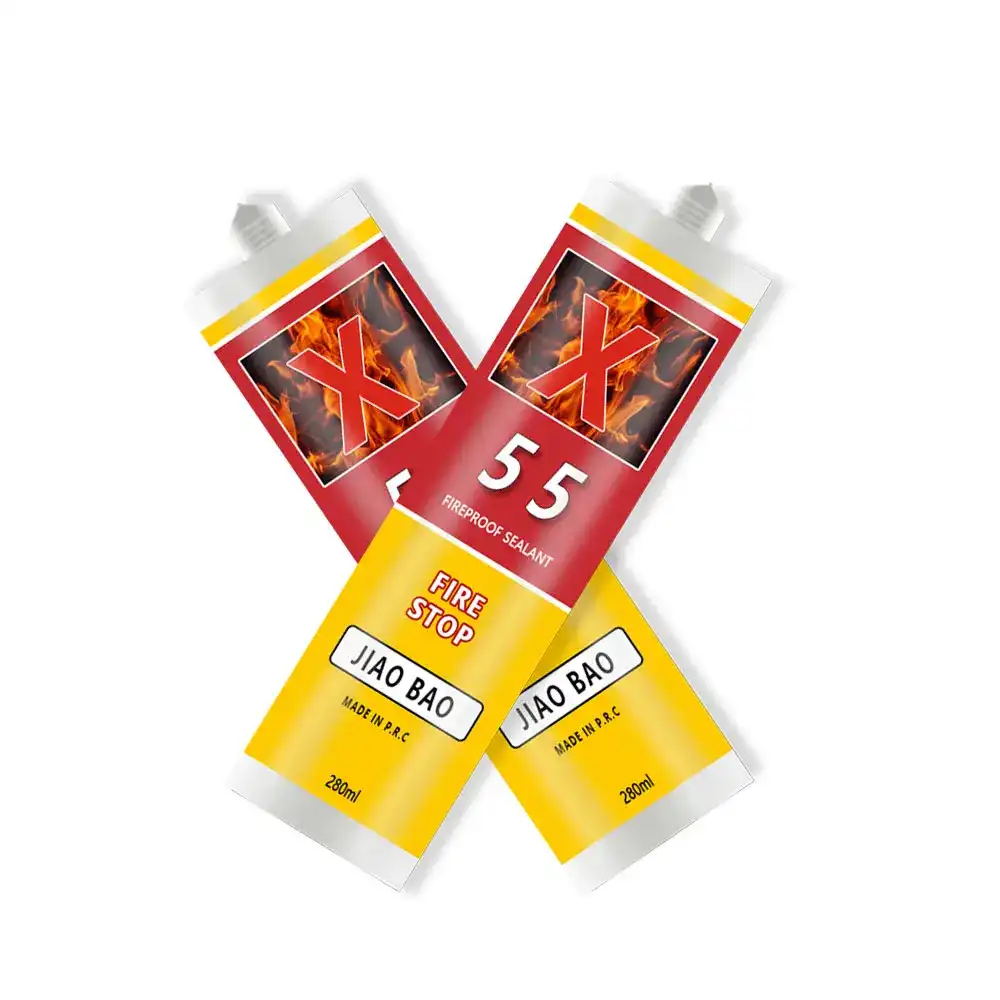
Fire Rated Silicone Sealant for Joints are better at resisting fire than regular silicone or other sealants like intumescent acrylics. They can also handle higher temperatures better and last longer.
Once they dry, standard acrylic-based fire seals become stiff, which means they can't be used in areas that move or change temperature. Silicone mixtures stay flexible and can move up to ±25% to ±50% of the joint's length, which is called Class 25LM or 50LM according to ISO 11600 standards. This adaptability is very important for curtain wall uses where the facade and structure frame are always moving in different ways. The seal doesn't crack or delaminate even after many rounds of stretching and shrinking because the elastic recovery rate is over 80%.
Silicone that is marked for fire protection is very resistant to weathering, UV radiation, ozone exposure, and water getting in. Because of these qualities, it is the best choice for outdoor uses where regular seals break down in 5 to 10 years. Silicone has naturally hydrophobic properties that keep water away while letting some vapour pass through. This keeps wetness from building up inside wall sections. The low VOC emissions of the material meet the requirements of LEED v4 and SCAQMD Rule 1168, which are stricter environmental rules in commercial construction.
While regular adhesives might not work at temperatures below -20°C or above 80°C, Fire Rated Silicone Sealant for Joints will keep working from -40°C to +150°C. This temperature stability is very important in places like factories that use process heat or buildings that are in harsh areas. In the event of a fire, the sealant can withstand direct flame contact without melting or giving off toxic smoke, unlike some polymer-based alternatives that do.
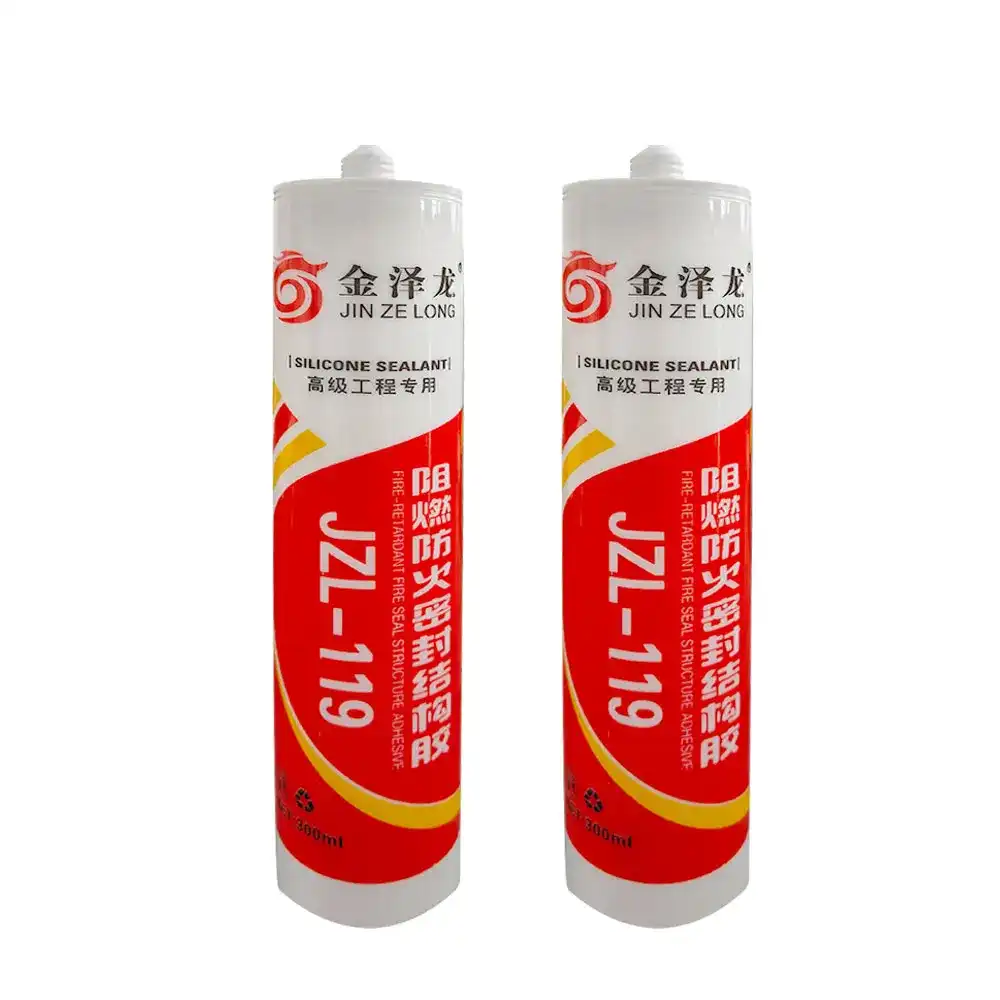
To choose the best Fire Rated Silicone Sealant for Joints, you have to look at a lot of academic and practical factors that are in line with the needs of the project and the rules set by the government.
First, use architectural plans and fire safety engineering calculations to figure out what fire rating is needed for each joint position. Wall penetrations in the edges of fire compartments usually need rates of 2 or 3 hours, while outer joints may only need 1 hour of protection. Check your local building codes because they are very different from one place to another. Tell them if you need protection for only integrity or protection for both integrity and insulation. Keep in mind that EI grades cost more but work better.
Carefully figure out the joint sizes, making sure that the width-to-depth ratio stays between 2:1 and 4:1 for best performance. Backing materials that help resist fire should be used instead of standard polyethylene backer rods that melt in fires for joints wider than 50 mm. Think about how much the joint is likely to move. Buildings in earthquake areas or those with big temperature differences need seals that can withstand a lot of movement. Surface substrates also play a role in the choice. Concrete and other porous materials may need primers, but glass and aluminium usually bond without any surface preparation.
Tight building plans are often required by project schedules. At 25°C and 50% relative humidity, standard Fire Rated Silicone Sealant for Joints formulations cure at a rate of about 3 mm per 24 hours. Deep joints might need more than one day to fully cure, which could slow trades that come after. Skin-over time, the amount of time before the surface loses its stickiness, is between 45 and 60 minutes. This changes the chance of picking up dust on busy construction sites. There are formulations that cure faster, but they may not have the same end qualities or cost a lot more.
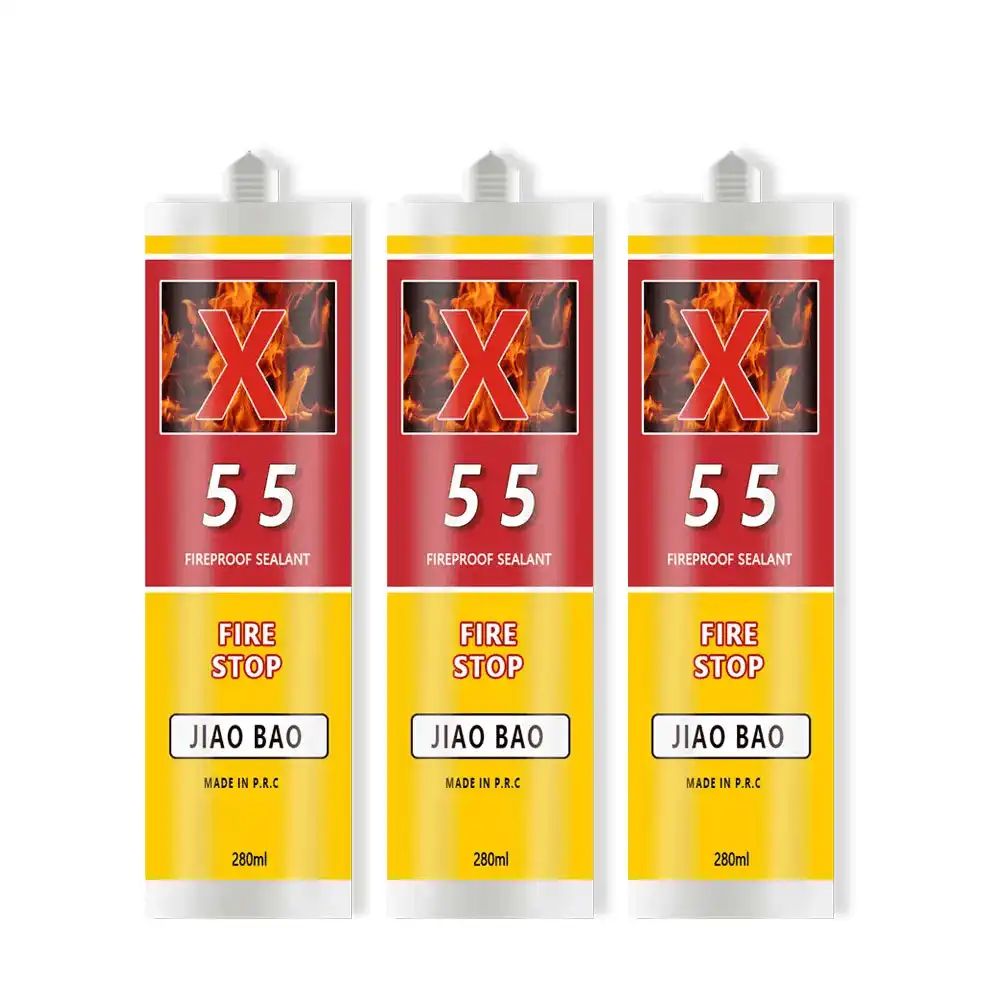
Jiaobao's fire-resistant RTV silicone caulk meets professional standards and can be used in tough situations. This one-part acidic mixture has a density of 1.40 g/m³ and a 99.5% non-volatile content. It works well for construction joints, door and window seals, and through-penetrations. According to GB 13477 norms, the product has no slump, which is very important for vertical joints where material sag would lower the fire rating. It comes in 300ml and 600ml sizes and can be customised in colours like white, black, and grey. It meets a range of stylistic needs and has a 12-month shelf life for easy inventory management.
It is directly related to proper application whether the installed system will work as tried in real fire situations. Clean all the sides of the joints, getting rid of any dust, oil, loose particles, or glue that was there before. Because water gets in the way of adhesion and curing, substrates should be dry. When working with odd coatings or materials, test the adhesion on sample bases. Putting masking tape along the sides of the joint makes clean Fire Rated Silicone Sealant for Joints lines and makes working easier, but it needs to be taken off before the skin forms completely so that the sealant surface doesn't get torn.
Thoroughly clean all the sides of the joints, getting rid of any dust, oil, loose particles, or glue that was there before. Because water gets in the way of adhesion and curing, substrates should be dry. When working with odd coatings or materials, test the adhesion on sample bases. Putting masking tape along the sides of the joint makes clean sealant lines and makes working easier, but it needs to be taken off before the skin forms completely so that the sealant surface doesn't get torn.
Before applying the sealant, make sure the backing materials are in place and at the right depth. The backing is very important because it controls the depth of the sealant, stops three-sided adhesion that makes it hard to move, and adds thermal insulation to fire-rated assemblies. Apply the sealant in long beads that don't break, making sure that all the gaps are filled and there are no air pockets. Quickly use the right tools on the surface to make slightly concave shapes that help load be spread out better when the joint moves. Do not over-tool, as this can make the sealer too thin to fit the required measurements.
Keep the temperature outside between 5°C and 40°C while the paint is being applied and the first curing phase begins. Unpredictably, extreme temperatures can either slow or speed up the curing process. Keep rain off of sealant that hasn't fully dried for at least six hours, and keep it from getting damaged until it has. In places with a lot of air, drying may happen a little faster, while in dry places, it may take longer. Sealant joints that have just been put in should not be subjected to mechanical stress or vibration until the polymerisation process is complete.
Visually check to make sure that the joints are completely filled, that they are adhering properly, and that there are no gaps or holes. For warranty purposes and building maintenance records, write down the dates of installation, the weather, the batch number, and the location of the joints. Setting up quality control checkpoints during big projects keeps expensive rework from happening and makes sure that the quality of installation is the same for all teams or companies working on the project.
When an industry buys a lot of things, it needs to have strategic ties with its suppliers and strict quality control methods for Fire Rated Silicone Sealant for Joints. Partner with manufacturers that can show they offer full technical support, such as on-site training and application troubleshooting. Shandong Jiaobao New Material Co., Ltd. has been in business since 2013 and has become known for making high-quality colour silicone sealants. They have a lot of experience with both neutral and acidic formulations. Their 13-year history of production shows that their processes are mature and consistent, which is important for big projects. Check that possible suppliers have ISO, CE, and any other relevant fire testing certifications. This will make sure that the goods meet international standards and the requirements for importing them into different markets around the world.
Partner with manufacturers that can show they offer full technical support, such as on-site training and application troubleshooting. Shandong Jiaobao New Material Co., Ltd. has been in business since 2013 and has become known for making high-quality colour silicone sealants. They have a lot of experience with both neutral and acidic formulations. Their 13-year history of production shows that their processes are mature and consistent, which is important for big projects. Check that possible suppliers have ISO, CE, and any other relevant fire testing certifications. This will make sure that the goods meet international standards and the requirements for importing them into different markets around the world.
To get a good idea of how much material you will need, ask for detailed technical datasheets that include test reports, application guidelines, and yield calculations. Use the method yield per metre = joint width (mm) times joint depth (mm) / 1000 to find the yield per cartridge (based on joint measurements). A 20mm x 10mm joint uses about 200ml per straight meter, which means that a 600ml cylinder covers about 3 meters. Adding 10-15% waste factors takes into account trimming and tooling losses. Talk about volume price models that keep quality standards high while lowering unit costs on big orders.
Check to see how well the supplier can perform, especially for foreign jobs that need shipping in containers. Jiaobao has production lead times of one to two weeks and a variety of shipping options by sea and land to meet a wide range of logistics needs. Their goods have a shelf life of 12 months, which means that you can store enough of them to cover a phased building schedule without worrying about the materials breaking down. Plan delivery times around construction milestones to keep sealant from having to be stored on-site for too long or being exposed to temperature changes that could make it hard to work with.
Before placing a large order, ask for samples of the product and try them yourself to see how easy they are to work with, how well they stick to project-specific substrates, and how well they work with other building materials. Make small models that look like real joints to make sure the application is possible and to get an idea of how much work will be needed. This step of proof keeps incompatibilities from being found after the materials have been bought, when making changes would cause delays and cost overruns.
Fire Rated Silicone Sealant for Joints is an important investment in building safety infrastructure that keeps people and property safe by passively preventing fires. During the selection process, technical performance requirements, legal compliance, application practicality, and the cost of purchase must all be balanced. Understanding the main differences between standard and fire-rated seals, checking product certifications correctly, and working with makers with a lot of experience will help your project succeed.
Jiaobao is dedicated to making professional-grade silicone sealant. They have over ten years of experience making things and strict quality control systems, which makes them a reliable partner for procurement managers and fire protection contractors. Their wide range of products, ability to be customised, and quick response to logistics needs meet the complex needs of modern construction projects that need to be safe and run efficiently.
Professional Fire Rated Silicone Sealant for Joints keep working in temperatures ranging from -40°C to +150°C when they are in normal use. This operating frequency makes sure that the system works well in both arctic building sites and tropical areas that get a lot of sun. When exposed to a real fire, these materials can withstand temperatures above 1000°C for the rated durations without breaking down. However, this is only for emergency situations and not normal use.
Electrical penetration joints through fire-rated walls need to be completely filled in around cables or conduits. This is usually done with backing materials that are shaped to fit odd shapes. Building wall expansion joints need certain depth-to-width ratios and must be able to handle ongoing movement without losing their ability to stick together. The first one focuses on getting rid of all voids, while the second one focuses on elasticity and movement tolerance. For both uses, the right covering material must be chosen, but expansion joints never use three-sided binding patterns that would make it hard to move.
Fire Rated Silicone Sealant for Joints companies with a good reputation have two sets of certifications that cover ASTM E1966, UL 2079 (North America), EN 1366-4, and EN 13501-2 (Europe). Different parts of the world have different certification standards when it comes to test methods and classification systems. When buying things for businesses, B2B teams should make sure that the test reports for each product match the rules that apply to their project. For example, a UL-listed product might need a separate European Technical Assessment for EU projects. Always ask for test certificates that are specific to the joint configuration and substrate combination you are using.
Jiaobao sells professional-grade Fire Rated Silicone Sealant for Joints that are resistant to fire and are made to meet the strict requirements of current fire safety building. Because we use special RTV silicone mixtures, we can cover construction joints, door and window edges, and through-holes in industrial and business buildings. We help procurement teams manage tight project schedules by offering competitive pricing for large orders, ISO and CE certifications that guarantee compliance with international standards, and production times of just one to two weeks.
As a well-known company that makes Fire Rated Silicone Sealant for Joints and can do both OEM and ODM, we can make our goods fit the needs of each area and project. Our technical support team can help you choose the best material by giving you application advice, doing yield calculations, and checking for compatibility issues. Your investment in procurement is protected by quality guarantees that include refunds or replacements for any defects that happen during the shelf life. You can email our sales team at dorashen@cnjiaobao.com to get technical datasheets, sample goods to use in your project, or bulk prices for your future fire protection projects.
1. Chen, W., & Liu, M. (2021). Performance Evaluation of Fire-Resistant Sealants in Building Joint Systems. Journal of Fire Protection Engineering, 31(2), 145-168.
2. International Code Council. (2021). International Building Code Chapter 7: Fire and Smoke Protection Features. ICC Publications.
3. Martinez, R., & Thompson, K. (2020). Passive Fire Protection in Modern Construction: Materials and Applications. Architectural Press.
4. National Fire Protection Association. (2022). NFPA 221: Standard for High Challenge Fire Walls, Fire Walls, and Fire Barrier Walls. NFPA Publications.
5. Underwriters Laboratories. (2019). UL 2079: Standard for Tests for Fire Resistance of Building Joint Systems. UL Standards Technical Panel.
6. Zhang, H., Wang, J., & Anderson, P. (2023). Silicone-Based Fire Barriers: Chemistry, Testing, and Real-World Performance. Construction Materials Science Quarterly, 18(4), 312-335.
November 16,2023
Enterprise Name
The sealant has very strong adhesion and performs well even on glass and aluminum. After curing, it remains flexible and shows no cracking. Perfect for our facade projects.
November 16,2023
Enterprise Name
Stable quality across batches. Our customers especially like the smooth application and consistent extrusion. It helps reduce installation time on site.
November 16,2023
Enterprise Name
I used it for bathroom sealing. Excellent waterproof performance and no mold issues so far. It's been holding up very well in humid conditions.
November 16,2023
Enterprise Name
The neutral silicone works well on sensitive materials without corrosion. Very suitable for industrial applications requiring stable performance.
_1779347426672.webp)