November 16,2023
Enterprise Name
The sealant has very strong adhesion and performs well even on glass and aluminum. After curing, it remains flexible and shows no cracking. Perfect for our facade projects.
Sep 1, 2026
When industrial facility managers face the twin challenges of fire safety and steel structure preservation, selecting the right sealing material becomes mission-critical. Fireproof neutral silicone sealant solves these dual concerns by creating long-lasting fire barriers without causing corrosion damage to metal substrates. Unlike acidic-cure alternatives that release corrosive acetic acid during vulcanization, neutral-cure formulations protect steel structures while delivering robust fire containment. This guide walks you through the technical fundamentals, practical applications, and procurement strategies that matter to construction professionals managing large-scale industrial building projects.
The science behind neutral-cure fire-resistant sealants is a big step forward from regular silicone products. These mixtures don't release acetic acid when they cure; instead, they release alcohol or oxime compounds. This means that they can be used on sensitive materials like galvanized steel, aluminum panels, and copper parts. The lack of corrosive waste is especially helpful in steel structure buildings, where the safety of the structure depends on the stability of the metal over many years of use.
Silicone materials that can withstand high temperatures and ceramic fillers are what make fire barriers work. When the material is put near flames that reach 800–1000°C, it carbonizes in a controlled way instead of melting or dripping. This char formation makes a thick shield that acts like clay and stops heat from moving and stops flames from spreading through joint holes. The silicone matrix keeps its shape even when temperatures rise, which makes sure the seal stays in place during important evacuation times.
One thing that makes it unique is that it can work in temperatures ranging from -50°C to +150°C. This thermal resistance makes sure that the sealant works reliably whether it is used in cold stores or factories that use high temperatures for production. Movement of up to ±20% to ±50% allows for structure growth, seismic shifts, and changes in temperature without affecting the stability of the seal. A Class 1 W rating for water resistance stops water from getting in, which could weaken fire safety or speed up foundation corrosion.
In order to meet international fire safety standards, strict testing methods must be followed. As per ASTM E814 and UL 1479 guidelines, good formulations have fire resistance scores of 1 to 4 hours. These certifications show that the sealant can keep fires inside certain areas for a long enough time for people to leave and for emergency services to arrive. Products with ISO and CE badges are consistently made to high standards that meet global building laws.
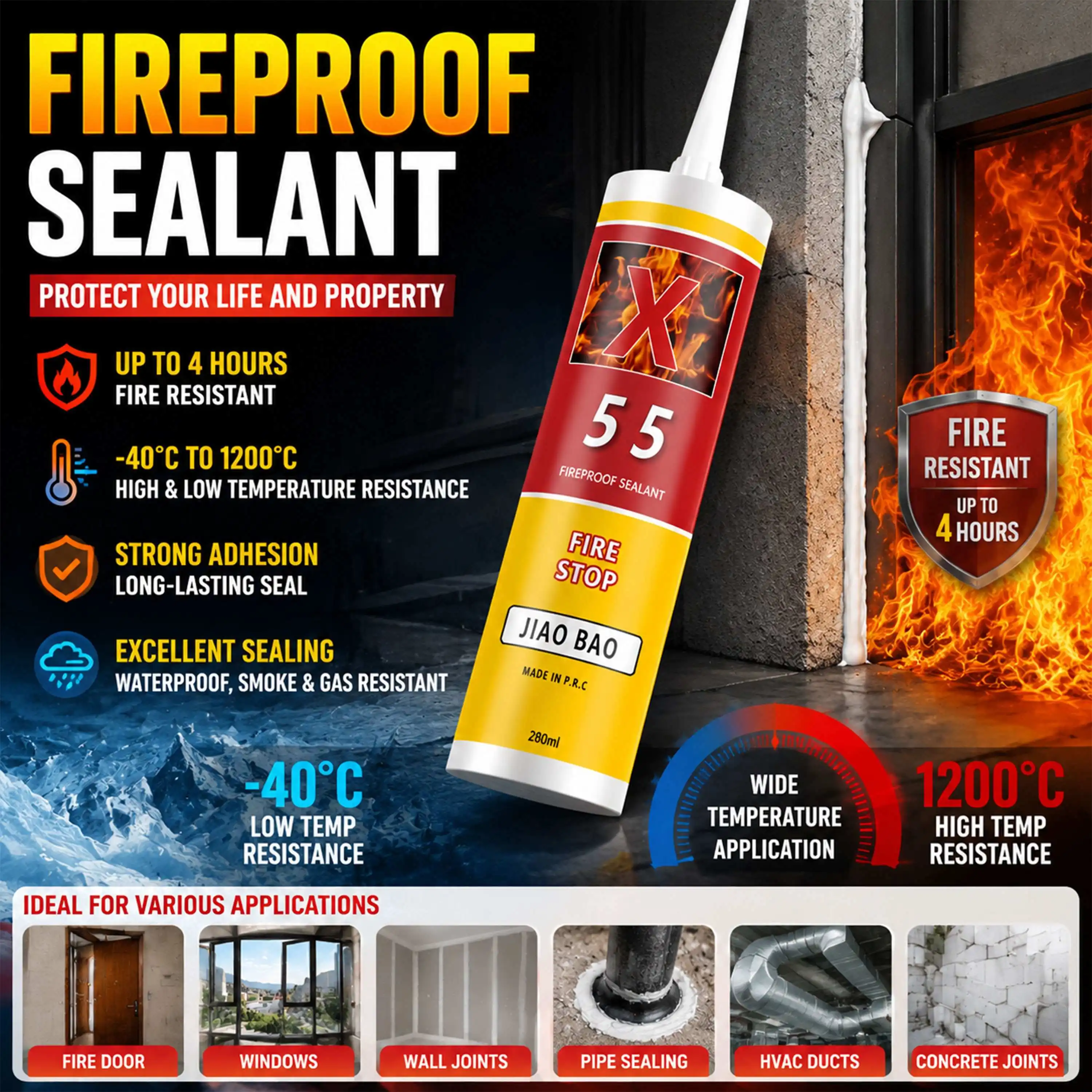
Materials used in industrial construction need to be able to work in a variety of tough conditions at the same time. The benefits of neutral-cure fire seals go beyond just preventing fires; they also help with practical issues that come up during installation and while the building is being used.
Fireproof Neutral Silicone Sealant is a prime example of such a material, as it combines fire resistance with neutral-cure stability, making it especially effective in sealing joints and gaps without releasing corrosive byproducts, thereby enhancing both safety and long-term durability in demanding environments.
Because it doesn't corrode, it keeps steel frames, metal roof panels, and aluminum curtain wall systems from breaking down chemically. This flexibility is very important in places where changing corroded structure parts would require lengthy and expensive shutdowns. Exterior seals keep doing their job of protecting against UV radiation, ozone, and acid rain because they are resistant to these weather conditions. The 99.5% non-volatile material keeps shrinkage to a minimum while the concrete cures, keeping the joints fully filled without any holes that could let fires through.
When fire-rated joints need to be sealed between floor slabs and exterior cladding, steel structure factories are the best places to do it. Temperature changes and structural loads cause the expansion joints in these buildings to move a lot, so they need a sealant that is both flexible and fire-resistant. The material can stick to glass, metal frames, and concrete all at the same time, which makes it useful for closing the edges of windows and doors in fire-rated buildings.
Another important use is for electrical penetrations through fire-rated buildings. Cable bundles, pipe runs, and HVAC ductwork can all be used to spread fire and smoke. Neutral silicone formulations fill in these gaps without damaging the copper wiring or aluminum ducting, so the fire safety and system functionality are both kept up. This property of not corroding is especially valuable in industrial parks where chemicals are processed or electronics are made.
Silicone seals are better at withstanding high temperatures and last longer than polyurethane foam coatings. Polyurethane can break down in long-term UV exposure and loses its flexibility over time, so it needs to be fixed more often. Acrylic-based fire sealants can be painted, but they don't resist water or allow for movement, which are important for exterior joints in industrial buildings. High-performance silicone sealants cost more at first, but they pay for themselves by lasting longer and requiring less maintenance work.
When making decisions about what to buy for big industrial projects, you have to balance technical requirements with budget limits and the reliability of the supplier. The decision process is easier to handle when it is broken down into clear evaluation factors that are in line with the needs of the project.
Fire resistance scores must meet or go beyond the requirements set by fire safety experts for building design. For a building to meet the standards for 3-hour fire compartmentation, the sealants must be tried and approved to last that long. Fireproof Neutral Silicone Sealant is particularly well-suited for such demanding applications, as its neutral-cure chemistry ensures strong adhesion without damaging substrates, while its proven fire-rating performance helps assemblies achieve the required endurance.
Material compatibility testing makes sure that the sealant sticks well to all of the surfaces in the joint assembly, like painted steel, coated glass, concrete, or anodized aluminum. Joint dimension calculations figure out how much movement is needed based on how much the structure is expected to bend and expand due to heat.
You can be more sure that the quality will stay the same for big orders if you buy from established makers with a history of production. Companies that have been around for more than ten years have probably improved their formulas and ways of checking for quality. Certifications from well-known testing labs back up claims of ability with independent confirmation. Referrals from customers who have worked on projects that are similar to the size and scope of the work you want to do can tell you a lot about how reliable a supplier is and how well their products work in real life.
Jiaobao has been making things since 2013, which shows that they have a specialized focus that makes reliable products. Production lead times of one to two weeks keep project plans on track without having to store too much material. Logistics that are flexible enough to handle both sea and land freight can fit projects in a variety of industry zones.
Low-VOC products help green building standards by improving the quality of the air inside during and after installation. Some mixtures use recycled silica fillers without changing how well they work in fires, which is in line with companies' efforts to be more environmentally friendly. Longer work lives mean that things don't need to be replaced as often, which is better for the earth because it means less waste and material consumption.
The long-term effectiveness of fire protection depends directly on how it is applied. Even high-quality sealants don't work as well when important steps for preparation are skipped or when manufacturer instructions aren't followed.
Adhesion that lasts is based on surfaces that are clean and dry. Oil residues, dust buildup, and rust scale make it impossible for the sealant and substrate to stick together properly. Cleaning with a solvent wipe gets rid of dirt and grime, and wire brushing gets rid of fine dirt on porous surfaces. For some surfaces, like uncoated concrete or chemically treated metals, priming may be needed to improve adhesion and make sure the fire seal stays in place during heat stress.
Professional caulking guns have consistent pressure throughout the cartridge that pushes out beads. Using backing bars to keep the joint in the right shape makes sure the sealant sets to the right depth, which is usually around 12 mm for best fire performance. Fireproof Neutral Silicone Sealant performs optimally under these application conditions, as its neutral-cure formulation provides excellent tooling characteristics, consistent extrusion, and reliable cure behavior across the recommended temperature range. Over time, working the surface into the skin makes it smooth, which gets rid of air holes and water. For best flow and cure rates, use temperatures between 5°C and 40°C.
Visual inspections done once a year look for early signs of wear and tear like cracking, debonding, or discoloration that show fire protection has been compromised. Areas that get a lot of use or parts that move a lot may need to be checked more often. When damage goes over 10% of the joint length or when adhesion failure is clear, the joint needs to be re-sealed. During fire safety checks, keeping records of inspection results and actions that involve resealing them helps make sure that compliance is being met.
If you put sealant on top of wet or frosty surfaces, it won't stick properly or cure properly. When joints are overfilled, they can't move as freely and stress builds up, which can cause them to break early. If the depth isn't right, the fire resistance duration isn't right either. When you mix primers or sealants from different manufacturers that don't work well together, it can stop the curing process or cause problems with adhesion that you won't notice until the assembly is put through a fire test.
To choose the right fire barrier seals for industrial steel buildings, you need to know how well they protect against fire and whether they will work with other materials. Facility construction managers have to protect steel frameworks while also meeting strict fire safety codes. Neutral-cure silicone formulations are designed to meet these needs. Fireproof Neutral Silicone Sealant exemplifies this technology, offering non-corrosive adhesion, exceptional thermal stability, and certified fire-resistance ratings that directly address the dual demands of structural protection and code compliance.
Because they don't corrode, don't change much at high temperatures, and have proven fire resistance ratings, these materials are essential for modern industrial building projects. Careful source evaluation, correct installation methods, and regular upkeep procedures make sure that these protective seals work reliably for the entire life of the facility.
No barrier can stop a fire from spreading forever. These materials are designed to keep flames and dangerous smoke inside specific areas for approved amounts of time, usually between one and four hours, depending on testing standards. This containment period gives people time to get out of the building and stops the fire from spreading quickly through building joints until emergency services arrive and put out the fire.
Most foods have a 12-month shelf life if they are kept below 27°C in their original, sealed packaging. When you store something for too long or at too high of a temperature, the curing agents break down. This causes incomplete polymerization, which weakens both the mechanical qualities and the fire protection. Before buying in bulk, you should always check the batch dates and change your goods so that you use older items first.
Paint still doesn't stick well to cured silicone, and it will crack when the joint moves and the sealant underneath bends. Painting can also change how surfaces burn and make fire test certifications useless. For projects that need to match a particular color, custom-tinted sealant should be ordered during purchase instead of trying to finish it after application.
When you don't use a primer, high-quality neutral formulations usually stick right to non-porous surfaces like glass and polished metal. Primer is useful for making sure that porous materials like concrete, natural stone, and some treated metals have enough adhesion strength to withstand fire. Before a full-scale installation, adhesion testing on actual base samples lets you know if priming is needed for certain mixtures of materials.
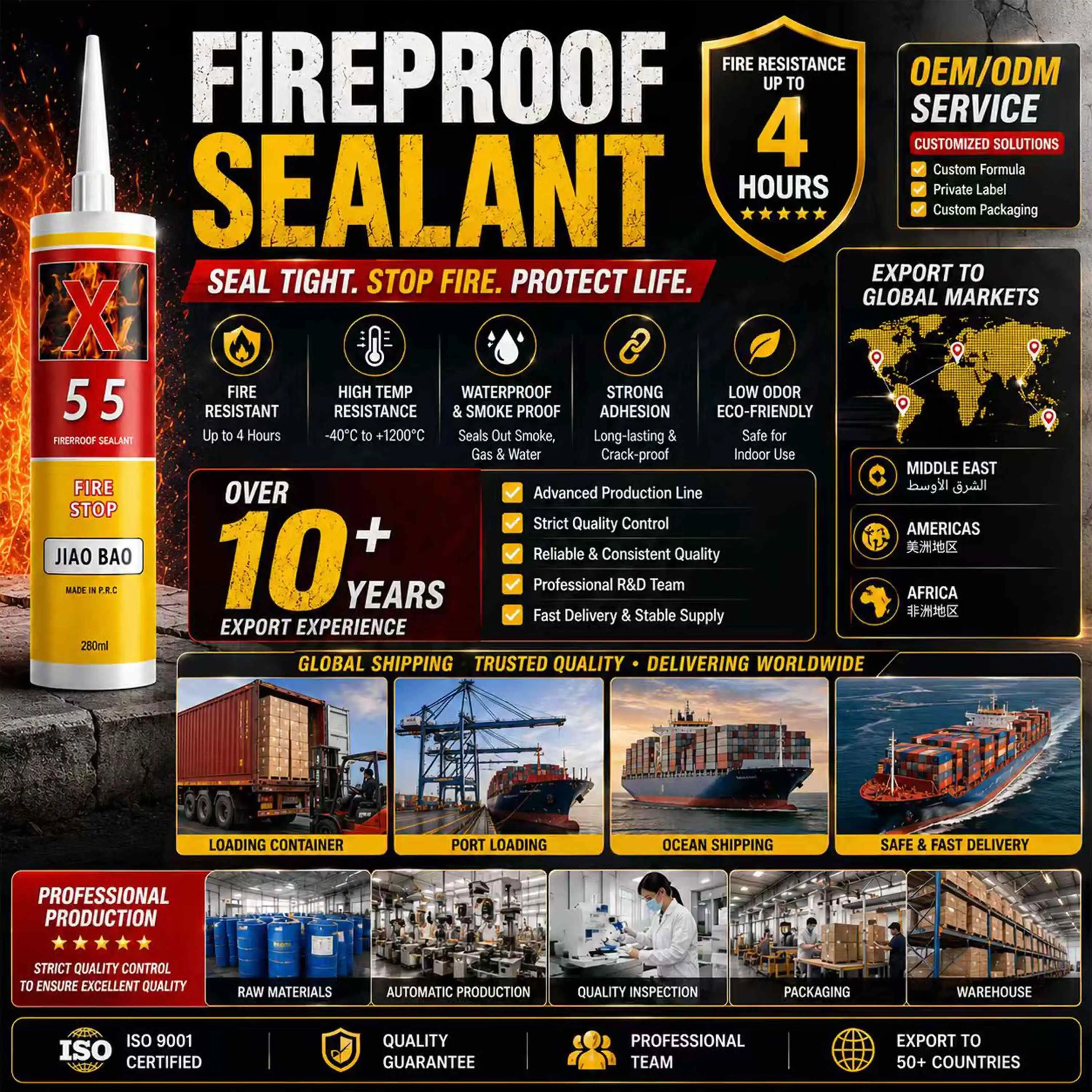
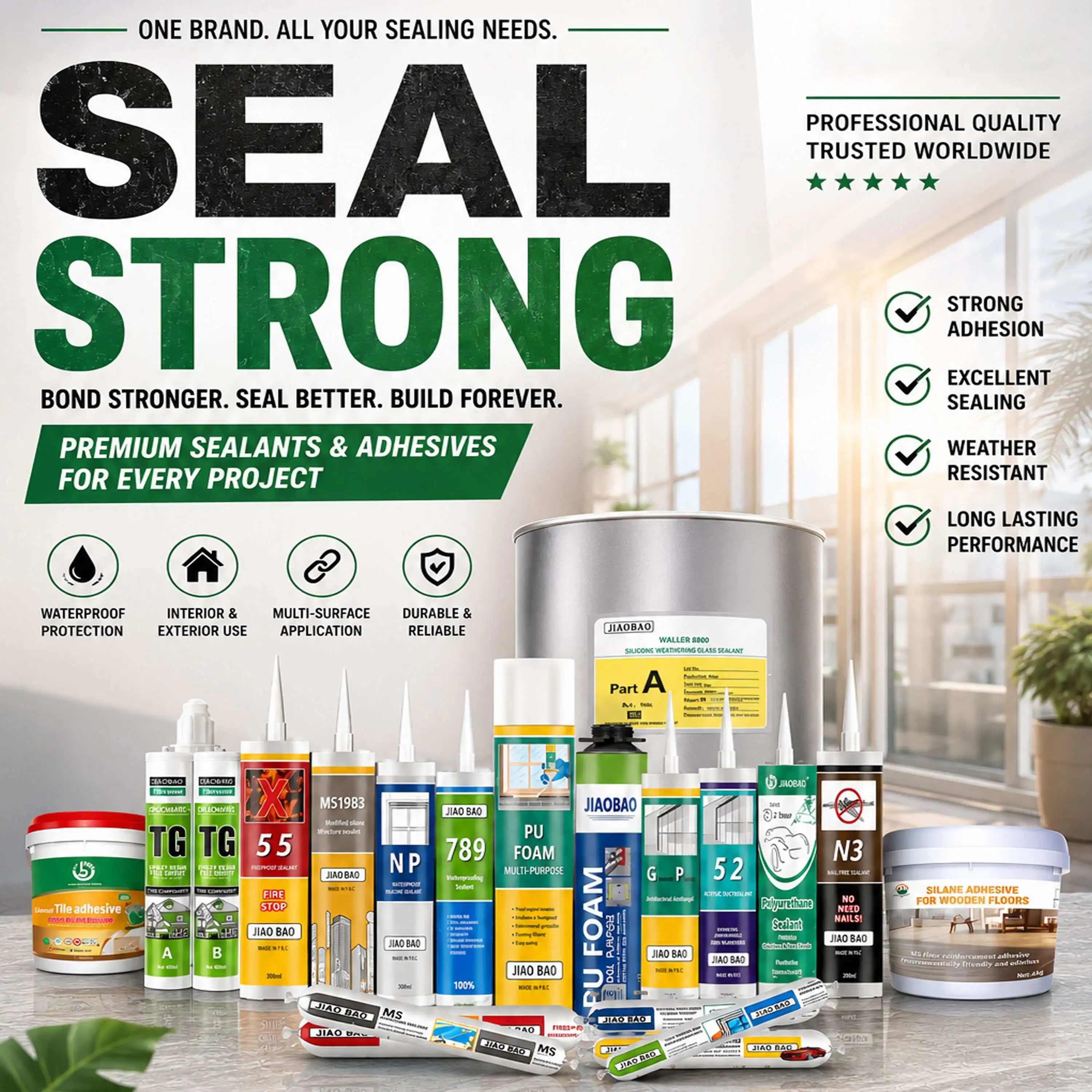
Shandong Jiaobao New Material Co., Ltd. has been making specialized materials for over 13 years and offers full technical support to help industrial building workers all over the world. Our one-component RTV silicone sealant is Class 1 W water resistant, has a 99.5% non-volatile content, and cures quickly on the surface in 45–60 minutes. It comes in handy 300ml and 600ml cartridge forms. Our production is flexible enough to meet the needs of any project, whether you need white, black, gray, or unique color matching. We are a reliable supplier of Fireproof Neutral Silicone Sealant.
Our products are ISO and CE certified, and we can deliver them in one to two weeks. We also offer OEM/ODM customization. During the whole buying process, our expert team helps with substrate compatibility tests, application advice, and quality assurance. You can email dorashen@cnjiaobao.com to get samples, talk about buying in bulk, or talk to our experts about your specific fire safety closing problems. You can look at all of our products at shandongjiaobao.com, and we offer good customer service after the sale.
1. American Society for Testing and Materials, "Standard Test Method for Fire Tests of Through-Penetration Fire Stops," ASTM E814-13, West Conshohocken, PA, 2013.
2. Underwriters Laboratories, "Fire Tests of Through-Penetration Firestops," UL 1479, Northbrook, IL, 2015.
3. International Organization for Standardization, "Fire Resistance Tests for Service Installations – Part 4: Linear Joint Seals," ISO 10295-4, Geneva, Switzerland, 2018.
4. National Fire Protection Association, "Standard Methods of Fire Tests of Building Construction and Materials," NFPA 251, Quincy, MA, 2017.
5. European Committee for Standardization, "Fire Resistance Tests for Service Installations – Joint Seals," EN 1366-4, Brussels, Belgium, 2020.
6. China National Standards, "Building Fireproof Sealant," GB/T 24267-2009, Beijing, China, 2009.
November 16,2023
Enterprise Name
The sealant has very strong adhesion and performs well even on glass and aluminum. After curing, it remains flexible and shows no cracking. Perfect for our facade projects.
November 16,2023
Enterprise Name
Stable quality across batches. Our customers especially like the smooth application and consistent extrusion. It helps reduce installation time on site.
November 16,2023
Enterprise Name
I used it for bathroom sealing. Excellent waterproof performance and no mold issues so far. It's been holding up very well in humid conditions.
November 16,2023
Enterprise Name
The neutral silicone works well on sensitive materials without corrosion. Very suitable for industrial applications requiring stable performance.
_1779347426672.webp)