November 16,2023
Enterprise Name
The sealant has very strong adhesion and performs well even on glass and aluminum. After curing, it remains flexible and shows no cracking. Perfect for our facade projects.
Aug 4, 2026
When choosing between acrylic and silicone sealants for building projects, understanding their distinct application characteristics matters significantly. Acrylic Sealant Construction Grade is a water-based, plasto-elastic emulsion designed specifically for sealing doors, windows, and interior joints where paintability and adhesion to porous surfaces like concrete and plasterboard are critical. Unlike silicone, which resists paint, acrylic sealants cure by water evaporation, allowing direct application of latex paints for seamless aesthetic finishes. This fundamental difference shapes their respective roles across construction workflows, influencing procurement decisions for material suppliers serving municipal and commercial building projects.
To choose the right sealant, you must first understand the main differences between acrylic and silicone technologies. Both are very important for closing, but their chemical makeups and performance traits make them better for different building problems.
Acrylic sealants use inorganic fillers mixed with water-based acrylic polymer dispersions to make a joint filling that is both bendable and stable. Most of the time, these mixtures have 75 to 85% solid substance, which keeps them from shrinking too much when they cure. Because acrylic products are water-based, they don't release many volatile organic compounds (VOCs). This means they can be used inside, where occupant safety and green building certifications are important. Silicone sealants, on the other hand, are made of siloxane polymers that harden when they come into contact with water. These polymers are very flexible and resistant to weather, but they do release acetic acid or neutral by-products as they harden.
Acrylic seals made for construction work great where the surface needs to be able to be painted and work with porous materials. Sealing around window and door frames, plasterboard partition joints and internal trim work are all common uses. Most of the time, the material sticks well to painted, concrete, brick, plaster, wood, and concrete surfaces without primers. Silicone sealants are used in tough exterior situations like curtain wall weatherproofing, bathroom fixtures, kitchen backsplashes and places that get a lot of water or temperature changes. Their high extension properties—often reaching 400%—allow large joint movements in infrastructure projects and high-rise buildings.
Because they are water-based and have a low smell, acrylic formulations meet sustainability standards well. There are a lot of goods that meet the ASTM C834 guidelines and the indoor air quality requirements for LEED certification. Even though silicone seals last a long time, they may give off stronger smells when they're being used, so make sure there is enough air flow. To meet strict environmental rules and occupant comfort standards during building, procurement teams working on city projects or public housing developments often choose acrylic choices.
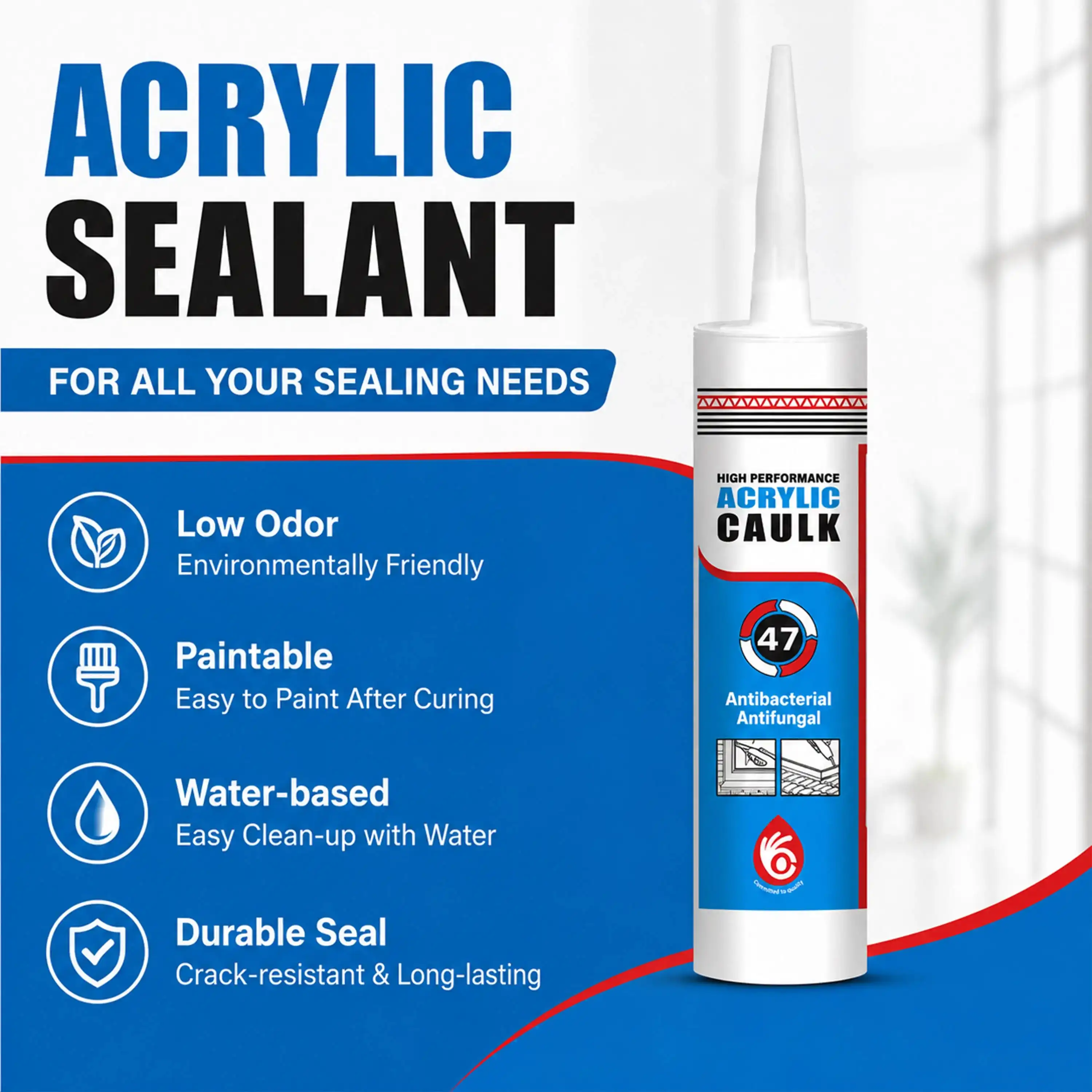
Knowing the differences in performance helps buying managers choose the right goods for each project while minimising costs and improving the speed of installation.
Acrylic Sealant Construction Grade offers excellent gun application with extrusion rates up to 163 ml/min—significantly exceeding the 80 ml/min industry minimum. This fast dispensing accelerates installation and reduces labor hours on large projects. Skin formation occurs within 10–30 minutes, providing adequate tooling time before tackiness develops. Full cure takes several days depending on joint depth and humidity. In comparison, silicone sealants cure more slowly, typically requiring 24–48 hours for skin formation and 7–14 days for complete cure. While extended working time suits precision work, it may delay subsequent construction activities.
The waterproofing properties of these sealants are very different. Once they are fully hardened, good acrylic sealants don't let water in and pass immersion testing according to ASTM C794. However, they work best when they are exposed to water for short periods of time instead of continuously. Their range of movement is from ±12.5% to ±15%, which makes them good for connection joints that go through mild temperature changes. When it comes to protection, silicone sealants are the best. They can withstand ongoing soaking and movement of up to 50 percent or more, which is why they are essential for sealing expansion joints and wet areas. Silicone is also better at resisting UV light, and it stays flexible and the same colour for decades. Acrylic goods, on the other hand, may turn yellow or chalk over time when exposed to direct sunlight.
Acrylic sealants are a great way to save money on projects that need to stick to a budget. The prices of raw materials are still lower than those used in silicone formulations, which means that bulk purchases can be made at reasonable prices. Suppliers of materials that work with cities like that prices are stable and materials are easy to find through delivery networks. Silicone seals are more expensive because they are made with more complicated methods and require special raw materials. But their longer service life may make up for their higher starting cost in situations where long-term sturdiness is needed. Suppliers you can trust should give you all the paperwork you need to support the project approval and engineering acceptance processes. This includes inspection reports, certificates of compliance, and data from factory tests.
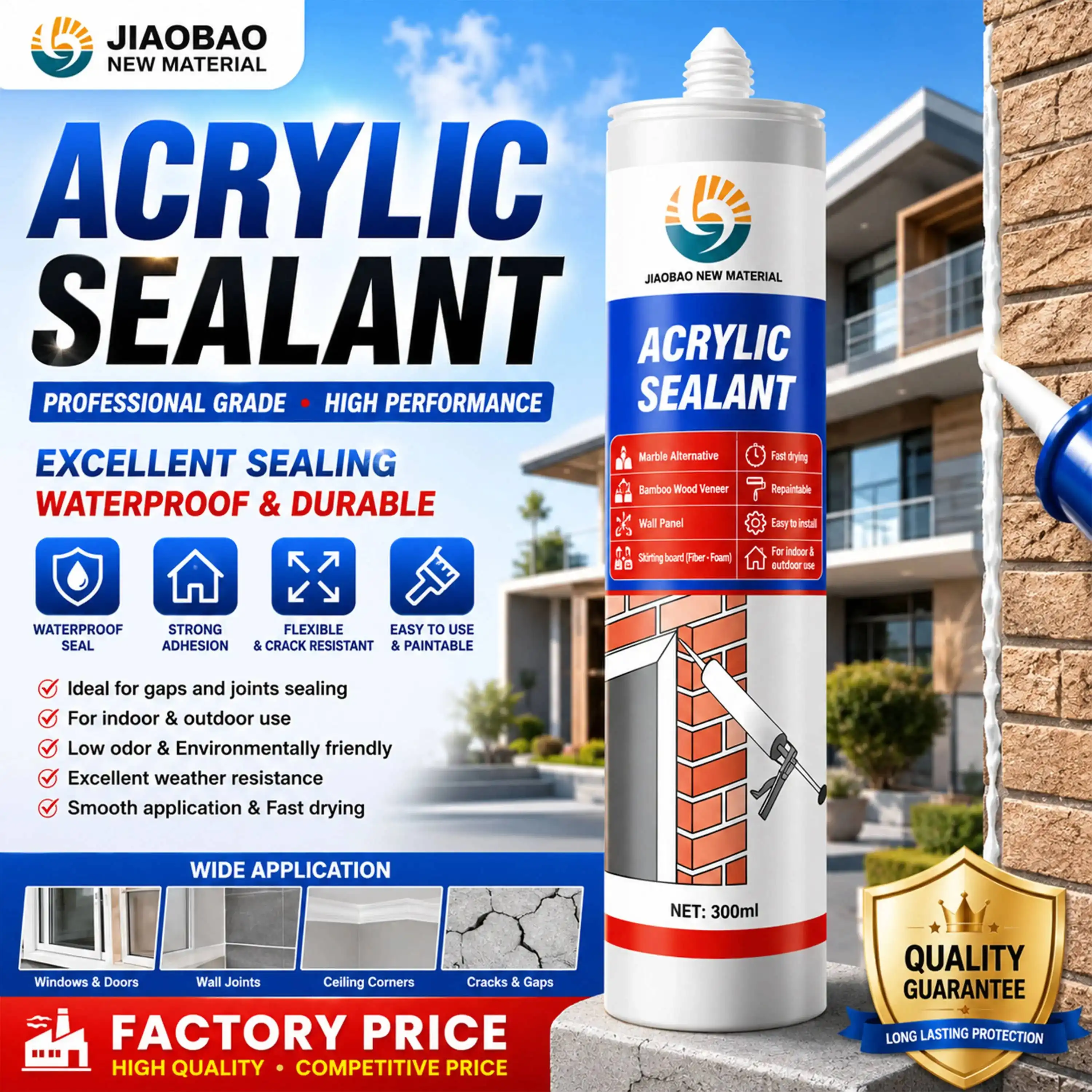
To make smart material choices, you need to compare the performance characteristics of the sealant to the specifics of the project. This will help you get the best results and avoid expensive rework.
Whether the sealant is used indoors or outdoors has a big impact on its choice. Acrylic sealants are good for painting, have a low smell, and stick well to common building materials. They are useful around door and window edges, on plasterboard walls and on trim work inside. When used outside, it's important to think about how the joint will move and how porous the base is. Acrylic goods work well outside in sheltered areas with little UV exposure and gentle temperature changes, especially when matching the colour of the paint is important for looks. Fully uncovered parts that get rain, freeze-thaw cycles, and direct sunlight usually need silicone solutions.
Technical requirements are based on needs for adhesion, flexibility, weather protection, and finishing. The tensile strength of Acrylic Sealant Construction Grade is about 0.64 MPa, and it can stretch more than 200%. This meets the standards of ASTM C834 for connection points. In vertical applications, the zero-sag performance makes sure that installations are clean and don't deform. When projects need painted finishes that look the same on all sealed joints and surfaces next to them, acrylic sealants are needed because silicone doesn't let paint stick to it. Silicone seals, on the other hand, work well when joint movement is greater than ±15%, there is constant water absorption, or temperatures are very high or very low.
To successfully buy bulk materials, you need to make sure that the manufacturers can do what you need and build trusting relationships with suppliers. Important things that are looked at when judging a company are whether it is ISO certified, meets international standards like ASTM and ISO 11600, can handle big orders, and how long it takes to send. With more than 13 years of experience, manufacturers like Shandong Jiaobao New Material Co., Ltd. have well-developed quality control systems and consistently high output. Before committing to large purchases, performance claims can be checked by asking for product samples to be tested by a third party. When you're negotiating terms, you should talk about things like batch stability, shelf life promises (usually 12 months for acrylic sealants), different packing choices (like cartridges and sausages), and after-sales support, such as policies for replacing bad products if there are any.
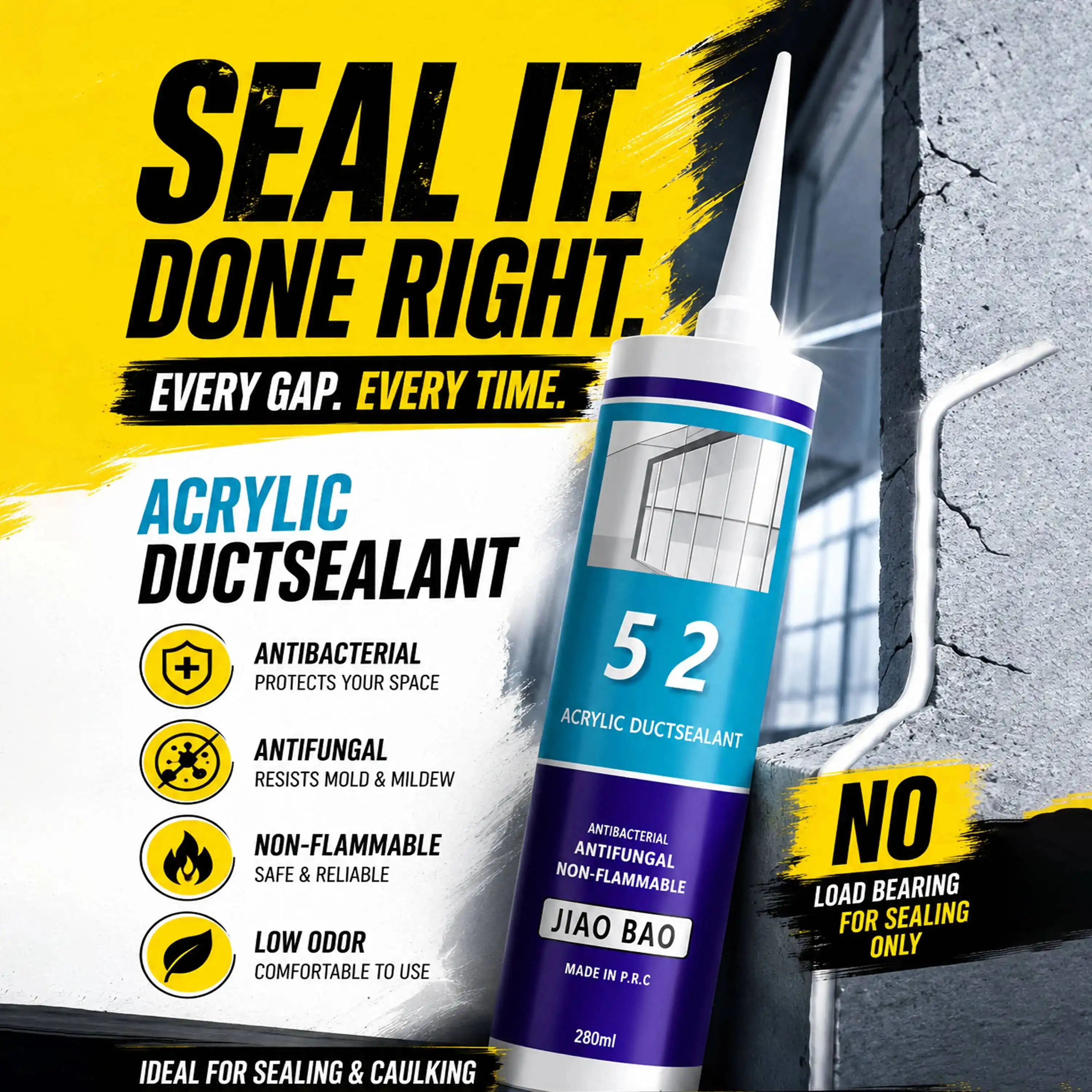
When sealants are installed correctly, they work better and last longer, and they don't fail in the field, which can hurt the quality of the project and lead to warranty claims.
Before sealer is put on, the joint areas must be clean, dry, and sound. Use wire brushes or vacuums to get rid of all the dust, dirt, oil, grease, and loose stuff. Concrete and brick, which are porous, should not have any efflorescence or laitance on them. Painted surfaces need coatings that are sound and stick well; get rid of any flaking or chalky paint completely. Acrylic seals usually stick to most building materials, especially porous ones, without primers. However, check the manufacturer's instructions for the exact base choices that will work best. Cleaning properly makes sure that the adhesive is at its strongest and stops the bond from breaking too soon.
To start, put down the right backing material or bond breakers to control the depth of the sealant and stop three-sided bonding, which builds up stress and leads to joint failure. Cartridge nozzles should be cut to fit the joint width and should be applied at a 45-degree angle. Apply continuous beads at a reasonable speed, making sure that there are no gaps or air holes in the joints. During the skin formation window, which lasts between 10 and 30 minutes, use the right tools to shape the surface into the right concave shapes that drain water and improve the look of the joints. The right amount of caulk is important; for best results, keep the ratio of depth to width between 1:2 and 1:1. Premium acrylic paints dry quickly on the surface (0.5 hours), so you can paint in hours instead of days. This speeds up project plans.
Several mistakes can make sealant less effective, so they need to be avoided when planning the installation. When you apply too much, the material gets too thick, which makes it more likely to shrink and crack as the water disappears during fix. If you don't apply enough, there won't be enough adhesive area or joint filler. When you put sealant on wet or frozen surfaces, it doesn't bond or cure properly. Ignoring temperature limits—when applied, most acrylic seals work best between 5°C and 40°C—can change how they extrude and how fast they fix. Training construction teams on these important factors cuts down on fails in the field and makes sure that quality is maintained across big projects.
Real-life examples show that choosing the right sealant and installing it correctly can really help building projects with a wide range of situations and needs.
For a city home building project, about 2,000 window units that were built into precast concrete panels had to be sealed. The specification called for joints that could be painted to match the colour scheme of the building and that could allow for thermal movement between the frame materials and the concrete substrates. Acrylic Sealant Construction Grade was the best option because it stuck well to both aluminium frames and porous concrete without the need for starters. Once it was dry, the maintenance team painted the outside with latex paint straight over the joints that had been sealed. This gave the whole wall a uniform look. The 300ml and 600ml cartridges were used efficiently for the project, and the high extrusion rate of 163 ml/min made installation quick in several buildings. After being used for two years, the joints stayed strong and didn't crack or peel off the paint, which proved that the choice of material was right for this temperature zone.
When commercial offices are remodelled, a lot of plasterboard partitions need to be installed and sealed to meet sound transmission class (STC) standards. A recent job called for meeting rooms and private offices to meet STC 50 standards. Contractors used acrylic sealant around the edges of all the plasterboard tracks, where electrical boxes went through them and where the ceilings met. The water-based, low-odor formula made it possible to work nonstop in areas that were already occupied without stopping business operations, which would not have been possible with stronger-smelling alternatives. The quick drying of the surface made it possible to paint the same day, which sped up the construction schedule by cutting down on the time needed for waiting between trades. Acoustic tests showed that the sealed partitions met the needed STC ratings. This shows that acrylic sealant can be used for more than just weatherproofing to reduce noise.
Realising that acrylic sealants can't be used in all situations keeps them from failing to do their job. In order to complete a coastal infrastructure project, expansion joints had to be sealed in bridge decks that were constantly exposed to water, vibrations from vehicles, and temperature changes of up to 50°C. That's why engineers chose silicone seals for these tough conditions: they can move better (±50%), stay flexible at all temperatures, and don't break down when they get wet all the time. Even though the materials were more expensive, the longer service life and lower upkeep needs made the investment worth it. This difference shows how important it is to match the chemistry of a sealant to the stresses and performance requirements of the environment.
When deciding between acrylic and silicone sealants, you need to carefully weigh the needs for performance, the environment, appearance, and cost. For internal uses, paintable joints, and jobs that need to be low-VOC, Acrylic Sealant Construction Grade is the best value. Because it is easy to install, doesn't cost much, and works with porous building materials, it is a must-have for city construction, business buildings, and domestic developments. Silicone sealants are still needed for joints that move a lot, are always wet, or are in extreme weather. Partnering with experienced manufacturers that offer full technical support, stable supply capacity, and documented quality guarantee is good for procurement pros. By knowing about these differences in applications, you can make smart choices about materials that will help you get the best results on your projects while keeping costs low for large construction projects.
Once fully cured, high-quality acrylic sealants can handle short-term contact to water and humidity and pass water plunge tests according to ASTM C794. They work well around windows inside, on bathroom trim (but not around shower walls) and in protected places outside. But silicone options are needed for prolonged submersion or direct water spray contact.
Within 10 to 30 minutes, the surface skin forms, which lets you shape and tool it. The first tack appears after about half an hour, and light painting can begin within two to four hours. The joint heals completely in 3–7 days, but it starts working much sooner depending on the joint's depth, humidity, and temperature.
Modern acrylic seals that are water-based and have an 80–85% solid content last as long as older goods that were made with solvents, but they don't give off VOCs or smells. If you use the right acrylic resins in the right way, the material will stretch more than 200%, have a tensile strength of more than 0.6 MPa, and last for decades when applied to the right surfaces.
Shandong Jiaobao New Material Co., Ltd. is a reliable company that has been making Acrylic Sealant Construction Grade for more than 13 years. Our one-part RTV mixture has a vertical sag of 0 mm, an extrusion rate of 163 ml/min, and great paintability, which is technical performance that goes above and beyond what the industry standards are. We offer 300ml and 600ml sizes in white, black, grey or custom colours, and they have a shelf life of 12 months. They come in both sausage and cartridge packing, so you can choose the one that works best for your project.
ISO certification, detailed quality documentation, and lead times of 1-2 weeks for delivery all help you meet your approval and procurement deadlines. Our team offers quick technical support and dependable service after the sale, whether you need OEM customisation to meet regional standards or bulk volume pricing for city contracts. You can email our sales team at dorashen@cnjiaobao.com to talk about your specific needs, ask for product samples, or look into group discount options that can lower your material costs and make sure you always have enough for ongoing building projects.
1. ASTM International. ASTM C834-16: Standard Specification for Latex Sealing Compounds. West Conshohocken: ASTM International, 2016.
2. Beech, John C. Sealants in Construction. 2nd ed. London: Wiley-Blackwell, 2019.
3. International Organization for Standardization. ISO 11600:2002 Building Construction—Jointing Products—Classification and Requirements for Sealants. Geneva: ISO, 2002.
4. Klosowski, Jerome M., and Scott M. Brostow. Building Sealants: Materials, Properties, and Performance. Philadelphia: American Society for Testing and Materials, 2000.
5. Panek, Julian R., and John Philip Cook. Construction Sealants and Adhesives. 3rd ed. New York: John Wiley & Sons, 1991.
6. Wolf, Alfred T. Durability of Building Sealants: State-of-the-Art Report of RILEM Technical Committee 190-SBJ. Bagneux: RILEM Publications, 2010.
November 16,2023
Enterprise Name
The sealant has very strong adhesion and performs well even on glass and aluminum. After curing, it remains flexible and shows no cracking. Perfect for our facade projects.
November 16,2023
Enterprise Name
Stable quality across batches. Our customers especially like the smooth application and consistent extrusion. It helps reduce installation time on site.
November 16,2023
Enterprise Name
I used it for bathroom sealing. Excellent waterproof performance and no mold issues so far. It's been holding up very well in humid conditions.
November 16,2023
Enterprise Name
The neutral silicone works well on sensitive materials without corrosion. Very suitable for industrial applications requiring stable performance.
_1779347426672.webp)