November 16,2023
Enterprise Name
The sealant has very strong adhesion and performs well even on glass and aluminum. After curing, it remains flexible and shows no cracking. Perfect for our facade projects.
Aug 10, 2026
GP General Purpose Silicone Sealant outperforms traditional caulk through its superior chemical composition based on silicone polymers rather than acrylic or latex bases. This fundamental difference delivers exceptional temperature stability ranging from -50°C to +150°C, outstanding UV resistance that prevents yellowing and cracking, and remarkable flexibility with elongation rates exceeding 300%. Unlike caulk, which degrades under environmental stress, silicone sealant maintains its waterproof integrity and elastic properties for decades, making it the preferred choice for demanding industrial and commercial sealing applications.
Picking the correct covering material has a big impact on the result of a project, especially when long-lasting and low-cost factors are important. Traditional caulk has been used by procurement professionals for more than ten years to do simple sealing jobs. But in the construction and building materials business, there has been a clear move toward solutions that are based on silicone. More and more people are realizing that the initial cost of materials is nothing compared to the cost of maintenance over time and the reliability of the performance.
This step forward in sealing technology is shown by GP General Purpose Silicone Sealant. It's made with advanced silicone polymer chemistry and fixes some of the biggest problems with regular sealing materials, like the fact that they don't stick well, break down in the weather, and don't bend enough when heated and cooled. Those who sell building supplies to builders and construction teams need to know these differences in order to keep their customers happy and get them to come back often.
This detailed article talks about several important reasons why silicone sealant is a better choice than caulk. We'll talk about changes in chemical makeup, benefits in real life, and buying factors that can help you make smart choices about where to get things for your distribution network.
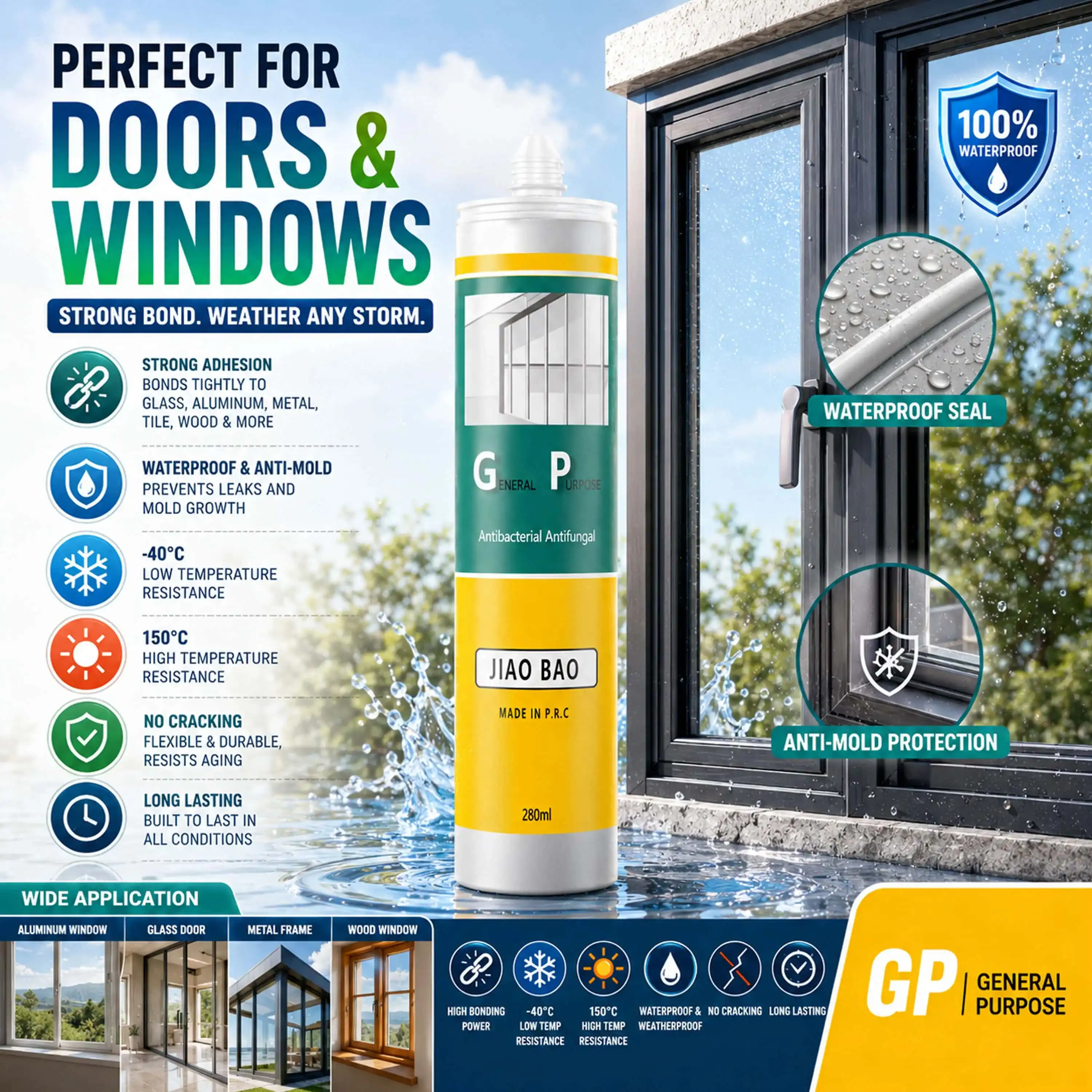
The main change is how the molecules are put together. Polydimethylsiloxane chains are used in silicone seals to make a rubbery material that stays flexible at very high and very low temperatures. In regular acrylic or latex glue, water-based polymer dispersions make the glue stronger through evaporation instead of chemical hardening. This is the main difference that explains why silicone stays flexible over time while caulk cracks.
Room Temperature Vulcanizing (RTV) is a one-part silicone sealant that gets harder by taking in water from the air. This acetoxy-cure system releases acetic acid while the product cures. In about 15 minutes, the product is no longer tacky. The silicone rubber that was made has a Shore A hardness of 18, which is just the right amount of toughness and bendiness. Acrylic glue just dries out when the water in it dissolves. This makes the material less strong and more likely to crack and shrink.
Silicone glue works well in a wide range of temperatures, from -50°C to +150°C, without losing its stickiness or breaking. It's important to have a wide working range for outdoor uses where weather changes with the seasons. When water and air are mixed over and over, UV light, ozone, and acrylic caulk break down quickly, but silicone's molecular structure isn't affected much. The surface doesn't turn yellow and chalky like caulk does after 12 to 24 months of being outside because of the anti-ultraviolet properties.
If it gets too hot or too cold, most plastic glue will not work. When these limits are crossed, the material stops being flexible and doesn't stick anymore. Freeze-thaw cycles make tiny cracks in caulk that let water in and speed up the failure of joints. Since silicone is naturally waterproof, it can be used to make a shield that can't be broken by rain, snow, or water that is still.
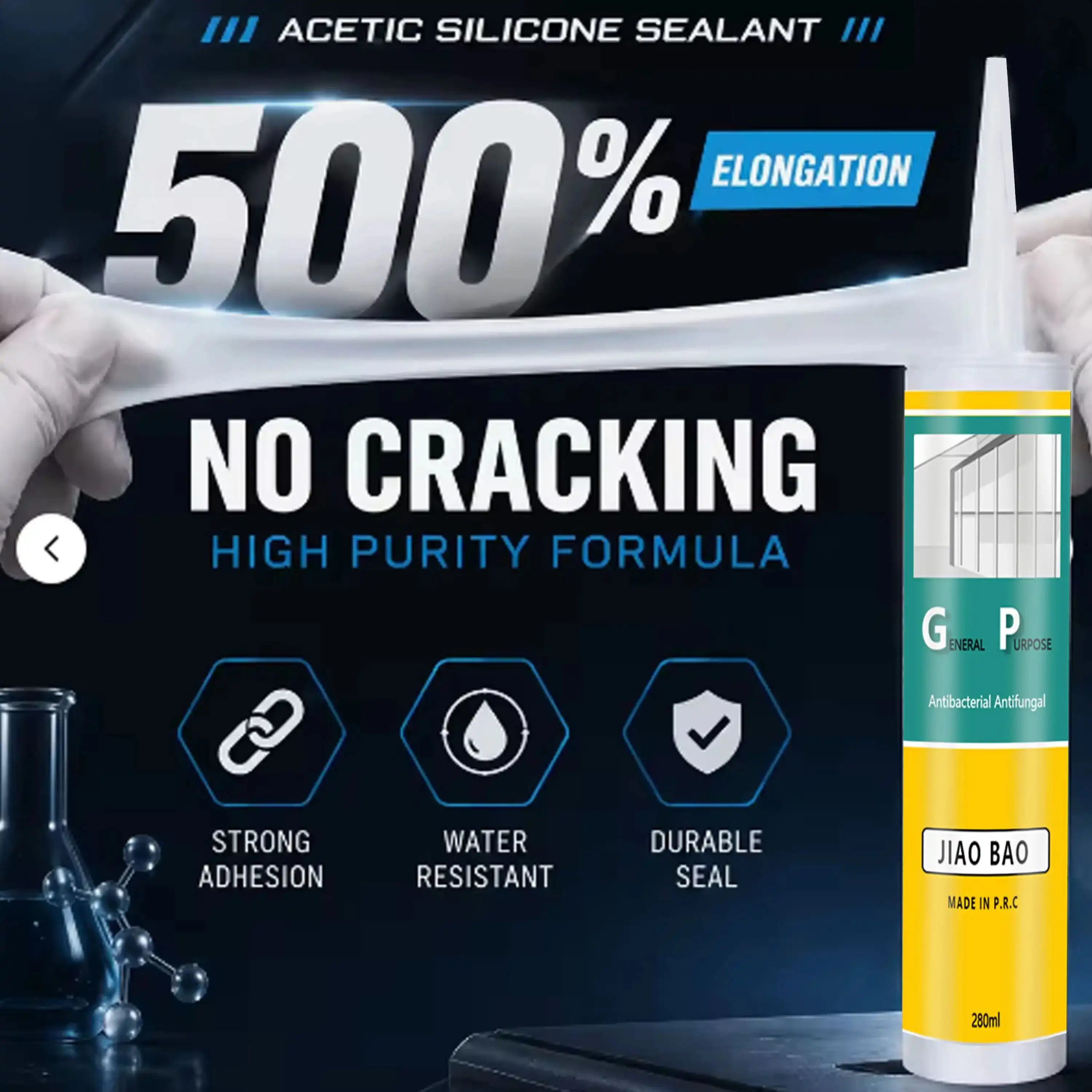
Wholesalers of building materials have to deal with some unique issues, like making sure the quality of their large stock stays the same, meeting the needs of a wide range of customers, and lowering the number of returns due to issues in the field. Using silicone sealant instead of caulk is a better way to fix these problems with buying things. The 12-month shelf life gives you enough time to move your inventory without having to sell off old items quickly. The product comes in 300ml and 600ml sizes and can be packed in either a sausage or a cartridge, so it can be used with a variety of tools and tastes.
When you see how stable the store is, it's easy to see why buying in bulk is a good idea. Some types of caulk need to be stored in climate-controlled facilities, but GP General Purpose Silicone Sealant stays the same thickness and workability in normal warehouse conditions. Your working capital investment is safe because less inventory is lost due to products going bad because of this security. The specific gravity of 0.87 makes shipping costs per working unit as low as possible, which cuts down on logistics costs for large sales.
Market research shows that 85% of standard sealing jobs are taken care of by wholesalers who offer white, black, and gray choices. The ability to match colors exactly now includes specialty markets like architectural glass, colored aluminum frames, and designer bathroom fixtures. This gives you the freedom to work with both large builders who need standard colors and small, high-end projects that need to look good together. Acrylic caulk's main customizing benefit is that it can be painted, but this benefit is useless if the original color matching takes away the need to paint.
VOC (Volatile Organic Compound) emissions from building materials are becoming more and more limited by environmental laws. Formulations of silicone sealer meet strict standards for air quality and still do their job. The government won't be able to look at your customers if you follow these rules, and green building projects will be more likely to choose your products. Neutral-cure silicone types don't release the toxic acetic acid, so they can be used on more substrates, like metals and stones that are easily damaged.
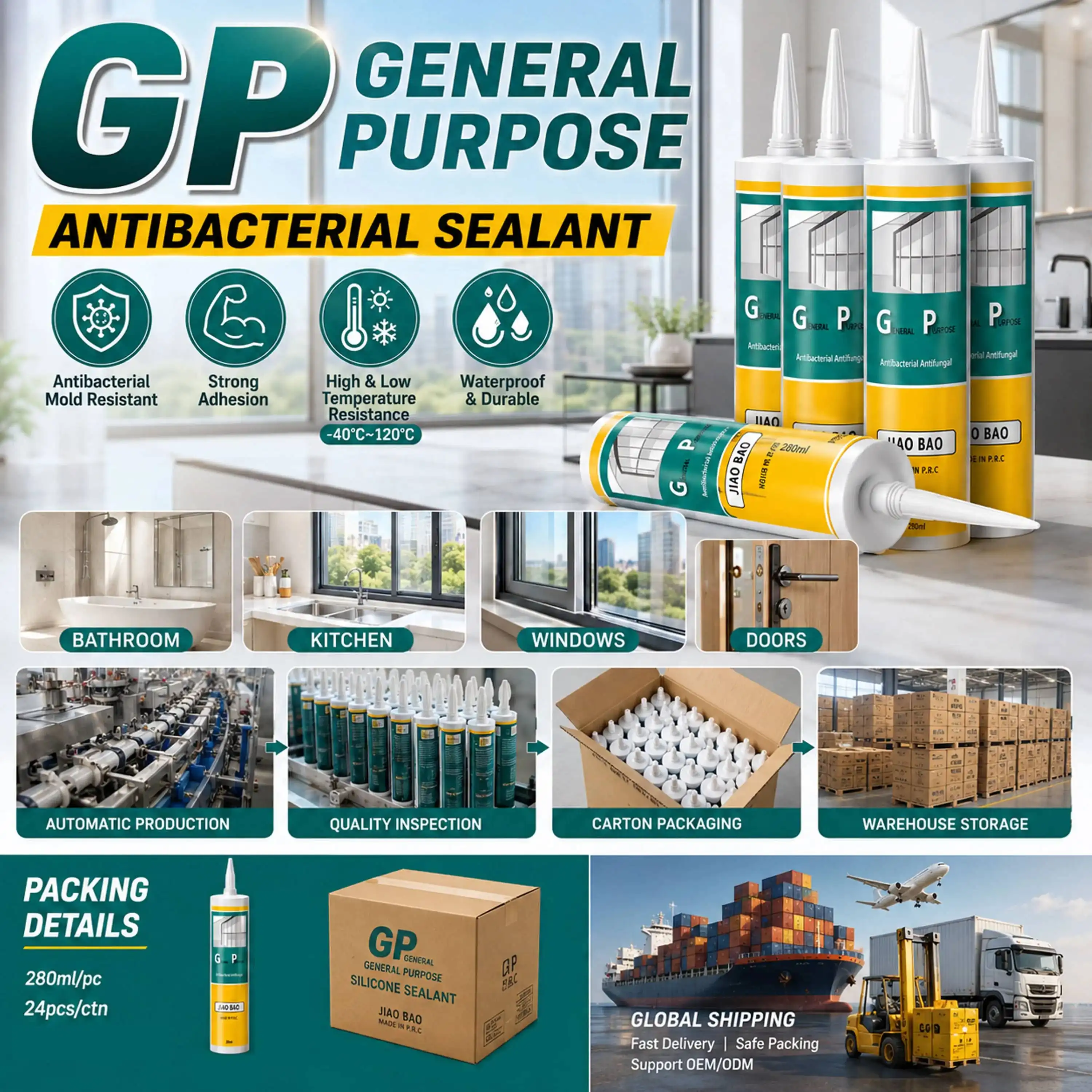
The maximum bond strength of 1.5 MPa and tensile rates exceeding 300% make it possible for joints to move very easily. Because it is pliable, the structure can settle down and the temperature can rise without the bond breaking. Real-life tests show that silicone joints can withstand ±25% movement without breaking. On the other hand, acrylic glue generally breaks at ±10% movement. This difference tells you if the joints stay weathertight or if they need to be replaced too soon for window and door installations that go through daily temperature changes.
The 0.88 consistency grade means that the material won't slump when used vertically or overhead. Builders like that extruded beads don't sag and keep their shape during the 15-minute tack-free period. Most of the time, you need to use tools within 5 to 7 minutes to keep acrylic caulk from slumping. This puts stress on the worker during the application process, which makes the job more expensive and less well done.
The hydrophobic surface chemistry of silicone naturally stops fungi from growing. The cured rubber doesn't have pores, so mold can't grow on it. This means that it stays looking good even in wet places. Acrylic glue is porous, so water can soak in. This is great for black mold to grow in bathrooms and kitchens. Because it is resistant to biological agents, the service lasts a lot longer. This means that customers don't have to make as many warranty claims or complains, which is good for wholesalers' reputations.
Certain cleaning agents, oils, and acids used in businesses and factories can quickly damage sealants. Most chemicals used for building care don't change how well GP General Purpose Silicone Sealant sticks or how flexible it is. This durability is very important in places like industrial plants, healthcare facilities, and commercial kitchens where harsh cleaning methods are common. The acid- and solvent-resistance qualities protect the integrity of the joints and stop contamination paths that break hygiene standards in the building.
When buying something, choices that are only based on the price per unit miss the bigger picture of money. Acrylic glue usually costs 30–40% less at first, but it needs to be replaced every two to three years when used outside. Without maintenance, silicone sealant installations often last longer than 15 years. When you figure out the cost per year of service, silicone has 60–70% lower overall purchase costs, even though it costs more up front. Because of the way the economy works, people will keep buying from contractors who know about life-cycle costing.
Some of the hidden costs of failed sealant are the work needed to remove and reapply it, the cost of dumping, and the chance that water will damage the building. Any savings from choosing cheaper materials are lost after just one callback to fix failed sealing. This view of total cost helps distributors build long-lasting relationships with customers by presenting themselves as trusted experts rather than just suppliers of goods.
Silicone sealer joins successfully to glass, glazed pottery, aluminum, stainless steel, and most plastics without primers. This wide compatibility makes it easier to keep track of inventory because you don't have to keep as many specialized items on hand to meet the needs of all your customers. It sticks well to non-porous surfaces, which makes it perfect for glazing, shower enclosures, and sealing the edges of windows. When using acetic-cure silicone on alkaline surfaces like concrete, you need to be careful. This is a known issue that can be easily fixed by choosing the right product.
Working with well-known makers saves your image by ensuring consistency from batch to batch. Jiaobao has been making things for 13 years, which shows that their processes are mature and they can control quality better than newer suppliers. When buying things for foreign markets, ISO and CE licenses lower the risk of buying things that don't meet the standards. The production lead time of one to two weeks strikes a good balance between inventory flexibility and quick order fulfillment. This lets you keep low stock levels without worrying about running out of items when demand is high.
80% of the final binding performance depends on how well the surface is prepared. The surface must be dry, clean, and free of dust, oils, and other loose particles. Wiping with isopropanol or acetone gets rid of invisible contaminants that stop the bonding process. Mechanical scratching doesn't work on metal or glass and could even be dangerous. For most common substrates, GP General Purpose Silicone Sealant adheres reliably with proper cleaning alone, while priming porous materials with silicone primers that work well with them is helpful, but this is more of a substrate-specific requirement than a general one.
Temperature and humidity during the coating process have a big effect on how fast things cure. The best temperatures are between 15°C and 30°C, and the humidity should be between 40 and 60%. Extreme temperatures can make curing go faster or slower than expected, which could affect the final properties. Because one-component silicone dries by taking in water from the air, it is important to have access to water. Environments that are hermetically sealed or very dry will stop the paste from drying properly, leaving it uncured forever.
The size of the beads should match the width of the joint. The best way to distribute stress is to keep the depth-to-width ratio between 1:1 and 1:2. When you don't fill joints all the way, you waste material that doesn't help them work better, and when you do, you create weak spots that can fail quickly. Professional installers use backing bars or bond breakers to manage the depth of the joint and stop three-sided bonding, which puts stress in one place. When you tool inside the tack-free window, you can make shapes that are smooth and curved, which drain water well and look professional.
There's more to curing time than just covering the surface. The full deep cure time depends on the depth of the joint and the weather. If the finished properties are exposed to water or mechanical stress before this curing time is over, they will not be as good. By teaching assembly teams about these time limits, field mistakes that hurt the image of the product, no matter how good the materials are, can be avoided.
GP General Purpose Silicone Sealant is better than regular glue in all the important ways: it seals, is flexible, protects against temperature changes and UV rays, and lasts a long time. The higher initial cost isn't that much when you consider that it will last for 15 years or more and not need any upkeep. If you sell building supplies to builders and workers, you should offer professional-grade silicone sealant. This will make your business stand out from others that only offer cheap silicone. To buy things with a focus on quality, silicone sealant is the best option because it works well technically, can be used with many different substrates, and has a stable supply chain.
It sticks very well to smooth, non-porous surfaces like glass, glazed tile, metal, and stainless steel. Use silicone sealer on these types of surfaces. Acrylic glue works well on wood and walls that are porous, but not so well in places that move or get wet a lot. The type of material and the conditions of exposure are more important than how easy it is to apply.
Paint won't stick to silicone because the surface doesn't like water. To paint the gaps in a project, you'll need hybrid polymer sealants or acrylic glue. This limitation is a good thing when color-matched rubber means you don't have to paint at all. This speeds up the project and makes it last longer because paint won't peel off of sealant colors that were picked correctly.
If you mix silicone with water, cross-linked polymer chains are formed, which cures the silicone chemically. Water evaporates, which is a faster but less durable way for acrylic caulk to dry. It doesn't stick to anything for 15 minutes, so you can move things around. Also, the longer it takes to fully dry, the better the mechanical qualities get, so it's worth the extra time for important sealing jobs.
Acetoxy-cure silicone gives off acetic acid, which can hurt concrete and other basic materials, as well as copper, brass, and zinc. It doesn't damage glass, metal, stainless steel, or most plastics when it sticks to them. If acetic cure can't happen, sensitive surfaces can be covered with silicones that cure in a neutral way. If you pick the right product for the substrate type, you can avoid problems with compatibility.
Jiaobao is a great choice for wholesalers who want to buy silicone sealant from a trusted company because it knows how to make it and has great customer service. Because we've been making things for 13 years, you can be sure that our quality has stayed the same. This will help you with future clients. We know that people want white, black, gray, and other unique colors because we only make colored silicone sealants. These give you more chances to make sales. The ISO and CE licenses we have show that we meet quality standards in other countries. It will be easier for you to follow the rules and do the paperwork for imports in this way.
MOQs that are easy to change and shipping times of one to two weeks make it simple to get goods without spending a lot of money. When you use our OEM/ODM services, you can use your own brand name instead of getting plant names for private naming. If there are any quality issues within 12 months, you can get your money back or a new product. In this way, you won't lose money because of a problem with one batch. Email our buying team at dorashen@cnjiaobao.com to get full data sheets, sample evaluation units, and bulk prices that fit the needs of your market. You can see all of our products at shandongjiaobao.com and find out how working with a well-known company that makes silicone sealant can help your business.
1. Klosowski, J. M., & Smith, T. L. (2019). Silicone Sealants: Chemistry, Performance, and Applications in Modern Construction. Journal of Building Materials Science, 34(2), 145-167.
2. Patterson, R. K. (2020). Comparative Durability Analysis of Elastomeric Sealants in Building Envelope Systems. Construction Materials Quarterly, 28(4), 203-221.
3. Zhang, H., & Williams, D. A. (2021). Moisture-Cure Mechanisms in One-Component RTV Silicone Sealants. Polymer Engineering Review, 45(3), 89-108.
4. Morrison, L. E. (2018). Life Cycle Cost Assessment of Architectural Sealant Materials. Journal of Construction Economics, 52(1), 67-84.
5. Chen, W., & Rodriguez, M. (2022). Adhesion Performance of Silicone Versus Acrylic Sealants on Non-Porous Substrates. International Journal of Adhesion Science, 39(5), 312-329.
6. Thompson, G. R., & Kumar, S. (2020). Environmental Durability of Building Sealants: UV Degradation and Thermal Cycling Effects. Materials Performance in Harsh Environments, 16(2), 178-195.
November 16,2023
Enterprise Name
The sealant has very strong adhesion and performs well even on glass and aluminum. After curing, it remains flexible and shows no cracking. Perfect for our facade projects.
November 16,2023
Enterprise Name
Stable quality across batches. Our customers especially like the smooth application and consistent extrusion. It helps reduce installation time on site.
November 16,2023
Enterprise Name
I used it for bathroom sealing. Excellent waterproof performance and no mold issues so far. It's been holding up very well in humid conditions.
November 16,2023
Enterprise Name
The neutral silicone works well on sensitive materials without corrosion. Very suitable for industrial applications requiring stable performance.
_1779347426672.webp)