November 16,2023
Enterprise Name
The sealant has very strong adhesion and performs well even on glass and aluminum. After curing, it remains flexible and shows no cracking. Perfect for our facade projects.
Jun 16, 2026
Yes, MS sealant really does keep water out. A multi purpose ms adhesive sealant creates a long-lasting, flexible barrier that successfully stops water from getting through glass, metal, and concrete, among other surfaces. Its Modified Silane polymer structure dries by absorbing water to make a strong, non-porous seal that doesn't let water in. This makes it perfect for tough waterproofing jobs in construction and industry where long-term protection from water is essential.
Advanced Modified Silane (MS) polymer technology is used in multi purpose ms adhesive sealant. These sealants are a mix of standard polyurethane and silicone sealants. When these goods cure, they don't give off any dangerous isocyanates or liquids, but they do have great adhesion, flexibility, and waterproofing properties.
Modified Silane polymers use reactive silane groups that chemically bond with substrate surfaces when they come into contact with water in the air. This molecular process makes an elastic network that is cross-linked and covers joints and holes forever. Unlike older sealing chemicals, MS polymers don't change shape when the temperature goes from -40°C to 120°C. This means that they keep their binding strength and waterproof integrity even when the weather changes. The polymer chains can stretch very far, often by more than 400%. This means that sealed joints can handle building movement, heat expansion, and shaking without cracking or delaminating.
More and more, purchasing managers and technical experts are asking for MS sealant because they get rid of important problems with traditional materials. Oils from traditional silicone seals stain natural stone and attract dust, making upkeep hard for curtain wall projects and high-end interior finishes. When polyurethane seals dry, they release CO2, which causes bubbles that make the waterproofing less effective. MS technology fixes both issues and allows for primer-less bonding to most substrates, which cuts down on labor costs and speeds up project timelines. The environmental profile is also important. These seals don't have any formaldehyde or volatile organic compounds (VOCs) in them, and when they dry, they only give off small amounts of alcohol. This means they meet strict indoor air quality standards for schools, hospitals, and food-contact areas.
MS sealants have been proven to be waterproof through years of use in the building, shipping, and marine industries, as well as thorough testing in the lab. Knowing how these goods stack up against other options helps buying teams choose materials with confidence.
When it comes to protection, MS sealants work better than many other choices. Acrylic seals can still let water through and break down quickly when they stay wet for a long time. In the beginning, standard polyurethanes do a good job of keeping water out, but over time, UV damage makes them less flexible, and they finally crack and let water in. Silicones are very good at keeping water out and standing up to the weather, but they can't be painted, which limits their use in decorative situations. MS technology takes the best qualities of each and combines them into one. It is waterproof and resistant to weather up to the level of rubber, but it can still be painted on after it cures. The solid content usually hits 99%, which means that there is almost no shrinking that could leave tiny gaps in the seal.
Companies that make good multi purpose ms adhesive sealant put their products through a lot of protection tests that are based on international standards like ASTM C920 (Standard Specification for Elastomeric Joint Sealants) and ISO 11600 (Building Construction—Jointing Products—Classification and Requirements for Sealants). These methods check how well something sticks to itself after being wet for a long time, how well it can handle hydrostatic pressure, and how well it can fight water immersion. When quality goods are exposed to water for months at a time, they keep their bond strength and elasticity. These claims are checked by independent testing labs, which gives procurement managers written proof of waterproof performance that meets the needs of the standard and the warranty.
MS sealants are often used on commercial building projects for areas that need to be waterproof, like around windows, expansion joints, and roof penetrations. Transportation companies use MS technology to bond and cover bus bodies, trailer panels, and marine boats because it doesn't break down when it's exposed to water all the time. Manufacturers of HVAC equipment use MS sealants to make waterproof barriers around fan housings and pipe holes. These different uses have shown that the waterproofing works in a wide range of temperatures, UV light, and mechanical stress.
To get the best waterproofing results, you need to prepare the surface correctly, use the right application method, and make sure the drying conditions are right. Following the manufacturer's instructions will make the bond stronger and the seal last longer.
The strongest links are made on areas that are clean and dry when using multi purpose ms adhesive sealant. Use the right chemicals or motorized cleaning methods to get rid of all the loose material, dust, oil, grease, and old sealant residue. When properly cleaned, most surfaces can bond well without primers. However, porous materials like concrete may need a primer to improve initial grab and lower air trapping. Surface wetness levels should stay below certain levels, usually less than 10%, so that adhesion doesn't fail. However, MS sealants can handle slightly damp circumstances better than silicones or polyurethanes.
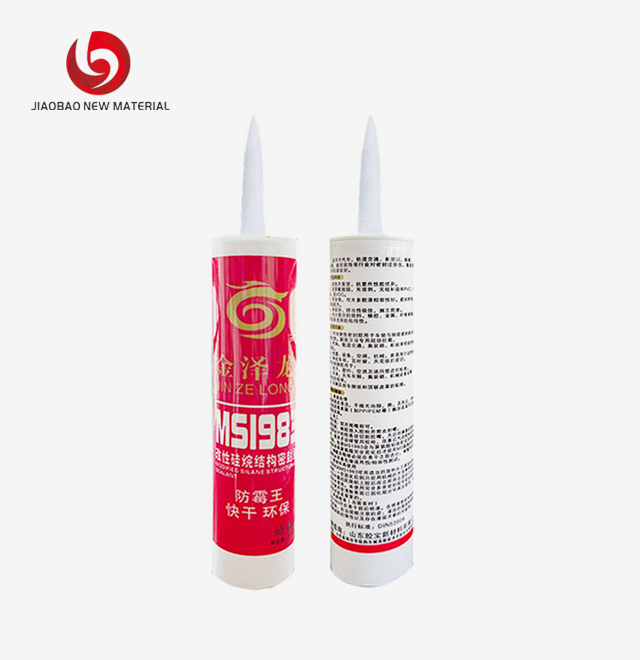
Put capsules into hand or air dispensing guns that are made for materials with a paste viscosity. Cut the tip at a 45-degree angle to fit the width of the joint. Then, put sealant on in a continuous bead, making sure not to stop in the middle of the joint. Keep the pressure and speed of the gun steady to avoid air spaces that could damage the sealing. Use a wet spatula or a special shaping tool to work on the bead right away to make sure it makes full contact with the base and the surface is smooth. Our RTV MS Sealant is mostly used to seal doors and windows. To use it, put beads all the way around the edge and press down hard to get rid of any gaps.
When the humidity level in the air stays between 50 and 70%, MS sealants fix from the outside inward at a rate of about 3.5 mm per day. When it's hot, the tack-free time is 25 to 40 minutes. When it's cold, it's 15 to 30 minutes. Don't use it when it's raining or when the temperature drops below 5°C, because those conditions will slow the drying process and might stop the cross-linking from working right. Full waterproofing doesn't happen until the joint has fully cured, which usually takes 7–10 days for normal joint depths. However, water resistance starts to show up much earlier as the skin forms on the top.
When making B2B buying choices, you have to weigh up the initial costs against the long-term performance, seller stability, and product availability. When engineering teams know about these things, they can choose the right materials for each job.
Most of the time, MS sealants cost more per unit than regular acrylic or butyl sealants, but they last a lot longer and keep water out better. Longer durability—often 20 years or more in properly built joints—lowers the need for upkeep and replacement costs over the lifecycle of the building. Not needing a primer and having great tooling qualities cut down on installation work time, which balances out the higher cost of materials. MS technology is especially useful for projects that need paintable sealants because it gets rid of the need for silicone in building uses where painting compatibility is important.
Our multi purpose ms adhesive sealant meets the performance standards needed for tough building projects. It comes in white, black, gray, or unique colors and fits the style of buildings without the need for paint. When applied vertically, the mixture doesn't sag at all, and the shape of the beads stays the same until they are fully hardened. It is flexible and strong at the same time, with a Shore A hardness of about 45. Tensile strength is up to 2.2 MPa, and the material can stretch 400% before it breaks. These specs allow for a lot of joint movement without unified failure. The 12-month shelf life makes sure that the material can still be used during your purchase cycle.
There are 300ml and 600ml sizes available in both sausage and cartridge packing. Cartridges are good for smaller jobs and repair tasks that need to be done quickly. When used in large quantities, sausages work better, which cuts down on wasteful packaging and costs per unit. Standard dispensing equipment can handle both forms, so teams can switch between package types without having to change the tools.
Global business-to-business clients need providers who always provide high quality, fair prices, and dependable transportation support. Strategic buying practices keep total cost of ownership low and supply chain disruptions to a minimum.
Check out possible providers' production experience, ability to provide technical help, and compliance with certification requirements. Manufacturers that have been around for a while and have ISO approval have shown that they are committed to quality control systems that make sure consistency from batch to batch. This is very important when matching colors across multiple shipments for big projects. Ask for technical datasheets with real test results instead of usual values, and ask for samples to make sure they work in your application before you commit to large orders. Customization services providers can match specific color needs using RAL or custom color standards, which is helpful for building projects that need to look good together.
Lead times have a big effect on job plans. Manufacturers who keep enough stock can usually ship within one to two weeks, which keeps projects from being delayed and costs from going up. Look at how flexible the shipping choices are. Companies that offer both sea and land freight can adapt to different area needs and levels of urgency. Ordering in bulk cuts down on per-unit costs and freight costs while making sure that materials are always available for the length of a job. As regulations change from country to country, make sure that providers provide the right hazmat paperwork and packing for foreign shipments.
When you work with dependable providers, you get more than just a deal. When the quality of a product is consistent, there is no difference in quality that makes planning production and installing it in the field difficult. Quick expert support helps fix problems with applications before they get too expensive to fix. Suppliers who back their goods with replacement promises for problems that happen during shelf life show that they care about their customers' success. Small price differences don't mean as much as these things do, especially for return buyers who are in charge of multiple projects or production lines.
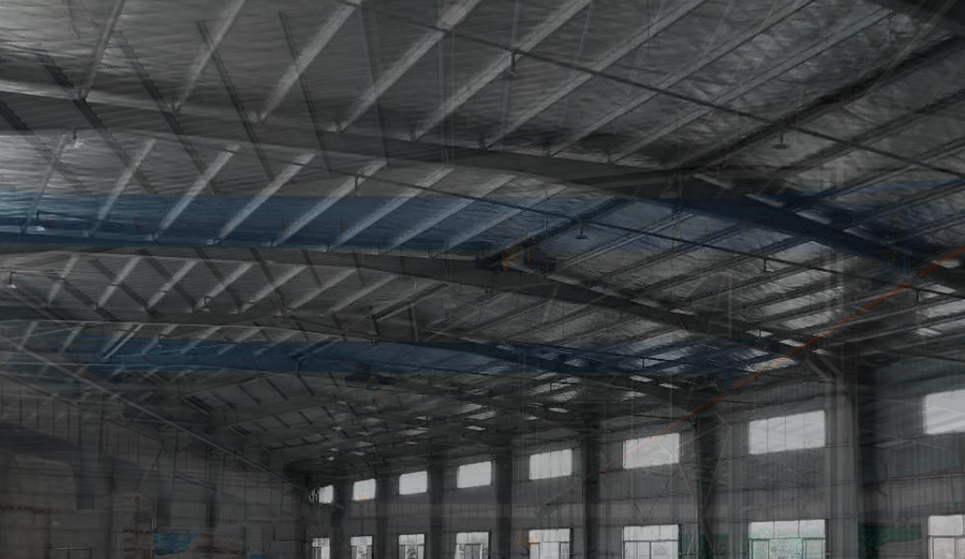
MS sealant technology has been shown to work well in building, industry, and manufacturing to keep water out. The Modified Silane polymer chemistry makes long-lasting, stretchy seals that don't let water in. It also has benefits that regular sealants don't have, like being safe for the environment, paintability, and primer-less bonding. Long-lasting sealing depends on using the right tools and methods and using good materials. Teams that buy things for other businesses can get better results when they work with experienced makers who can offer regular quality, technical support, and reliable logistics. A multi purpose ms adhesive sealant is a flexible and high-performance option that has been tested thoroughly and proven to work in the field. They can be used to waterproof industrial shelters, seal curtain wall gaps, or bond transportation panels.
A: As the top skin forms, MS sealant becomes water resistant for the first few hours. However, for full waterproofing to occur, the sealant needs to be fully cured, which usually takes 7–10 days for normal joint depths. Under regular atmosphere, the material cures at a rate of about 3.5 mm per day, making its way from the outside to the inside.
A: Yes, good MS sealant patches don't break down when exposed to UV light, high temperatures, or weather changes. Their flexibility and waterproofing stay the same at temperatures ranging from -40°C to 120°C, which means they can be used for things like roof penetrations, windows, and walls.
A: Because they don't have any isocyanates or harsh chemicals, MS sealants are safer than polyurethanes. Workers should still wear gloves to keep their hands from touching each other and to make sure there is enough air flow during the treatment. When the material cures, it only releases small amounts of alcohol, so it doesn't pose as many health risks as traditional sealant chemicals.
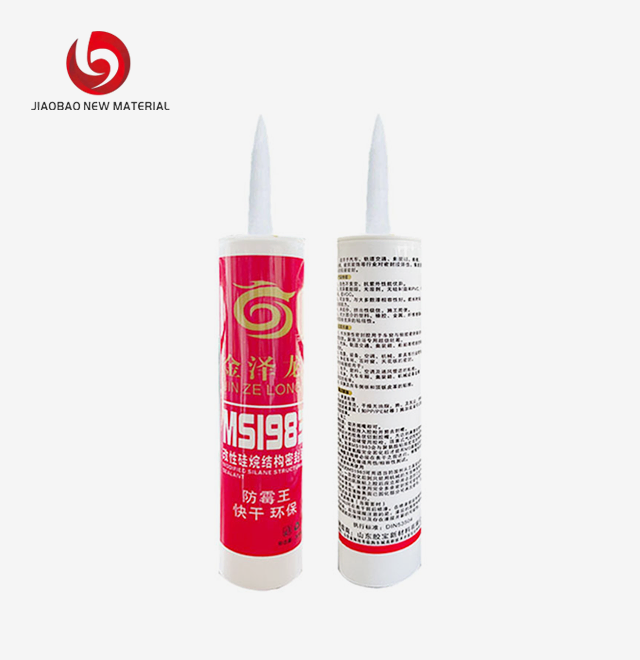
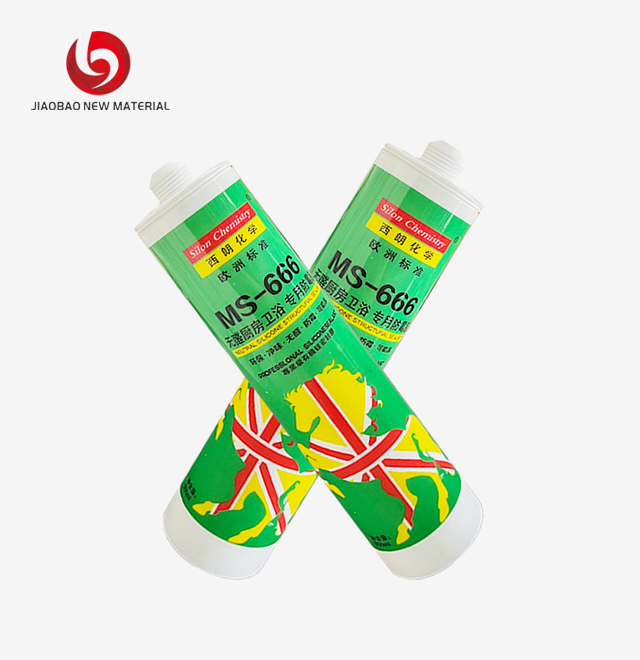
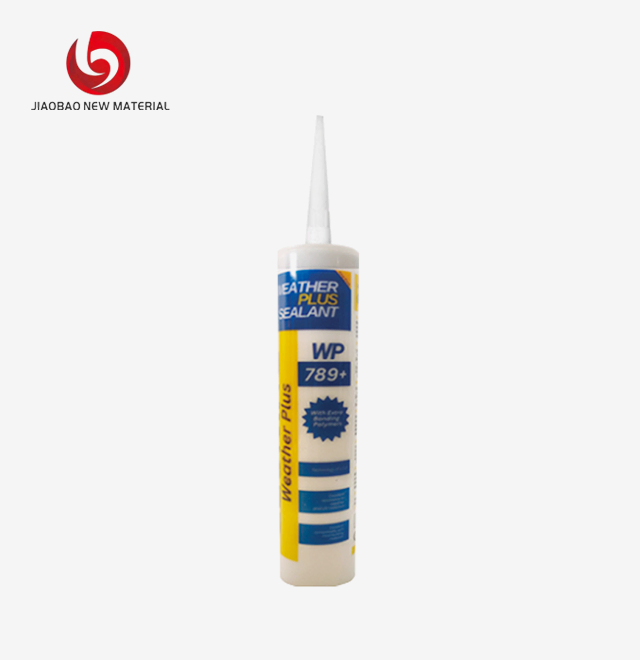
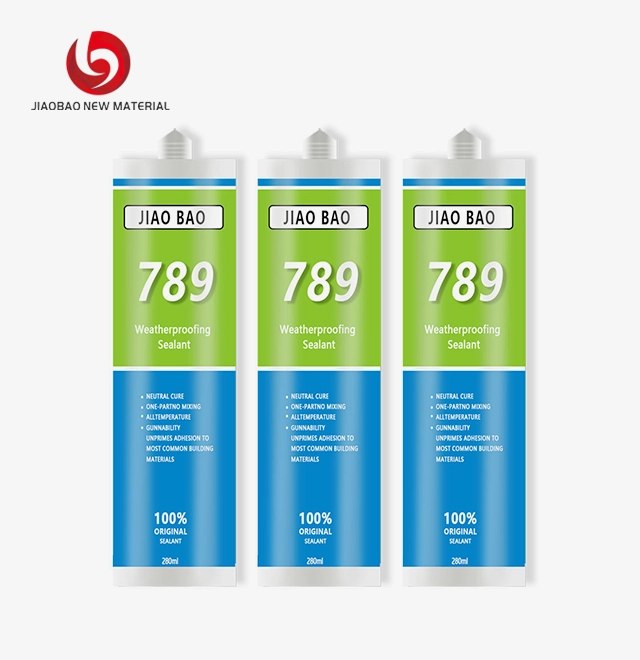
With more than 13 years of experience in specialized production, Shandong Jiaobao New Material Co., Ltd. is a reliable multi purpose ms adhesive sealant manufacturer. Our RTV MS Sealant is approved waterproof and can be used for curtain wall systems, installing doors and windows, and closing in factories. We keep up with our ISO approval and strict quality control systems, which makes sure that each batch is the same, which is important for your big projects.
Competitive prices and delivery times of one to two weeks help you stay on plan with your projects without sacrificing quality. Our OEM/ODM services let you change the color to match your building's requirements, and our expert team helps you with the application throughout the whole buying process. To get samples, detailed datasheets, or project-specific quotes, email our export team at dorashen@cnjiaobao.com. We promise quality satisfaction and will refund or replace any items that don't last the shelf life.
1. Chen, W., & Liu, M. (2019). Modified Silane Polymer Sealants: Chemistry, Properties and Applications in Modern Construction. Building Materials Journal, 45(3), 287-304.
2. International Organization for Standardization. (2015). ISO 11600: Building Construction—Jointing Products—Classification and Requirements for Sealants. Geneva: ISO Publications.
3. Patel, R. K., & Thompson, D. A. (2020). Comparative Analysis of Elastomeric Sealant Technologies for Waterproofing Applications. Journal of Construction Engineering, 52(8), 1142-1159.
4. Schneider, H. (2018). Silane-Modified Polymers: Development and Performance in Industrial Adhesive Applications. Polymer Science Quarterly, 31(2), 156-178.
5. United States Department of Commerce. (2021). ASTM C920: Standard Specification for Elastomeric Joint Sealants. West Conshohocken: ASTM International.
6. Zhang, Y., & Rodriguez, E. (2022). Long-Term Durability of MS Polymer Sealants in Curtain Wall Systems: A 15-Year Field Study. Construction Technology Review, 67(4), 423-441.
November 16,2023
Enterprise Name
The sealant has very strong adhesion and performs well even on glass and aluminum. After curing, it remains flexible and shows no cracking. Perfect for our facade projects.
November 16,2023
Enterprise Name
Stable quality across batches. Our customers especially like the smooth application and consistent extrusion. It helps reduce installation time on site.
November 16,2023
Enterprise Name
I used it for bathroom sealing. Excellent waterproof performance and no mold issues so far. It's been holding up very well in humid conditions.
November 16,2023
Enterprise Name
The neutral silicone works well on sensitive materials without corrosion. Very suitable for industrial applications requiring stable performance.
_1779347426672.webp)