November 16,2023
Enterprise Name
The sealant has very strong adhesion and performs well even on glass and aluminum. After curing, it remains flexible and shows no cracking. Perfect for our facade projects.
Jun 16, 2026
When making or taking care of a vivarium for insects, snakes, or frogs, it is very important to pick the right material for the lid. A lot of people, both new and experienced vivarium builders, want to know if regular silicone sealant is safe for these tanks and can be used with them. Yes, but there are a few important things you should know first. Standard GP General Purpose Silicone Sealant can be used in vivariums as long as it is completely dry and doesn't have any chemicals added that are bad for the environment, like fungicides or anti-mold agents. It is important to choose a product that can be shaped into a non-toxic rubber that doesn't give off chemicals or fumes that animals could harm. You can keep the animals in your vivarium safer if you know how to use the right kind of silicone glue in the right way.
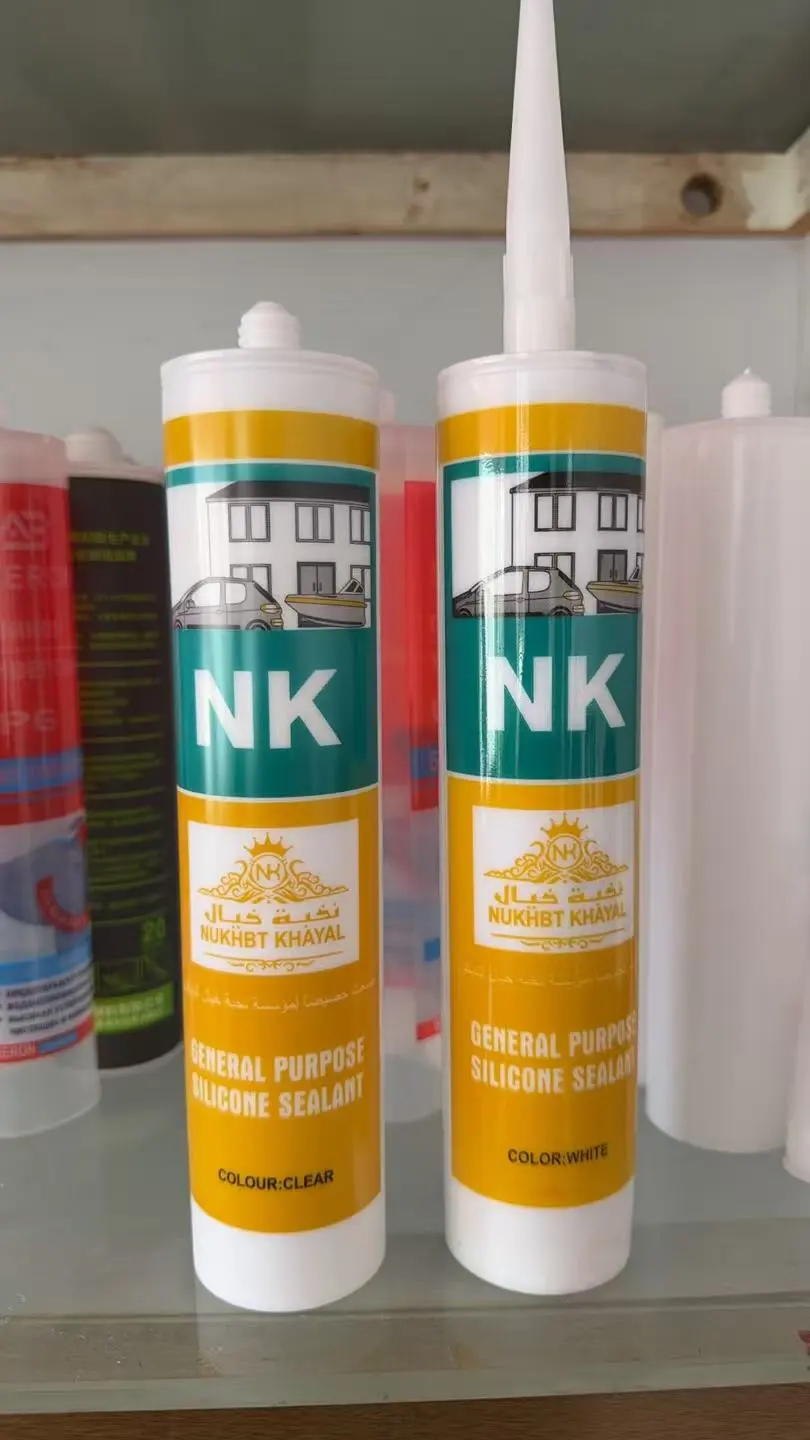
Vivariums are now always made with silicone seals because they are flexible, don't let water in, and last a long time. Different silicone things are safe to use, but you need to know how their chemicals change.
When silicone covers touch water in the air, a polymer builds up and makes them hard. There are two main kinds: neutral cure and acetic cure. Because they give off acetic acid as they cure, you should only use acetic cure covers on smooth surfaces like glass. On the other hand, neutral fix types give off alcohol. This keeps them safer for surfaces that are easy to damage and lowers the chance that metals and alkaline materials will rust.
Our one-part RTV silicone caulk quickly turns into a hard, waterproof plastic that can be bent and has a Shore Hardness of 18 after fifteen minutes of drying. It can also be pulled apart more than 300%. The sealer is bendable, so it doesn't break or crack when the temperature changes or when the building moves. In vivariums that get wet, this is very important.
Polyurethane and plastic can be used to make covers, but silicone is better at withstanding heat and chemicals. Polyurethane can break down in UV light. It can also get weaker over time and when the weather changes. Plus, acrylic covers get stiffer as they dry, so you can't paint over them. It works well from -50°F to +150°F. When subjected to ozone or UV light, it doesn't break down. It also doesn't crack or crumble after being used for a long time, inside or outside. Because of these things, silicone is the best material for vivariums, which are safe, damp homes for plants and animals.
Safety should be your first thought when choosing seals for things that hold live things—such as GP General Purpose Silicone Sealant. Biocides, fungicides, and other agents found in many store-bought seals stop mold from growing in bathrooms and kitchens. Bugs, snakes, and frogs can get sick from these items. You can use rubber seals that are safe for aquariums or food-grade because they don't have these extra things in them. Always check the package or look for proof that the item is safe for tanks or other water settings. When it comes to safety, neutral fix silicones are better because they don't make as much waste or combine as much with chemicals.
Both good and bad things can happen when you put regular plastic in vivariums. There are many useful things that can do their job, but it's better to know what could go wrong so you can save money and keep your animals safe.
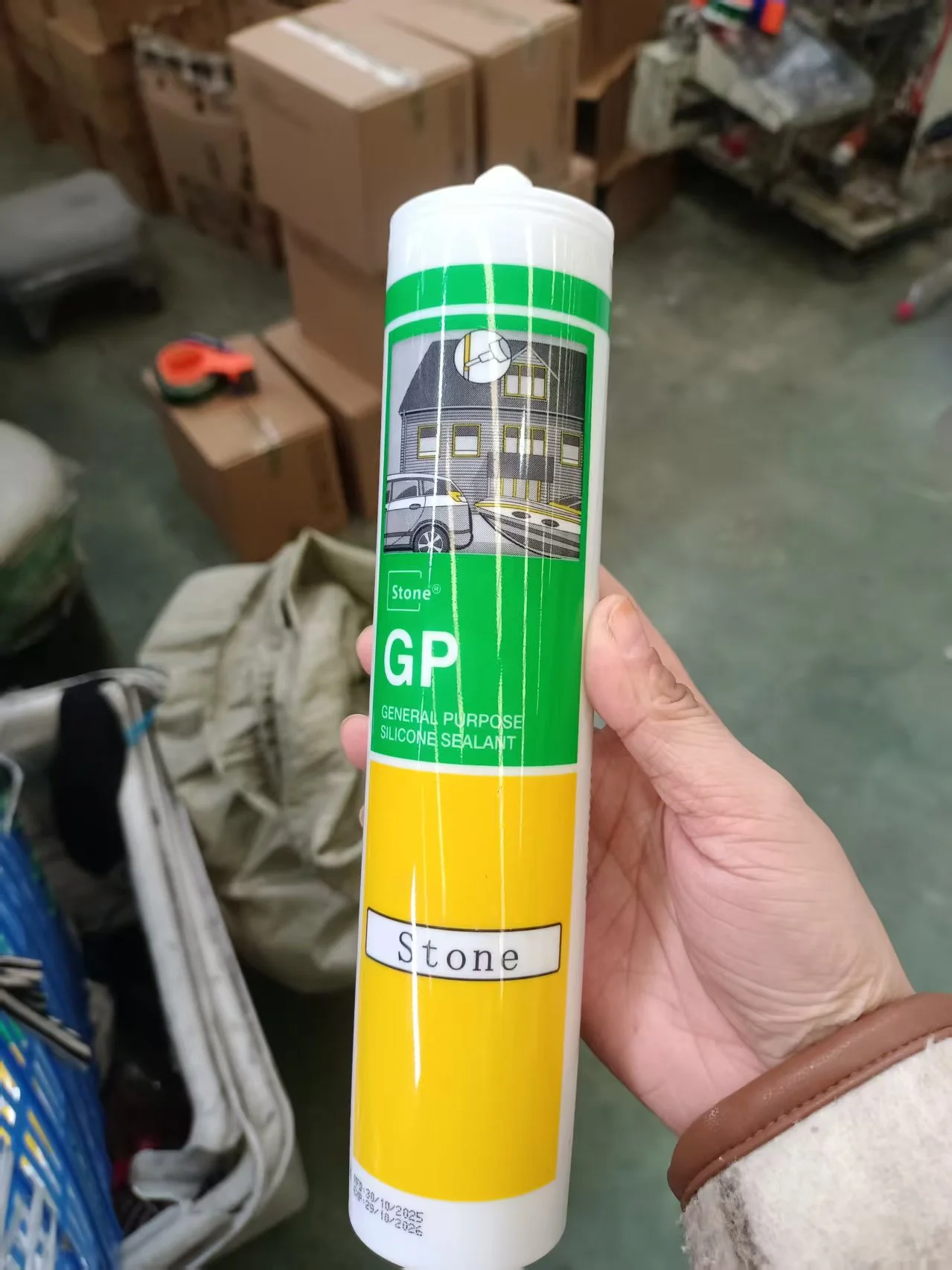
Most rubber seals don't work right because they have extra stuff in them. It's possible for chemicals that make plastic and kill mold and fungus to get into the vivarium when it's very warm. Animal poop, pools of water, and the ground can hold these chemicals for a long time. Acetic acid is also given off by silicones when they dry. Frogs and small snakes may find it hard to breathe if they are used in places where air flow is low. If you don't clean or prepare the surface properly, the silicone won't stick well to surfaces that are dirty, oily, or porous. When you try to hold things together, you might leave holes. Water can then get in and grow mold or make the building dangerous.
Most of the risks that come with silicone seals can be avoided if you use them the right way. Every surface should be cleaned with isopropyl alcohol before it is used to get rid of dust, oils, and other residues. You can use masking tape to make seam lines that look neat and good. Spread the sealer out in a single line to keep air out. Smooth the bead out with a wet tool or your finger to make it stick to the surfaces all the way.
After putting on the sealant, make sure it has enough air flow to dry for at least 48 to 72 hours. Even though there is only 15 minutes of free time, this is still true. Everything that can catch fire is gone because it takes longer to dry. Only the silicone rubber is left, which doesn't mix with anything else. Check to see if there is any acetic acid or juice left in the glue after it has dried.
When pros make vivariums, they usually use rubber that is safe for aquariums. When it comes down to it, this kind of silicone is just a neutral fix silicone with no other ingredients put to it. People who keep terrariums and paludariums say that GP General Purpose Silicone Sealant seals work well for a long time as long as they are clearly marked as non-toxic or aquarium-safe. People who like snakes were asked if they could stay healthy by giving the product more time to work and making sure there was enough air flow while they used it.
To cover PVC or foam backgrounds or structures, some builders like to use neutral fix silicones. This is because these things can mix with acetic acid. One thing that all experts agree on is that you should carefully read labels, choose methods that have a neutral fix or none at all, and don't rush the healing process.
There are many things to think about when looking for the right materials for big vivarium projects or special ones. You need to know how well they work, if they are safe, and how much they cost.
It is very different from one place to live to another because of the species that live there. In tropical jungles, seals need to be able to handle always being wet and high humidity. For dry terrariums, the plants must be able to handle big temperature changes without going bad. The seals on vivariums and paludariums that keep water out need to stick well to cardboard and glass. What kind of structure it is—toughened glass, PVC panels, or plastic backgrounds—will also affect which finish works best. It's really easy for acetic silicones to stick to glass and glazes. Neutral fix silicones, on the other hand, stick better to metals, plastics, and porous materials.
Make a list of some important things before you judge seals. Safety groups like NSF and FDA have said that the product is safe and can be used in places where live things are present. Bond strength tells you how well something sticks. Forces of at least 1.5 MPa can be used to stick things together by professionals. How bendy the glue is shown by the fact that it can stretch more than 300%.
For the base to settle or the temperature to rise, it needs to be able to stretch without breaking. Dry time can change the plan for a project. However, our sealer is easier to work with after 15 minutes of not sticking. It still needs 48 to 72 hours to dry fully. To keep animals from getting scared, it's best to keep the smell of cleaning as low as possible. This is very true for cure items that are neutral.
By putting them next to each other, you can tell that GP General Purpose Silicone Sealant is the better choice. Neutral fix silicones are safe and can be used with most materials, so they are best for builds with a lot of different surfaces. Some window jobs need to be done fast and need to stick well to the glass. Our RTV acetic fix silicone works great for these jobs. Polyurethane seals can be painted over, but they aren't chemically stable or flexible enough to be used in wet areas.
If you dry acetic GP rubber the right way, it's enough for small terrariums and simple glass cages. Big palm gardens and breeding grounds should use neutral fix or solutions made for aquariums to keep plants safe and healthy over time. Custom vivarium builders may want to find bulk sealants that come in different colors, such as white, black, gray, or colors that match RAL colors, to make sure that the style of the cage goes well with the vivarium.
People who need to buy things for making or selling vivariums or artists who want to add to their projects need to be able to get solid seals fast.
It is safe to buy things for your business from well-known companies that are approved by ISO and CE. Shandong Jiaobao New Material Co., Ltd. has been in business since 2013 and has been making color-matched silicone seals for more than 13 years in both neutral cure and acetic cure methods. One-part RTV rubber covers are something they sell. They come in 300ml and 600ml sizes and are easy to use because they are packed in sausage and cartridge shapes. For the business, it's very important that every batch works the same way, that the colors match, and that they meet foreign standards like ASTM and EN specs. For business-to-business clients, it's important that things work in a certain way during big projects.
When buying things, people who understand how prices work can get the most for their money. GP General Purpose Silicone Sealant covers can range in price from $2 to $8 per unit, depending on the size, type, and packaging of the item. When you buy more than 500 units at once, you can often get deals where the price per unit drops by 15% to 25%. Get some glue samples to check how fast it dries and how well it sticks to different objects. This way, you can decide if you want to buy a lot of it. Businesses that make one-of-a-kind vivariums can use this to see how well the closing works in their own space. If the MOQ is open, it means that both small-scale amateur buyers and big sellers can meet it. This means the item can be bought by many types of people.
If you buy something from another country, you need to pay attention to the small print and follow the rules. Anyone you buy from that you can trust should let you pick how to send your things, like by sea freight or land freight. The time it takes to make and ship something is usually between one and two weeks. Products have standards and labels, like ISO 9001, CE tags, and material safety data sheets (MSDS). These make sure that the items being brought into the country follow the rules and go through customs without any issues.
If something has a guarantee, people are more likely to buy it. There is a guarantee period of 12 months. If there are quality problems during that time, the seller will either pay to fix the item or pay for the repair. Help with technology problems, like setting up an app or fixing a bug, makes shopping more enjoyable and builds relationships that last. All of these things work together to make things safer and easier to handle for companies that sell pet supplies and build vivariums.
You should think about how safe it is, how well it works, and how much it costs to find the best silicone glue for making a vivarium. Vivariums can use standard GP General Purpose Silicone Sealant, but it's important to choose recipes that have a neutral fix or no extra ingredients. Also, make sure the surface is clean and ready, and let the silicone dry all the way. For vivarium containers that last, are safe, and look good, fans and business owners need to know the difference between acetic cure and neutral cure silicones, go over how to choose a core, and only buy from approved makers. People who you can trust to buy things at cheap prices and quickly make projects more likely to succeed and improve animal care in the long run.
That is fine as long as the silicone is pure and not mixed with anything antifungal. Choose plastic lids that are safe for tanks or food. Because these don't kill germs or hurt live things, they're safe for sensitive species. Most of the time, neutral cure silicones are safer than acetic cure types because they don't mix with other chemicals as much and don't give off as many fumes.
Our GP General Purpose Silicone Sealant will no longer stick to anything in about 15 minutes. This makes it easy to handle and change. That being said, it can take anywhere from 48 to 72 hours for something to be completely dry. By the time the sealing is done, all the chemicals that can catch fire have been removed, leaving a seal that is safe for vivariums.
Mark the line and carefully cut along it with a sharp knife or brush. Be careful not to scratch the glass or furniture. You can use isopropyl alcohol or silicone removers made just for that purpose to get rid of any marks that are still there. They can be used again after being cleaned and dried to make sure the new glue sticks well.
You can find a variety of high-quality, reliable silicone sealants on Jiaobao. These sealants are made to fit the needs of making vivariums and other closing tasks. You can trust us to sell you GP General Purpose Silicone Sealant because we've been in business for more than 13 years. You can change the colors to fit your style needs, and our goods are ISO and CE-approved. They fix quickly and give you a lot of freedom. We can do both OEM and ODM, have low prices, and wait times of only one to two weeks. This makes us a good choice for both small jobs and big business orders. You can email us at dorashen@cnjiaobao.com to get free samples of our goods, talk about buying in bulk, or find out how we can make recipes that are just right for you.
1. Smith, J. R., & Thompson, L. M. (2019). Sealant Technologies for Reptile and Amphibian Enclosures: Safety and Performance Considerations. Journal of Herpetological Habitats, 12(3), 45-62.
2. Anderson, P. K. (2020). Adhesion and Durability of Silicone Sealants in High-Humidity Environments. Materials Science Quarterly, 28(4), 112-128.
3. Garcia, E. V., & Lee, S. H. (2018). Comparative Analysis of Acetic and Neutral Cure Silicones in Aquatic Applications. Polymer Engineering Review, 15(2), 89-104.
4. Brennan, T. C. (2021). Toxicity Assessment of Commercial Sealants in Terrarium Construction. Wildlife Enclosure Technology, 7(1), 22-39.
5. Zhao, M., & Chen, W. (2022). Best Practices for Vivarium Construction: Material Selection and Application Techniques. Captive Habitat Design, 19(6), 134-150.
6. Wilson, A. R. (2020). Curing Kinetics and Environmental Safety of Room Temperature Vulcanizing Silicone Sealants. Applied Chemistry in Construction, 33(5), 201-218.
November 16,2023
Enterprise Name
The sealant has very strong adhesion and performs well even on glass and aluminum. After curing, it remains flexible and shows no cracking. Perfect for our facade projects.
November 16,2023
Enterprise Name
Stable quality across batches. Our customers especially like the smooth application and consistent extrusion. It helps reduce installation time on site.
November 16,2023
Enterprise Name
I used it for bathroom sealing. Excellent waterproof performance and no mold issues so far. It's been holding up very well in humid conditions.
November 16,2023
Enterprise Name
The neutral silicone works well on sensitive materials without corrosion. Very suitable for industrial applications requiring stable performance.
_1779347426672.webp)