
November 16,2023
Enterprise Name
The sealant has very strong adhesion and performs well even on glass and aluminum. After curing, it remains flexible and shows no cracking. Perfect for our facade projects.
Jun 13, 2026
Knowing the difference between adhesive sealants and silicone is very important when choosing materials for jobs like installing curtain walls, window systems, or industrial closing. Adhesive sealants are a large group of bonding materials whose main job is to completely join two substrates together, often giving up flexibility for bonding strength. Silicone sealants, on the other hand, are made of elastomeric materials that are designed to close gaps while still letting them move and being resistant to weather. High adhesion silicone sealant is the best of both worlds because it bonds very well without sacrificing the freedom and sturdiness that silicone chemistry offers. Because of this, they are very useful in tough situations where both strong adhesion and long-term flexibility are important.
Different types of chemicals are used to make adhesive seals, such as epoxy, acrylic, and polyurethane. Chemical reactions or the evaporation of the liquid cause these materials to harden, creating stiff or semi-rigid bonds that are best for load-bearing uses. While they can accommodate joint movement, their main job is to stick to the material.
Silicone sealants use siloxane polymer chains that harden when they come into contact with water. This makes rubbery seals that are very flexible. When you mix our one-part RTV (Room Temperature Vulcanizing) silicone sealant recipes, they fix reliably without the need for special tools or mixing. The acidity-based curing system starts working when it comes into touch with moisture in the air. Within 15 minutes, the surfaces are tack-free, and the full fix depth is reached over the next few days.
Most traditional glue sealants don't have the elongation ability needed for building movement, but they are great at static gluing. Most stiff sealants don't work when joints get wider or thinner than 5 to 10 percent of their original width. High adhesion silicone sealant, however, stays flexible at temperatures ranging from -50°C to +150°C, allowing for changes of up to 50% without failing to stick or stick together.
The advanced formula in high-end silicone goods allows for a maximum bond strength of 1.5 MPa while still keeping tensile rates of over 300%. This mix makes it possible for the cloth to stretch a lot under stress without tearing or coming apart from the supports. When you look at shore hardness values around 18, you can be sure that the material is still flexible enough to handle structure movement while also having enough body to keep it from sagging when used vertically.
Standard silicones that can be used for many things sometimes have trouble sticking to tough surfaces like anodized aluminum or powder-coated metals. Better mixtures have organofunctional silane adhesion promoters that attach to different surfaces by making chemical links at the molecular level. This technology gets rid of the need for primers in most situations involving glass, metal, stone, ceramic tiles, plastic steel, and concrete. This speeds up the installation process and lowers the cost of work for big projects.
The main difference between regular and improved silicone formulas is the amount of polymer and the presence of an adhesion enhancer. Cheap silicones often have a lot of chemical solvents and neutral fillers that make them cheaper but worse at their job. Higher silicone polymer ratios are kept in professional-grade materials, which keeps the sealant's shape as it dries and ages.
Specific gravity readings between 0.87 and 0.88 show the right amount of solids without too much water being added. This density range shows that there is enough active silicone content to provide consistent UV stability and weather protection over long service periods. The consistency value of 0.88 shows that the material is thixotropic, which means it doesn't sag on vertical surfaces and can be easily pushed out using normal sealing tools.
Technical specs give you a way to compare goods objectively when you're looking at them for curtain wall assemblies or window fabrication plants. These qualities of our mixture have been confirmed:
Extreme temperature changes happen inside building walls throughout the day and between seasons. Quality high adhesion silicone sealant formulas keep their elastomeric qualities from -50°C to +150°C, so they don't become rigid like some organic adhesives do at low temperatures or soften up at high temperatures, which makes them less effective. The material's resistance to UV rays means that it won't chalk, change color, or break down mechanically even after decades of use in full sunlight.
Curtain wall companies count on reliable sealing materials that can handle the large thermal growth of metal and glass panels. Our high-adhesion silicone sealant keeps water out in both physically glazed and captured systems by closing the weather. It is the first line of defense against water getting in. Because the material can stick to anodized metal without a primer, it makes installation easier. It also comes in white, black, gray, and unique colors that can be mixed and matched to fit wall designs.
The 300ml and 600ml sizes come in both sausage and cartridge forms, which are useful for door and window processing plants. This packaging is flexible enough to work with a range of application tools, from caulking guns that are used by hand to pneumatic dispensers used in high-volume industrial settings. The 12-month shelf life gives warehouse managers enough freedom to move things around without worrying about fixing too soon or performance going down.
For energy economy, companies that make HVAC equipment need sealants that can handle changing temperatures over and over again and keep their airtight seals. Cleaning agents, mild acids, and alkaline substances that are used in business and industrial settings don't break down silicone mixtures because they are chemically stable. Electronics and device companies like the material because it is insulating and doesn't let water in, which could damage sensitive parts.
More and more, companies that make automotive parts need high-adhesion silicone sealant for a wide range of tasks, from protecting underbody parts to sealing lighting assemblies. In these tough working conditions, the tolerance to vibration and weatherability make it better than organic options. Stone processing plants and glass fabrication shops like how these substrates stick right to them without needing to be prepared in any way other than cleaning. This speeds up production in competitive markets.
Businesses that make prefabricated buildings cut down on production time by using tried-and-true closing systems like high adhesion silicone sealant when making the panels instead of putting them together in the field. The consistent extrusion properties and expected cure profile of our mixture support automatic dispensing systems that make sure beads are placed evenly and dimensions are controlled. The ability to accommodate ±20% to ±50% joint movement keeps seals from failing when modular parts are moved, lifted, and put together in buildings that are settling and changing temperature.
Because polyurethane formulations are easier to paint and don't break down easily, they are good for horizontal parts that will be used by people or machines. When compared to regular silicones, these materials usually have better starting tensile strength. However, polyurethane seals usually don't stand up well to UV light, so paint protection is needed for uses that will be exposed to the sun. Because silicone chemistry is stable in all kinds of weather, it keeps working without protective layers, which means less long-term upkeep is needed.
Another important difference is temperature tolerance. Polyurethane materials usually work between -40°C and +90°C, while silicone materials stay flexible between -50°C and +150°C. high-adhesion silicone sealant has a wider range of uses, which is good for projects in places where temperatures change a lot. Chemical protection also makes silicone a better choice for uses where it might be exposed to cleaning products or light industrial chemicals on occasion.
Modified silicone (MS) polymer seals try to take advantage of both polyurethane's paintability and silicone's ability to withstand weather. In some situations where coating compatibility is needed, these combination materials are valid options. The cons are that the materials are usually more expensive and the UV safety isn't as good as with pure silicone formulas. Managers in charge of buying things should think about whether the need for paintability is worth the performance losses and higher costs that come with mixed chemistries.
As building rules get tougher on indoor air quality, volatile organic compound (VOC) emissions become a bigger factor in choosing materials. Silicone sealants usually have less volatile organic compounds (VOCs) than solvent-based options, which helps with LEED approval and health goals for occupants. Our acetoxy-cure recipe gives off acetic acid while it cures. This acid quickly disappears in well-ventilated areas, so there are no long-term emission issues. For sensitive areas, neutral-cure versions have even lower odor profiles. However, acetoxy systems cure faster and stick to glass surfaces better at first.
Companies like Sika, Dow, Henkel, Momentive, 3M, and GE make a wide range of products for different types of customers. Differentiating materials happens by making them work better with certain surfaces, choosing the right cure system, and giving them unique qualities like fire protection scores or antimicrobial properties. Knowing these differences helps procurement teams choose the right goods instead of just going with the ones they know, like a name.
Verification of adhesion power through standard tests is the basis for accurate specification. Ask ASTM C794 for peel adhesion data that shows cohesive rather than sticky failure modes on materials that are right for your needs. If the sealant tears inside instead of coming off the base, this is called cohesive failure, and it means that the sealing is good.
Substrate compatibility is more than just how well something sticks to it; it also includes possible chemical interactions. Acetoxy-cure silicones give off acetic acid, which can eat away at copper, brass, and lead, as well as glass backings. For projects that use these materials, neutral-cure formulas are needed. Alkaline-resistant formulations can help concrete and brick surfaces sometimes because they can handle the high pH surroundings of new cementitious materials.
Building rules and project guidelines often say that ASTM C920 standards for movement capability classes must be followed. Class 25 seals can handle ±25% joint movement, making them good for most business building projects. Check that the product certificates match the rules in your area, especially for fire-rated assemblies where the performance of the sealant at high temperatures impacts the total system ratings.
For international projects, you might need extra certifications like ISO system compliance, CE marking for European markets, or product approvals that are specific to the area. Suppliers who already have a lot of certifications can make the design process easier and lower the risk of not meeting the requirements. Our quality control systems and production methods are ISO-certified, and we have records that show they meet the different rules and regulations in global markets.
For big building projects or curtain wall installations, project-based procurement can help with volume agreements that allow for competitive price and supply continuity. Get suppliers involved early on in the planning stages of the project to set supply times that work with the order of building. This will help you avoid costly delays caused by lack of materials.
Evaluation of samples is an important step to take before making big purchases. Ask for samples in the colors you want and test their adhesion to surfaces from your real supply chain. Before they become field fails, these checks find any possible connection problems. During testing, the product should be put through relevant outdoor conditions that mimic service conditions over shorter periods of time. These conditions could include changing temperatures, UV exposure, and soaking in water.
Different suppliers have different minimum order amounts. Usually, bigger pledges are needed for custom formulations or special colors than for stock items. Our flexible production options allow for customization with low minimum orders, balancing your need to control your supplies with the economies of scale that allow us to offer competitive prices. The 300ml and 600ml sizes give you choices that fit your application rates and storing needs.
Being able to tell the difference between general glue sealants and silicone-based formulas lets you choose the right material for the job. Better high adhesion silicone sealant mixtures stick to surfaces well while keeping the flexibility, weather resistance, and temperature stability that come naturally with silicone chemistry. The improved formulation technology gets rid of the need for primers on most common building surfaces. This makes installation easier and cheaper. It is important to carefully look at technical specifications, compliance certifications, and a supplier's skills before making a purchase. This will help projects succeed in building, manufacturing, and industry settings.
A: Higher polymer content and special adhesion promoters are used in enhanced formulas compared to economy-grade goods. Instead of just mechanical interlocking, this chemistry forms chemical links with substrates, so primers aren't needed for most uses. This makes it possible for strong, long-lasting bonding to difficult surfaces like anodized aluminum, coated glass, and powder-coated metals, where regular silicones might fail over time.
Substrate surfaces should be clean and dry before application. If there is moisture on the base surface, it stops the proper wetting and initial bond formation, which could lead to the seal failing too soon. Even though silicone hardens by absorbing water from the air, too much water on the surfaces it's used on makes a barrier that stops the close touch that's needed for bonding.
The joint's size should allow for expected movement without putting too much stress on the glue. Most of the time, keep joint widths between 6mm and 25mm and depths about half of the width. Backer rod may be needed for wider joints to control the depth of the sealant and make sure the right aspect ratios are met. To find the right joint size for a given job, use movement calculations based on the temperature expansion coefficients of the materials and the expected bending of the structure.
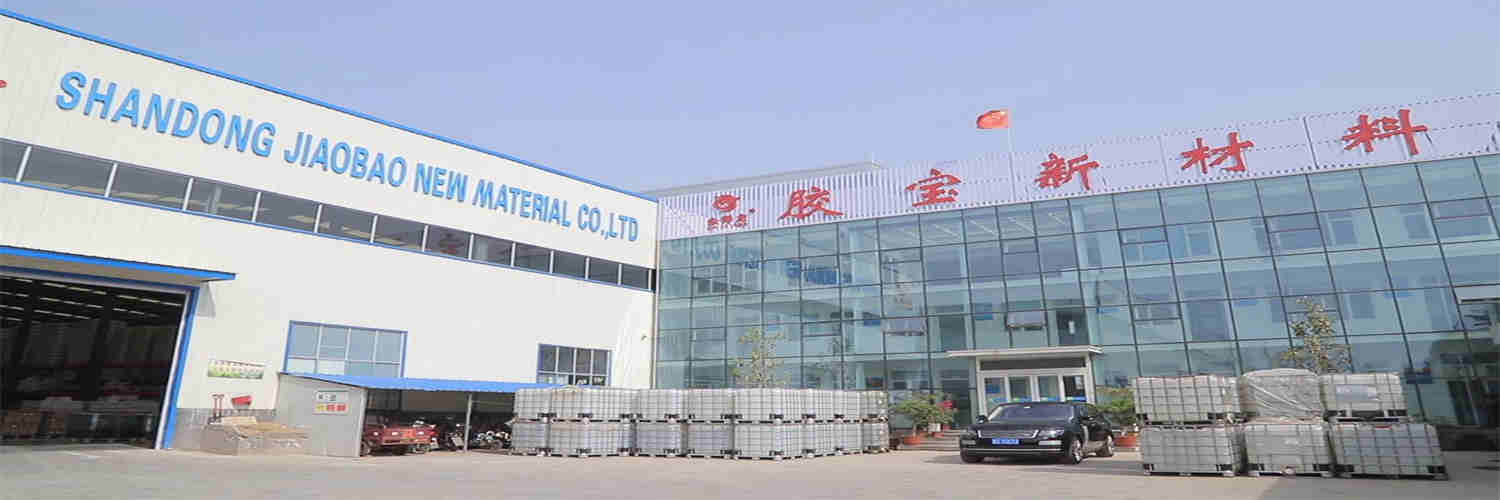
Shandong Jiaobao New Material Co., Ltd. specializes in manufacturing premium colored and high-adhesion silicone sealant solutions backed by over 13 years of production expertise. Our ISO-certified facilities deliver consistent quality across neutral and acetoxy formulations tailored to demanding curtain wall, window assembly, and industrial sealing applications. We understand procurement managers require more than competitive pricing—you need reliable supply chains, responsive technical support, and customization flexibility that aligns products with project specifications.
Our OEM/ODM services let us match colors to RAL standards and make sure that each batch looks the same, which is important for building aesthetics. Our 1-2 week production wait times help keep projects on track. There are a lot of different shipping choices that can be used to meet different transportation needs, like combining container loads or quickly sending important materials. Quality assurance includes more than just making. It also includes promises on shelf life and policies for refunds or replacements that protect your investment in buying things. Contact our technical team at dorashen@cnjiaobao.com to discuss your specific requirements with a trusted high-adhesion silicone sealant manufacturer committed to supporting your project success.
1. American Society for Testing and Materials. Standard Specification for Elastomeric Joint Sealants. ASTM C920-18.
2. Panek, J.R. and Cook, J.P. Construction Sealants and Adhesives, 3rd Edition. John Wiley & Sons, 1991.
3. Klosowski, J.M. and Wolf, A.T. Sealants in Construction, 2nd Edition. CRC Press, 2016.
4. Building Research Establishment. Selecting Sealants: BRE Digest 380. Construction Research Communications Ltd., 1993.
5. Hutchinson, A.R. and Pagliuca, S. Silicones for Industrial Applications: Their Chemistry, Properties and Uses. Rapra Technology Limited, 2003.
6. Federation of European Rigid Polyurethane Foam Associations. Technical Guidelines for Sealant Selection in Modern Building Envelopes. Brussels, 2019.
November 16,2023
Enterprise Name
The sealant has very strong adhesion and performs well even on glass and aluminum. After curing, it remains flexible and shows no cracking. Perfect for our facade projects.
November 16,2023
Enterprise Name
Stable quality across batches. Our customers especially like the smooth application and consistent extrusion. It helps reduce installation time on site.
November 16,2023
Enterprise Name
I used it for bathroom sealing. Excellent waterproof performance and no mold issues so far. It's been holding up very well in humid conditions.
November 16,2023
Enterprise Name
The neutral silicone works well on sensitive materials without corrosion. Very suitable for industrial applications requiring stable performance.
_1779347426672.webp)