November 16,2023
Enterprise Name
The sealant has very strong adhesion and performs well even on glass and aluminum. After curing, it remains flexible and shows no cracking. Perfect for our facade projects.
Jun 16, 2026
When selecting a fire rated silicone sealant for your project, it's important to know what the specific needs of your application are, check the safety standards, and change the product's performance to the weather. The sealer must not catch fire, be flexible, not get damaged by water or weather, and stay on the surface for a long time, whether it's for curtain wall joints in a business tower or MEP penetrations in a data center. Buyers and technical experts should give top importance to items that meet well-known fire safety standards and have useful features like being simple to use, letting you change colors, and having reliable seller support. You can use this book to learn the most important things you need to know to make a smart choice.
Fire rated silicone sealant are a big step forward in the way fires are put out when they're not in use. When hot, these sealants don't melt, crack, or lose their stickiness like other sealants do. Instead, they have flame-retardant substances in them, such as aluminum trihydrate or intumescent agents. They keep the building strong when it's on fire and keep flames, smoke, and dangerous gases from getting in through cracks and holes.
The way these sealants are made means that they can form into a layer that is bendable and rubber-like. This layer lets the building move around without letting the fire get through. Today, buildings can't be built without these doors, which keep out the weather and separate fire areas. Not only do good fire rated silicone sealant not catch fire, they also stay stable under UV light, don't grow mildew, and are waterproof, so they will last for decades.
Fire rated silicone sealant are used in a lot of different places with different technical needs. Companies that work with curtain walls in the building and construction fields use these items to close up the holes that form when floors and walls expand. This stops fires in big buildings from going up and down. Even when it rains, winds, and changes in temperature, the sealant has to keep its fire rating.
fire rated silicone sealant are used by HVAC workers who go through fire-rated walls to close off pipe holes. These seals need to be able to handle changes in temperature and shaking. When companies make electronics, they use these seals to keep smoke and changes in air pressure from getting into clean rooms with wire trays that hold sensitive equipment. Because of this, it can be used for parts of cars, home tools, and industrial machines where safety rules and heat exposure are important.
In some ways, newer fire rated silicone sealant versions are better than older ones. Most of the time, the temperature range is between -50°F and +150°F. But for some recipes, it can go as high as 200°F. The product will work the same way whether it is put somewhere cold in the north or close to a heat source because it is thermally stable.
Because they can shrink and stretch as the building moves, good fire rated silicone sealant don't lose their stickiness or leave holes. They can move about 20% to 50%. It doesn't break the seal like hard fire guns do when they are put under dynamic stress because it is bendable. With a Class 1 W grade, water won't be able to get into parts that have been sealed. This protects what's inside and stops material decay that could make the fire work less well.
To pick the right product, you need to carefully match the performance specs to the needs of the job. The way people are chosen is a mix of professional skill, following the rules, and being useful in real life.
You need to know how fire scoring systems work in order to make the right choice. The UL 94 V0 classification means that a product can put out a fire by itself. The ASTM E84 Class A classification means that a product has the lowest flame spread and smoke growth values. For building projects, look for products that have been tested to meet ASTM C920 standards. These standards check how well fire rated silicone sealant work in real-life joint situations.
This project needs to have a fire resistance time of at least one hour. If the sealer has a two-hour fire grade, it means that under normal test conditions, it stays in place and doesn't let fire through for two hours. Most of the time, places like hospitals, high-rise buildings, and gathering spots need higher fire ratings than low-rise business buildings. Third-party testing labs that check these licenses give them more power and make sure that officials will accept them.
What you need to know about a sealer is its fire grade and the temperature range in which it will work. Products must work well at both the temperature where they are placed and the temperature where they will be used for their whole life. A lubricant that is rated to -50℃ stays flexible when it is put in place in cold places in the winter. A +150°C sealant, on the other hand, won't soften or flow when it's hot outside or near heat sources.
UV light, moisture, and chemical reactions can all have an effect on how well something works in the long run. When fire rated silicone sealant covers are exposed to UV light, good ones don't chalk or change color. This means they keep looking good and working well. It is very important to protect against mildew in damp places like bathrooms, kitchens, and along the coast, where live things could grow and break the seal. When supports don't let water through, they don't get wet, which could damage them through rust, rot, or freeze-thaw cycles.
Practical problems have a big impact on when projects are finished and how well they do. Your sealant will reach its full strength and fire rating faster if it sets faster. Full fix levels of 3 mm every 24 hours make it easier to plan the next steps in the building process. Products that dry on the surface in 45 to 60 minutes can be worked with more quickly. You don't have to throw away goods that have gone bad after 12 months.
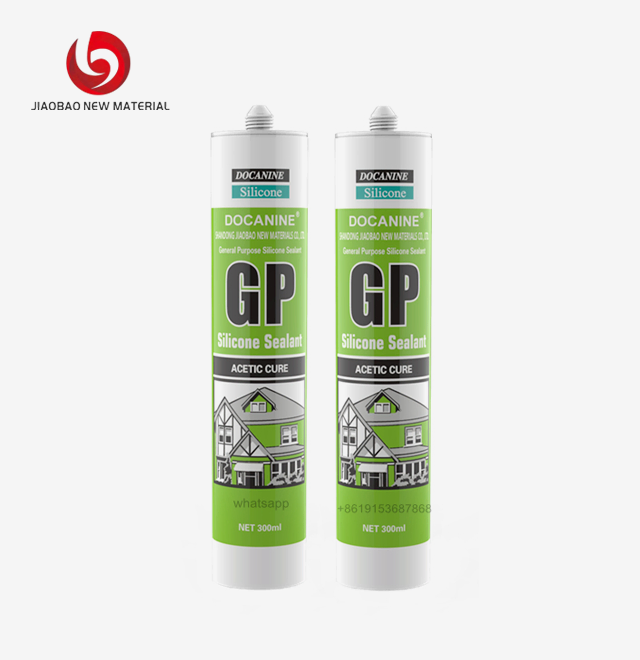
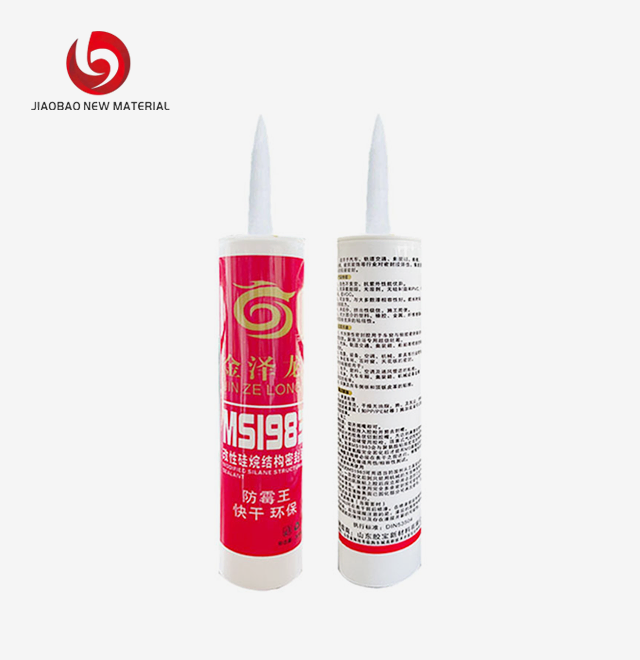
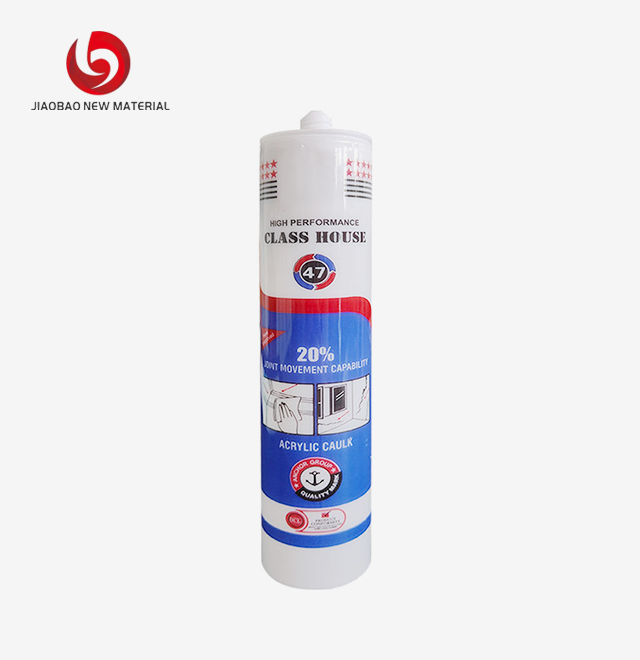
What kind of wrapping you use affects how well the item works and how the materials are treated. Regular caulking guns can be used for small jobs because the cartridge package works well. But sausage packing saves money and time on big jobs. When you have 300ml and 600ml sizes, you can use them for different-sized projects and waste less container space. White, black, and gray are standard colors, but colors can also be mixed to match the finish on a building. This is very important for expensive jobs where the joints can be seen.
There are several kinds of chemicals that are used to protect things. When you know these differences, you can better match the things to the job.
Most of the time, fire rated silicone sealant work better than polyurethane, acrylic, and hybrid choices in tough fire-critical conditions. Formulations with fire rated silicone sealant don't break down in cold weather or get softer in hot weather, so they can be used in a wider range of temperatures. fire rated silicone sealant covers made of biological materials break down over time when they are exposed to UV light, ozone, and the weather. But fire rated silicone sealant doesn't because it is chemically stable.
As fire rated silicone sealant do, polyurethane seals don't hold up as well to high temperatures or UV light. You can paint over them, though. Acrylic seals are cheap and good for indoor uses where people don't move around much, but they don't last long enough or be resistant to fire to be useful as fire shields. To make hybrid polymer covers, the best parts of different chemicals are mixed together. However, when heated or on fire, they rarely work as well as pure fire rated silicone sealant.
The product needs to have certain features for each type of installation. The best weather resistance, UV resistance, and compatibility with metal, glass, and finishes that are usually used in facade systems are needed for curtain walls that are used on the outside. When the temperature goes up, the sealer has to be able to handle big changes in the joint and still hold the fire shields and weather seals in place.
These are the most important things to look for in inner doors and windows: they shouldn't smell bad while they're healing, they shouldn't damage paint, and the colors should match. Materials used in the kitchen and bathroom need to be very resistant to water and mold so they can handle being wet all the time. In the business world, materials often need to be more resistant to chemicals or work well with surfaces like surfaces like plastics or composites that regular mixes might not work well with.
Green building attempts are changing the way people buy things more and more. Having low VOC emissions helps meet LEED and BREEAM guidelines, keeps installers healthy, and makes sure that the air inside houses is clean. Environmentally-friendly products show that the company thinks about the earth without making the product less safe or less effective.
That's because fire rated silicone sealant last a long time. This means that they don't need to be changed as often, which saves money on work, materials, and getting rid of waste. If you pick the right fire rated silicone sealant and put it in the right place, it will last for decades. Other materials need to be fixed or changed more often. A lower overall cost of ownership usually makes up for higher prices of the things they were made of when you look at them over their whole life.
There are more things you need to do when you buy fire rated silicone sealant from a store. It is important to know what the providers can do, how they set their prices, and what papers they need in order to do business with you.
How well risks are handled and how well a project turns out depend on the provider that is chosen. Manufacturers who have ISO approval have a way to keep track of quality. Plus, having been in business for more than 13 years, they know that their production process is improved and the quality of their products is solid. It is possible to do responsive buying with wait times of one to two weeks. Production capacity shows if providers can meet the needs of big projects without any delays.
Being able to change colors, product styles, or the way something works is a big part of customization. With OEM and ODM services, sellers can put their own names on the goods or change the recipe to fit the needs of the project. Technical support from companies can help with questions about applications, concerns about how well they work together, and issues with starting up. Before you buy a lot of something, you can try a sample to see how well it works and see if it will work with other things.
Big orders get better unit costs when prices are based on volume. Procurement managers have to weigh the savings against how much it costs to store things and how long they can be kept. You can stick to your budget and compare sellers when the prices are clear and include all the costs, such as the product, packing, shipping, and any customization fees.
How long a job takes and how much it costs to deliver depend on how good you are at logistics. That means that suppliers who let you ship by sea or land can work with different amounts of urgency and the infrastructure in each place. Projects don't get pushed back, which can cost a lot, when delivery times are kept, and people can plan ahead for what to do if something goes wrong when they know about possible problems. It's easier to set realistic goals and make plans for important dates when you know what parts of the wait time are involved, such as order handling, production, quality control, and shipping.
By having all the information in order, you can follow the rules and lower the risk of problems. Safety Data Sheets are important for safety programs at work because they explain what drugs are, how to handle them safely, and what to do in an emergency. Technical data sheets describe how the product works, how to use it, and any limitations that you need to know about in order to use it properly.
Well-known testing labs' fire rating approvals back up claims about how well a product works and show that it meets building code requirements. If a maker has an ISO license, a CE mark, or another quality standard, it means they are committed to quality and following the rules. When you want to buy things from other countries, export licenses and customs paperwork make it easier to do business with other countries and get the government's okay.
You need to think about more than just safety when picking a fire-rated choice. Make sure you get a product that will work reliably in bad weather and is simple for installation teams to use. fire rated silicone sealant from Jiaobao has been tested and shown to be safe around fire. It also works well in all weather conditions. Polyurethane and plastic choices break down over time, but this mix doesn't crack, chalk, or lose its stickiness. If you put the sealant outside where the weather and temps change quickly, it will last for years.
It is important for buildings to be flexible so that they can grow, shrink, and settle as the seasons change. The finished sealer from Jiaobao can move up to 50%, so it can handle this. So, the seal doesn't break, which would hurt both the weather protection and the fire compartmentation. Fire walls and building walls stay in place with this moving housing that doesn't need to be changed or updated very often.
The defense will still work even if the temperature is very high or very low. As low as -50°F and as high as +150°F, Jiaobao's fire rated silicone sealant works well. For tough jobs, there are special versions that can reach 200°F or higher. There are no problems with brittleness when installing in cold weather, and there are also no problems with sinking or flow when installing in hot weather, which could change how the joints look and how they are filled.
Because it has a wide working range, the device can be used in a lot of different settings. Whether you cover the outside of a house in the north during the winter or the inside near heat sources, it will work the same. The thermal stability makes sure that the sealant sets properly while it's being put down and that it keeps its fire rating and mechanical properties for a long time.
Detailed factors help when writing instructions and making sure they are followed. GB 13477 says that the density of 1.40 ± 0.05 g/m³ makes sure that the quality of the material stays the same from batch to batch. GB 2793 says that 99.5% non-volatile components keep the joint fully filled and stop it from shrinking while it hardens. GB 13477 says that the sealer can't sag or run so that it stays in place when applied vertically and doesn't fall off before it cures.
GB 13477 says that the surface should be dry in 45 to 60 minutes. This speeds up the process and makes it less likely that dust or dirt will get on it. The speed at which it dries, 3 mm in 24 hours, makes it easier to plan the next steps in the building process. It can be white, black, gray, or a different color, and it looks good with any building finish. You can get sausage and cartridge packages in 300ml and 600ml sizes for all kinds of jobs, from small changes to big new builds.
Putting the material down in the right way has a direct effect on its fire rating and service life. If you follow a set of rules, you will get the best results.
Before you put it on, make sure the area is totally clean. Get rid of any oil, dust, dirt, old sealer that is still on the surface, or anything else that could make it harder for the fire rated silicone sealant to stick. Use the right cleaners that won't damage the base, and let them dry completely before putting on the sealer. It's important to dry things all the way down because water can stop many fire rated silicone sealant materials from sticking and drying.
Check the joint's measures against what the product needs. The true fire grade and how well coatings work depend on the joint width and depth ratios. For most systems to be fireproof, the joints need to be made in a way that has been tested and approved by reputable labs. Using backing material like closed-cell foam rod creates the correct joint shape, stops three-sided binding that causes cohesive failure, and limits the sealant's depth for optimal performance.
Make a 45-degree cut in the tip of the fire rated silicone sealant cylinder to make it fit the joint's width. Move slowly along the joint while holding down the trigger of the caulking gun. This will make a bead that is all the same size and doesn't have any holes or gaps. When you use the right size beads, all the joints are filled, which meets the fire rating standards, and you don't lose any extra material.
Smooth the sealant's surface right after you put it on with the right tools or a wet finger. Also, make sure it sticks well to the joint materials. The tool presses the sealer firmly against the joining surfaces. This gets rid of any air pockets and creates the right hollow shape so the joint can move. If you use too many tools, the sealer might not stick as well or become thinner.
Don't put stress on the joints right away. Let them heal before you do anything or go outside. It takes 45 to 60 minutes for the top layer to harden, but days for the full fix depth to form, depending on how deep the joint is and the temperature and humidity in the room. How quickly something heals depends on the temperature and humidity. In general, the process goes faster when it's hot and more humid.
Make sure the end product is even, has the right shape, and sticks together well. Check the item for any cuts, holes, or weak spots that could affect how well it works. The color should match on places that will be seen and where looks are important. Pull the edge away from the supports slowly to see how well it sticks after the fire rated silicone sealant has fully dried. A good bond means that the glue doesn't stick to itself, but instead pulls away from the surface of the material. Write down information about the installation, like the product batch number, the date it was done, and the conditions of the area, so that you can keep good records and get a warranty.
When choosing a fire rated silicone sealant, you should think about fire safety standards, weather stability, application needs, and source reliability. Products must meet known fire rating standards and have helpful qualities like being able to bend, not getting damaged by weather, and being easy to put together. Know what your project needs before you choose the right recipe and standard. This is true whether it's curtain wall compartmentation, MEP penetrations, or industrial uses.
All of these things can be done by Jiaobao's fire rated silicone sealant because they use tried-and-true recipes, can be modified, and have reliable supply chain management. Procurement workers can choose goods and finish projects on time and on budget with the confidence that comes from technical performance, quality approvals, and helpful customer service. They are very good at protecting buildings and the people who live or work in them, as long as they are used properly and the quality is checked.
A: It takes about 45 to 60 minutes for the surface to dry, at which point you can touch it carefully without hurting the joint. About 3 mm of the full fix depth are added every 24 hours when everything is normal. How deep a joint is, the weather, and the humidity all play a role in when it is fully healed. A 10 mm deep joint takes three to four days to fully heal.
A: A good fire rated silicone sealant performs similarly in both situations. It's great for use outside because it's resistant to UV rays and doesn't fade in bad weather. At home, it's great because it doesn't smell bad and works with many surfaces. Check the product's certificates and information to make sure they meet your needs for the job. This is especially important when it comes to the temperature range, material compatibility, and fire rating length you need.
A: There needs to be performance standards like ASTM C920, fire rating tests like UL 94 or ASTM E84, and quality management certifications like ISO. Check to see if the documents say that the goods you're using can be used together for certain tasks. If you want to work abroad, you may need more area licenses or proof that you follow the rules. Ask for approved test results and technical data sheets from providers to make sure they can back up their claims about performance.
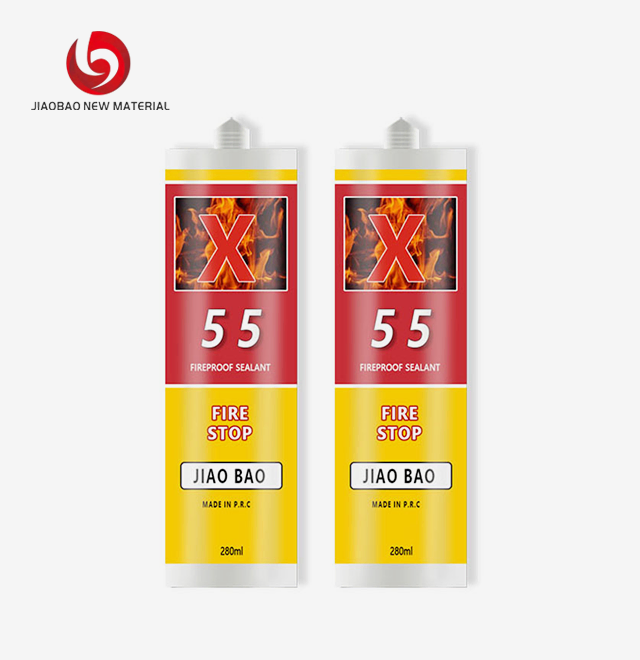
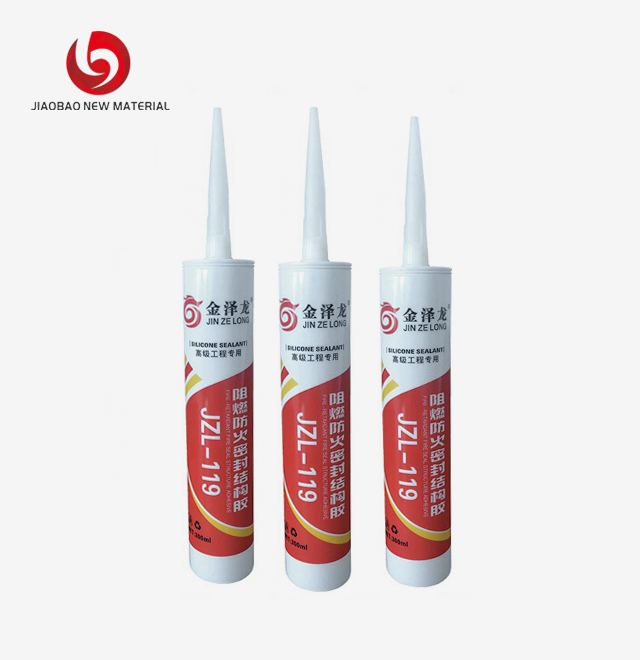
To get fire rated silicone sealant, you should go to Jiaobao. Because Jiaobao has been making fire rated silicone sealant for over 13 years, they can help you with your hardest jobs. As a reputable fire rated silicone sealant manufacturer, we provide color matching to RAL standards, OEM/ODM services, and package options that are specifically suited to your business needs. Our factory has ISO certification and always makes high-quality things in just one to two weeks. The scientific records and helpful customer service we offer back this up.
Procurement managers and technical experts can use our sample testing program to make sure that goods work well before they decide to buy a lot of them. We know how hard it can be to buy something as a business, from making sure you have the right licenses to organizing processes. We'll be with you every step of the way as you buy something. You can email our team at dorashen@cnjiaobao.com to talk about your project in more detail, get special recipes, or get samples of our goods. You can see all of our oils that are immune to fire and weather and are used by professionals all over the world at shandongjiaobao.com.
1. American Society for Testing and Materials. (2019). Standard Specification for Elastomeric Joint Sealants. ASTM C920-18, West Conshohocken, PA.
2. Underwriters Laboratories. (2021). Tests for Flammability of Plastic Materials for Parts in Devices and Appliances. UL 94 Standard, Northbrook, IL.
3. National Fire Protection Association. (2018). Building Construction and Safety Code. NFPA 5000, Quincy, MA.
4. International Code Council. (2021). International Building Code: Fire-Resistance-Rated Construction. Chapter 7, Country Club Hills, IL.
5. Society of Fire Protection Engineers. (2020). Handbook of Fire Protection Engineering: Passive Fire Protection. 5th Edition, Springer.
6. Building Research Establishment. (2017). Fire Performance of Sealants in Construction: Testing and Classification Methods. BRE Trust Report, Watford, United Kingdom.
November 16,2023
Enterprise Name
The sealant has very strong adhesion and performs well even on glass and aluminum. After curing, it remains flexible and shows no cracking. Perfect for our facade projects.
November 16,2023
Enterprise Name
Stable quality across batches. Our customers especially like the smooth application and consistent extrusion. It helps reduce installation time on site.
November 16,2023
Enterprise Name
I used it for bathroom sealing. Excellent waterproof performance and no mold issues so far. It's been holding up very well in humid conditions.
November 16,2023
Enterprise Name
The neutral silicone works well on sensitive materials without corrosion. Very suitable for industrial applications requiring stable performance.
_1779347426672.webp)