November 16,2023
Enterprise Name
The sealant has very strong adhesion and performs well even on glass and aluminum. After curing, it remains flexible and shows no cracking. Perfect for our facade projects.
Jul 15, 2026
When selecting closing materials for business or building projects, it is important to know what makes Fire Resistant Silicone Sealant unique. Fire Resistant Silicone Sealant is a special mixture that is made to keep structures strong and stop flames, smoke, and heat from getting through during a fire. Unlike most building sealants, this one has flame-retardant chemicals and thermally stable silicone polymers that keep working even when temperatures are very high. The main difference is that it can create a shield that keeps fires contained in certain areas, giving people important time to get out of the building and stopping a catastrophic collapse. Because of this, it is essential for building surfaces, expansion joints, and entry seals that need to protect against fire passively.
Fire Resistant Silicone Sealant is different from other binding materials because it works through a complex chemical process. The siloxane backbone of silicone polymers is very thermally stable. It keeps its flexibility and adhesion even when it's exposed to temperatures above 150°C in everyday use and much higher temperatures during fire exposure.
When the glue is put near direct flames, it goes through a controlled breakdown process. It doesn't melt or drip; instead, it makes a firm layer of char on top. This layer of carbon works as a shield to keep heat from moving to the surfaces below and stops flames from getting through sealed joints. Adding ceramic fillers and metal oxides improves the way char forms by making the protection layer stronger while keeping the joint's structure.
Fire performance standards are set by testing methods that are accepted by the industry. The ASTM E84 standard checks how surfaces burn, and the ASTM E814 standard puts fire-rated joint systems through real-life tests. Products that meet the requirements for UL 94 V-0 certification put out fires on their own within seconds of the light being extinguished. These certifications give people who buy things concrete information they can use to compare goods and make sure they follow the rules in all areas.
In design papers, the language used is very important. Fire Resistant Silicone Sealants stop the spread of fire and keep joints intact for the estimated durations, which are usually between one and four hours based on how the system is designed. In theory, fireproof materials would always be able to keep fires out, but in practice, no building material is completely safe. Being aware of this difference helps project managers set reasonable goals and choose the right goods for each fire compartmentation need.
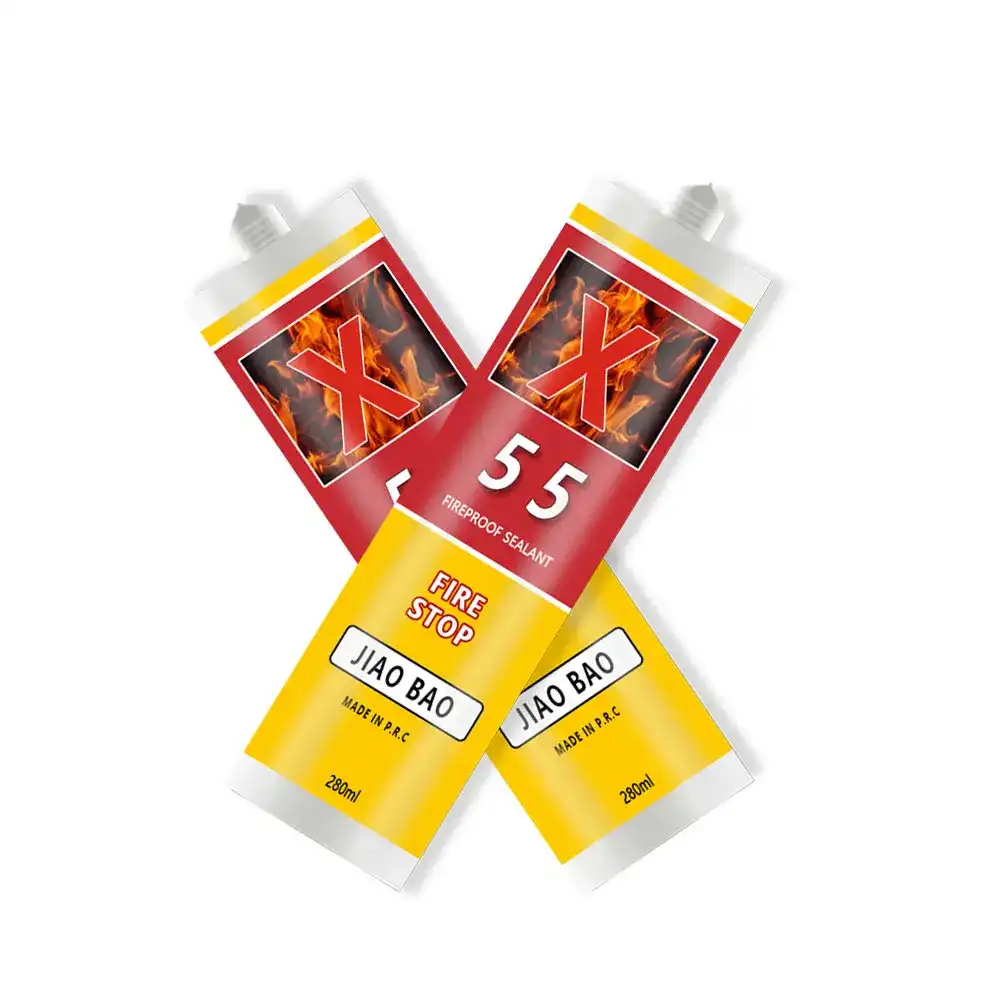
Using Fire Resistant Silicone Sealant mixtures has strategic benefits that go beyond just following safety rules. These goods work in a variety of important ways, addressing several important issues at the same time in tough commercial and industrial settings.
A big benefit is that materials last longer when they are heated and cooled many times. Acrylic or polyurethane options freeze and crack after being stretched and squished many times. Silicone, on the other hand, stays flexible at temperatures ranging from -50°C to +150°C. This elasticity lets the structure move without affecting the fire-rated seal. This lowers upkeep costs and makes the product last longer than 20 years when placed correctly.
Fire Resistant Silicone Sealant is used a lot to seal the edges of curtain wall panels in tall business buildings. The sealant stops the flame from spreading from one floor to another and also protects against wind-driven rain and UV light. When general builders work on hospitals, airports, and schools, they use these materials for the expansion joints in fire-rated wall systems. This keeps the building envelope's compartmentation integrity.
When making aluminium and steel frames for fire-rated parts, door and window processing plants use Fire Resistant Silicone Sealant. While being tried as a whole unit, the sealant sticks well to metal surfaces and keeps the minimum fire rating. These materials are used by companies that make custom furniture for businesses to connect metal to stone in places where fire safety and consistency in style are important.
Electronics factories use Fire Resistant Silicone Sealant around wire holes and equipment housings where there is a higher chance of electrical fire and more protection is needed. The dielectric features of the material keep electricity from flowing and make smoke-tight covers. Manufacturers of HVAC equipment seal pipe penetrations through fire-rated walls. This keeps the system separate without blocking airflow that is needed. Suppliers of automotive parts use special formulas for uses under the hood, where engine heat and the possibility of fuel fires require better thermal resistance.
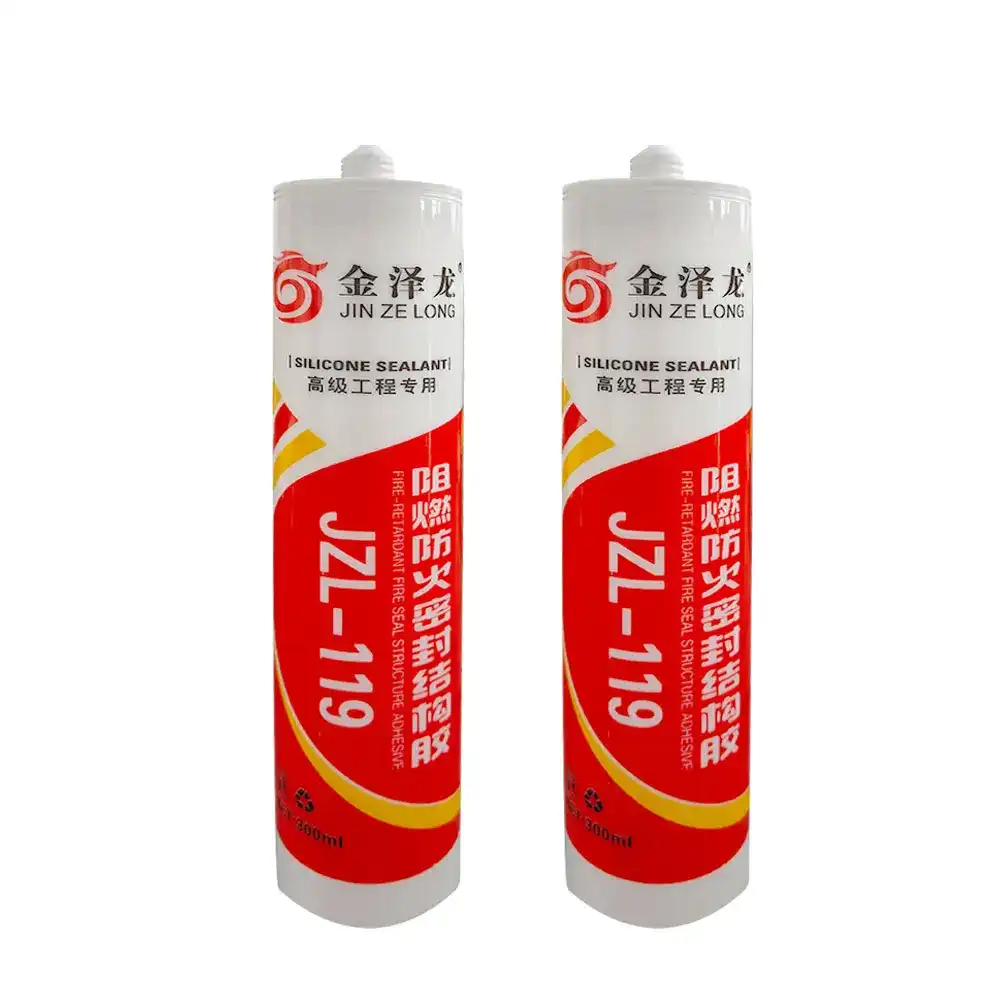
To choose the best product, you need to carefully look at the factors and performance needs that are unique to your project. Procurement managers have to find a mix between technical requirements and practical issues such as how to use the product, how it cures, and how it will need to be maintained in the long run.
Depending on the temperature, normal formulations may be enough or special high-temperature forms may be needed. Temperature changes with the seasons and strong sunlight can damage the joints on the outside of curtain walls. This is why you need goods that are UV stable and resistant to weathering. Applications inside, close to mechanical equipment, may come across heat sources that need temporary temperature resistance above 200°C. Adhesion testing is needed to make sure that the substrate is compatible, especially with polished metals, fire-rated glass, and porous brickwork that are hard to bond to.
Acrylic sealants are cheap, but they can't be moved around and don't fight water, which are important for outdoor uses. They can usually only allow for ±7.5% joint movement and break down quickly in wet conditions. Polyurethane mixtures stick better to concrete and can move about ±25%, but they need to be carefully prepared for use and dry more slowly than silicone. Intumescent seals get bigger when heated and actively close off gaps as the fire spreads, but they aren't weatherproof enough for use on the outside of a building.
Fire Resistant Silicone Sealant offers the widest range of performance, allowing for ±50% movement, great resistance to weathering, and solid fire resistance. Because it can be used in so many ways, it is the best choice for complicated assemblies that need to meet a lot of different performance standards at the same time. The material cures by being exposed to wetness from the air, so it doesn't need to be mixed, which makes application handling easier.
Manufacturers you can trust give you a lot of detailed information, like details about how the system was tried, how to install it, and reports from third parties certifying it. Shandong Jiaobao New Material Co., Ltd. is an example of this method because it is ISO certified and has been making coloured silicone formulas for over 13 years. Established providers make sure that each batch is of the same high quality by using strict process controls and providing expert help during the specification and application stages.
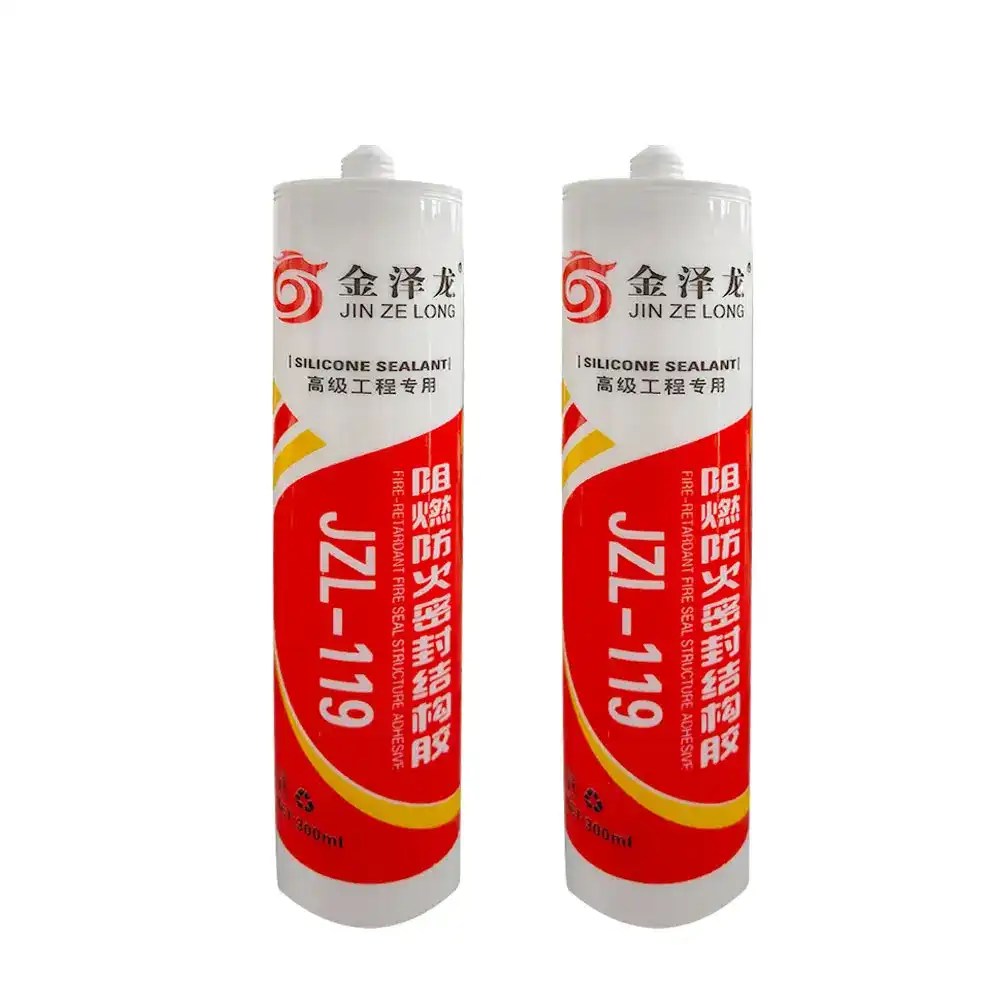
The right way to put something has a direct effect on both how well it sticks right away and how well it protects against fire in the long run. Successful projects are different from early fails because of how well the surface is prepared, how the joints are designed, and how long the concrete has to cure.
Clean materials are best for getting the best bonding. Use the right chemicals to get rid of dust, grease, wetness, and loose particles. Isopropyl alcohol works well on most surfaces. Porous surfaces, like concrete, may need to be primed to keep the sealant from absorbing too much and to make sure the beads form correctly. Corrosion and rusting must not be present on metal surfaces. Surface contaminants can be removed by wire brushing or rough cleaning. Let surfaces that have been cleaned dry completely before applying sealant. Moisture stops the sealant from drying and makes it less likely to stick.
Put cartridges into regular caulking guns and cut the tips of the nozzles to fit the width of the joint. Controlling the gun pressure and movement speed will help you keep the bead size constant. Fill joints all the way to the top, leaving no gaps or air areas. Gaps lower fire protection. Within 10 minutes of application, use the right tools that have been wet with soapy water to work the surface to get smooth, concave profiles that look better and help the drying process. Under normal conditions, the sealant forms a skin on top in 45 to 60 minutes and sets at a depth of about 3 mm every 24 hours.
Keep rain and high humidity away from sealant that has just been applied for at least 24 hours so that the surface has time to cure. If you paint over silicone seals, the paint won't stick and will crack when the joint moves. Visual checks done on a regular basis can find cracks, debonding, or material decline that needs to be fixed. When put correctly, Fire Resistant Silicone Sealant doesn't need much upkeep over its lifetime. However, any damaged areas should be taken off and replaced instead of being fixed.
Strategic buying practices reduce the costs of a project right away and increase its worth over its entire life. Knowing how prices are set, what certifications are needed, and how to handle transportation issues helps you choose and negotiate with suppliers more wisely.
The price of a single cartridge usually falls between moderate and premium levels, based on how complicated the recipe is and how long it can fire. When you buy in bulk through sausage packaging, the cost per amount goes down by a lot for big jobs. Jiaobao and other manufacturers offer a range of volume choices, such as 300ml and 600ml packs and 600ml sausages that can be used with pneumatic dispensing tools on high-volume job sites. To figure out the best packaging forms, project managers should add up the total usage using linear footage, joint depth, and width.
Material Safety Data Sheets (MSDS) are important documents that give important health and safety information that is needed for compliance on the job site and programs that protect workers. ISO certification shows that a company is committed to quality control methods that make sure products always work the same way. Fire rating approvals from well-known testing labs back up claims of performance and meet building code requirements. Products that meet ASTM standards are easier to specify in North American markets, while EN standards are used for projects in Europe.
Standard formulas usually have lead times of one to two weeks, but special colours may need more time to be scheduled for production. Suppliers with a lot of experience keep white, black, and grey in stock so that they can quickly fill regular orders. Shipping choices that are flexible can be used to meet the needs of different projects. For example, expedited goods is an option when building plans require fast delivery. Samples make it possible to try and approve goods before committing to full project quantities. This lowers the specification risk for products that aren't well known.
Jiaobao has a well-established marketing network that makes delivery to North American areas quick and easy. Their OEM/ODM services meet the needs of special projects, such as private labelling for wholesalers and custom colour matching to RAL standards. With the company's quality promise, you can get your money back or a new product within 12 months if the product doesn't meet your needs. This protects your buying investments.
Fire Resistant Silicone Sealant does important things besides just covering gaps. It provides passive fire protection that saves lives and keeps property safe. Specificators and contractors can make decisions that are in line with project needs when they understand the material science, application methods, and purchase issues. Silicone technology is different from other covering materials because it is stable at high temperatures, can be moved around, and doesn't get damaged by weather. When properly specified and put according to tested methods, these goods work reliably for decades in tough commercial and industrial settings, which is why they are the best choice for fire-rated construction projects.
A: Fire Resistant Silicone Sealants stop the spread of fire and keep the seal intact for a certain amount of time, usually between one and four hours, based on the type of joint and the material backing it. Fireproof means that it will never catch on fire, which is something that no useful building material can do. Standardised testing procedures are used to measure the performance of fire-resistant goods under controlled conditions. These tests provide measured levels of protection that can be used for building design strategies that use compartmentation.
A: High-quality Fire Resistant Silicone Sealants work great outside because they are naturally resistant to UV light and water. In contrast to acrylic alternatives that break down in sunshine and water that stays still, Fire Resistant Silicone Sealant keeps its physical qualities and fire defence abilities even after decades of being outside. Because it lasts so long, silicone is the only material that can be used for fire-rated curtain wall perimeter joints and external expansion joints that need to protect against fire and the environment at the same time.
If you want Fire Resistant Silicone Sealant for your next project, you need a manufacturing partner who has both technical know-how and a track record of dependability. Jiaobao specialises in professional-grade formulas that come in basic white, black, and grey, as well as colours that can be custom-matched to meet specific design needs. Our one-part RTV silicone caulk works the same way at all temperatures and stays flexible, which is important for being able to accommodate structure movement.
We have been making things for 13 years and are ISO certified, so we have strict quality standards that make sure every batch meets the requirements. Our production method works well and has lead times of one to two weeks, so your projects stay on track. You can choose from 300ml cartridges for smaller setups or 600ml formats for high-volume uses. We have the right packing options for your needs. As a reliable provider of Fire Resistant Silicone Sealant, we offer full expert help from the design phase through installation. Email us at dorashen@cnjiaobao.com to talk about the needs of your project, get samples, or get bulk prices for your future needs.
1. American Society for Testing and Materials. (2022). Standard Test Methods for Fire Tests of Building Construction and Materials. ASTM International.
2. Underwriters Laboratories. (2021). Fire Resistance Directory: Through-Penetration Firestop Systems. UL LLC.
3. National Fire Protection Association. (2023). NFPA 101: Life Safety Code Handbook. NFPA Publications.
4. Silicone Industry Association. (2020). Technical Guide to Silicone Sealants in Construction Applications. SIA Technical Committee.
5. International Code Council. (2021). International Building Code: Chapter 7 Fire and Smoke Protection Features. ICC Publications.
6. Construction Specifications Institute. (2022). MasterFormat Division 07: Joint Sealants and Fire-Resistant Joint Systems. CSI Standards.
November 16,2023
Enterprise Name
The sealant has very strong adhesion and performs well even on glass and aluminum. After curing, it remains flexible and shows no cracking. Perfect for our facade projects.
November 16,2023
Enterprise Name
Stable quality across batches. Our customers especially like the smooth application and consistent extrusion. It helps reduce installation time on site.
November 16,2023
Enterprise Name
I used it for bathroom sealing. Excellent waterproof performance and no mold issues so far. It's been holding up very well in humid conditions.
November 16,2023
Enterprise Name
The neutral silicone works well on sensitive materials without corrosion. Very suitable for industrial applications requiring stable performance.
_1779347426672.webp)