November 16,2023
Enterprise Name
The sealant has very strong adhesion and performs well even on glass and aluminum. After curing, it remains flexible and shows no cracking. Perfect for our facade projects.
Aug 1, 2026
When protecting electronic components and sensitive materials from environmental stress, NP Silicone Sealant Non-Corrosive Type plays a critical role by releasing alcohol-based byproducts during curing rather than corrosive acetic acid. This neutral cure chemistry prevents oxidation and degradation of metal contacts, PCB boards, and delicate substrates. By forming a flexible, electrically insulative barrier with volume resistivity exceeding 1×10¹⁴ Ω·cm, neutral silicone sealants shield assemblies from moisture ingress, temperature fluctuations, and mechanical stress without introducing harmful volatiles that compromise electronic performance or material integrity.
Neutral cure silicone sealants are a special kind of moisture-curing polymer that is made to completely eliminate the risk of corrosion while the sealant cures. While acetoxy-cure types release acetic acid, neutral types release alcohols or oximes that are not aggressive as they crosslink into solid elastomers.
Because of how they are chemically made, neutral silicone seals can only be used on sensitive surfaces. Even small amounts of acidic waste can damage copper traces on PCBs, corrode aluminum housings, and wear down conductive coatings when working with electronics manufacturing, LED assemblies, or precision instruments. This weakness is fixed at the molecular level by neutral repair technology. The lack of acidic waste products makes sealed parts last longer and keeps their adhesion strong through temperature changes from -50℃ to +150℃.
In most cases, neutral silicone formulations stick well to both porous and non-porous materials without the need for primers. Anodized aluminum, stainless steel, tempered glass, polycarbonate, and ceramic substrates are some of the materials that are widely used in HVAC systems and electrical cases. The balanced polymer network gives the combined strength and lets different materials expand and contract at different rates when heated. When covering parts that are going to be exposed to sudden changes in temperature, this flexibility is very important because hard adhesives would crack or come off.
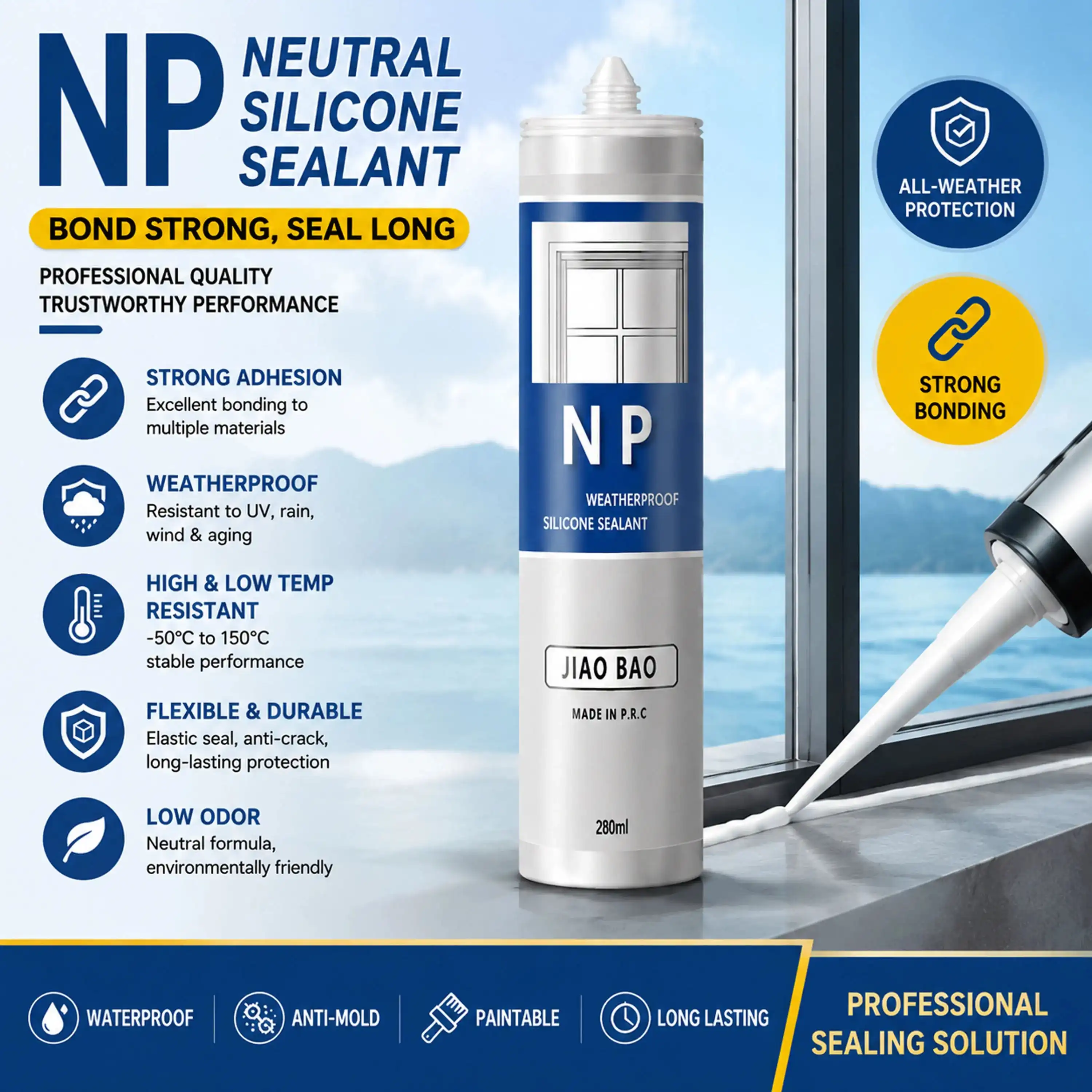
Knowing the performance parameters helps purchasing teams decide if a sealant meets the needs of the application. The following specs describe how well professional-grade neutral silicone goods protect.
Several technical standards are used to decide which neutral cure sealants are best for use in electronics or precision manufacturing. A Shore A hardness of 30 strikes a balance between flexibility and mechanical stability, letting the material move 25% of the way without breaking any joints. A surface dry time of 30 minutes makes it easy to work with quickly, and a full cure time of 7–14 days makes sure that the polymerization is complete for the best physical qualities. A tensile strength of 0.7 MPa and excellent elongation properties keep the seal from breaking when it is subjected to shaking or heat stress.
The VOC content staying below 80 g/L is in line with environmental rules like RoHS and REACH compliance, which is very important for companies that export to regulated markets. According to ASTM C 679 testing, zero-drooping performance shows that the material stays in place in vertical joints without sagging. This cuts down on application waste and makes sure that the joint shape stays the same. NP Silicone Sealant Non-Corrosive Type is particularly suitable for such applications, as its non-corrosive formulation ensures compatibility with sensitive substrates while maintaining the low-VOC and sag-resistant properties described above.
The range of temperatures that sealed systems can work in determines their working envelope. From -50°F to +150°F, professional neutral silicone sealants don't stiffen or soften, but they still stick to surfaces and don't lose their elasticity. This thermal stability is very important for outdoor LED lighting fixtures, car sensors, and industrial control screens that are subject to temperature changes throughout the year. UV protection stops chalking and fading that would hurt the material's look and ability to protect over time.
For the moisture cure mechanism to start crosslinking, the air must be humid. Under normal conditions of 23°C and 50% relative humidity, the cure depth increases by about 2–3 mm per 24 hours. Knowing this curing profile helps production planners plan the order of assemblies so that they don't upset sealant that is only partly cured when they handle it.
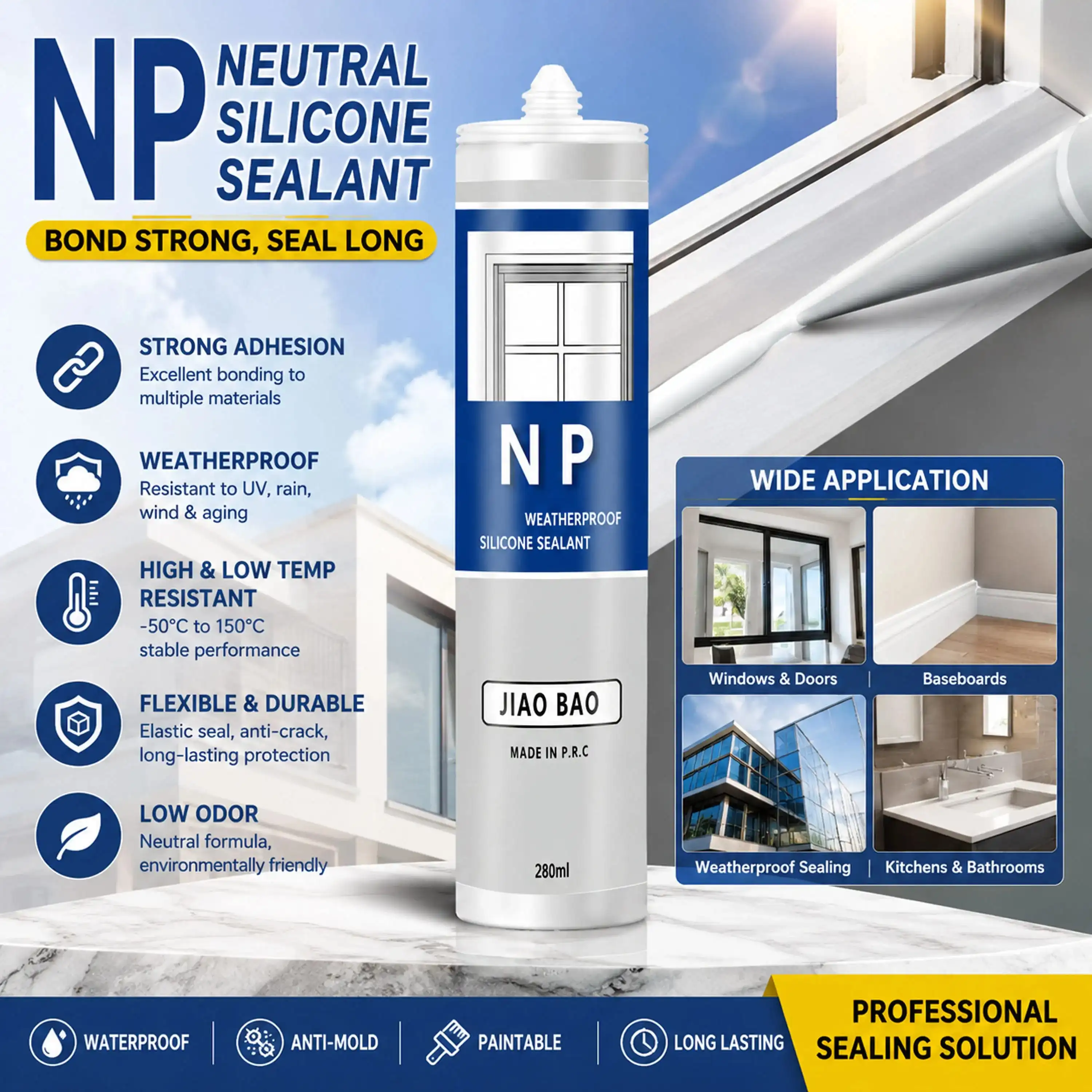
Choosing the right sealer formula has a direct effect on how reliable the product is and how much is made. When you look at neutral fix technology next to acidic, polyurethane, and acrylic choices, you can see that it performs better in sensitive situations.
Acidic silicone sealants harden quickly by releasing acetic acid. This gives them a strong vinegar smell and makes metals, especially copper alloys and zinc-plated parts, more likely to corrode. This chemical aggression can slowly break down electronic contacts and connections, showing up as faults that come and go or a full circuit failure months after they were put together. Neutral cure formulas don't have this risk at all, which is why they are the standard choice for long-term stability in electronics, car sensors, and medical device assembly.
Polyurethane sealants are very resistant to wear and can be painted over, but they are not as stable at high temperatures or resistant to UV light as silicone sealants. Acrylic latex seals stick to paint better and are cheaper, but they can't move as well, prevent water, or work in a wider range of temperatures as silicone elastomers.
If you use neutral silicone the right way, it will keep its physical features for decades. Oxidative breakdown, ozone attack, and UV rays can't damage the siloxane backbone. These things are what make other materials thicken, crack, or lose their stickiness. This chemical stability means that warranty claims will be less common and upkeep costs for sealed parts will be lower.
Because silicone polymers don't have a high glass transition temperature, they stay flexible even at temperatures below zero. This keeps them from breaking easily like many organic seals do in cold places. NP Silicone Sealant Non-Corrosive Type offers the same low-temperature flexibility while also being non-corrosive to metals and electronics, making this quality very important for outdoor electronics enclosures, refrigeration equipment, and uses in space.
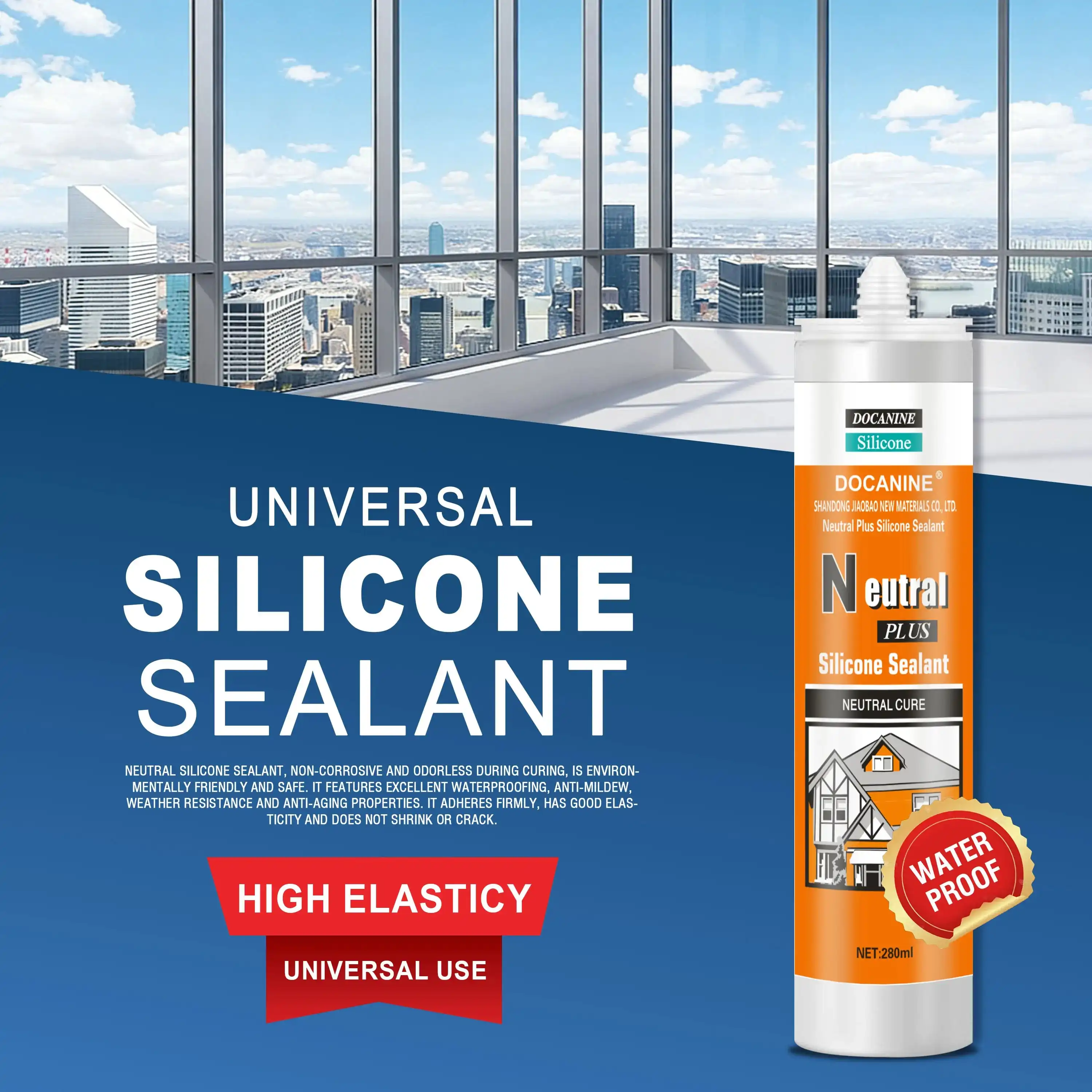
Buying things involves more than just choosing the right products. It also involves choosing a reliable supply chain, getting technical help, and keeping records of compliance. To find qualified suppliers, you have to look at many aspects of their manufacturing capabilities.
ISO certification is a basic way to make sure that quality management systems are working, but electronics-grade sealants need more proof. Documentation that meets RoHS standards proves that the product does not contain any restricted chemicals, such as lead, mercury, or certain flame retardants. REACH registration shows that chemicals have been checked for safety on European markets. Suppliers should give out material safety data sheets (MSDS), test reports that confirm the electrical insulation properties, and batch traceability systems that let you figure out what went wrong if there are quality problems.
Knowing a manufacturer's output scale can help you figure out if they can regularly meet your volume needs. Established manufacturers with more than ten years of experience usually have stable supply chains for raw materials and can fill orders within one to two weeks. This responsiveness is important for keeping inventory prices low and supporting methods of just-in-time production. Making clear the minimum order quantities early on in the supplier discussions keeps expectations from getting mixed up, especially when it comes to custom color formulations or unique packaging formats.
Another useful thing to think about is logistics freedom. Manufacturers who offer both sea freight and land transportation choices can respond quickly to pressing needs or shipping restrictions in certain regions, reducing the cost of delivery and increasing the reliability of supplies.
Even high-end sealant formulas need to be handled correctly to work as planned. By following set application methods, you can avoid common failures and make seals last longer.
Substrates that are clean and dry are the building blocks for long-lasting adhesion. Using the right solvents to get rid of dust, oils, release agents, and oxidation layers makes sure that the sealant and base are in close touch. Most surfaces can be cleaned well with isopropyl alcohol, but heavily soiled metal parts may need to be degreased with a solvent and then cleaned by rubbing them down.
NP Silicone Sealant Non-Corrosive Type is especially compatible with these prepared surfaces, as its non-corrosive nature prevents any adverse reaction with cleaned metals or porous materials, ensuring reliable curing and bond strength. When porous materials like concrete are being used, they work better when it is dry so that too much wetness doesn't stop the hardening process.
Keeping the integrity of the product while it is being stored stops it from curing too quickly and keeps its application properties. For 12 months, sealed cartridges kept at temperatures below 27℃ in dry places will still work as well as the day they were bought. Putting uncured sealant in a room with a lot of humidity or heat speeds up the moisture cure process inside the packaging. This makes it harder to extrude the material and could lead to incomplete curing after application.
The cartridge and sausage packing forms are used for different types of tasks. For smaller production runs or maintenance work, cartridges can be used by hand with standard caulking guns. Sausages, on the other hand, can be used with pneumatic dispensing equipment for high-volume assembly lines. Both formats come in 300ml and 600ml sizes, and colors include white, black, gray, and custom formulations that are made to fit specific aesthetic needs.
In conclusion, neutral fix silicone seals protect sensitive materials from damage with a non-corrosive chemistry that is also flexible, stable at high temperatures, and resistant to the environment. Getting rid of acidic waste protects metal surfaces, electronic parts, and precision systems from oxidation and degradation. NP Silicone Sealant Non-Corrosive Type exemplifies this neutral silicone technology, delivering strong adhesion across diverse substrates while maintaining stable performance from -50°C to +150°C and full compliance with international environmental regulations.
Neutral silicone technology meets important needs in electronics manufacturing, LED lighting, and precision instrumentation because it sticks well to a wide range of materials, works well at temperatures from -50°C to +150°C, and is compliant with international environmental laws. For tough industrial uses, choosing qualified suppliers with a history of making things and full technical help is the only way to make sure stable product quality and supply chain reliability.
If you put neutral fix sealant on wet surfaces, it won't stick as well and might not cure all the way. The crosslinking reaction starts with moisture, but too much water at the bond line weakens the polymer network and makes it hard for the substrate to stick to the polymer. Before applying, surfaces should feel dry to the touch, but the wetness in the air around them helps the process of drying.
When silicone is neutralized, it can safely stick to polycarbonate and plastic without the stress cracking problems that come with acidic formulas. In clear uses, the non-aggressive byproducts keep the optical sharpness and stop crazing. Because it works with so many things, neutral silicone is the best material for sealing electronic displays, LED lenses, and instrument windows.
Moisture from the air moves into the sealant and causes it to cure from the open surface inward. At 23℃ and 50% relative humidity, the standard cure depth is 2–3 mm in 24 hours. It takes longer for joints that are deeper to cure. For example, it takes about 4–6 days for a 12 mm bead to fully cure through the cross-section. In normal situations, the surface tack-free time is usually between 10 and 20 minutes.
Picking a reliable NP Silicone Sealant Non-Corrosive Type manufacturer will make sure that the quality is always the same and that they can meet your production needs quickly. Jiaobao has been making specialized products for more than 13 years and can provide electronic-grade neutral cure sealants that meet international standards and are certified by ISO and RoHS. Our formulations keep their Shore A 30 hardness and 25% moving power across operating temperatures from -50°C to +150°C, so they don't corrode sensitive metals or electronics. Our goods come in white, black, gray, and unique colors, and they can be packed in 300ml or 600ml sizes to meet a variety of assembly needs.
We offer customization for OEM and ODM customers, with wait times of one to two weeks and the option to ship by sea or land. You can keep up production speed and product reliability by getting technical advice, making sure that each batch is the same, and using strict quality control. Email dorashen@cnjiaobao.com to talk about the needs of your application and get samples for testing compatibility. You can look at our whole selection of products at shandongjiaobao.com and learn how the right sealant supplier gives you more than just low prices.
1. ASTM International. "ASTM C920: Standard Specification for Elastomeric Joint Sealants." Annual Book of ASTM Standards, Vol. 04.07, 2021.
2. Beers, M.D. "Silicone Sealants: Chemistry, Technology and Applications in Construction." Journal of Adhesion Science and Technology, Vol. 29, No. 14, 2015, pp. 1467-1490.
3. Klosowski, J.M. and Katsamberis, D. "Neutral Cure Silicone Sealants for Electronics Assembly: Performance and Reliability Considerations." IEEE Transactions on Components, Packaging and Manufacturing Technology, Vol. 18, No. 3, 1995, pp. 512-518.
4. ISO. "ISO 11600: Building Construction - Jointing Products - Classification and Requirements for Sealants." International Organization for Standardization, 2018.
5. Owen, M.J. "Siloxane Surface Activity in Relation to Antifoam Performance." Encyclopedia of Surface and Colloid Science, Marcel Dekker, 2002, pp. 4706-4719.
6. Wolf, A.T. "Durability of Building Sealants: State of the Art Report." RILEM Technical Committee 139-DBS, 1999, pp. 89-122.
November 16,2023
Enterprise Name
The sealant has very strong adhesion and performs well even on glass and aluminum. After curing, it remains flexible and shows no cracking. Perfect for our facade projects.
November 16,2023
Enterprise Name
Stable quality across batches. Our customers especially like the smooth application and consistent extrusion. It helps reduce installation time on site.
November 16,2023
Enterprise Name
I used it for bathroom sealing. Excellent waterproof performance and no mold issues so far. It's been holding up very well in humid conditions.
November 16,2023
Enterprise Name
The neutral silicone works well on sensitive materials without corrosion. Very suitable for industrial applications requiring stable performance.
_1779347426672.webp)